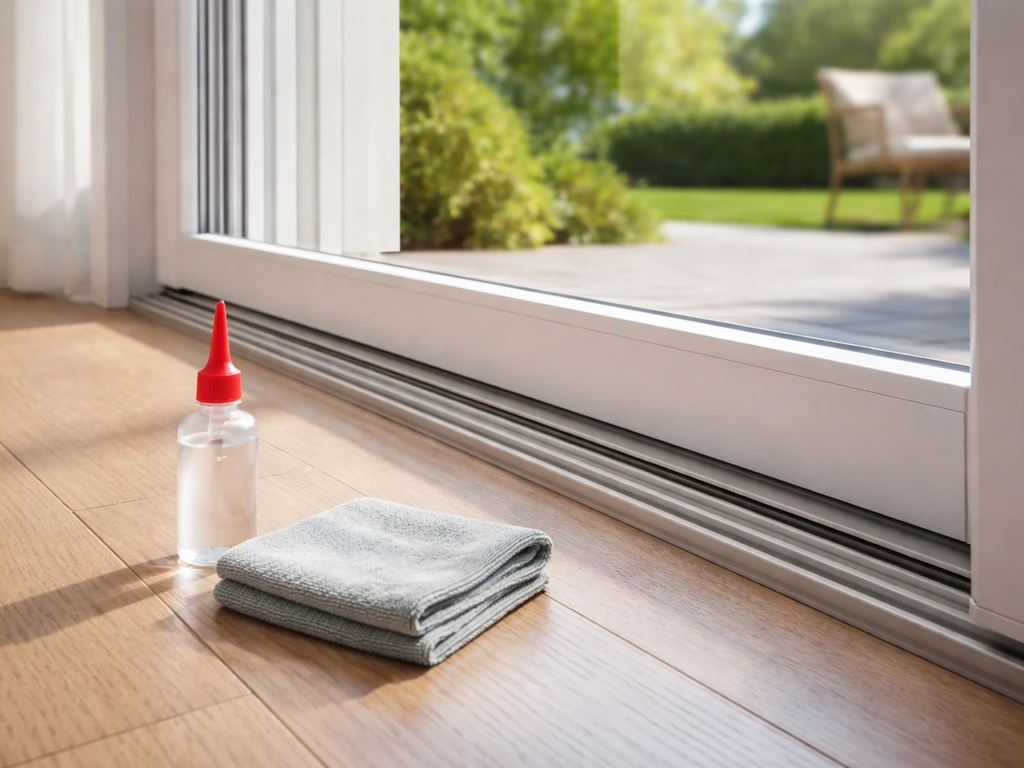
The best lubricant for sliding glass patio doors is a silicone-based spray, applied to the track channel and weatherstripping via a clean cloth (never sprayed directly). For the roller axles, use a light oil like 3-in-One. That combination keeps things gliding smoothly without attracting the grime that oil-based or WD-40-style products drag in over time. Here's exactly where to put it, how to do it right, and what to do when lubrication alone doesn't fix the problem.
Best Lubricant for Patio Doors: What to Use and How

Owen Delaney
5 May 2026
Where lubrication actually needs to go
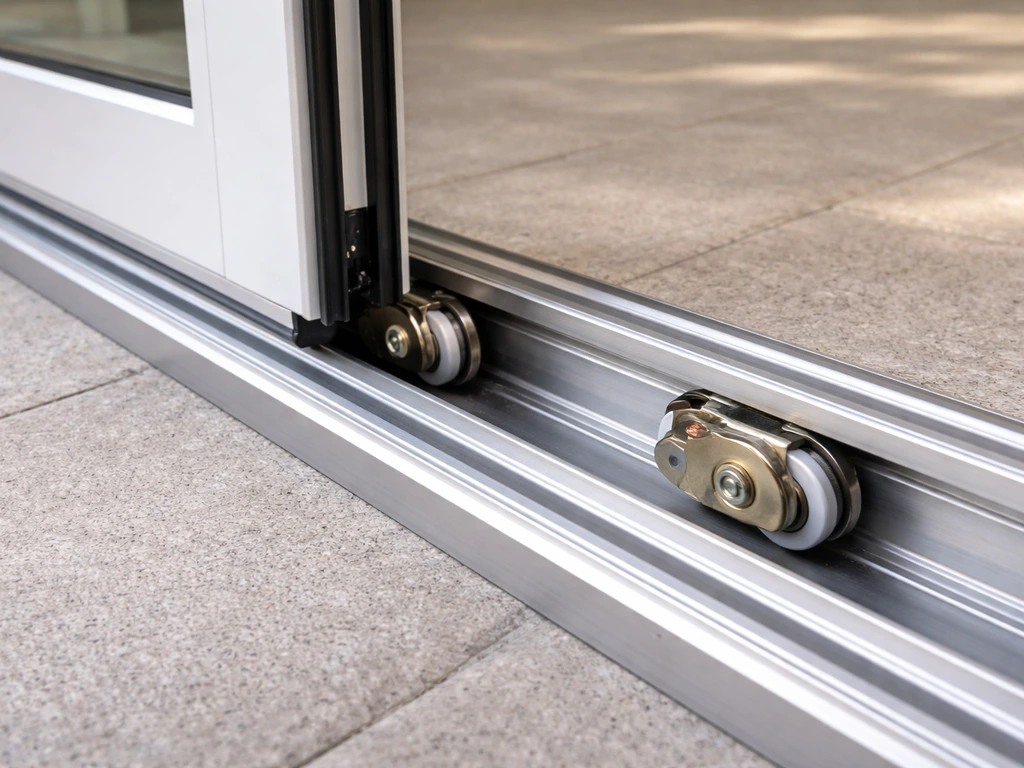
Before you reach for any product, it helps to know the three spots that matter on a sliding patio door: the track channel (the groove the door rides in), the roller assemblies (the wheels embedded in the bottom of the door panel), and the guides or jamb liners (the vertical channels that keep the panel aligned as it moves). Pella's owners manual PDF advises keeping jamb liners on the sides of the window frame clean and lubricating them with a thin coat of paraffin or another dry lubricant. Miss any one of these and you'll still have a door that drags or squeaks.
- Track channel: The horizontal groove at the bottom (and sometimes top) of the door frame. This is where most of the friction and dirt builds up.
- Roller assemblies: Small wheels mounted in the bottom edge of the door panel. They carry the full weight of the glass, so they take the most wear.
- Jamb liners and guides: The vertical side channels that keep the panel from wobbling. These often get ignored but can cause squeaking when dry.
- Weatherstripping: The soft seal around the door perimeter. Silicone helps it stay pliable and slide past the frame without tearing.
One thing to know upfront: most plastic hardware components on modern patio doors don't need lubrication at all. They just need to be kept clean. The lubrication points are the metal-on-metal or rubber-on-metal interfaces listed above.
Picking the right lubricant for your door and situation
The lubricant that works best depends on what part you're treating and what your door is made of. Here's the honest breakdown.
| Lubricant Type | Best Use | Avoid On | Key Drawback |
|---|---|---|---|
| Silicone spray (applied via cloth) | Track channel, jamb liners, weatherstripping | Wood surfaces, pile/fuzzy weatherstrip | Can make surfaces slippery — don't overapply |
| Light oil (3-in-One, sewing machine oil) | Roller axle/shaft, hinges, lock mechanisms | Tracks, weatherstripping | Attracts some dirt over time — use sparingly |
| White lithium grease | Heavy-duty roller bearings, lock latch bolts | Weatherstripping, exposed track surfaces | Thick — can collect debris if over-applied |
| Graphite spray | Lock keyways, hinges | Tracks, rollers | Messy — stains light-colored finishes |
| Paraffin / dry wax | Lightweight sliding surfaces, wood tracks | Roller axles | Wears off faster than silicone |
| WD-40 / oil-based sprays | None (not recommended for patio doors) | Everywhere | Attracts dirt and grime aggressively |
The reason manufacturers like Milgard and JELD-WEN consistently steer homeowners away from oil-based lubricants is simple: oil acts like glue for dust. Within a few weeks of application on a track, you'll have a thick paste of dirt and grit that makes sliding harder than before. Silicone is slicker and doesn't have that problem.
Aluminum and vinyl frame doors
Silicone spray on a cloth is your go-to for both aluminum and vinyl patio doors. These materials don't absorb lubricant, so a thin wipe is all you need. Vinyl tracks can also benefit from a dry paraffin rub if you don't have silicone on hand, though silicone lasts longer.
Wood frame doors
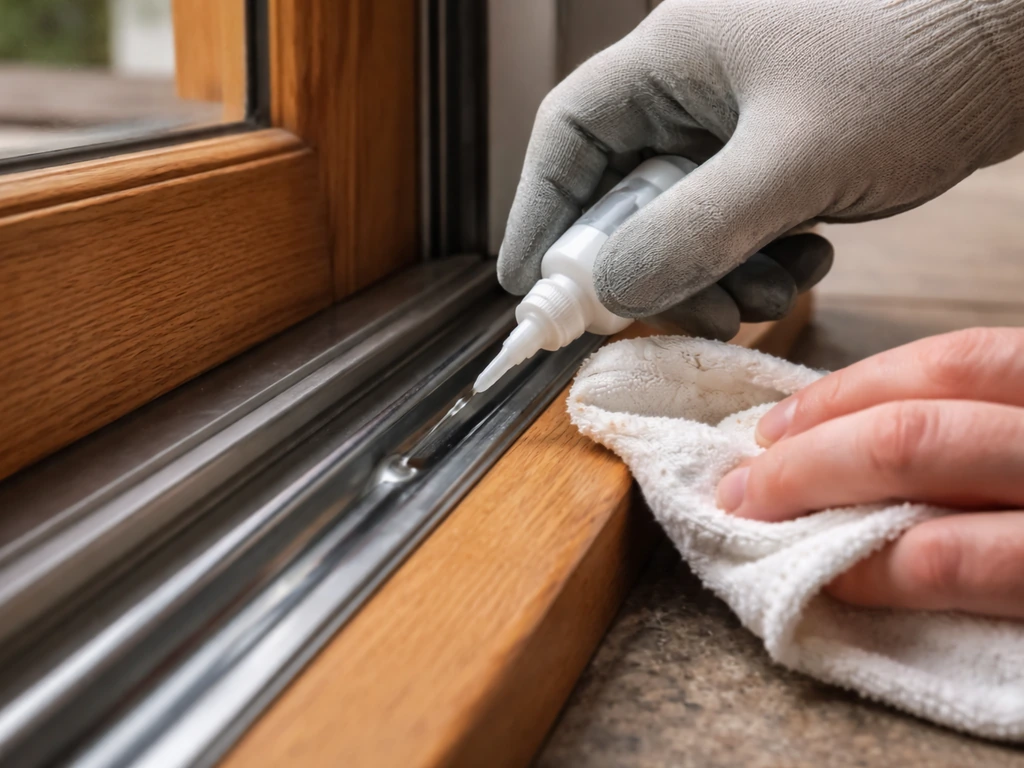
Wood patio doors require one important exception: do not apply silicone directly to wood surfaces. Silicone prevents paint and stain from bonding, which becomes a problem if you ever need to refinish the door. For wood tracks and channels, use dry paraffin (a candle wax rubbed along the surface works in a pinch) or a dry PTFE spray. Keep silicone only on the metal hardware and the weatherstripping, and even then, apply via cloth, never direct spray.
High-salt-air and coastal environments
If your home is near the ocean or a salty bay, bump up the maintenance frequency to twice a year. Salt air accelerates corrosion on roller axles and metal track components, so light oil on the rollers and a fresh silicone wipe-down on the track become genuinely important, not optional.
How to lubricate a sliding patio door (full process, step by step)
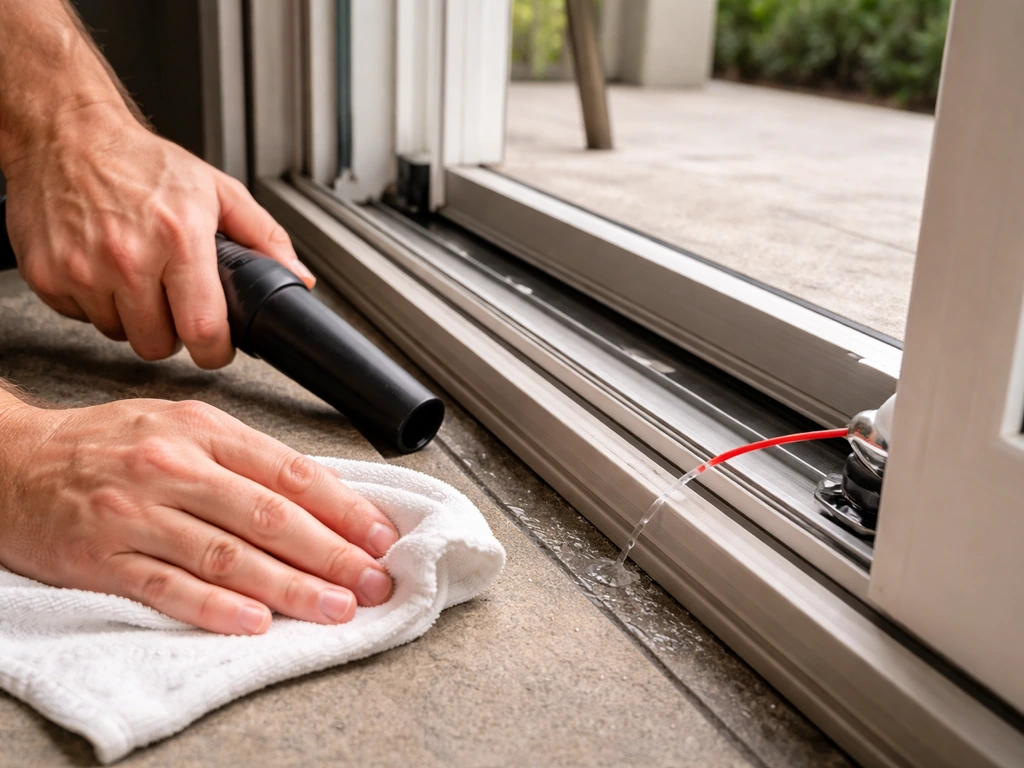
Don't skip to the spraying part. The most common reason lubrication doesn't fix a sticking door is that the homeowner applied lubricant to a dirty track. Debris acts as sandpaper under the rollers, and covering it in silicone just makes it slippery sandpaper. Clean first, always.
- Clear the track channel: Remove loose dirt, leaves, and debris by hand, then use a vacuum with a narrow nozzle attachment along the full length of the track. Do both the inside and outside runs of the channel.
- Scrub the track: Use a stiff brush (an old toothbrush works well) dipped in soapy water to scrub the inside of the channel. Pay attention to the corners where grit packs in. Wipe dry with a cloth.
- Inspect the weep holes: Look for the small drainage holes on the exterior sill of the track. If they're blocked, water backs up and causes rust and swelling. Clear them with a soft brush or thin wire.
- Apply silicone to the track: Spray silicone lubricant onto a clean dry cloth — not directly into the track — and wipe it along the full length of the bottom channel on both sides. Do the same for the top track if your door has one.
- Apply silicone to jamb liners and weatherstripping: Using the same cloth application method, wipe down the vertical guide channels and the rubber weatherstripping around the door perimeter. Skip any fuzzy or pile-style weatherstrip — silicone mats it down and reduces its effectiveness.
- Slide the door back and forth several times: This distributes the lubricant evenly and lets you feel whether the operation has improved.
- Check the rollers: If sliding is still rough after cleaning and lubricating the track, the rollers themselves need attention (see the roller section below).
- Test and adjust: If the door still drags on one side, the roller height may need adjustment. Most patio door panels have a small adjustment screw on the bottom edge that raises or lowers the roller.
How to clean and lubricate the track properly
The track is the most neglected part of a patio door, and it's usually the first thing to cause problems. A full track cleaning before any lubrication isn't just a nice-to-have, it's the difference between a fix that lasts a year and one that lasts a month.
Start with a vacuum. Use the narrowest attachment you have and run it along the full length of the track in both directions. If the track has a two-channel design (common on sliding glass doors), vacuum each channel separately. After vacuuming, wet-clean the channel with a damp cloth or brush, soapy water is fine. Let it dry completely before applying any lubricant, because silicone applied over moisture traps water rather than repelling it.
When you apply silicone, thin coats outperform heavy ones. A thick bead of lubricant in the track just collects the next round of dirt faster. Spray onto a cloth and wipe. One thin coat is enough. If your door still feels rough after one application, the issue is more likely roller damage or misalignment than insufficient lubricant.
Don't forget the weep system. Milgard specifically flags this: the exterior sill and outside track are designed to collect water temporarily, but only if the weep holes drain properly. Check those small holes on the outside sill face and clear them with a soft brush at the same time you clean the track.
How to lubricate the door rollers
Roller lubrication is a bit more involved because you need to access the bottom of the door panel. The rollers sit inside the bottom rail of the door, and the lubrication point is specifically the shaft where it passes through the center of the wheel, not the outside of the wheel itself.
Important safety note before you start: patio door panels are genuinely heavy. A standard sliding glass door panel commonly weighs between 50 and 150 pounds depending on glass thickness and size. Never try to remove or tip a panel alone. You need at least two people.
- With a second person, lift the door panel slightly and tilt the bottom outward to expose the roller assemblies on the bottom edge.
- Inspect the rollers for debris: hair, string, and grit wrap around the axle and prevent the wheel from spinning freely. Remove any visible buildup with a toothpick, compressed air, or a soft brush.
- Apply a small amount of light oil (3-in-One is ideal) directly to the roller shaft — the metal pin that the wheel rotates around. One or two drops per roller is enough.
- Spin the roller by hand to work the oil into the bearing.
- Wipe away any excess oil from the outside of the wheel. You don't want oil transferring onto the track surface, because oil on the track attracts debris.
- Re-seat the panel and slide it back and forth to test.
If the rollers are cracked, chipped, or have flat spots from years of use, lubrication won't fix them. Replacement roller assemblies are available for most major brands (Andersen, Pella, JELD-WEN, Milgard) and are usually a straightforward swap once the panel is removed. Andersen’s help center provides a gliding patio door hardware adjustment and replacement guide that includes roller and hardware adjustment information hardware adjustment and replacement guide for gliding patio doors. A roller that's truly worn out will still drag even on a perfectly clean, lubricated track.
Fixing squeaks, sticking, and poor drainage that won't quit
You've cleaned the track, lubricated everything, and the door still sticks or squeaks. Here's how to diagnose what's actually going on.
Still sticking or hard to open
The most common cause of persistent sticking after lubrication is misaligned rollers. If one roller is set lower than the other, the door panel sits at a slight angle in the frame, which causes it to bind against the jamb. Look at the bottom edge of the door: if it's not parallel to the track, grab a screwdriver and find the roller adjustment screws on the bottom rail (usually covered by a small plug). Turn them to raise or lower each side until the panel sits level. Renewal by Andersen specifically calls out misaligned rollers as a major cause of doors that require extra effort to move.
Squeaking after lubrication
A squeak that survives lubrication usually means you missed a contact point. Check the weatherstripping along the vertical jamb, if it's dry or cracked, it'll squeak every time the door brushes past it. A wipe of silicone on a cloth along that seal usually solves it. If the squeak is metallic and coming from higher up, check the top guide channel. It often gets overlooked because the door's weight doesn't rest there, but it still creates friction.
Water pooling inside the track
If water sits in the interior track after rain, the weep holes are blocked. The JELD-WEN diagnostic is a good one to follow: pour about one cup of water into the interior sill track and watch whether it drains through to the exterior within a minute or two. If it doesn't, use a thin wire or compressed air to clear the weep holes from the outside. If the holes are clear and water still isn't draining, the track may be sloped incorrectly and you'll want a technician to assess it.
Lock that won't engage properly
If the lock latch doesn't catch cleanly after roller adjustment, the latch strike (the metal catch on the door frame) probably needs to shift slightly to align with the new roller height. Most latch strikes have slotted screw holes for exactly this reason. Loosen them, reposition the strike until the latch clicks cleanly, and retighten. For the lock keyway itself, a shot of graphite spray is all it needs, never oil or silicone in a lock cylinder.
How often to do this, and a few things not to skip
For most climates, a full cleaning-and-lubrication routine once a year keeps a sliding patio door operating the way it should. When choosing colors and finishes for patio doors, the best shades balance light control, heat buildup, and how the finish will look after exposure to sun and weather best shades for patio doors. If you live within a few miles of the coast or in a region with significant airborne salt, bump that to twice a year.
Milgard's guidance aligns with exactly this cadence. I'd add one more: do a quick visual check every spring after winter, when frozen debris, ice damage to weatherstripping, and grit from snow-melt products can all cause problems that are much easier to fix early.
Here's what to check at each annual service:
- Vacuum and clean the track channel before applying any lubricant
- Inspect weep holes on the exterior sill and clear any blockage
- Wipe silicone onto the track channel, jamb liners, and rubber weatherstripping (cloth application only)
- Apply light oil to roller axles if the door feels heavy or rough after track cleaning
- Test roller alignment by checking whether the bottom of the panel is parallel to the track
- Test the lock latch for smooth engagement
- Inspect weatherstripping for cracks, tears, or compression damage — replace if needed
- Wipe down the glass and frame with a mild cleaner to check for any surface corrosion or paint issues
A few things that are genuinely worth avoiding: never spray any lubricant directly onto the door hardware (apply to a cloth first), never use silicone on wood surfaces or pile weatherstrip, and never use WD-40 as a long-term lubricant on patio doors. It's a water displacer, not a proper lubricant, and it leaves behind an oily residue that attracts grit fast.
Keep the process simple and clean, and a sliding patio door should glide easily for years between any real repair work. For a lasting finish, choose a patio-door paint that matches the door material and is rated for exterior exposure and moisture paint for patio door. If you're also doing a full door refresh, keeping the glass clean and checking the frame condition are worth doing at the same time as your lubrication service.
Using the best glass cleaner for patio doors helps remove smudges and haze without streaks, so the door looks its best after maintenance keep the glass clean. When you refresh your patio door, don't forget to choose the best shades for patio doors so light and privacy match your space.
FAQ
Can I use silicone lubricant on all patio door materials, including wood?
Yes, but only in limited cases. Use silicone or dry PTFE on the metal hardware and on rubber weatherstripping, and keep those products off unfinished wood. Even one accidental direct spray on wood can complicate future refinishing because it interferes with how paint or stain bonds.
What should I do if lubrication makes my patio door drag even more?
If you already applied silicone and the track still feels worse, the most common cause is contaminated track residue (dust, grit, or old oil). Re-clean the track first, then apply a thin coat only. If the rollers are flat-spotted or cracked, lubrication will not restore smooth travel.
Is WD-40 a good substitute for the best lubricant for patio doors?
No, avoid WD-40 as a long-term solution. It can leave an oily residue that traps dirt, and it can also make later cleaning harder. For patio doors, stick to silicone on the track (via cloth) and a light oil on the roller axle/shaft only.
How much lubricant should I apply to the track and weatherstripping?
A good rule is, one thin wipe-on coat is enough. Heavy buildup speeds up grime accumulation and can create a sticky film. If you want to confirm you applied correctly, run the door several times and feel for a change, then stop adding more until the track is fully re-cleaned.
Should I lubricate the patio door track right after cleaning or after it rains?
If the track is wet from recent rain, cleaning, or trapped moisture, wait until it fully dries. Applying silicone over moisture can trap water and lead to faster corrosion on metal parts and faster recurrence of sticking.
What lubricant is safest to use on the lock or key cylinder?
Graphite spray is better for locks because it stays dry and reduces friction without leaving a wet residue. Avoid oil or silicone in the key cylinder, since it can migrate inside and attract grime, making the lock harder to operate over time.
My door still squeaks after lubrication. How do I find the exact source?
If the door squeaks mainly when it slides, the culprit is often the vertical weatherstrip or a missed contact point in the jamb guide. Wipe silicone on the weatherseal with a cloth, then check the top guide channel if the squeak sounds like metal-on-metal from higher up.
How can I tell if the weep holes are the reason my patio door won’t drain properly?
Clean the track, then verify the weep system by draining test: pour about a cup of water into the interior sill area and watch whether it exits outside within a minute or two. If it does not, clear the weep holes carefully from the exterior side using a soft tool or compressed air, then retest.
How do I know if my patio door needs roller adjustment instead of more lubrication?
If one side of the door drops or the bottom edge looks angled, misaligned rollers are likely. Turn the roller adjustment screws to raise or lower each side until the panel sits level and glides with similar effort across the travel.
How often should I lubricate my patio door if I live near the coast?
It depends on the goal. For frequent coastal salt exposure, do the full track cleaning plus thin silicone wipe-down and light roller oil about twice per year. In non-coastal areas, annual service is usually sufficient, plus a quick spring visual check for ice damage or grit.
How can I tell when lubrication won’t fix my patio door and rollers need replacement?
If the rollers have visible chips, cracks, or flat spots, you may hear dragging or feel rough movement even after perfect cleaning and lubrication. In that case, replacement roller assemblies are typically the fix, not additional lubricant.
What’s the best way to clean the patio door track before applying the best lubricant?
Use the narrowest vacuum attachment along the entire track, and vacuum each channel separately on dual-channel track designs. After vacuuming, do a damp soapy-water wipe and let it dry completely before lubricating.