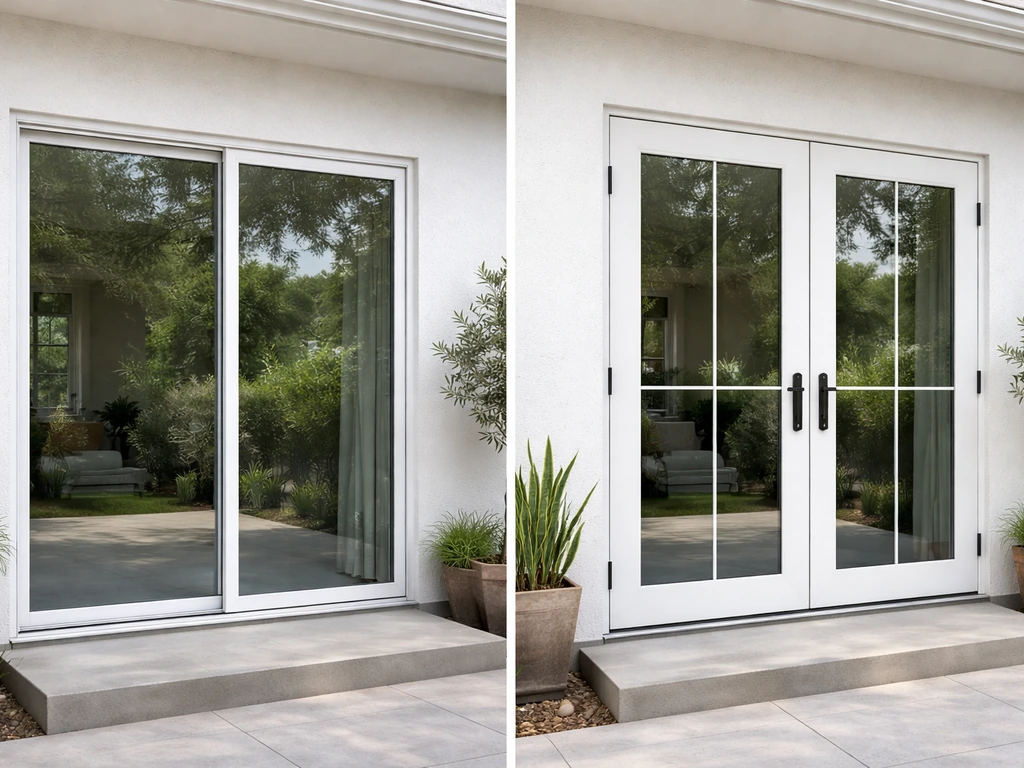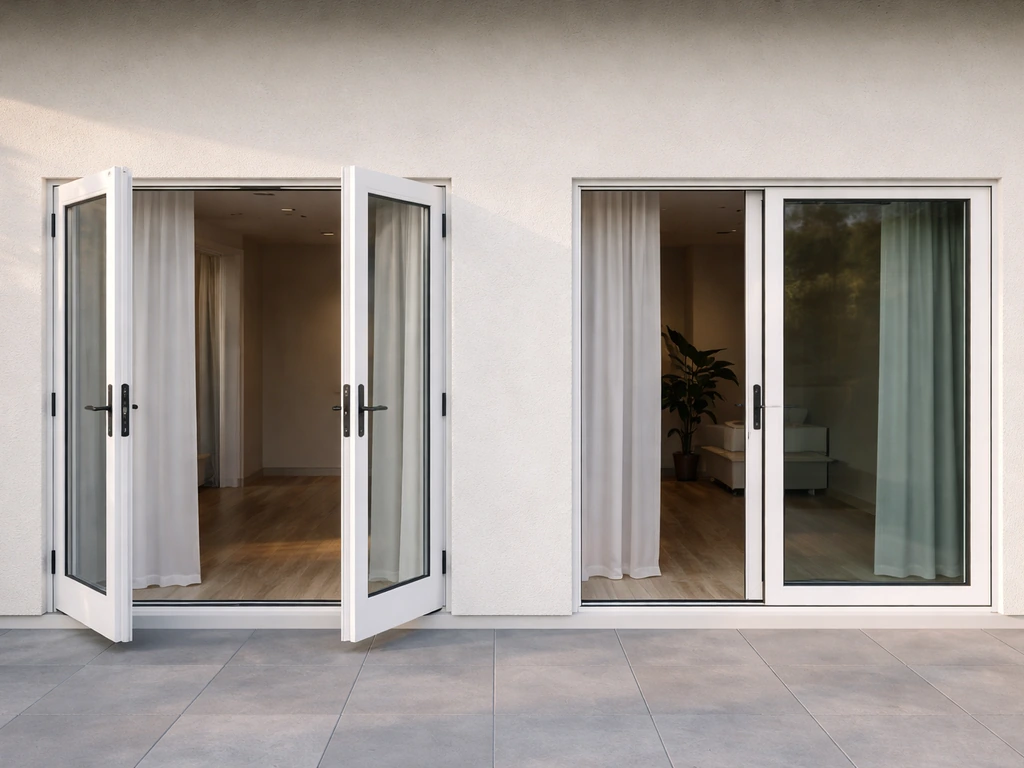
The best-rated patio doors right now come from a short list of manufacturers: Andersen, Pella, Milgard, JELD-WEN, and PGT Innovations consistently land at the top across independent reviews, contractor surveys, and energy performance certifications. But "best rated" means different things depending on whether you're prioritizing energy efficiency, security, low maintenance, or budget. A fiberglass French door from Andersen is a different kind of "best" than a vinyl sliding door from Milgard. This guide will help you figure out which type, material, and brand actually fits your home, measure correctly so you don't get burned on installation day, and understand what you're really paying for.
Best Rated Patio Doors: Buying Guide, Types, Ratings

Owen Delaney
29 Apr 2026
What "Best Rated" Actually Means for Patio Doors
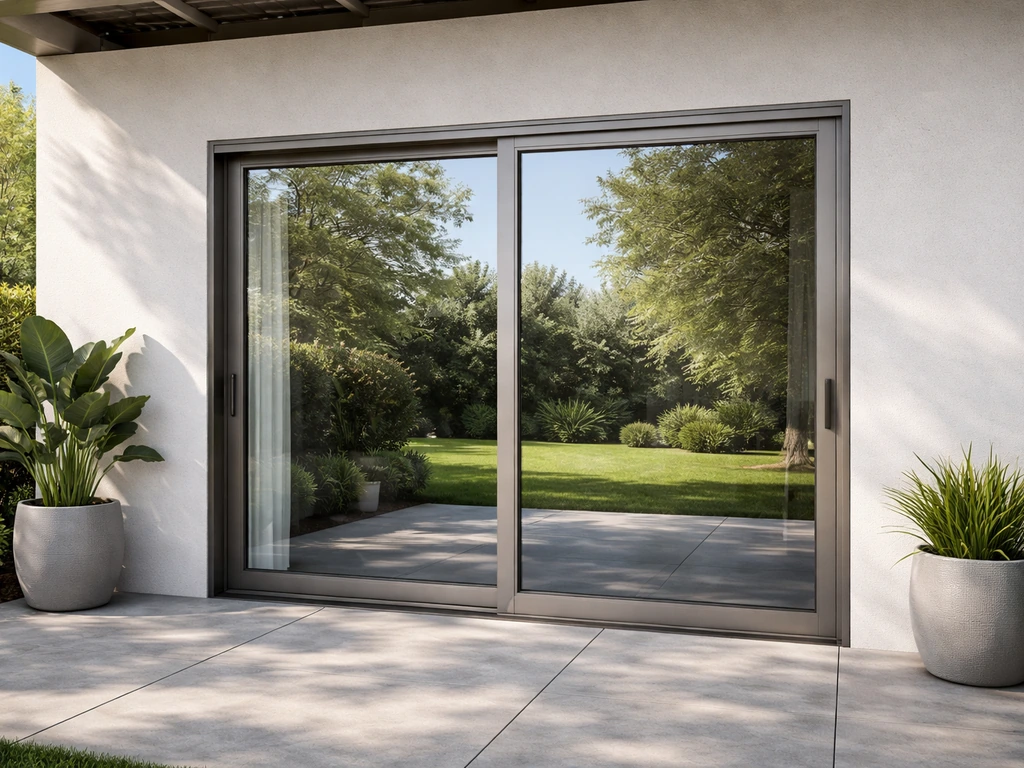
Ratings for patio doors come from several different places, and they don't all measure the same thing. Knowing which source to trust for which concern saves you from buying a door that scores well on one metric but fails on another.
Energy performance ratings come from the National Fenestration Rating Council (NFRC). Every NFRC-certified door gets a label listing five key metrics: U-factor (how much heat the door loses or gains), Solar Heat Gain Coefficient or SHGC (how much solar heat passes through the glass), Visible Transmittance or VT (how much daylight comes through), Air Leakage or AL measured in cfm per square foot, and a Condensation Resistance or Condensation Index score that tells you how well the door resists frost and moisture buildup on the inside. ENERGY STAR qualification is built on top of NFRC data, primarily using U-factor and SHGC thresholds that vary by U.S. climate zone. One thing worth noting: air leakage is not required for ENERGY STAR qualification, but it contributes meaningfully to heat loss and gain in real-world conditions. Always check the AL number on the NFRC label, not just the ENERGY STAR badge.
Structural and weather performance ratings come from AAMA/WDMA/CSA 101/I.S.2/A440, the North American standard that assigns a Performance Grade (PG) number to fenestration products. That PG number maps directly to a design pressure (DP) rating, which tells you how much wind load the door can handle, and to a water penetration resistance level tested under ASTM E331. A higher PG number means more structural strength and better water resistance under pressure. If you live somewhere with serious storms or coastal exposure, this number matters as much as U-factor. FEMA references these PG-to-DP mappings specifically for hurricane and high-wind advisory work, so products tested to higher PG ratings give you genuine, code-backed performance data.
Customer and contractor ratings come from sources like Consumer Reports, J.D. Power, Houzz, and contractor feedback aggregators. These capture real-world satisfaction with installation fit, hardware durability, warranty service responsiveness, and long-term finish quality. These are the ratings that tell you whether a door that looks good on paper actually holds up five years after installation. When you're comparing brands, cross-referencing certified energy data with contractor-reported reliability is the most reliable approach. A door that rates well on both fronts consistently is genuinely the best-rated option.
Sliding, French, or Bifold: Which Type Rates Best for Your Situation
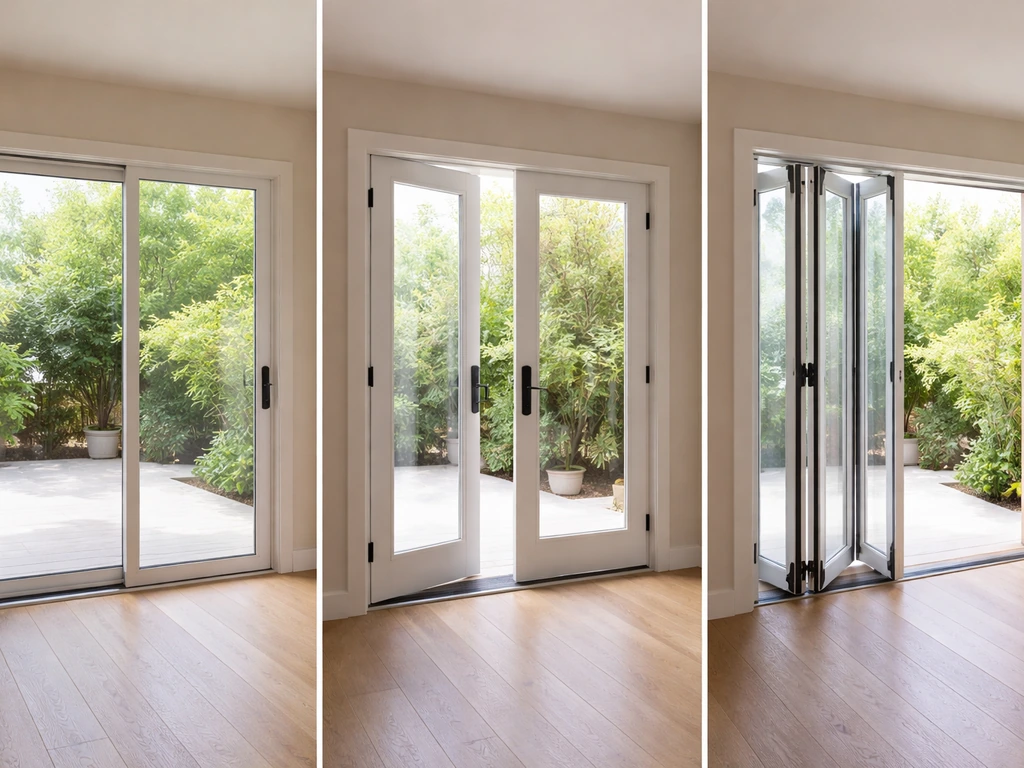
The type of patio door you choose shapes almost every other decision, including which brands are relevant, what you'll pay, and what performance trade-offs you're making. Here's how the three main types actually compare in real-world use.
| Door Type | Best For | Typical Opening Width | Energy Performance | Security | Maintenance |
|---|---|---|---|---|---|
| Sliding | High-traffic homes, limited swing space, contemporary style | 60" to 96" (5 to 8 feet) | Good to excellent with modern low-e glass; AL varies | Adequate with quality hardware; lift-off risk on older tracks | Low; no hinges to maintain, but track cleaning required |
| French (Hinged) | Traditional homes, maximum airflow, wide opening feel | 60" to 72" standard; wider custom options | Excellent when well-sealed; better compression seal than sliding | Strong; multi-point locking standard on premium models | Moderate; hinge adjustment, weatherstrip wear over time |
| Bifold | Large wall openings, indoor-outdoor living, showpiece rooms | 8 to 20+ feet | Most variable; AL can be higher; requires careful installation | Lower than other types; more panels mean more seal points | Highest; hardware and track complexity increase with panel count |
Sliding doors dominate in terms of sheer volume sold and tend to produce the most homeowner reviews, which means there's more data on long-term performance. They rate well for convenience and low maintenance. French doors consistently rate highest for security and weatherproofing when properly installed, because a compression seal (like a door closing against a stop) outperforms the brush or pile seal typical on sliding doors. Bifold doors earn the highest design ratings but also generate the most complaints about hardware issues and air infiltration over time. If your climate is harsh, bifold doors require careful attention to AL ratings and installation quality.
Material Matters: Vinyl, Aluminum, Wood, and Fiberglass Compared
Material is where most performance differences actually live. The frame material affects U-factor, durability, maintenance burden, and what the door looks like 15 years from now.
| Material | U-Factor Range (typical) | Durability | Maintenance | Best Climate Fit | Typical Cost Range (door only) |
|---|---|---|---|---|---|
| Vinyl (uPVC) | 0.20 to 0.35 | Good; can warp in extreme heat | Very low | Moderate climates; not ideal for extreme desert heat | $400 to $1,200 |
| Aluminum | 0.35 to 0.60 (thermally broken: 0.25 to 0.40) | Excellent; corrosion-resistant | Low; repainting not needed | Coastal, humid, and high-wind zones | $600 to $2,000 |
| Wood | 0.25 to 0.40 (clad) | Good with maintenance; wood core requires upkeep | High; painting/staining every 3 to 7 years | Dry to moderate climates | $800 to $3,500+ |
| Fiberglass | 0.17 to 0.30 | Excellent; dimensionally stable | Very low | All climates including extreme heat/cold | $1,200 to $4,000+ |
Fiberglass consistently earns the highest long-term performance ratings across all climates because it doesn't warp, shrink, or swell with temperature changes the way wood and even vinyl can. That dimensional stability means the door seals the same on a 10-degree January morning as it does on a 95-degree August afternoon. Vinyl is the best value pick for most homeowners in moderate climates; it scores well on energy efficiency, installs easily, and requires almost no upkeep. Aluminum with a thermal break is the go-to for coastal and high-humidity environments where corrosion resistance matters more than peak insulation. Wood is a specialty choice: it looks the best and can be refinished repeatedly, but the maintenance commitment is real.
Security and Locking Systems
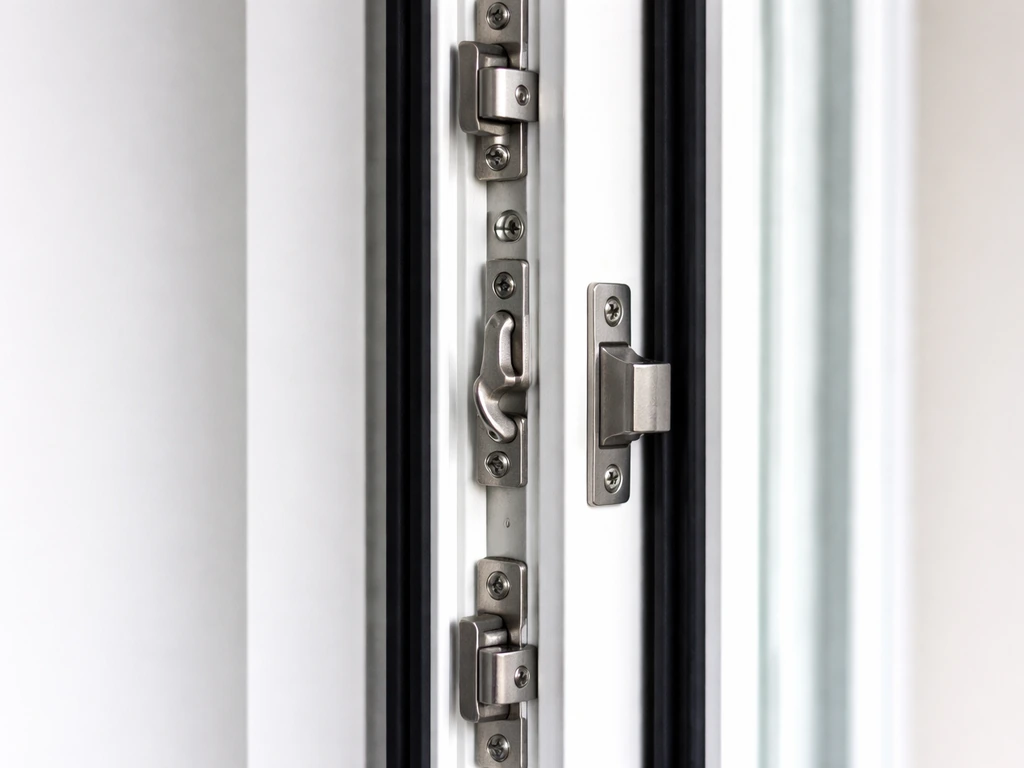
Frame material affects security too. Fiberglass and steel-reinforced vinyl frames resist forced entry better than hollow aluminum profiles. For sliding doors, look for anti-lift pins or a secondary lock bar in the track in addition to the primary latch. French doors should have a multi-point locking system (three or more lock points along the door edge) rather than a single deadbolt. Top-rated security features on current models include stainless or hardened steel hardware, key-lockable lever handles, and reinforced strike plates. If you're in a high-crime area or just want peace of mind, multi-point locks should be a non-negotiable specification, not an upgrade add-on.
Measuring for a Patio Door: The Checklist You Need Before You Order
Sizing errors are the single most common and most expensive patio door replacement mistake. Most manufacturers build to standard rough opening sizes, but "standard" isn't universal. Measure everything yourself before you order anything.
- Measure the rough opening width at three points: top, middle, and bottom. Use the smallest measurement. Standard rough openings run 60", 72", 80", and 96" wide. The door unit (frame included) is typically 1" to 1.5" narrower than the rough opening.
- Measure the rough opening height at three points: left side, center, and right side. Standard heights are 80" and 96" (6'8" and 8'). Use the smallest measurement.
- Check for square by measuring diagonally corner to corner in both directions. If the two diagonal measurements differ by more than 1/4", the opening needs shimming or framing adjustment before the door goes in.
- Measure the wall thickness (the depth from exterior to interior finish surface). Standard is 4.5" for 2x4 framing and 6.5" for 2x6. This determines the extension jamb size you need.
- Check the floor levelness across the sill area using a 4-foot level. Any gap over 1/4" at the ends means the sill needs leveling before installation.
- Note swing direction for French doors (inswing vs. outswing) and which panel is the active (opening) panel. Confirm there's at least 36" of clearance on the swing side.
- For sliding doors, confirm the direction the operating panel slides (right-handed or left-handed when viewed from inside) and measure clearance along the track wall for the panel to fully open.
- If replacing an existing door, measure the old door unit (not the rough opening) and compare to verify what the existing rough opening was built for. Old units sometimes include non-standard framing.
One practical shortcut: if you're working with a manufacturer's dealer or a big-box store, bring photos of your existing door from both inside and outside along with your measurements. Most reps can cross-reference your numbers with their standard sizes and flag problems before you commit to an order. This is especially important for bifold doors, where even small out-of-level or out-of-plumb conditions cause major operational headaches after installation.
Top-Rated Manufacturers and Models Worth Shortlisting
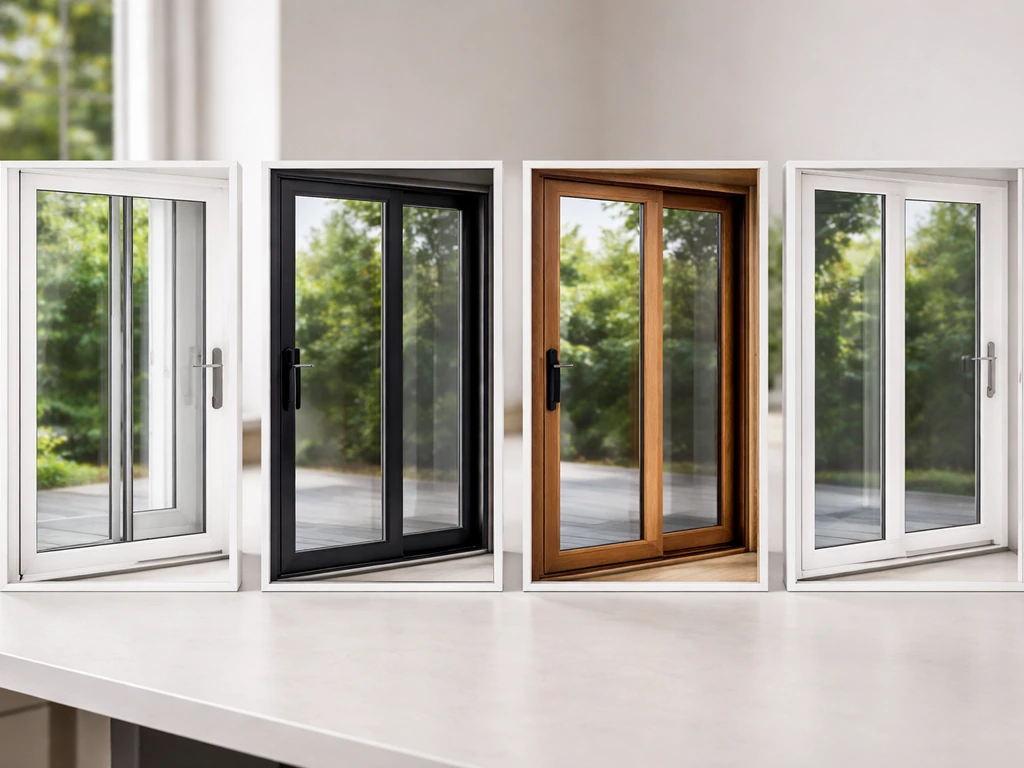
There is no single "best" brand for every buyer. The right manufacturer depends on your door type, material preference, climate, and budget. That said, a handful of names come up repeatedly in contractor surveys, independent testing, and homeowner reviews for reliability and post-sale support.
Andersen Windows and Doors
Andersen is the most consistently recommended brand for French and sliding patio doors in the premium segment. The 400 Series sliding door uses Andersen's Fibrex composite material (a wood fiber and polymer blend) for the frame, which offers the dimensional stability of fiberglass with a wood-like interior appearance. The E-Series (Eagle) line handles custom sizing and high-end architectural applications. Andersen backs most of its products with a 10-year warranty on glass and a 20-year warranty on Fibrex components. If budget allows and you want a door that will still perform well in 20 years, Andersen is the safest long-term bet.
Pella
Pella is Andersen's closest direct competitor and consistently strong in both fiberglass and wood-clad lines. The Encompass vinyl line covers the value segment, while the Reserve Wood line and 850 Series fiberglass line are flagship products. Pella's between-the-glass blind system (built-in blinds sealed inside the insulating glass unit) is one of the most popular upgrade options in the industry and eliminates the frustration of cleaning window treatments. Warranty coverage is comparable to Andersen, with lifetime limited warranties on some glass packages.
Milgard
Milgard is the dominant brand in the western United States and rates especially well for vinyl sliding patio doors. The Trinsic and Ultra (fiberglass) series both earn strong ratings for fit, finish, and energy performance. Milgard offers a Full Lifetime Warranty that covers the original purchaser for as long as they own the home, which is one of the most generous coverage policies in the industry and a big reason contractors in the West recommend them consistently.
JELD-WEN
JELD-WEN is one of the largest door manufacturers in North America and offers the widest range of price points and configurations. Their W-4500 and AuraLast wood lines rate well for performance, and their vinyl and aluminum lines are competitive on price. Quality can vary more by product line than with Andersen or Pella, so it's worth reading reviews specific to the line you're considering rather than treating JELD-WEN as a single brand tier.
PGT Innovations and CGI (for High-Wind/Hurricane Zones)
If you're in Florida, the Gulf Coast, or anywhere with serious storm exposure, PGT Innovations and its CGI brand are the top-rated options for impact-rated patio doors. These products are tested to AAMA/WDMA/CSA performance grades specifically suited for high wind and water penetration resistance and are Florida Building Code approved. The price premium is real, but so is the performance gap compared to standard doors in hurricane conditions.
When narrowing your shortlist, match the brand to your door type and your primary concern. For best-rated replacement doors specifically, the overlap between these manufacturer options and available replacement configurations is worth a closer look. For the best replacement patio doors, compare how each brand’s replacement options match your door type, climate, and priorities. Similarly, if you're primarily driven by cost-to-performance ratio, the value and budget segments within each brand deserve separate evaluation.
What You'll Actually Pay: Costs, Installation, and Long-Term Value
The door unit price is only part of the total project cost. Installation almost always adds 30 to 60 percent on top of the door price, and that percentage tends to go up the more complex the door type.
| Door Type / Material | Door Unit Cost (typical range) | Professional Installation | Total Installed Range | Warranty (typical) |
|---|---|---|---|---|
| Vinyl sliding, standard | $400 to $900 | $300 to $600 | $700 to $1,500 | 10 to 20 years; some lifetime |
| Aluminum sliding, thermally broken | $700 to $2,000 | $400 to $800 | $1,100 to $2,800 | 10 to 20 years |
| Fiberglass French door | $1,200 to $3,500 | $500 to $1,200 | $1,700 to $4,700 | Lifetime limited (glass), 10 to 20 yr (frame) |
| Wood-clad French door | $1,500 to $4,500+ | $600 to $1,500 | $2,100 to $6,000+ | 1 to 10 years depending on brand |
| Bifold (aluminum, 8 to 12 ft) | $3,000 to $8,000+ | $800 to $2,500 | $3,800 to $10,500+ | 5 to 10 years hardware; varies on frame |
DIY installation is feasible for a standard sliding door replacement if the rough opening is already correctly sized and the framing is in good shape. It's a half-day job for someone comfortable with basic carpentry and a helper. French door installation is significantly harder because getting the frame plumb and level matters more for a compression seal. Bifold installation is genuinely complex and almost always worth paying a professional for. A bad bifold installation will frustrate you every single day, and fixing it after the fact is often more expensive than doing it right the first time.
On ROI, the Department of Energy estimates that replacing a single old, leaky patio door with a modern ENERGY STAR-qualified unit can reduce heating and cooling loss through that opening by 20 to 30 percent. The payback timeline depends on your energy costs and climate, but in cold-climate or extreme-heat regions, the combination of energy savings and improved comfort is real and measurable. Warranty terms directly affect long-term value: a lifetime warranty from a manufacturer that's been in business for 50-plus years (Andersen, Pella, Milgard) is worth more than a 10-year warranty from a brand with uncertain longevity.
Upgrades and Accessories That Actually Improve Performance
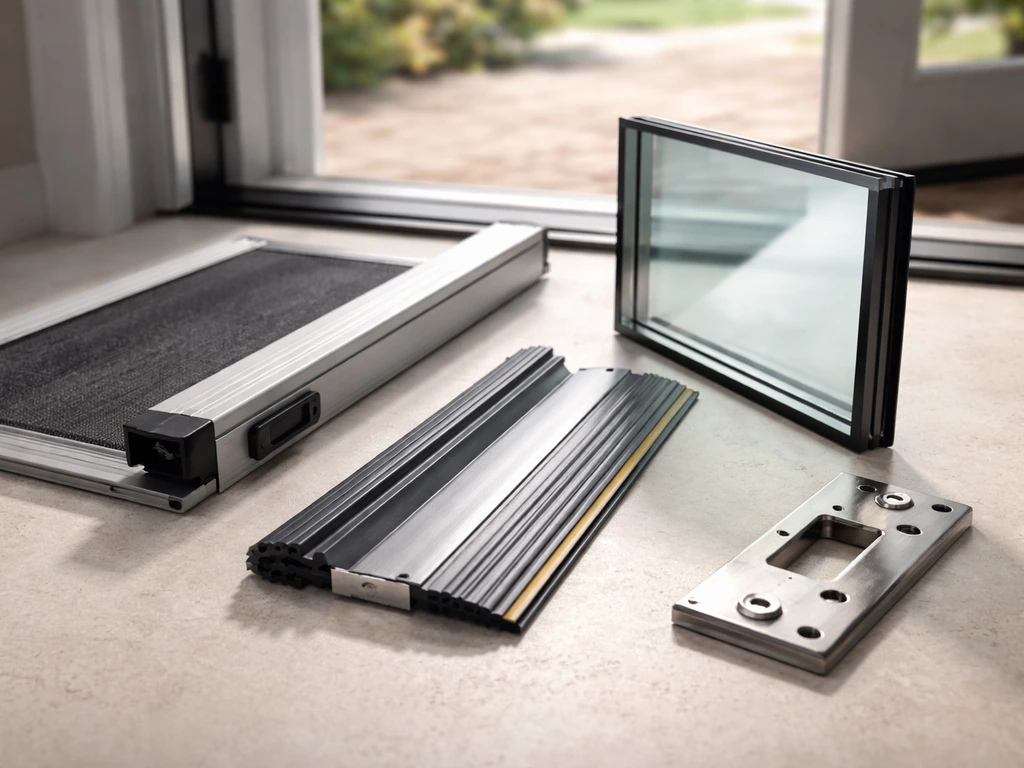
The base door unit is just the starting point. The right accessories address real problems: insects, sun heat gain, privacy, security, and air leakage at the edges. These aren't luxury add-ons; several of them directly affect the performance metrics that make a door "best rated" in real-world use.
- Retractable screens: The most-requested accessory for sliding and French doors. Flush-mount retractable screens (brands like Phantom and Centor are top-rated) disappear when not in use and don't interfere with the door's operation or appearance. Pleat-style screens handle larger openings like bifold doors.
- Between-the-glass blinds: Factory-integrated blind systems (offered by Pella, Andersen, and others) are sealed inside the insulating glass unit and never collect dust or get damaged. Worth the $200 to $500 upcharge if you want window treatments without the maintenance.
- Multi-point locking hardware upgrades: If your door came with a single-point latch, a multi-point lock retrofit (three or more engagement points along the frame) substantially improves both security and the door's weatherseal compression. Amesbury Truth and Endura make widely used retrofit kits.
- Upgraded weatherstripping: Silicone-blade or Q-lon foam weatherstrip outperforms standard pile brush seals on sliding doors for air leakage. This is one of the cheapest upgrades (under $50 in materials) and has a direct measurable impact on AL performance.
- Door sweeps and sill seals: A heavy-duty door sweep on the bottom rail addresses the most common source of air and water infiltration on French and hinged doors. Pemko and Pemko-style aluminum door bottoms with neoprene seals are the contractor standard.
- Solar control and low-e glass upgrades: If your door faces south or west, specifying a low SHGC glass package (below 0.25 in hot climates) at the time of purchase is far cheaper than adding exterior shading later. Some manufacturers offer zone-specific glass packages as factory options.
- Security bars and auxiliary locks: For sliding doors, a track bar or Charlie bar adds a mechanical barrier that prevents the panel from being forced open even if the latch is compromised. These cost $20 to $60 and take five minutes to install.
Putting It All Together: Choosing the Right Door for Your Home
Climate is the first filter. If you're in the northern U.S. or Canada, prioritize U-factor (look for 0.20 or below) and a strong AL rating. If you're in the south or southwest, prioritize a low SHGC (0.25 or below) and a frame material that won't warp in sustained heat, which points toward fiberglass or thermally broken aluminum over standard vinyl. In coastal or storm-prone areas, check the AAMA/WDMA/CSA Performance Grade rating and don't skip impact-rated glass if your jurisdiction recommends or requires it.
Traffic and household use matter more than most buyers account for. Sliding doors handle kids and pets better than French doors because there's no swing path to manage and no hinge to stress. French doors are the better choice when you want maximum airflow and a formal entry point to a deck or patio. Bifold doors are a lifestyle product that rewards low-maintenance households with wide-open indoor-outdoor living, but they need more care and attention than either sliding or French options.
For maintenance tolerance, be honest with yourself. Fiberglass and vinyl need almost nothing. Wood needs regular attention regardless of how premium the product is. If you've let exterior maintenance slide on your current home (no judgment), a wood door is going to give you problems within a decade.
Here are the practical next steps to take right now. First, walk through the sizing checklist above and write down your rough opening dimensions and wall thickness before you look at a single product. Second, decide on door type based on your space constraints and lifestyle. Third, pick a material based on your climate and maintenance preference. Fourth, use that combination to narrow your manufacturer shortlist to two or three brands. Fifth, get quotes that include installation from at least two contractors, and ask each one what brand and model they recommend for your opening. A contractor who installs doors daily has field data on what fits well and what causes callbacks. Finally, add up the full installed cost including the accessories you actually need, compare it against your budget, and factor in the warranty terms before signing anything.
The "best rated" patio door is the one that fits your opening correctly, performs for your climate, gets installed properly, and is backed by a warranty from a company that will still answer the phone in ten years. That's a narrower list than it sounds, and you now have everything you need to find it.
FAQ
What’s the most reliable way to compare “best rated” patio doors if the ratings don’t measure the same thing?
Use a two-step filter: first match your climate to the NFRC metrics that matter most (U-factor for cold zones, SHGC for hot or sunny zones, AL if you care about drafts). Then, separately compare AAMA/WDMA/CSA Performance Grade (PG) for wind and water exposure, so a door that excels thermally doesn’t disappoint structurally.
If a patio door has an ENERGY STAR badge, do I still need to check the AL (air leakage) number on the NFRC label?
Yes. ENERGY STAR can be awarded without requiring the same emphasis on air leakage, while the NFRC label includes the AL value in cfm per square foot. For comfort and noise, a lower AL often matters as much as U-factor, especially in windy or high-traffic areas.
How do I know whether I need an impact-rated or hurricane-ready patio door?
Start with your local permitting or code requirements, then match the door’s tested Performance Grade (PG) and glass certification to your area’s wind and water criteria. If you live in hurricane or coastal zones, don’t treat “impact glass” as interchangeable, confirm it’s rated for the performance standard required where you’re installing.
What’s the difference between the door’s U-factor and its SHGC, and why do homeowners mix them up?
U-factor reflects heat transfer from inside to outside (how quickly the door loses or gains heat). SHGC reflects how much sun energy enters through the glass. In hot climates you can want a low SHGC even if U-factor is decent, because the main issue is solar heat gain, not just conduction.
What should I look for in security features if my door has a good latch but still feels easy to force?
Confirm the frame strength and locking strategy. For sliding doors, look for anti-lift protection in the track area, not just a primary latch. For French doors, prioritize multi-point locking with multiple engagement points along the door edge, and verify reinforced strike plates where the locks contact the frame.
Are aluminum patio doors always a bad choice for energy efficiency?
Not necessarily. The key is whether the aluminum has a thermal break. Thermally broken aluminum can perform much better than hollow or poorly insulated aluminum frames, especially in hot or humid climates where condensation and energy loss show up as discomfort and higher HVAC run times.
How do I avoid the most common sizing mistake that leads to expensive replacement or rework?
Measure the rough opening and wall thickness, not just the old door’s visible dimensions. Also check whether the opening is truly square, plumb, and level, because several door types, especially bifolds, can bind or leak if installation tolerances are missed.
Should I buy the patio door first and then hire an installer, or the other way around?
For best odds, line up an installer before ordering, especially for French and bifold styles. Many contractors can confirm rough opening compatibility and identify trim, flashing, and shimming requirements early, which reduces the chance of an unreturnable misfit.
Is DIY installation realistic for any patio door type?
Sliding doors are the most feasible if the rough opening is already correct and the framing is sound, and you have help to keep the unit aligned. French doors require careful leveling for a reliable compression seal, and bifolds are typically complex enough that professional installation is usually cheaper than paying to fix alignment and air leakage issues later.
What accessories actually change performance metrics, not just appearance?
Weather sealing and edge performance matter most. Flashing systems, proper sill pan integration, correct threshold type, and seal quality at the sides and top can influence air leakage (AL) and water resistance. If you add blinds, check whether they’re between-the-glass and sealed to avoid cleaning and moisture problems.
How can I estimate total project cost more accurately than just comparing the door sticker price?
Use an installed-cost range rather than unit price alone, since installation often adds a major premium. Also budget for code-driven requirements like impact glass, additional flashing, upgraded locks, and any necessary structural repairs if the existing frame isn’t square or weather tight.
What warranty terms should I scrutinize beyond the number of years?
Look for what’s covered (glass, frame components, hardware, labor) and who’s eligible (original purchaser vs transferable coverage). A longer warranty is only valuable if it includes the part that fails first in real use, and if the company is likely to honor it long term.
Do sliding, French, and bifold doors have different airflow or draft behavior?
Yes. Sliding doors can be convenient and low maintenance, but draft performance depends heavily on seal design and alignment. French doors tend to seal better when properly installed with compression-style closure. Bifold doors can be very open and airy, but they require tight installation and attention to air leakage (AL) to avoid creeping drafts over time.