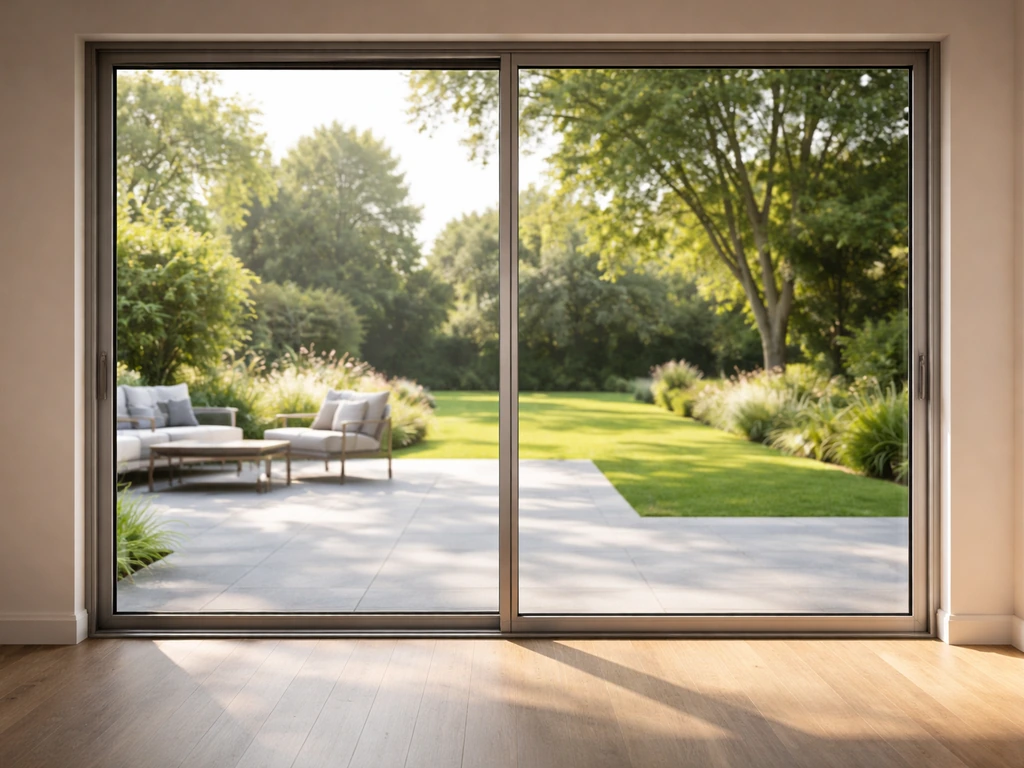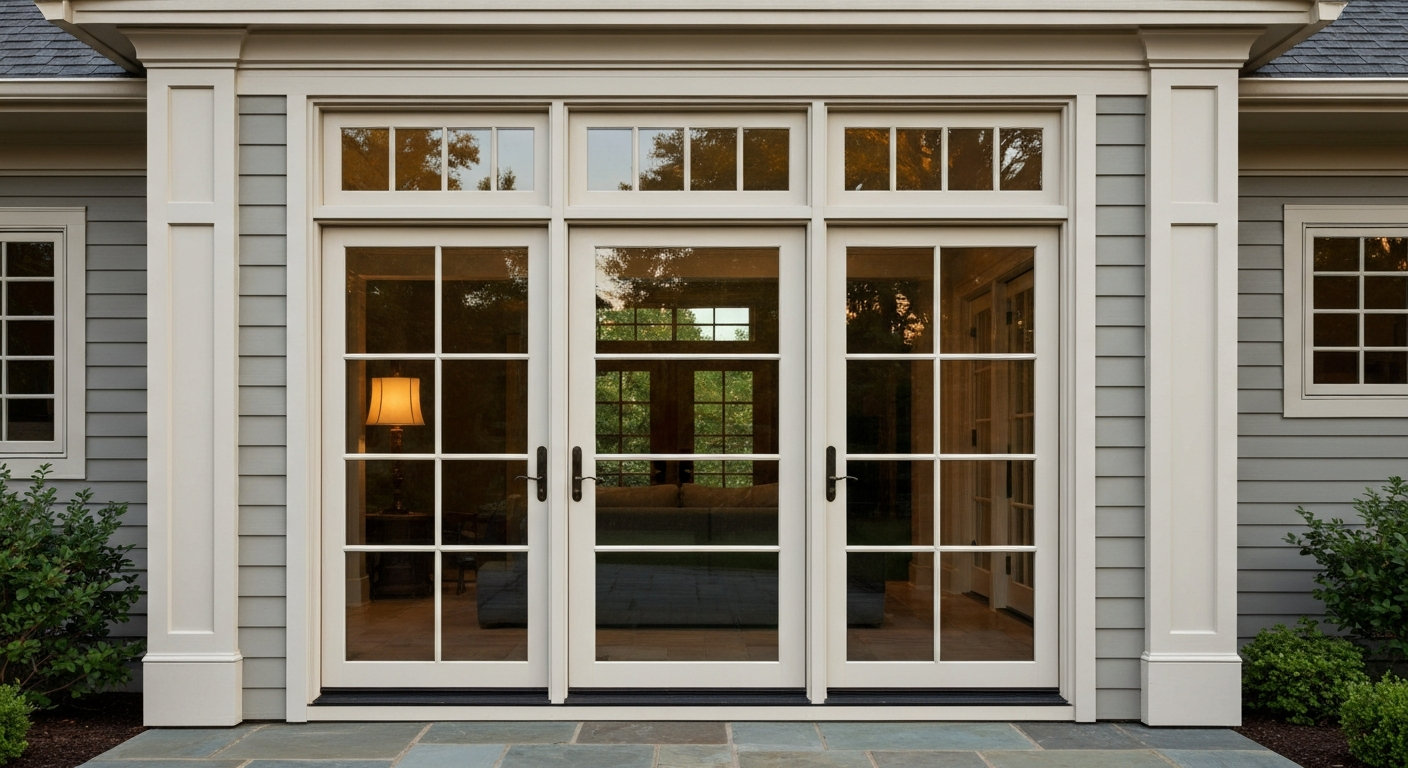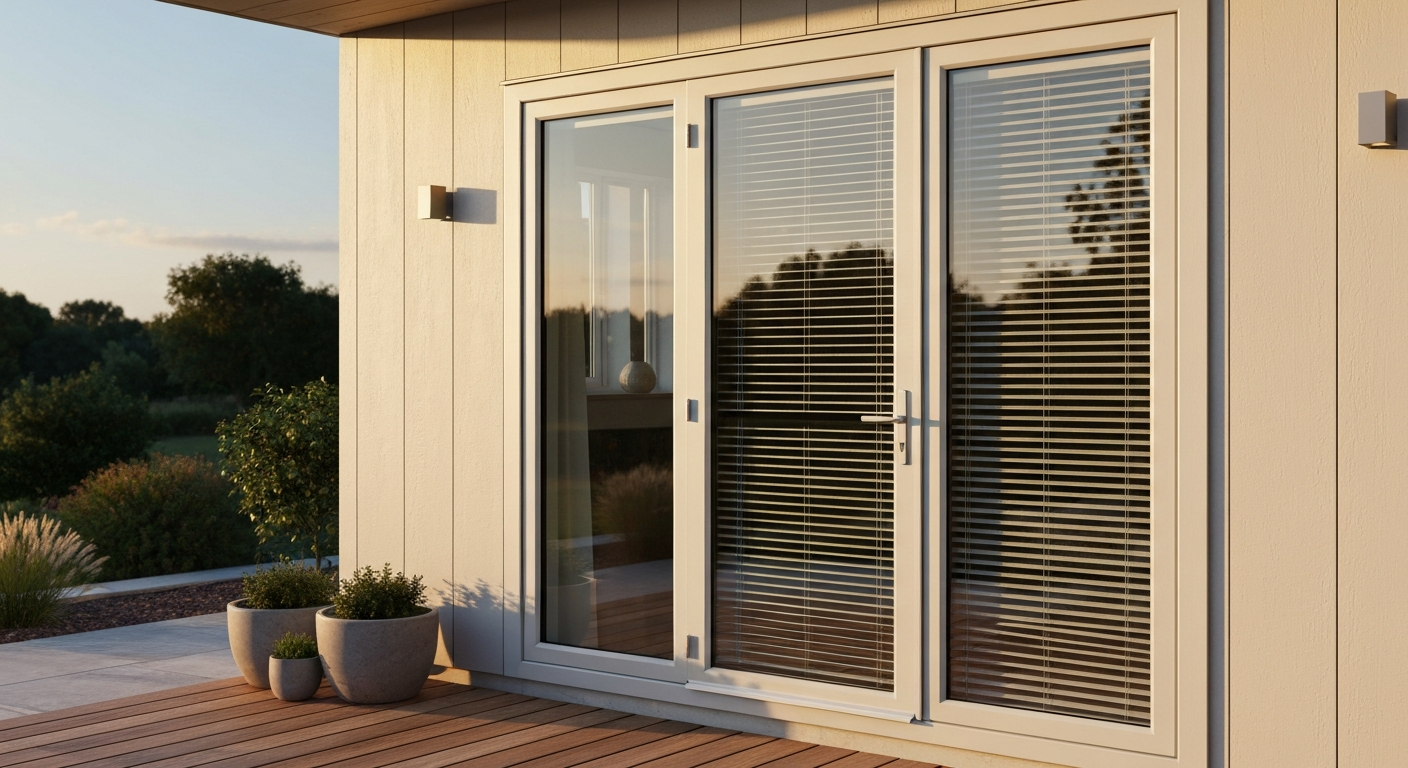
The best sliding patio doors with built-in blinds right now come from Pella (Lifestyle Series), Milgard (Tuscany V400 Series), and Andersen (A-Series), all of which offer blinds hermetically sealed between the glass panes. These are not clip-on or room-side add-ons. The blinds live inside the insulated glass unit (IGU), protected from dust, pet hair, and accidental damage. If you want the cleanest look, the lowest ongoing maintenance, and solid energy performance in a sliding patio door, this is the category to shop. If you are comparing styles beyond between-the-glass blinds, top hung sliding patio doors are another option that can change how the door feels and operates. Here is everything you need to evaluate your options, measure correctly, and budget installation before you commit.
Best Sliding Patio Doors With Built-In Blinds: Reviews & Buying Guide

What "Built-In Blinds" Actually Means (Blinds Between the Glass)
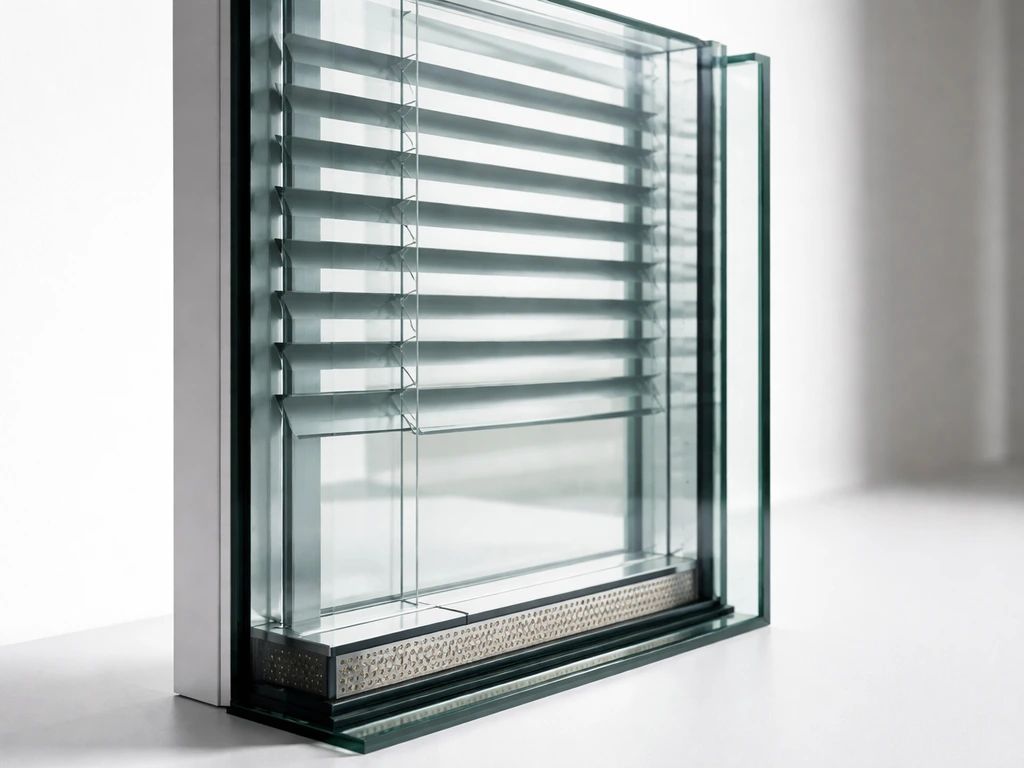
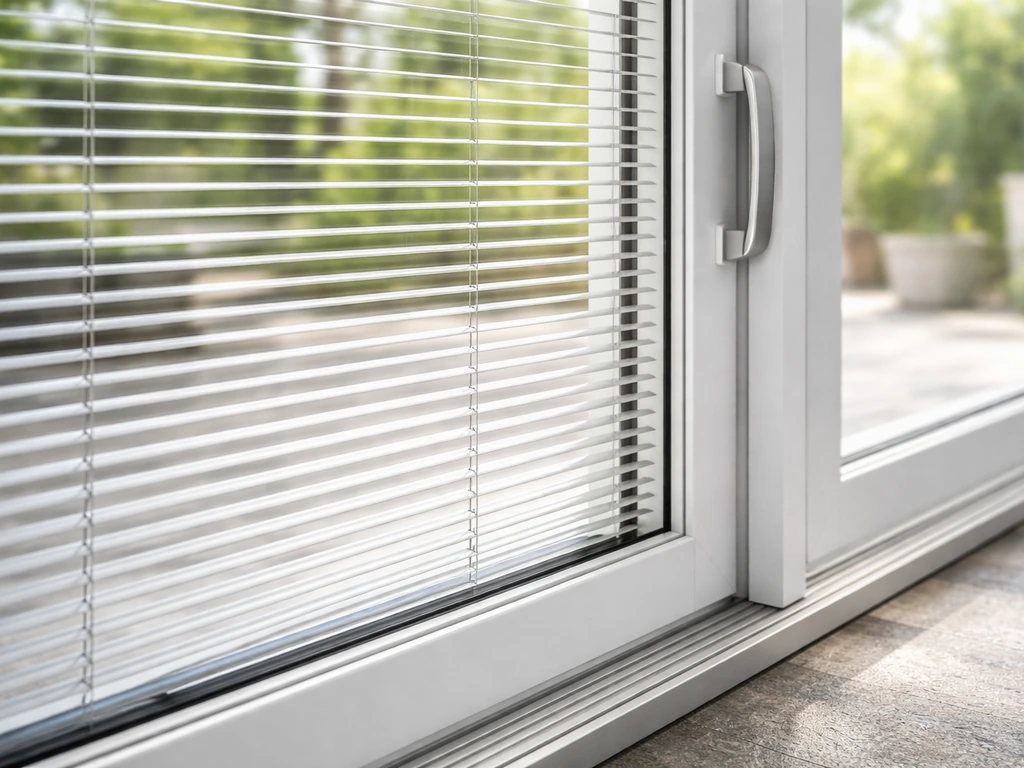
When a patio door listing says "built-in blinds" or "blinds between the glass," it means the blind slats are factory-sealed inside the insulated glass unit itself. There are two panes of glass, and the blinds sit in the airspace between them. You never touch them directly. Instead, a magnetic or mechanical operator on the door frame lets you tilt the slats for light control and raise or lower them for full privacy or a clear view. This is often called an RLT operator (Raise/Lower/Tilt), which is the standard control mode across ODL, Milgard, and most other manufacturers.
This is completely different from room-side blinds, panel track shades hung over the door, or even "perfect fit" blinds that clip onto the frame. Those solutions are external accessories. Between-the-glass blinds are part of the door's glass assembly, ordered as a specific configuration from the manufacturer. You cannot retrofit them into a standard IGU after the fact. The glass unit has to be built that way from the start. Prelco's Venilite system, for example, uses a horizontally slatted blind hermetically sealed inside with magnetic operators on both sides of the inner lite for lift and tilt. ODL uses a capillary tube in its sealed units so air pressure changes don't push moisture into the IGU. These design details matter for long-term durability.
The core selling point is protection and maintenance. Pella is blunt about it: the blinds are shielded from dust and damage, which means no dusting, no bent slats from kids or pets, and no faded cords from UV exposure. For homeowners with high-traffic patio doors, that adds up to a real quality-of-life improvement. There is also an allergen angle: no fabric or slat surfaces exposed to the room means fewer surfaces for dust and allergens to accumulate.
What to Actually Look For When Shopping
Not all between-the-glass sliding doors are built the same. Here are the specs that separate a door you'll love in year ten from one that frustrates you in year three.
Glass performance: U-factor and SHGC
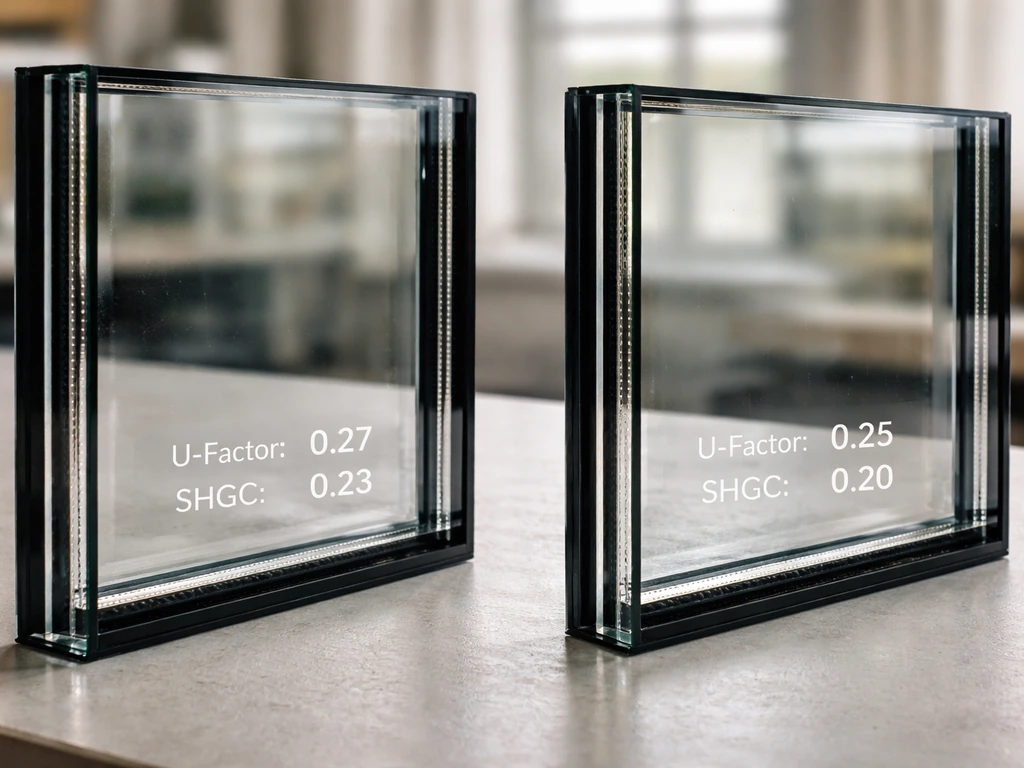
Energy efficiency is where the biggest differences show up across product lines. The two numbers to compare are U-factor (how much heat flows through the glass; lower is better for cold climates) and SHGC (solar heat gain coefficient; lower is better for hot climates where you want to block the sun). ENERGY STAR's Most Efficient ratings for sliding glass doors are climate-zone dependent, so the target numbers shift based on where you live. Pella's Lifestyle Series spec sheet shows U-factor ranges of 0.47, 0.30, and 0.26 depending on which glazing package you choose, with lower values tied to triple-pane configurations. Andersen's A-Series with blinds between the glass shows a U-factor of 0.34 and SHGC of 0.23 in their NFRC ratings. If you're in a cold northern climate, push for a U-factor at or below 0.30. Hot southern climates should prioritize low SHGC.
Operator type and blind control
Check whether the door offers full raise/lower/tilt (RLT) or just tilt. Some lower-cost or basic configurations only let you tilt the slats, not raise or lower the blind assembly. Full RLT is worth paying for because it gives you a fully open view when you want it and complete privacy when you need it. Prelco and ODL both offer full lift-and-tilt via magnetic operation on the door panel itself.
Frame material and climate fit
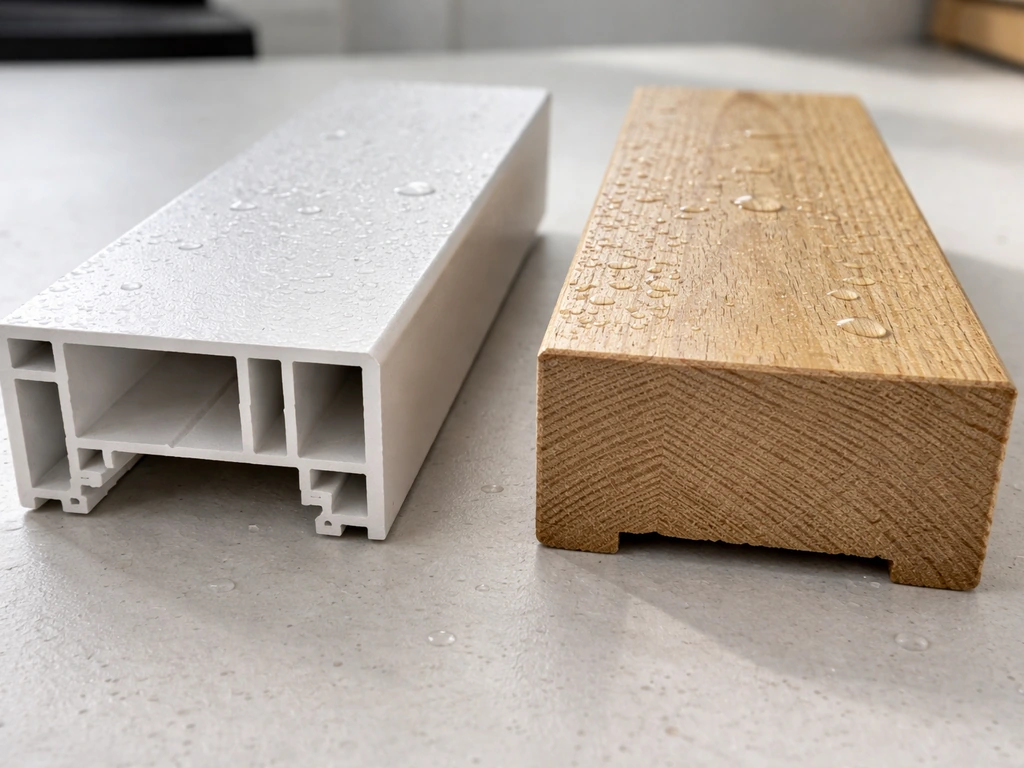
Milgard's Tuscany V400 is vinyl, which handles humidity and temperature swings well without warping or painting. Pella's Lifestyle Series uses wood interior with a protective exterior, which suits homeowners who want a warmer interior aesthetic but requires more attention in very humid environments. Andersen's A-Series uses their proprietary Fibrex composite (wood fiber and polymer), which is dimensionally stable and does not rot or need painting. Vinyl tends to be the most affordable and lowest maintenance. Fibrex sits in the middle on price and performs well in most climates. Wood is the premium choice aesthetically but demands more care.
Sound control
Pella's Lifestyle Series explicitly offers a Sound Control Package with triple-pane STC glass. If road noise, neighborhood activity, or wind is an issue in your area, this is a meaningful upgrade and worth requesting the STC rating alongside the U-factor when comparing quotes.
Lock and security hardware
Milgard's Tuscany door includes SmartTouch hardware, which is their integrated lock and handle system designed for smooth single-hand operation and a clean look. Look for multi-point locking on any door in this category if security is a priority. A single latch point at the handle is the weak link on older or budget sliding doors.
Best Picks by Priority
| Priority | Best Pick | Why |
|---|---|---|
| Best overall value | Milgard Tuscany V400 | Vinyl durability, SmartTouch hardware, blinds-between-glass standard option, 10-year warranty coverage on blinds workmanship |
| Best energy efficiency | Pella Lifestyle Series (triple-pane) | U-factor as low as 0.26 with triple-pane glazing, sound control package available |
| Best for cold climates | Pella Lifestyle Series or Andersen A-Series | Both hit sub-0.30 U-factor with the right glazing package; Andersen's Fibrex resists thermal bridging |
| Best for hot climates | Andersen A-Series | SHGC of 0.23 with blinds-between-glass package helps block solar gain; also available with Low-E coatings |
| Easiest maintenance | Any vinyl-framed option (Milgard Tuscany V400) | Vinyl frame + sealed IGU = no painting, no dusting blinds, wipe-clean frame |
| Best replacement door option | Renewal by Andersen A-Series | Designed specifically for replacement installs, wide configuration variety, full-service installation included |
If you are shopping primarily on budget and want to stay under $1,000 for the door unit itself, vinyl-framed options from Milgard or ODL-supplied configurations are the most realistic path. For many shoppers, that is exactly how you find the best sliding patio doors for the money without getting stuck overpaying for upgrades you do not need. The Pella Lifestyle Series and Andersen A-Series with triple-pane glass and premium blinds packages will typically land well above that mark once installation is factored in. For more on stretching your dollar without sacrificing quality, comparing sliding patio doors under $1,000 is worth a separate look. If you want the best sliding patio doors under $1000, focus on vinyl options and confirm the full installed cost before you commit.
What Homeowners Actually Say: Common Complaints and Praise
Across reviews and owner feedback, the same things come up repeatedly. Here is an honest breakdown of what people love and what trips them up.
What people love
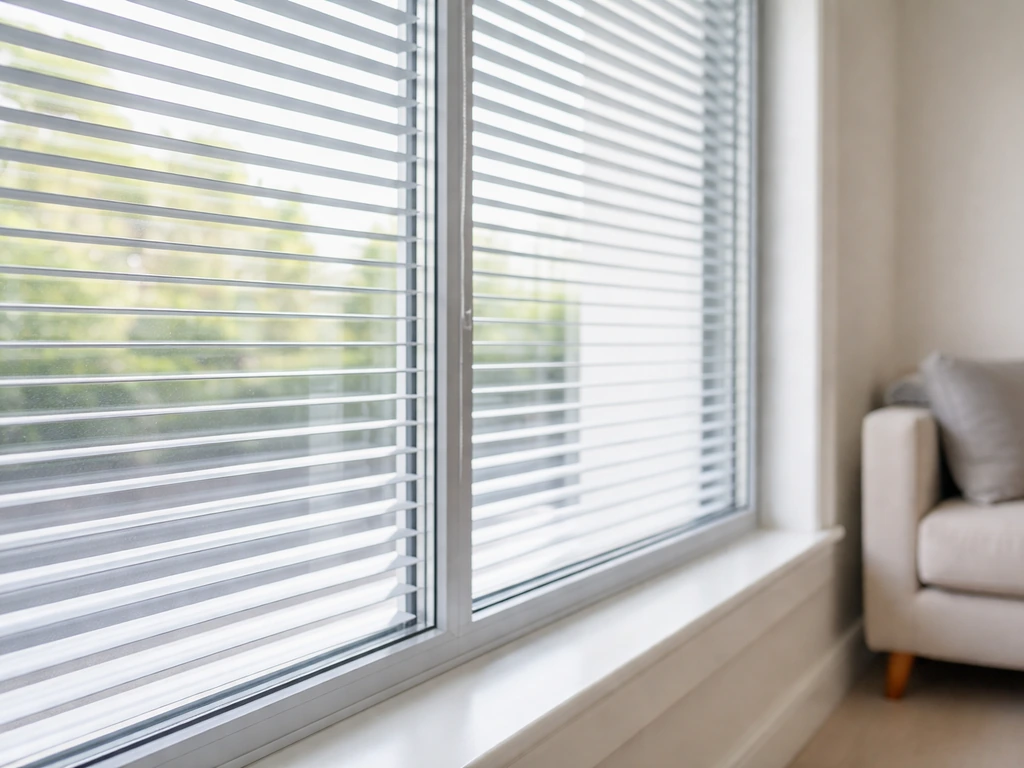
- No dusting, ever. Homeowners consistently call this the single biggest lifestyle upgrade, especially those with dogs or kids who used to destroy room-side blinds within months.
- Clean, uncluttered look. No valances, no cords, no track hardware above the door. The glass looks like glass when the blinds are open.
- Light control is genuinely good. The tilt function handles the "bright afternoon sun" problem that regular sliding glass doors struggle with.
- Smoother door operation compared to older sliders, especially on Milgard's Tuscany with its tandem roller system.
What people complain about
- Tilt mechanism failure. The magnetic or mechanical operator that controls the slats is the most common failure point. When it stops working, you cannot fix it yourself.
- Fogging between the panes. If the IGU seal fails, condensation develops between the glass, permanently obscuring the view. This is a known risk with any sealed IGU, not unique to blinds-between-glass, but the consequence here is replacing the entire glass assembly, not just wiping down a blind.
- Replacement cost when something goes wrong. Most between-the-glass blind systems are not repairable as individual components. A failed tilt mechanism or broken slat inside the unit typically means replacing the entire IGU panel. Budget for this possibility before buying.
- Limited raise/lower on some configurations. Buyers who only got the tilt-only version later wish they had sprung for full RLT.
The repairability issue is the one most people overlook. Angi's guidance on built-in blind problems points to malfunctioning tilt mechanisms, broken glass panes, and bent slats as the top failure categories, and in most cases the fix requires a door glass repair professional, not a DIY adjustment. Pella does run a parts shop for door components, but not all between-the-glass blind mechanisms are available as individual serviceable parts. Andersen and Milgard both offer warranty coverage on the blinds workmanship: blank" rel="noopener noreferrer">Milgard's replacement warranty references a 10-year term for blinds-related IGU defects. Always read the warranty language carefully to understand whether it covers the blind mechanism, the IGU seal, or both.
Sizing and Fit: Measure This Before You Order Anything
Ordering the wrong size is the most expensive mistake you can make with a patio door replacement. Between-the-glass blind doors are ordered as complete configured units. Unlike an external blind where you measure the glass frame and order a panel to fit, the entire door (frame, glass, blind assembly) has to match your rough opening. There is no cutting it down on site.
How to measure your rough opening
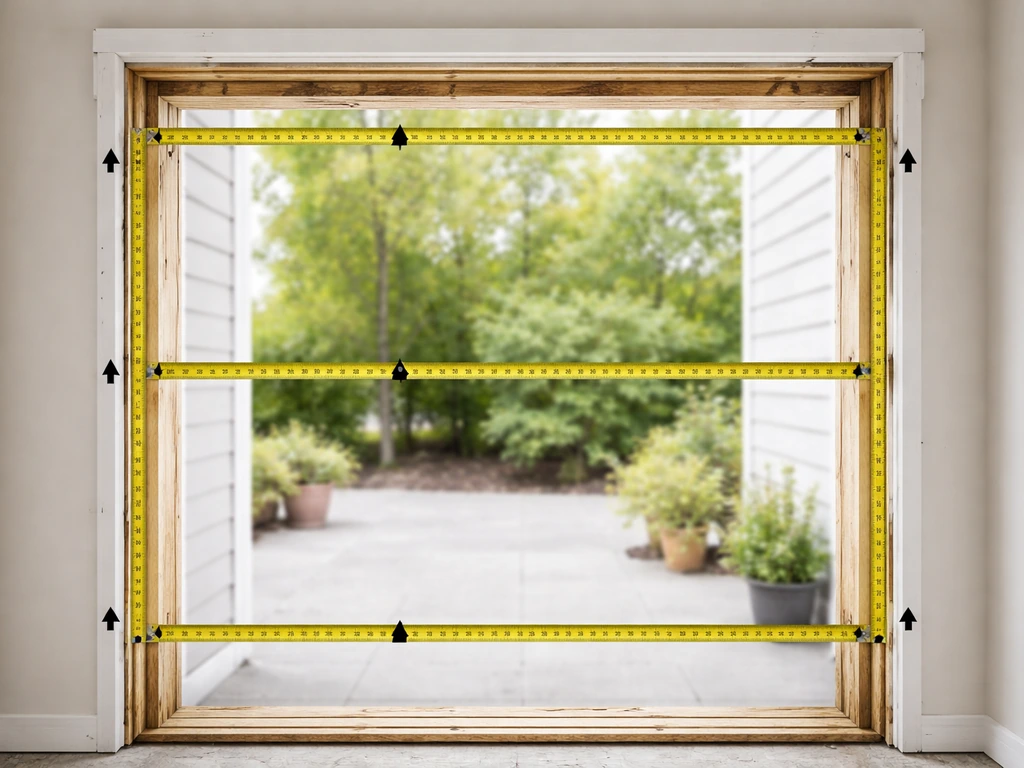
- Measure the rough opening width at three points: top, middle, and bottom. Use the smallest measurement.
- Measure the rough opening height at three points: left, center, and right. Use the smallest measurement.
- Check for square by measuring corner to corner diagonally in both directions. If the measurements differ by more than 1/4 inch, the opening may need framing adjustment before a new door can be installed properly.
- Confirm the floor is level along the track length, as an unlevel sill causes binding and long-term roller wear.
Milgard publishes a Tuscany Series size chart that maps rough opening dimensions to net door size and clear opening, which is exactly what you need to cross-reference before ordering. For example, their chart includes specific rough-opening width and height figures alongside the nominal door size. Andersen's installation guides for gliding patio doors similarly walk through rough opening prep, shimming, sealing, and flashing. These documents are worth downloading before you meet with an installer or dealer.
Standard sliding patio door nominal sizes are typically 5-foot (60 inches wide) or 6-foot (72 inches wide) for two-panel configurations, with 8-foot and wider options for larger openings. Height is most commonly 6 feet 8 inches (80 inches). But rough opening requirements add to those dimensions, so a 6-foot door does not go into a 72-inch rough opening. Confirm the exact rough opening requirement for the specific series and configuration you are ordering, not just the nominal door size.
ODL's testing references a 33-inch by 74-inch sliding patio door blind sample for performance certification, which gives you a sense of the actual panel dimensions used in their between-the-glass configurations. These numbers matter when evaluating whether a specific IGU thickness (ODL offers 1-inch and 7/8-inch IG panel options) will work with your door frame depth.
Cost and Installation: What to Budget and Ask Your Installer
Sliding patio doors with between-the-glass blinds cost more than a comparable door without the integrated blinds, but usually less than buying the door plus a quality external blind treatment separately. The premium for the blinds-between-glass configuration over a standard IGU is typically in the range of several hundred dollars on the door unit itself, depending on the brand and glass package.
Rough cost ranges (door unit only, before installation)
| Brand / Series | Frame Material | Approximate Unit Cost Range | Notes |
|---|---|---|---|
| Milgard Tuscany V400 | Vinyl | $800–$1,800 | Lower end for standard 6-ft two-panel; price increases with size and glass package |
| Pella Lifestyle Series | Wood / composite exterior | $1,500–$3,500+ | Triple-pane and sound control packages push toward the high end |
| Andersen A-Series | Fibrex composite | $1,800–$4,000+ | Wide configuration range; Renewal by Andersen includes installation in quoted price |
| ODL-supplied configurations | Varies by door brand | $600–$1,200 | ODL supplies the IGU to door manufacturers; pricing depends on the host door brand |
Professional installation for a sliding patio door typically adds $300 to $800 or more, depending on your region, whether the rough opening needs modification, and whether the old door removal and disposal are included. Renewal by Andersen bundles installation into a single quoted price, which simplifies budgeting but tends to come in at a higher total than buying a unit separately and hiring a local installer.
Questions to ask your installer before signing anything
- Does the quote include old door removal and disposal, or is that billed separately?
- Will the rough opening need any framing work, and what is the per-hour or flat rate for that?
- What flashing and water management system will you use at the sill and sides? (This directly affects long-term infiltration performance.)
- Are you a certified installer for this brand? (Pella, Andersen, and Milgard all have dealer/installer certification programs that affect warranty validity.)
- What is the turnaround time from order to installation? (Custom door orders with between-the-glass blinds typically take four to twelve weeks depending on the manufacturer and current lead times.)
Get at least three quotes and make sure each one specifies the same door series, glass package, and blinds configuration so you are comparing apples to apples. A lower installation quote that swaps in a basic double-pane IGU instead of a triple-pane package is not the same job.
Maintenance, Cleaning, and Long-Term Reliability
The maintenance pitch for between-the-glass blinds is largely accurate: you do not dust them, they do not get bent, and they do not fade from UV exposure because the inner slats are shielded. Day-to-day care is just cleaning the glass surface with standard glass cleaner. That's it. The frame material determines everything else: vinyl frames need only occasional soap-and-water wipe-downs, Fibrex is similar, and wood interiors need periodic inspection and touch-up of any finish.
The long-term reliability question is really about two things: the blind mechanism and the IGU seal. ODL addresses the seal issue by using a capillary tube in its IGUs that equalizes air pressure without allowing water vapor in, which helps prevent the fogging that occurs when cheaper seals fail. Pella's support documentation acknowledges that condensation between the panes develops when the seal fails, and that is not a wipe-clean problem. A failed seal means the IGU needs replacement. If you see any fogging or haziness developing between the panes in the first few years, contact the manufacturer immediately because it is almost certainly a warranty issue.
On the blind mechanism side, the honest reality is that most between-the-glass systems are not field-repairable. If the magnetic operator fails or slats become damaged inside the sealed unit, you are replacing the glass assembly. This is why warranty terms matter so much. Milgard's 10-year warranty on the blinds workmanship is a meaningful data point. Pella and Andersen both offer warranty coverage on their between-the-glass configurations, but the exact terms vary by product line and whether the door was installed by a certified dealer. Read the warranty document for the specific series before you order.
One practical tip: keep the door track and rollers clean and lubricated on a regular schedule (every six to twelve months). Sliding door wear that forces you to yank or force the panel puts stress on the entire door system, including the glass unit. A smooth-rolling door is a longer-lasting door. Milgard's tandem roller system on the Tuscany is designed for light, consistent operation, but it still benefits from periodic track cleaning.
Your Next Steps
Here is the straightforward action plan. Measure your rough opening today using the steps above and note whether you have a two-panel or three-panel configuration. Then request spec sheets for the Milgard Tuscany V400, Pella Lifestyle Series, and Andersen A-Series in your target size: download the NFRC ratings for the specific between-the-glass glass package, not just the base door. blank" rel="noopener noreferrer">Compare U-factor and SHGC against ENERGY STAR requirements for your climate zone. Decide on frame material based on your climate and how much maintenance you are willing to do. Get three installation quotes specifying the exact door series, glass package, and RLT blind configuration. Ask each installer the questions listed above. And before you sign, read the warranty document for both the IGU seal and the blind mechanism specifically. If you are open to exploring external blind solutions as a comparison or backup, looking at options like perfect fit blinds or other best blinds for sliding patio doors gives you a useful frame of reference for what you are saving (or spending) by going with the integrated option. If you want a closer look at alternatives, these perfect fit blinds for sliding patio doors reviews can help you compare fit, coverage, and durability. If you're weighing alternatives to between-the-glass models, this guide to the best blinds for sliding patio doors in the UK can help you compare options by privacy, light control, and fit perfect fit blinds. If you want the best sliding glass patio door experience with between-the-glass blinds, prioritize full raise/lower/tilt control and strong IGU energy ratings.
FAQ
Can I retrofit between-the-glass blinds into an existing sliding patio door?
No. Between-the-glass blinds must be built into the insulated glass unit during manufacturing, so you cannot add them to an existing IGU without replacing the entire glass assembly with a factory-configured unit.
What’s the difference between tilt-only and full raise/lower/tilt (RLT) on these doors?
Tilt-only lets you angle the slats for light control, but it typically cannot fully open the view or completely lower the blind for full privacy. Full RLT provides both a clear sightline (slats raised) and full cover (slats lowered) using the built-in operator.
If the blinds mechanism fails, is the repair limited to parts inside the door?
In most between-the-glass systems the mechanism is not easily field-repairable because it is sealed inside the IGU. Often the practical fix is replacing the glass assembly, so you should confirm whether the warranty covers the blind mechanism specifically, not just the overall door.
How do I tell whether fogging between the panes is a serious problem?
Yes, it is usually serious. Condensation or haziness between panes commonly indicates an IGU seal failure, which generally requires glass replacement rather than cleaning. If it appears early, contact the manufacturer quickly to preserve warranty options.
What measurements matter besides the door’s nominal size (like 5-foot or 6-foot)?
You must use the rough opening dimensions for the exact series and configuration. A nominal size does not guarantee fit because the rough opening requirement varies by manufacturer and glass/rail depth.
Should I request NFRC data for the entire door or just the glass package?
Request the ratings for the specific between-the-glass configuration (the IGU package), not only the base frame. U-factor and SHGC can shift meaningfully with glazing thickness and glass options, which affects performance and rebate eligibility.
How can I avoid getting locked into the wrong glass package when comparing quotes?
Make every quote match on three items: the exact door series, the exact glass package, and the exact blinds configuration. If one bid substitutes a double-pane IGU or a different thickness, the energy and sound performance comparison becomes invalid.
Are integrated blinds a bad idea for allergy sufferers or dust-prone areas?
They are usually a good choice because the blind surfaces are sealed inside the IGU, which reduces exposed horizontal dust-collecting areas. The tradeoff is that when something fails, you may replace the IGU rather than dust or replace a simple accessory.
Do these doors require special cleaning compared to standard sliding patio doors?
Not usually. You typically clean the exposed glass and frames with normal glass cleaner and mild soap, the key difference is you do not attempt to clean or adjust the slats because they are sealed and operated internally.
What routine maintenance actually helps the doors last longer?
Clean the track and check/maintain the rollers on a schedule (commonly every 6 to 12 months). Keeping the rollers and track free of debris reduces stress on the sliding system, which can indirectly protect the glass unit and operator.
How do I choose between vinyl, Fibrex composite, and wood when I also care about built-in blinds?
Pick based on your climate and maintenance tolerance. Vinyl and Fibrex generally need less upkeep and handle temperature swings well, wood offers a premium interior look but often needs more attention in humidity-prone locations, and either way you should still prioritize the IGU performance specs.
Is triple-pane automatically better for energy savings in every climate?
Triple-pane often improves U-factor, but you also need to balance SHGC for your region. In hot climates, a higher SHGC can negate benefits, so compare both U-factor and SHGC to target your climate zone rather than assuming “more panes” is always best.