Most homeowners pay between $1,500 and $5,000 fully installed for a standard sliding patio door, with the national average sitting around $2,500. Buy-only, you can find a basic 6-foot vinyl or aluminum sliding door for $300 to $800, a mid-range energy-efficient double-pane unit for $800 to $2,000, and a premium wood or fiberglass door for $2,000 to $6,000 or more. Add labor, removal of the old door, and any hardware upgrades, and you get to that $1,500 to $5,000 range for most standard replacements. Multi-panel multi-slide systems push totals to $5,000 to $10,000 installed.
How Much Are Sliding Patio Doors Costs in 2026
Owen Delaney
2 May 2026
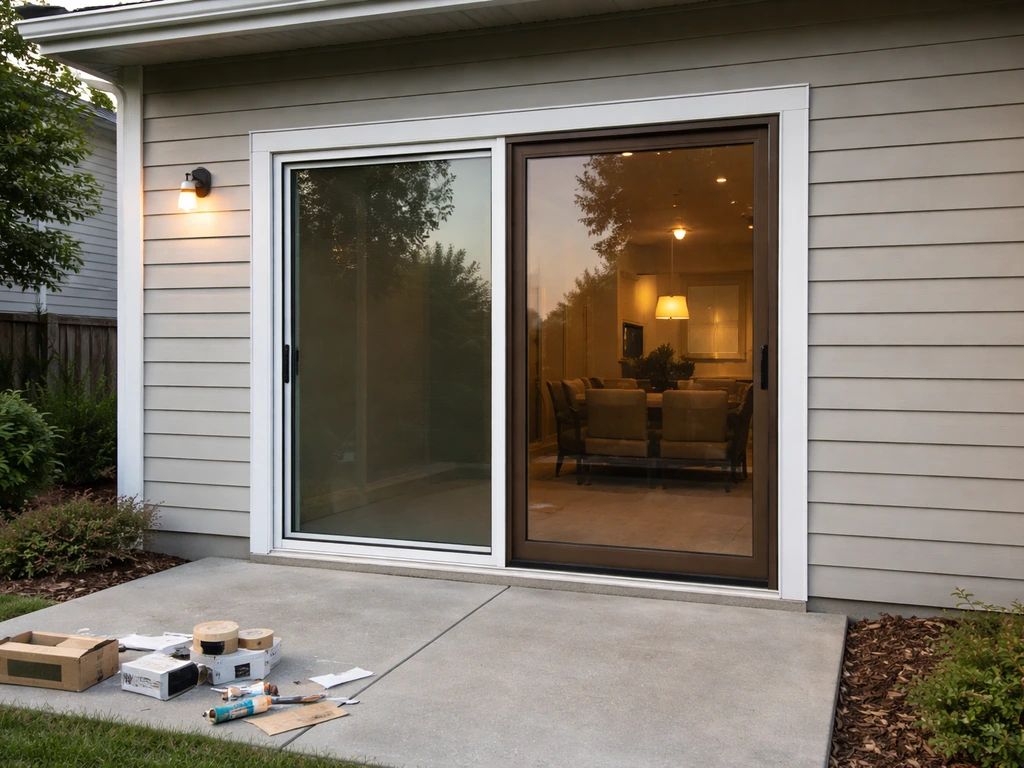
Typical price ranges for sliding patio doors
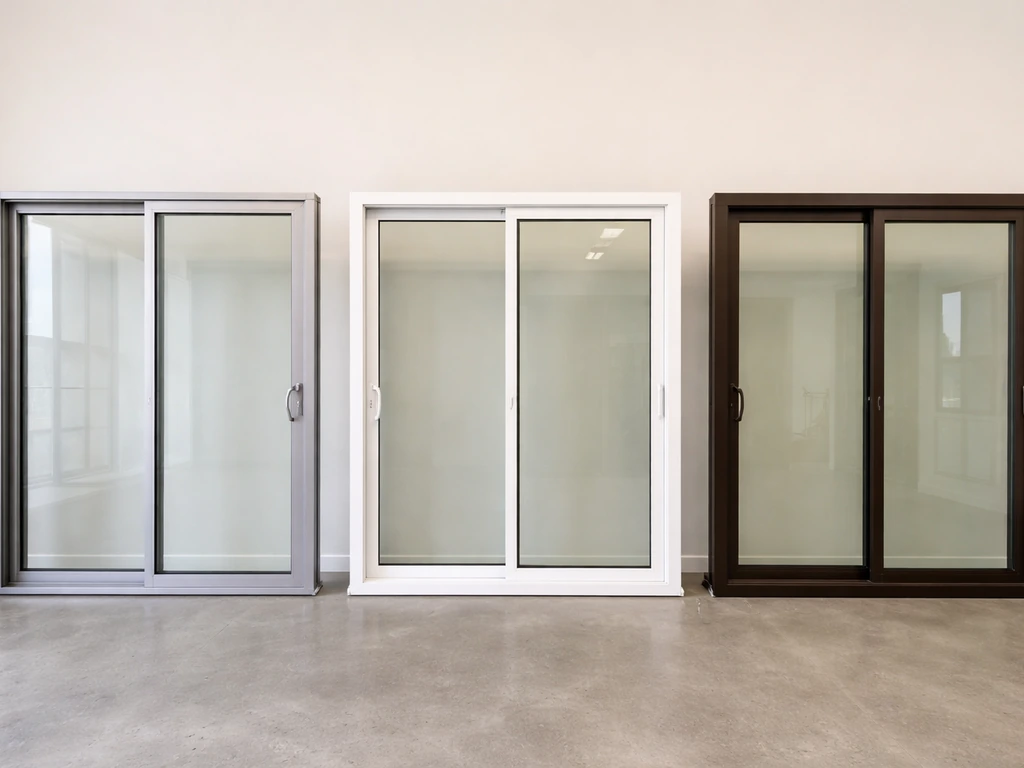
The price you pay for the door unit alone depends heavily on material and glazing. A basic single-pane slider in an aluminum frame is the cheapest entry point, but honestly, almost nobody installs single-pane anymore because energy codes in most states require at least double-pane. Here's how the door-only pricing breaks down by glazing level and material.
| Door Type | Typical Door-Only Price | Best For |
|---|---|---|
| Basic sliding door (aluminum/vinyl, plain glass, 6 ft) | $300 – $800 | Budget replacements, mild climates |
| Mid-range double-pane energy efficient (vinyl/aluminum) | $800 – $2,000 | Most homeowners, four-season climates |
| Premium double-pane (wood or fiberglass frame) | $1,500 – $4,000 | High-end finishes, better insulation |
| Triple-pane sliding door (any frame material) | $2,000 – $6,000 | Cold climates, maximum efficiency |
| Multi-slide / multi-panel system (3+ panels) | $3,000 – $10,000+ | Large openings, open-concept living |
Vinyl is the sweet spot for most people. It holds up well, requires almost zero maintenance, and gives you a solid double-pane door for $800 to $1,500. Wood doors look beautiful but need regular refinishing and cost two to three times as much. Fiberglass is a strong middle ground: it mimics wood grain, resists warping, and runs $1,200 to $3,500 for the unit depending on size and glazing. Aluminum is light and slim-framed, which looks great, but it conducts heat and cold and needs a thermal break to perform decently in any real climate.
Cost to install vs. buy-only cost breakdown
If you see a door priced at $900 and assume that's what you'll spend, you're going to be caught off guard. A standard sliding door installation involves several line items beyond the door unit itself. Labor typically runs $65 to $85 per hour, and a straightforward install takes around 7 hours, so labor alone is roughly $450 to $600 for a no-surprises job. Removal and disposal of the old door adds another $50 to $150. Permits are required in most jurisdictions for door replacements and typically cost $50 to $200 depending on your city or county.
- Door unit (materials): $300 – $6,000+ depending on size, material, and glazing
- Labor (installation): $450 – $700 for a standard 6-8 ft door (7 hours at $65-$85/hr)
- Old door removal and disposal: $50 – $150
- Building permit: $50 – $200
- New hardware (handles, locks, screen door): $50 – $300
- Flashing, weatherstripping, caulk, and trim: $50 – $150
- Frame repairs or rough opening adjustments: $200 – $800 if needed
Adding it up, a $900 door realistically becomes a $1,600 to $2,000 project. A $1,800 door becomes a $2,500 to $3,200 project. That's the real math. This Old House puts the full installed range at $600 to $10,000, and Angi estimates most homeowners pay $600 to $5,000 if the existing frame is in decent shape. The low end of those ranges assumes a very basic door with a perfect existing opening; the high end covers premium doors with structural work.
Replacement costs for existing patio sliding doors
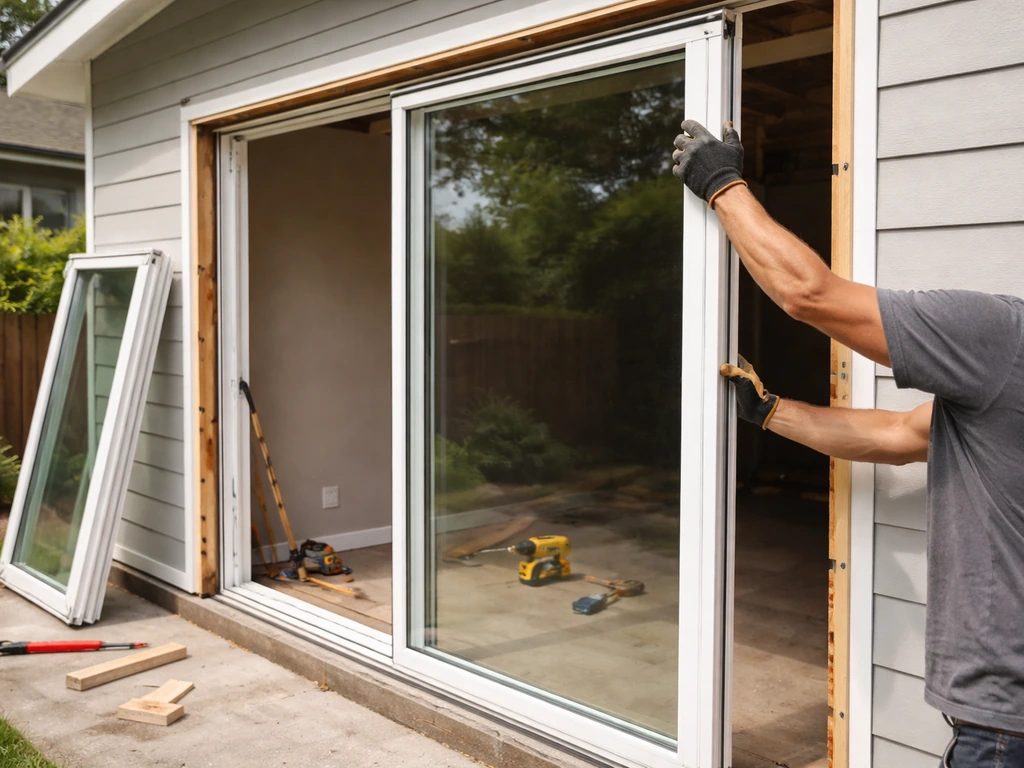
Replacing an existing sliding door is almost always cheaper than installing a new patio door opening from scratch. If your old door's rough opening is the right size and the frame isn't rotted or damaged, a contractor can swap the door in a single day. That's the $1,500 to $3,500 range for most standard 6-foot or 8-foot sliders. If the frame has rot, water damage, or the rough opening needs resizing, budget an extra $300 to $1,000 for carpentry.
Sometimes people just need to replace the glass, not the whole door. If your slider's frame is solid but the glass is cracked, fogged between panes (a failed seal), or just outdated, glass-only replacement typically costs $150 to $1,000 including labor depending on pane count and glass size. That's a meaningful savings if your frame and hardware are in good shape. A door specialist or glazier can assess this in about 10 minutes on-site.
New construction or creating a brand-new opening where a wall currently exists is a different project entirely. That involves structural work, a new header, framing, and often a permit inspection. Costs for that kind of job start around $3,000 to $5,000 just for the rough opening before you've even priced the door itself.
What actually drives the price: size, material, panels, and extras
Door size
Standard sliding patio doors come in 6-foot and 8-foot widths. A 6-foot (72-inch) unit is the most common and the most affordable. An 8-foot (96-inch) unit costs 20 to 40 percent more for the same material and brand. Non-standard widths, like a 9-foot or 10-foot opening, push you into special-order territory or multi-panel systems, and pricing jumps significantly.
Frame material
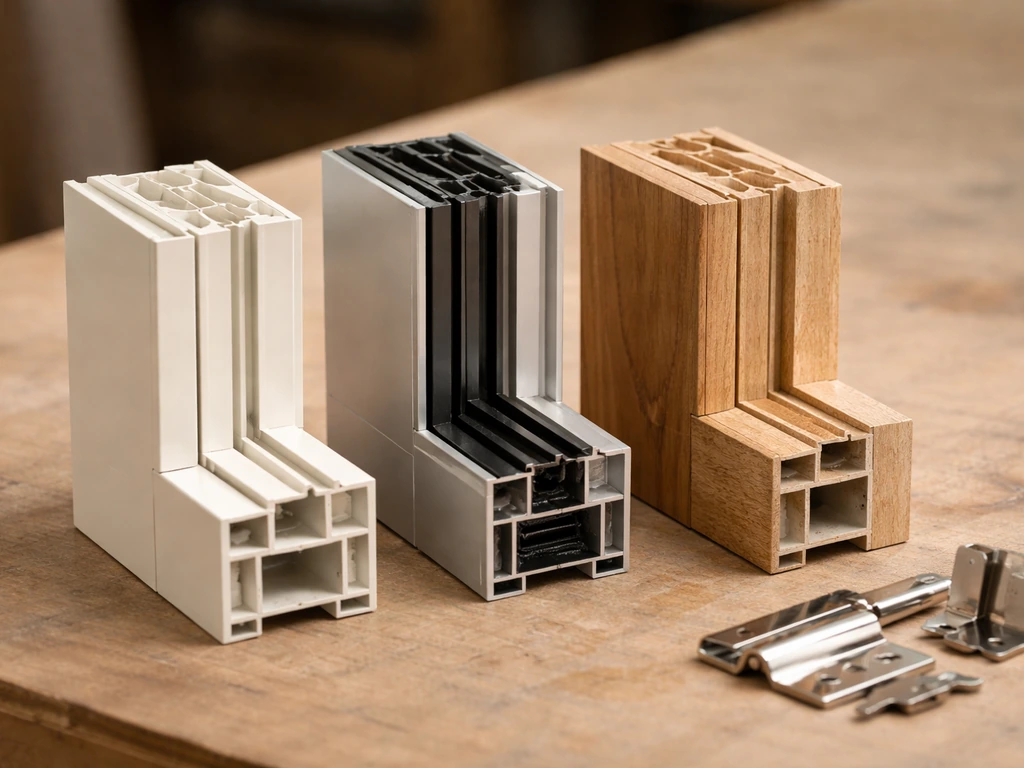
Vinyl is the most popular and most cost-effective. Aluminum is slightly cheaper but needs a thermal break to be energy-efficient. Wood costs two to three times what vinyl does and requires ongoing maintenance. Fiberglass sits between wood and vinyl in price, typically $1,200 to $3,500 for the door unit, and is arguably the best all-around performer for durability and insulation. Your choice of frame material is the single biggest lever on door-only cost.
Number of panels and track configuration
A standard sliding door has two panels: one fixed, one that slides. That's the most affordable setup. A three-panel door, where two panels slide and one is fixed, or configurations where all panels move, cost noticeably more because you're buying more glass, more hardware, and often a more complex track system. Every additional panel adds $500 to $1,500 to the door unit cost depending on size and material.
Glazing and insulation
Double-pane low-E glass is the current standard and is worth paying for. Low-E coatings reflect heat in summer and retain it in winter, and they meaningfully reduce your energy bills. Triple-pane glass takes this further and is a smart choice if you're in a climate with harsh winters, but it costs $500 to $2,000 more than double-pane on the same door. Argon or krypton gas fill between panes also improves performance and adds a modest cost of $100 to $300.
Locks, tracks, and hardware upgrades
Most sliding doors come with a basic latch lock, which is fine but not particularly secure. Upgrading to a multi-point locking system adds $100 to $400 to the door cost but makes a meaningful difference in security and energy sealing. Soft-close track systems, which let heavy doors glide and close gently, are a luxury worth considering if you're spending on a premium door. A screen door (if not included) adds $75 to $250. These extras add up but are almost always worth pricing in upfront rather than adding later.
Multi-slide patio door pricing vs. standard sliders
Multi-slide patio doors, also called multi-panel sliders or stacking sliding doors, are a different category from a standard two-panel slider. These systems use three, four, or more panels on a continuous track, and all panels can slide and stack to one or both sides, opening up most or all of a wall. They're stunning and increasingly popular for indoor-outdoor living spaces, but the cost reflects that complexity.
| System Type | Panels | Door Unit Cost | Installed Total (Est.) |
|---|---|---|---|
| Standard 2-panel slider (6 ft) | 2 | $300 – $2,000 | $1,000 – $3,500 |
| Standard 2-panel slider (8 ft) | 2 | $600 – $3,500 | $1,500 – $5,000 |
| 3-panel multi-slide (10-12 ft) | 3 | $2,000 – $5,000 | $3,500 – $7,500 |
| 4-panel multi-slide (14-16 ft) | 4 | $4,000 – $8,000 | $6,000 – $12,000 |
| 5+ panel multi-slide system | 5+ | $6,000 – $15,000+ | $9,000 – $20,000+ |
Multi-slide systems are also heavier and more complex to install. Labor costs are higher because the track must be perfectly level over a longer span, and the door panels themselves weigh considerably more. If you're comparing a bifold patio door to a multi-slide, they hit similar price points in the $5,000 to $15,000 installed range, but multi-slides generally have a lower maintenance profile because the hardware is simpler. Bifold patio door costs can be higher than standard sliders, but they often fit wider openings and give you a bigger opening effect. French patio doors, by comparison, are almost always less expensive than multi-slide systems and work well for standard openings. French patio doors typically vary in price depending on size, material, and glass options.
How to budget realistically for your project
The biggest budgeting mistake I see is people pricing just the door and assuming that's the project cost. If you're wondering how much Marvin patio doors cost, remember that the installed price usually depends on material, size, and whether any frame or hardware work is needed pricing just the door. Here's how to build a realistic number before you call a single contractor.
- Measure your existing rough opening: width, height, and depth of the wall. A 6-foot door fits a rough opening of about 72.5 inches wide by 81.5 inches tall. An 8-foot door needs roughly 96.5 by 81.5 inches. Having exact measurements lets you get accurate quotes and shop for the right door unit.
- Check your frame and sill for rot or damage before getting quotes. Pull back any interior trim and look at the corners. If you see soft wood, water stains, or mold, flag it upfront so contractors include repair costs in their bid.
- Budget 15 to 20 percent above your base estimate as a contingency. Hidden rot, out-of-square openings, and permit surprises are common and manageable if you've left room in the budget.
- Get at least three quotes from licensed installers. Ask each one to itemize: door unit cost, labor, removal and disposal, permit fees, and any carpentry or trim work. Itemized quotes are the only way to compare apples to apples.
- Ask about the permit process in your jurisdiction. Some contractors pull the permit for you (and include it in the quote); others expect you to handle it. Either way, factor in $50 to $200 and a possible inspection visit.
- Factor in ancillary costs: new interior trim, repainting, or patching drywall around the new door. These aren't always included in an installer's quote but will show up in your final out-of-pocket number.
Labor is not optional unless you're a very experienced DIYer. A misaligned sliding door will bind, let in drafts, and void the warranty. Most manufacturers require professional installation to honor the warranty, so even if you're handy, the math often favors hiring it out when you account for the warranty protection alone.
Ways to lower your cost and get accurate quotes
You don't have to accept the first quote or the first door you see. There's real money to save if you're strategic about it.
- Buy the door yourself and hire labor-only: Purchasing a door from a home center or online retailer and hiring a carpenter or door installer to fit it can save $200 to $600 versus letting the contractor supply the door with markup. Just confirm the installer is comfortable with the brand and that the warranty is still valid.
- Stick to standard sizes: A 6-foot or 8-foot door in a standard height (typically 80 inches) is stocked by every big-box store and dozens of manufacturers. Special-order sizes add 10 to 30 percent and add weeks to your timeline.
- Choose vinyl over wood or fiberglass: If budget is the priority, vinyl delivers 90 percent of the performance of fiberglass for 40 to 60 percent of the price.
- Compare mid-grade vs. premium brands: There's a price cliff between builder-grade vinyl sliders and premium brands. You don't always need the top-tier product for a standard replacement. Get quotes on both and compare the warranty terms, not just the price.
- Schedule off-peak: Contractors are busiest in spring and early summer. Getting quotes in late fall or winter (or even late summer) can sometimes yield better pricing or more negotiating room.
- Ask about last year's model or discontinued stock: Manufacturers update product lines regularly, and dealers often discount prior-model inventory that is just as functional. Ask specifically if there are any closeout or clearance units that fit your opening.
- Negotiate a package deal if replacing multiple doors: If you're also thinking about a front entry door or another exterior door, getting them done at the same time reduces per-project labor costs.
When you contact installers, give them your exact rough opening dimensions, your wall thickness, and the door material you're considering. Ask for a written itemized quote that separates the door unit price from labor, permits, and any additional work. To get the best price on patio doors, focus on comparing itemized quotes that separate the door unit, labor, permits, and any extra work. That single step will save you hours of follow-up confusion and make it easy to compare quotes side by side.
If you're still deciding on door style, it's worth comparing sliding patio doors to bifold and French patio door options before committing. Bifold systems typically cost more than standard sliders but less than large multi-slide systems. If you're wondering how much bi-fold patio doors cost, the total depends on the frame material, panel count, and whether you need new hardware or structural work Bifold systems. French patio doors are often the most affordable option for smaller openings and are worth pricing for comparison if your opening is 6 feet or less. Your budget, the size of your opening, and how much wall you want to open up are the three factors that will point you clearly to the right door type.
FAQ
Do sliding patio door prices change a lot between 6-foot and 8-foot sizes?
Yes. For the same material and brand, an 8-foot slider typically runs about 20% to 40% more than a 6-foot unit. Plan for additional costs beyond the door too, because larger units usually need more labor time, more careful track leveling, and sometimes extra shims or adjustment hardware.
What should I do if my current rough opening is slightly off for the new slider?
If the rough opening is out of spec, expect carpentry costs. Even if the difference is small, contractors may need to resize the opening, adjust the header or sill area, and verify the track will sit level and square. A common budgeting mistake is assuming the new door will fit “as is” just because the nominal width matches.
Is it worth replacing only the glass if my sliding door is still functional?
Often, yes, if the frame, rollers, tracks, and locking hardware are in good shape. Glass-only replacements usually cost $150 to $1,000 installed, but you should confirm the seal failure cause and whether the frame has warped. If the door is binding or has worn weatherstripping, replacing glass alone may not solve drafts.
How can I estimate the total cost if I only have a door-only quote?
Add a realistic installation package on top of the door price. In many standard replacement situations, labor often lands around $450 to $600, removal and disposal commonly runs $50 to $150, and permits are frequently $50 to $200. Then add any line-item carpentry (often $300 to $1,000 when the rough opening needs repair or resizing).
Are permits always required for sliding patio door replacement?
In many areas, yes, permits are typically required for door replacements, but the rules vary by city and whether you are modifying the frame, wall opening, or electrical or structural elements. Ask your contractor to confirm local permit requirements in writing before work starts, since permit handling can affect both timeline and total cost.
What extra costs should I budget for if my aluminum or vinyl frame is in questionable condition?
If the frame has water damage, rot, or failed seals, the job can move from a straightforward swap to a repair or partial replacement. That can add carpentry labor, new sill components, and sometimes upgraded flashing or weatherproofing details. Also consider whether your track alignment will require extra labor to prevent binding.
Does upgrading to triple-pane or gas-filled glass always make sense?
Not always. Triple-pane can add about $500 to $2,000 over double-pane, and gas fill (argon or krypton) adds about $100 to $300. It tends to be most cost-effective in climates with harsh winters, while in milder regions double-pane low-E plus good air sealing often delivers better value per dollar.
What security upgrades are most common, and how much do they add?
Multi-point locking systems are a common upgrade, often adding about $100 to $400 to the door cost. These typically improve both security and how well the door compresses against weatherstripping. If you routinely leave the door partially open for ventilation, also check the lock positions and whether the screen system has compatible locking hardware.
How much do “extras” like screens and soft-close options typically affect the budget?
They can add up, but they are usually straightforward line items. A screen door often adds about $75 to $250 if not included, and soft-close track systems add cost for the upgraded mechanism. The practical tip is to price these in your initial quote so you can compare total installed cost, not just the base door.
Will a contractor void the warranty if I install the sliding patio door myself?
Many manufacturers require professional installation to maintain warranty coverage. Even if you are skilled, improper alignment can cause binding, drafts, and premature roller or seal failures. If warranty terms are a concern, ask the contractor to confirm they meet the manufacturer’s installation requirements before paying.
What’s the main reason multi-slide patio doors cost so much more than standard sliders?
They are more complex and usually involve more panels, heavier hardware, and longer track sections that must be perfectly level. That complexity increases both material cost and labor effort. As a result, multi-slide projects commonly land in the $5,000 to $15,000 installed range, and pricing is highly sensitive to panel count and track layout.
How should I request quotes so they’re comparable?
Ask for an itemized written quote that separates the door unit, labor, permits, and any additional work (like carpentry, disposal, or weatherproofing repairs). Also provide exact rough opening dimensions, wall thickness, and the door material you’re considering. This prevents “bundled” pricing that hides what you are actually paying for.