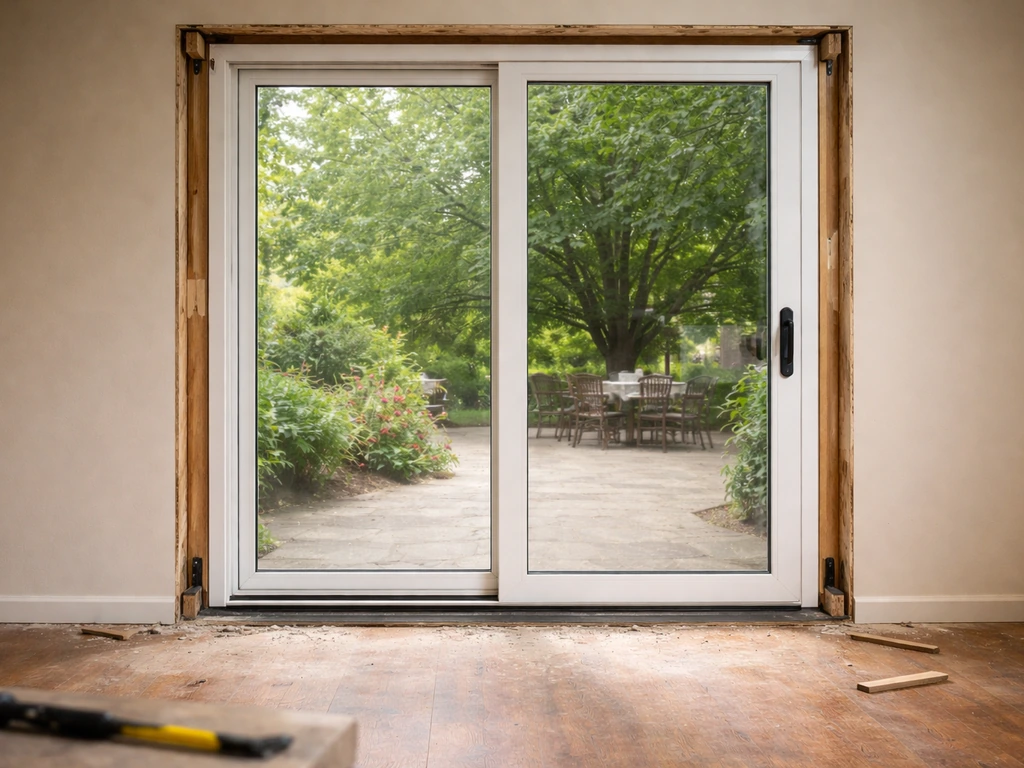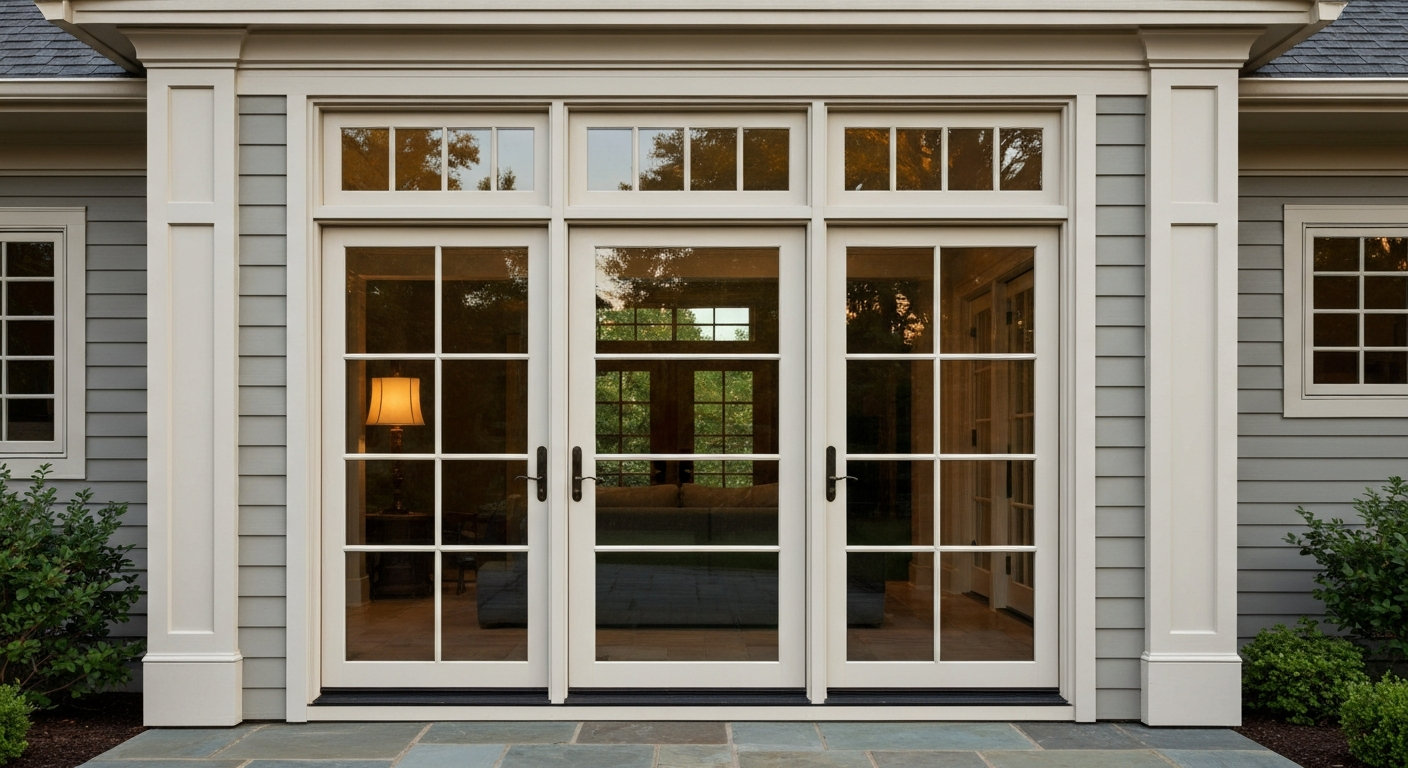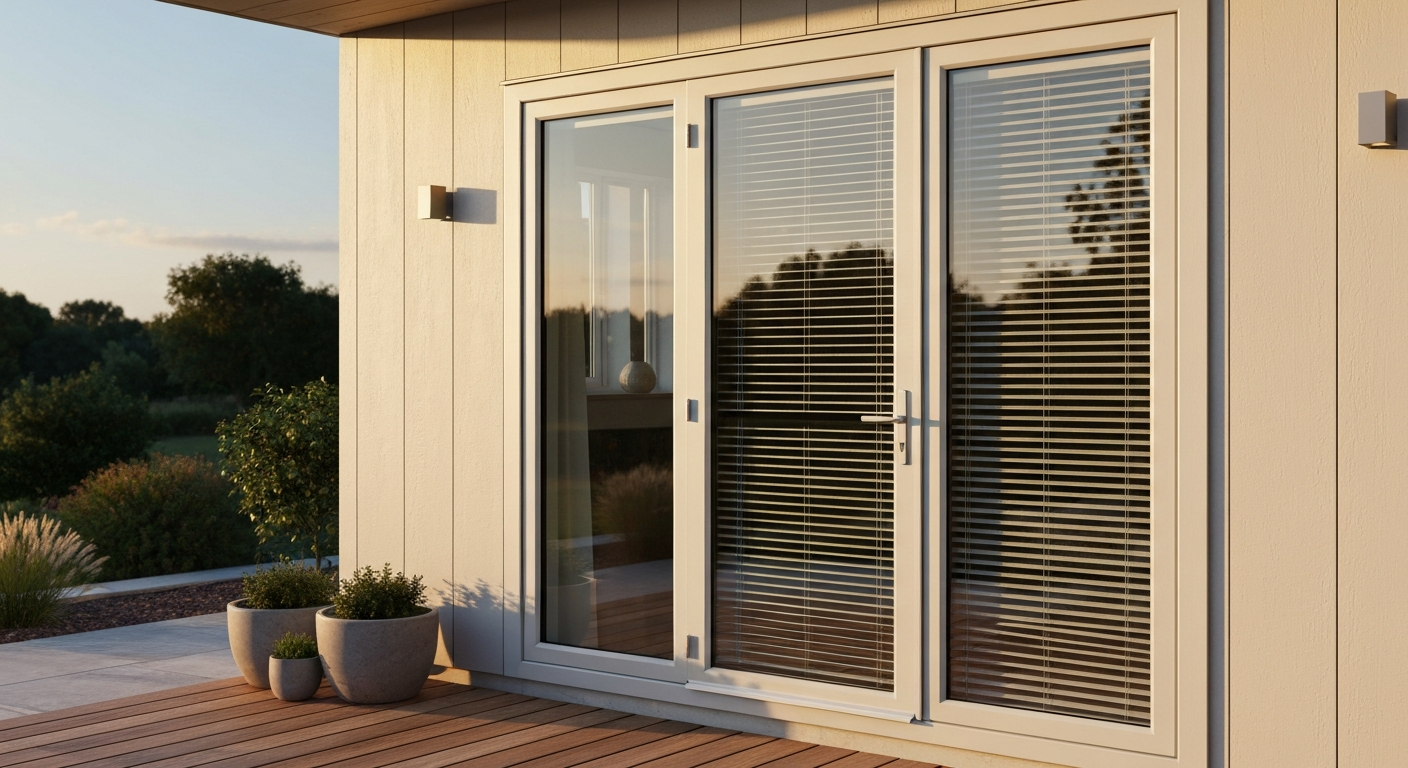
Most homeowners pay between $700 and $6,500 to have a patio door fully installed in the US, with the national average sitting around $2,500. A standard patio door typically lands in the national average range of about $2,500 to $5,000 installed, depending on material, size, and glass options A standard patio door cost.
How Much Does It Cost to Install Patio Doors?
Owen Delaney
4 May 2026
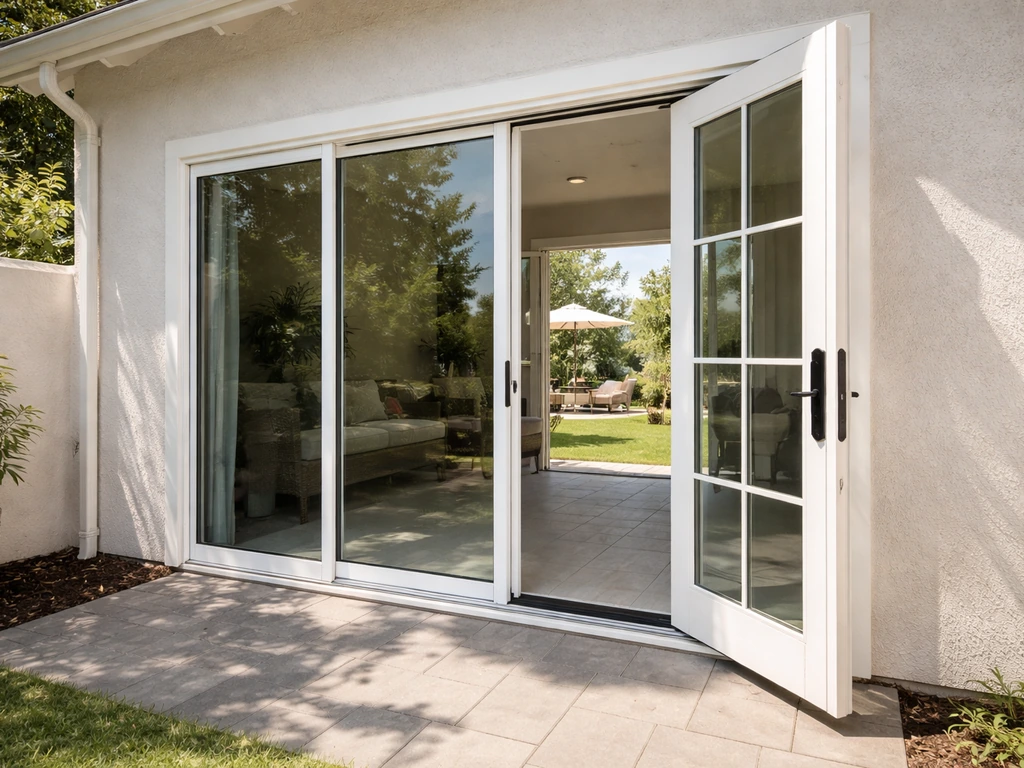
If you are budgeting for a replacement specifically, your costs can be higher than a new install because the old unit has to be removed and the opening may need repairs how much does it cost to replace a patio door.
That range sounds wide, but it makes sense once you realize a basic vinyl sliding door in a standard rough opening costs very little to fit, while a custom fiberglass French door with low-e glass, new framing, and a fresh threshold can push well past $5,000. Knowing where your project lands in that range before you call anyone is half the battle.
Angi reports exterior door installation costs typically range from about $200 to $7,000, with patio door installation roughly $500 to $4,500 exterior door installation costs range from about $200 to $7,000.
Typical installed cost ranges: low, mid, and high
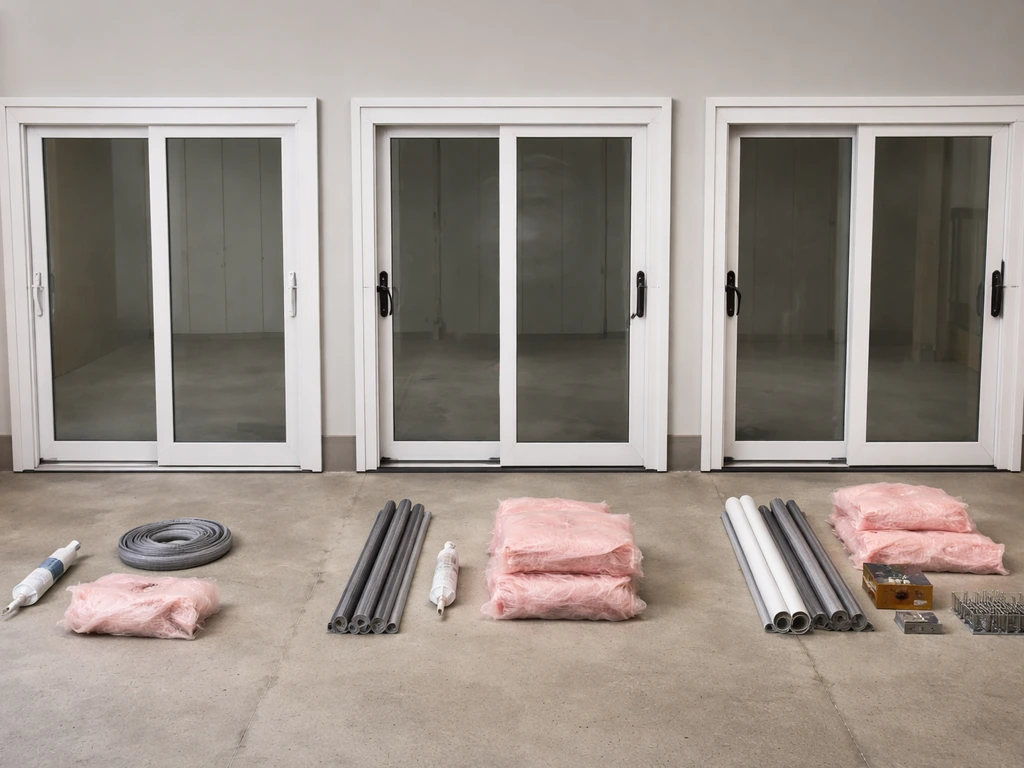
Installed cost means everything: the door unit itself, hardware, labor, and basic materials like caulk, insulation, and fasteners. Here is how the numbers break down by budget tier in the US market.
| Budget tier | Installed price range | What you typically get |
|---|---|---|
| Budget | $700 to $1,500 | Standard vinyl or aluminum sliding door, simple replacement, standard size, basic glass |
| Mid-range | $1,500 to $3,500 | Vinyl or fiberglass sliding or French door, low-e glass, minor framing work, standard or near-standard size |
| Premium | $3,500 to $6,500+ | Wood, fiberglass, or aluminum clad door, custom size, multi-panel, triple-pane glass, structural or framing changes |
Labor alone usually runs $400 to $1,400 on top of the door price, according to Angi. Removal and disposal of your old door adds another $100 to $500 depending on the installer and your location. If you are pricing a new patio door in Canada, Home Depot Canada pegs a standard two-panel pre-hung sliding door installation at around CAD $2,100 before tax, which lines up roughly with US mid-range pricing. In the UK, expect materials and labour combined to average around £1,200, with labour alone running £500 to £1,050 for a straightforward swap.
What "installed" actually includes (and what it often doesn't)
When an installer quotes you an installed price, it should cover the door unit, basic hardware, hauling away your old door, and the labor to set it in a prepared opening. Most quotes also include caulking, weatherstripping, and minor shimming to get the door plumb and square. What it often does not include is worth knowing before you sign anything.
- Structural framing changes if your rough opening needs to be resized
- New interior or exterior trim if your old casing is damaged or doesn't fit the new door
- Painting or staining the new door or surrounding trim
- Upgraded or decorative hardware beyond the included handle set
- Screen doors, if not pre-fitted to the unit
- Permits, which some municipalities require for door replacements involving structural work
- Disposal fees, which some contractors list separately rather than bundling them in
Always ask the installer to give you an itemized quote. The difference between a $2,000 quote that covers everything and a $2,000 quote that doesn't include trim, disposal, or permits can easily add $500 to $800 to your final bill. I have seen homeowners get caught off guard by this more than once.
What drives the cost: door type, material, size, and glass
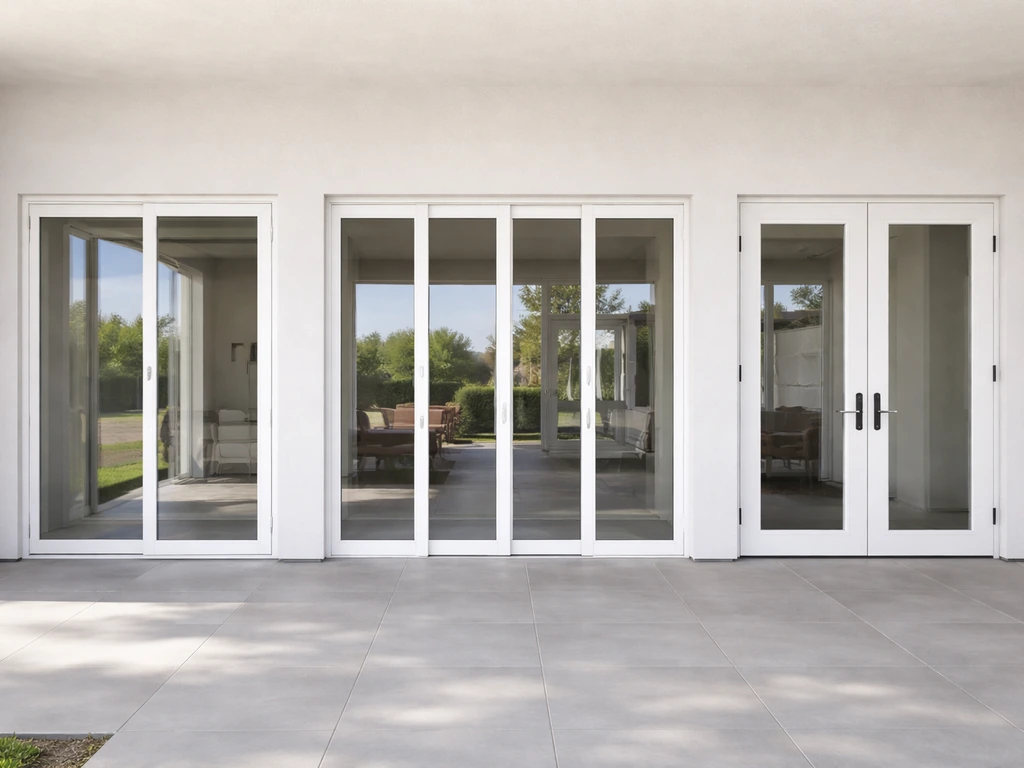
Door style and configuration
The style you choose sets the baseline. Sliding doors are generally the most affordable because they don't require swing clearance and the hardware is simpler. French doors cost more because of the two-door configuration, hinges, and the fact that proper alignment takes more labor. Bi-fold doors are at the top of the price range because of the complex track systems, multiple panels, and the precision required during installation.
| Door style | Typical installed cost (US) | Notes |
|---|---|---|
| Sliding (2-panel) | $700 to $3,500 | Most common, easiest to install in existing opening |
| French door | $1,500 to $5,000 | Two active panels, more labor for alignment |
| Bi-fold / multi-panel | $3,000 to $10,000+ | Complex track system, premium labor cost |
| Single hinged patio door | $800 to $2,500 | Less common, but simplest install of all hinged types |
Material
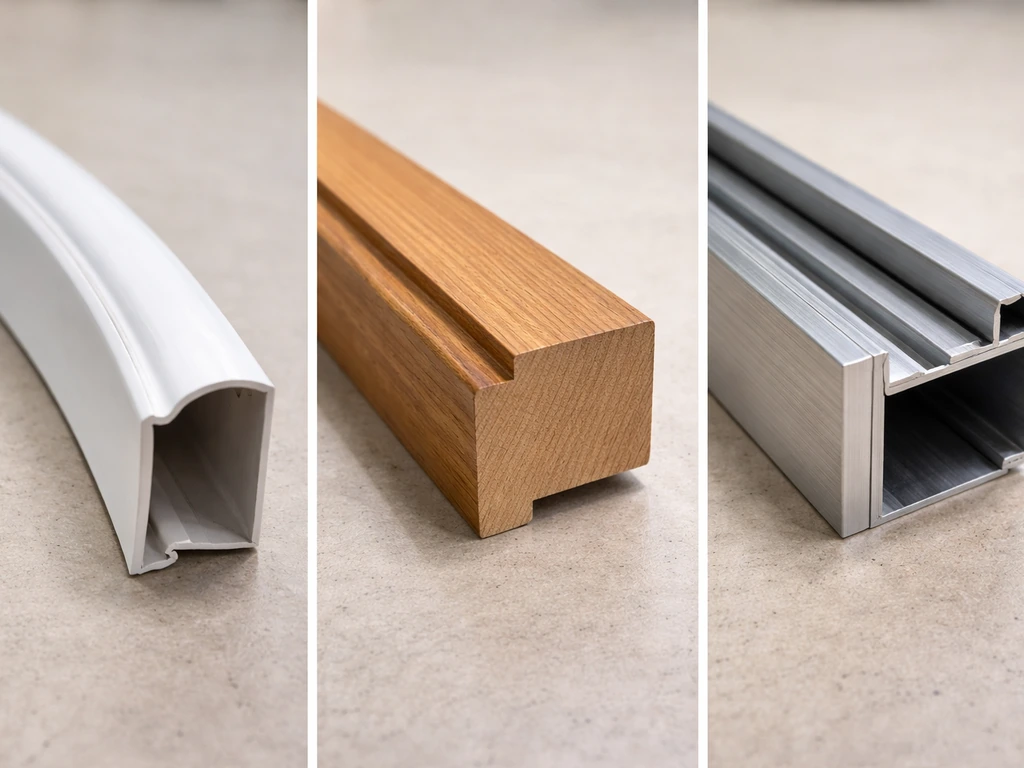
Material is probably the single biggest factor after door style. Vinyl is the budget-friendly, low-maintenance option and handles most climates well. Wood looks beautiful and insulates well but costs more upfront and needs regular upkeep. Fiberglass splits the difference: it mimics wood grain, resists warping, and holds up in extreme climates without demanding constant maintenance. Aluminum is slim, strong, and great for large openings but conducts cold, making it a less efficient choice without a thermal break.
| Material | Door cost (unit only) | Labor impact | Best for |
|---|---|---|---|
| Vinyl | $300 to $1,500 | Low, easy to work with | Budget builds, most climates |
| Aluminum | $500 to $2,000 | Low to moderate | Large openings, modern aesthetics |
| Fiberglass | $1,000 to $4,000 | Moderate | Harsh climates, low maintenance |
| Wood / wood clad | $1,500 to $5,000+ | Higher, heavier and more fussy | Traditional style, premium builds |
Size and custom vs. standard
Standard patio door widths run 60 inches (5 feet) and 72 inches (6 feet) for two-panel sliders, with heights typically at 80 inches. If your rough opening matches one of these standard sizes, installation is faster and the door costs less. Go custom, or ask for a non-standard height like 96 inches, and the door price can jump 30 to 50 percent. Adding a third panel to a sliding door, which is a common upgrade on wider openings, adds cost to both the door and the installation.
Glass options and energy efficiency
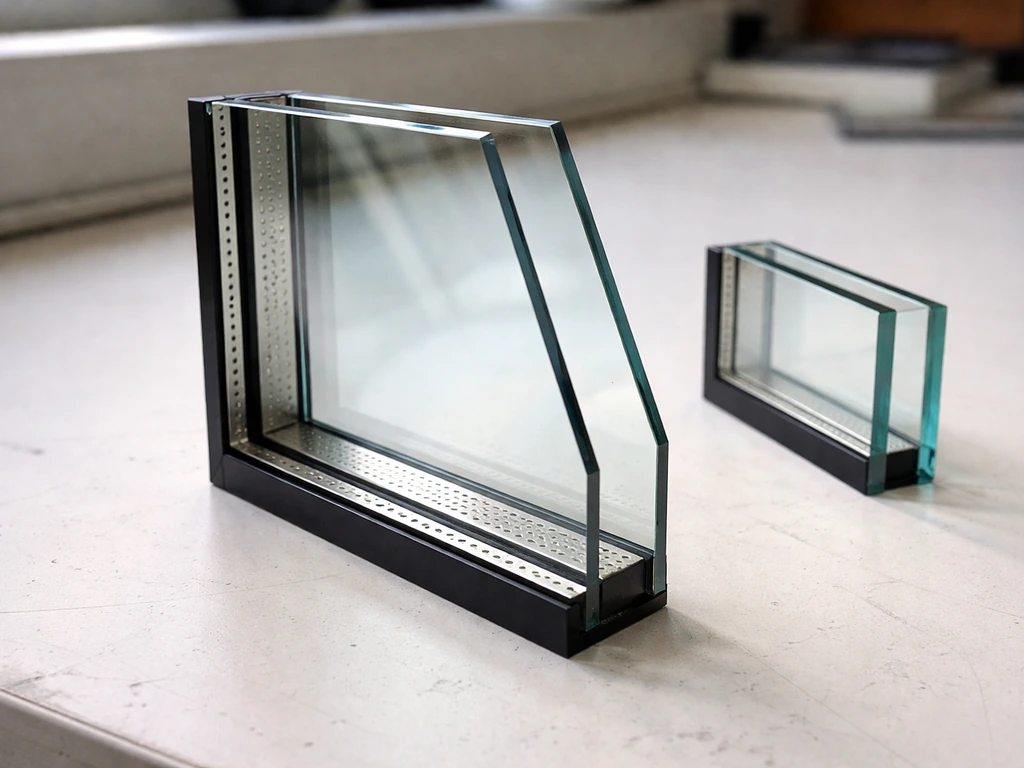
Basic single-pane glass is rarely offered in new doors anymore. Standard is double-pane with argon fill and a low-e coating, which adds maybe $100 to $300 to the door price but is worth every cent for energy savings. Triple-pane glass adds another $200 to $600 and is genuinely useful in very cold climates. Decorative glass, frosted panels, or built-in blinds between the panes can add $200 to $800 to the door unit cost. These aren't just aesthetic choices; built-in blinds, for example, also solve the problem of what to cover your patio door with while keeping things clean and maintenance-light.
Installation factors that can push the price up
Even if you pick a mid-range door, site conditions at your home can quietly inflate the final bill. Here are the most common ones that catch people off guard.
Framing and rough opening prep
If your new door is the same size as the old one and the existing framing is in good shape, prep is minimal. But if there's rot in the sill plate, the header needs reinforcing, or you're changing the opening size, framing work can add $200 to $1,000 or more to the job. Always ask the installer to inspect the framing before giving a final quote, not after they've started demo.
Tracks, thresholds, and drainage
Sliding doors need a solid, level threshold and a properly sloped sill to drain water away from the house. If the existing sill is out of level or damaged, the installer will need to address it, which takes extra time. Low-profile thresholds designed for accessibility or ADA compliance cost more than standard ones but are worth it in a high-traffic doorway. Track replacement on a sliding door, if the old track is corroded or warped, typically adds $50 to $150 to the job.
Wall construction and stucco or masonry exteriors
Wood-framed walls with vinyl siding are the easiest and cheapest to work with. Stucco exteriors add complexity because cutting, patching, and matching stucco takes skill and time, often adding $300 to $600 to the project. Brick or masonry adds even more, especially if the lintel above the opening needs adjustment. If your home has these exterior finishes, get a quote from someone who has done this type of work before, not just a general handyman.
Second story or difficult access
Most patio doors go in at ground level, but if yours is on a second floor or a raised deck with limited staging area, expect a labor surcharge. Moving heavy door units safely in tight spaces takes more hands and more time.
Add-ons and accessories that change your final number
Once the door is in, most homeowners discover a few extras they hadn't priced. Some of these are optional upgrades; others you'll wish you had done at the same time rather than coming back later.
- Screen doors: Retractable or framed screen doors add $150 to $600 per panel, and it's almost always cheaper to have them installed at the same time as the door unit
- Security locks and multi-point locking systems: Basic locks come with the door, but upgrading to a multi-point locking bar or a keyed deadbolt-style system adds $50 to $200 in hardware and a bit of labor
- Interior and exterior trim: If the new door is a different size than the old one, or if casing is damaged, new trim runs $100 to $400 installed depending on profile and material
- Weatherstripping upgrades: The factory weatherstripping on budget doors is often thin; upgrading to a heavier pile or foam seal adds $20 to $60 and is usually DIY-able
- Blinds or shades: If you're not going with built-in blinds, vertical blinds or panel-track shades sized for patio doors cost $50 to $300 and are commonly installed after the door goes in
- Patio door covers or awnings: Exterior awnings or interior cellular shades for energy control cost $100 to $800 depending on size and material
- Smart locks or keypad entry: Popular for back yard access, these add $100 to $300 in hardware and are usually straightforward to install on most patio door systems
If you're already paying for labor, bundle as many of these into the same visit as you can. Adding a screen door to the project when the installer is already on site costs far less than scheduling a second visit later.
How to get accurate quotes and actually compare them
Getting three quotes is the standard advice, and it's still good advice, but only if all three quotes are for the same thing. Comparing a quote that includes disposal, trim, and a screen to one that doesn't is like comparing apples to oranges. Rescreening a patio door is usually much less expensive than full door replacement, but the cost still depends on the frame type and the size of the opening. Here is how to make your quotes comparable and your decision easier.
What to have ready before you call anyone
- Rough opening width and height (measure in three places and use the smallest number)
- Wall thickness (exterior to interior drywall face, typically 4.5 to 6 inches)
- Exterior wall material (vinyl siding, stucco, brick, etc.)
- Whether you're replacing an existing door or creating a new opening
- The door style you want (sliding, French, bi-fold) and your preferred material
- Any must-have features: low-e glass, screen, specific hardware finish, accessibility threshold
Questions to ask every installer
- Does your quote include removal and disposal of the old door?
- Does it include interior and exterior trim, or just the door unit and labor?
- Is framing inspection included, and what happens if you find rot or damage once you open the wall?
- Do you pull permits if required, and is that cost included?
- What warranty covers your labor, and is it separate from the door manufacturer's warranty?
- Are you installing the screen door (if applicable), or is that a separate quote?
Comparing quotes from different sources
Big-box retailers like Home Depot offer installation packages through third-party contractors. These can be convenient and come with some degree of service guarantee, but they aren't always the cheapest option. Independent window and door contractors often give more competitive bids, especially on mid to high-end door brands.
If you're looking at specific brands like Pella or Renewal by Andersen, those companies sell and install through their own dealer networks, which typically means higher prices but a unified warranty on both the product and the installation. If you are wondering how much a Renewal by Andersen patio door renewal costs, your price will depend on the door material, size, and the level of installation work included.
When you're comparing quotes across these channels, make sure you're comparing the same door specifications, not just the bottom-line number.
Your pre-installation budgeting checklist
- Measure your rough opening three times and confirm wall thickness before contacting anyone
- Decide on door style and material so you can request apples-to-apples quotes
- Set a total budget range, not just a door budget, that accounts for labor, disposal, trim, and at least one unexpected framing issue
- Request itemized quotes from at least three installers, including one local independent contractor and one retailer or brand dealer
- Ask each installer to inspect the existing opening in person before giving a final number
- Confirm what's included in the warranty and who to call if there's a labor or installation defect
- Bundle any accessories (screen, smart lock, threshold upgrade) into the same job to save on labor
- Check whether a permit is required in your municipality before work begins
The bottom line: budget $1,500 to $3,500 if you have a standard opening and want a solid mid-range door, and plan for up to $5,000 or more if you're upgrading the size, material, or configuration. How much to fit a patio door can vary a lot depending on whether you keep the opening standard or upgrade the size, material, or door configuration.
If you want a more exact estimate for how much for new patio doors, make sure your quote matches the door type, size, and glass options you plan to install budget $1,500 to $3,500 if you have a standard opening. Get the quotes in writing, compare them item by item, and don't let price alone drive the decision. A door that's installed correctly and comes with solid labor warranty is worth more than the cheapest bid.
FAQ
What costs are commonly excluded from a patio door installation quote?
Most patio door installs do not automatically include electrical work, drywall patching, or flooring adjustments. If your opening has an outlet for exterior lights, a thermostat sensor, or you need to level flooring at the threshold, ask the contractor to list those tasks separately so you know whether you are paying for them now or later.
Do I need a permit to install patio doors, and is it included in the price?
A permit requirement depends on local rules and whether the work changes the rough opening, structural elements, or exterior appearance. Ask your installer directly if permits are needed, then confirm whether the price includes permit fees and inspections, since those can be a separate line item.
When would installation cost rise because of framing or sill problems?
If the door is going in at the same size in the same opening with intact framing, you may only need minor shimming and sealing. If the installer finds rot, out-of-square framing, or the sill is damaged, expect extra framing, threshold replacement, and longer lead time for materials.
Will upgrading to low-e or triple-pane really change my total cost versus energy savings?
Window and door upgrades sometimes affect energy costs, but the bigger price lever is usually the glass package and how well the door seals in your specific opening. To choose efficiently, ask for the exact glass type (double-pane with argon and low-e, or triple-pane) and whether the unit includes a quality weatherstripping system and properly sealed perimeter.
How do I make sure my patio door quotes are comparable?
To compare bids, require the same door specifications on every quote, including material, door style (sliding, French, bi-fold), exact dimensions, glass package, hardware level, threshold type, and whether a new frame, track, or shims are included. If one quote is for a different glass option or does not include disposal and trim, the total can swing by hundreds of dollars.
Is it worth adding a screen door during the patio door installation?
A screen door can be cheaper when bundled with the main install because labor and access are already booked. If you wait until later, you may pay a separate mobilization fee, and the screen must match your door size and track or hinge locations.
For sliding patio doors, is track replacement optional or usually necessary?
Yes, sometimes you can reduce cost by reusing an existing track or threshold only if they are still straight, not corroded, and not creating gaps for water or air. For sliding doors, ask whether the quote includes track replacement or only lubrication and adjustment, since corroded or warped tracks often fail quickly.
How much more expensive is it when I want to change the rough opening size?
If your patio door opening needs to be widened, the cost impact is not just the larger door. You may need new framing, possible header adjustments, interior wall changes, and updated flashing and sealing, which raises labor and materials.
Why do some installations cost more when the patio door is on a second floor or raised deck?
Temporary storage and safe handling can matter, especially for raised decks or second-floor installs. Ask how they will stage materials, whether they use a hoist or additional crew, and whether there is a surcharge for limited access or yard constraints.
How do exterior materials like stucco or brick change the patio door install cost?
If you have stucco, brick, or masonry, the installer may need specialty cutting and matching materials, and that work is easy to miss in a low bid. Ask for details on how they will handle patching and matching the exterior finish around the new unit before work starts.