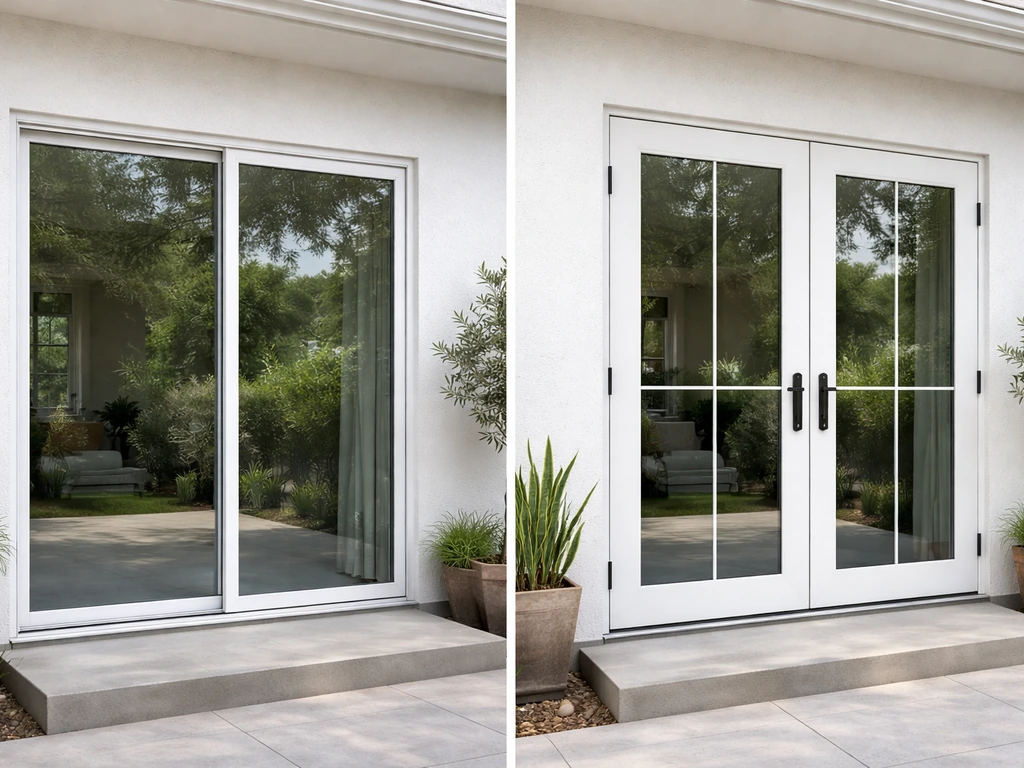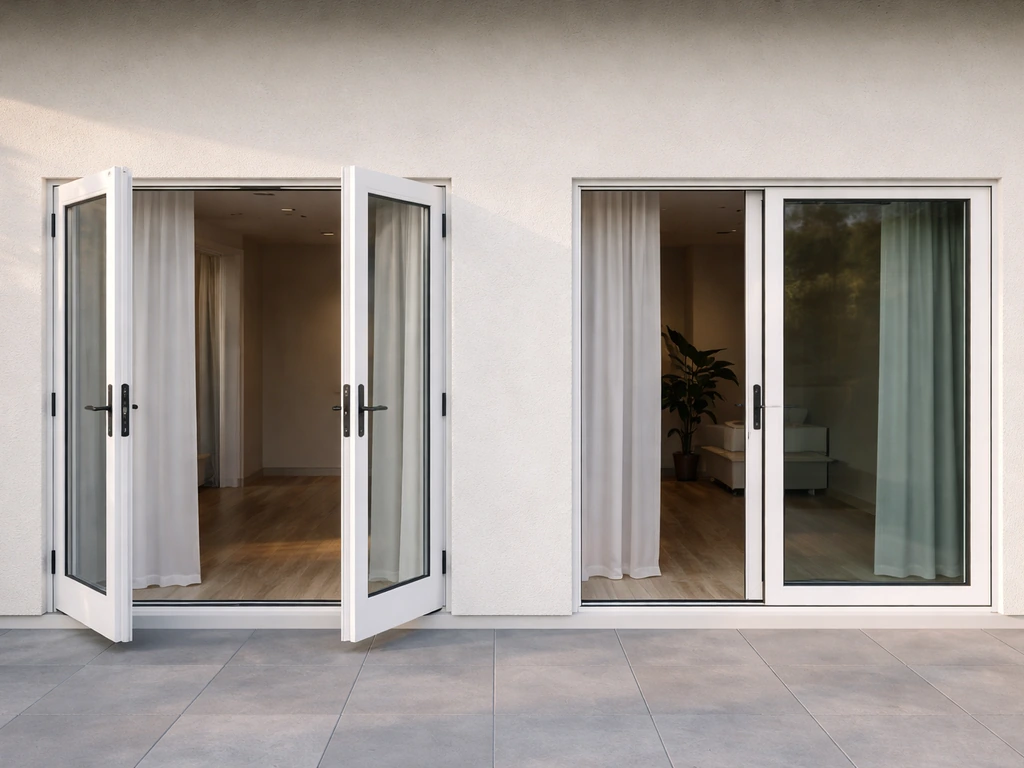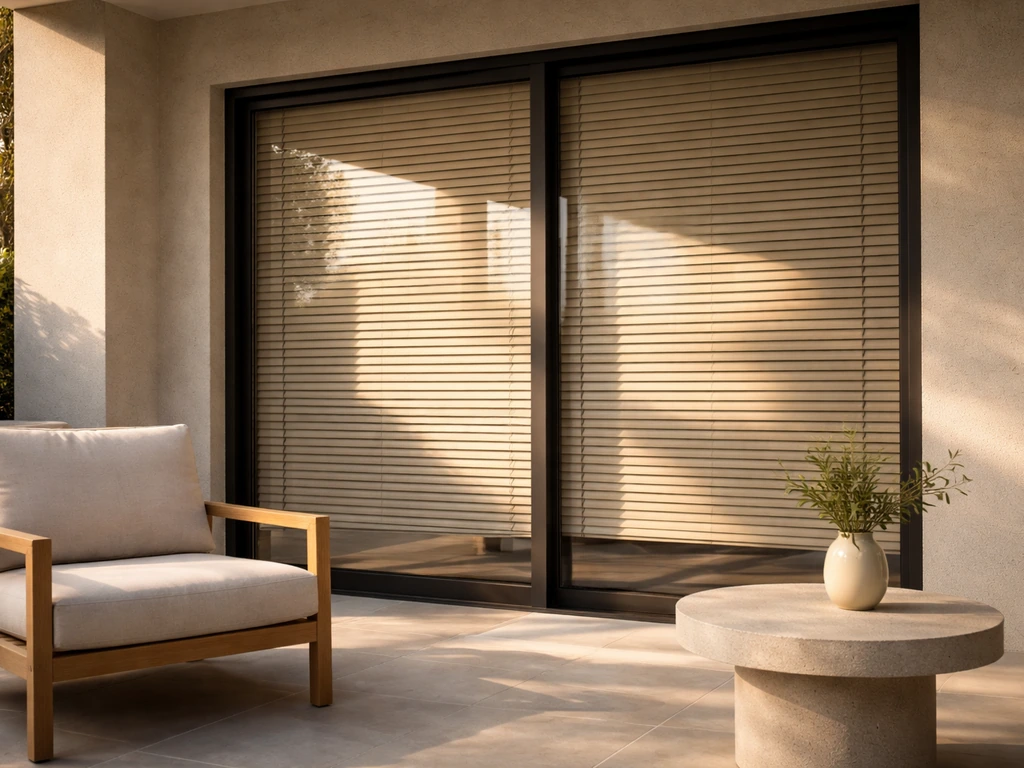
Replacing a patio door typically costs between $700 and $6,500 for a full unit, labor included. That wide range exists because a basic sliding vinyl door swap is a very different job from a custom wood French door installation with a modified rough opening. If you only need to replace the glass, you're looking at $150 to $1,000 depending on the size and glass type. The sections below break down every scenario so you can figure out where your project actually lands. If you want a more direct number for how much does it cost to install patio doors in your situation, keep reading for the breakdown by door type and project scope.
How Much Does It Cost to Replace a Patio Door? Real Prices
Owen Delaney
4 May 2026
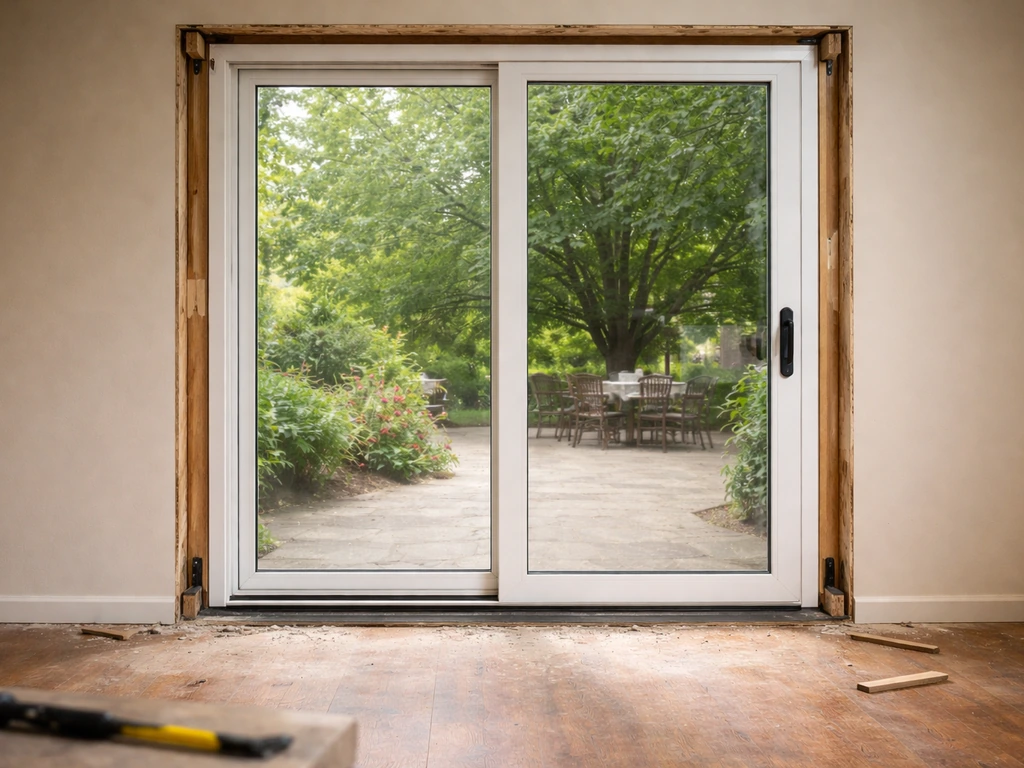
What full patio door replacement actually costs
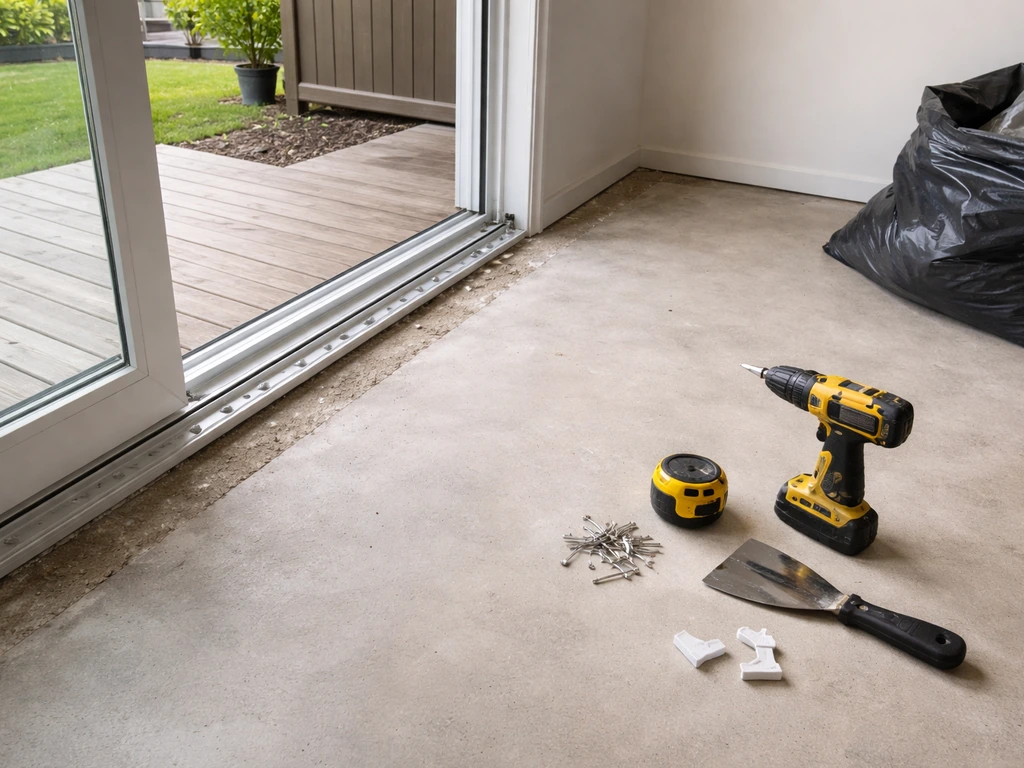
The $700 to $6,500 range from HomeGuide (2026) covers the door unit itself, labor, and disposal of the old door. Most straightforward replacements, where you're swapping a standard sliding door for a new one of the same size, land in the $1,200 to $3,000 range. That's a realistic mid-point for a quality vinyl or aluminum sliding door in a stock size like 6 feet wide by 6 feet 8 inches tall, professionally installed.
Labor alone runs $200 to $1,000 on the low end (HomeGuide) and up to $400 to $1,400 on the higher end (Angi). The difference usually comes down to door size, material weight, whether the frame needs any modification, and your local market. Contractors in the Northeast and West Coast tend to charge more than those in the Midwest or South. Always ask whether removal and disposal of your existing door is included in the quote, because some contractors tack that on separately.
Sliding patio door vs. French door vs. bifold: how style affects price
Not all patio door types cost the same to replace, even at the same rough opening size. Sliding doors tend to be the most affordable to replace because they're common, come in standard sizes, and the installation is relatively straightforward. French doors and bifold doors add complexity and usually cost more.
| Door Type | Typical Replacement Cost (Installed) | Notes |
|---|---|---|
| Sliding glass door | $700–$3,500 | Most common, easiest swap, widest product availability |
| French door (double) | $1,200–$4,000+ | Hinged panels add hardware and weatherstripping costs |
| Bifold/multi-panel | $2,500–$6,500+ | More panels, complex tracking, often custom sizing |
| Single hinged patio door | $600–$2,500 | Simpler install but less common in standard replacement kits |
HomeAdvisor's 2025 data puts French door replacement at $400 to $4,000 for the door itself, which tracks with the installed ranges above once you add $400 to $1,000 in labor. If you're coming from a sliding door and want to upgrade to French doors (or vice versa), expect to pay a bit more for the conversion hardware and adjustment work, even if the rough opening stays the same size.
Glass-only replacement vs. replacing the whole door
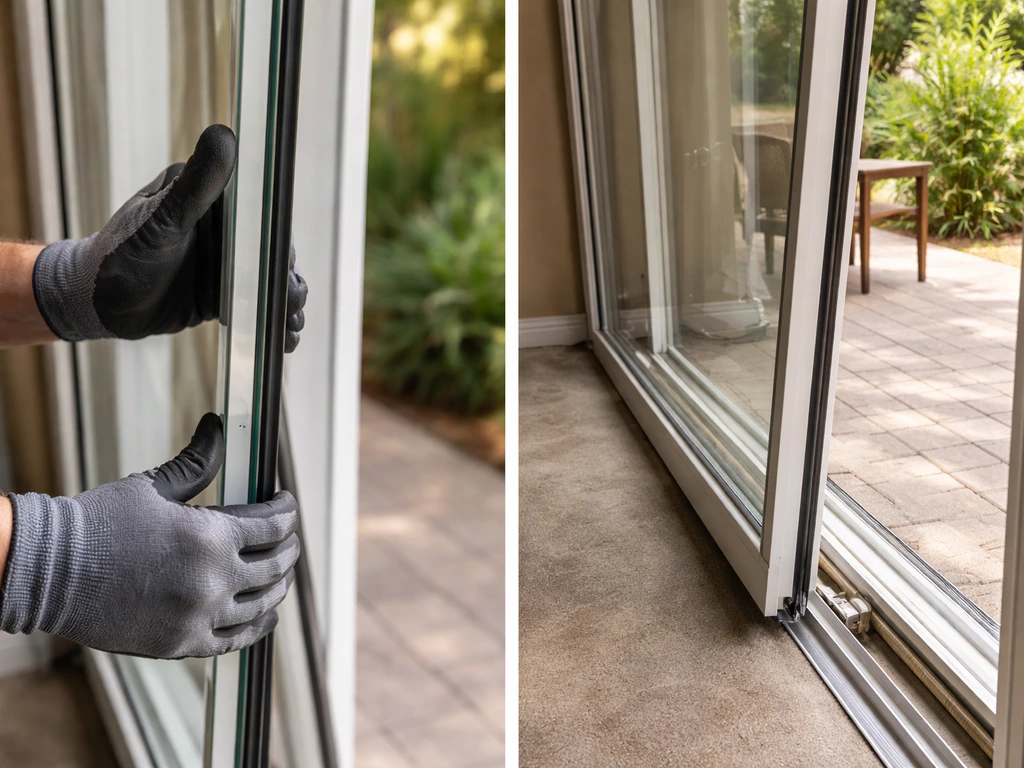
This is one of the most common questions I see, and it's worth slowing down on because the answer changes everything about your project scope and budget. If your door frame, tracks, and hardware are all in good shape but the glass is cracked, fogged (failed seal), or just outdated single-pane, you may only need to replace the glass unit, not the entire door. If your goal is to rescreen the door opening instead of replacing the glass, the costs can be different from glass-only or full-door replacement replace the glass unit.
Replacing patio door glass only typically costs $150 to $1,000 including labor, depending on the glass size, type (double-pane, tempered, low-E coating), and whether a glazier or door specialist does the work. Angi puts the range at $150 to $1,000 for parts replacement labor, and a sliding glass door glass-only replacement commonly runs $250 to $1,000 for the full job. Compare that to $700 to $6,500 for a full unit and you can see why it's worth assessing your frame condition first.
The catch: if your door is an older proprietary model, finding a matching replacement glass panel can be tricky or expensive. Manufacturers sometimes discontinue product lines, leaving you with a custom glass grind that costs more than a standard unit. If you can't source matching glass for under $500 or so, you may be better off replacing the whole door. Get a quote for both before committing.
| Replacement Scope | Typical Cost Range | Best When |
|---|---|---|
| Glass only (insulated unit/panel) | $150–$1,000 installed | Frame and hardware are sound, glass is cracked or fogged |
| Full door unit (door + frame) | $700–$6,500 installed | Frame is warped, damaged, or door is outdated/inefficient |
| Door slab only (no frame) | $400–$2,500 installed | Frame is in good shape but door panel itself is damaged |
Turning a window into a patio door: what that conversion costs
Converting a window to a patio door is a bigger project than a straight replacement, and the cost reflects that. You're not just swapping one unit for another. You're cutting into the wall, possibly removing structural framing, installing a new header if the opening gets wider, and bringing the sill down to floor level. Expect to pay $1,500 to $5,000 or more for this kind of conversion, and that's before the door unit itself.
The total installed cost for a window-to-patio-door conversion often lands between $2,500 and $8,000 depending on wall type (wood frame vs. concrete or brick), whether load-bearing work is needed, local permit requirements, and the door you choose. Non-load-bearing walls are much simpler and cheaper to open up. Load-bearing walls require a structural header and sometimes an engineer's sign-off, which adds both cost and time.
If you're planning this kind of project, get a contractor who does both the structural work and the door installation. Having two separate crews adds coordination headaches and usually costs more overall. Also budget for interior and exterior finishing work: drywall patching, trim, possibly new flooring at the threshold.
What drives the price up (or keeps it down)
Material
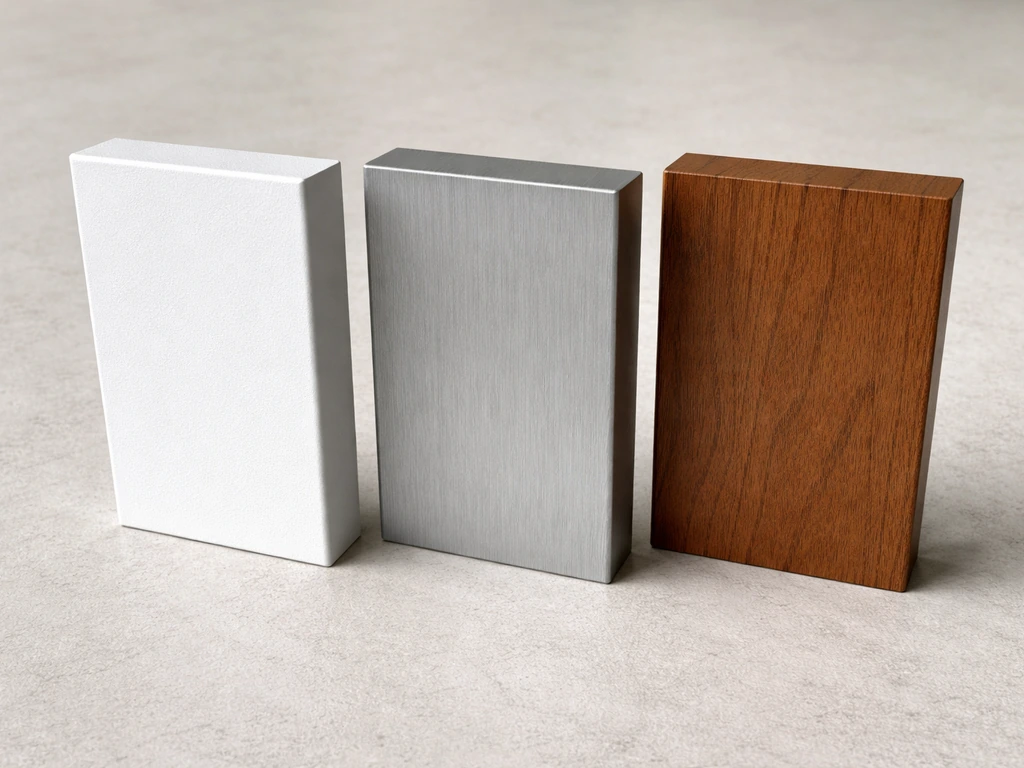
Vinyl is the most affordable frame material and requires the least maintenance. Aluminum costs a bit more and is common in warmer climates. Wood is the most expensive and the most work to maintain long-term. Fiberglass splits the difference: durable, low maintenance, and mid-to-high in price. For most homeowners, vinyl hits the best value sweet spot unless you have a specific aesthetic or climate reason to go another direction.
Size and configuration
Standard sizes are your friend. A 60-inch by 80-inch (5-foot by 6-foot-8-inch) sliding door is a stock size that almost every manufacturer carries, and it's the cheapest to source and install. Move up to a 72-inch or 96-inch wide door and you're often in semi-custom territory. Go wider than 96 inches and you're almost certainly ordering a custom unit, which adds weeks to your timeline and hundreds to thousands of dollars to your cost.
Glazing type
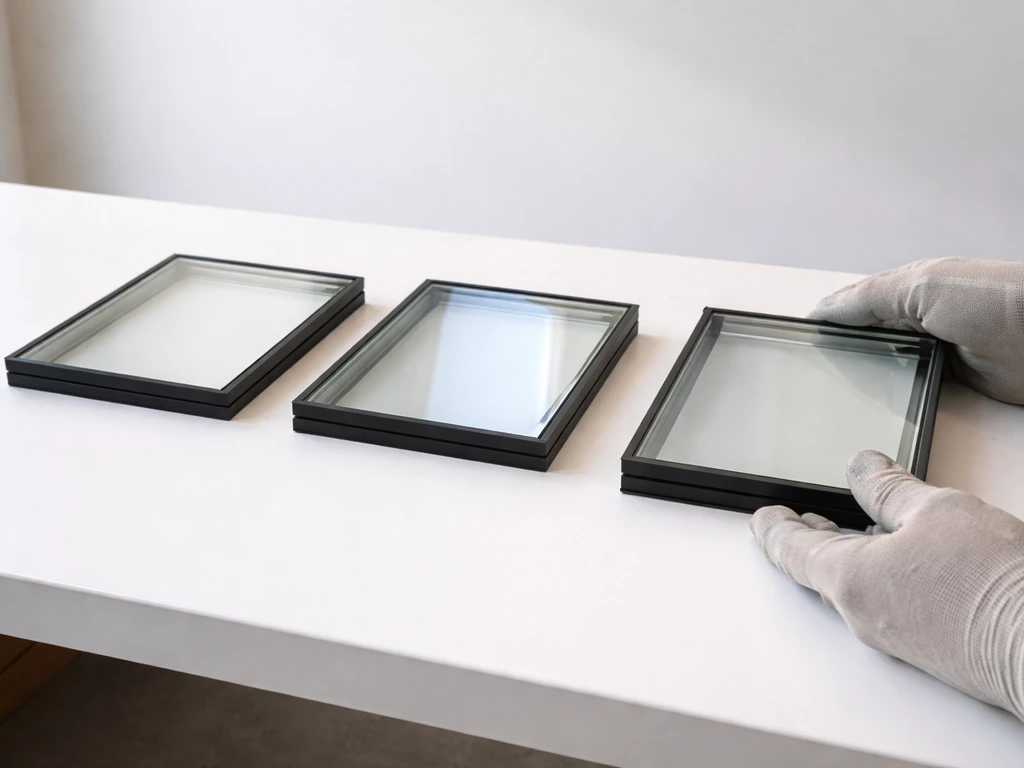
Single-pane glass is nearly obsolete in new doors. Double-pane with a low-E coating is the standard now and doesn't add much cost over basic double-pane. Triple-pane glass adds meaningful insulation value in cold climates but costs noticeably more, usually $200 to $600 more per door. If you live somewhere with harsh winters, triple-pane is worth considering. For most of the country, a quality double-pane low-E unit is the right call.
Brand
Budget brands (Reliabilt, JELD-WEN entry-level) keep full-unit costs lower. Mid-tier brands like Pella and Andersen offer better warranties and more options but cost more. If you’re wondering how much are Pella patio doors specifically, the price depends heavily on the model, material, and whether installation is included. Renewal by Andersen, the full-service replacement division, is a premium option where you're paying for the installation service and the product together. If you're comparing brands on price alone, just know that a Pella sliding door and a Renewal by Andersen unit are not really competing in the same category.
Hardware and tracks
Replacing tracks, rollers, and locks adds cost if they're worn out and not included with the new door unit. Basic hardware is usually bundled in, but upgraded handles, multipoint locking systems, or soft-close mechanisms cost extra. Budget $50 to $300 for hardware upgrades if you want them.
Labor, permits, and whether DIY is realistic
Labor for patio door replacement runs $200 to $1,400 depending on complexity. A direct like-for-like swap in a standard size is on the lower end of that range. Any modification to the rough opening, structural framing, or threshold moves you up quickly. Most homeowners should hire a professional for the actual installation, especially if the door is large, heavy (wood or glass-heavy French doors), or if any framing work is involved. An improperly installed patio door leaks air and water, which causes damage that costs far more to fix than the installation would have.
Permits are required in many jurisdictions for patio door replacement, particularly if you're modifying the rough opening or doing structural work. A straight swap (same size, same location) often doesn't require a permit, but check with your local building department before you assume. Permit fees typically run $50 to $300 for this type of project. Skipping a required permit can create problems when you sell the home.
There are a few things you can legitimately do yourself: measuring the rough opening, removing interior trim, and basic caulking cleanup after installation. Experienced DIYers can handle a full sliding door swap on a standard opening, especially with a helper to manage the weight. But if your opening needs modification, go with a pro. Mistakes with framing or waterproofing around a patio door can cause rot, mold, and structural damage within a few years.
How to get an accurate quote before you call anyone
The more information you bring to a contractor, the more accurate your quote will be, and the less likely you are to get hit with surprise costs after the job starts. Here's what to gather before you reach out.
- Measure the rough opening width and height (the framed opening behind your current door, not the door itself). Also measure the existing door unit width and height. Write both sets of numbers down.
- Note the door style you currently have (sliding, French, bifold) and what you want to replace it with.
- Check the frame material and condition. Is there any rot, warping, or visible water damage around the sill or jambs? If yes, mention it upfront.
- Identify the brand and model of your existing door if possible (usually on a label inside the frame or on the glass unit). This matters if you're doing glass-only replacement.
- Take photos of the full door from inside and outside, the sill and threshold, the tracks or hinges, and any damage areas.
- Find out if you're in a jurisdiction that requires a permit for door replacement. A quick call to your building department takes five minutes.
- Get at least three quotes from licensed contractors. Ask each one to break out labor, materials, removal/disposal, and any additional work separately so you can compare apples to apples.
For glass-only replacement, you'll also want to find out whether your glass panel is a standard insulated glass unit (IGU) size that a glazier can cut to order, or a proprietary size that has to come from the original manufacturer. Measure the glass panel itself (height, width, and thickness) and check for any spacer bar color coding, which can help a glazier match the original unit. If the manufacturer is still making that product line, you can often order a replacement IGU directly through a dealer, which is frequently cheaper than going through a general contractor.
On negotiating: patio door installation is competitive in most markets. If you have quotes from multiple contractors, it's completely reasonable to ask your preferred contractor to match or beat a lower bid, especially if the scope of work is identical. Where you have less leverage is on custom or semi-custom door units where material cost is fixed. Focus your negotiating on labor rates and any bundled services like disposal or finishing work.
Your next steps to move forward
Start by deciding which project you actually have: a glass-only replacement, a full door swap (same size and style), a style change within the same opening, or a window conversion. If you are looking at a full door swap, you can also compare typical quotes for how much to fit a patio door in your area. Each one has a very different cost profile and contractor requirement. Once you know that, measure your rough opening, photograph everything, and contact three licensed contractors for itemized quotes. If you're replacing glass only, add a local glazier to that list because they often beat general contractors on glass work.
Use the ranges in this guide to gut-check every quote you get. A full sliding door replacement in a standard size for under $700 installed should raise questions about what corners are being cut. A quote over $5,000 for a simple vinyl slider swap warrants some pushback or a second opinion. Most straightforward replacements land in the $1,200 to $3,500 range, and that's a solid benchmark to work from as you start reaching out. If you want a quick starting point, most homeowners are looking at the overall installed cost for new patio doors discussed earlier in this guide how much for new patio doors.
FAQ
Why does my quote change after the contractor inspects the frame and threshold?
Usually you should budget for at least one additional “small” line item: threshold work and weatherproofing. Even when the door size stays the same, a contractor may need new flashing tape, sill pan, or sealant at the sides and bottom to meet modern water and air standards. If those details are missing from the quote, request an itemized allowance so the job does not end up “full price minus waterproofing.”
Does the price include patching and finishing after the old door is removed?
Ask whether the quoted labor assumes the old door can be removed without damaging the surrounding trim, drywall, or flooring. If your door has been in place for a long time or was poorly flashed, removal can require carpentry repairs and repainting. A quote that seems “cheap” for the unit may be assuming minimal patching, so confirm whether interior and exterior finishing is included.
If I’m replacing glass only, what parts should be included besides the IGU?
Yes, but only in certain cases. When replacing glass only, confirm whether the quote includes replacing the glazing gasket, any spacer bars, and proper setting, not just the IGU itself. For older or proprietary units, the glazier may need to fabricate a custom IGU, and that can increase turnaround time and price.
How can I make sure glass-only replacement will fit and seal correctly?
To verify compatibility, provide both the door model and the glass panel dimensions, plus the thickness of the existing glass. If your contractor measures only the rough opening, that can still be wrong for glass-only swaps because the IGU is sized to the sash, not the opening. If you can’t locate the model number, ask for a written plan for how they will confirm the correct IGU thickness and sealing style.
Is old-door disposal always included in the cost to replace a patio door?
Not always. Some contractors include disposal in the base price, others bill it separately, and some treat it as a disposal fee only if the door is removed from site before hauling. Ask for the exact phrasing in your quote (disposal included vs disposal fee), and confirm whether they leave old material stacked for pickup or haul it away.
When would replacing a patio door require threshold or sill repairs, and what does it add to cost?
Expect extra cost if your floor is not level or if the threshold needs to be brought back to correct height for proper drainage and door operation. This shows up most often with older homes, uneven tile, or warped subfloor. Ask the installer to state whether they will adjust or replace the threshold/sill components as part of the install or treat it as an add-on.
What common hidden issues around the opening can raise the final price?
Many quotes are “starting points” and can shift when the rough opening is not to spec. Ask how the contractor will handle out-of-square openings, rotted framing, or damaged house wrap. If those issues exist, you may see changes for framing repair, additional flashing, or replacing exterior sheathing.
Can I reduce cost by keeping some parts, like hardware or screens, instead of replacing everything?
Yes. If you plan to add weather upgrades, such as a new low-E insulated unit, upgraded hardware for better compression, or a replacement sweep, costs can rise but you may get better air sealing. Ask for an option list that compares glass and hardware tiers, so you are not paying more for features you do not need.
What should I ask about warranties, especially for glass seal failure?
If your patio door is a resale or insurance priority, double-check warranty exclusions. Some premium replacement programs require a registered installation or specific care to keep the glass and hardware warranties valid. Ask the contractor to provide the warranty length, what is covered (glass seal failure, hardware failure), and whether labor warranty is included separately.
Is triple-pane glass worth it, or can I get similar savings with low-E double-pane?
If you live in a freeze-thaw climate, triple-pane can help, but it is not the only lever. You can get meaningful performance from a quality low-E double-pane plus correct air sealing and a properly installed sill pan. Ask the installer to explain what thermal benefit you will actually gain based on your local climate and door orientation, and request the exact glass spec in writing.
Why might a simple patio door swap still require a permit or structural check?
It can if the wall type or opening conditions require structural work, even when the rough opening dimensions look similar. A “like-for-like” swap can still involve permit checks, re-flashing, and sometimes header/structural confirmation if the previous door was installed during a different code era. Ask whether a permit is needed in your situation, and whether the contractor will pull it or you must.
How do I compare quotes from different contractors without getting misled by the bottom-line number?
The safest comparison is itemized quotes that separate unit cost, labor, removal/disposal, and glass or hardware upgrades. If one quote includes disposal and finishing and another does not, the “price difference” is not apples-to-apples. Ask for a line-by-line breakdown and request that scopes match (same door size, same glass package, same lock set, same waterproofing approach).