A standard patio door is most commonly 72 inches wide (6 feet), though 60-inch (5-foot) and 96-inch (8-foot) units are nearly as common at every major retailer and manufacturer. Those three widths cover the vast majority of what you'll find in stock at Home Depot, Lowe's, Andersen, JELD-WEN, and Simonton. The 72-inch unit is the default "standard" most installers and guides refer to when they don't specify otherwise.
How Wide Is a Standard Patio Door? Sizes and How to Measure

Owen Delaney
5 May 2026
What 'standard' patio door width actually means
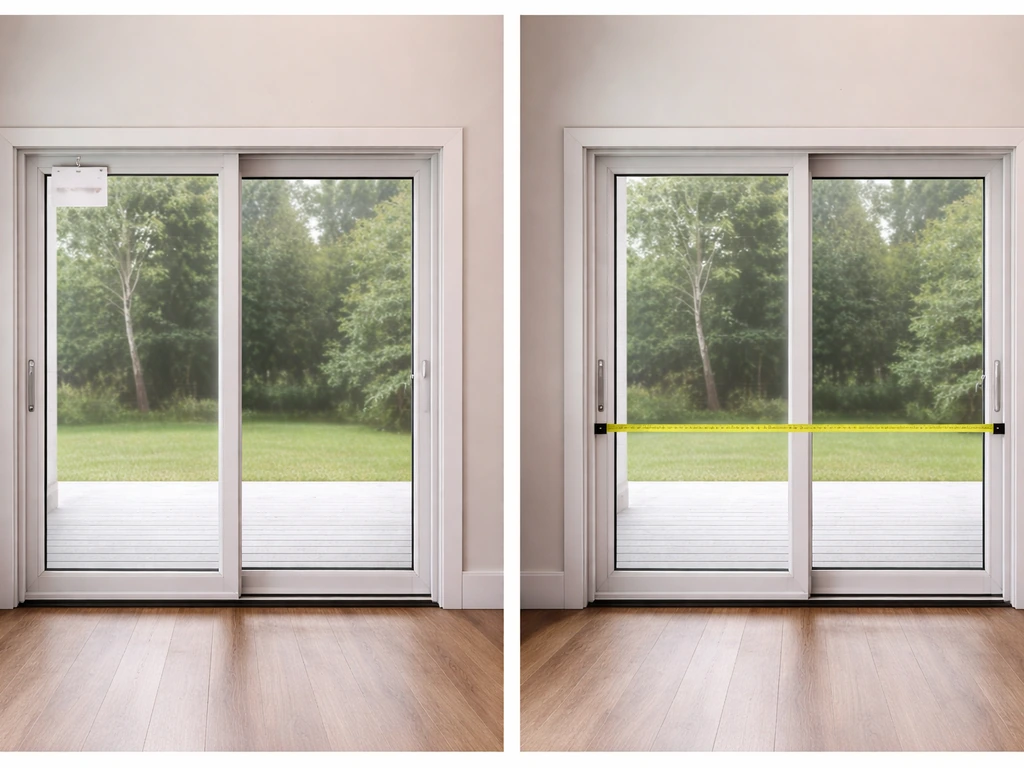
When someone says "standard width," they usually mean the door unit size as it ships from the factory, measured from the outside of one frame jamb to the outside of the other. That's different from your rough opening (the framed hole in your wall) and definitely different from the clear opening (the actual usable space when the door is open). All three numbers matter, and they're all different, which is where a lot of ordering mistakes happen.
The "call size" is another term you'll run into. A 6-0 call size means 6 feet wide, but the actual door unit will measure slightly less than 72 inches (typically 71 1/2 inches for Simonton, for example). The rough opening you need to frame or verify is usually about 1/2 inch larger in width than the actual door unit frame. So a 6-0 door might have an actual frame width of 71 1/2 inches and need a 72-inch rough opening. These small differences add up fast if you're not tracking which number you're using.
Common widths by door type: sliding, French, and bifold
Each door style follows its own sizing conventions, and the options available to you depend heavily on which type you're shopping for.
Sliding patio doors
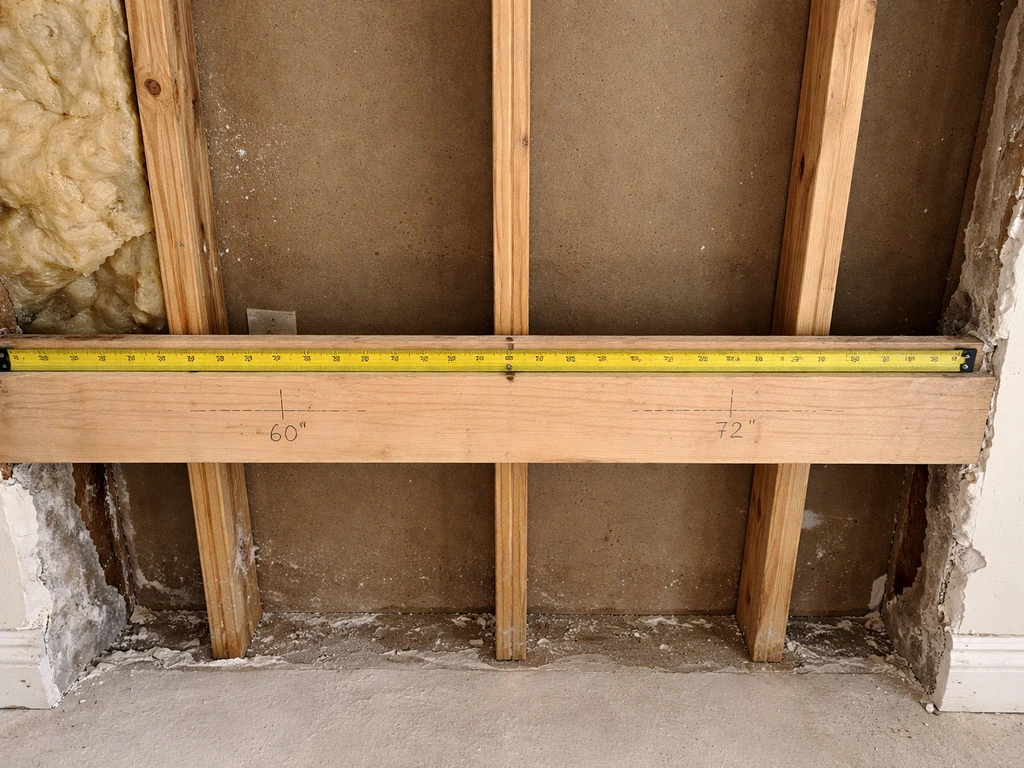
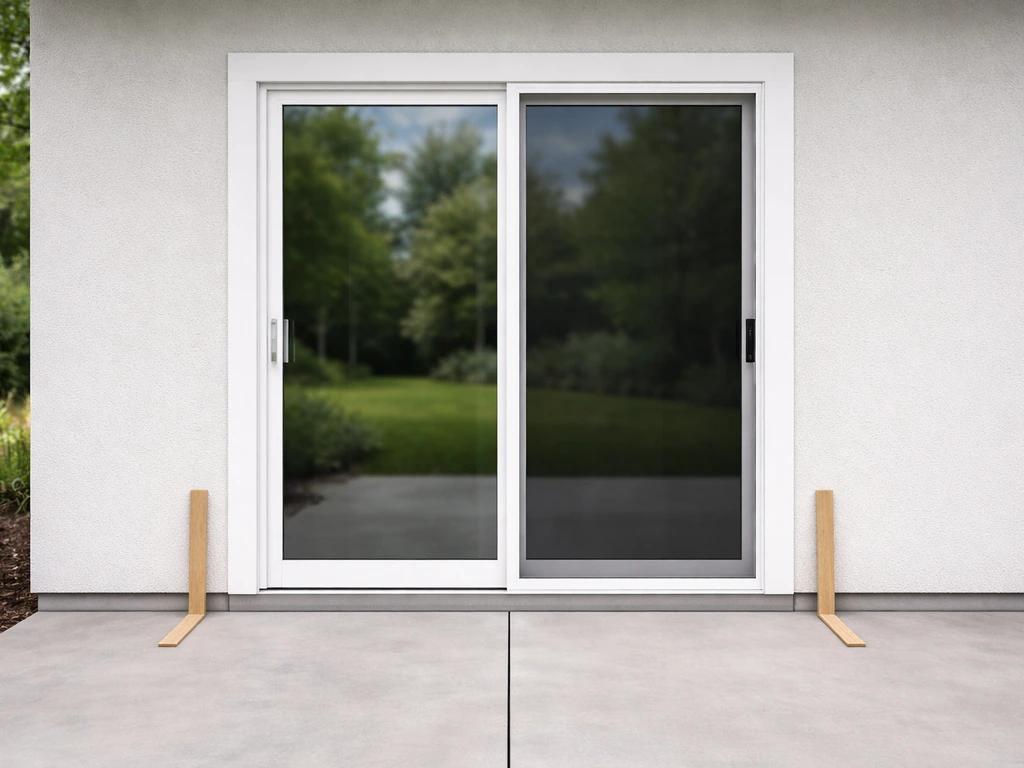
Sliding doors (also called gliding doors) are the most common type and come in the widest range of standard sizes. The three dominant widths are 60 inches (5 feet), 72 inches (6 feet), and 96 inches (8 feet). Andersen's 100 Series lists all three as standard 2-panel configurations. Simonton's call sizes for these correspond to actual widths of roughly 59 1/2", 71 1/2", and 95 1/2" respectively, with rough openings at 60", 72", and 96". Home Depot explicitly labels 60" and 72" as their primary standard sliding door widths, and their buying guide calls 72 inches the standard width for sliding glass patio doors overall.
French patio doors
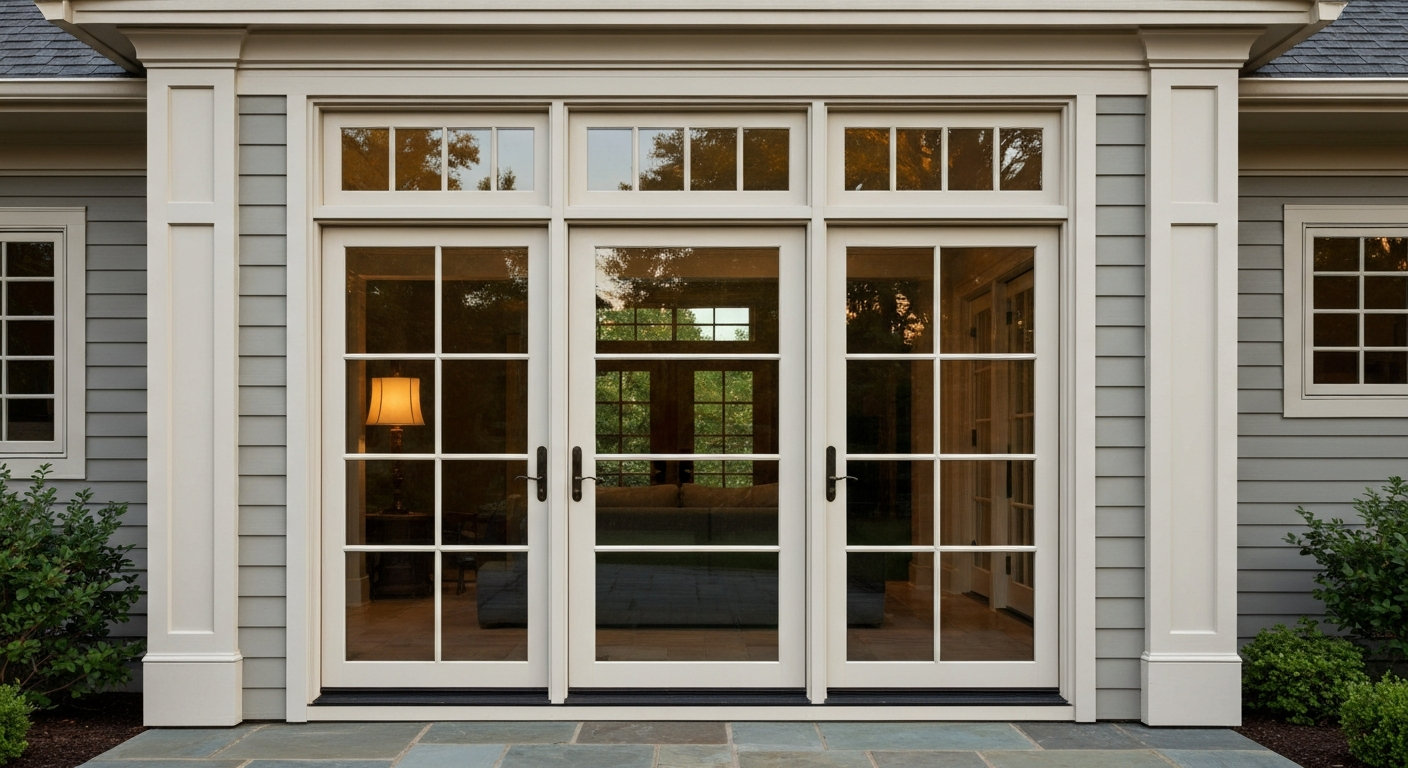
French doors (two hinged panels that swing open) follow similar nominal widths, with 60" and 72" being the most common standard unit sizes. Because both panels swing, the clear opening you get from a 72-inch French door is quite generous. Home Depot's buying guide also cites 72 inches as the standard width for French patio doors. Custom sizes are widely available from most major brands, typically in 1/8-inch increments if you need something non-standard. French doors at wider widths (like 8 feet) exist but are less common as stocked items and usually require custom or special-order lead times.
Bifold (multi-fold) patio doors
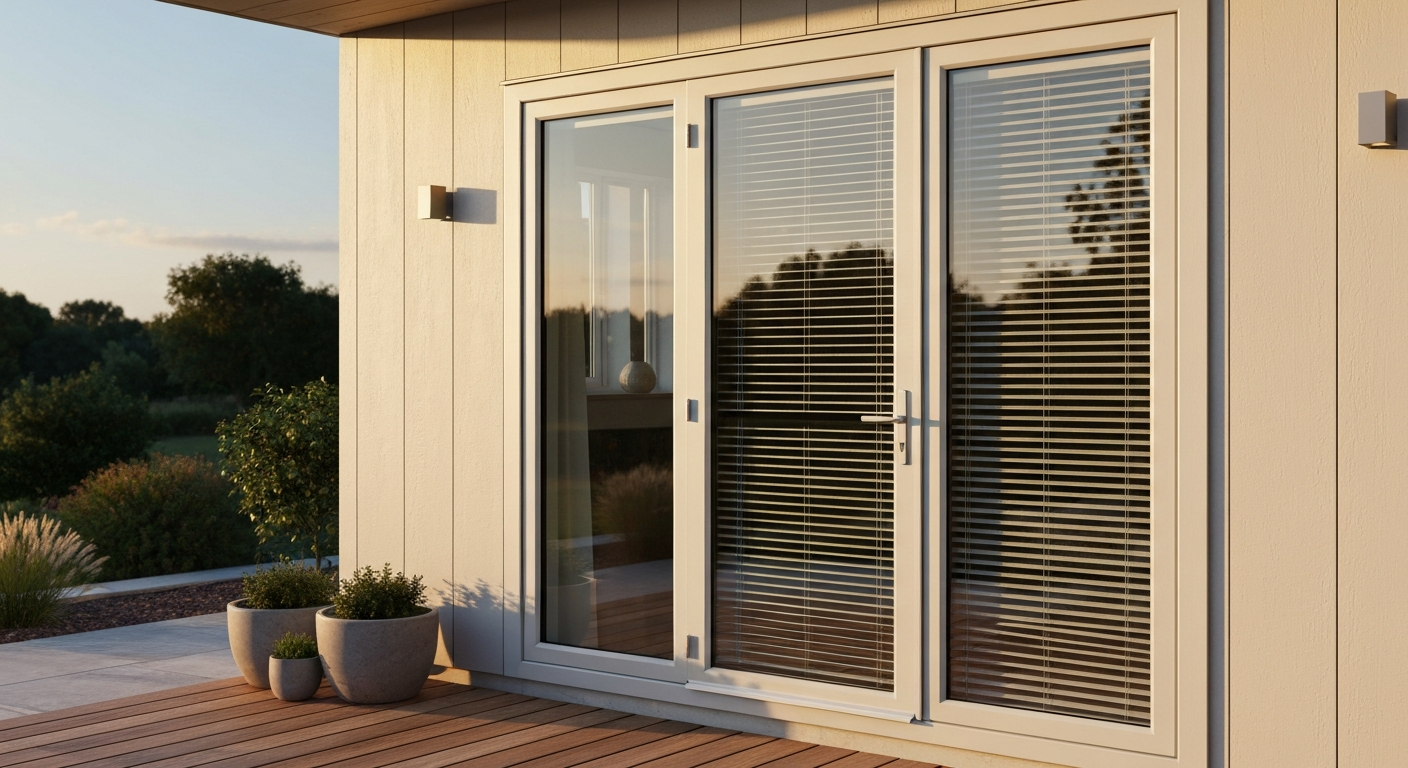
Bifold and multi-slide doors are the most flexible in terms of width because they're designed to span large openings. Standard configurations start around 6 feet wide and commonly go up to 12, 16, or even 20 feet for multi-panel systems. These are less about "standard" widths and more about panel count and opening size. If you're replacing a bifold, you'll almost certainly be working from a custom measurement rather than pulling a stocked unit off a shelf.
| Door Type | Common Standard Widths | Most Popular Width | Custom Options |
|---|---|---|---|
| Sliding (gliding) | 60", 72", 96" | 72" (6 ft) | Yes, 1/8" increments |
| French (hinged) | 60", 72" | 72" (6 ft) | Yes, widely available |
| Bifold / Multi-slide | 72"+ (varies by panel count) | Varies by project | Standard for wide spans |
How to measure your existing opening correctly
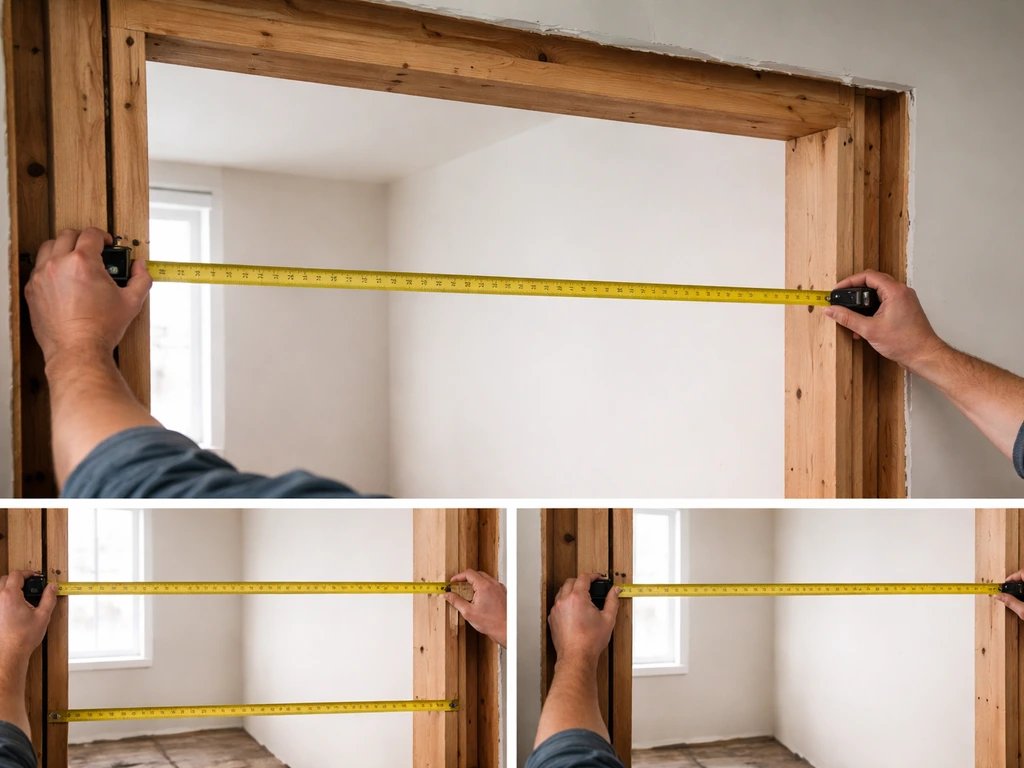
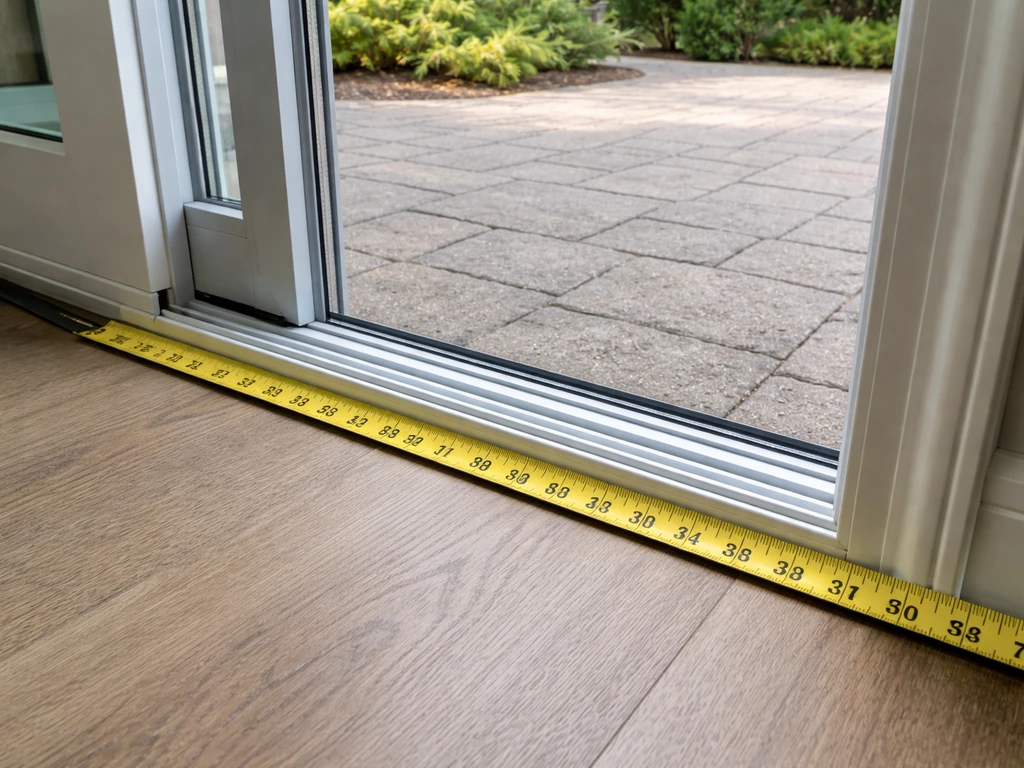
This is where most DIYers get into trouble. Measuring once from the middle and calling it done is a mistake I've seen cost people a full door return and reorder. Walls are rarely perfectly square, so you need three horizontal measurements and two vertical ones.
- Remove interior casing/trim to expose the rough framing. You need to measure the actual rough opening (stud to stud), not the finished frame or old door unit.
- Measure the width at three points: across the top of the rough opening, across the middle, and across the bottom. Write down all three numbers.
- Use the smallest of those three width measurements when ordering. This is the number that determines whether the door unit will physically fit into the opening.
- Measure the height on both the left and right sides of the opening (floor/sill to header). Again, use the smaller of the two.
- Check for square by measuring diagonally corner to corner in both directions. If those two diagonal measurements are within 1/4 inch of each other, you're in good shape. If not, the opening needs correction before the door goes in.
- Check that the sill is level and not crowned or sagging. A crowned sill (higher in the middle) will cause a sliding door to bind. This is a sill prep issue, not a door size issue, but it'll bite you at installation if you don't catch it now.
If you're replacing an existing door rather than framing new, you can also measure the old door unit itself (outside frame to outside frame) as a starting reference, then confirm the rough opening behind it. Just don't assume the old door was the right size for the rough opening.
Rough opening vs. door unit dimensions: why the numbers don't match
This is the most common source of sizing confusion, so let me break it down clearly. You're dealing with three distinct width measurements: the rough opening (RO), the door unit frame (outside frame to outside frame), and the clear opening (usable space when the door is open).
The rough opening needs to be slightly larger than the door unit frame so there's room to shim the unit plumb and level. Most manufacturers specify the RO should be about 1/2 inch wider than the door unit frame. Lowe's installation guidance says to leave about 1/4 inch on each side (totaling 1/2 inch). [JELD-WEN Canada instructs builders to add 3/4 inch to the frame width for the rough opening in new construction.
](https://cmd-jeld-wen. s3. us-east-2. amazonaws.
com/assets/documents/54028724. pdf) Simonton's installation tables show a concrete example: a 5-0 call size door has an actual frame width of 59 1/2" and needs a 60" rough opening, a difference of exactly 1/2 inch. If you're in a hurricane-prone area, your local code may require tighter clearances, so check that before framing.
The clear opening is something else entirely. It's the usable pass-through width when the door panel is open. For a standard 2-panel sliding door, only one panel slides, so the clear opening is roughly half the door width minus the frame and hardware. Andersen's formula for their 100 Series is: Clear Opening Width = (door width divided by 2) minus 6.125 inches. So a 72-inch Andersen gliding door gives you a clear opening of about 29.875 inches (just under 30 inches). A 96-inch door gives you roughly 41.875 inches of clear space.
| Call Size (Nominal Width) | Actual Door Unit Width | Rough Opening Width | Approx. Clear Opening (2-panel slider) |
|---|---|---|---|
| 5-0 (60") | 59 1/2" | 60" | ~23.6" |
| 6-0 (72") | 71 1/2" | 72" | ~29.9" |
| 8-0 (96") | 95 1/2" | 96" | ~41.9" |
Always confirm the rough opening spec in the installation instructions for the specific product you're ordering. Different brands have slightly different tolerances and may specify slightly different RO additions depending on whether you're accounting for sill panning, flashing, or wraps.
Choosing the right width for your space and egress needs
Width isn't just about what fits in the opening. It affects how much natural light you get, how easily people (and furniture) move through, and whether your home meets egress requirements for emergency exit.
Traffic flow and furniture movement
A 5-foot (60-inch) sliding door gives you a clear opening of roughly 24 inches, which is workable for one person but tight for carrying things in and out. A 6-foot door opens up to about 30 inches of clear space, which is much more comfortable for daily use and easy enough to move typical outdoor furniture through. If you're regularly hauling chairs, grills, or large items back and forth, an 8-foot door with close to 42 inches of clear space is a real quality-of-life upgrade.
Egress and code requirements
If your patio door serves as an emergency egress point (required in bedrooms or spaces where the patio door is the only exterior exit), it needs to meet minimum clear opening requirements. Under the IBC 2024, the minimum clear opening width for egress doors is 32 inches.
For residential emergency escape and rescue openings (like a basement or bedroom egress), the IRC requires a minimum net clear opening width of 20 inches, a minimum height of 24 inches, and a minimum net clear area of 5. 7 square feet. A standard 60-inch 2-panel slider only gives you about 24 inches of clear width, which does not meet the 32-inch IBC egress minimum.
A 72-inch slider hits roughly 30 inches of clear width, still short of 32 inches for a code egress door. For a guaranteed-compliant egress door, you'd typically need an 80-inch or wider sliding unit, a French door where both panels open, or a bifold configuration. Always verify egress requirements with your local building department, especially when replacing a door that serves a primary exit.
Light and proportion
Beyond code, think about the visual proportion of the door relative to the room. A 60-inch door in a wide living room can look undersized and stingy with light. A 96-inch or wider opening, especially with a bifold that folds completely out of the way, transforms how a room feels and connects to the outdoor space. If the existing rough opening is already framed for a 6-foot door and you're just replacing, staying at 72 inches is the path of least resistance and cost. Going wider means structural changes to the header and framing, which adds significant cost and time.
What to expect when replacing: costs, lead times, and fit realities
Will a standard-size door fit your opening?
If your rough opening is a standard 60", 72", or 96", you're in good shape. Standard stocked units from Home Depot, Lowe's, Andersen, and Simonton are built for exactly those openings. If your rough opening is slightly off (say, 70 inches instead of 72), you have two choices: frame out the opening to a standard size, or order a custom door. Most brands offer custom sizing in 1/8-inch increments, but custom doors cost more and take longer.
Shimming and adjustments
Even a standard door going into a standard rough opening rarely drops in perfectly. You'll always need to shim the unit plumb and level before fastening. The 1/2-inch total width clearance between the door frame and rough opening is specifically there to allow those shims. A good installer accounts for this. A bad one skips it and you end up with a door that drags, seals poorly, or won't latch correctly. Make sure whoever is installing the door checks for plumb, level, and square before fastening.
Cost impact of door width
Door size is one of the biggest cost drivers for replacement patio doors. A standard 6-foot sliding door from a mid-range brand like Simonton or JELD-WEN typically runs less than a comparable 8-foot unit, and the labor for installation also increases with size and weight. Because patio door weight varies by size and panel configuration, it can affect shipping, handling, and whether you should plan for two installers. Wider, heavier doors require more care handling and may need two installers. Custom widths (anything outside 60", 72", 96") add a premium on top of that. Bifold and multi-slide systems start considerably higher than standard sliding doors at any given width.
Lead times
Standard stocked widths (60", 72") are typically available same-day or within a few days from major retailers. An 8-foot door may need to be ordered but is usually stocked or can arrive within 1 to 2 weeks. Custom sizes add 3 to 6 weeks or more depending on the brand and configuration. If you're on a timeline (say, a renovation with a specific completion date), confirm stock availability before finalizing your width choice.
Your next steps, in order
- Measure your rough opening width at three heights (top, middle, bottom) and use the smallest number. Also measure height on both sides and check for square with diagonal measurements.
- Decide which door type fits your needs: sliding for simplicity and budget, French for style and full clear opening, bifold for wide spans and maximum open-air feel.
- Confirm the rough opening spec for the specific product you're considering. Look up the installation instructions or spec sheet for the brand and model, and verify your RO matches what they require.
- Check your clear opening against egress requirements if the door serves an exit point. If your current opening is 60" or 72", verify whether the clear opening meets your local code before ordering.
- Use your confirmed rough opening width to compare products and get installation quotes. Get at least two quotes and make sure each quote is based on the same rough opening dimensions and door unit size.
The 72-inch (6-foot) sliding or French door is the right starting point for most homeowners because it's the most widely stocked, easiest to source, and fits the most common rough opening sizes. But the right width for your home is the one that fits your actual opening, meets any egress requirements, and handles the daily traffic you're putting through it.
Like size, the materials and installation details also affect how long patio doors last, so it is worth thinking about durability before you commit to a width. Take those measurements today and you'll have everything you need to make a confident decision. If you're wondering how big a patio door typically is, the common 60-inch, 72-inch, and 96-inch sizes show up across the most popular sliding and French options.
FAQ
When someone says “standard patio door width,” is that the unit frame width or the clear opening width?
For most patio doors, “width” usually refers to the door unit size as shipped (outside frame jamb to outside frame jamb). To avoid ordering the wrong one, confirm whether the listing uses call size, unit frame width, or clear opening, then match that number to the measurement method you’re using for your rough opening.
If my rough opening measures 72 inches, can I assume any 72-inch patio door will fit?
No. Even if the rough opening looks like 72 inches, small differences in framing tolerances, sill pan requirements, and shim space can mean the delivered unit needs a slightly different RO than the “nice round” number. The safest approach is to measure your current rough opening at three points and compare to the exact RO specification printed in the door’s installation instructions for the brand and series you’re buying.
What’s the best way to measure the width if my wall or framing might be slightly out of square?
Measure your opening in more than one spot. Take three horizontal measurements (top, middle, bottom) and two vertical measurements (left and right). If the opening is wider at one end, you can end up with a door that won’t latch smoothly or leaves uneven gaps, even when the average dimension seems correct.
When replacing a patio door, should I size off the old door or the framed opening?
If you’re replacing an existing door, measure both the existing door unit (outside frame to outside frame) and the rough opening behind it, then compare both to the installation spec for the new product. It’s common for older doors to have been installed with nonstandard shim practices or for the rough opening to have been altered during previous renovations.
What are my options if my rough opening is, for example, 70 inches wide?
If your rough opening is not one of the common sizes (60, 72, 96 inches), you have two main paths: reframe to a standard opening or order a custom unit. Reframing is usually cheaper and faster only if you can adjust the header and side framing without major structural changes.
How do I estimate real-world “walking width” when buying a patio door?
If you need a clear passage for mobility aids or carrying items, don’t base your purchase solely on how wide the door looks. For sliding doors, the clear opening is reduced by the stationary panel, track, and hardware, so two doors with the same overall width can still feel different in use depending on the brand’s rail and stop locations.
If my patio door is supposed to be an emergency exit, can I choose based on the door’s nominal width?
Yes, doors can meet egress rules in width but fail on net clear area or height, depending on the door type and configuration. For code-sensitive replacements (like bedroom or basement egress), verify the minimum net clear opening and net clear area with your local building department or your permit documents, not just the nominal door width.
Does hurricane or high-wind installation change how much extra width I should leave in the rough opening?
For hurricane-prone regions, your installer may need tighter tolerances for attachment, shimming, and sealing than standard guidance assumes. That can affect the exact rough opening clearance you should plan for, so confirm RO additions and installation requirements with the specific product’s instructions before framing.
Which patio door type typically gives the widest usable opening: sliding, French, or bifold/multi-slide?
A 2-panel sliding door will usually produce the smallest clear opening relative to its overall width. If you’re trying to maximize pass-through width, consider a configuration where more than one panel can move out of the way (for example, a French door where both panels swing, or a bifold/multi-slide system), then verify clear opening for the exact model.
Do I need two installers for a wider patio door, and does it affect installation quality?
Plan for at least two installers when the unit is heavy, large, or difficult to lift safely, and especially for wider and multi-panel systems. Even if the door arrives undamaged, mishandling during placement can cause alignment issues that lead to poor sealing or latching problems.