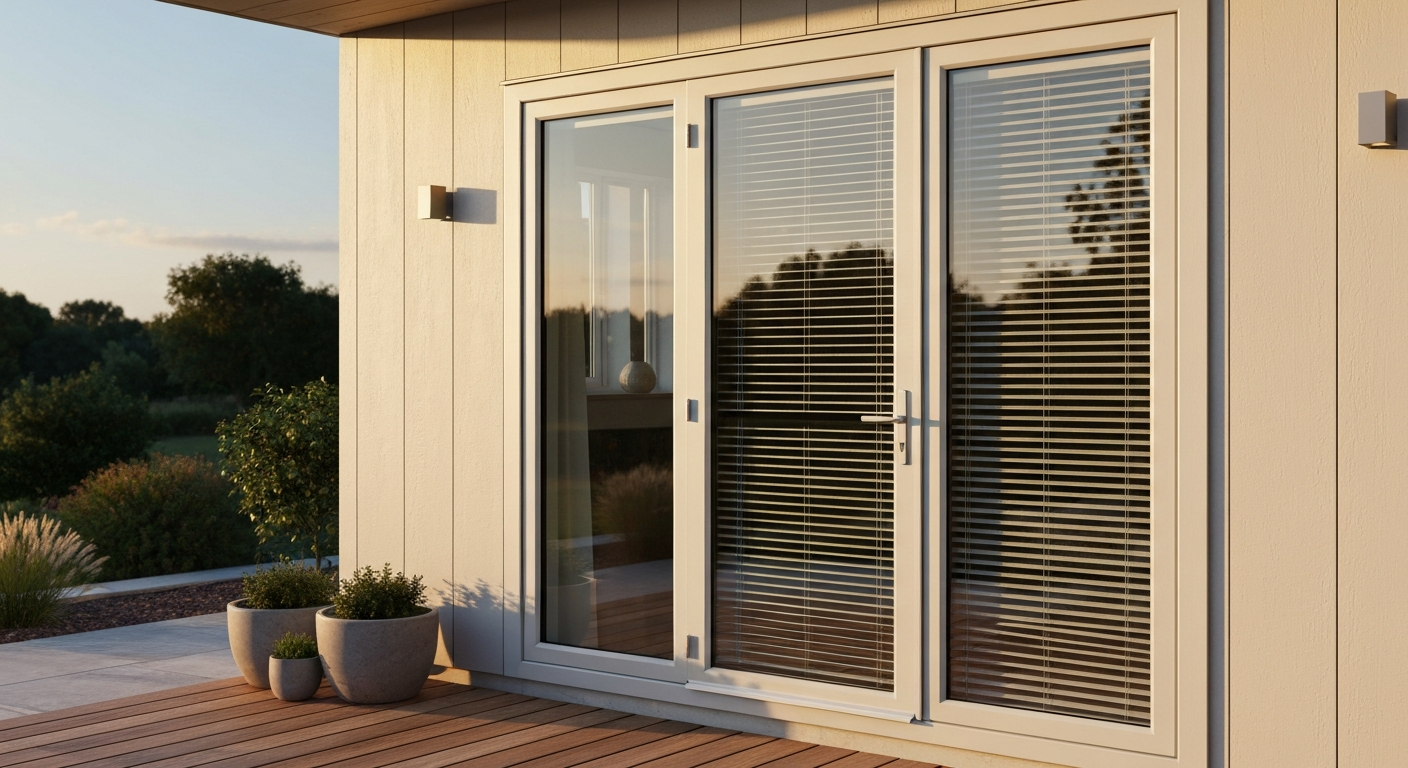
A patio door bug screen setup has two parts that need to work together: a screen door that slides or swings in a track, and a bottom sweep or bug strip that seals the gap between the screen frame and the threshold. If you're getting bugs inside, either the full screen door is missing or damaged, or the sweep/strip at the bottom (and sometimes the sides) has worn out. Figuring out which one you actually need saves you time and money before you order anything.
Patio Door Bug Screen: DIY Install and Bug-Sweep Fixes

Owen Delaney
15 May 2026
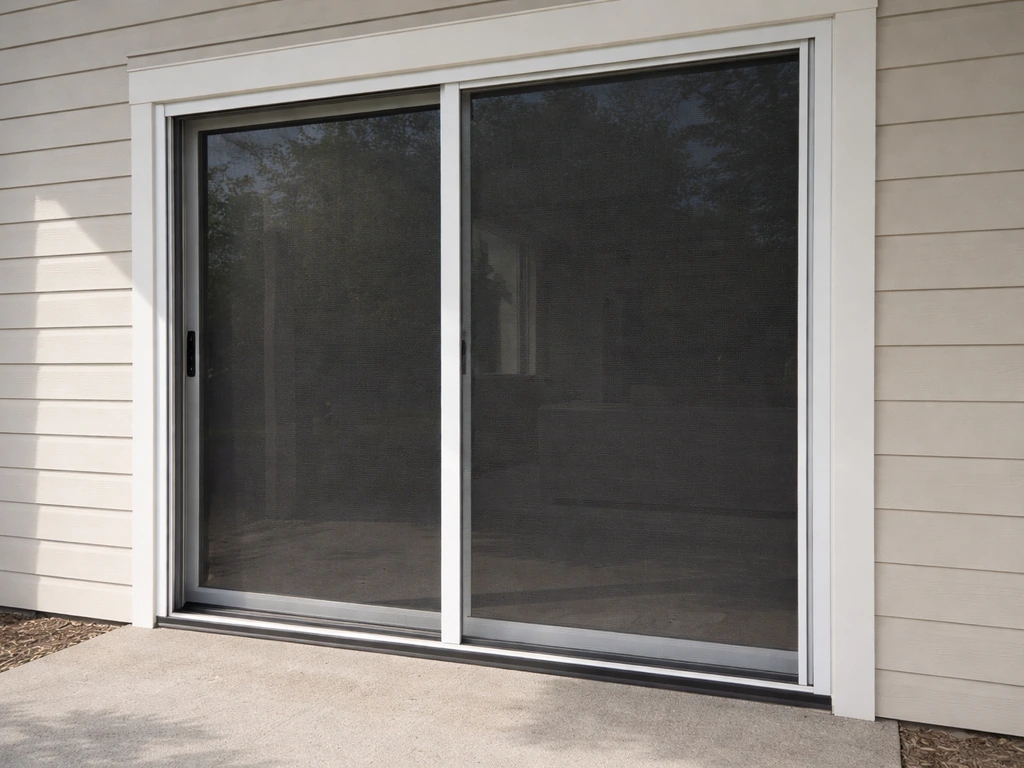
What a patio door bug screen actually includes
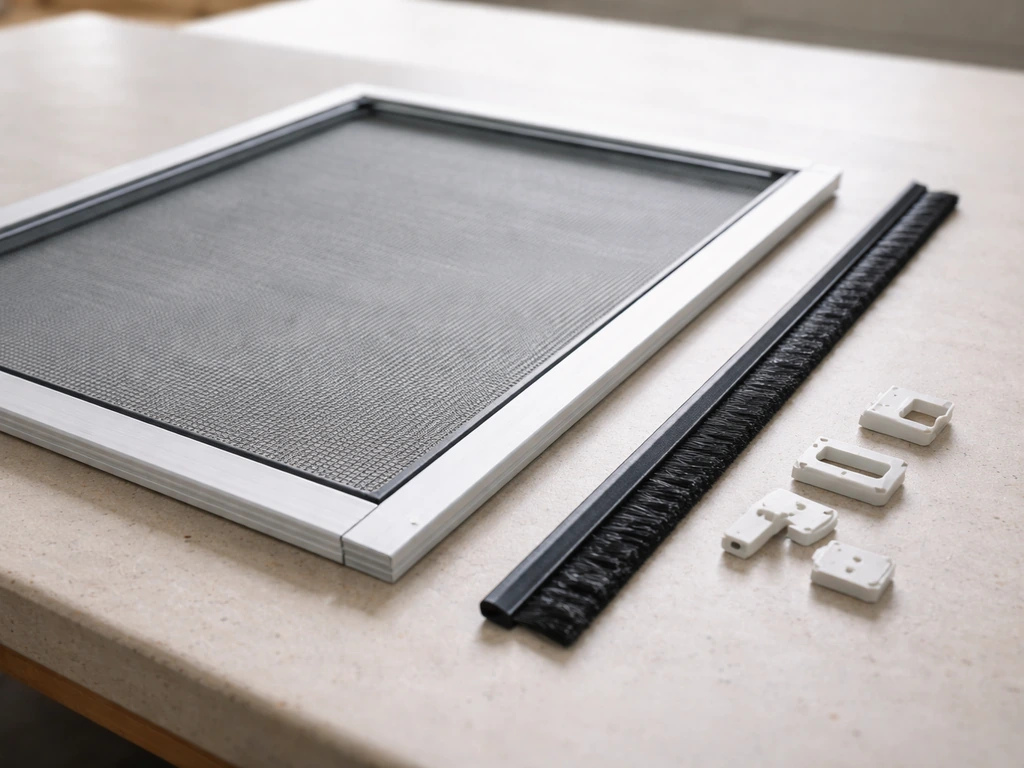
Most people think "bug screen" just means the mesh panel, but a complete system has more to it than that. You've got the screen frame itself (aluminum or vinyl), the fiberglass or aluminum mesh stretched across it, a retainer spline that holds the mesh tight inside the frame groove, and then the bug sweep or bug strip at the bottom of the frame. That sweep is usually a brush or rubber wiper blade mounted in a retainer channel. It drags lightly against the threshold as the door slides, closing off the gap that insects love to crawl through.
The sweep and frame have to be compatible. Larson, for example, uses either a single-spline or double-spline retainer system at the bottom, and if you drop in the wrong sweep style it won't seat correctly, leaving a gap even if it looks fine from a distance. Larson bottom sealing can use a single-spline or double-spline sweep, so you need a sweep or retainer style that matches the spline type for a proper seal [single-spline or double-spline retainer system](https://www. weekand.
com/home-garden/article/can-replace-weatherstripping-bottom-larson-screen-door-18048419. php). The mesh-to-frame seal at the edges is handled by the retainer insert: Larson's own installation instructions are clear that the retainer leg must sit inside the channel, and a loose retainer means bugs have a direct path through the frame edge. It's a small detail that causes a lot of frustrated homeowners.
Getting the size right before you order
This is where most DIY projects go sideways. The screen door size is not the same as your rough opening. For retractable screen systems, the actual track setting can span a range, so a 26-inch screen track setting might cover doors measuring anywhere from 25 7/8 inches to 27 15/16 inches wide. You order based on the track setting range, not just a single measurement. For standard sliding screens, you're measuring the existing track channel width and height, not the door slab itself.
Also pay attention to jamb depth. Reeb's installation notes point out that on a 4-9/16 inch jamb depth, the screen track gets applied on the underside of the brickmould. That changes where the screen frame sits relative to the threshold, which in turn affects how the sweep contacts the sill. Measure in three places (top, middle, and bottom of the opening width, and both sides plus center for height) and use the smallest measurement.
For the best results, choose a patio door screen system sized correctly for your opening and designed to seal gaps where insects can get through best screen for patio door. Screens that are even a quarter inch too wide won't slide smoothly and will bow the frame, creating side gaps.
What to measure and write down
- Track-to-track width inside the screen channel (not the opening itself)
- Track-to-track height from sill to head frame channel
- Jamb depth (typically 4-9/16 inch or 6-9/16 inch on most residential patio doors)
- Spline width on any existing sweep retainer (usually 3/16 inch or 1/4 inch)
- Brush pile height on any existing sweep (measure how far it extends below the frame)
Full screen door replacement vs. just swapping the sweep or strip
You don't always need a new screen door. If you are wondering who rescreens patio doors, it often comes down to whether a simple brush sweep swap can solve the issue without replacing the whole frame You don't always need a new screen door. . If the frame is straight, the mesh is intact, and the screen still slides smoothly in the track, the fix is usually just replacing the bug sweep or bug strip.
A replacement brush sweep typically costs $8 to $20 and takes about 20 minutes to swap. A full replacement screen door runs $60 to $200 for a standard aluminum sliding panel, and more for heavier duty or retractable versions. Do the sweep first if the frame is sound.
| Scenario | What to buy | Typical cost | DIY difficulty |
|---|---|---|---|
| Screen frame bent or mesh torn | Full replacement screen door | $60 to $200 | Moderate |
| Bugs getting in at the bottom only | Bug sweep or brush strip replacement | $8 to $20 | Easy |
| Bugs getting in at sides or corners | Corner seals or retainer inserts | $5 to $15 | Easy |
| Screen missing entirely | New screen door + sweep | $70 to $220 | Moderate |
| Retractable screen not sealing | Retractable screen kit (sized by track setting range) | $150 to $400 | Moderate to hard |
One thing worth knowing: if you're dealing with a swinging patio screen door rather than a slider, the geometry is different and replacement parts are less universal. If you are wondering do patio doors come with screens, the answer is often yes, but the type matters since swinging patio doors use different screen parts than sliding systems swinging patio screen door. Swinging screens often use magnetic catches and a tension-spring closer rather than a track system, and the sweeps are designed for a door that pivots rather than slides. Make sure you identify your screen door type before ordering anything.
How to install a bug screen, sweep, or strip yourself
Installing a full sliding patio screen door
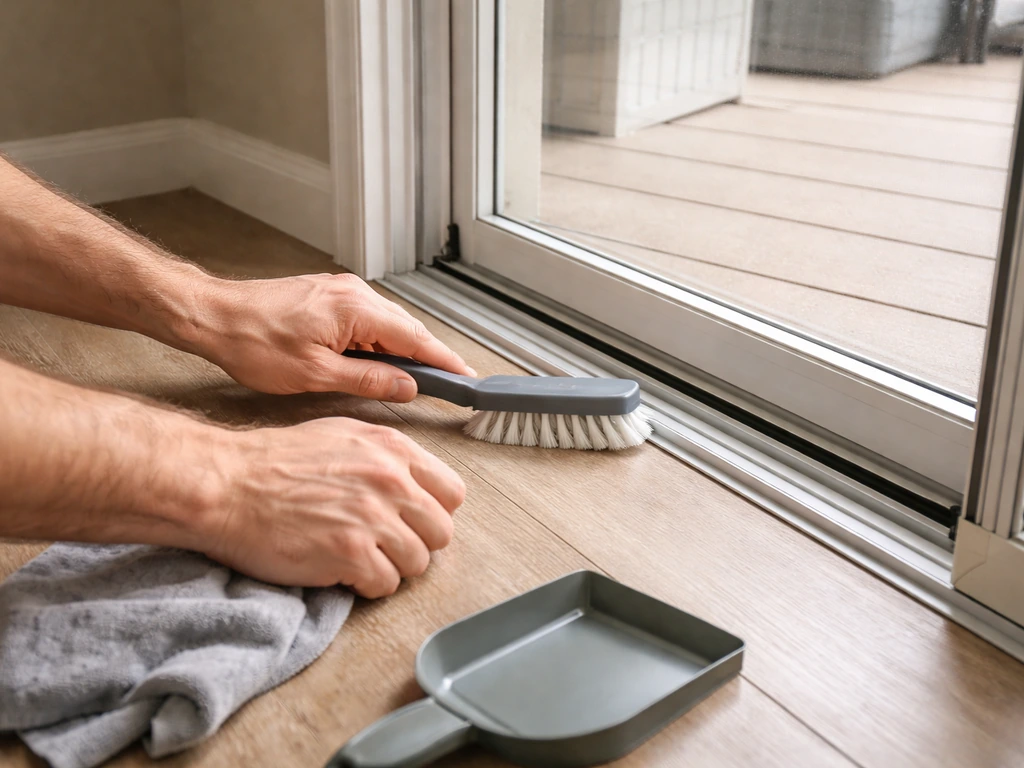
- Clean the sill track and head frame channel thoroughly. Heartland's installation guide specifically calls this out because even small debris prevents the screen from seating flat, which creates side and bottom gaps right away.
- Tilt the top edge of the screen frame into the upper head channel first, pressing it up and in so the top rollers or guides engage.
- Lower the bottom edge into the sill track. The rollers should drop into the track groove, not sit on top of it.
- Slide the door back and forth a few times to confirm it moves without binding. If it binds, the height adjustment is off.
- Adjust the screen height using the roller adjustment screws, usually located at the bottom corners. Raise or lower until the screen sits level and the mesh is close to the sill without dragging heavily.
- Install the bug sweep by sliding it into the bottom channel of the frame. Most sweeps have a snap-in retainer or a screw channel. Trim to length with tin snips or a utility knife if needed, leaving no more than 1/16 inch gap at either end.
- Test the sweep contact by sliding a piece of paper under the bottom edge. You should feel slight resistance all the way across. No resistance means the brush pile is too short or the screen needs to be lowered.
- Check latch alignment. The screen latch should engage cleanly with the strike on the door frame without forcing. If it doesn't engage, adjust the strike plate position.
Replacing just the bug sweep or bug strip
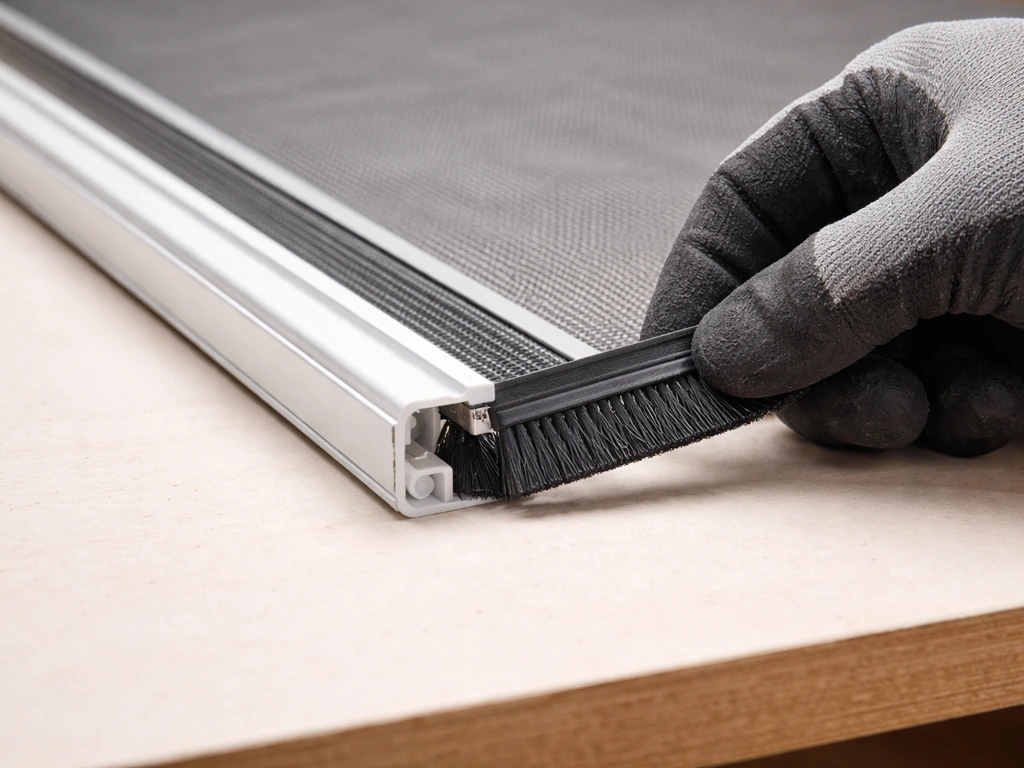
- Slide or lift the screen door out of the track and lay it flat on a clean surface.
- Identify the sweep retainer type: snap-in plastic channel, screw-down aluminum channel, or spline-seated rubber/brush strip. Take a photo before removing anything.
- Remove the old sweep by unscrewing, unsnapping, or pulling the spline out of the groove with a flathead screwdriver.
- Measure the channel width and the door width so your replacement matches exactly. Check whether it's single-spline or double-spline if you're replacing a spline-style sweep.
- Slide the new sweep into the channel from one end. For spline-style sweeps, press the spline leg firmly into the groove using a spline roller or the edge of a flathead screwdriver.
- Trim any excess length flush with the frame edge.
- Reinstall the screen door and test the paper-slide contact check across the full width of the threshold.
Troubleshooting when bugs still get in
If you've installed everything and mosquitoes are still finding a way in, work through these common failure points one at a time. Most of the time the fix is obvious once you know where to look.
- Gap at the bottom center: The screen is sitting too high in the track. Use the roller adjustment screws to lower it until the sweep contacts the threshold consistently across the full width.
- Gap at one corner only: The frame is slightly bowed or the track is dirty on one side. Clean the track and re-check roller height at both corners individually.
- Gap along the sides: The retainer inserts aren't seated properly, or the mesh has pulled away from the frame groove. Re-press the spline into the groove with a spline roller, or replace the retainer insert entirely.
- Screen fits but still leaks bugs along the edge of the patio door frame: This is often the patio door's own weatherstripping, not the screen. A screen can't compensate for a failed door seal.
- Sweep contacts the sill but wears out fast: The brush pile height may be too long, causing it to drag hard and fray within one season. Drop the screen roller height slightly so the sweep makes light contact, not heavy pressure.
- Screen rides up and out of track when opened quickly: The top channel isn't deep enough or the screen height is set too low. Adjust rollers upward so the top of the frame engages the head channel by at least 3/8 inch.
A misaligned top track is one of the more annoying issues because it's not obvious at first. If the screen door keeps derailing from the bottom track, check whether the head channel has a keeper lip or anti-lift feature and whether it's actually engaging. Some older aluminum patio door frames have worn-down head channels that no longer retain the screen frame securely, and at that point you may need to look at a replacement top track or a full screen replacement.
Keeping your screen working season after season
A quality patio screen door with a good sweep should last five to ten years before it needs major attention, but only if you do a little basic maintenance. The screens that die young almost always die from neglect of the track and sweep, not from the mesh itself. Heartland’s patio screen installation instructions emphasize cleaning the sill track and head frame channel where the screen rides, because debris there can prevent proper alignment and leave gaps where insects get in neglect of the track and sweep.
- Clean the sill track every spring and fall. Use a stiff brush to clear out dirt, mulch, and debris, then wipe with a damp cloth. Grit in the track acts like sandpaper on the rollers and the bottom of the sweep.
- Inspect the bug sweep brush pile at the start of each warm season. Run your finger along it. If the bristles are frayed, matted flat, or missing in spots, replace the sweep before bug season starts rather than after.
- Lubricate the track with a dry silicone spray (not WD-40, which attracts grime). Do this once in spring and once in fall.
- Check the retainer inserts along the edges of the frame. Press on the spline with your fingernail. If it moves or pops out easily, it needs to be re-seated or replaced.
- Test the paper-slide check on the sweep annually. This takes 30 seconds and tells you immediately whether the sweep is still making good contact.
- Look at the screen mesh under bright light at a low angle to catch small holes or tears early. A patch kit costs under $5 and takes five minutes. Ignoring a small hole means replacing the whole mesh later.
If you're doing a full seasonal inspection, also check whether the screen latch is engaging cleanly and whether the door slides without you having to lift it or force it. A screen that's hard to operate is one people stop closing fully, which defeats the whole purpose. A quick roller adjustment usually fixes sluggish sliding in under five minutes.
One last thing: if you're still deciding whether your specific door setup calls for a standard sliding screen, a walk-through screen, or a retractable version, those are genuinely different products with different installation requirements. Similarly, if you're not sure whether to DIY the rescreen or hire someone, the answer depends mostly on whether the frame itself is in good shape. A straight frame in good condition is absolutely worth rescreening yourself. A bent or warped frame usually isn't, because the warped profile will keep the new mesh from sealing correctly at the edges no matter how carefully you install it.
FAQ
My patio door bug screen looks installed correctly, but bugs still get in. How can I tell where the gap really is?
Measure the gap when the door is fully closed, not just the visible edge. Push the screen door upward and then release it to see if the bottom sweep lifts off the threshold, that momentary lift often lets insects in even if the screen looks sealed.
If the mesh is intact on my patio door bug screen, what sweep problems should I check first?
Yes, a damaged sweep can fail even when the mesh is perfect. Look for frayed brush tips or a rubber wiper that has flattened, taken a set, or has worn tracks marks, these usually mean the sweep no longer drags lightly against the threshold.
How do I make sure I buy the right bottom sweep style for my patio door bug screen?
Don’t force the order by guessing “single spline” or “double spline.” Confirm the retainer type on your existing bottom sweep channel, or take a photo and match the spline count before buying, the wrong style can leave a visible gap at the frame edge.
What causes a patio door bug screen frame to bow or not slide smoothly after installation?
A slight bow often comes from being too wide or from loose retainer seating. If the system is even a quarter inch off, the frame can flex and create side openings, recheck width at the smallest measurement and verify the frame is sitting square in the track.
My bug sweep is new, but it still doesn’t seal. Could the threshold itself be the problem?
If the sweep seems aligned but doesn’t seal, check the threshold surface and contact angle. Thresholds with paint build-up, debris, or a raised metal lip can prevent the wiper from contacting evenly, clean the contact area and then test with a thin paper strip at multiple points.
My patio door screen keeps coming out of the track, what should I inspect beyond the bottom wheels?
If the screen derails, the issue is often the head track engagement rather than the bottom. Inspect whether the keeper lip or anti-lift feature is present and still intact, and look for worn spots in the head channel that no longer grip the screen frame.
Does a patio door bug screen fix for sliding doors also apply to swinging patio screen doors?
For magnetic or tension-close swinging screens, the “sweep swap” approach may not work because the door closes using different hardware, and the sweep is designed for pivoting geometry. Identify whether your screen uses a track and rollers or hinges, then buy parts that match that design.
If I have a retractable patio door bug screen, how do I order the correct track setting?
Don’t assume “track length setting” matches your door by width alone. For retractable systems, use the track setting range when selecting replacement parts, and verify the track setting printed on the frame if available.
When should I replace only the bug sweep instead of the entire patio door bug screen?
Replace the sweep first when the frame is straight and the mesh is undamaged, but stop and check alignment if the door is hard to close or requires lifting. A sluggish screen that people stop closing fully will create persistent insect entry, and a sweep replacement alone might not fix the root cause.
What quick maintenance prevents patio door bug screens from failing early?
With normal use, small debris can pack into the brush and track, so seasonal cleaning matters. Vacuum the track, wipe out the sweep channel, and test the slide without applying force; a screen that binds often leaves a gap at the bottom.