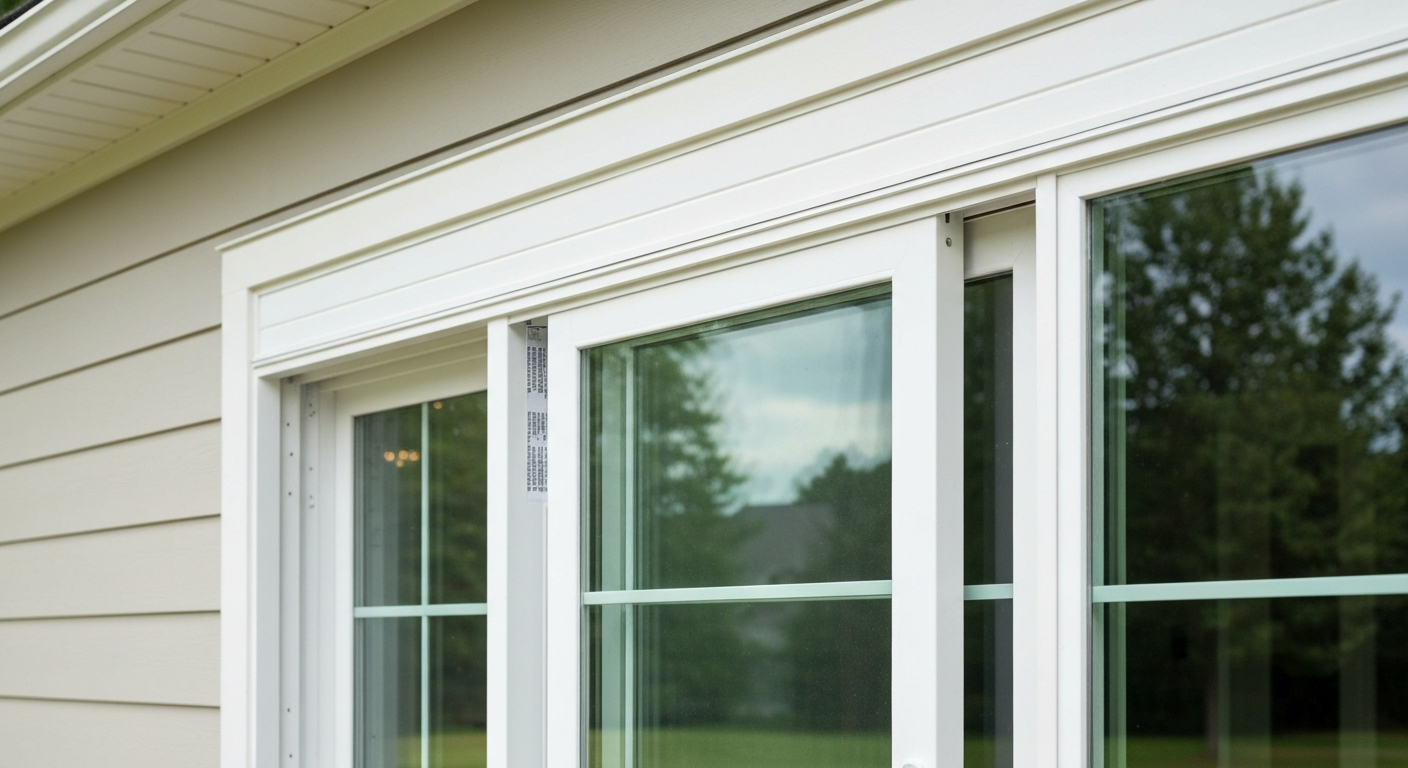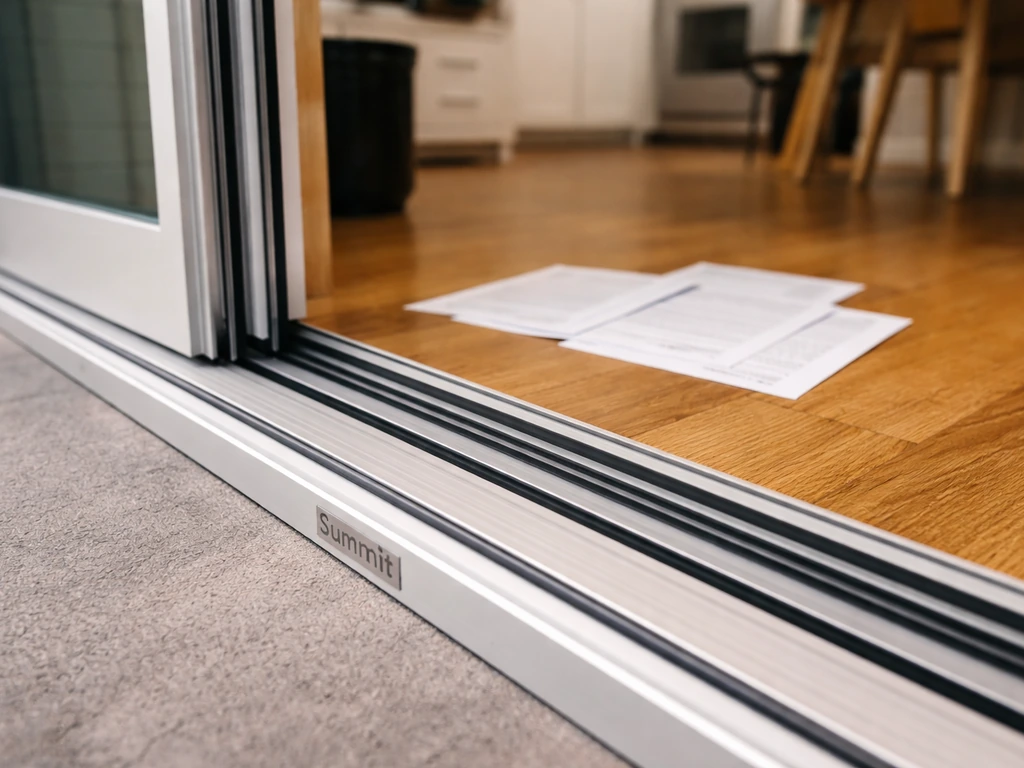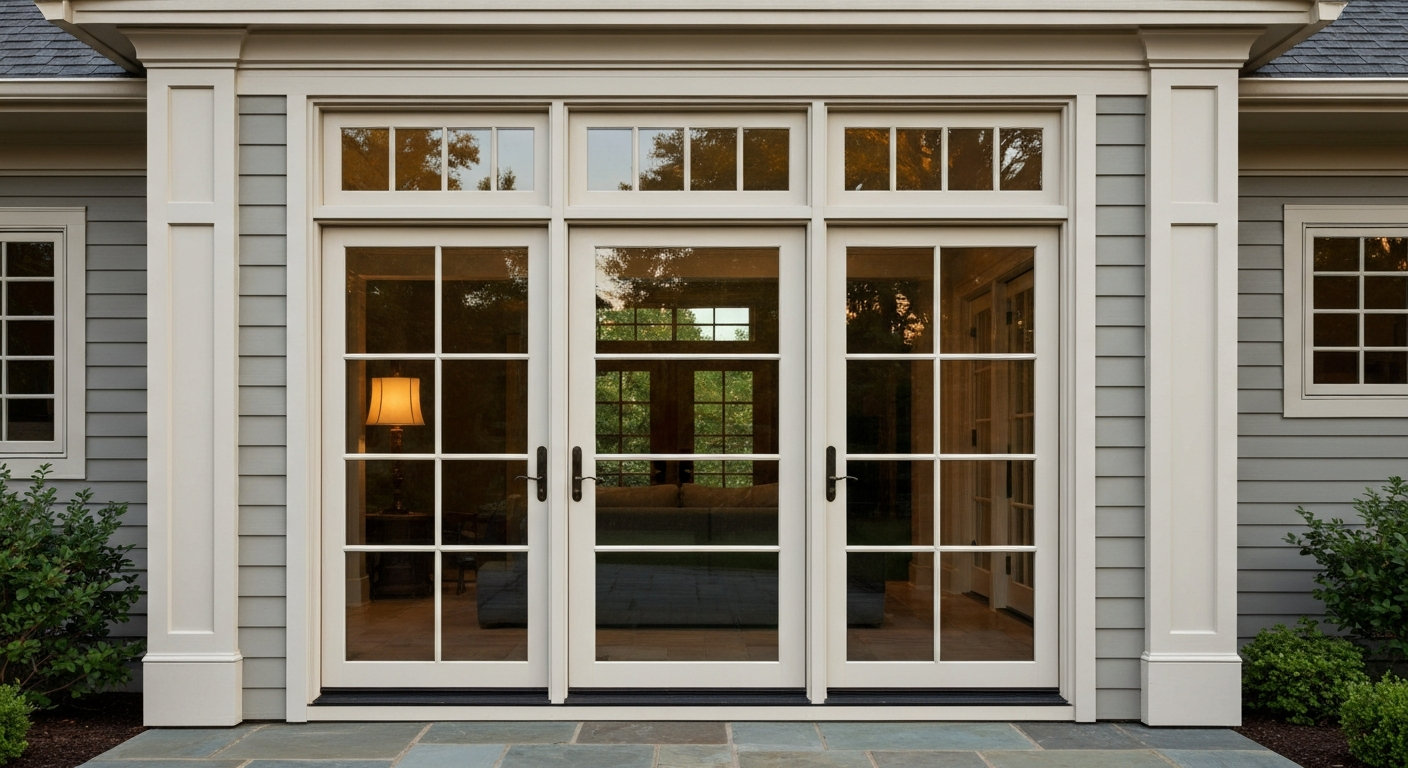
Silverline patio doors are made by Silver Line Building Products LLC, a brand that operates under Cornerstone Building Brands, one of the largest window and door manufacturers in North America. If you have a Silver Line door or you are shopping for one, you are dealing with a legitimate, established manufacturer that backs its products with a Limited Lifetime Warranty and publishes installation guides, size grids, and parts support for homeowners. The parts line is 1-844-332-8288 and warranty claims run through Cornerstone's online portal at prtwarrantyclaims.cornerstonebuildingbrands.com.
Who Makes Silverline Patio Doors: Manufacturer, Models & Tips

Owen Delaney
29 Jul 2026
Who actually makes Silverline patio doors
Silver Line Windows and Doors is the brand name. The legal entity behind it is Silver Line Building Products LLC, historically headquartered at One Silver Line Drive in North Brunswick, New Jersey. That company is registered with the USPTO under the SILVER LINE and SILVER LINE WINDOWS and DOORS trademarks. Cornerstone Building Brands is the corporate parent, and Silver Line product literature and energy-tax-credit certification PDFs explicitly state 'part of the Cornerstone Building Brands family. For information on who makes MP patio doors, see who makes MP patio doors. Cornerstone lists Silver Line among its Windows & Doors brands on its customer solutions page blank" rel="noopener noreferrer">Cornerstone lists Silver Line among its Windows & Doors brands on its customer solutions page.. ' Cornerstone is also the parent behind several other door and window brands you might recognize if you have been comparing options, including labels like Reliabilt (which is a Lowe's house brand tied to Cornerstone manufacturing).
Cornerstone went private in a roughly 5.8 billion dollar cash deal that trade publications like Window + Door covered in depth, so ownership details have shifted at the corporate level in recent years. But for a homeowner, the practical picture is simple: Silver Line is the product brand, Cornerstone is the manufacturer behind it, and the warranty, parts support, and documentation all flow through those two entities.
How to identify the manufacturer on your specific door
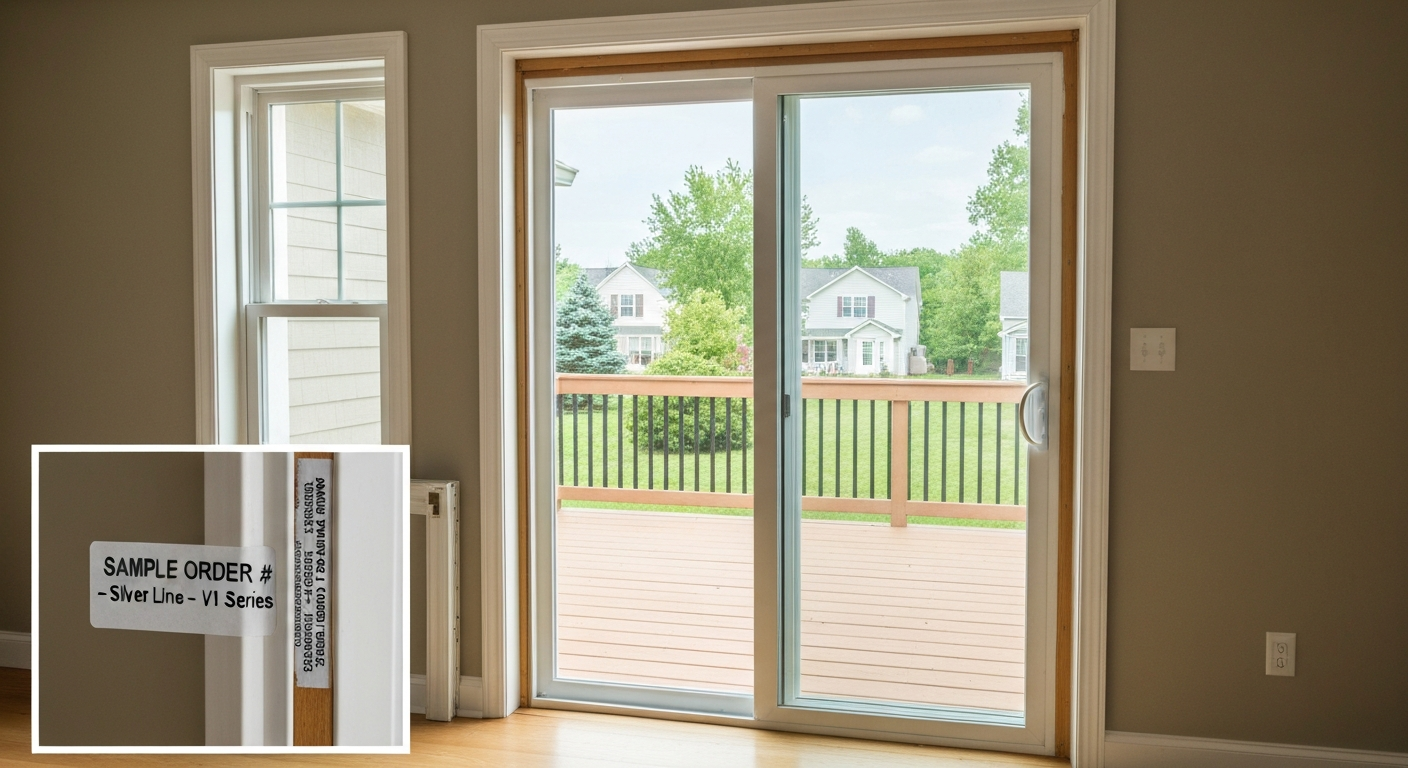
The fastest way to confirm you have a Silver Line door and to get the exact model and production details is to find the frame label. Cornerstone publishes a Product Label and Order Number Location guide by brand, and for Silver Line it points you to the interior frame of the door unit. The label is usually on the head jamb or the side jamb on the interior face, and it carries a unique order number that you will need for any warranty submission, parts order, or support call.
- Frame/order label: look on the interior side of the head jamb or side jamb — this is your primary source for model series, glass package code, and order number
- Hardware stamps: Silver Line hardware sometimes carries a small brand stamp or part number on the handle backplate or latch; this matters when sourcing replacements
- Glass unit etching: the insulated glass unit (IGU) may carry a date stamp and manufacturer code etched into the spacer bar or corner of the glass — useful for confirming glass age and original specs
- Original paperwork: if you have the builder's closing documents, permit package, or original purchase receipt, the order number and series name should appear there
- Online product documentation: Silver Line's website publishes product detail drawings, size grids, and installation guides for V1 and V3 series — you can match your door's rough opening and panel count against those grids to confirm the series
If the label is missing or worn, third-party hardware vendors can sometimes help. National retailers like Lowe's carry Prime-Line replacement parts explicitly listed as compatible with 'Silverline' windows and doors, and those part listings often include enough dimensional detail to identify your original configuration. That is a reasonable shortcut when the original label is gone.
Brief brand history and the model lines you will encounter
Silver Line has been a regional and national window and door brand for decades, originally operating as an independent manufacturer before being absorbed into the Cornerstone portfolio. The brand is positioned as a mid-range value line, meaning it competes on price and availability rather than premium custom sizing or luxury finishes. That makes it a common choice for production builders and big-box-adjacent retail channels.
The two current product series you are most likely to encounter for patio doors are the V1 Series and the V3 Series. The V1 Series covers gliding (sliding) patio doors in the 5500 and 5700 product families. The V3 Series covers gliding patio doors in the 5800 product family. Silver Line publishes product detail drawings, size grids, and installation guides for both series on its website, so if you know your series you can pull the exact rough opening requirements and glass dimensions without calling anyone.
Silver Line is one of several similar brands in this mid-range category. If you need to know who makes Veranda patio doors, see the manufacturer's details for who makes Veranda patio doors (c3bcf4e4-31b6-479b-ab97-cb03005d8c29). If you are comparing manufacturers, brands like Summit, Masterpiece, MP, and Veranda occupy a similar market position and are worth looking at side by side before committing to a replacement unit.
Standard specifications and sizing for Silver Line patio doors
Silver Line patio doors follow industry-standard nominal sizing, which means the actual door size is slightly smaller than the rough opening you need to frame. The installation guides specify that the rough opening should be approximately 1/2 inch larger than the door unit size on each side. Standard nominal widths for two-panel sliding patio doors run 60 inches (5 feet), 72 inches (6 feet), and 96 inches (8 feet). Standard nominal heights are typically 80 inches (6 feet 8 inches) or 96 inches (8 feet). Three-panel and four-panel configurations are available in wider openings.
| Configuration | Nominal Width | Nominal Height | Typical Rough Opening Width |
|---|---|---|---|
| 2-panel sliding | 60 in (5 ft) | 80 in | 60.5 in |
| 2-panel sliding | 72 in (6 ft) | 80 in | 72.5 in |
| 2-panel sliding | 96 in (8 ft) | 80 in | 96.5 in |
| 2-panel sliding | 60 in (5 ft) | 96 in | 60.5 in |
| 3-panel sliding | 108 in (9 ft) | 80 in | 108.5 in |
| 4-panel sliding | 144 in (12 ft) | 80 in | 144.5 in |
Glass packages vary by series. V1 and V3 units are available with double-pane insulated glass in standard or low-E coatings, and some configurations include argon gas fill. The size grid documents on Silver Line's website list the exact daylight opening (DLO) for each nominal size, which matters if you are specifying blinds, screens, or internal shading products.
How to measure for a replacement patio door
Getting the measurement wrong is the most expensive mistake you can make on a patio door replacement. I have seen homeowners order a door based on the nominal size printed on their old frame only to find the actual rough opening was framed differently during original construction. Always measure the rough opening, not the old door unit.
- Remove the interior trim (casing) around the existing door to expose the rough framing — this is the only way to get a true rough opening measurement
- Measure the width of the rough opening at three points: near the top, at the middle, and near the bottom — use the smallest of the three measurements
- Measure the height of the rough opening at three points: on the left, center, and right — again use the smallest measurement
- Subtract 1/2 inch from the width and 1/2 inch from the height — this gives you the maximum door unit size that will fit with proper clearance for shimming and leveling
- Check the sill: measure the depth of the sill pan area and confirm it is level using a 4-foot level — Silver Line installation instructions call for a sill pan and proper sealant placement before setting the door
- Note the wall thickness (usually 4.5 inches for a 2x4 framed wall or 6.5 inches for a 2x6 wall) — this affects which extension jamb or brick mold profile you need
- Photograph the label on your existing door before removal so you have the original order number and series for reference
- Double-check the swing direction or panel configuration — for a sliding door, note which panel is the active (operable) one and whether it slides left or right when viewed from inside
Silver Line's installation manuals also address the expanding foam issue specifically: do not overfill the gap around the frame with expanding foam because it can bow the frame and cause the panels to bind. Use minimal foam or backer rod and sealant at the exterior perimeter instead.
Sliding, French, and bifold: which style fits your situation
Silver Line's primary patio door product is the gliding (sliding) door, which is by far the most common type in U.S. residential construction. But before you default to a like-for-like replacement, it is worth thinking through whether a different style would serve your space better. Here is an honest breakdown.
| Style | How it works | Best use case | Trade-offs |
|---|---|---|---|
| Sliding (gliding) | One or more panels slide horizontally on a track | Tight spaces where a swinging door would be awkward; standard deck or patio access | Track can collect debris; slightly lower air seal than a hinged door; limited to standard panel widths |
| French (hinged) | Two panels swing outward or inward on hinges | Traditional or transitional aesthetics; wide openings where full panel access is wanted | Requires clear floor space for swing arc; harder to screen effectively; outswing panels can catch wind |
| Bifold | Multiple panels fold accordion-style and stack to one side | Large openings (10 ft+) where you want a near-full-width opening to a patio or deck | Higher cost; more moving parts to maintain; threshold can be a trip hazard; professional installation almost always required |
For most homeowners replacing a standard 6-foot or 8-foot opening on a deck or backyard patio, a sliding door is the practical choice for cost, availability, and ease of screening. Silver Line's V1 and V3 gliding series cover the most common nominal sizes and that is where parts availability and installer familiarity will work in your favor.
Frame materials compared: vinyl, aluminum, wood-clad, and composite
Silver Line's patio doors are primarily vinyl-framed, which is typical for a mid-range value brand. But since you may be comparing Silver Line to a full replacement in a different material, here is how the four main frame types actually stack up for a homeowner in a typical North American climate.
| Material | Insulation (U-factor range) | Durability | Maintenance | Appearance | Relative cost |
|---|---|---|---|---|---|
| Vinyl (PVC) | 0.25 to 0.35 typical | Good — resists moisture and rot; can warp in extreme heat | Very low — no painting needed | Limited color options; can look utilitarian | Lowest |
| Aluminum | 0.35 to 0.50 typical (thermally broken frames improve this) | Excellent — very strong, no warping | Low — but can pit or oxidize in coastal climates | Slim sightlines; modern look | Mid-range to high |
| Wood or wood-clad | 0.25 to 0.35 for clad units | Good if maintained; exposed wood rots if neglected | High — wood interior needs periodic refinishing | Premium, warm aesthetic | High |
| Composite (fiberglass or wood-polymer) | 0.20 to 0.30 for fiberglass units | Excellent — very stable, resists heat and cold cycling | Very low | Can mimic wood grain; more color options than vinyl | High to premium |
For most homeowners on a mid-range budget, vinyl is hard to beat on total cost of ownership. The insulation performance of a quality vinyl frame with low-E double-pane glass is genuinely good, and you will never paint it. The honest trade-off is aesthetics: vinyl frames are thicker-looking than aluminum and do not have the warmth of a wood interior. If that matters to you, a wood-clad or fiberglass door at higher cost is worth considering. If you live in a hot climate, check the vinyl manufacturer's specs for heat tolerance because low-quality vinyl can warp or discolor in extreme sun exposure.
What a Silverline-style patio door actually costs
Pricing for a Silver Line or comparable mid-range vinyl patio door breaks down into four buckets: the door unit itself, glass upgrade options, hardware, and installation. Here is what to expect in 2026 across those categories.
| Cost component | Typical low end | Typical high end | Notes |
|---|---|---|---|
| Door unit (vinyl sliding, 6 ft) | $400 | $700 | Standard two-panel, double-pane, no upgrades; V1/V3-comparable units |
| Door unit (vinyl sliding, 8 ft) | $550 | $950 | Larger unit; V3 series tends toward the higher end of this range |
| Glass upgrade (low-E + argon) | $50 to $150 added | $200 to $300 added | Usually worth it for energy savings; required for some climate-zone rebates |
| Hardware upgrades (multipoint lock, premium handle) | $75 | $250 | Base hardware on value-line doors is functional but not premium |
| Professional installation (labor only) | $300 | $700 | Depends on region, complexity, and whether old door removal is included |
| Disposal of old door | $50 | $150 | Often quoted separately by installers |
| Permits (where required) | $50 | $200 | Check with your local building department before starting |
All-in, a professionally installed 6-foot Silver Line-style vinyl sliding patio door with a low-E glass upgrade typically lands between $900 and $1,600 depending on your market and installer. An 8-foot unit with professional installation runs roughly $1,200 to $2,100. Those numbers assume a straightforward swap with no framing changes. If the rough opening needs reframing or if you are adding a new opening where there was none, add $500 to $1,500 or more for framing and finishing work.
DIY vs. professional installation: warranty implications
Silver Line's Limited Lifetime Warranty covers the door unit but it does not protect you from installation-related failures. Water infiltration, frame racking, or glass seal failure caused by improper installation are not covered, and in practice those are the most common failure modes for patio doors. Silver Line publishes detailed installation instructions for assembled and unassembled two-, three-, and four-panel units, including reversing and replacement procedures, so a confident DIYer with carpentry experience can do this correctly. But if the rough opening is not level, plumb, and square to within about 1/8 inch, you will fight the door for its entire life. My honest take: if you are comfortable with a full window replacement and have set a door before, DIY is reasonable on a straightforward like-for-like swap. For anything involving framing changes, a new opening, or a large multi-panel unit, hire a pro and keep their written warranty separate from the product warranty.
Registering your warranty and where to get parts
To activate your Silver Line Limited Lifetime Warranty, register your order number (from the frame label) through Cornerstone's warranty portal. Claims go through prtwarrantyclaims.cornerstonebuildingbrands.com. For replacement parts, rollers, lock hardware, screen frames, weatherstripping, call Silver Line's parts line at 1-844-332-8288 or look for Prime-Line and other aftermarket suppliers at Lowe's and Home Depot, which carry parts explicitly listed as compatible with Silverline units. Always have your order number and series (V1 or V3) ready before you call, because that is what the support team uses to pull the correct part specifications.
Maintenance, security, and screening upgrades worth doing
Sliding patio doors have a few recurring maintenance needs that are easy to ignore until they become expensive. Clean the bottom track at least twice a year with a stiff brush and vacuum, debris in the track accelerates roller wear significantly. Lubricate the track and rollers with a silicone-based spray (not WD-40, which attracts more dirt) every six to twelve months. Inspect the weatherstripping on the active panel annually and replace it when it shows cracking or compression set, because that is your primary air and water seal.
On the security side, the standard latch on a mid-range sliding door is the weakest link. A Charlie bar (a cut-down wooden dowel or purpose-made security bar in the bottom track) costs under $20 and prevents the door from being forced open even if the latch is compromised. A secondary pin lock through the frame adds another layer. If you want a hardware upgrade, a multipoint locking handle engages the frame at multiple points and is a meaningful improvement over a single-point latch for both security and air sealing.
For screening, Silver Line sliding doors use a rolling screen that runs in a separate track. If yours is damaged or missing, measure the screen frame opening (not the door opening) and order by that dimension. Aftermarket replacement screens for Silver Line-compatible openings are widely available. If you want a retractable screen or a solar screen for heat reduction, those are standard add-ons that any screen shop can cut to your door's DLO dimensions.
Next steps for buying, replacing, or upgrading your patio door
If you are replacing an existing Silver Line door, start by locating the frame label, photographing it, and pulling the series and order number before you do anything else. That number is your key to warranty support, parts ordering, and matching specifications. If you are comparing Silver Line to other brands in this mid-range category, Summit, Masterpiece, MP, and Veranda patio doors are worth evaluating on similar criteria: series documentation, warranty terms, parts availability, and installer familiarity in your area. Each of those brands has its own manufacturer story that affects how easy it will be to get support down the road.
Before you order any unit, measure the rough opening yourself as described above, confirm your wall thickness, and get at least two installer quotes that itemize labor, disposal, permit fees, and any framing work separately. A detailed quote protects you from surprises and gives you a basis for comparison. Once the door is in, register the warranty immediately using the order number from the frame label. That single step is the one most homeowners skip and then regret when a warranty claim comes up three years later.
FAQ
Who makes Silver Line patio doors?
Silver Line patio doors are manufactured under the Silver Line® brand, which is part of the Cornerstone Building Brands family. Silver Line operates as a window-and-door brand (Silver Line Windows & Doors) and its product literature and warranty materials appear on Silver Line’s website and on Cornerstone’s corporate pages.
How can I verify my unit is a genuine Silver Line patio door?
Look for the product/frame label on the interior frame (usually on the head or jamb). Silver Line/Cornerstone product labels include an order or product number. Use that order number when contacting Silver Line/Cornerstone for warranty or parts. Cornerstone’s Product Label & Order Number page shows where to find the label; the Cornerstone warranty portal accepts those order numbers.
What model lines do Silver Line patio doors come in?
Silver Line documents its model families in series names: V1 Series (examples shown as gliding patio door families 5500/5700) and V3 Series (example family 5800). Product detail drawings and size grids for these series are available on Silver Line’s site.
Where can I find installation instructions, size charts and technical drawings for Silver Line patio doors?
Silver Line publishes installation guides, product detail drawings and size grids on its Support/Technical Info pages. Specific patio-door installation PDFs (assembled and unassembled 2-, 3- and 4-panel doors) and reversing/replacement procedures are available for download from the Silver Line website.
What warranty covers Silver Line patio doors and how do I register/claim it?
Silver Line patio doors are backed by a Limited Lifetime Warranty. Homeowners should register their order or product number and submit claims through Cornerstone’s warranty/claims portal (the Silver Line warranty page links to the warranty documents and the warranty portal).
How can I order replacement parts or get technical support for Silver Line doors?
Silver Line product pages list replacement-parts support and provide a parts/technical phone number (1‑844‑332‑8288). You can also use the product/order number from the frame label when calling or submitting a warranty/parts request through Cornerstone’s warranty portal.