If you searched 'best patio doors 2016,' you're almost certainly not trying to buy a door from a decade ago. You're using the year as a shorthand for 'what are the best patio doors, full stop' and landed here because the older content never got replaced. The good news: most of what made a patio door great in 2016 still applies today. [The same four door types dominate the market (sliding, French, bifold, and multi-panel)](https://www.
Best Patio Doors 2016: How to Choose Today’s Top Options

Owen Delaney
6 Jul 2026
lowes. com/n/buying-guide/patio-doors-buying-guide), the same four materials show up in every buying guide (vinyl, fiberglass, aluminum, and wood), and the same performance factors matter most: insulation, weather resistance, hardware durability, and security. This guide takes the intent behind that search and gives you a decision-ready answer for right now. If you are searching for the best patio doors 2017, focus on insulation, weather resistance, durable hardware, and real-world security first.
What 'best patio doors 2016' actually means and how to use it today
Around 2016, the patio door buying conversation was centered on a few big themes: energy codes were tightening, low-e glass was becoming standard rather than an upgrade, and homeowners were increasingly choosing sliding glass doors or French doors over basic aluminum sliders. Brands like Andersen, Pella, Milgard, and JELD-WEN were consistently landing on 'best of' lists because they were offering fiberglass and vinyl frames with better thermal performance than the aluminum-frame sliders that dominated older homes.
The catch with any '2016 best' list is that specific model numbers get discontinued, price tiers shift, and brand quality can change after acquisitions or supply chain changes. So treat 2016-era rankings as a useful framework for what to evaluate, not a shopping list. The selection criteria from that era (U-factor, frame material, hardware quality, warranty length) are just as valid today. If anything, the options have only improved.
If you want the most up-to-date recommendations, look at the best patio doors 2020 options for your climate and doorway size. When you compare to what was considered best in 2018 or what the market looks like in 2024, the trajectory is clear: better thermal performance at lower price points, more style options, and wider availability of impact-rated glass.
Match the door type to your actual space
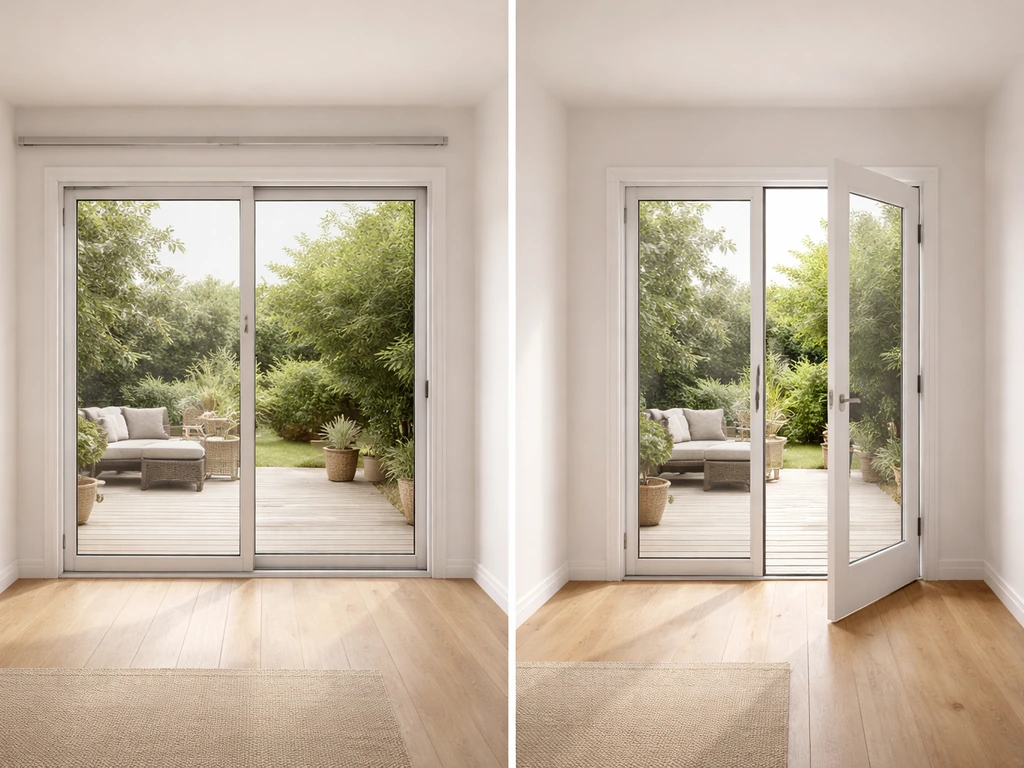
This is where most people go wrong. They pick a door style based on a photo rather than their floor plan, and then spend extra money on installation fixes or end up with a door that fights them every time they use it. Here's how each type maps to real-world situations.
Sliding glass doors
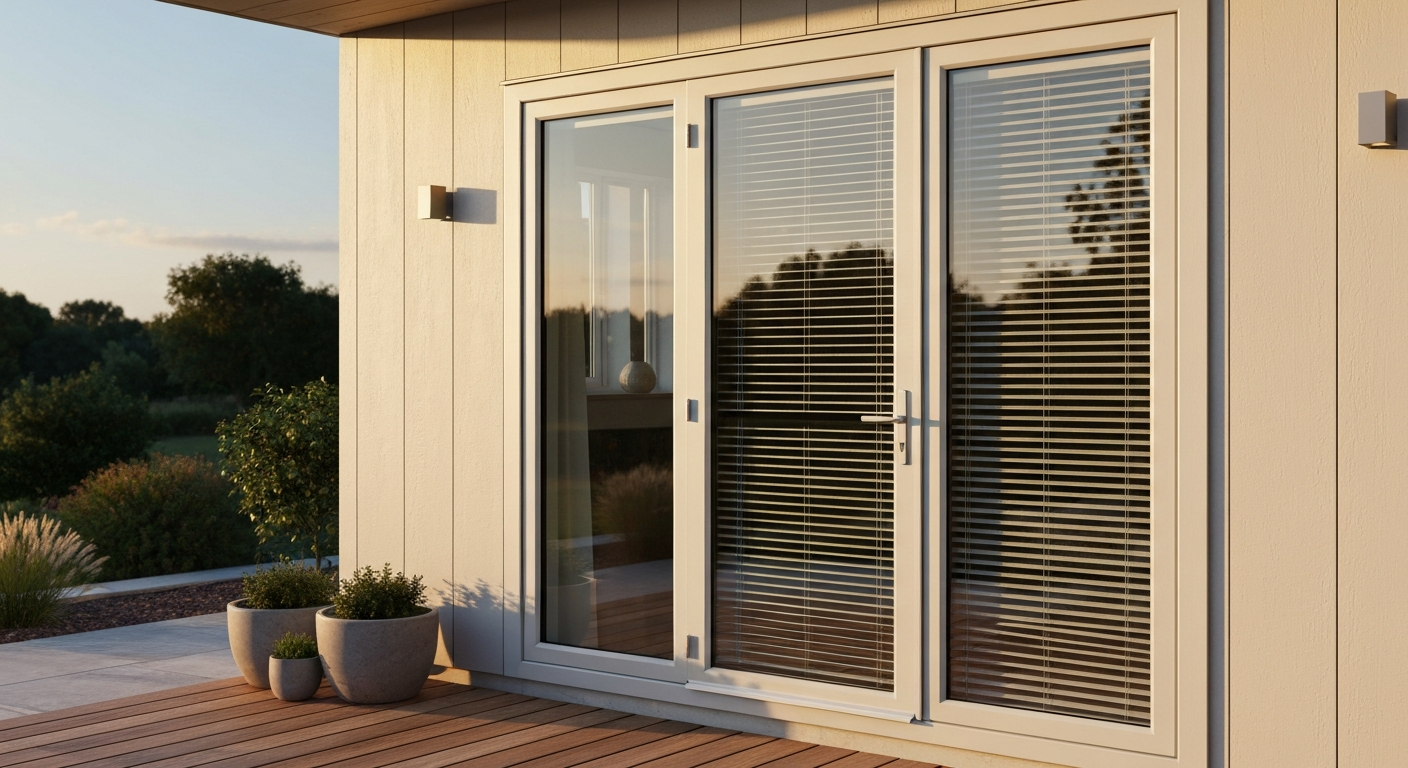
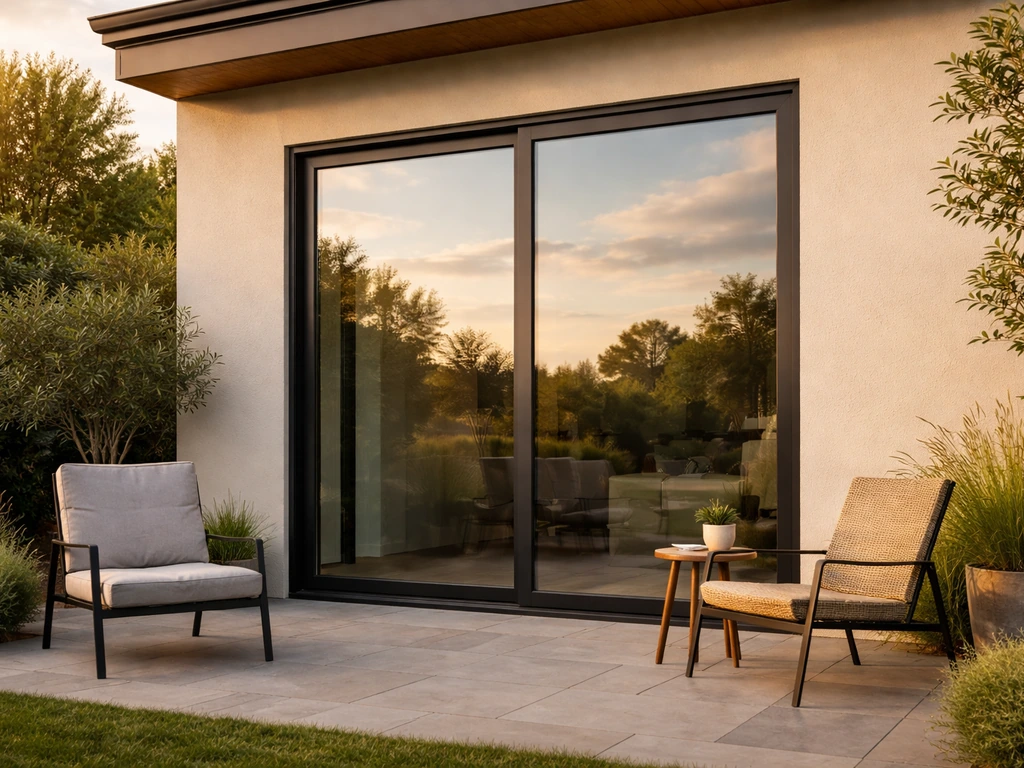
Sliding doors are the practical workhorse. One panel is fixed, one slides along a track, and the whole unit sits flush with the wall when open, so you lose zero interior floor space. Andersen specifically positions these as the space-saving option, and they're right. If your dining room or living room opens directly to a patio and you have furniture close to the door, a slider is almost always the right call.
They work in openings as narrow as 60 inches wide, though 72 inches is the most common standard width. The tradeoff is that the track needs regular cleaning and the rollers eventually wear out, though quality hardware on a mid-to-high-end door should last 15 to 20 years before you notice any degradation.
French doors
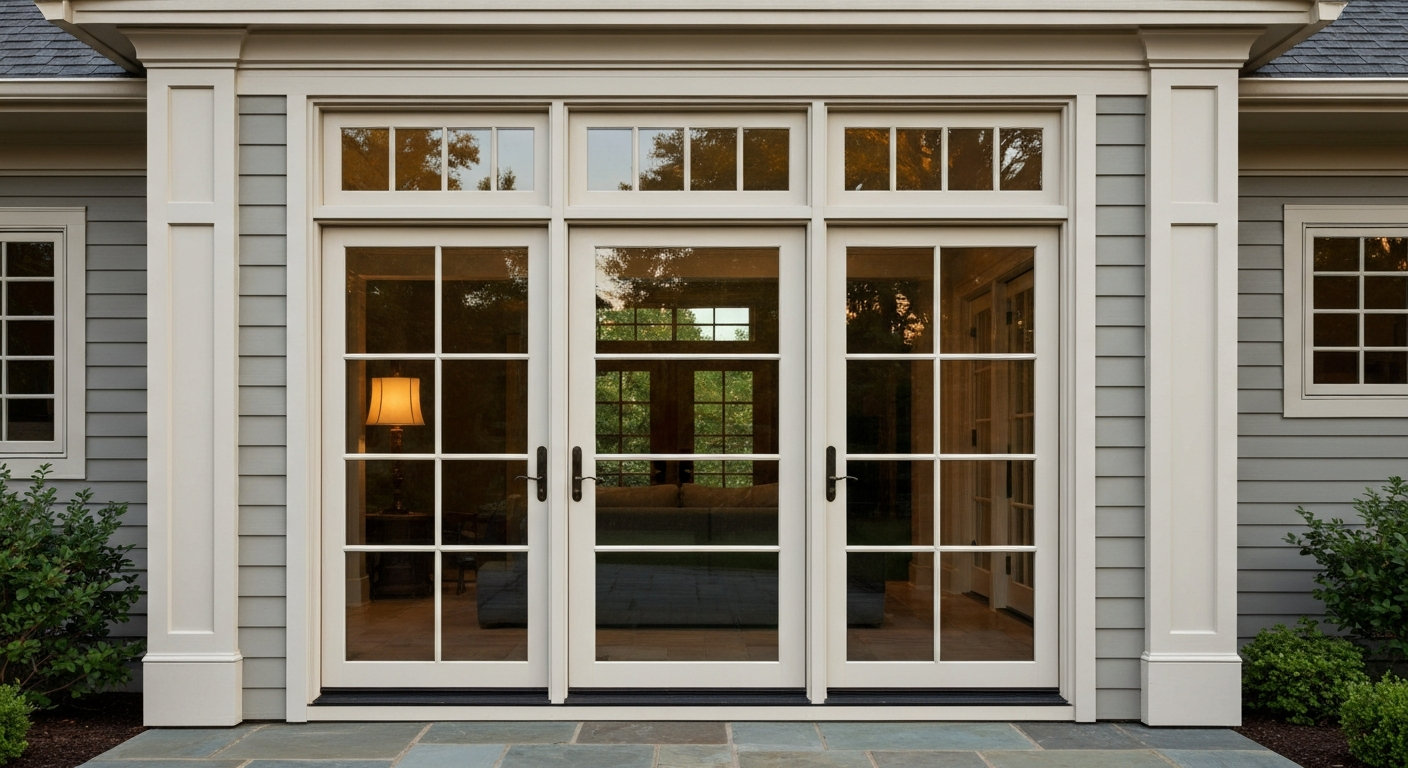
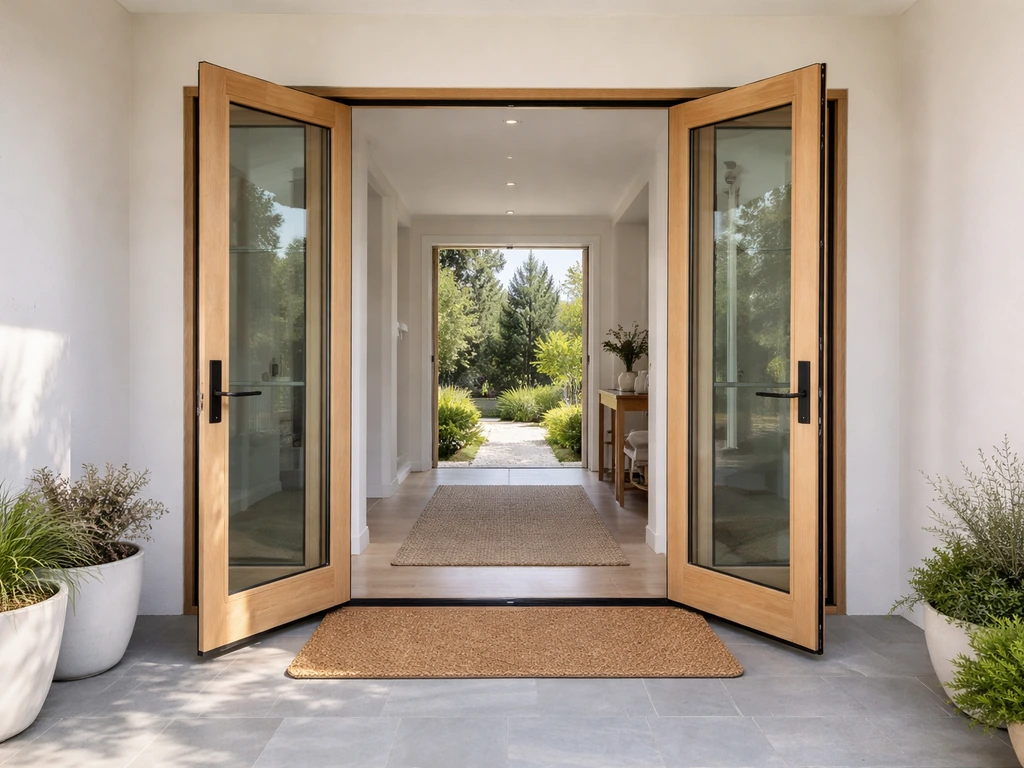
French doors give you a wider clear opening because both panels swing open, and they have a classic look that suits traditional and craftsman-style homes well. Pella offers them in wood, fiberglass, and vinyl, and you can configure them as single active panel (one door swings, one is fixed) or double active (both swing). The catch is swing clearance: a standard 72-inch French door needs roughly 36 inches of clear floor space on the interior swing side. If your patio door opens into a hallway or a tight kitchen, that swing eats up usable space fast. They also require more weatherstripping maintenance than sliders because the door-to-door seal in the center gets a lot of wear.
Bifold and multi-panel doors
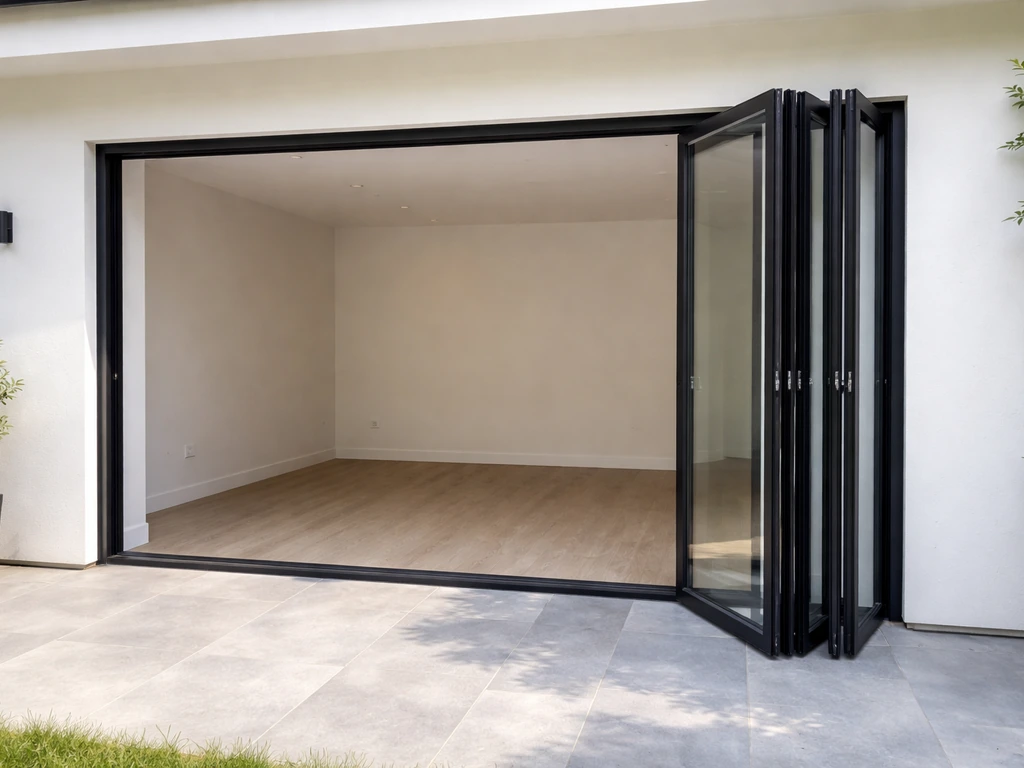
Bifold and multi-panel folding doors were gaining serious traction in 2016 and have only become more popular since. They're the right choice when you want to completely open up a wall between interior and exterior spaces, typically for large openings of 10 feet or more. The panels fold accordion-style and stack at one or both ends. They look spectacular on an outdoor entertaining space or a kitchen that opens to a covered patio.
The downsides are real though: they're the most expensive option (often $3,000 to $10,000 or more just for the door unit), the track system is complex, and any installation error shows up immediately as gaps, leaks, or panels that won't align. Get a specialist installer for these, not a general handyman.
A quick side-by-side comparison

| Door Type | Best For | Space Needed | Relative Cost | Main Tradeoff |
|---|---|---|---|---|
| Sliding | Tight interior spaces, everyday use | No swing clearance needed | Low to mid ($500–$3,000) | Track maintenance, limited opening width |
| French (hinged) | Traditional aesthetics, wide clear openings | 36+ inches swing clearance per panel | Mid ($1,000–$5,000) | Swing space, center seal wear |
| Bifold/folding | Large openings, indoor-outdoor flow | Stack space at one or both ends | High ($3,000–$10,000+) | Cost, installation complexity |
| Multi-panel sliding | Wide openings, modern homes | Track space, no swing needed | High ($4,000–$12,000+) | Cost, track cleaning, installers limited |
Materials: what actually affects insulation, weather performance, and durability
The frame material is the single biggest factor in how a patio door performs over time. Glass technology (low-e coatings, argon fill, triple pane) matters a lot for energy efficiency, but glass options are available across frame types. The frame is where you feel the difference in cold climates, coastal environments, and high-wind zones.
Vinyl (PVC)
Vinyl is the best value material for most homeowners. It doesn't rot, it doesn't need painting, and it insulates well because the PVC frame doesn't conduct heat the way aluminum does. Quality vinyl doors from established brands hold up in most climates without significant warping for 20 or more years. The weakness is in extreme cold: some lower-grade vinyl formulations become brittle in sustained temperatures well below freezing, and the frames can crack if slammed. If you're in a northern climate, look specifically for reinforced vinyl or virgin PVC (not recycled) formulations and check that the product is rated for your temperature range.
Fiberglass
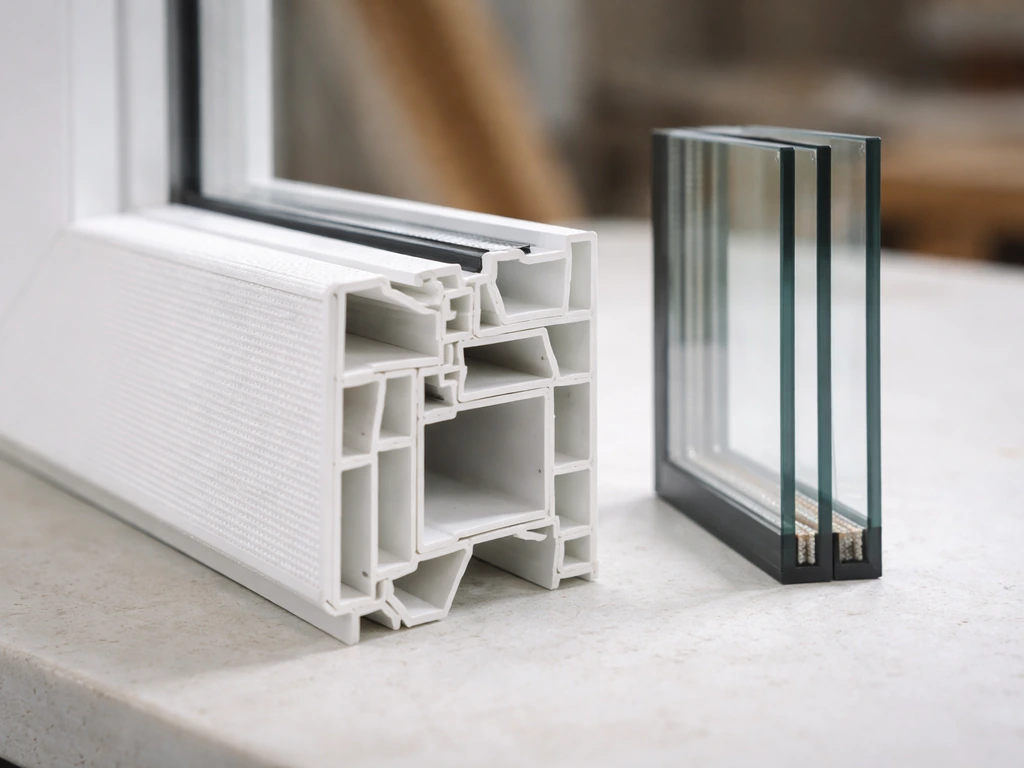
Fiberglass is the premium choice if budget allows. It's dimensionally stable across temperature swings, stronger than vinyl, and can be stained to look like wood without any of the wood maintenance. It insulates well, resists dents and scratches better than aluminum, and doesn't corrode in coastal salt air. Pella's fiberglass French doors and Andersen's 100 Series (fiberglass composite) are examples of products that earned strong reputations around the 2016 timeframe and have continued to hold up. Expect to pay 20 to 40 percent more than a comparable vinyl door.
Aluminum
Aluminum is strong and slim, which makes it useful for large glass panels where you want minimal frame visibility. It's the go-to for modern and contemporary aesthetics. The problem is thermal conductivity: aluminum conducts heat and cold directly through the frame, which makes older aluminum sliders terrible for energy efficiency. Modern aluminum frames use thermal breaks (a non-conductive material inserted into the frame) to reduce this, but thermally broken aluminum still underperforms vinyl and fiberglass on U-factor. In mild climates or for a covered patio where temperature differential is lower, aluminum can be a reasonable choice. In cold or very hot climates, it's a compromise.
Wood and clad wood
Wood is beautiful and insulates well, but it requires real maintenance: painting or staining every few years, and vigilance about moisture damage at the bottom of the frame and around the threshold. Clad wood (wood interior, aluminum or fiberglass exterior cladding) is a smarter version of the same idea. You get the warm wood look on the interior where you see it most, and the exterior cladding takes the weather beating without constant maintenance. It's still more expensive and more demanding than vinyl, but it's the right choice when interior aesthetics are a priority and budget isn't the main constraint.
Sizing and measurement basics before you buy anything
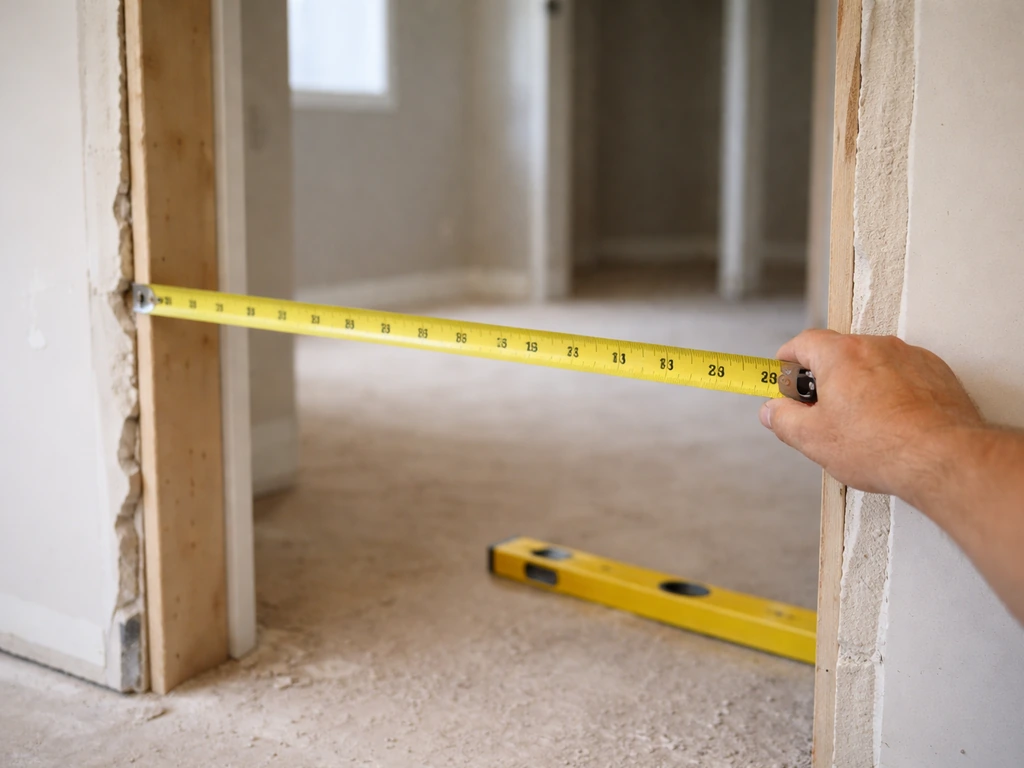
Sizing mistakes are the most common source of expensive headaches in door replacement projects. The door size listed on a product page is the door unit size, not the rough opening. The rough opening (the framed hole in your wall) needs to be slightly larger than the door unit to allow for shimming, leveling, and flashing. As a general rule, add about half an inch to one inch on each side and the top for the rough opening. So a standard 72-inch wide by 80-inch tall patio door (which is the most common size you'll see listed at Home Depot and similar retailers) needs a rough opening of roughly 73.5 to 74 inches wide by 81 to 81.5 inches tall.
Before you measure anything, check what you actually have: measure the existing rough opening (not the door itself), measure the height from the subfloor or finished floor to the top of the opening, and check whether the floor is level. A sloped floor under a slider is a big problem because it affects how the door rolls and seals. For French doors, you also need to account for the swing arc on the interior: stand at the door location and check that nothing within a 36-inch radius on the interior side will block the swing. For bifold doors, measure the stack space on whichever side the panels will fold to, and verify the floor and header are structurally sound enough to carry the additional panel weight.
- Standard patio door width: 60 inches (5 ft), 72 inches (6 ft), or 96 inches (8 ft) for sliders and French doors
- Standard height: 80 inches (6 ft 8 in), with 96-inch (8 ft) options for taller openings
- Rough opening: add 0.5 to 1 inch on each side and at the top versus the door unit dimension
- French door swing clearance: 36 inches minimum per active panel on the interior side
- Threshold height: typically 1.5 to 2 inches above the subfloor; plan for transition strips to finished flooring
- Bifold stack depth: roughly 7 to 9 inches per panel when folded, depending on panel width
One thing that catches people off guard is the threshold. Sliding door thresholds sit a few inches off the floor and create a trip hazard if not addressed properly with a good transition strip or ramp. If you or anyone in the household has mobility concerns, look for low-profile threshold options or ADA-compliant threshold designs, which are now offered by most major brands.
What to budget: door cost, installation, and upgrades
These price ranges are broad because quality, size, brand, and your local labor market all move the number significantly. But here's a realistic framework to plan around.
| Category | Budget Range | Mid-Range | Premium |
|---|---|---|---|
| Vinyl sliding door (72 in) | $500–$900 (door only) | $900–$2,000 | $2,000–$3,500 |
| Fiberglass French door (72 in) | $1,200–$2,000 | $2,000–$4,000 | $4,000–$7,000+ |
| Aluminum sliding door (72 in) | $700–$1,200 | $1,200–$2,500 | $2,500–$5,000 |
| Bifold/folding door system | $3,000–$5,000 | $5,000–$8,000 | $8,000–$15,000+ |
| Professional installation | $300–$600 (basic swap) | $600–$1,200 (with minor framing) | $1,200–$3,000+ (structural work) |
| Low-e glass upgrade | Usually included mid-range+ | $150–$300 if added | Standard at premium tier |
| Built-in blinds between glass | $200–$400 add-on | Included some mid-range | Standard premium |
| Screen door (retractable) | $300–$700 installed | $700–$1,200 | $1,200–$2,000+ |
The most common budget mistake is separating the door cost from the installation cost and only comparing door prices. A $900 vinyl slider that needs $1,500 of framing work to fit your opening costs more than a $1,400 door that drops into a standard opening with a three-hour install. Always get a combined quote for door plus installation, and ask the installer specifically whether the existing rough opening is the right size and what condition the existing framing and flashing are in. Old flashing failures around patio door openings are one of the most common sources of water damage in homes, so if your current door is more than 15 to 20 years old, budget for new flashing and pan flashing at the sill as part of the project.
Security, screens, and weather protection
Security on patio doors gets underestimated. Sliding glass doors in particular were historically easy to defeat by lifting the panel off its track or forcing a basic latch. Modern quality sliders address this with anti-lift pins or brackets built into the top of the frame, and multi-point locking systems that engage the frame at multiple points with one turn of the handle. When you're evaluating any sliding door, specifically ask about anti-lift security and check whether the default lock is a hook bolt or a basic spring latch. The hook bolt is meaningfully more secure.
French doors need a solid deadbolt on the active panel and a flush bolt (a bolt that shoots into the floor and the header) on the inactive panel. Without a flush bolt on the fixed panel, the door can be forced by flexing the center meeting point. Most quality French door units include or offer flush bolt hardware as an option. For any patio door type, consider upgrading to a keyed exterior handle with a deadbolt rather than relying solely on the latch lock.
For screening, sliding screen doors are the standard inclusion on most slider packages, but they're also the part most likely to get damaged or worn first. Retractable screen systems (where the screen retracts into a housing when not in use) are worth the upgrade cost for French and bifold doors, since they protect the screen from wind damage and eliminate the visual obstruction when the screen isn't needed. Budget $300 to $700 for a basic retractable screen on a standard French door opening, and more for motorized or larger-format systems.
- Anti-lift pins or anti-lift brackets for sliding doors: prevents the panel from being lifted off the track
- Multi-point locking system: engages at three or more points along the frame for significantly better security than a single latch
- Flush bolts on inactive French door panels: prevents the center meeting rail from being forced
- Keyed exterior handle with deadbolt: required on any door that's a primary entry point
- Retractable screen door: extends screen life and eliminates visual clutter for French and bifold setups
- Weatherstripping replacement kit: plan to replace every 7 to 10 years regardless of door quality
- Low-profile or ADA threshold: reduces trip hazard and improves accessibility
- Child safety bar or pin lock: simple secondary lock that prevents the door from being opened more than a few inches
On weather protection, check the door's AAMA (American Architectural Manufacturers Association) rating. For most residential applications, AAMA 101 is the baseline. If you're in a hurricane zone or high-wind coastal area, look for impact-rated glass and a door certified to meet local wind load requirements. This isn't an upgrade you want to skip and go back for later.
How to shortlist brands, pick an installer, and close the decision
The brands that consistently appeared on best-of lists around 2016 and have maintained their reputations include Andersen, Pella, Milgard (now owned by MI Windows and Doors), JELD-WEN, and Marvin at the high end. If you want the most reliable picks, compare today’s top-rated patio doors in the 2018 best patio doors rankings best patio doors 2018. Each of these offers sliding and French door lines across multiple price tiers, and all of them have dealer networks that can provide local professional installation. For bifold and large multi-panel systems, companies like NanaWall, LaCantina, and Western Window Systems specialize in that category and are worth getting quotes from directly.
Warranty terms are a meaningful differentiator. Look for a limited lifetime warranty on the frame and hardware, and at least a 10-year warranty on the glass unit (the sealed insulating glass panel). For the most up-to-date picks, use a best patio doors 2024 list as your starting point, then compare warranties and specs to your specific opening. Some brands offer transferable warranties that carry value when you sell the home. Ask specifically whether the warranty covers the glass seal and what the process is for warranty service in your area, because a warranty that requires you to ship a door panel across the country for replacement is essentially useless.
On the installer question: most major door manufacturers have a list of certified or preferred installers in their dealer network, and buying through those channels sometimes means the installation labor is partially warrantied too. If you go outside the dealer network, get at least three quotes and ask each contractor specifically how many patio door replacements they've done in the past year, whether they handle their own framing and flashing work or sub it out, and what happens if they find rot or damage in the existing opening. A vague answer to that last question is a red flag.
DIY installation is feasible for a standard-size slider or French door replacement if the rough opening is the right size and the framing is in good condition. It's not a beginner project though. You need to correctly install the pan flashing at the sill, shim and level the unit, fasten it properly to the framing, and seal it correctly against air and water infiltration. A door that looks great but leaks air around the frame will underperform even a cheap door that was professionally installed with attention to the air seal. If you're not confident in your framing and flashing knowledge, the installation cost is worth it.
Your practical next steps
- Measure your existing rough opening (width, height, and check for level and plumb) before you look at a single product page
- Decide on door type based on your floor plan constraints, not just aesthetics: check swing clearance for French, track space for bifold, and sill condition for any slider replacement
- Pick your frame material based on climate: vinyl for most situations, fiberglass if budget allows or if you want wood aesthetics, aluminum only for mild climates or modern design requirements where slim sightlines are the priority
- Set a combined budget for door plus installation plus accessories (screen, weatherstripping, security hardware) before getting quotes so you don't get upsold past your limit
- Request quotes from at least two manufacturer-certified installers and one independent contractor to compare
- Check the warranty terms specifically for the glass unit seal and the hardware, and confirm the warranty is transferable if you plan to sell the home
- Add anti-lift security and a multi-point lock to any sliding door, and flush bolts plus a deadbolt to any French door, as non-negotiable baseline security upgrades
FAQ
What should I prioritize if I want the most efficient patio doors (not just the “best” brand)?
Start with the U-factor and solar heat gain coefficient (SHGC) on the exact unit, then verify the frame is part of the rating. A “low-e” label alone does not guarantee whole-door performance if the frame is high-conductivity or the installation leaves air gaps around the perimeter.
How do I know if my current rough opening can handle a better door without starting over?
Ask for a site measure and confirm the existing header, sill, and surrounding framing are square and level before ordering. If the old sill has rot or failed flashing, upgrading the door usually means redoing pan flashing and possibly re-framing, which affects both cost and whether the new door will seal correctly.
Do I need to worry about water leaks differently depending on door type (slider vs French vs bifold)?
Yes. Sliding doors are sensitive to sill transition details and track alignment, French doors often leak at the meeting point if the flush bolt or weatherstripping is not set correctly, and bifold units are unforgiving of installation errors that cause misalignment and gaps along the stacked panels.
What’s the most common lock mistake people make when they buy a patio door for security?
They buy a door with a sliding “premium-looking” latch but keep the default hook bolt or rely only on the interior latch. Specifically verify anti-lift hardware and whether the locking points are multi-point (engaging more than one location in the frame) for your door model.
Are retractable screens worth it if I already have a standard sliding screen?
Often, yes if wind, pets, or heavy foot traffic are issues. Retractable screens reduce repeated impacts and help protect the screen fabric and housing, especially on French and bifold setups where screens can interfere with normal use and alignment.
How do I choose between a fixed panel and an active panel layout for a sliding door?
Match the configuration to how you use the space. If you need frequent access to the patio, make the sliding panel the one that moves most often, and confirm track placement does not block furniture or create a trip hazard near the threshold transition.
What should I check regarding thresholds if someone in my household uses a wheelchair or walker?
Look for low-profile or ADA-compatible threshold designs and confirm the exact height at the doorway, not just the brochure language. Also plan the outside transition (step, ramp, or patio surface), since a perfect door threshold can still fail accessibility if the exterior is uneven.
Can I install a patio door myself if I’m handy, or should I always hire an installer?
DIY can work for standard-size slider or French replacements only if you can handle pan flashing at the sill, shimming, correct fastening, and continuous air sealing. If your opening likely needs new flashing, has signs of rot, or the door type is bifold or multi-panel, hire a specialist because alignment errors quickly create leaks.
What warranty details matter most, beyond the length of coverage?
Confirm glass seal coverage (the insulating unit), how labor is handled, and whether the warranty covers the frame and hardware as assemblies or only individual parts. Also check the service process, a warranty that requires shipping components far away can turn a “good warranty” into a slow, expensive repair.
How should I verify the door’s wind or impact readiness in high-wind regions?
Check that the unit is certified for impact and matches your local wind load requirements, then confirm the full system (door plus glazing type). Do not assume “impact glass” alone meets regional requirements if the frame and installation method are not part of the certified system.
What’s the best way to compare installation quotes so I do not get overcharged?
Require a door-plus-install quote that spells out rough opening verification, whether flashing and pan flashing will be replaced, shimming approach, and the air-sealing method. Also ask if they will address existing water-damage or rot if discovered, vague answers usually mean you will pay change-order fees later.