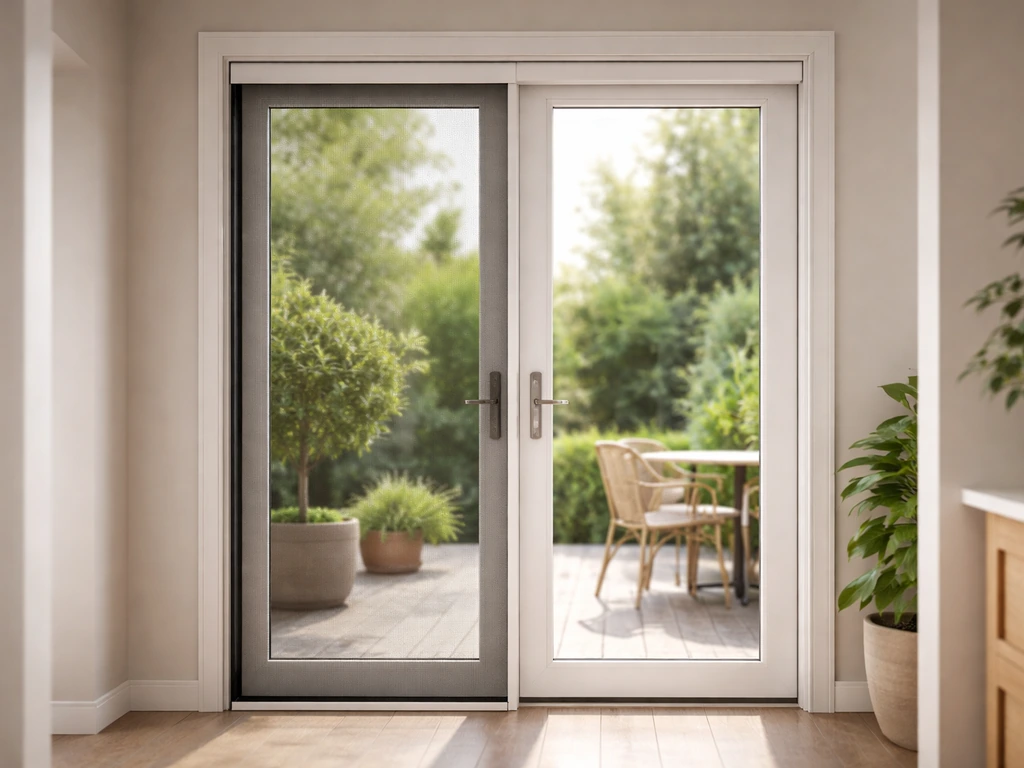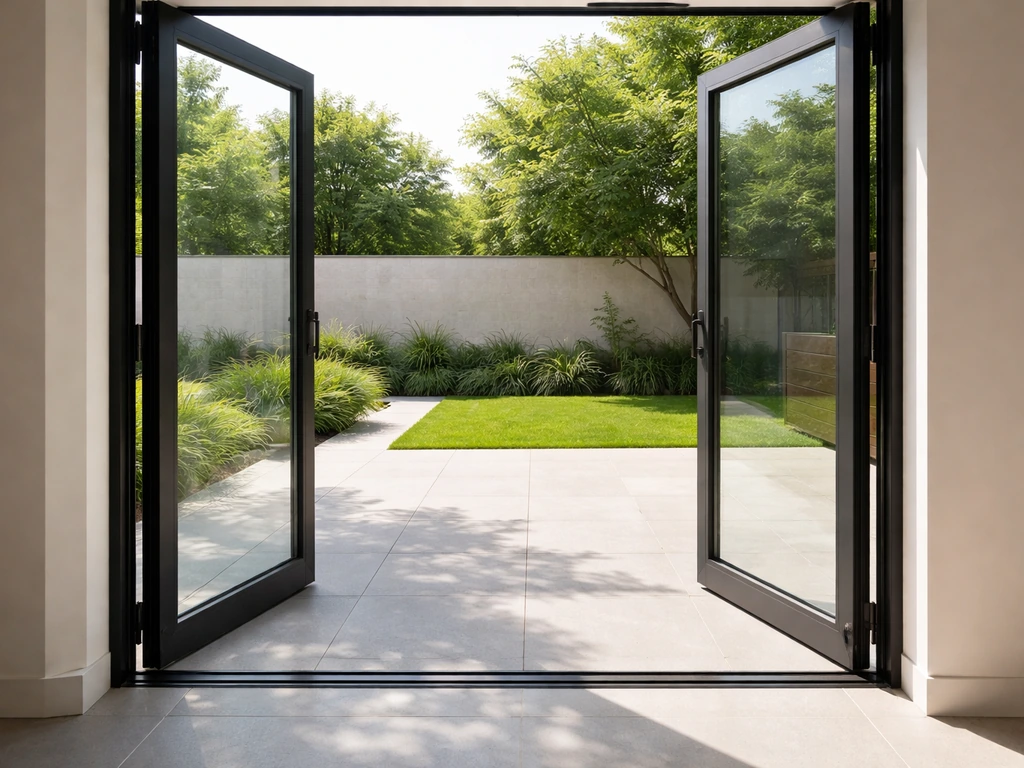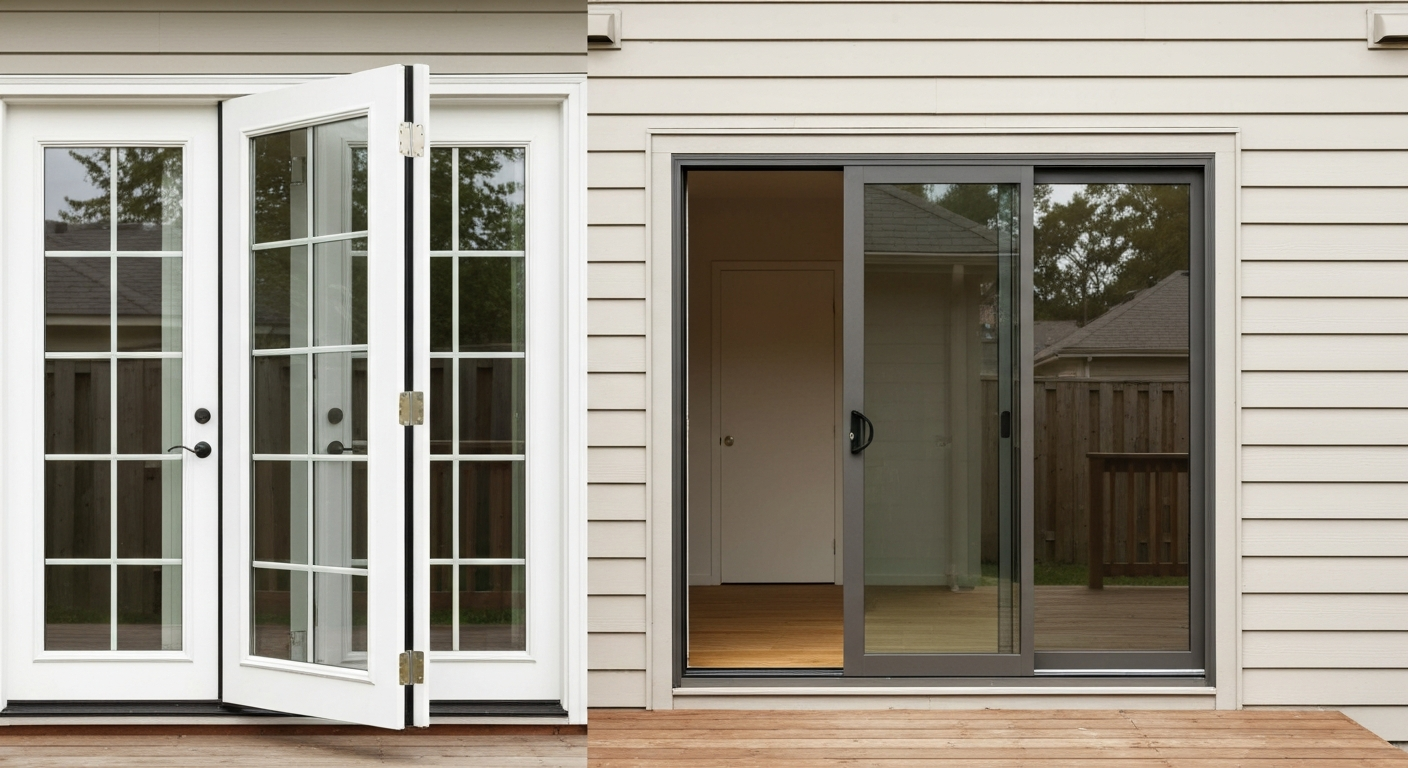
A French patio door is a hinged door unit, typically two glass-heavy panels that swing open from the center, either inward or outward. That's the core of it. When both panels are fully open, you get a wide, unobstructed opening onto your patio or deck, which is the main reason people love them. The term 'French' technically refers to the panel style, not the operating mechanism, so you'll sometimes see single-panel hinged doors marketed as French doors and multi-panel configurations carrying the same label. But when most homeowners search 'French patio door,' they mean that classic double-door setup where both panels swing from opposite sides.
What Is a French Patio Door? Features, Types, Cost

Owen Delaney
23 Jun 2026
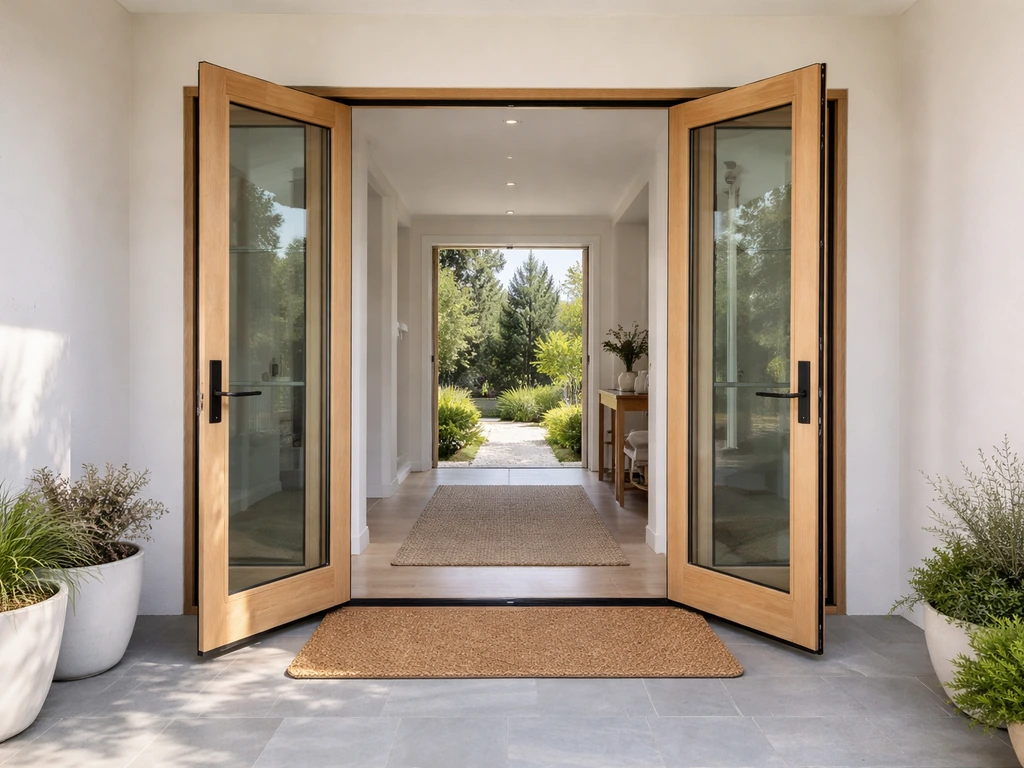
What actually makes a door 'French'
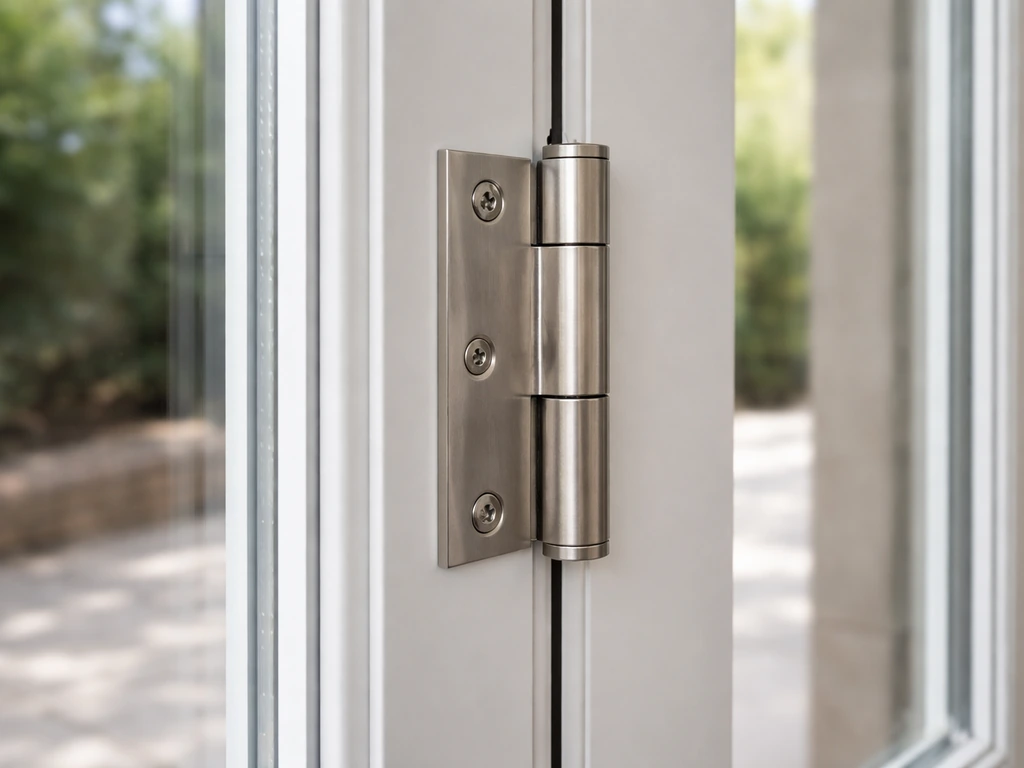
The defining feature is the hinge. French patio doors are hinged from the side (one hinge point per panel, on the outer edge) and swing open from the center. Andersen describes it directly in their product documentation: 'Both doors swing in from the center.' That center-swing action is what distinguishes them from sliding doors, which glide along a track, and from bifold doors, which fold accordion-style. The heavy glass coverage is the other hallmark. Traditional French doors use divided-light grilles or large single glass panes that run nearly the full height of the panel, which is why they let in so much natural light and feel more elegant than a standard entry door.
On most hinged patio door units, one panel is designated 'active' (the one you open daily with the handle) and the other is 'passive' or stationary, meaning it has a flush bolt that locks it to the frame at top and bottom. You open the passive panel only when you need the full width. This is worth understanding before you buy, because it affects how the locking hardware works and how much clearance you need on each side.
French patio door styles: swing direction and panel count
The first configuration choice is inswing versus outswing. Inswing doors open into the room, which means they don't require any clearance on the exterior but do require that you keep interior floor space clear of furniture and rugs. Outswing doors open onto the patio, which frees up interior space but can be inconvenient if your patio furniture sits close to the door. In hurricane-prone regions, outswing is often preferred structurally because the door is pushed into the frame by wind pressure rather than pulled away from it.
Beyond the basic two-panel configuration, manufacturers like Andersen offer single-panel, 2-panel, and 3-panel hinged patio door options. A single hinged panel is essentially a large glass door that swings from one side, often paired with a fixed sidelight. The 3-panel (or more) configurations are less common in standard residential settings and start to overlap with multi-slide and bifold territory in terms of price and complexity. For most homeowners replacing a standard patio door opening, the 2-panel center-swing setup is the practical default.
Handing is another spec you'll encounter. Andersen's outswing documentation categorizes panels as active, passive, or stationary depending on their function. When you order, you'll specify which side is hinged and which direction the active panel swings. Getting handing wrong means the door won't fit your space the way you expect, so measure and confirm this before placing an order.
French vs. sliding vs. bifold: which patio door type fits your situation
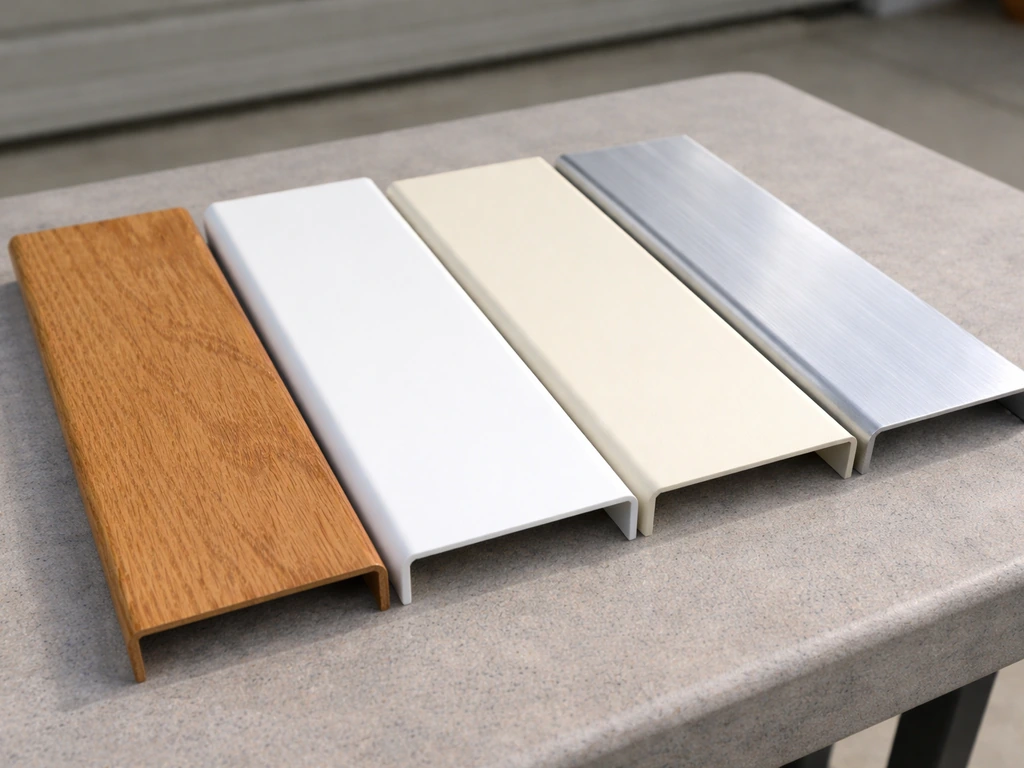
These three door types dominate the patio door market and each has a real use case. Here's a direct comparison across the factors that actually matter for a replacement or new installation decision.
| Feature | French (Hinged) | Sliding | Bifold |
|---|---|---|---|
| Opening style | Swing from center (in or out) | Panel glides along track | Panels fold accordion-style |
| Interior clearance needed | Yes (inswing) or exterior clearance (outswing) | None, panel slides parallel to wall | Minimal, panels fold to one side |
| Opening width | Full clear opening when both panels open | Half the total width (one panel slides behind the other) | Near full-width opening possible |
| Energy performance | Tight seal on hinged units; ENERGY STAR AL threshold ≤0.5 cfm/ft² | Slightly more air leakage risk on track; AL threshold ≤0.3 cfm/ft² | More joints, more potential leakage |
| Security | Multi-point locking possible; center seam is a vulnerability if not properly addressed | Track-based locks; vulnerable to lift-off without secondary pins | Multiple hinges and locks; complex but generally secure |
| Cost (installed) | Mid-to-high range, typically $1,500–$5,000+ | Lower end, typically $800–$3,500 | Highest, often $3,000–$10,000+ |
| Best for | Classic look, full opening, moderate-sized openings | Tight spaces, simple replacement, lower budget | Large openings, indoor-outdoor entertaining spaces |
The honest trade-off with French doors versus sliders is complexity. A Reddit thread comparing the two puts it plainly: hinged units have two operable panels, alignment concerns, multi-point locking, and tighter tolerances, all of which affect both upfront cost and what you'll deal with if something needs servicing later. If your primary goal is affordability and simplicity, a slider makes sense. If you want that classic look and a genuinely wide opening that doesn't lose half its width to a panel hiding in a wall pocket, French is the better fit.
Materials: what holds up and what doesn't
French patio doors come in four main frame materials: wood, fiberglass, vinyl, and aluminum. Your climate and maintenance tolerance should drive this decision more than aesthetics, though aesthetics matter too.
Wood
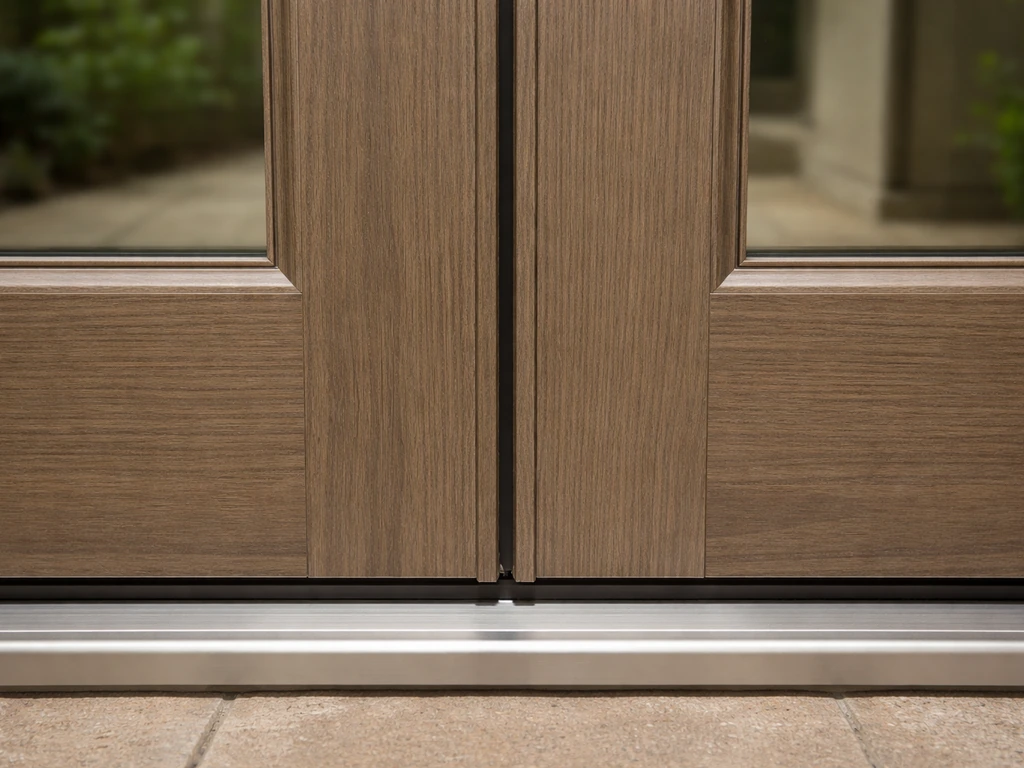
Wood is the traditional French door material and the reason these doors have the warm, classic look they're known for. Pella's Lifestyle Series and Andersen's 400 Series Frenchwood line both use wood interiors with a protective cladding exterior, which gives you the best of both worlds: the aesthetics inside, the weather resistance outside. The downside is maintenance. Unclad wood patio doors need periodic painting or staining, and in humid or wet climates, wood is vulnerable to swelling, warping, and rot if not properly sealed. Pella issues a material-specific limited warranty for wood patio doors, which is worth reading carefully because coverage conditions usually require documented maintenance.
Fiberglass
Fiberglass is arguably the most durable option for most climates. It doesn't rot, warp, or corrode, it can be painted or stained to look like wood, and it holds its shape through temperature swings better than most other materials. Pella has published strength comparisons showing its fiberglass material outperforming competitor products in durability testing. The trade-off is cost: fiberglass French doors typically run higher than vinyl, though long-term maintenance savings usually make up the difference over 10 to 20 years.
Vinyl
Vinyl is the budget-friendly workhorse. Vinyl is also a common choice when homeowners look for French patio doors with top window, because it typically needs little upkeep while still letting in lots of light. It requires virtually no maintenance, holds color well, and resists moisture. Window World and Viwinco both offer lifetime limited warranties on vinyl patio door components, covering issues like blistering, peeling, rotting, and corrosion. The weakness of vinyl is structural rigidity: in very wide openings or extreme cold, vinyl frames can flex or distort slightly over time. For a standard 5-foot or 6-foot wide French door opening, this is rarely a practical problem, but it's worth knowing.
Aluminum
Aluminum is slim-profile, strong, and corrosion-resistant, which makes it popular for modern architectural styles or homes in coastal climates where salt air is a factor. The downside is thermal conductivity: aluminum frames transfer heat and cold more readily than other materials, which hurts energy performance unless the frame has a thermal break. For energy-conscious homeowners, aluminum without a thermal break is a poor choice in both cold northern climates and hot southern ones.
| Material | Durability | Maintenance | Best Climate | Relative Cost |
|---|---|---|---|---|
| Wood | Moderate (with proper sealing) | High (paint/stain every few years) | Dry climates, protected exposures | Mid-to-high |
| Fiberglass | Excellent | Very low | All climates | High |
| Vinyl | Good | Very low | Most climates; avoid extreme cold for wide spans | Low-to-mid |
| Aluminum | Very good (corrosion-resistant) | Low | Coastal, modern homes; needs thermal break for cold/hot climates | Mid-to-high |
Sizing, configuration, and how to measure for a replacement
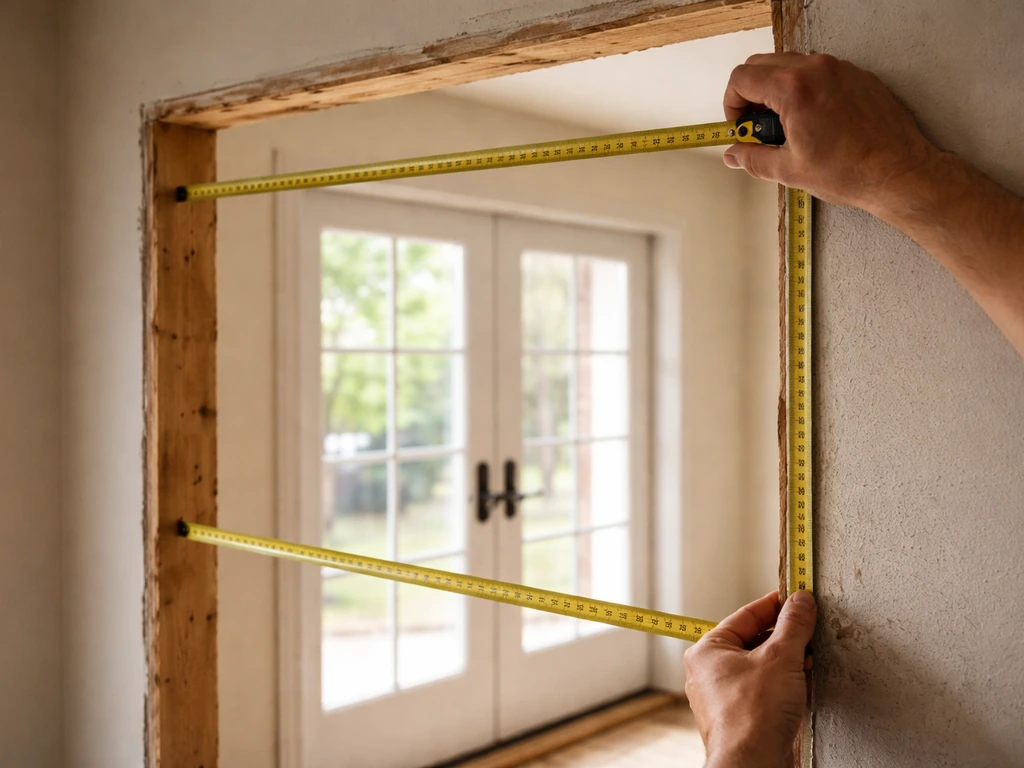
Standard French patio door units typically come in widths of 5 feet (60 inches) and 6 feet (72 inches) for two-panel configurations, with heights of 6 feet 8 inches (80 inches) or 8 feet (96 inches) being most common. Andersen's 400 Series Frenchwood sizing documentation breaks down exact rough opening dimensions for both inswing and outswing configurations, which is important because the rough opening is always slightly larger than the door unit to allow for shimming and adjustment during installation.
For a replacement project, start by measuring your existing rough opening: the width and height of the framed opening in the wall, not the old door unit itself. Home Depot's patio door installation guidance and Lowe's patio door install guide both emphasize that you need clearance to shim the new unit plumb and square inside the rough opening. A door that's tight on all sides with no shim space is a door that won't operate properly once the house shifts even slightly. The general rule is that your rough opening should be about half an inch wider and taller than your door unit's frame dimensions.
For a center-hinged French door specifically, Home Depot's installation documentation calls out placing shims between the two door panels at the center for proper alignment, which is a step that doesn't apply to sliders. Andersen’s patio door installation guide also emphasizes structural framing checks like calculating the correct header size and load handling, verifying the sill plate is level, and installing the door unit after completing these steps before final fastening [structural considerations like header sizing and load handling](https://www. andersenwindows.
com/-/media/Project/AndersenCorporation/AndersenWindows/AndersenWindows/files/technical-docs/installation-guide/installationguide-9200280. pdf). If you're replacing like-for-like (French door swapping for another French door), most standard openings will accept a new unit without structural modification. If you're converting from a slider to a French door, confirm that the rough opening dimensions match, and check whether the sill height and framing need adjustment.
Andersen's installation guide also flags structural considerations like header sizing and load handling, which matter if your opening is being widened.
What French patio doors actually cost
The door unit itself is only part of the budget. Here's how the costs layer:
- Door unit (panels, frame, basic hardware): Vinyl French patio doors typically start around $800–$1,500. Fiberglass mid-range units run $1,500–$3,500. Wood or high-end fiberglass from brands like Andersen 400 Series or Pella Lifestyle Series can reach $3,500–$6,000 or more for the unit alone.
- Glass upgrades: Standard double-pane is included in most units. Upgrading to triple-pane, low-E coatings, or argon gas fill adds $200–$600 depending on the unit and manufacturer.
- Hardware and locks: Basic handle sets come included, but upgraded multi-point locking systems or designer hardware add $100–$400.
- Installation labor: Professional installation for a standard French patio door replacement typically runs $400–$1,000. More complex installs (new openings, structural work, or difficult access) can push labor to $1,500 or higher.
- Finishing and trim: Interior and exterior casing, painting, and caulking add another $100–$400 depending on whether you DIY the finish work.
- Removal and disposal of old door: Often $50–$150 if bundled with installation, sometimes included in contractor quotes.
A realistic all-in budget for a mid-range vinyl or fiberglass French patio door with professional installation is $2,000–$4,500. Premium wood-clad units installed can push $6,000–$8,000 or more. If you're getting quotes, make sure each quote includes removal of the existing door, rough-opening prep if needed, and all finish work, not just the door unit itself. That's where hidden costs most often appear.
Energy efficiency, security, and day-to-day maintenance
Energy performance
The two main numbers to look at when comparing French patio doors for energy performance are U-factor and Solar Heat Gain Coefficient (SHGC). U-factor measures how much heat escapes through the door (lower is better for insulation). SHGC measures how much solar heat comes through the glass (lower is better for hot climates; higher can be advantageous in cold climates where solar gain helps with heating). ENERGY STAR qualification is based on both figures, and the specific thresholds vary by climate zone.
Air leakage (AL) is the third metric worth checking, and here's where French doors have a meaningful difference from sliders. ENERGY STAR's residential spec sets the air leakage threshold at no more than 0. 5 cfm per square foot for swinging doors, versus 0. 3 cfm per square foot for sliding doors.
That means sliding doors are held to a tighter standard on air leakage because their track-based sealing is easier to control. A well-built hinged French door with quality weatherstripping can still hit very low AL numbers, but it's something to verify on the NFRC label rather than assume. Look for the NFRC sticker on any unit you're considering and compare U-factor, SHGC, and AL against your climate zone's ENERGY STAR requirements.
Security
French doors have a well-known security consideration: the center seam where the two panels meet is a potential weak point. Without proper hardware, a burglar can apply force to the center and pop both doors open. The solution is a multi-point locking system that engages the door at multiple points along the frame (top, center, and bottom), not just at the handle. Pella and Andersen both offer multi-point lock options on their French patio door lines.
The passive panel should also have top and bottom flush bolts that are actually used, since leaving that panel unsecured undermines the whole system. A Reddit home improvement thread on patio door security flags this as the thing homeowners most commonly overlook after installation. A Reddit thread in r/HomeImprovement discusses [center-hinged patio door security concerns](https://www. reddit.
com/r/HomeImprovement/comments/gihleb) and emphasizes that how the panels open can affect the real-world sense of security beyond marketing claims.
Maintenance
For vinyl and fiberglass frames, maintenance is genuinely minimal: wipe down the frames annually, lubricate the hinges and hardware with a silicone-based lubricant once or twice a year, and inspect the weatherstripping every couple of years to make sure it's not cracked or compressed. For wood or wood-clad doors, check the exterior cladding and any exposed wood at the sill annually. The sill is the highest-risk area for moisture intrusion, so make sure caulk at the sill pan is intact and that the threshold seal makes full contact with the door panels when closed.
Accessories and upgrades worth considering
Screens
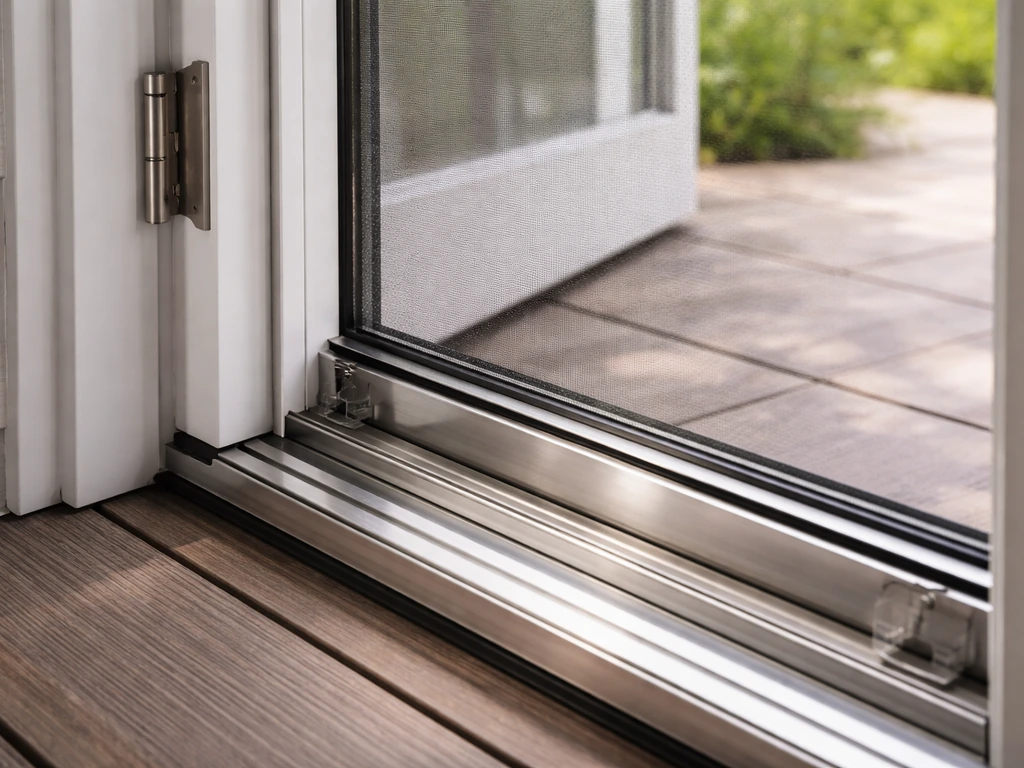
Screens for French patio doors work differently than for sliders, and this trips people up. This also means you need to look for the right screen type and compatibility for hinged French patio door setups do french patio doors have screens. Because the panels swing, you can't use a standard sliding screen. Pella notes that screen types differ by configuration: hinged screens for single-panel doors, sliding screens (that park to one side) for double-panel doors.
Retractable screens are the most popular upgrade for French doors because they disappear when not in use, which preserves the look of the door. Andersen makes a wood retractable insect screen for specific hinged outswing models, and Phantom Screens offers retractable options compatible with double French door configurations. If screens are important to you, confirm compatibility with your specific door series before buying, because not every screen system fits every door.
Built-in blinds and privacy options
Between-the-glass blinds or shades are one of the most practical upgrades for French patio doors if you want privacy without adding curtains or exterior treatments. Pella describes these as integrated blinds/shades sealed between the glass panes, which means they don't collect dust and can't be tangled or damaged by pets. Andersen also offers blinds-between-the-glass on select hinged door configurations through their Home Depot product line. The trade-off is cost: this option typically adds $300–$600 or more to the door unit price, and if the mechanism fails, the whole glass unit needs replacement rather than a simple cord swap.
Weatherstripping and weatherproofing
Weatherstripping on hinged doors compresses over time, especially at the bottom sweep and the center meeting stile where the two panels come together. Replacing worn weatherstripping is a cheap fix (most replacement kits run $20–$60) that can meaningfully reduce drafts and energy loss before you resort to replacing the whole door. When installing a new unit or doing a replacement, Lowe's and Home Depot both recommend a sill pan approach at the bottom of the rough opening with caulk applied before setting the door unit, which provides a drainage layer that protects the subfloor from water intrusion over time.
Upgraded locks and smart security
If you're not getting a multi-point lock with your door unit, it's worth adding one separately. They're typically not expensive (many aftermarket multi-point systems are under $200) and they dramatically improve both security and the feeling of solidity when you close the door. Smart lock deadbolts designed for double doors are also available if you want remote access or keypad entry. Whatever lock system you choose, make sure the passive panel's flush bolts are engaged every time the door is locked: that's the step that holds the whole system together.
If you want to go deeper on any of these topics, the next logical steps are comparing specific product lines for the best French patio doors available today, looking into options like French patio doors with built-in blinds, exploring French patio doors with a top window (transom) for additional light, and understanding how patio door screens work for hinged configurations. Each of those is worth its own research pass once you've confirmed the basic configuration, material, and budget for your project.
FAQ
Do French patio doors have a track like sliding doors?
No. A typical French patio door is hinged, the panels swing from the center seam (inswing or outswing depending on the model). If you see rollers or a visible track at the base or top, you may be looking at a different style such as a sliding or multi-slide door rather than a true hinged French door.
How do I confirm whether my French patio door is center-swing and two-panel or something else?
Check the hinge layout and the active versus passive panel labels. A center-swing French setup has hinges on the outer edge of each panel and the doors meet at a center seam. If one panel appears fixed and the other opens on a track, it is not the classic French configuration described in most replacement guides.
What clearance do I need for an inswing French patio door inside the room?
You need enough space for the active panel arc to fully open without striking the interior wall, furniture, or floor rugs. Measure the swing path from the handle side to the nearest obstacle, and also account for the room needed to operate the handle and reach the lock hardware on the passive panel.
Will a French patio door fit my existing patio door opening if I am replacing a different door type?
Sometimes, but you must verify rough opening dimensions, sill height, and the header framing. Even if the width and height seem close, hinge hardware and the flush-bolt system may require a different framing configuration, and converting from a slider can mean the sill and threshold are not compatible without work.
Why does my contractor ask which side the door should be hinged (handing)?
Hinging and swing direction determine which panel opens, how the passive flush bolts align with strike points, and where the door clears nearby walls. Ordering the wrong handing can leave you with a door that hits interior trim or cannot fully engage the locking bolts, even if the size is correct.
Do I need to use the passive panel bolts every time for the door to be secure?
Yes. Multi-point security relies on the passive panel engaging at the top, center seam, and bottom through its flush bolts. If the passive side is left unlatched, the center seam becomes vulnerable and the locking system cannot fully do its job.
Can I add better weatherstripping or an additional draft guard without replacing the whole door?
Often, yes. Worn weatherstripping kits can restore performance significantly. For stubborn drafts, also inspect the bottom threshold contact and the sill caulk or sill pan drainage area, because leaks at the base frequently come from seal failure rather than frame warping.
What should I look for on the NFRC label when comparing French patio doors for energy savings?
Compare U-factor, SHGC, and air leakage (AL) together, not just the insulation number. AL is especially important for comfort around the center meeting stile, because uneven sealing there can cause drafts even if the glass is efficient.
Are retractable or between-the-glass screens always available for French patio doors?
Not always. Screen and shade compatibility depends on the exact door configuration (single-panel hinged versus double-panel) and the door series. Before buying, confirm that the screen system is designed for that swing orientation and panel type, because a generic screen kit may not fit the operating panels or track geometry.
If I want blinds for privacy, is between-the-glass better than interior curtains?
It is usually more convenient because the blinds are sealed between panes, they do not collect dust, and they are harder to tangle or get damaged by pets. The trade-off is cost and replacement complexity if the mechanism fails, since you typically need to replace the whole insulated glass unit.
Do French patio doors require different maintenance depending on frame material?
Yes. Fiberglass and vinyl typically need periodic hinge and hardware lubrication plus weatherstripping inspection. Wood and wood-clad units require ongoing protection, especially at the exterior cladding and the sill area, because moisture intrusion is most likely near the threshold.
Are multi-point locks worth adding if my French patio door already has one latch?
Usually, yes. If the unit does not lock at multiple points, adding a multi-point system improves both security and how firmly the panels align to the frame. Make sure the passive panel has compatible top and bottom engagement points so the center seam locks properly.