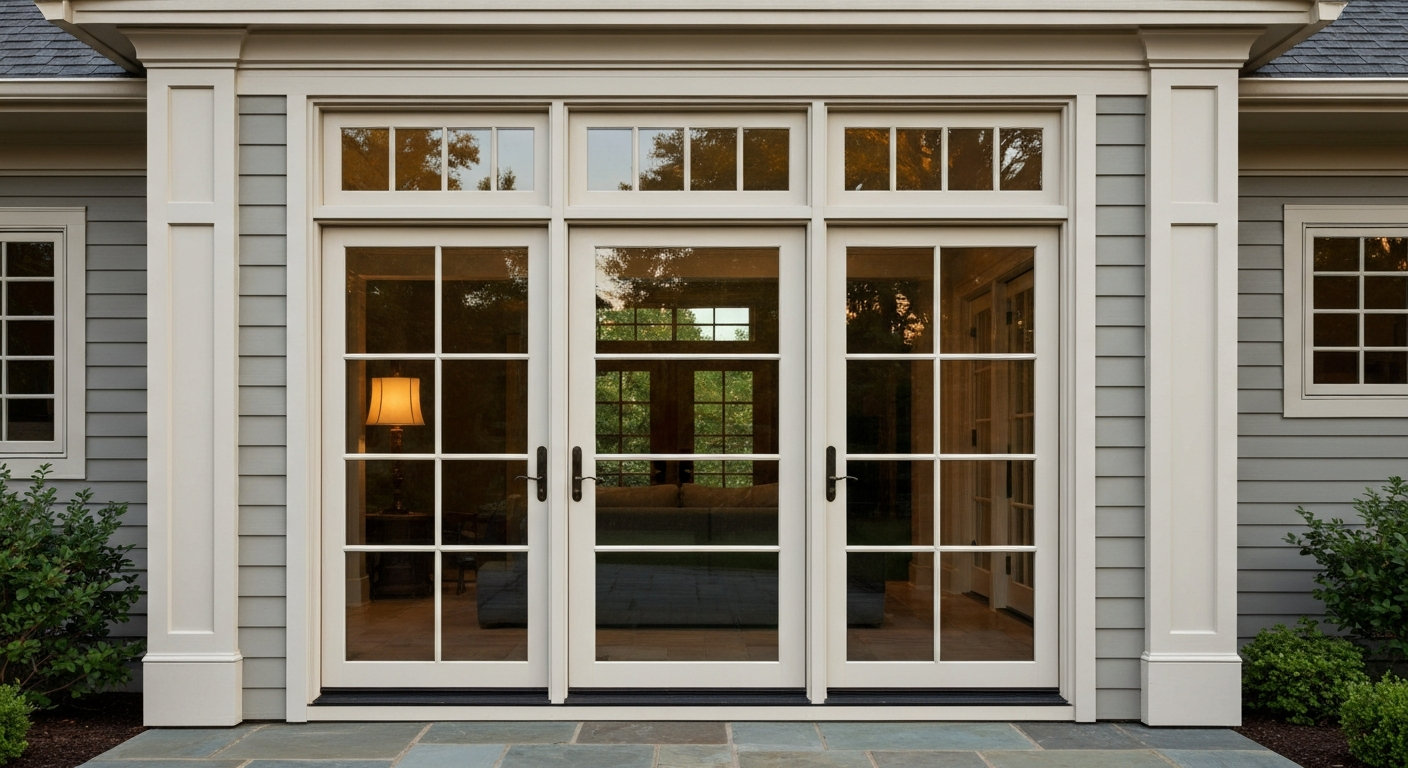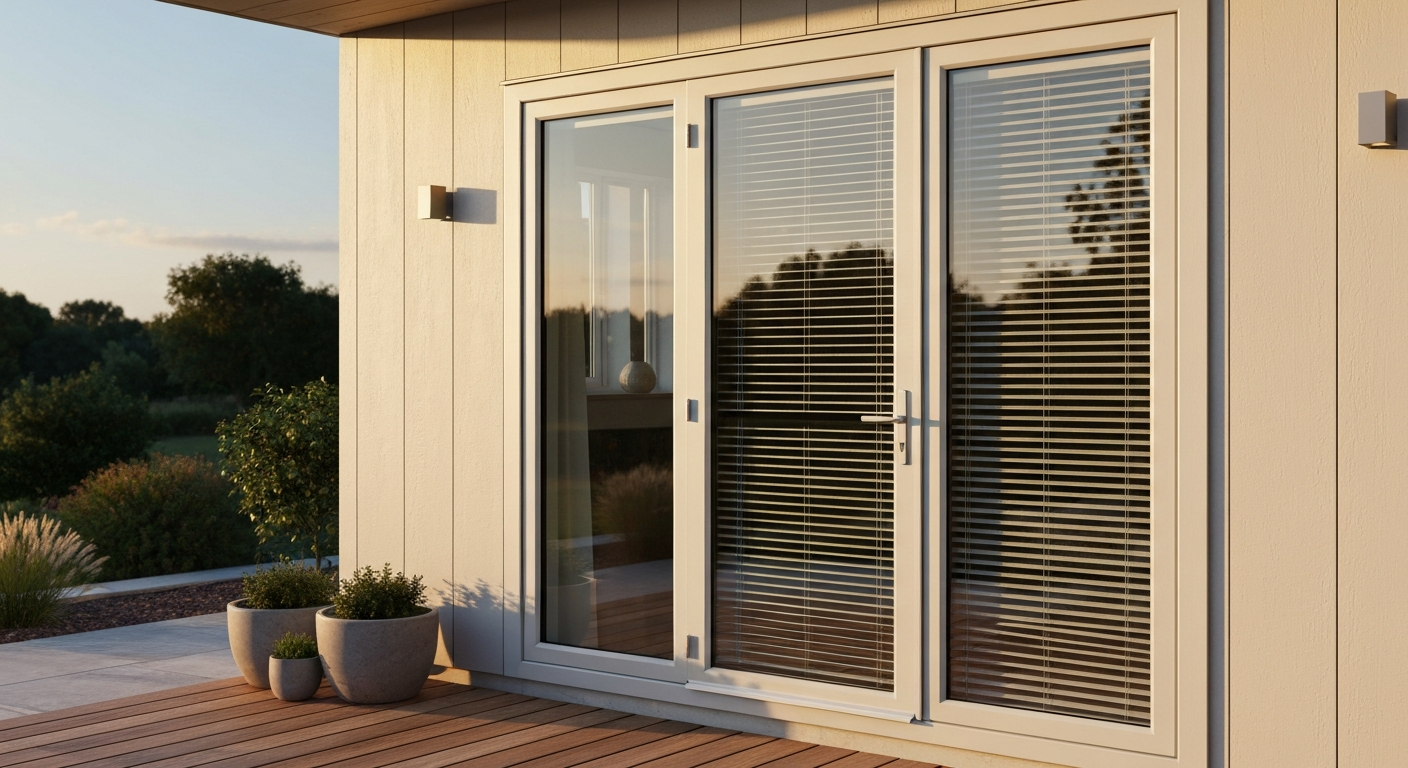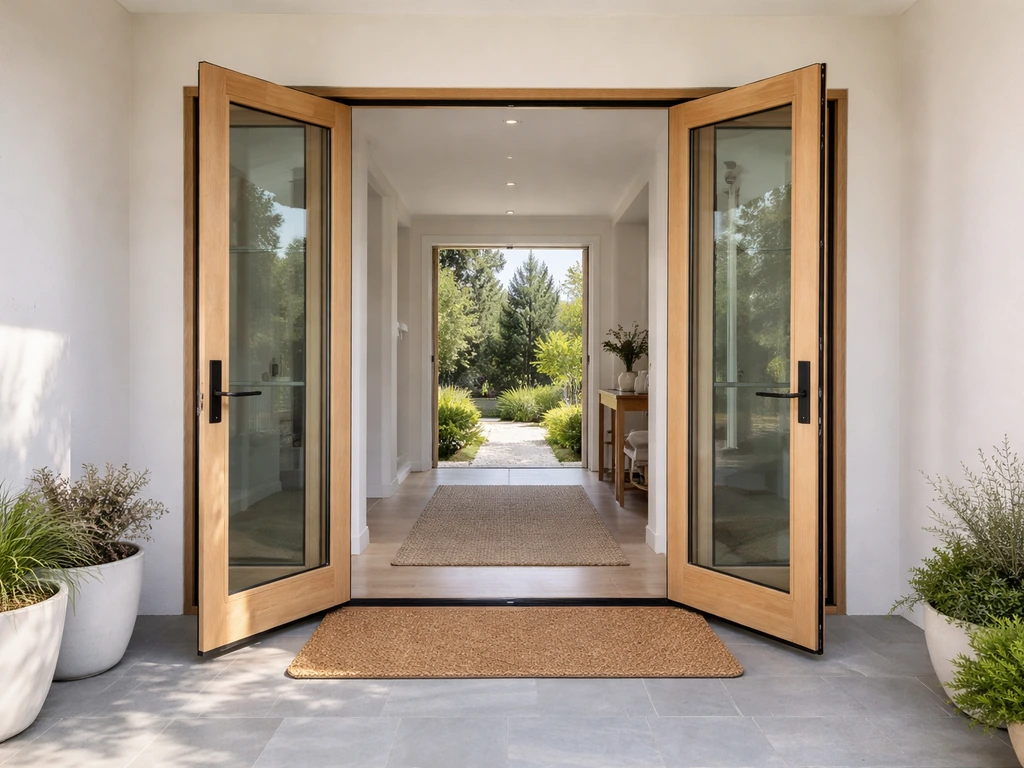
The sliding glass patio doors that topped the charts around 2020 are still worth buying today, and in many cases they are better priced and more available than ever. The standouts from that era share a few non-negotiable traits: NFRC-certified U-factors at or below 0.30, stainless-steel or nylon tandem rollers that glide without lifting, multi-point locking hardware, and frame materials (vinyl, aluminum-clad wood, or fiberglass) that do not warp or rot over a 20-year lifespan. If you are replacing an existing door or installing new, those same criteria are still the right ones to shop by.
Best Sliding Glass Patio Doors 2020: Buyer Guide

Owen Delaney
10 Jul 2026
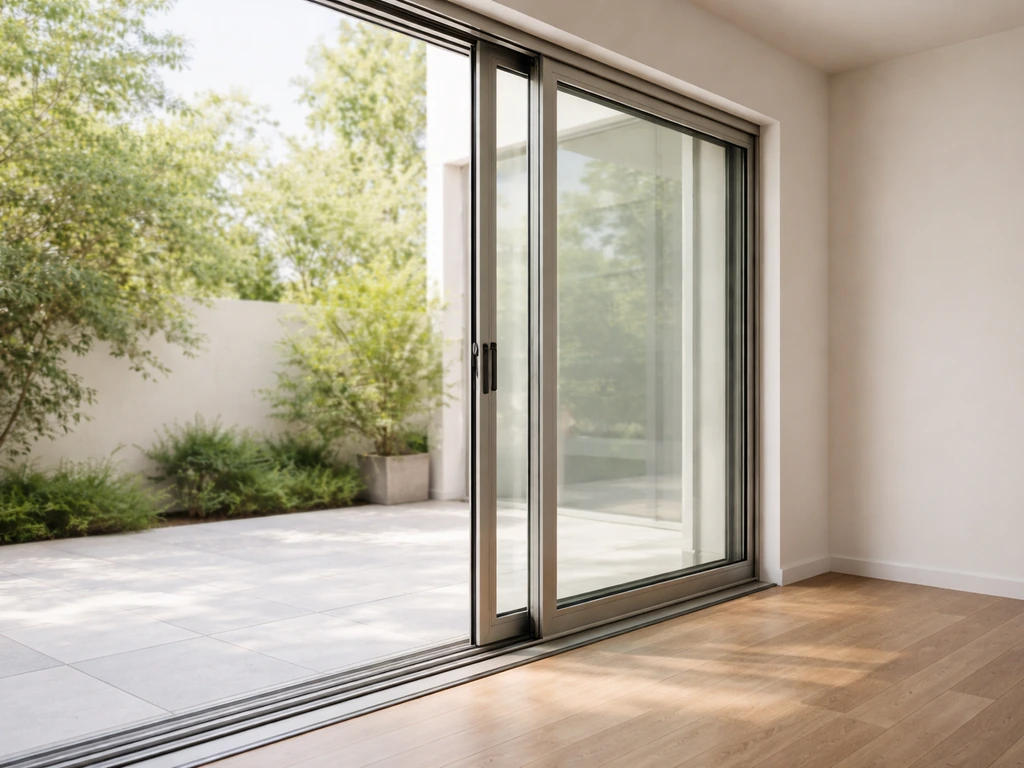
What 'best' actually meant in 2020, and why it still holds up
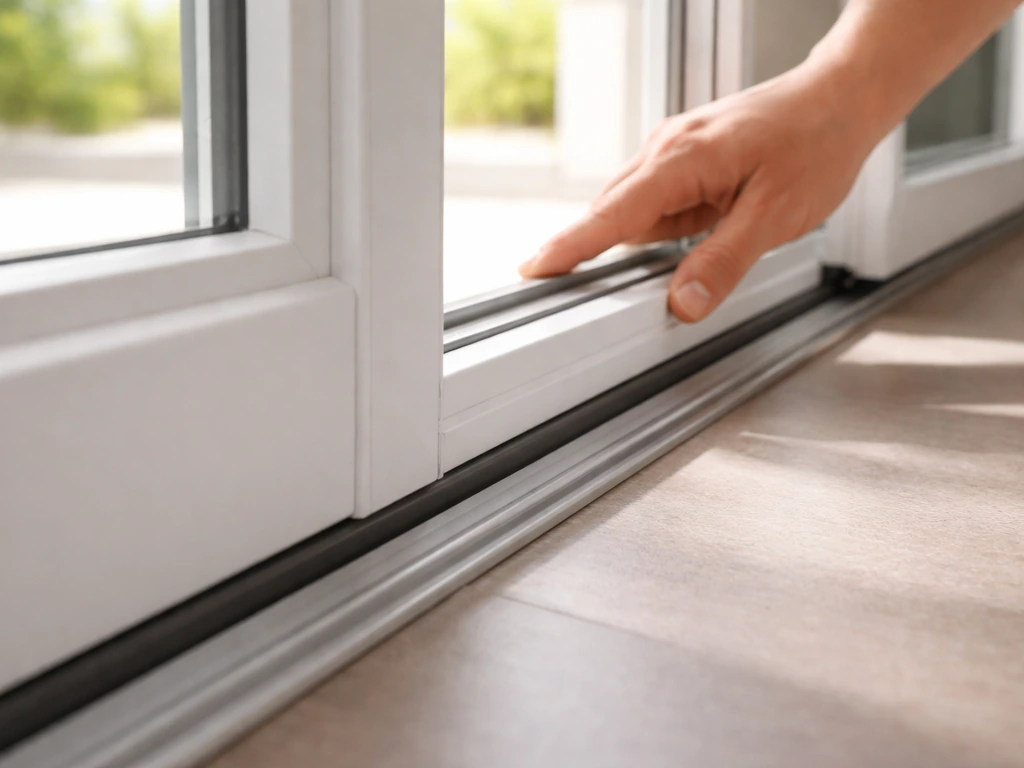
When homeowners and reviewers called a sliding patio door the 'best' around 2020, they were measuring five things: how smoothly it operated after years of use, how well it sealed against air and water, how hard it was to break into, how little maintenance it demanded, and whether the energy performance numbers on the label were real. That last point is important. The ENERGY STAR Most Efficient 2020 program required sliding glass doors to carry NFRC certification, meaning the U-factor and Solar Heat Gain Coefficient (SHGC) values had to cover the entire door assembly including the frame and spacers, not just the center of the glass. A door could have triple-pane glass and still fail if the frame leaked heat around the edges. Always check that the NFRC label includes the 'NFRC certified' stamp, which confirms the whole-unit number.
One example that illustrates this well: a JELD-WEN vinyl sliding door available at Lowe's carries a whole-unit U-factor of 0.28 and an SHGC of 0.23. Those are solid numbers for a mid-range vinyl door. The U-factor tells you how much heat escapes in winter (lower is better), and the SHGC tells you how much solar heat enters in summer (lower means cooler interiors in hot climates, higher means useful passive solar gain in cold ones). Knowing those two numbers lets you compare doors accurately instead of guessing based on marketing language.
The 2020 era also saw meaningful improvements in roller and track engineering. Most name-brand doors moved away from single-wheel rollers on a flat aluminum channel toward tandem-wheel cartridges running on a slightly raised, grooved track, which keeps the door aligned even as the frame settles slightly over time. That design detail separates doors that still feel tight after a decade from ones that start dragging and leaking within three or four years. If you are comparing models today, ask specifically about the roller cartridge design.
Frame materials, tracks, glazing, and security: the real tradeoffs
Frame materials
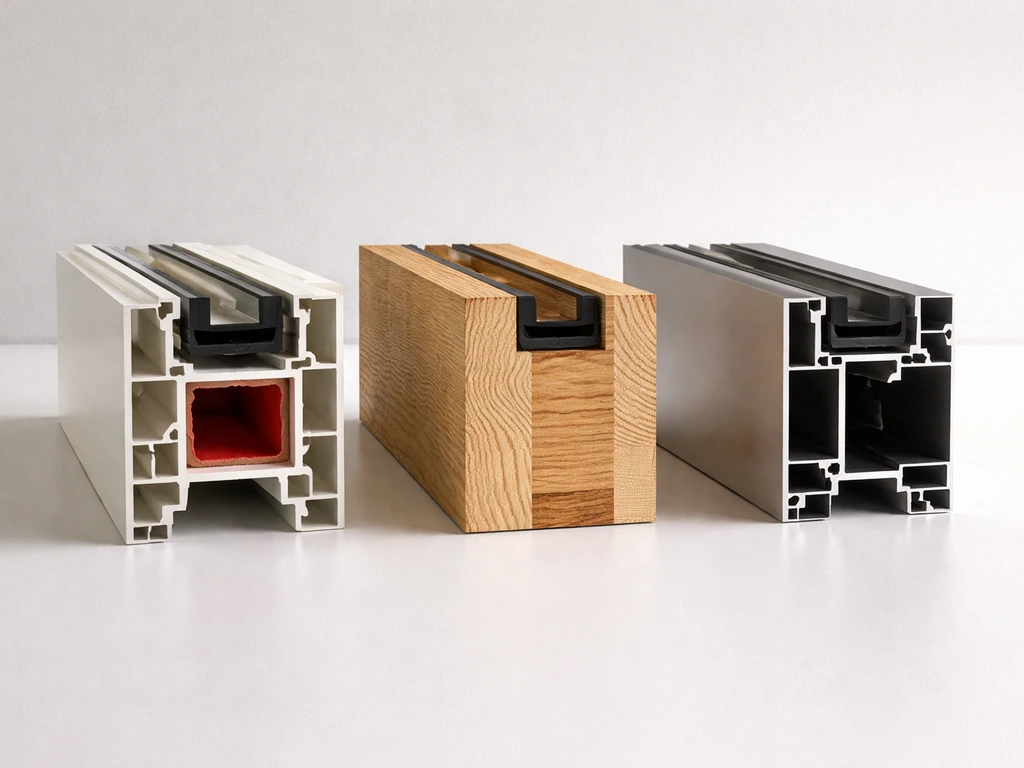
Vinyl is the most popular choice for good reason: it does not corrode, it insulates well (because the frame itself has hollow chambers that trap air), and it costs less than wood or fiberglass. The downside is that cheaper vinyl can sag or bow in extreme heat. Look for reinforced or fusion-welded vinyl corners if you are in a climate that regularly hits 95 degrees or above. Aluminum frames are slimmer, which gives you more glass area in the same rough opening, but they conduct heat and cold readily unless they have a thermal break (a non-conductive barrier inside the frame). Aluminum-clad wood gives you a wood interior (easier to paint and trim) with a weather-resistant aluminum exterior, but it costs significantly more and needs occasional interior refinishing. Fiberglass is the most dimensionally stable and the best insulator of the four, but it carries a price premium of 30 to 50 percent over comparable vinyl.
| Frame Material | Insulation | Durability | Maintenance | Relative Cost |
|---|---|---|---|---|
| Vinyl | Good (hollow chambers) | Good (may sag in extreme heat) | Very low | $ (lowest) |
| Aluminum (thermal break) | Moderate | Excellent | Very low | $$ (mid) |
| Aluminum-clad wood | Good | Very good | Low-moderate (interior needs care) | $$$ (high) |
| Fiberglass | Excellent | Excellent | Very low | $$$–$$$$ (highest) |
Track and roller design
The track is where sliding doors succeed or fail over time. Raised, grooved tracks with tandem-wheel roller cartridges are the gold standard. JELD-WEN, Andersen, and Pella all use variations of this design on their mid-range and premium lines. Andersen's gliding door systems also include an accessible roller adjustment screw at the bottom of the panel, so you can re-level the door yourself if the panel starts catching or if you notice an uneven reveal at the top of the frame. That is a genuinely useful feature: being able to dial in alignment with a screwdriver instead of calling a technician saves money and keeps the door operating well for years longer.
Glazing options
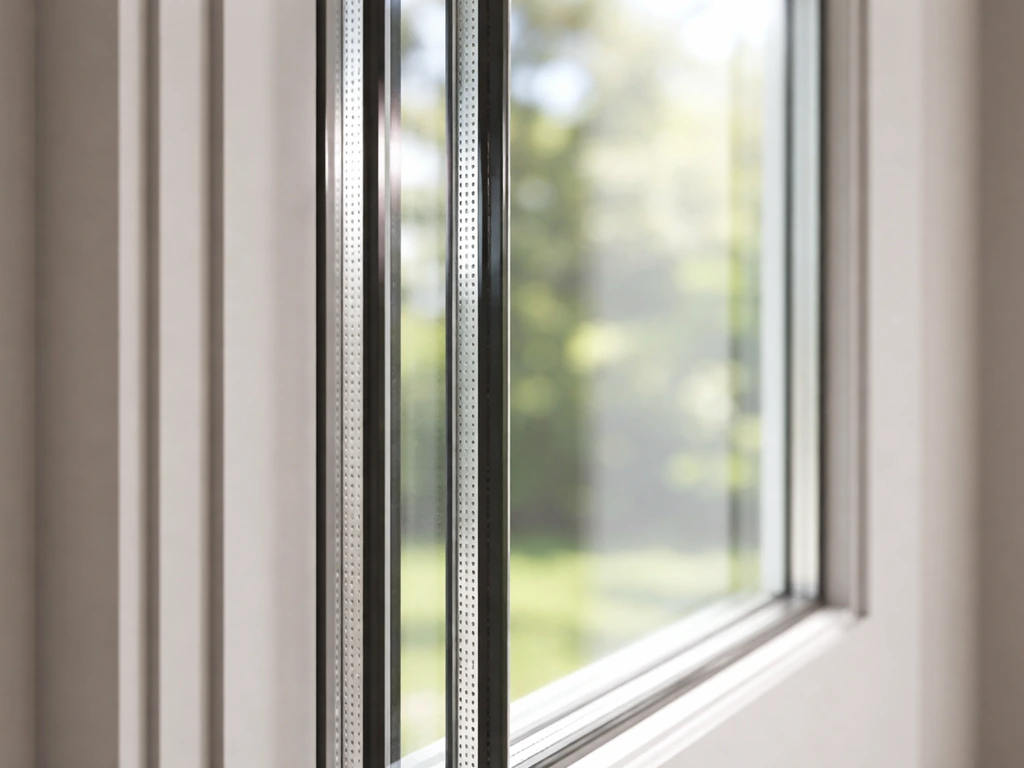
Double-pane low-E glass is the baseline for any door worth buying. Low-E coatings reflect infrared heat while letting visible light through. For cold climates (Zones 4 through 7 in the ENERGY STAR map), look for a U-factor of 0.30 or lower and an SHGC of 0.25 or higher to allow some passive solar gain. For hot climates (Zones 1 through 3), prioritize a low SHGC (0.25 or below) even if the U-factor is slightly higher. Triple-pane glass improves U-factor meaningfully (often to 0.20 or below) but adds weight to the panel, which puts more stress on rollers, so confirm the roller system is rated for the heavier sash.
Security hardware
Standard single-point latches are the weakest link on most sliding doors. Multi-point locking systems, where one handle throw engages hooks or bolts at two or three points along the door frame, are far more resistant to the common forced-entry technique of lifting the panel out of the track. Look for doors that also include an anti-lift block or a built-in track stop, which prevents the panel from being lifted even if the latch is defeated. Foot-bolt locks and secondary bar locks are inexpensive add-ons if your door only came with a single-point latch.
Best picks by what matters most to you
Rather than ranking doors in a single list (which quickly becomes outdated as prices and availability change), here is a 'best for X' breakdown that maps to the most common homeowner priorities. For the latest guidance, see the best sliding patio doors 2021 picks that match these priorities 'best for X' breakdown. These recommendations are based on the features and brands that established strong reputations around 2020 and have continued to perform well.
| Priority | What to Look For | Representative Brand/Line | Approx. Door-Only Cost |
|---|---|---|---|
| Best value | Reinforced vinyl frame, tandem rollers, double-pane low-E, U-factor ≤ 0.30 | JELD-WEN V-2500 or similar vinyl line | $400–$700 |
| Best for harsh cold climates | Fiberglass or reinforced vinyl, triple-pane, U-factor ≤ 0.22, foam-filled frame | Pella Impervia or equivalent fiberglass | $900–$1,600 |
| Best for hot/humid climates | Aluminum thermal-break or vinyl, low SHGC (≤ 0.25), impact-rated option available | PGT WinGuard or similar impact line | $800–$1,800 |
| Best for smooth long-term operation | Stainless tandem rollers, adjustable from panel face, raised grooved track | Andersen 200 Series Gliding Door | $900–$1,400 |
| Best for maximum security | Multi-point lock, anti-lift blocks, laminated or tempered glass, steel-reinforced frame | Milgard Tuscany with multi-point hardware | $1,000–$1,800 |
| Best low-maintenance | Vinyl or fiberglass, no exposed wood, factory-painted exterior, stainless hardware | Simonton StormBreaker Plus or similar | $700–$1,200 |
One note on the 2019 and earlier generation of these doors: if you have been researching across multiple years of 'best of' lists, you will notice that the core brands (Andersen, Pella, JELD-WEN, Milgard, Simonton) appear consistently. If you are shopping specifically for the best sliding patio doors 2019, look for the same upgrade themes that became standard by 2020. What changed most between 2017 through 2020 was the availability of multi-point locks and improved roller cartridges on mid-range models that previously only offered them on premium lines. A door spec that required a significant upgrade cost in 2017 or 2018 became standard equipment by 2020 on many mid-range units, which is why the 2020 vintage represents a genuine value sweet spot.
How to measure and confirm compatibility before you order
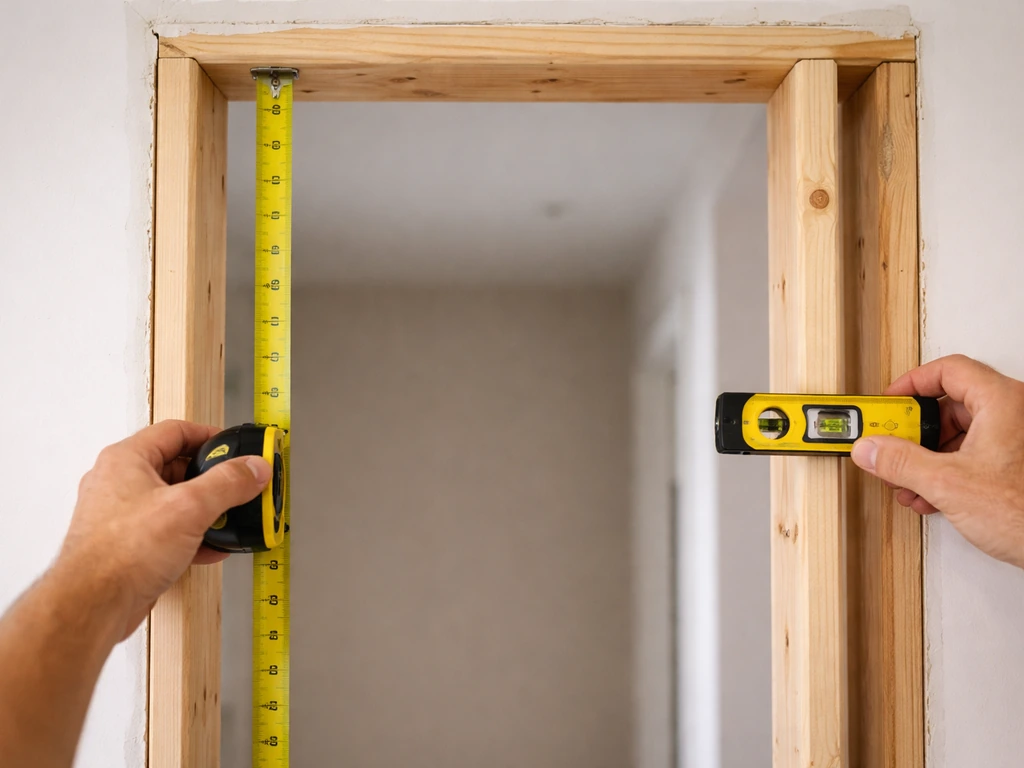
This is where most DIY replacement projects run into trouble, and it almost always comes down to confusing rough opening size with door unit size. The rough opening is the framed hole in your wall. The door unit size is the assembled frame that fits into that opening. Manufacturers typically size their door units about half an inch narrower and half an inch shorter than the rough opening to allow for shimming and leveling. So if your rough opening measures 72 inches wide by 80 inches tall, you need a door unit sized at approximately 71.5 inches by 79.5 inches, not a 72-by-80 unit.
- Measure the rough opening width at the top, middle, and bottom of the opening. Use the smallest of the three measurements.
- Measure the rough opening height on the left side, center, and right side. Use the smallest of the three.
- Subtract half an inch from each dimension to get your target door unit size (confirm this with the specific manufacturer's rough-opening chart, as tolerances vary slightly).
- Check track clearance on the interior side: you need at least 3 to 4 inches of clear wall depth on the latch side for the fixed panel, and an unobstructed pathway of at least the panel width on the sliding side so the door can open fully.
- If replacing an existing sliding door, note the existing rough opening and the existing door's nominal size (usually marked on the frame label or found in the original installation manual). Match the new unit's nominal size to the old one unless you are reframing.
- Verify threshold height compatibility if you are replacing: some replacement units require a slightly different subfloor preparation depending on the track profile height.
Standard sliding patio door sizes run in 6-foot (72-inch), 8-foot (96-inch), and 12-foot (144-inch) widths, with 80-inch height being by far the most common. If your existing door is a non-standard size, you will likely need to reframe the opening or order a custom unit, which adds cost. Custom sizing typically adds 20 to 40 percent to the door price and extends lead time by two to four weeks.
What it actually costs, from door to finished install
The door unit price is only the starting point. Here is a realistic breakdown of the total installed cost so you are not caught off guard when you get a contractor quote.
| Cost Component | Budget Range | Notes |
|---|---|---|
| Door unit (standard 6-ft vinyl, double-pane) | $400–$800 | Entry-level to mid-range; ENERGY STAR certified options available in this range |
| Door unit (8-ft or premium materials) | $900–$2,500 | Fiberglass, impact-rated, or triple-pane units |
| Professional labor (standard replacement, no reframing) | $300–$600 | Two to four hours for a straightforward swap |
| Professional labor (reframing or non-standard opening) | $600–$1,500+ | Adds carpentry, possibly permits |
| Permit (if required by local code) | $50–$250 | Many jurisdictions require a permit for exterior door replacement |
| Disposal of old door | $0–$100 | Some installers include this; some charge separately |
| Total installed (standard mid-range) | $800–$1,600 | Most common scenario for a like-for-like 6-ft replacement |
| Total installed (premium or larger door) | $1,800–$4,500+ | 8-ft fiberglass or impact-rated with reframing |
DIY vs. hiring a pro
A like-for-like replacement (same rough opening, same nominal door size) is genuinely manageable for an experienced DIYer with a helper. The panel weight alone makes this a two-person job: a standard 6-foot sliding door unit can weigh 150 to 250 pounds depending on glass type. You need to be comfortable with shimming, sealing with flashing tape, and applying exterior caulk properly, because a bad seal around the frame will cause water damage within a few seasons. If any of the following apply, hire a professional: the rough opening needs to be modified, the existing framing shows rot or water damage, you need a structural header change, or the door is on a second story.
When getting quotes, ask installers to break out the labor, the disposal fee, and whether the quote includes the permit. An all-in quote is convenient but makes it hard to compare bids. Also confirm whether the quote covers flashing and weatherstripping installation, since some contractors price that separately.
Accessories and upgrades worth adding
The door unit itself is often a better deal than the accessories list from the same manufacturer, so it pays to know which upgrades are worth the premium and which you can source separately for less.
- Retractable screen doors: far more useful than fixed screens because they do not block light or views when not in use. Phantom and Larson make quality aftermarket retractable screens that fit most door brands for $200 to $450, often less than the manufacturer's own option.
- Between-the-glass blinds: factory-installed blinds sealed inside the insulating unit are genuinely low-maintenance (no dusting, no cord hazards) and worth the $150 to $300 upgrade if you want privacy without adding window treatments.
- Secondary foot-bolt lock: a simple hardened-steel foot bolt that drops into the track costs under $20 and adds meaningful forced-entry resistance. Install one regardless of how good the primary lock is.
- Anti-lift security bar: a cut-down wooden or aluminum bar laid in the track is free or nearly free. An adjustable commercial version runs $15 to $40 and is more convenient.
- Upgraded handle and multi-point lock: if your door came with a single-point latch and you want better security, ASSA ABLOY and Milgard sell retrofit multi-point lock kits for $80 to $200 depending on the door brand.
- Door sweeps and weatherstripping upgrades: the factory weatherstripping on most doors is adequate but wears faster in high-traffic situations. Replacing it with a thicker pile weatherstrip or a foam-bulb seal costs $15 to $40 and noticeably reduces drafts.
- Threshold seals: if you notice cold air coming in at the bottom even with the latch engaged, a replacement threshold seal or an added door bottom sweep is a 15-minute fix for about $20 to $35.
Keeping your sliding door running well for years
Sliding doors fail gradually: a small amount of grit in the track, a worn roller, a slightly bent frame from settling. If you are shopping for the best sliding patio doors 2017, use the same approach: prioritize whole-unit energy ratings, track design, and roller alignment so performance holds up over time. The good news is that almost all of these issues are preventable with a simple twice-yearly maintenance routine that takes under 30 minutes.
Track and roller care
Vacuum the track first, then wipe it out with a damp cloth to remove any remaining grit. Never use oil-based lubricants like WD-40 on the track itself, because they attract dirt and create a grinding paste over time. JELD-WEN's maintenance guidance specifically recommends a dry graphite lubricant for locks and latches, and a silicone spray for the track and roller contact surfaces. Silicone does not attract dust the way petroleum-based products do. Apply it sparingly, slide the door back and forth several times to distribute it, then wipe off any excess.
Roller adjustment
If the door is dragging or you notice the top rail is not parallel to the top of the frame, the rollers need adjustment. On Andersen gliding door panels, the adjustment screw is accessible at the bottom of the panel face with the door in the open position. Turning it clockwise raises that corner of the panel, counterclockwise lowers it. Adjust one side at a time, check the reveal (the gap between the panel and the frame) at the top, and aim for an even gap across the full width. Then check that the latch aligns with the strike and engages without force. If alignment adjustment does not resolve dragging, the roller cartridge itself may need replacement, which is a straightforward part swap on most door brands.
Glass and frame cleaning
Use a non-abrasive glass cleaner or a diluted white vinegar solution on the glass. Avoid ammonia-based cleaners on tinted or coated glass, as they can degrade some low-E coatings over time. For vinyl and fiberglass frames, a mild soap solution and a soft brush is all you need. Aluminum frames can be cleaned the same way, but if the anodized finish is scratching or chalking, a light application of automotive wax after cleaning will slow further oxidation. Never use abrasive pads on any frame material.
Annual inspection checklist
- Check exterior caulk and flashing around the frame for cracks or gaps; re-caulk any openings with a silicone or polyurethane exterior caulk rated for windows and doors.
- Inspect the weatherstripping on all four sides of the panel; replace any sections that are compressed flat, torn, or missing.
- Test the threshold seal by closing the door and checking for light or airflow at the bottom.
- Clean the track and apply silicone lubricant as described above.
- Test the lock and multi-point hardware; apply graphite lubricant to the latch mechanism if it is stiff.
- Check the roller adjustment and re-level the panel if the reveal is uneven.
- Inspect the weep holes at the bottom of the outer frame (small slots that drain any water that enters the track); clear them with a toothpick or small wire if blocked.
- Clean the glass and inspect for any fogging between panes, which indicates a failed seal and requires glass unit replacement.
A door that gets this treatment twice a year (spring and fall is ideal) will operate smoothly and seal tightly for 20 years or more. Most of the sliding door problems people attribute to a bad product are really the result of skipped maintenance, and catching them early is always cheaper than replacing rollers or resealing a frame that has started to leak.
FAQ
If two doors both have NFRC certification, how do I know which one is actually better for my climate?
Start by checking the NFRC label for the specific “whole-unit” number, then compare the same door type and orientation (north-facing vs south-facing can change comfort). If one door has a much lower U-factor but also a low SHGC, it may feel draftier in winter in cold climates even if it saves energy, so use the whole-unit U-factor and SHGC together, not just one value.
Can poor installation cancel out a door’s labeled energy performance?
Yes, but not all installers know how to keep the NFRC performance intact. Verify the installer uses the manufacturer-approved insulation, shimming method, and flashing tape system, and ask them to confirm the job targets continuous air sealing around the full frame perimeter, not just caulk at the interior side.
What lubricant should I use for a sliding patio door, and what should I avoid?
Avoid oil-based lubricants in the track, they trap grit. For quiet operation, use the correct dry graphite for locks and latches, and only a light silicone application for roller and track contact points, then wipe excess so it doesn’t migrate onto the glass or weather seals.
If my rough opening is correct, why can the new sliding door still not fit smoothly?
Measure the door’s track and panel overlap only as a reference, but the deciding metric is the rough opening and the required unit size for that specific model. If your current door is non-standard or you see uneven reveals, plan for a professional assessment because small frame squareness issues can make the “right size” door still bind.
My door looks fine inside, but water shows up near the track outside. Where should I look first?
If you see water at the track during heavy rain, it is often an exterior flashing or weatherstripping gap, not the glass. Have the installer check exterior sill flashing continuity, confirm the weep path is clear, and look for gaps at the corners or the lower track area, because that is where leaks usually start.
What checks can I do to ensure the door is actually sealing, not just rated for efficiency?
For cold regions, a door can have excellent heat loss numbers but still be uncomfortable if the threshold is hard to seal or the gap at the top is uneven. Use a feel test (air movement at the edges) and confirm the panel is re-leveled so the reveal is even, then re-check the weatherstripping contact.
When roller adjustment does not fix dragging, what is the next most likely cause?
If the door is dragging even after adjustment, ask whether the roller cartridge is the correct type for the weight rating and track profile. For many brands, replacement is a part swap, but mismatched cartridges can bind or wear unevenly, so bring the model number and photo of the track for sourcing.
Do thicker or triple-pane glass doors automatically offer better break-in resistance?
Do not assume glass upgrades automatically improve security. For forced-entry resistance, look at the overall door system, including locking points, track design with an anti-lift component, and whether the rollers and frame withstand prying forces. If your priority is security, multi-point locking plus anti-lift hardware matters as much as glass thickness.
What are the common mistakes that turn a sliding door replacement into a leak or operational problem?
Standard DIY projects usually go wrong when the frame is not plumb and level, shims are missing or incorrectly placed, or flashing is incomplete. If the rough opening has rot, a second-story installation, or a header change is required, hire a pro, because structural corrections and weatherproofing sequencing are hard to DIY correctly.
What should I ask a contractor to include in the estimate for a sliding patio door?
Get line-item quotes so you can compare apples to apples, and confirm whether they include removal, hauling/disposal, permit costs, and installation of exterior flashing and weatherstripping. Also ask who is responsible for correcting alignment issues during the warranty period, since roller alignment and reveal tuning can affect long-term performance.
Which upgrades are usually worth the premium, and which can I buy separately?
Extra cost is often justified for climate durability features, not aesthetics. Consider paying for reinforced or fusion-welded vinyl corners in extreme heat, a thermal break on aluminum in cold or hot regions, and a rated roller system if you choose triple-pane glass, otherwise you can often source accessories separately.
How often should I maintain a sliding patio door, and what if I live in a dusty area?
Run a maintenance plan even with a “best” door. Twice a year is a good baseline, but increase frequency if you live near construction dust, trees, or areas with heavy pollen, because the track can collect grit faster and that is what accelerates roller wear.
What cleaning products are safest for low-E glass and different frame materials?
For cleaning, stick to diluted vinegar on glass and mild soap with a soft brush on vinyl, fiberglass, and most painted surfaces. Avoid ammonia cleaners on coated or tinted glass, and do not use abrasive pads on any frame, because coating and finishes can degrade and become harder to protect later.