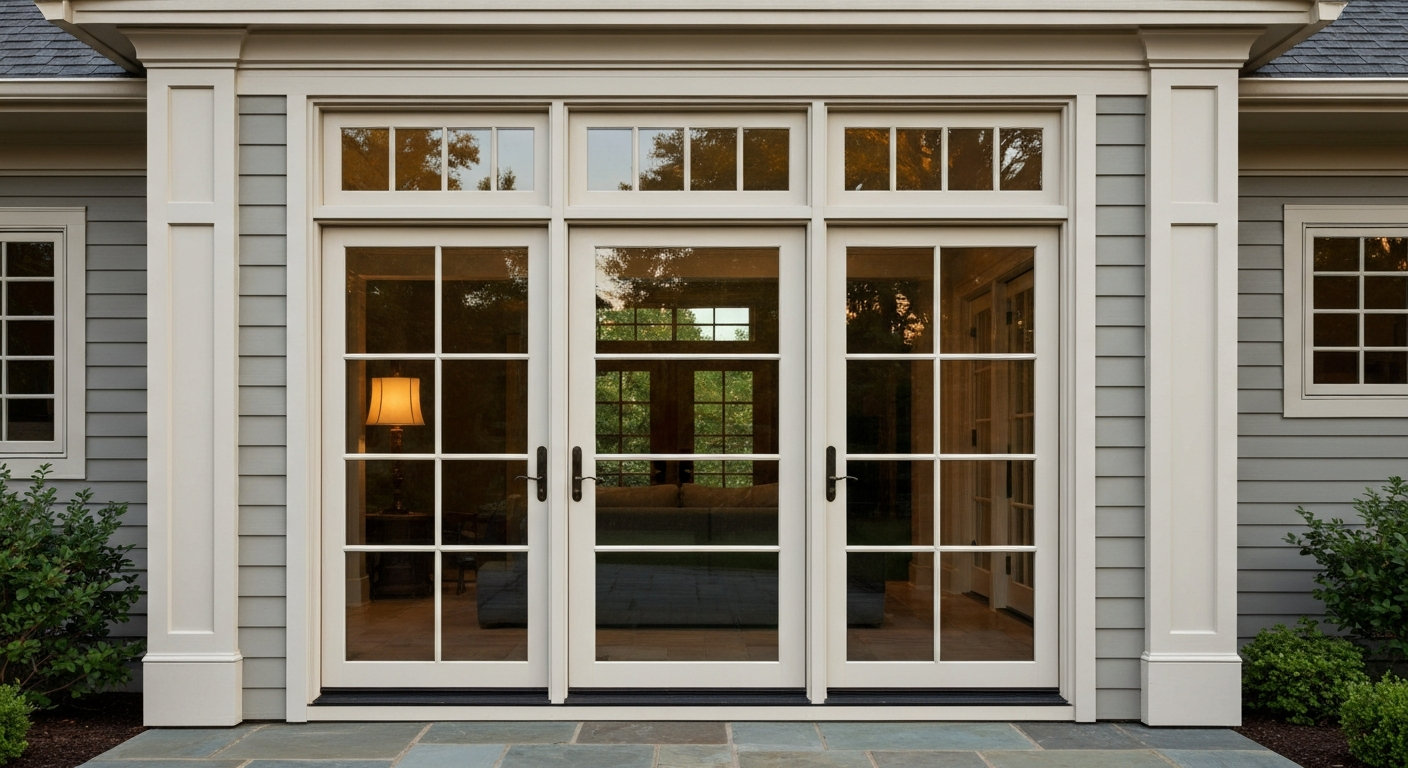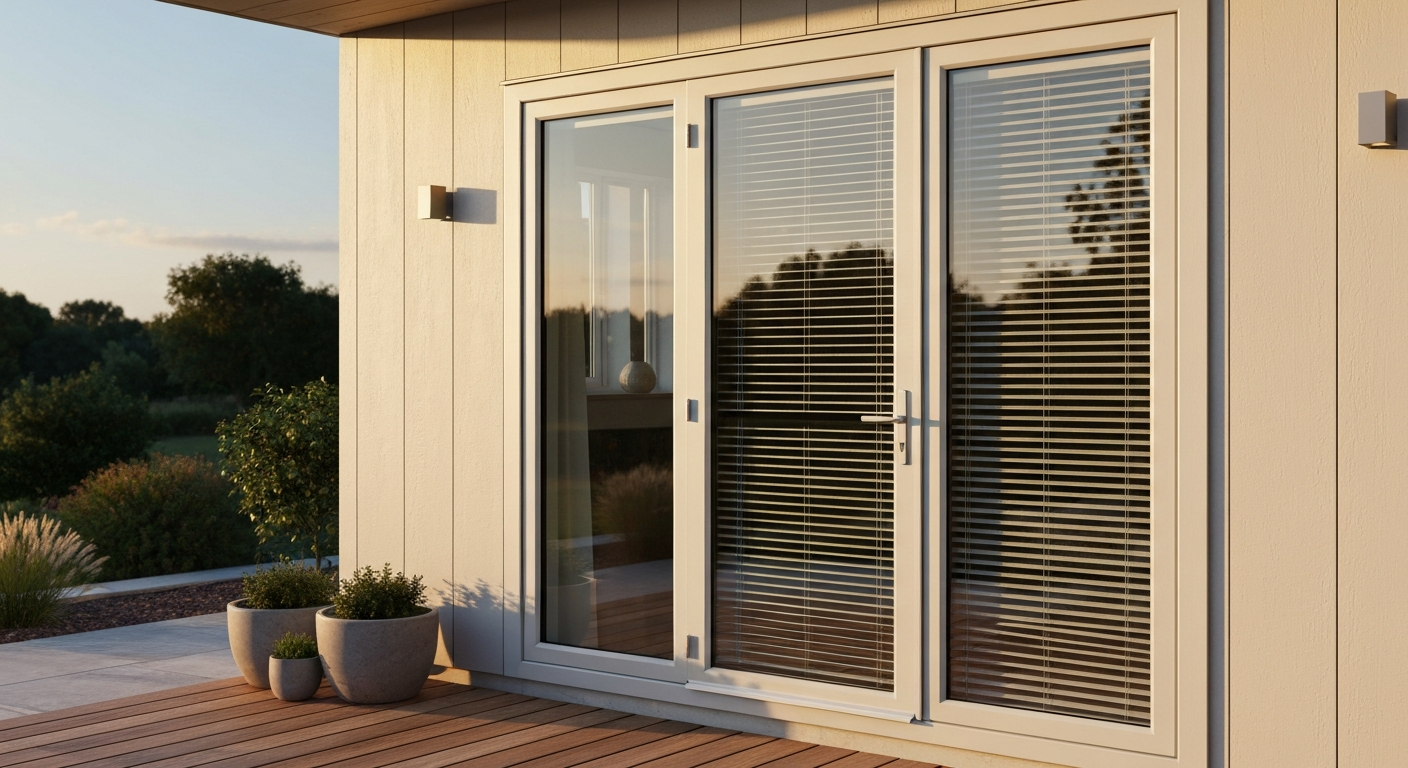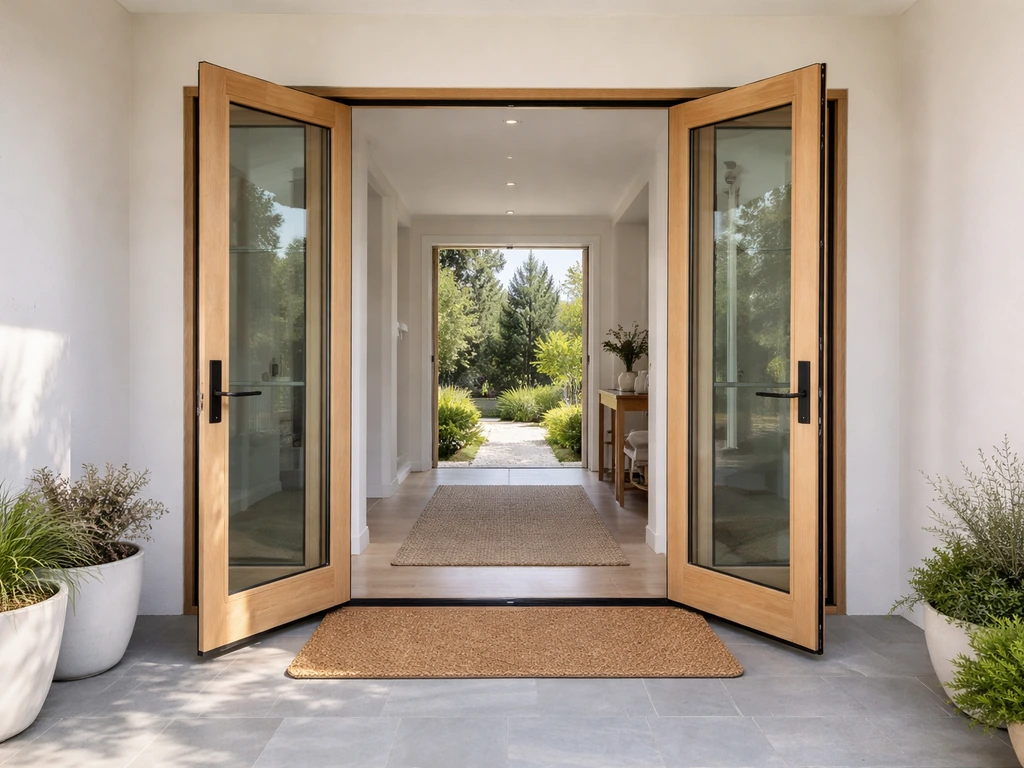
In Scotland, changing a window to a patio door almost always requires a building warrant, because you are enlarging an opening in an external wall, which almost certainly means altering structural elements like the lintel. You cannot simply swap it out and hope for the best. You need to apply to your local authority verifier before work starts, meet the technical requirements in the Scottish Building Regulations (structure, safety glazing, energy performance, fire/means of escape where relevant), and get a completion certificate signed off once the work is done. The good news is that the process is well-defined once you know what triggers it, and a competent installer working in Scotland should be familiar with all of it.
Changing Window to Patio Door Building Regulations in Scotland

Owen Delaney
1 Jul 2026
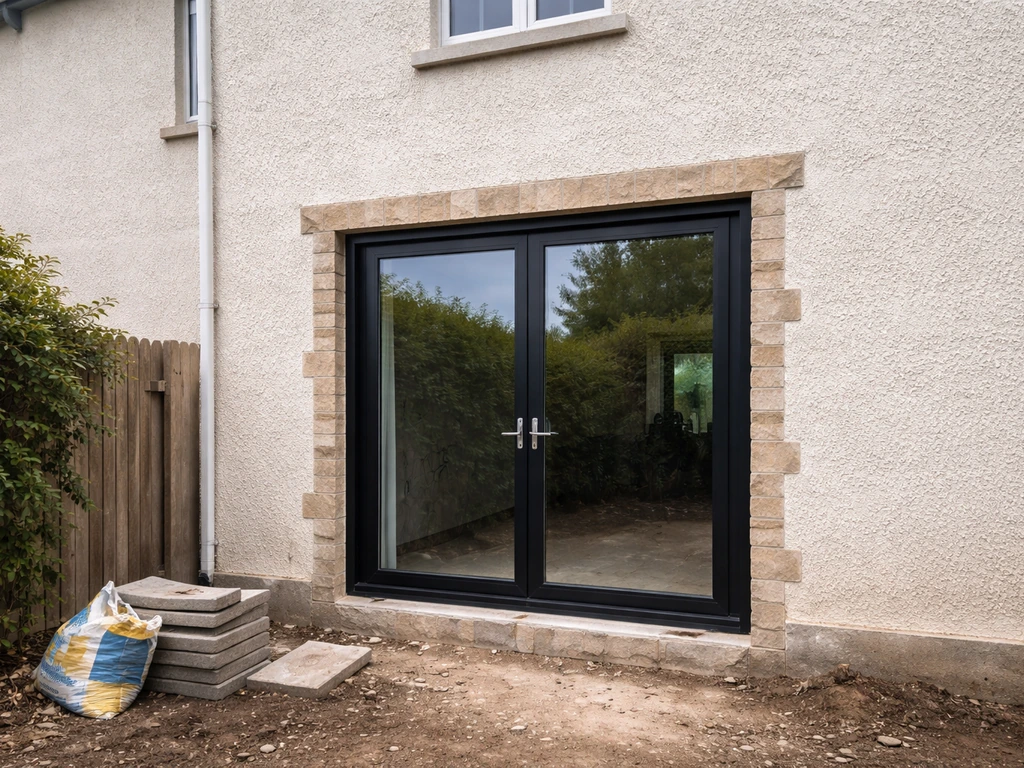
Why changing a window to a patio door triggers building regulations in Scotland
Scotland runs its own building standards system, separate from England and Wales, governed by the Building (Scotland) Regulations and supported by the Technical Handbooks (Domestic and Non-Domestic). These handbooks are what tradespeople and verifiers actually work from, and as of April 2026 there is an updated domestic handbook set in force. The regulations apply whenever you carry out 'building work' as defined, and structural alterations to external walls fall squarely within that definition.
The key distinction in Scotland is between work that is fully exempt (Schedule 1), work that does not need a warrant but must still comply with the regulations (Schedule 3), and work that requires a building warrant. Replacing a window with a larger patio door sits in the third category for one straightforward reason: you are almost certainly removing or modifying a structural lintel to create a bigger opening, and the Scottish Government's own guidance makes clear that Schedule 3 exemptions are deliberately not available for changes that could have a significant effect, such as removing or altering structural walls or elements. That means a warrant is needed.
It is worth knowing that the Technical Handbook version that applies to your project is determined by the date you submit your building warrant application, or the date work commences if no warrant is required. So if you are reading this in mid-2026, you are working under the April 2026 domestic standards. Your verifier will confirm this, but it is useful background when you are talking to installers and checking product specifications.
It is also worth being clear about legal responsibility. The Scottish Government is explicit that the owner is ultimately responsible for ensuring construction is completed in accordance with the approved warrant plans and in compliance with the Building Regulations. If your installer walks away and the work is non-compliant, that problem lands with you. If you are a council house tenant, you should also check your tenancy agreement and get written landlord permission before applying or booking any work. Keeping paperwork, insisting on inspections, and choosing an installer who understands Scottish building standards is not optional extra effort, it is self-protection.
Quick compliance check: what details you need from your current opening
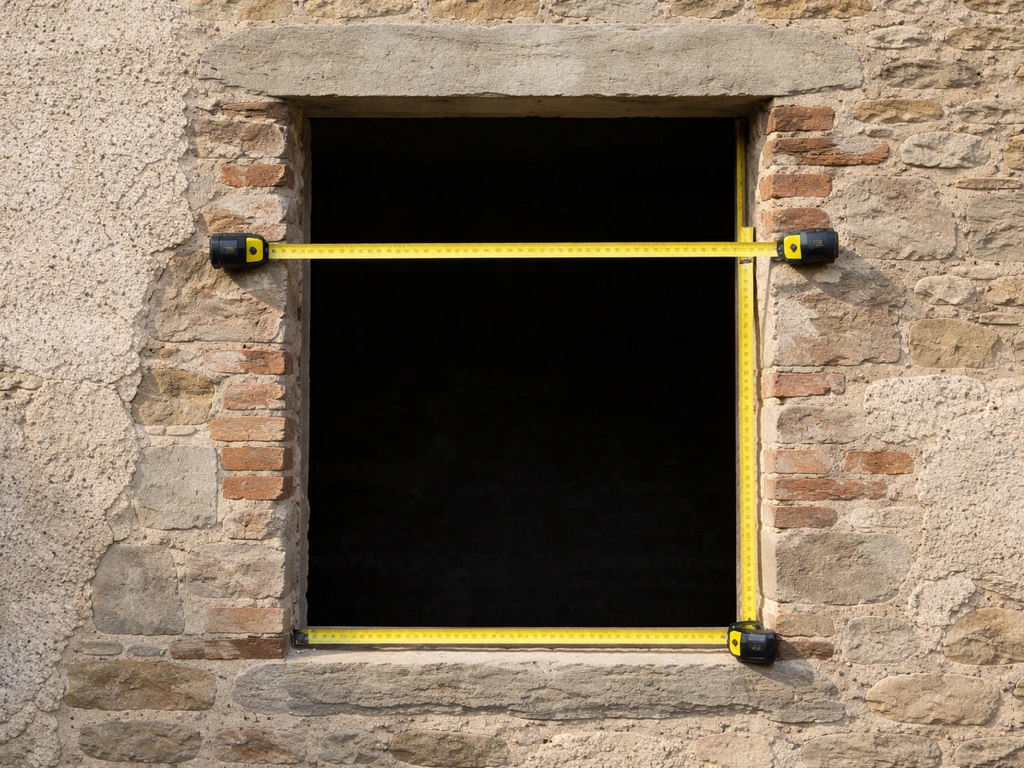
Before you contact a verifier or get quotes, gather the following information about your existing window and the wall it sits in. This is what your building control application and any structural assessment will be based on, and having it ready speeds everything up considerably.
- Existing opening dimensions: width and height of the current window opening (not the frame, the structural opening in the masonry or timber frame)
- Proposed opening dimensions: the clear opening width and height you need for your patio door, whether that is a sliding, French, or bifold unit
- Wall construction type: solid masonry, cavity masonry, or timber frame (this affects lintel design and cavity fire/thermal detailing)
- Current lintel details: what is spanning the existing window opening, its material (steel, concrete, timber, or padstone bearing), and its condition
- Floor level and threshold: whether there is a step down to outside, an existing floor slab, or a timber suspended floor, since this affects the threshold detail and means-of-escape assessment for upper floors
- Which room the opening is in: this matters for fire safety and means-of-escape requirements (a ground-floor living room is different from a first-floor bedroom)
- Whether the property is listed or in a conservation area: these add planning considerations on top of building regulations (though planning permission and building regulations are separate processes)
If you are unsure about any of the structural details, a quick pre-application conversation with a structural engineer or an experienced local installer is worthwhile before you submit anything. Some local authority verifiers in Scotland also offer pre-application advice, which is a genuinely useful service if your situation is at all unusual.
Building control: when it's likely straightforward vs when you'll need more help
Not every window-to-patio-door conversion is equally complex from a building control perspective. If you are planning a layout that includes putting a sofa in front of the patio doors, you should factor that into your space and safety considerations before the door gets installed can you put a sofa in front of patio doors. Here is a realistic breakdown of what determines how involved the process gets.
Usually straightforward
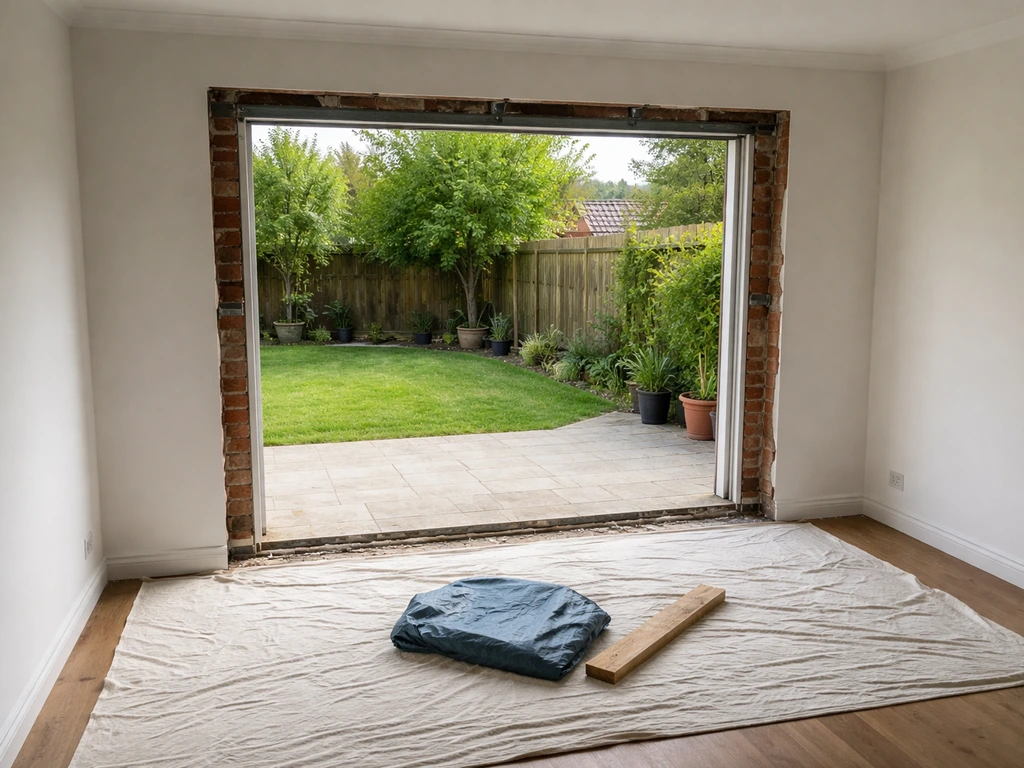
- Ground floor, cavity masonry wall, opening widened to accommodate a standard sliding or French door (typically up to around 2.4m wide)
- Wall is not load-bearing in a way that creates unusual structural complexity (e.g. not directly below a chimney stack or structural beam)
- The room is not a bedroom being used as a means of escape at upper floors
- The installer has done this many times, can provide structural calculations or a standard lintel schedule, and is familiar with Scottish building warrant submissions
When you will likely need a structural engineer
- Wider openings for bifold doors (3m, 4m, or larger), which typically require purpose-designed steel beams rather than standard lintels
- Timber frame construction, where modifying the structural panel or header requires specific engineering sign-off
- Any wall that carries significant load from above (such as a gable wall or a wall directly supporting floor joists or roof structure)
- Older properties where the existing lintel arrangement is unclear or in poor condition
The warrant application process itself
You (or your installer/agent) submit a building warrant application to the local authority verifier before work starts. The application needs to include drawings showing the existing and proposed layout, structural details (lintel specification and bearing), and confirmation that the proposed work meets the relevant standards. The verifier grants the warrant, work proceeds, and at the end you apply for a completion certificate. The verifier may inspect at agreed stages. Carrying out the work without a warrant when one is required is a criminal offence under Scottish law, so do not be tempted to skip it.
Design requirements to expect: structure, safety glass, fire, and means of escape
Structural requirements
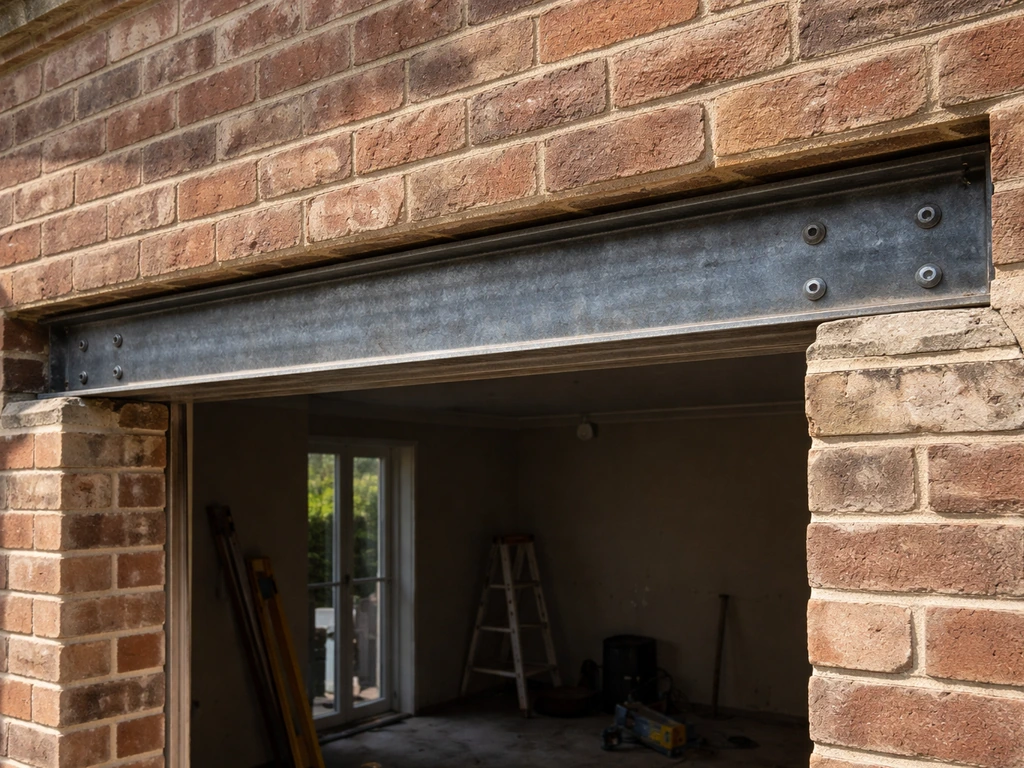
The lintel spanning the new, wider opening must be designed to carry the loads above it safely. For standard domestic openings in masonry this is often a proprietary steel cavity lintel with a known load table, and your installer or a structural engineer can size it from the opening width and the load above. The lintel must have adequate bearing on each side of the opening (typically at least 150mm into the masonry on each side, but your structural engineer will specify this). The verifier will want to see this detail in the warrant submission.
Safety glazing
All glazing in a patio door must comply with Scottish Building Regulations Standard 4.8, which covers glazing in critical locations. Patio door glazing is almost always in a critical location because it extends to low level and is subject to human impact. The glazing must be either safety glass (toughened or laminated to BS EN 12600 Class 1C or 2C minimum in most critical areas) or adequately guarded. In practice, all modern patio door products from reputable manufacturers come with appropriate safety glazing as standard, but you should ask your supplier to confirm the glazing specification meets the Scottish standard, and make sure it is noted in the paperwork.
Fire safety and means of escape
This is the one area that catches people out, particularly for conversions in older properties or where the layout is unusual. If the room is a habitable room (bedroom, living room used as a sleeping space) at first floor or above, Building Regulations Standard 2. 9 requires a means of escape in the event of fire.
A patio door at ground floor level can actually help satisfy means-of-escape requirements for ground-floor rooms, but at first floor it does not help unless there is a Juliet balcony, external staircase, or similar. The more common concern is Standard 2. 4 (cavities): when you modify the external wall opening, any cavity in the wall must be fire-stopped at the head, jambs, and sill of the new opening.
This is a construction detail your installer needs to include, and the verifier will check for it.
Energy efficiency and performance: U-values, thermal bridging, and air sealing
Energy performance is one of the most practically important parts of this project, and it is where cutting corners will cost you for years in heating bills and condensation problems. Scotland's Building Regulations Standard 6 covers energy, and the domestic Technical Handbook sets out the U-value and thermal bridging requirements you need to meet.
U-value requirements
A U-value measures how much heat passes through a building element per square metre per degree of temperature difference (W/m²K). U-values in the handbook are defined as thermal transmittance (W/m²K), with measurement approaches referencing BS EN ISO 8990:1996 and calculation approaches using BS EN ISO 6946:2007 and BRE BR 443:2006 conventions U-value measures how much heat passes through a building element per square metre per degree of temperature difference (W/m²K).
The lower the number, the better the insulation. For windows and doors in Scotland, the guidance uses a compensating U-value approach: if your patio door has a poorer U-value, the other windows and rooflights in the house need to compensate, so the average U-value across all windows, doors, and rooflights does not exceed 1. 6 W/m²K.
In practice, for a new patio door installation to be straightforwardly compliant, you want to be specifying a product with a centre-pane U-value of 1. 0 W/m²K or better (double-glazed low-e units routinely achieve this), and a whole-unit U-value of 1. 4 W/m²K or better. Triple glazing will comfortably exceed this.
Ask your supplier for the certified U-value for the specific product and size you are ordering, not just a headline figure.
Thermal bridging around the opening
This is the bit that gets less attention but matters a lot for condensation and heat loss. The Technical Handbook recommends that the U-value at any point of the external fabric should not exceed 1.2 W/m²K, specifically to minimise condensation risk at junctions. Around a patio door that means the lintel, jambs, and sill need to be detailed to avoid cold bridges. In a cavity wall, the standard approach is a cavity-closer at the reveals that provides a thermal break, and a thermally broken lintel rather than a straight steel section that bridges the cavity. Your installer should be specifying these details, and they should be shown on the warrant drawings.
Air sealing and installation quality
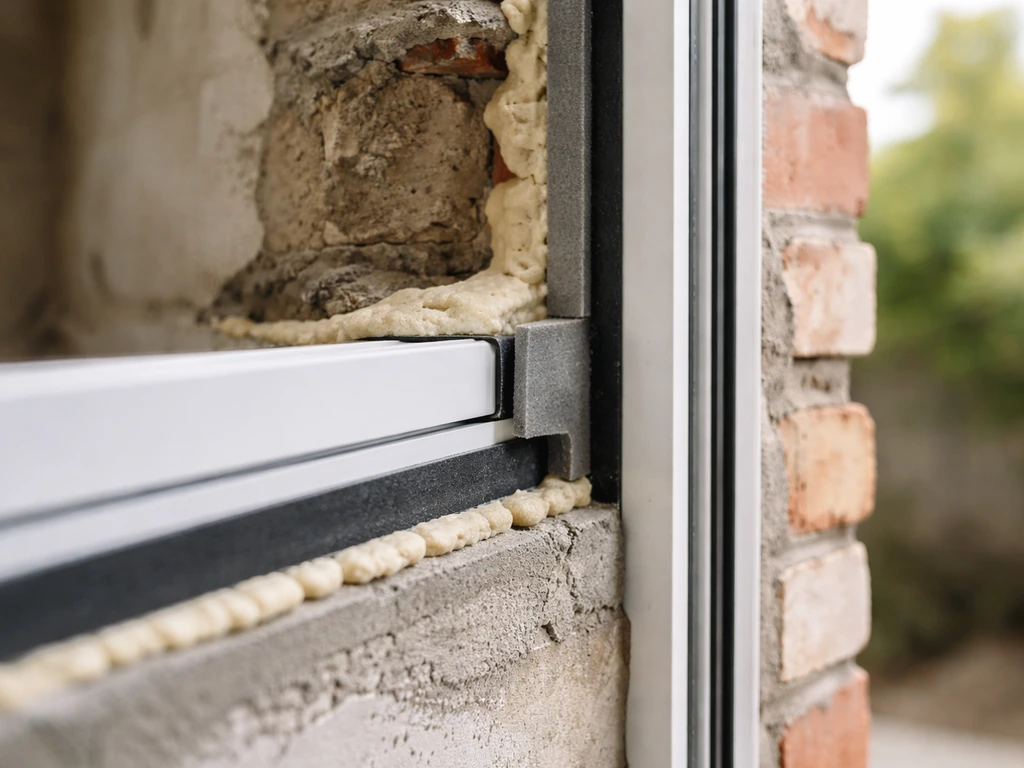
A patio door with a great U-value will still perform poorly if the frame is not properly sealed into the opening. The frame-to-wall junction needs to be insulated, draught-proofed, and weatherproofed on both the inside and outside. The standard approach is a low-expansion foam or mineral wool insulation fill in the gap between frame and masonry, a compressible weather seal or capping bead on the outside, and an airtight tape or mastic on the inside. This is not glamorous work but it is where a lot of cheap installations fall down. Check that your installer's method statement covers frame sealing explicitly.
How to get it right with installers: specs, paperwork, and inspection readiness
Choosing the right installer matters as much as choosing the right door. In Scotland, the person submitting the building warrant application can be the homeowner, the installer, or another agent, but whoever submits it is responsible for the quality of that application. A good installer working regularly in Scotland will be comfortable handling the warrant submission on your behalf, or at minimum providing you with all the technical information you need to submit it yourself.
When getting quotes and briefing installers, ask these questions directly:
- Will you handle the building warrant application, or will I need to do that separately?
- Can you provide structural calculations or a lintel schedule for the new opening, or will I need a structural engineer?
- What is the certified whole-unit U-value for the door product you are proposing, and does it meet Scottish Building Regulations Standard 6?
- What safety glazing specification does the product carry, and does it meet BS EN 12600 requirements for critical locations?
- How will you detail the cavity fire-stop at the head, jambs, and sill of the new opening?
- How will you seal and insulate the frame-to-wall junction to minimise thermal bridging?
- What documentation will you provide at completion for me to obtain the completion certificate?
Any installer who is vague or dismissive about these questions is a red flag. You are not being awkward by asking. These are the legal requirements and you, as the owner, carry the liability if they are not met. A good installer will welcome the questions because it shows you are a serious customer who will not cause problems at completion.
What documentation to keep
Keep copies of everything: the building warrant application and the granted warrant, the approved drawings, any structural engineer's calculations, product data sheets showing U-values and glazing specifications, and the final completion certificate from the verifier. These documents are important if you sell the house (solicitors routinely ask for them in Scottish property transactions) and if any dispute arises about the work later. Store them somewhere you can find them, not just on your installer's system.
Door type comparison: French, sliding, and bifold under Scottish building regs
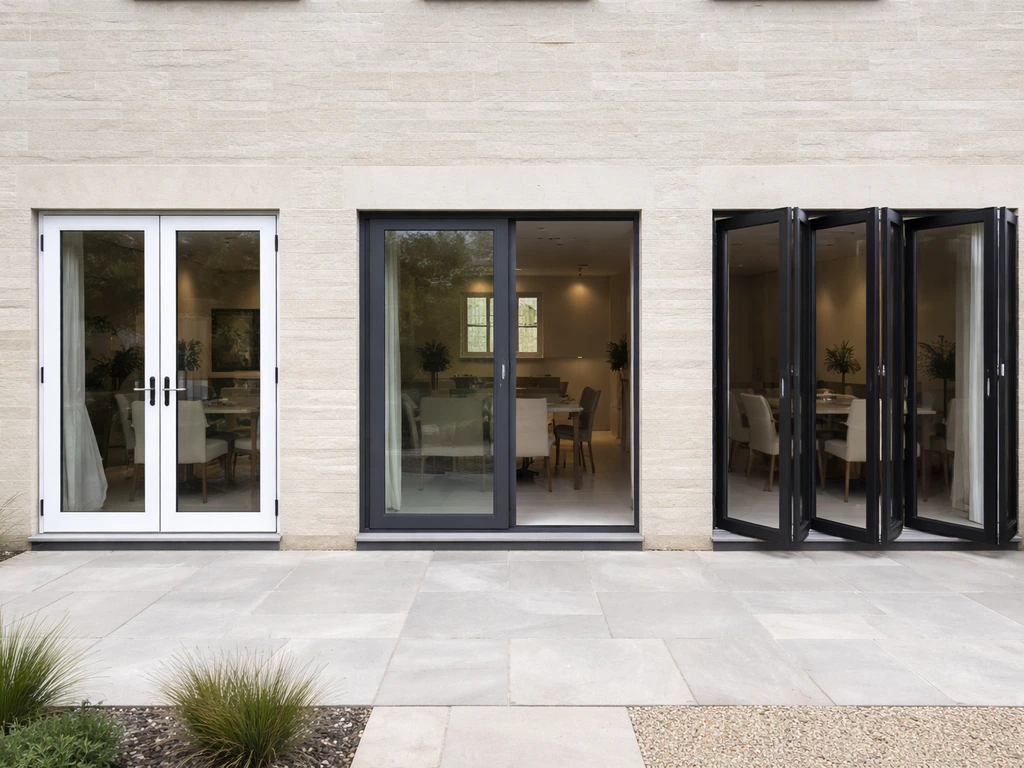
| Door type | Typical opening width | Structural complexity | U-value achievability | Warrant complexity |
|---|---|---|---|---|
| French doors | 1.2m to 1.8m | Low to medium: standard cavity lintel usually sufficient | Good: most products achieve 1.4 W/m²K or better whole-unit | Usually straightforward, standard warrant application |
| Sliding patio doors | 1.6m to 2.4m (and wider) | Medium: wider lintel span, check bearing adequacy | Good: reputable products achieve 1.2 to 1.6 W/m²K whole-unit | Straightforward to moderate depending on opening width |
| Bifold doors | 2.4m to 6m+ | High: likely needs purpose-designed steel beam, structural engineer required | Variable: more frame and sightlines can increase whole-unit U-value, specify carefully | More complex, structural engineer calculations essential for warrant |
For most homeowners replacing a single window with a patio door, French or sliding options are the least structurally demanding and the easiest to get through building control. Bifold doors over 3m wide are a different category of project and need to be treated as such from the start. If you are interested in understanding more about planning permission requirements alongside building regulations (they are separate processes), that is worth looking into as a parallel step, particularly if your property is in a conservation area or is listed. Planning permission is a separate check from building regulations, so you may need advice on planning too depending on your home and location planning permission requirements.
Practical next steps checklist for homeowners in Scotland
Here is where to start and what to do in order. This is the sequence that will get you from 'thinking about it' to 'job done with paperwork in hand'.
- Measure your existing window opening and decide on your target patio door type and approximate size
- Check your wall construction type (cavity masonry, solid masonry, or timber frame) and identify what is currently spanning the window opening
- Contact two or three installers who work regularly in Scotland and ask explicitly about building warrant experience, confirm they can handle or support the application
- If you are considering bifold doors or have any uncertainty about the structural arrangement, engage a structural engineer for a preliminary assessment before you commit to anything
- Check with your local authority planning department whether planning permission is also needed (separate from building regulations, and necessary in conservation areas, listed buildings, or where permitted development limits have been used up)
- Once you have a chosen installer and product, ensure the building warrant application is submitted and granted before any work starts on the structural opening
- Confirm the door product's certified whole-unit U-value meets the 1.6 W/m²K average threshold under Scottish Standard 6, and get this in writing from the supplier
- Make sure the installation method statement covers cavity fire-stopping, thermal bridging at reveals and lintel, and frame-to-wall air sealing
- Arrange for the verifier's inspection at the agreed stage(s) before walls are made good and any structural work is concealed
- At completion, apply for the completion certificate from the verifier and file it along with all other project documentation
The building regulations side of this project is genuinely manageable if you treat it as a required part of the project from day one rather than an afterthought. The warrant fee is a small cost relative to the job, and having everything properly signed off protects both your investment and your ability to sell the property cleanly in the future. Get the right installer, ask the right questions, and keep the paperwork. That is really all there is to it.
FAQ
Can I replace a window with a patio door without a building warrant if it is the same size opening as the current window?
In most cases, no. Even if the door is similar overall dimensions, you may still be removing or modifying the existing lintel, enlarging the structural opening, or changing the wall opening in ways that affect structure or cavity fire-stopping. If the verifier determines any structural element is altered, it will fall under warrantable work, so confirm with a pre-application discussion before booking.
What happens if the verifier says a warrant is required but I have already started demolition or installation?
Work done before the warrant is granted can trigger enforcement action and, in warrantable cases, is an offence. The practical fix is to stop further work, make a retrospective application if the authority will accept it, and expect likely requirements such as uncovering work to inspect structure and seals. Get legal and verifier guidance immediately rather than trying to “finish and hope.”
Do I need a structural engineer for every window-to-patio-door conversion in Scotland?
Not always, but you need verifiable structural calculations either through an engineer, or through an installer using a proprietary lintel system with documented load tables and bearing details. If the opening is large, the existing wall is non-standard (for example, unusual cavity construction), or you cannot confirm loads, an engineer’s calculation will usually be the safest route for a smooth warrant submission.
How do I prove the glazing complies with the Scottish Building Regulations for a patio door?
Ask the supplier for product documentation that explicitly states the safety glazing classification and the standard it meets for relevant critical locations, and make sure the specification is listed in your warrant submission. Don’t rely on a generic sales brochure, because the verifier typically needs it to be traceable to the exact door and glazing package being installed.
What cavity fire-stopping details should my installer include in the warrant drawings for a cavity wall?
Confirm they show fire-stopping at the head, jambs, and sill of the new opening, and that they specify the exact materials and method (for example, appropriate cavity closers or fire-stopping solution suitable for that wall build-up). Vague notes like “fire-stopped as required” often cause delays or requests for clarification during verification or inspection.
Is a patio door at ground floor always enough for fire escape requirements?
Not necessarily. It can help for ground-floor habitable rooms, but escape design still depends on how the room is used, whether there is an alternative exit, and the overall escape route. For first-floor rooms, a ground-level patio door usually does not count as an escape route unless there is an external stair, Juliet balcony arrangements, or similar provision. Your verifier will assess the entire means-of-escape plan.
How can I avoid thermal bridging and condensation problems around the patio door opening?
Get clear written details of the thermal break approach at the lintel and the junctions at jambs and sill, and confirm the installation includes correct cavity closers where relevant. Also confirm the installer’s frame-to-wall sealing plan includes an airtight layer inside and a weatherproofing layer outside, not just insulation in the gap.
What U-values should I ask my supplier to provide for compliance, and do they depend on the door size?
Ask for the certified centre-pane and whole-unit U-values for the exact door system and configuration you are ordering, including the glass and any frame options. U-value performance can vary with glazing spec and overall unit construction, so using a generic “typical” figure for a different size can create a mismatch with what you submit to the verifier.
Do I need to meet the 1.2 W/m²K “no worse than” limit at every point, or is that just a target?
Treat it as a design constraint rather than a target. The practical point is that junctions around the opening, such as lintel, jambs, and sill, must be detailed to avoid cold bridges that effectively raise local heat loss and increase condensation risk. Your installer should be able to explain the intended junction details, not just the door’s overall U-value.
Who is responsible if the installer’s paperwork is incomplete or the work is found non-compliant at completion?
The owner who is ultimately responsible for ensuring compliance with the approved warrant plans and Building Regulations. If the installer submits the warrant application or completion paperwork on your behalf, you should still review the granted warrant, approved drawings, and product specs to ensure what is installed matches what was approved.
Will the patio door conversion affect planning permission, or is it purely building regulations?
It is usually a separate assessment. Building warrant deals with technical compliance like structure and energy, while planning permission can be relevant depending on property type and location, such as listed buildings or conservation areas. If you are changing doorshape, proportions, or external appearance significantly, ask the planning authority or a planning adviser as a parallel check.
What documents should I request from the installer before paying the final invoice?
Request the granted building warrant (or copy), the approved drawings, the structural lintel details used, product data sheets showing the safety glazing and U-values for the exact door, and the method statement showing frame sealing and cavity fire-stopping. Then, at the end, confirm you receive the completion certificate or evidence it has been issued by the verifier.