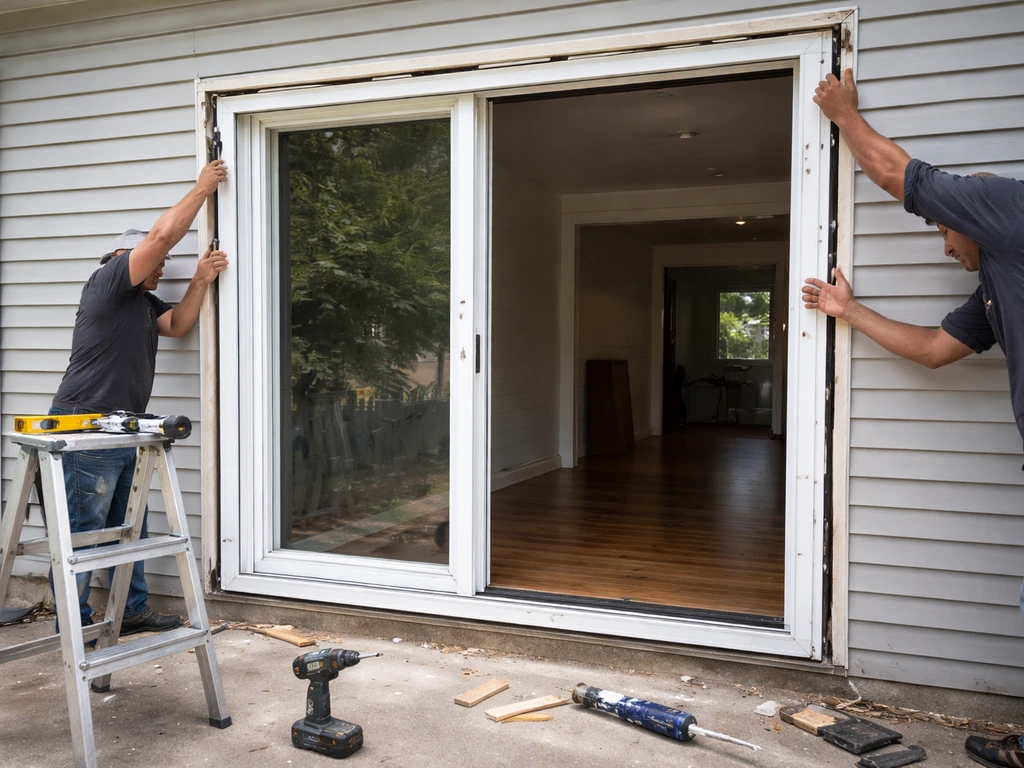
Some Ace Hardware stores do rescreen patio doors, but it is not a guaranteed national service. Ace is a cooperative of independently owned stores, so whether your local location will pull the old spline, lay new mesh, and rehang your sliding screen panel depends entirely on that owner's setup. Many stores, especially those that are part of the Westlake Ace network or larger franchise groups, list 'Screen Repair' as an in-store service on their acehardware.com store detail pages. Others function purely as retail locations and will sell you everything you need to DIY it. Your first move should always be a quick phone call to your specific store before you haul a door panel across town.
Does Ace Hardware Rescreen Patio Doors? Costs, DIY Checklist & Tips

Owen Delaney
28 Jul 2026
How Ace stores typically handle patio door screening
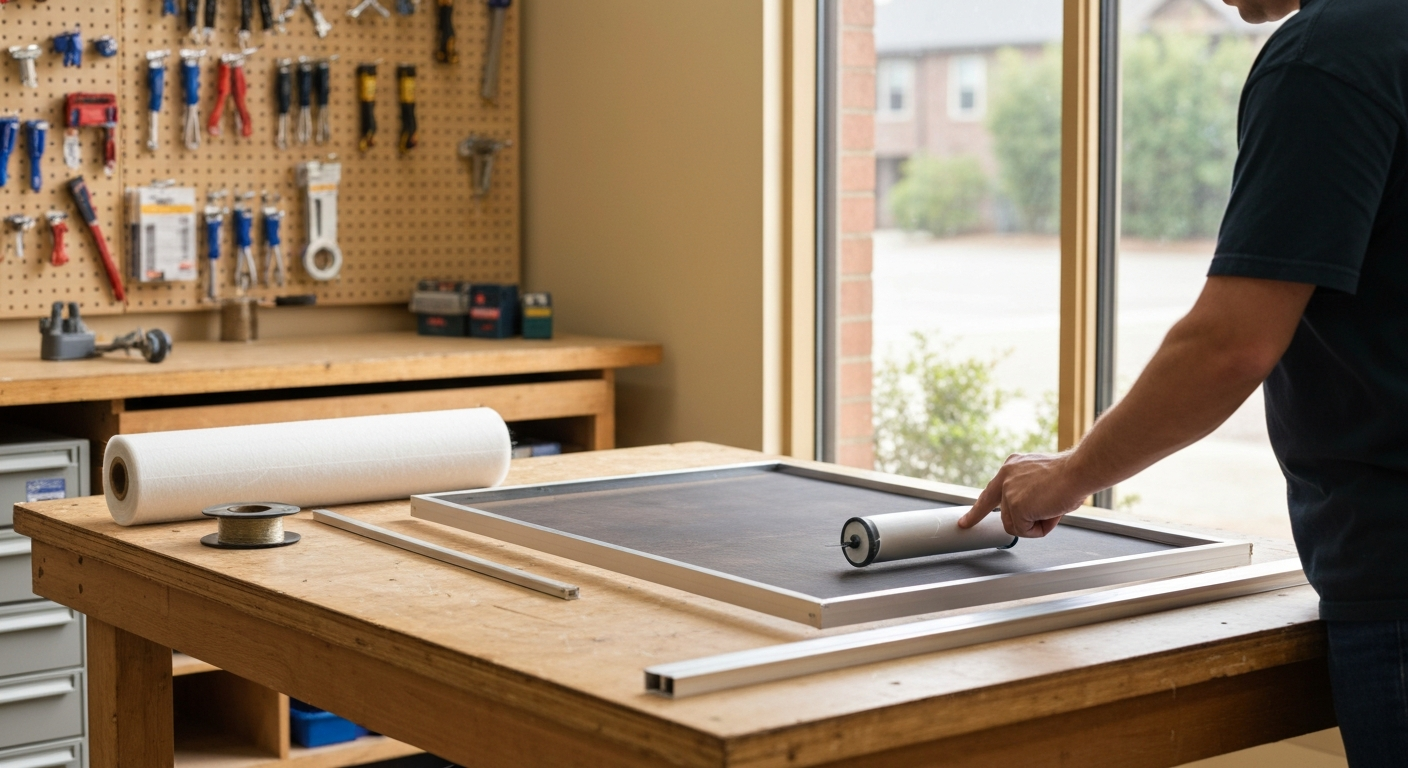
When an Ace location does offer rescreening, the service usually runs as a bench repair in the back of the store. You bring in the screen frame, a staff member pulls the old spline from the channel, stretches new mesh across the frame, presses in fresh spline with a rolling tool, and trims the overhang. This is the same process a dedicated screen shop uses, and most experienced Ace hardware staff can turn it around in anywhere from the same day to a couple of business days, depending on their backlog and the size of your panel.
What you will not typically find is Ace sending a technician to your house to remove the door panel for you. The in-store bench service assumes you can detach and transport the screen frame yourself. That said, Ace Handyman Services, which is a separate but Ace-affiliated franchise network, explicitly lists screen door repair, sliding patio door repair, and screen door installation as offered services across many of its local offices. If your nearby Ace retail store does not do bench rescreening, ask whether there is a local Ace Handyman Services office that does on-site work in your area.
Ace's corporate product catalog also backs up the screening angle heavily. The 'Window and Screen Door Repair' department on acehardware.com stocks Saint-Gobain ADFORS fiberglass mesh, Prime-Line and Ace-branded spline, screen door repair kits, and replacement screen door panels. Ace lists Saint-Gobain ADFORS Fiberglass Insect Screen Cloth on its product pages (Saint-Gobain ADFORS Fiberglass Insect Screen Cloth, Ace Hardware product page) Ace lists Saint-Gobain ADFORS Fiberglass Insect Screen Cloth on its product pages.. Even stores that do not offer a bench service are typically well-stocked for DIY rescreening, which is a perfectly viable path if you are comfortable with basic home repair.
How to confirm services at your local Ace
Do not rely on the website alone. Store detail pages on acehardware.com are updated by local owners and may lag behind current service offerings. The most reliable method is a two-minute phone call. Here is exactly what to say and what information to have ready before you dial.
What to ask
- Do you offer in-store screen panel rescreening, or just sell the materials?
- Can you rescreen a sliding patio door panel, or do you only do window screens?
- What mesh types do you work with? (fiberglass, aluminum, pet screen, solar screen)
- How long is your current turnaround for a single patio door panel?
- What does it cost to rescreen one panel, including the mesh and spline?
- Do you stock replacement spline for thicker mesh like pet screen or solar screen?
- Is there a fee to drop off and pick up the panel, or is it included in the rescreening price?
Information to have ready before you call
- The outer dimensions of your screen frame in inches (height x width)
- The door type: sliding patio door screen panel, French door screen, or hinged screen door
- The spline groove width if you know it (typically 0.125, 0.140, or 0.160 inches for most patio screens)
- The mesh type you want if you have a preference (standard fiberglass, pet screen, solar/sun screen)
- Whether the frame itself is damaged, bent, or corroded, since many stores will only rescreen frames that are structurally sound
What rescreening actually costs, from DIY to full replacement
Costs vary considerably depending on whether you DIY it, take the panel to a store bench service, hire a mobile technician, or decide the frame is too far gone and replace the door entirely. Here is a realistic breakdown based on current market data.
| Option | Typical Cost Range | Turnaround | Notes |
|---|---|---|---|
| DIY rescreening (materials only) | $7–$35 per panel | 1–2 hours | Fiberglass mesh roll + spline + roller tool; most Ace stores stock all three |
| Ace store bench service | $20–$75 per panel | Same day to 2–3 days | Price includes labor and mesh; varies by store and mesh type |
| Ace Handyman Services (on-site) | $75–$150 per panel | Scheduled appointment | On-site removal and reinstallation included; call local office for quote |
| Mobile screen service (e.g. Screenmobile) | $50–$150 per panel | Same day or next day | Technician comes to your home; convenient but availability varies by region |
| Local screen shop | $25–$80 per panel | Same day to 1 week | Often fastest bench turnaround; prices competitive with Ace bench service |
| Full sliding screen door replacement (panel only) | $40–$200 | Immediate if in stock | Prefabricated replacement panels available at Ace, Home Depot, Lowe's for standard sizes |
| Full patio door replacement (door + installation) | $800–$3,500+ | 1–3 weeks | Warranted only when frame, track, or glass is damaged; see big-box installer comparisons below |
For a single sliding patio door screen panel, the DIY route will almost always cost less than $35 in materials if you already own a spline roller. Professional rescreening from a bench service or mobile tech is worth it when the mesh type is tricky (pet screen and solar screen are tighter to work with), when you have multiple panels, or when you simply do not want to spend an afternoon on it. Full door replacement only makes sense when the frame, rollers, or glass are compromised. A damaged screen alone is never a reason to replace the whole door.
DIY rescreening: checklist and step-by-step guide
I have rescreened sliding patio door panels at least a dozen times and the process is consistent once you do it once. The only real mistakes beginners make are buying the wrong spline diameter and not keeping enough tension on the mesh while rolling in the spline. Here is the full workflow.
Tools and materials checklist
- Measuring tape
- Spline roller (double-ended: concave wheel to press spline in, convex wheel to remove old spline)
- Utility knife or scissors
- Flathead screwdriver or awl (to pry out old spline)
- Screen mesh roll (buy at least 6 inches wider and taller than your frame)
- Screen spline (match diameter to your frame's groove: 0.125 in. for narrow grooves, 0.140 in. for standard patio door frames, 0.160 in. for wider grooves; go one size smaller for pet or solar mesh)
- Masking tape or binder clips (optional, to hold mesh while you work)
- Work surface: a flat table or sawhorses at waist height
Step-by-step procedure
- Remove the screen panel from the door track. Most sliding patio door screen panels lift up and tilt out from the bottom track. Lift the panel until the top clears the upper channel, then angle the bottom out.
- Lay the panel flat on your work surface and locate the spline groove running around the inside perimeter of the frame.
- Use a flathead screwdriver or the convex end of the spline roller to pry up a corner of the old spline. Pull the spline out from the groove all the way around. The old mesh will lift out with it.
- Clean the spline groove with a dry cloth or a stiff brush. Remove any debris or dried mesh fibers. Check the frame corners for bends or separation — if the frame is damaged, a replacement panel is a better investment than new mesh.
- Measure the frame opening (inside dimension, not outside) and cut your new mesh roll to size, leaving at least 2–3 inches of overhang on every side.
- Lay the mesh over the frame so it is centered and the weave runs straight relative to the frame edges. Tape or clip one corner if needed to keep it from shifting.
- Start at one of the longer sides. Place new spline over the mesh, aligned with the groove, and use the concave wheel of the spline roller to press the spline and mesh together into the groove. Work from the center of that side outward to each corner, keeping the mesh taut as you go. Do not stretch so hard that you distort the weave, but eliminate any slack.
- Move to the opposite long side. Pull the mesh snug (not drum-tight) across the frame and roll in the spline the same way. Repeat for the two short sides.
- At corners, press the spline into the groove firmly. A slight fold in the mesh at corners is acceptable — just keep it flat against the frame.
- Trim excess mesh with a utility knife. Run the blade along the outside edge of the spline groove with one smooth pass. Angle the blade slightly toward the frame to avoid cutting into the spline itself.
- Inspect the entire perimeter. Any area where the spline has not fully seated in the groove can be pressed down again with the roller.
- Rehang the panel: tilt the top into the upper track first, then press the bottom into the lower track. Slide the door to check that the panel rolls freely and seals against the frame.
Compatibility notes: door type and screen material matter
Not every screen works equally well on every patio door, and getting the wrong combination leads to either a loose, baggy mesh or a mesh that will not seat into the spline groove at all. Here is what to know before you buy materials.
Sliding vs. hinged patio doors
Sliding patio door screen panels are typically tall, lightweight aluminum frames that run in a track. The mesh and spline requirements are standard, and most off-the-shelf materials will work fine. Hinged patio doors, including French doors with screen panels, often have heavier frames and may use a different groove width. Measure the groove on your specific frame before buying spline. The standard for most sliding patio door frames is 0.140-inch round spline, but older or custom doors can run 0.125 or 0.160 inches. Using the wrong diameter is the single most common DIY mistake.
Common screen mesh types
| Mesh Type | Material | Best For | Spline Note |
|---|---|---|---|
| Standard fiberglass | Fiberglass coated in PVC | General insect screening, most patio doors | Use standard spline diameter for your groove |
| Aluminum mesh | Woven aluminum wire | High-traffic panels, stronger than fiberglass | Use standard spline; slightly stiffer to work with |
| Pet screen | Heavy-duty vinyl-coated polyester | Homes with dogs or cats that push or claw at screens | Go one spline size smaller due to thicker mesh (Phifer's official guidance) |
| Solar / sun screen | Dense polyester weave (80–90% blockage) | Reducing glare and heat through glass patio doors | Go one spline size smaller; also reduces outward visibility |
| Retractable screen | Factory-wound cassette unit (fiberglass or polyester) | French doors and wide openings where a fixed screen is unwanted | Not a DIY rescreen — requires full cassette replacement |
| Security screen | Stainless steel mesh or powder-coated aluminum grille | Impact resistance and deterrence | Requires specialized frames and hardware; professional installation recommended |
Phifer's official spline-selection guidance is worth bookmarking if you are shopping for pet or solar screen. Because those meshes are thicker than standard fiberglass, using your existing spline size will either prevent the spline from seating properly or cause the mesh to tear at the corners. Drop down one size and the installation goes smoothly.
When to rescreen, when to repair, and when to replace the whole door
This is the question I get most often, and the answer is usually simpler than people expect. Rescreening is the right call in the vast majority of cases. Replacing the entire patio door is a significant project that runs anywhere from $800 to $3,500 or more depending on door size, material, and installer, so it should only happen when the door itself has real problems beyond a torn screen.
Rescreen when:
- The mesh is torn, sagging, or has holes but the frame is straight and undamaged
- The screen frame corners are intact and the frame rolls or hangs smoothly
- You want to upgrade to a better mesh type (pet screen, solar screen) without changing the door
- You are dealing with a single panel on an otherwise functional door system
Repair (frame or hardware) when:
- The screen frame is bent at one corner but the bend is minor and the channel is still intact
- The screen panel's rollers are worn and the door drags in the track (roller replacement kits are inexpensive)
- The door handle or latch hardware is broken but the frame and glass are fine
- A sliding door is jumping its track due to worn guides rather than a structural issue
Replace the entire patio door when:
- The main door frame is warped, corroded, or cracked, causing air or water infiltration around the glass
- The glass unit is fogged, cracked, or has failed seals that compromise energy performance
- You are upgrading from a single-pane to a double- or triple-pane unit for energy savings
- The door's security is inadequate and you want a modern multi-point locking system built into a new frame
- The rough opening size needs to change for a new door style (for example, moving from a single sliding panel to a wider bifold configuration)
If you are weighing a full door replacement, the installation costs at big-box retailers and local contractors vary enough to warrant a careful comparison before you commit. For retailer-specific pricing, see how much Lowe's charges to install a sliding patio door to get current install costs and options. For specifics on Home Depot's installation fees, see information on how much does Home Depot charge to install patio doors. If you want retailer-specific pricing, check a guide on how much are patio doors at Home Depot for typical door and installation cost ranges. For more detail on whether Menards installs patio doors, see our guide does Menards install patio doors. For install-specific details and service options at Lowe's, see our guide on does Lowe's install patio doors. Home Depot, Lowe's, and Menards all offer purchase-and-install programs with different pricing structures and service models that are worth understanding before you get a quote.
Ace vs. big-box installers vs. local pros: which option makes sense
For rescreening a patio door panel specifically, these options are not really competing head-to-head because they serve slightly different needs. Here is a straight comparison to help you decide where to take your business.
| Option | Best For | Pros | Cons |
|---|---|---|---|
| Local Ace Hardware (bench service) | Single panel drop-off rescreen; buying DIY materials | Convenient, usually fast, knowledgeable staff, carries materials in-store | Service availability varies by store; you transport the panel yourself |
| Ace Handyman Services | On-site rescreening or sliding door repair without transporting the panel | Ace-branded, insured, on-site work including removal/reinstall | Costs more than bench service; availability limited by local franchise locations |
| Home Depot / Lowe's / Menards | Full patio door purchase and professional installation; DIY materials | Wide selection, financing options, installation contractors available | Rescreening is not a standard in-store bench service at big-box stores; primarily a product sales model |
| Local screen shop | Fast professional bench rescreen, often same-day | Specialized expertise, broad mesh selection, competitive pricing | May require driving to a less-convenient location |
| Mobile screen service (e.g. Screenmobile) | On-site rescreen without transporting anything | Maximum convenience; technician comes to you | Higher per-panel cost; scheduling depends on local availability |
| Local independent contractor/installer | Full door replacement, complex repairs, security screen installation | Custom work, can handle structural and hardware issues | Overkill and cost-prohibitive for a simple rescreen |
My general advice: for a straightforward rescreen of one or two panels, start with your local Ace store. Call ahead, confirm they do bench rescreening, and ask about turnaround. If they do not offer it, a local screen shop or a mobile service like Screenmobile will get the job done quickly. If you are handy and have an afternoon free, the DIY route costs under $35 and produces a result that is genuinely indistinguishable from a professional rescreen.
Where big-box retailers like Home Depot, Lowe's, and Menards pull ahead is on full door replacement. Home Depot's product pages list Phifer spline and multiple mesh options and include installation notes and Q&A about compatibility with sliding screen doors (Phifer 0.140 in. x 100 ft. Black Screen Spline, The Home Depot) blank" rel="noopener noreferrer">Phifer 0.140 in. x 100 ft. Black Screen Spline — The Home Depot (product Q&A & specs). If your assessment in the section above points you toward a new door rather than a rescreen, those retailers have purchase-and-install programs, wider door inventories across multiple price points, and contractor networks that are difficult for a single hardware store to match. The costs and quality of those programs vary significantly between retailers, so doing a side-by-side comparison of their installation charges before committing is a smart move.
Other alternatives worth knowing about
If neither a local Ace nor any of the big-box options suit your situation, mobile screen services operate in most metro areas and many suburban markets. Companies like Screenmobile send a technician to your house with a full inventory of mesh and tools. They measure, cut, rescreen, and reinstall the panel on-site, typically within one to two hours. Pricing tends to run $50–$150 per panel depending on the mesh type and your market, which is not dramatically higher than a store bench service once you factor in not having to remove and transport the panel yourself.
Dedicated local screen shops (sometimes listed under 'window screen repair' in Google Maps) are another solid option. They tend to have faster bench turnaround than general hardware stores, carry a wider selection of specialty mesh including solar and security grades, and often have direct relationships with frame suppliers for odd-size replacement panels. If you have a non-standard frame size or a damaged frame that needs a custom rebuild, a screen shop is usually a better call than any of the retail options above.
Your next steps at a glance
- Call your local Ace Hardware store and ask specifically whether they offer bench rescreening for patio door panels (not just window screens).
- If they do, measure your frame before you go: height, width, and spline groove width. Write these down and bring them with you.
- Decide on your mesh type based on your household (standard fiberglass for most, pet screen if you have dogs or cats, solar screen if afternoon glare through the door is a problem).
- If your local Ace does not offer rescreening, check for a local screen shop, a mobile screen service, or Ace Handyman Services in your area.
- If DIYing, buy a fiberglass mesh roll, the correct spline diameter, and a spline roller (the whole kit typically costs under $35 at Ace or any big-box retailer).
- If the frame, rollers, glass, or main door structure has issues beyond the screen, get quotes for full door replacement from your preferred retailer or a local contractor before investing in a rescreen.
FAQ
Quick answer: Does Ace Hardware rescreen patio doors?
Short answer: Sometimes. Ace positions window and screen repair as a supported category and many individual Ace retail locations advertise 'screen repair' or rescreening of patio/sliding door panels; availability and the exact scope (bench rescreening, full-panel replacement, mobile service or installation) vary by store because most Ace stores are locally owned. Ace Handyman Services franchise locations also offer on-site screen-door and sliding/patio-door repairs in many markets.
How do I confirm whether my local Ace will rescreen a patio door? What should I ask?
Call or visit the store and ask: 1) "Do you provide patio/sliding screen panel rescreening or repair?" 2) "Do you rescreen in-store, on-site, or refer to Ace Handyman Services?" 3) "What screen materials and spline sizes do you stock?" 4) "Do you handle security or pet/solar screens?" 5) "What are turnaround time and price estimates?" Have this info ready: door panel dimensions (height × width), whether the panel is framed or frameless, screen type you want (fiberglass/aluminum/pet/solar/security), and photos of the frame/track and existing mesh if possible.
What information and measurements should I bring when asking for a quote or drop-off?
Bring or record: 1) Exact panel measurements (measure the screen frame, not the opening) — width and height to the nearest 1/8"; 2) Photos of the whole door/panel plus close-ups of the frame corners and track; 3) Type of existing mesh (if known) and whether you want pet/solar/security mesh; 4) Note whether rollers, hardware or frame is damaged. Having a measured panel and photos speeds quoting and prevents surprises.
What cost ranges and turnaround times should I expect for rescreening a patio door at Ace or similar shops?
Typical ranges: 1) DIY materials: $7–$150 for mesh, spline and tools for one panel depending on mesh type. 2) Local store bench or shop rescreening (per panel): often low tens to low hundreds of dollars depending on mesh (basic fiberglass vs pet/solar) and labor. 3) Mobile or professional on-site service: may be higher, especially for same-day service. Turnaround: same-day to a few days for bench work; mobile visits depend on scheduling. These ranges are consistent with consumer cost aggregators and local shop advertising; actual prices vary by store and market.
Step-by-step DIY rescreening checklist for a patio/sliding screen panel
Checklist: 1) Measure panel (width × height) and buy mesh sized 2–3" larger than the frame on all sides. 2) Tools & materials: spline roller, spline (match groove size), utility knife, flat screwdriver or spline pick, new mesh, clamps/weights, straightedge. 3) Remove panel from door and place flat on workbench. 4) Pry out old spline and lift out old mesh; clean the frame channel. 5) Lay new mesh over frame with even overhang, clamp/weight opposite edges. 6) Use spline roller to press spline into channel while tensioning mesh—start at center of one side and work to corners. 7) Trim excess mesh flush with utility knife. 8) Reinstall panel and check roll/track fit. 9) For pet/solar/solar screens, follow manufacturer spline recommendations (may need a different spline size). Follow manufacturer DIY guides (e.g., Phifer) for detailed spline selection and technique.
Compatibility notes: sliding vs hinged patio doors and common screen types
Sliding-screen panels: usually removable framed panels that are straightforward to rescreen on a bench; thicker meshes (pet/solar/solar) may need a slightly smaller spline size and more tensioning. Hinged screen doors: usually rescreened the same way but watch for stiles/edge stops and hardware. Common meshes: fiberglass (most common, flexible), aluminum (stiffer, visible sheen), pet-screen (heavier, tear-resistant), solar/sun screens (denser, reduces light/heat), and security screens (heavy-duty frames/mesh often needing specialized parts). Manufacturer guidance (Phifer) notes that thicker meshes often require using one spline size smaller than the groove and specific installation technique.