Menards does offer patio door installation help, but not in the way most people expect. Rather than sending their own crew to your house, Menards connects you with local independent installers through what they call their Installer Center. Think of it as a contractor referral directory tied to your specific store. Availability varies by location, so there's no blanket yes or no, you have to check for your area.
Does Menards Install Patio Doors? Cost and Setup Checklist

Owen Delaney
17 Jun 2026
What Menards actually offers for installation (and where it applies)

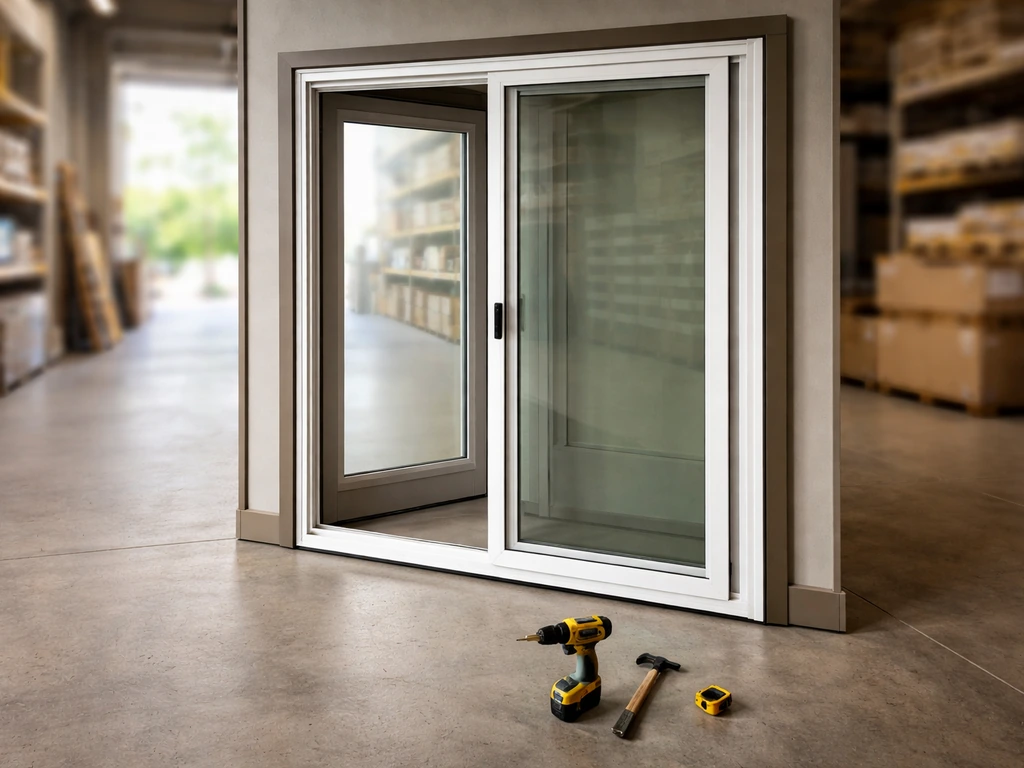
Menards' Installer Center is a matching service, not an in-house installation team. When you use it, Menards connects you with a vetted local pro who handles the physical work. The installer is an independent contractor, not a Menards employee. This matters because it means your experience, pricing, warranty coverage on labor, and scheduling will all depend on who that contractor is, not on Menards corporate policy.
Menards operates primarily in the Midwest (roughly 14 states including Illinois, Indiana, Ohio, Michigan, Wisconsin, Minnesota, and Nebraska, among others). If you're outside that footprint, Menards isn't an option at all. Even within that region, not every store location has the same contractor network built up, which is why the installation offer isn't uniform across all stores.
There's also some anecdotal evidence from homeowners who've gone through this process that stores keep printed contractor information available at department desks, so the workflow is genuinely in-store rather than something you can fully resolve online.
How to confirm installation is available at your specific store
Don't assume it's available just because it's listed as a general service. Here's how to confirm quickly:
- Go to the Menards website and pull up your specific store's Store Details page — there's a 'Services Available' section that lists what that location actually offers.
- Call the store directly and ask for the doors or millwork department. Ask whether they currently have contractors available through the Installer Center for patio door installation.
- If you're already nearby, stop in and ask at any department desk. That's actually the workflow Menards officially recommends — they'll walk you to the right resource.
- Ask the desk specifically whether they have contractors available for your door type (sliding, French, or bifold), since availability can vary by project complexity.
This whole confirmation step takes about 10 minutes and saves you the headache of ordering a door before knowing whether installation support exists. Trust me, you don't want to be sitting on a 400-pound sliding door unit in your driveway with no one to put it in.
What the installation service typically covers
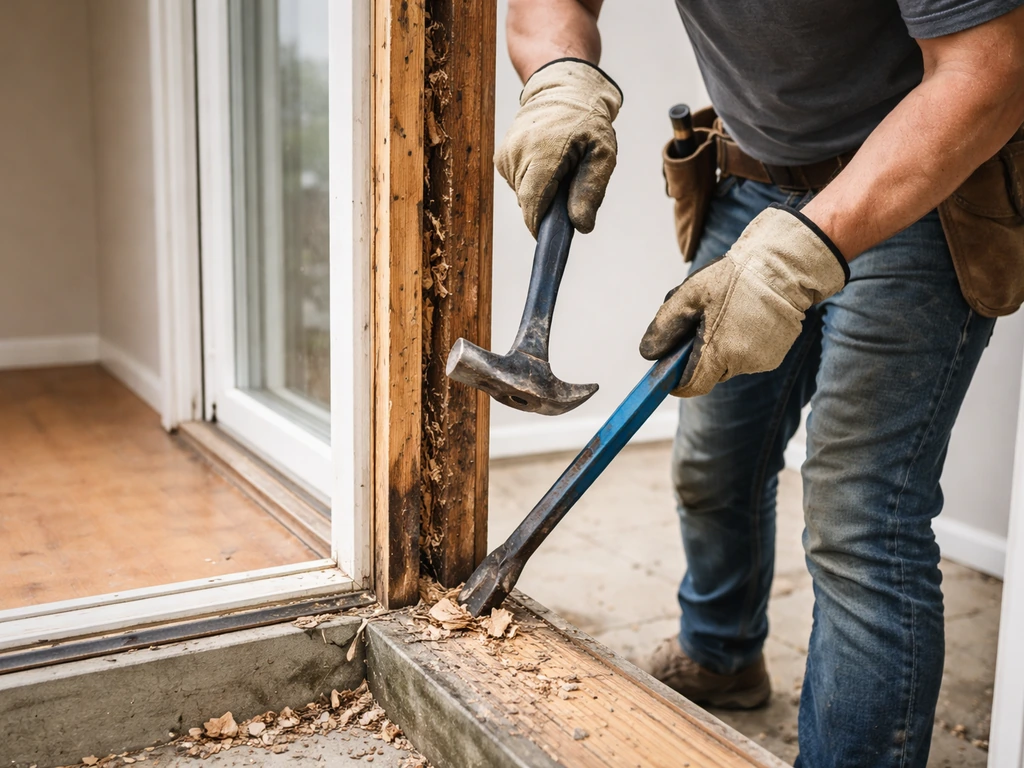
Because the installer is an independent contractor, the scope of work can differ slightly from job to job. That said, a standard patio door installation through this kind of arrangement typically includes:
- Removal of the existing door unit (check in advance whether haul-away of the old door is included or costs extra)
- Rough opening inspection and any minor framing adjustments needed to get the opening square and plumb
- Setting and shimming the new door unit
- Hardware alignment — making sure the door operates smoothly and latches correctly
- Weatherstripping and air-sealing around the frame
- Interior and exterior trim installation (sometimes quoted separately, especially if you're changing trim profiles)
- Basic caulking and weatherproofing at the exterior
What it usually doesn't include without an extra charge: significant structural modifications (like widening the opening), repairing rot or water-damaged framing, painting or staining, or installing a separate security door or screen door if yours doesn't come with one. Always get a written scope of work before the installer starts so there are no surprises.
Menards does provide installation instruction videos and guides for homeowners (useful even if you're hiring out, since you'll understand what the installer should be doing). Specific door brands sold at Menards, like JELD-WEN, also come with detailed installation instruction PDFs that cover things like rough opening prep, integral nailing fin systems, and weatherproofing steps. These documents are worth reading before your installer arrives.
What the whole project will realistically cost
The total cost breaks into two buckets: the door itself and the installation labor. Here's how those typically shake out:
| Cost Component | Typical Range | Notes |
|---|---|---|
| Sliding patio door (vinyl, standard 6 ft) | $400 – $900 | Basic builder-grade to mid-range vinyl at Menards |
| Sliding patio door (premium/insulated) | $900 – $1,800+ | Impact-rated, triple-pane, or aluminum-clad options |
| French patio door (vinyl or wood) | $700 – $2,000+ | Depends heavily on glass package and material |
| Installation labor (standard replacement) | $300 – $700 | Simple swap with no structural changes |
| Installation labor (with framing/structural work) | $700 – $1,500+ | Enlarging or repairing the rough opening adds significant cost |
| Trim and finishing (if not included) | $100 – $400 | Varies by profile and material |
| Haul-away of old door | $50 – $150 | Often not included by default — ask upfront |
Because the installer is an independent contractor sourced through the Installer Center, Menards doesn't publish a fixed installation price. The contractor will quote you based on your specific door and conditions. Get at least two quotes if possible, one from the Menards-connected contractor and one from a local installer you find independently, so you have a reference point.
One thing that catches people off guard: ordering the wrong door and dealing with restocking fees can add real cost to a project. Menards has a restocking fee policy that applies to special orders, so it pays to get your measurements right before you buy. After you buy your patio door, restocking and door return policies can affect how you handle the wrong fit or missing parts restocking and return policies. More on that in the next section.
If you want to compare how this stacks up against other big-box options, Home Depot and Lowe's operate similar contractor-referral models for patio door installation, each with their own pricing structures and regional availability.
Picking the right door before you call anyone
This is where a lot of homeowners trip up. They call about installation before settling on the right door type, and then either order the wrong thing or get a quote based on a door that doesn't fit their situation. Here's a quick breakdown of the main choices at Menards:
Sliding vs. French vs. bifold: which one fits your space
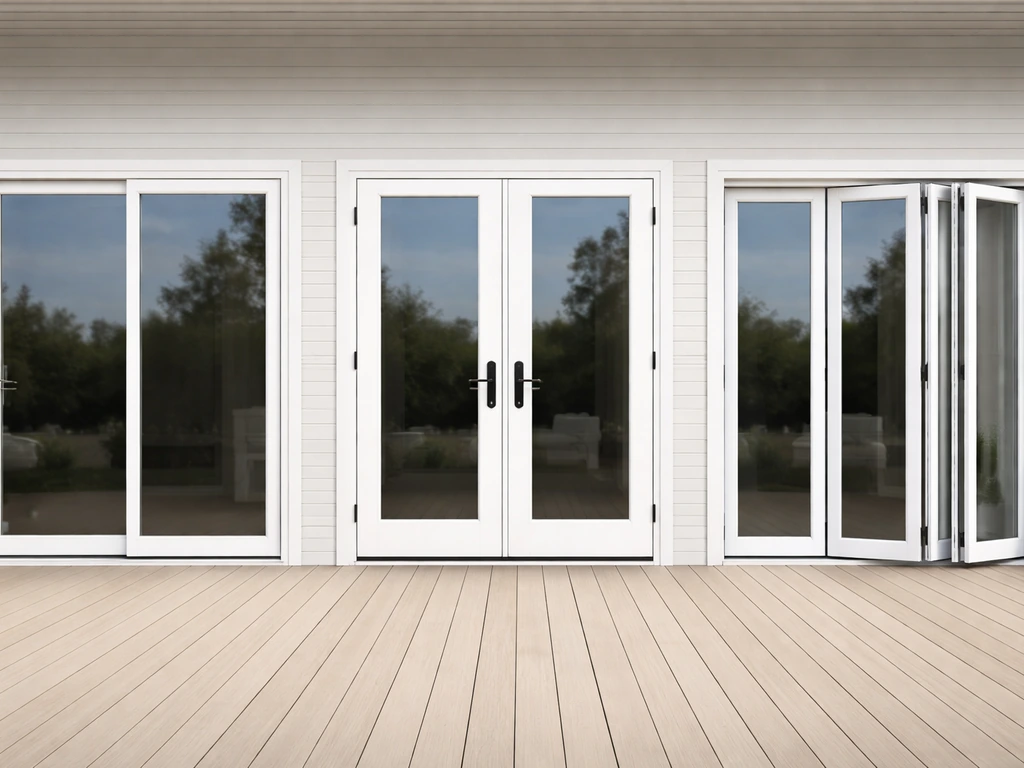
| Door Style | Best For | Space Requirement | Cost Level |
|---|---|---|---|
| Sliding | Decks, patios with limited side clearance | No swing clearance needed | Lowest |
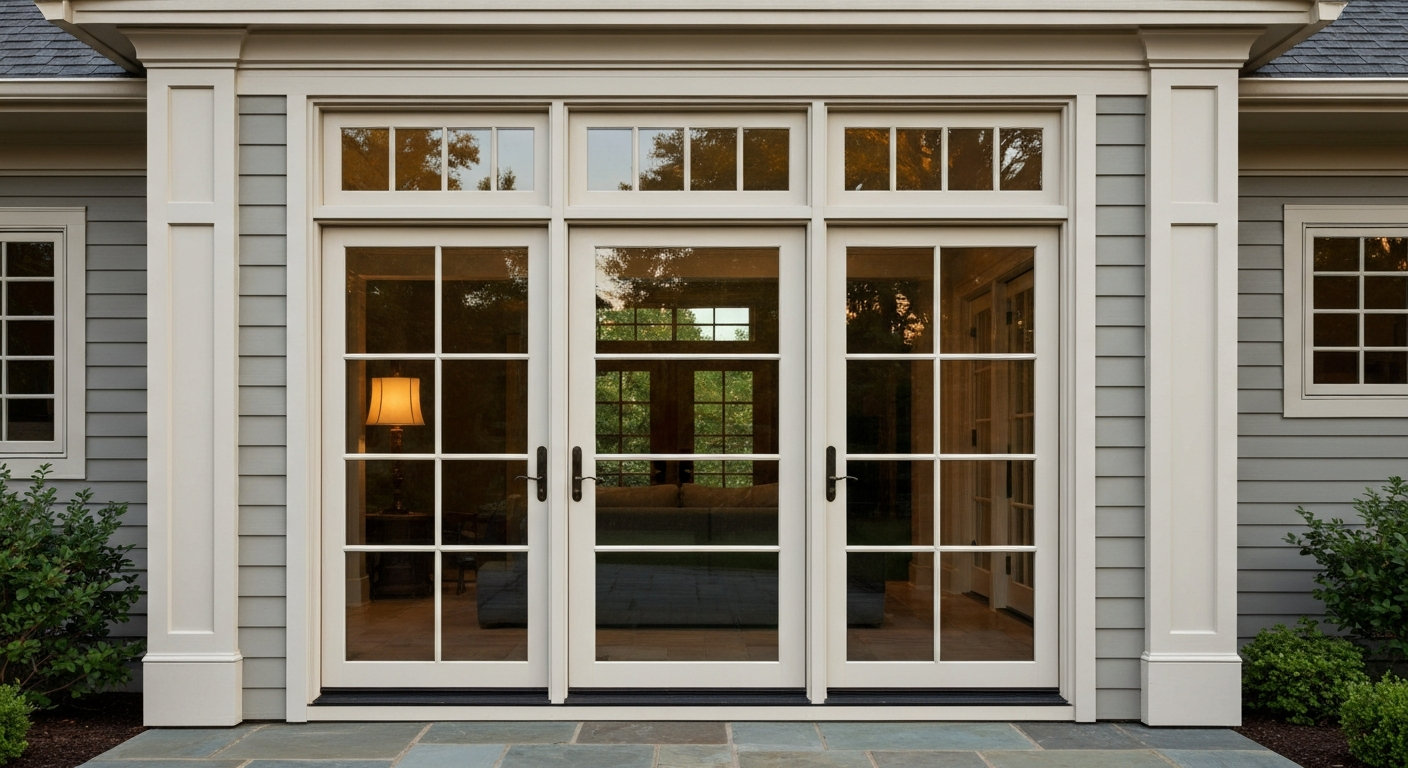
| French (hinged) | Wider openings, traditional look, strong ventilation | Needs swing clearance (typically 3–4 ft per panel) | Mid to high |
| Bifold | Very wide openings, indoor-outdoor flow | Folds to the side, minimal clearance | Highest |
Menards stocks sliding and hinged (French-style) patio doors in both steel and aluminum/wood options. Bifold availability is more limited and worth confirming with your local store.
Material: vinyl, wood, or aluminum
- Vinyl: Best value for most homeowners. Low maintenance, good insulation, won't rot or corrode. Most of Menards' volume is here.
- Wood: Better aesthetics, paintable/stainable, but requires more maintenance and is more susceptible to moisture damage — not ideal in high-humidity climates without proper finishing.
- Aluminum/steel: Durable and slim-framed, but conducts cold more readily than vinyl. Often used in commercial settings or contemporary home styles.
Rough opening: measure this before anything else
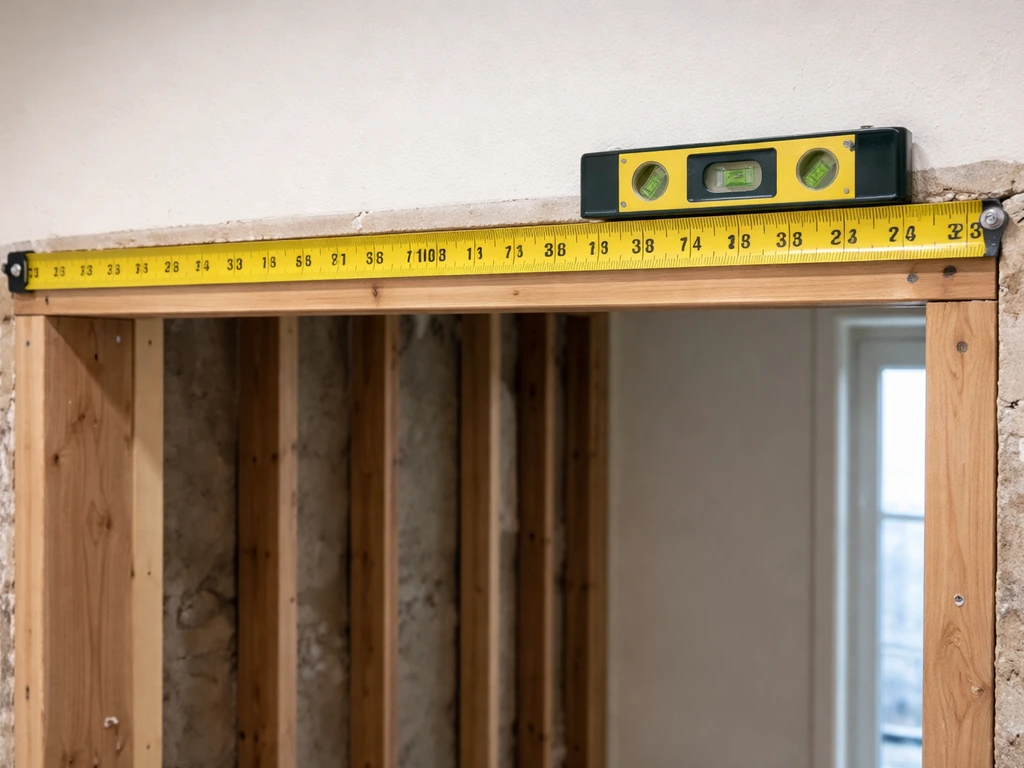
The rough opening is the framed structural void in your wall where the door sits. Menards product pages list the required rough opening dimensions for every door they sell, that's your starting point. The rough opening needs to be the right width and height for your specific door unit, with a little clearance for shimming (typically about 1/2 inch on each side and at the top). Measure your existing rough opening width and height before you browse, because a door that's even an inch too wide means either reframing the opening or returning the door. Getting this wrong is one of the most common and expensive mistakes in door replacement.
Scheduling and what to have ready before the installer shows up
Once you've confirmed an installer through the Menards Installer Center and purchased your door, timeline expectations are roughly as follows: allow 1–3 weeks for the door to be available (especially for special-order sizes), then scheduling the installer often adds another 1–2 weeks depending on their calendar. Total lead time from purchase to installation is typically 2–5 weeks, though it can be faster for in-stock standard sizes.
To make the install day go smoothly, have these things ready:
- Clear the area on both sides of the door — remove furniture, rugs, and anything breakable within a few feet of the opening
- Have your rough opening dimensions written down and confirm them against the door's spec sheet one more time before installation day
- Know where your home's water and electrical shutoffs are (unlikely to need them, but worth knowing if the crew runs into a surprise)
- Have the installation instructions PDF from the door manufacturer available — either printed or on your phone
- Confirm with the installer in advance whether they're handling trim and caulking, or whether that's a separate step you need to coordinate
- Make sure the door unit is stored flat and protected from moisture before install day if there's any gap between delivery and installation
A standard patio door replacement (same-size opening, no structural changes) typically takes 3–6 hours for an experienced crew. Lowe's installation pricing for a sliding patio door can vary based on factors like your opening size and whether any structural work is needed patio door replacement. If there's framing work or rot remediation involved, plan for a full day or potentially a return visit.
What to do if Menards can't install in your area
If your local store doesn't have a contractor through the Installer Center, or if Menards simply doesn't operate in your region, you have solid options. If Menards can't install in your area, you may want to compare with other retailers too, like asking does lowes install patio doors.
Hiring a local installer independently
Many independent contractors and window/door specialty companies will install doors you purchase from any retailer, including Menards, Home Depot, or Lowe's. If you specifically want Home Depot pricing for patio doors, it helps to compare model and installation options so you understand the total cost. When vetting a local installer, ask these questions:
- Are you licensed and insured for door and window installation in this state?
- Do you offer a labor warranty, and if so, for how long?
- What exactly is included in your quote — framing, trim, haul-away?
- Have you installed this specific door brand or type before?
- Do you handle any permits required by my municipality for a door replacement?
You can find vetted local installers through Angi, HomeAdvisor, Houzz, or by asking your neighbors and local Facebook community groups. For a straightforward replacement, getting 2–3 quotes is usually enough to get a fair price.
When DIY is actually reasonable
If you're replacing a patio door in the same rough opening size with no structural changes, and you're comfortable with basic carpentry and have a helper, this is one of the more approachable DIY projects. The door manufacturer's installation instructions (like those from JELD-WEN, which Menards carries) are genuinely detailed and walk you through every step including rough opening prep, shimming, leveling, flashing, and weatherproofing. Menards also publishes how-to installation videos for patio doors that are worth watching before you start.
Where DIY gets risky: if your rough opening needs reframing, if there's any load-bearing wall involved, if there's existing water damage or rot, or if you're installing a large multi-panel unit that requires precise alignment. In those cases, the cost of a mistake easily exceeds what you'd pay a pro. Be honest with yourself about your skill level before you commit.
Bottom line: start by checking your local Menards store's blank" rel="noopener noreferrer">Services page and making one quick phone call to the millwork department. Menards’ store detail pages include blank" rel="noopener noreferrer">a “Services Available” section you can use to check which services are offered at your specific location. That 10-minute step tells you whether Menards installation is even on the table for you, and from there you can build your plan around the door type, budget, and timeline that actually makes sense for your home.
FAQ
Can I schedule installation through Menards if my patio door is already purchased elsewhere?
Usually no for the Installer Center booking. The referral match is typically tied to the Menards purchase and your store location. If you bought elsewhere, ask the millwork desk whether they can still connect you to the same contractor network, or plan to hire a local installer who will work with customer-supplied doors.
Does Menards install patio doors in-home only, or will the installer help with delivery and placement too?
The installer generally handles placement and installation at your home, but delivery coordination can vary by contractor and door size. Confirm in writing who is responsible for bringing the door from the warehouse to the site (especially for large sliders), and whether they bring equipment for heavy lifts and threshold positioning.
Who provides the warranty if something goes wrong after the patio door is installed?
Because the installer is independent, the warranty coverage can split between the door manufacturer and the installer for labor. Before installation, ask the contractor what they warrant (for example, leaks at weatherproofing, hardware function) and how long labor coverage lasts, then keep that agreement in writing.
Do I need to buy extra flashing, shims, or weatherproofing materials from Menards, or does the installer bring them?
That depends on the contractor’s scope. Some installations include standard sealant and flashing components, others require you to purchase specific accessories for your door type and rough opening. Ask for an itemized scope that lists what materials the installer will supply versus what you must provide.
What if my rough opening is not the exact size listed on the Menards product page?
You typically have two options: choose a door model that matches your current rough opening, or reframe the opening to the required dimensions. Even a small mismatch (like width being off by about an inch) can force costly framing or returns. Confirm the required rough opening before ordering, and measure at multiple points because older openings can be out of square.
How do I confirm whether the installer will handle issues like old rot, water damage, or mold?
Don’t rely on a verbal assurance. Ask how they assess damage at the start, what triggers an extra charge, and whether they will recommend repair or stop work if rot is extensive. For safety, clarify whether they will document conditions (photos) and provide an add-on quote before proceeding.
Does the Installer Center guarantee the same contractor from quote to installation?
No, not usually. You may be matched to a contractor who then schedules your job, but contractor availability can change. Ask whether your quote is locked to a specific business name and license, and whether you will be notified if the installer changes.
Are there special requirements for apartment buildings or HOA rules?
Yes, and they can affect scheduling and permitted work. Ask the contractor whether they can provide proof of insurance, follow building rules for debris and off-hours work, and meet any HOA requirements for door colors or modifications. Having this clarified early prevents delays on install day.
What’s the best way to avoid the most common scheduling problem, the installer waiting on the door delivery?
Coordinate in advance. Confirm the door delivery date to your store or curbside location, ask the contractor when they need the door on site, and verify whether your install is scheduled for after delivery is complete. If your door is special order, build buffer time into your plan for delays.
Should I get an independent quote, and what should I ask it to include?
Yes, especially if you suspect anything beyond a same-size replacement. Ask the independent installer to quote labor separately from door supply, and have them include structural checks, weatherproofing scope, hauling and disposal, and any contingency for minor rotted wood or framing adjustments.
What counts as “structural changes,” and how do I know if my project triggers them?
Structural changes usually include widening or height changes to the framed opening, working in load-bearing areas, or major reframing. Before you buy, ask the Menards-connected contractor or a local installer to confirm whether your opening likely needs reframing based on the existing wall and sill condition.