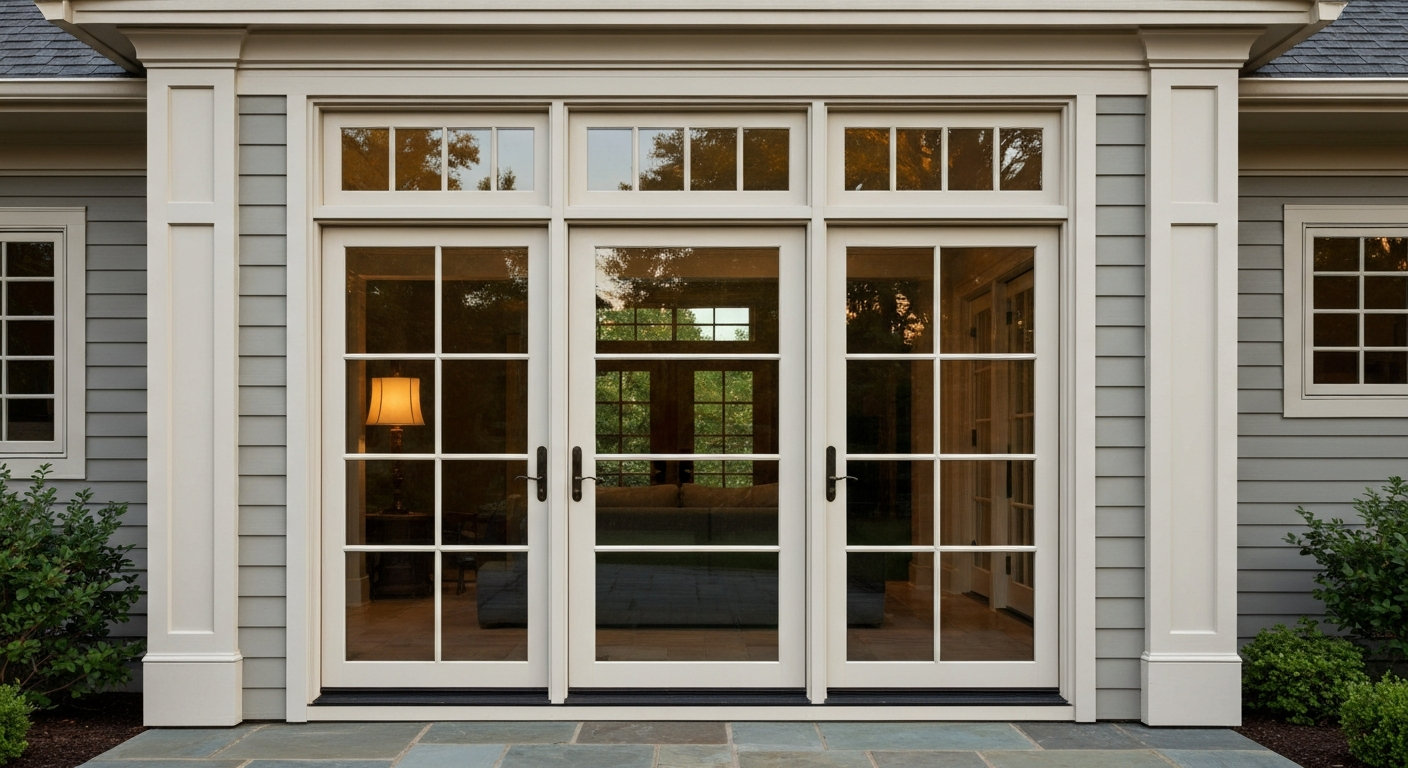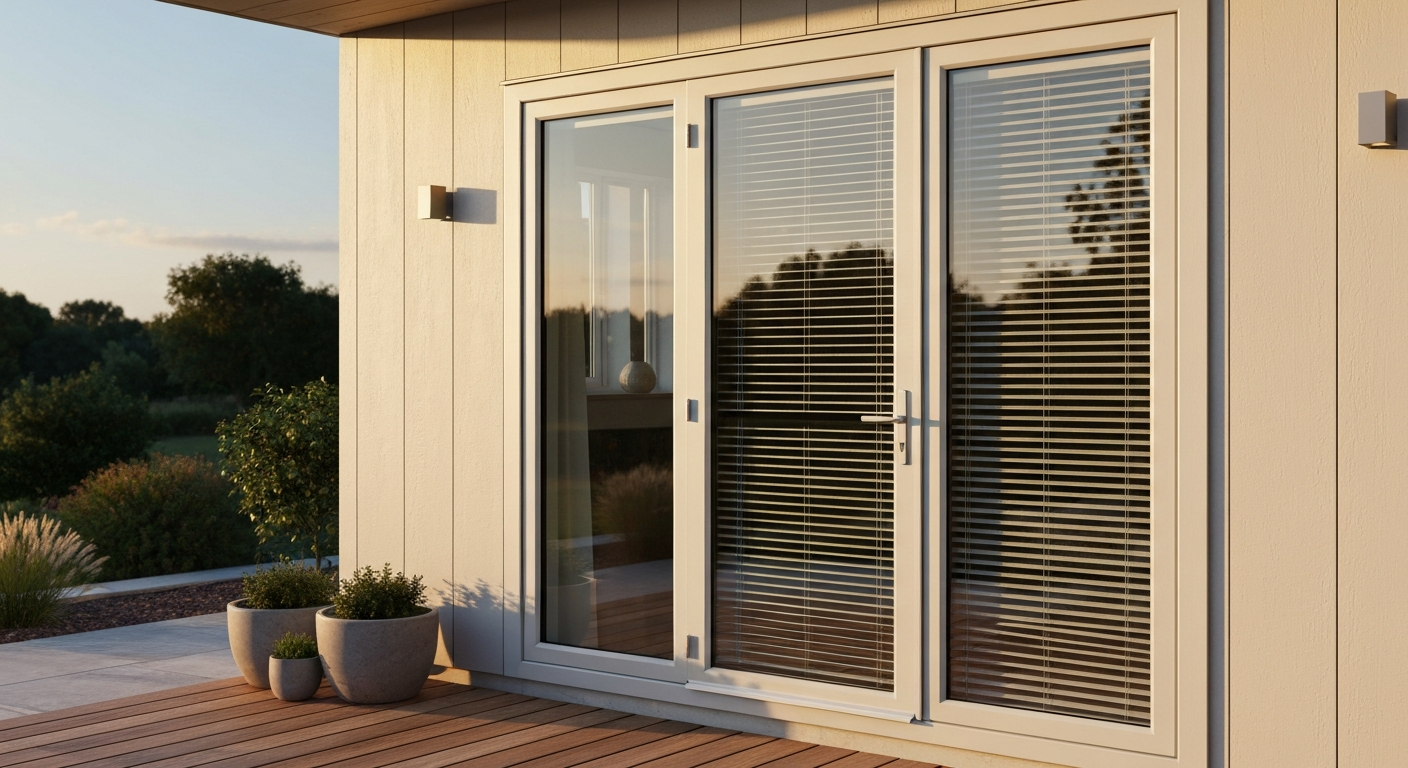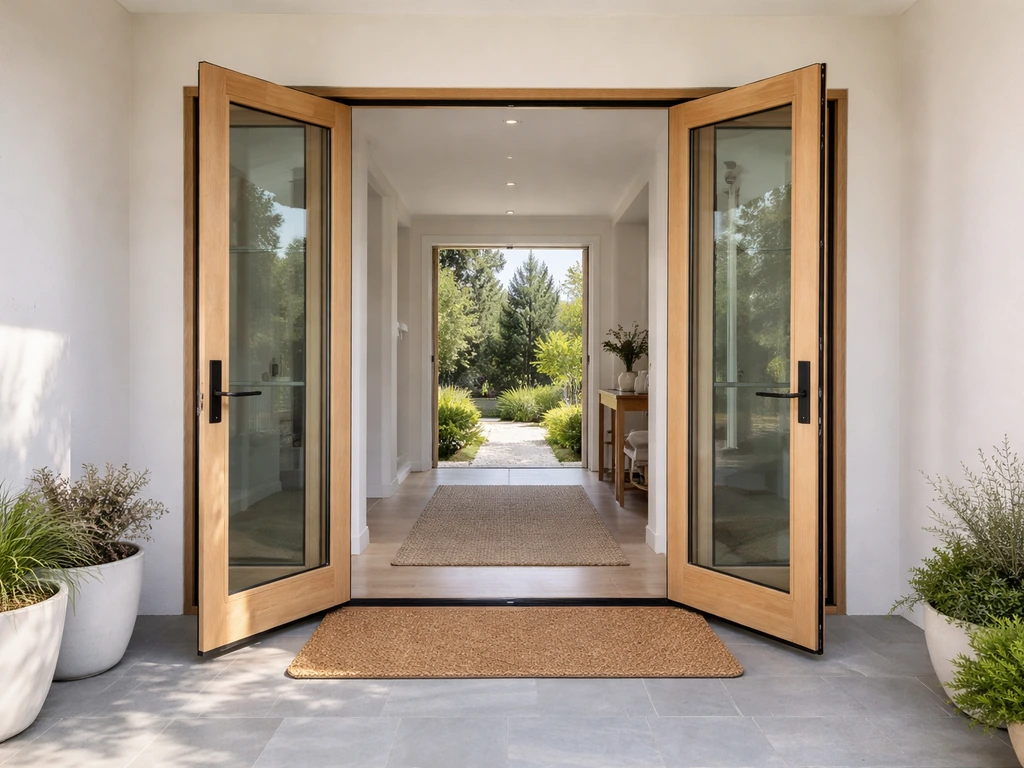
Yes, Home Depot installs patio doors, including sliding patio doors, French doors, and other styles. They use local, licensed, and insured contractors who go through background screening, and the whole thing is managed through Home Depot's in-home installation program. That said, availability depends on your location, the specific door type, and whether you're doing a straightforward replacement or cutting a new opening. So while the answer is generally yes, there are conditions worth knowing before you pick up the phone.
Does Home Depot Install Patio Doors Sliding and More?

Owen Delaney
24 May 2026
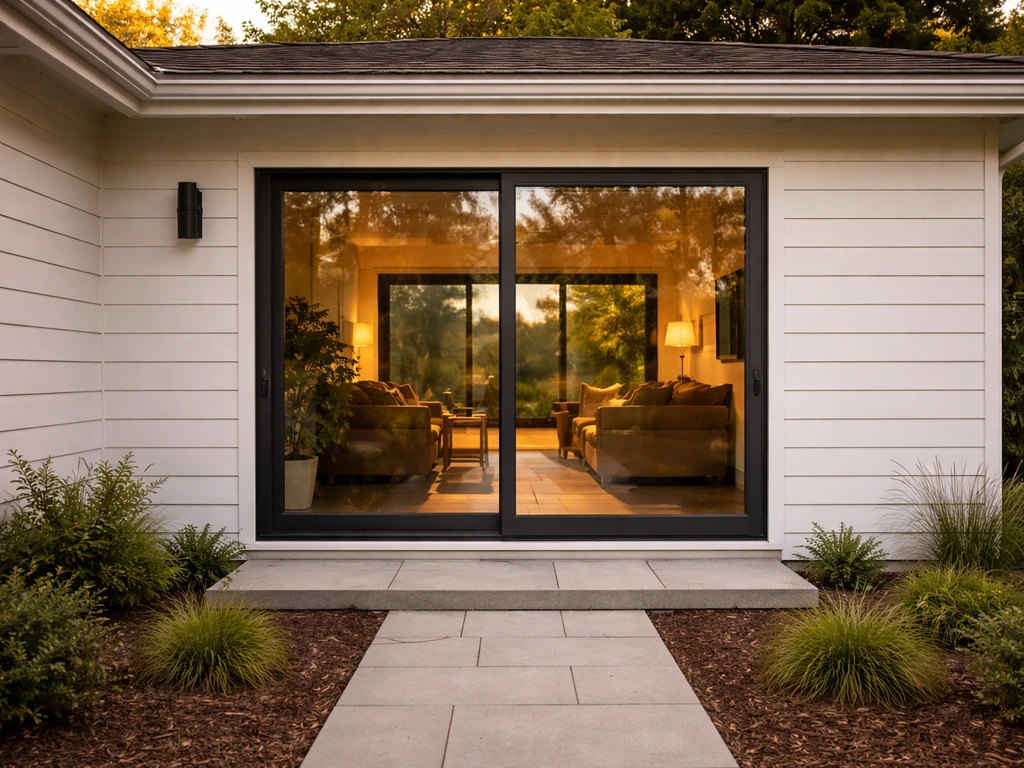
What Home Depot's Installation Service Actually Covers
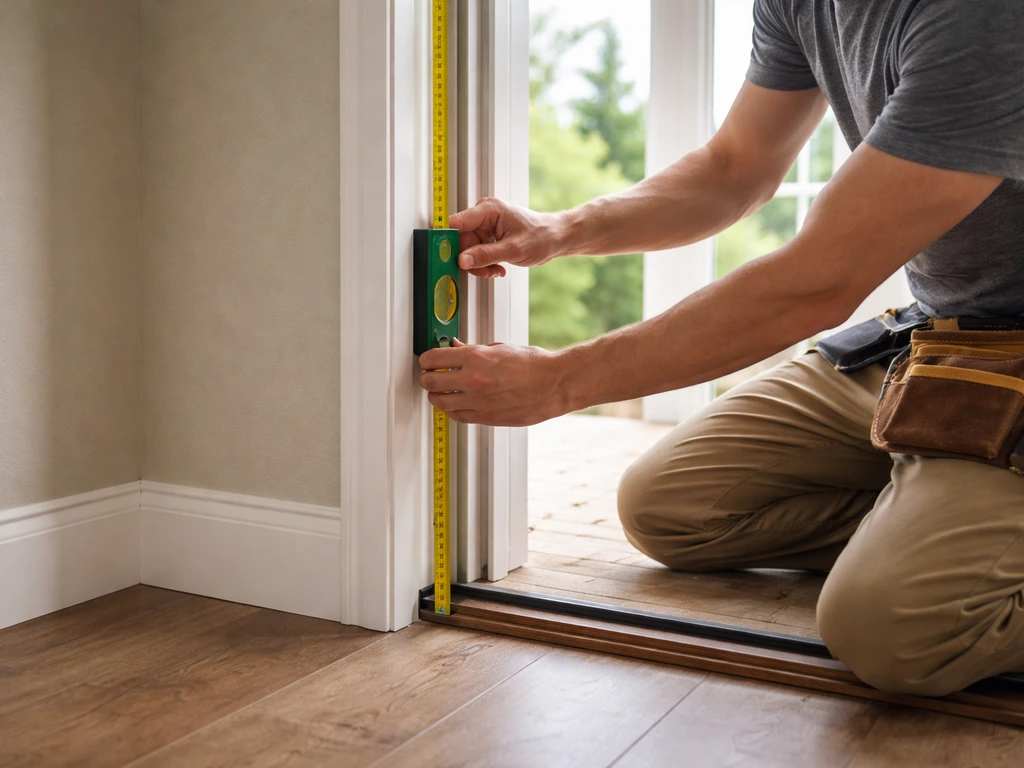
Home Depot's door installation program is a full-service offering, meaning it's not just drop-off and good luck. A service provider comes to your home, takes professional measurements of your door opening, handles the install, and is responsible for doing the job to spec. The contractors they use are described as local, licensed, and insured, and they go through thorough background screening before working on your project.
In terms of door types, Home Depot generally covers sliding patio doors, hinged French doors, and standard single or double exterior doors. Bifold patio doors are less commonly offered through the installation program and may depend heavily on your region and the specific contractor in the network. New construction installs (where there's no existing door opening) are also handled case by case and are more complex than a simple like-for-like replacement.
How to Confirm Installation Is Available Where You Live
The fastest way to confirm availability is to go to HomeDepot.com and navigate to the Door Installation service page, where you can enter your zip code to see if the program is active in your area. You can also call your local Home Depot store directly and ask to speak with someone in the installation services department. Either way, don't assume availability based on someone else's experience in a different city. Home Depot operates on a local contractor network, so coverage genuinely varies by market.
When you contact them, ask specifically whether they install the type of door you want (sliding vs. French vs. bifold), whether they handle your specific scenario (replacement vs. new opening), and how long the current lead time is for a project estimate. Getting those three things answered upfront will save you a lot of back-and-forth later.
What to Have Ready Before You Call

You don't need to be an expert, but walking into the conversation with a few key details will make everything move faster and get you a more accurate quote.
- Rough opening dimensions: Measure the width and height of your existing door opening (or the wall opening if it's new construction). For a standard sliding patio door, common rough opening widths are 72 inches (for a 6-foot door) and 96 inches (for an 8-foot door), with heights typically around 80 or 82 inches.
- Existing frame type: Know whether you have a wood, vinyl, or aluminum frame currently in place. This affects whether the old frame needs to come out or if the new door can be installed as a pocket replacement.
- Replacement vs. new opening: A replacement job (same size, same spot) is simpler and cheaper. A new or enlarged opening requires framing work and possibly a structural header, which changes the scope significantly.
- Door type you want: Sliding, French (hinged), or bifold. Also note your preferred material (vinyl, fiberglass, wood, or aluminum clad).
- Current door brand/model if known: Useful if you're buying through Home Depot's inventory and want to confirm sizing compatibility.
- Any HOA requirements or permit needs: Some jurisdictions require a permit for door replacements, and some HOAs restrict exterior finishes or glass configurations.
How the Installation Process Works, Step by Step
Here's what the typical Home Depot patio door installation looks like from start to finish:
- You request a consultation online or in-store. Home Depot schedules a time for a service provider to come to your home.
- The installer does an in-home measurement of your door opening. This is where they confirm the rough opening dimensions, assess the existing frame, and identify any complications like rot, out-of-square openings, or structural issues.
- You receive a written quote covering the door, labor, and any additional work (like framing adjustments or disposal of the old door).
- You purchase the door through Home Depot and confirm the installation date.
- On install day, the crew removes the old door (for replacements), preps the opening, installs the new door, insulates and seals around the frame, and does a final walkthrough with you.
- For most standard sliding or French patio door replacements, installation takes one to two days. New construction or expanded openings can take longer depending on the framing work involved.
One thing worth knowing: if the installer finds rot, structural issues, or an opening that's significantly out of square when they arrive, that work is typically extra. It's not a bait-and-switch, but it's a real possibility on older homes, so it helps to get a sense of your wall condition before the estimate.
What It's Going to Cost You
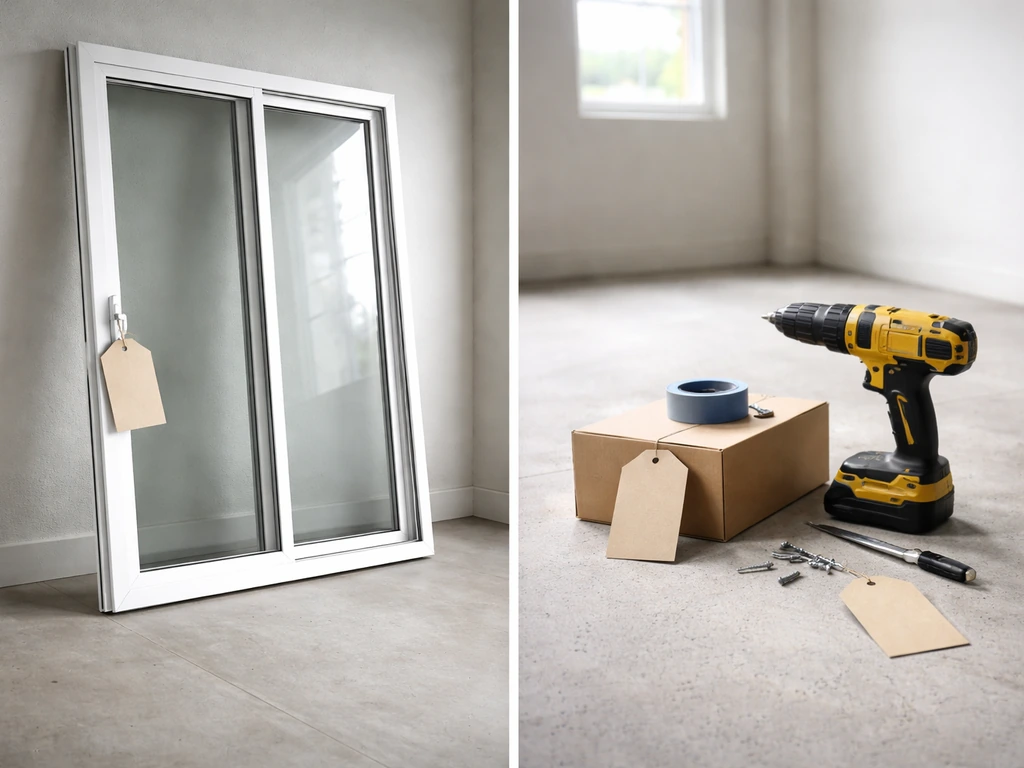
The total cost of a Home Depot patio door installation breaks into two buckets: the door itself and the labor. Home Depot says its installation services include a one-year warranty on labor, along with product warranties. For the door, expect to pay roughly $400 to $1,000 for a standard vinyl sliding patio door, $800 to $2,500 for a fiberglass French door, and $1,500 and up for premium wood or aluminum-clad options. Installation labor through Home Depot's program typically runs $300 to $700 for a straightforward replacement, though that number can climb if framing, header work, or significant prep is needed.
All in, a basic sliding patio door replacement through Home Depot (door plus install) often lands in the $800 to $1,800 range. A higher-end French door setup with more complex framing could push to $3,000 or more. These figures are in the same ballpark as what Lowe's charges for comparable work, so if you're shopping around, the price difference between the two is usually modest enough that service quality and door selection matter more than trying to squeeze a few dollars out of the quote.
Always ask for an itemized quote so you can see exactly what's included. Watch for line items like debris removal, permit fees, and any structural or carpentry work, since those are common add-ons that catch people off guard.
Picking the Right Patio Door Type and Material for Your Home
This is worth spending a few minutes on before you commit to anything, because the door type affects not just the installation scope but how well the door performs in your climate and how much maintenance you'll be doing five years from now.
| Door Type | Best For | Climate Considerations | Typical Cost Range |
|---|---|---|---|
| Sliding patio door | Smaller patios, tight spaces, easy everyday use | Good in most climates; look for low-E glass in hot or cold regions | $400–$1,500 for door |
| French (hinged) door | Wider openings, classic look, more airflow control | Hinged doors seal tighter; better for cold or wind-prone climates | $800–$3,000+ for door |
| Bifold patio door | Maximizing open space, indoor-outdoor flow | Can have more air infiltration; best in mild climates | $1,500–$5,000+ for door |
| Multi-slide door | Large wall openings, high-end remodels | Premium sealing options available; heavier and more complex to install | $3,000–$10,000+ for door |
For materials, vinyl is the most popular choice right now and for good reason: it's low maintenance, decent energy efficiency, and affordable. Fiberglass is a step up in durability and thermal performance and is worth the extra money if you live somewhere with big temperature swings or coastal humidity. Wood looks great but needs regular sealing or painting and doesn't love moisture. Aluminum-clad wood gives you the best of both (wood interior, protected exterior), but you'll pay for it.
If energy efficiency matters to you (and it should if you're heating or cooling an older home), look for doors with a low U-factor (under 0.30 is solid) and a solar heat gain coefficient (SHGC) suited to your climate. In hot climates like Texas or Arizona, you want a low SHGC to block solar heat. In cold climates like Minnesota or the Pacific Northwest, a slightly higher SHGC can actually help with passive solar gain in winter.
If Home Depot Can't Do Your Install: What to Do Next
If Home Depot's installation program isn't available in your area, doesn't cover your door type (bifold installs, for example, are more specialized), or if you got a quote that didn't feel right, you're not stuck. If you are specifically trying to rescreen an existing patio door, ask the installer whether they do rescreen work or if they only handle full door replacements rescreening patio doors. There are good alternatives.
Lowe's runs a similar installation program with local contractors, so they're worth checking as a direct comparison. Menards is another option if you're in the Midwest, though their installation services are more limited. Beyond the big-box stores, look for local window and door companies (sometimes called fenestration contractors) who specialize in exactly this kind of work and often do higher-quality installs than generalist handymen.
When vetting an independent contractor for patio door installation, here's what actually matters:
- License and insurance: Ask for their contractor license number and proof of liability insurance. Any legitimate contractor will hand this over without hesitation.
- Patio door experience specifically: Ask how many patio door installs they've done in the last year and whether they've worked with your door brand or type. A framing carpenter who mostly does interior work is not the same as someone who regularly installs sliding or French patio doors.
- Written scope of work: Get a written quote that specifies the door model, what's included in prep, what happens if they find rot or framing issues, and the warranty on labor.
- References or reviews: Check Google reviews or ask for two or three recent patio door references you can actually call.
- Permit handling: Ask whether they pull the permit (they should, in most jurisdictions) and whether it's included in the quote or billed separately.
Your Next Steps, Laid Out Simply
Here's the concrete action plan to move forward from here:
- Check Home Depot's installation service availability for your zip code at HomeDepot.com or by calling your local store.
- Measure your rough opening (width x height) and note your existing frame material before the call.
- Decide on your door type (sliding, French, bifold) and material (vinyl, fiberglass, wood, aluminum-clad) using the climate and budget guidance above.
- Request an in-home measurement and written quote from Home Depot. Ask what's included for prep, framing, disposal, and permits.
- If you want to compare, get a quote from Lowe's or a local door specialist at the same time. You'll know what a fair price looks like after two quotes.
- Before signing anything, confirm the labor warranty and what happens if issues come up after install (air infiltration, hardware failure, etc.).
- Once you book, clear the interior and exterior of the door area before install day to speed things along and avoid any last-minute complications.
FAQ
How do I know if Home Depot will install the exact patio door size I have (or want)?
Ask the installer to confirm the rough opening dimensions they need, not just the door unit size. Many problems happen when the current opening is slightly off, so they should tell you whether they expect to reuse the existing frame and whether shimming or reframing is likely.
Will Home Depot handle replacing a patio door with a different type, like sliding to French?
Often, yes, but treat it as a scope change. French doors usually require different hardware and sometimes different framing or header support, so you should request a wall condition review and confirm whether structural adjustments are included in the estimate.
Does Home Depot install patio doors that require permits or HOA approvals?
It depends on your municipality and the contractor, but you should ask who pulls permits and who pays. Request confirmation in writing that permit fees, inspections, and any HOA documentation are handled, especially if the project changes the exterior look or opening size.
What should I do if the installer finds rot or the opening is out of square?
Before work starts, ask for a written change-order process, including how discovery items are priced. You can also ask whether they’ll take photos and measurements first, so you can approve the extra labor rather than seeing it as a surprise on install day.
Can I get an estimate without scheduling an in-home visit?
You might be able to get a preliminary range by phone, but for accurate pricing Home Depot’s process typically relies on professional measurements. If someone offers a “final” quote without measuring the rough opening, that’s a red flag, especially for older homes.
Do they replace the entire door unit only, or do they also handle trim, flashing, and water sealing?
Request a checklist of included components, particularly flashing details and exterior caulking/sealant type. Water management (flashing and proper sealing) is where installs most often fail, so ask whether those steps are part of the quoted labor.
Is rescreening included if I only need a new screen for my existing patio door?
Ask specifically whether they do screen-only repair or if they only offer full door replacement. The installer may be limited to full units, and screen-fit issues can vary by door brand and model, so confirming this early prevents delays.
How long does a patio door installation usually take, and will I be without the door?
Time varies by replacement complexity and whether framing work is needed. Ask your installer for an estimated timeline for demolition to trim completion and whether they plan temporary weather protection if the work extends beyond one day.
What happens to the old door and debris, is removal included?
Get clarity on disposal and whether they haul away packaging, old framing remnants, and drywall or trim debris. Itemized quotes should show debris removal, and you should ask if there are any extra fees for disposing of treated wood or heavy demolition.
Will the install include adjustments for weatherstripping and alignment, or is it just setting the door?
Ask whether they’ll tune operation so the door locks smoothly and seals evenly along all meeting points. Good alignment affects drafts and water intrusion, so the installer should describe how they test for latch engagement and proper gasket compression.
What energy-efficiency numbers should I verify before buying (U-factor and SHGC), and what if I’m between climates?
Even if the product listing shows values, ask which U-factor and SHGC apply to the glass option you’re getting. If you’re in a transitional climate, request guidance on balancing lower SHGC for summer with not overblocking winter solar gain.