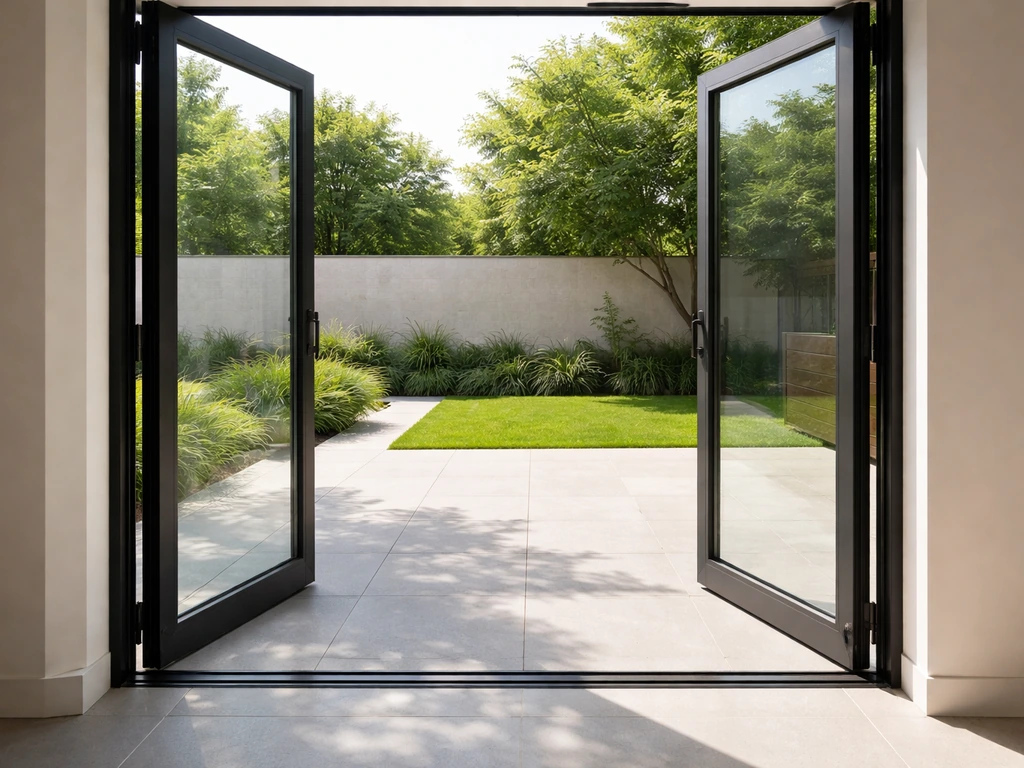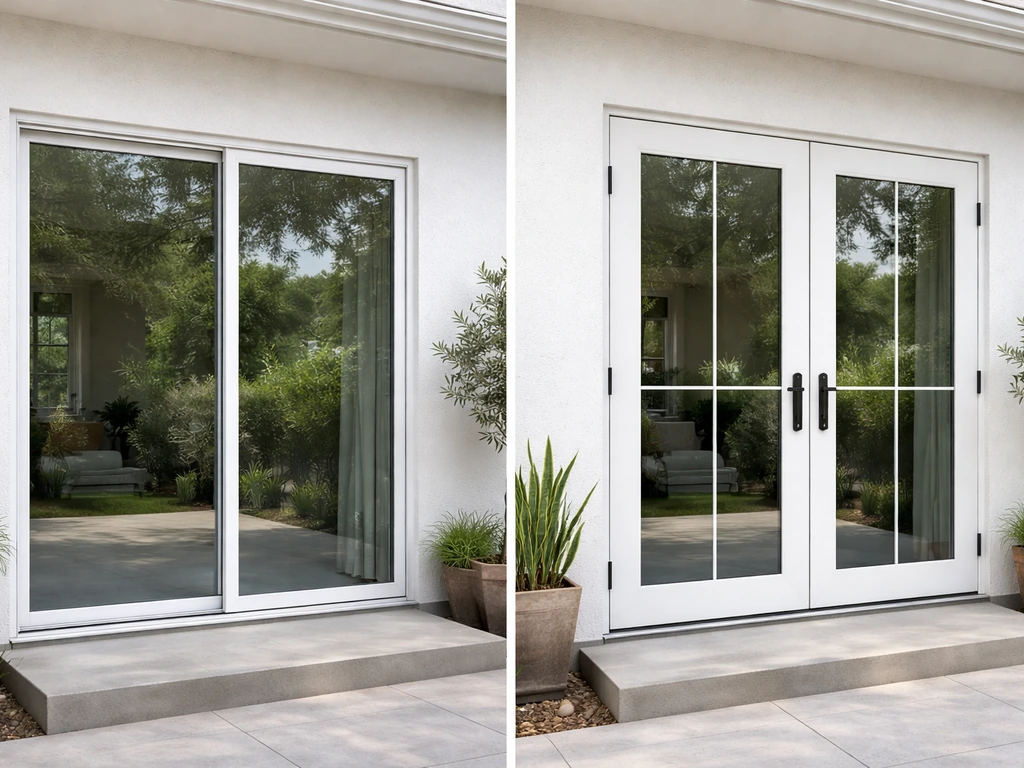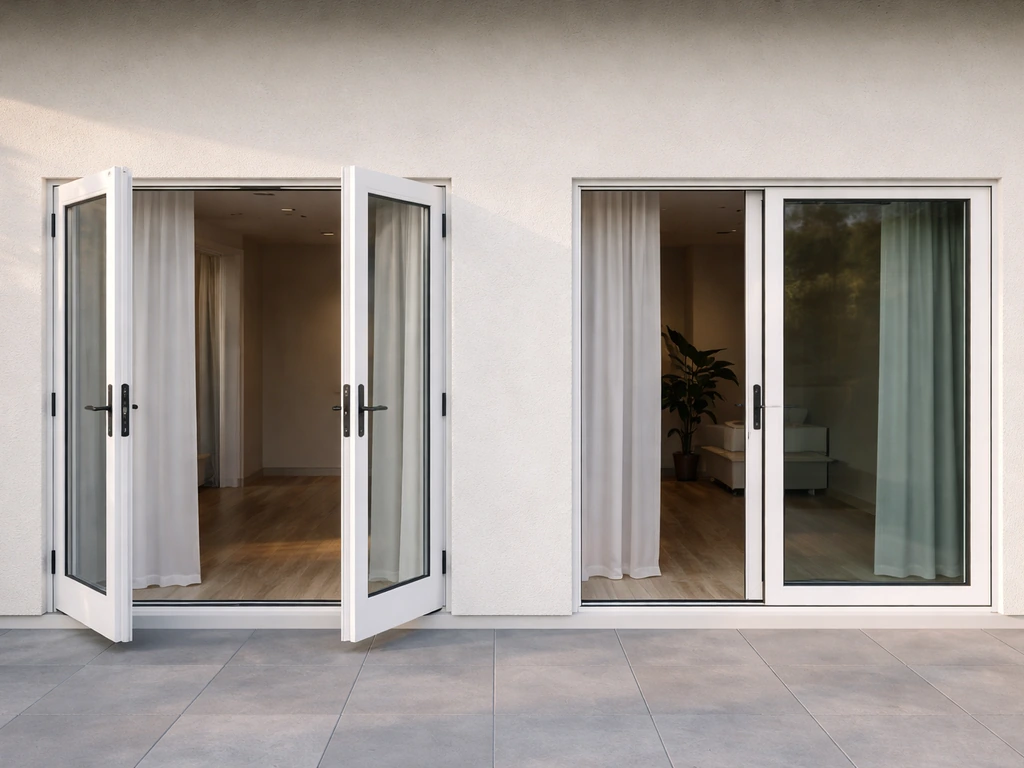
A high quality sliding patio door is one that stays airtight, operates smoothly for years without sticking, resists water intrusion in driving rain, holds up against forced entry, and keeps its energy performance ratings honest. That means looking past the marketing copy and checking three things before you buy: the NFRC-certified U-factor and air leakage (AL) number on the label, the hardware grade (rollers, track, and locking system), and whether the installation is done to a standard that actually preserves those ratings once the door is in the wall.
High Quality Sliding Patio Doors Buying Guide
Owen Delaney
16 May 2026
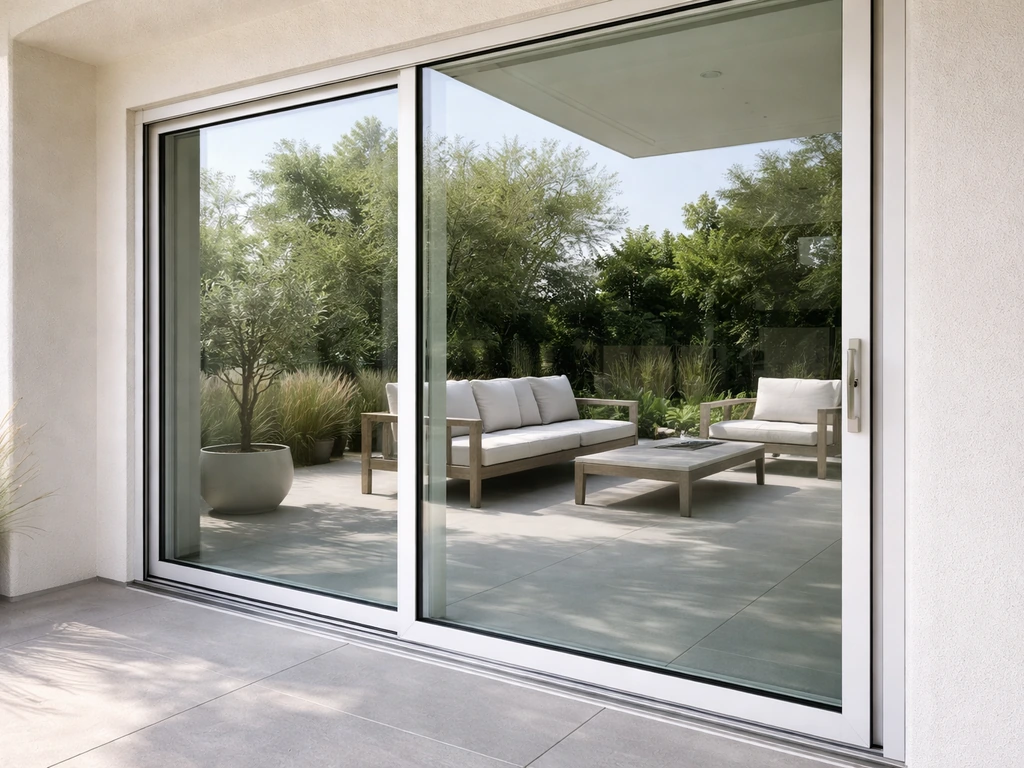
What 'high quality' actually means for a sliding patio door
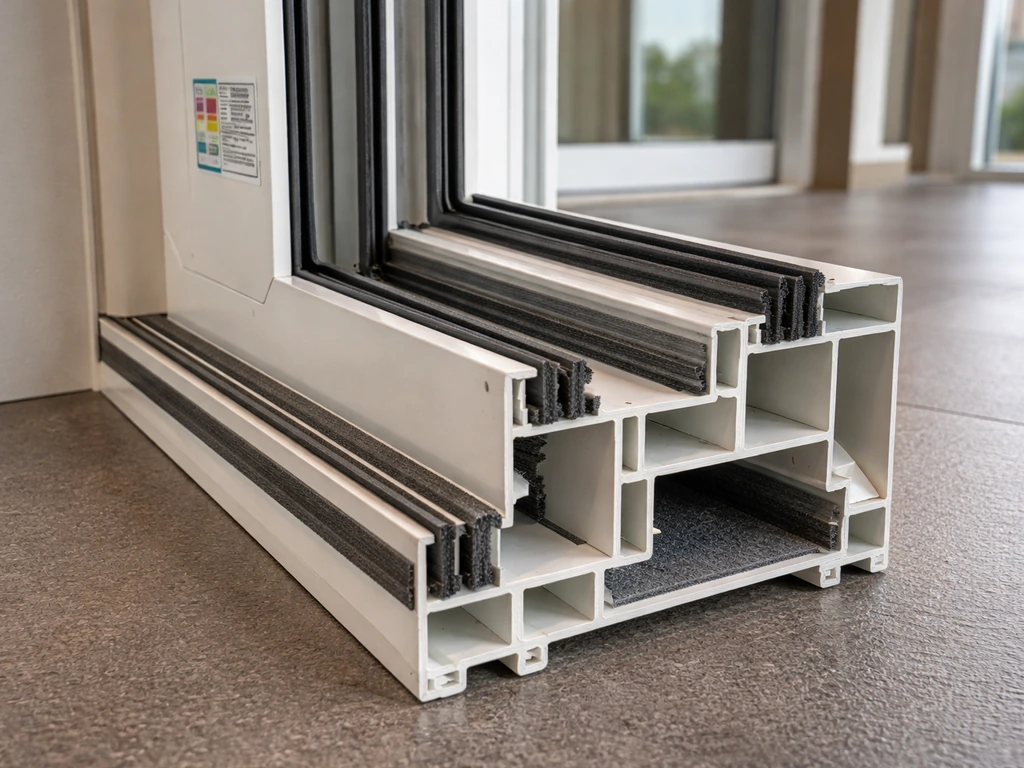
The word 'quality' gets thrown around a lot in door showrooms, but there are real, testable metrics behind it. For sliding patio doors, quality breaks down into four measurable categories: energy performance, weather resistance, structural strength, and hardware durability. A door can look beautiful and still fail on all four if the manufacturer cuts corners.
On the energy side, the NFRC label is your scorecard. Look at the U-factor (lower is better for insulation), the Solar Heat Gain Coefficient or SHGC (lower blocks more summer heat, higher lets in more winter solar warmth), and the Air Leakage (AL) value. ENERGY STAR Version 7.0 sets the bar for sliding glass doors at AL no greater than 0.3 cfm per square foot, which is also the threshold most building codes reference. A genuinely high quality door will beat that number, not just meet it. ENERGY STAR qualification itself is only tied to U-factor and SHGC, but AL is the number that tells you how draft-free the door really is in daily use.
On the structural and weather side, look for a Performance Grade (PG) rating under the AAMA/WDMA/CSA 101/I.S.2/A440 standard. This is not the same as Design Pressure (DP). DP only addresses structural loading from wind. PG means the door also passed air leakage and water penetration resistance tests (water penetration is verified under ASTM E547, air leakage under ASTM E283). A door can have a high DP number and still not carry a full PG rating, which matters a lot in coastal or storm-prone areas. If a sales rep quotes you DP but not PG, ask specifically about the water and air test results.
Hardware quality is the third pillar. A door that operates smoothly on day one but grinds and sticks after three winters is not a high quality door, regardless of what the frame is made of. We'll get into rollers, tracks, and locking systems in detail below.
Frame materials, glass, insulation, and weather sealing
The frame material sets the ceiling on how well a sliding patio door performs long-term. Here's how the main options stack up in the real world.
| Frame Material | Thermal Performance | Durability | Maintenance | Best For |
|---|---|---|---|---|
| Vinyl (PVC) | Good (low conductivity) | Good in moderate climates; can warp in extreme heat | Very low | Budget-conscious buyers in mild to moderate climates |
| Fiberglass (e.g., Ultrex) | Excellent (low conductivity, stable) | Excellent; resists warping, rot, and UV | Very low | High-performance buyers in any climate |
| Wood | Good (natural insulator) | Fair to good with consistent finishing | High (painting/sealing required) | Historic homes, aesthetic priority buyers |
| Aluminum | Poor without thermal break; good with one | Excellent structural strength | Low | Commercial settings or mild climates with a thermal break |
Fiberglass is the material I'd recommend most strongly for a high quality sliding patio door in 2026. For help comparing options like the frame material, hardware, and weather sealing, see our guide to the best wood sliding patio doors. Marvin's Essential Sliding Patio Door uses Ultrex fiberglass, and the reason manufacturers like that material is simple: it doesn't expand and contract the way vinyl does in temperature swings, which means the weatherstripping seals stay consistent year-round. If you're evaluating fiberglass options specifically, there's more detail worth reading on the best fiberglass sliding patio doors. For wood lovers, the aesthetics are hard to beat but the maintenance commitment is real, and that topic gets a full breakdown in a companion guide on the best wood sliding patio doors.
On the glass side, you want at minimum a double-pane unit with a low-emissivity (low-e) coating and argon gas fill. Triple-pane is worth the premium in very cold climates (think Minnesota winters or Canadian border zones) where the extra U-factor improvement (typically moving from around 0.25 down to 0.17 or lower for the whole unit) pays back in heating costs. For hot climates, a low-e coating tuned for low SHGC matters more than a third pane. Remember: the NFRC whole-unit U-factor is what counts for comparison, not the center-of-glass number some manufacturers quote, which will always look better than the full-unit rating.
Weather sealing is where cheap doors give themselves away fastest. High quality doors use multi-fin weatherstripping on the meeting rail and along the head/sill, paired with an interlocking threshold design that physically blocks wind-driven water rather than just trying to compress foam against it. If you can see daylight around the frame with the door closed, that door did not pass meaningful air and water testing. When comparing options, ask for the certified AL value from the NFRC label, not a manufacturer's claim. Independently tested and NFRC-certified numbers are the ones you can trust.
Hardware and security: rollers, tracks, locking, and screens
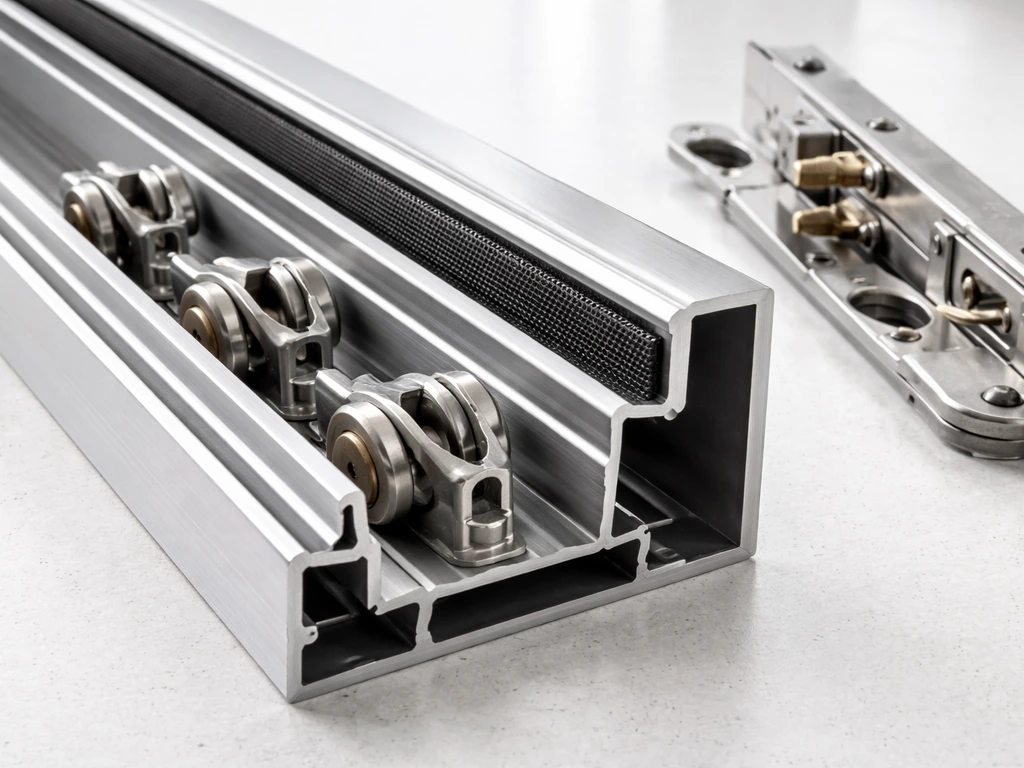
Rollers and track quality are the main reason a door that cost twice as much as the builder-grade version is actually worth it. Budget doors use stamped steel rollers that corrode and deform. High quality doors use stainless steel bearings in tandem roller assemblies. Quaker, for example, specs dual-wheel bottom rollers with stainless steel bearings specifically for larger, heavier doors where single rollers would wear out fast. When you're looking at a door in a showroom, slide it back and forth and listen. There should be zero grinding, the glide should feel effortless even with one finger, and there should be no lateral wobble in the panel.
The track itself matters just as much. A high quality extruded aluminum or stainless track with a low-profile threshold design keeps the door running true and makes it easier to step over (more on threshold height in the sizing section). Cheap tracks deform under the weight of a large door panel over time, which causes the door to drag and eventually misalign the weatherstripping seal.
For locking, multipoint lock systems are the standard for truly high quality sliding patio doors. A single hook-bolt lock in the middle of the panel is the minimum you'd find on any door, but it leaves the top and bottom of the panel vulnerable to being lifted or forced. Multipoint systems engage at two or more points along the height of the door. Loewen includes a European multipoint lock plus a built-in anti-panel-lift device, which addresses one of the most common forced-entry methods for sliding doors: lifting the panel out of the track. Marvin's Ultimate Sliding Patio Door specs a standard multi-point lock with two engagement points, and also offers an optional Lock Status Sensor for smart home integration. If security is a priority in your area, these are the features to specifically ask about.
Security glazing is a separate upgrade worth knowing about. Standard glass breaks into large dangerous shards; laminated glass stays in the frame even when cracked, reducing the ability for forced entry and containing breakage. For high-risk climates (storms, high-crime areas), laminated glass or impact-rated glazing is worth including in your spec. ASTM F588 is a forced entry resistance test framework some manufacturers reference for window and door assemblies, so if a brand claims forced-entry resistance, ask which tests it passed.
Screen compatibility is something most people don't think about until after installation. Not every screen system retrofits every door. Andersen makes a retractable screen designed to match its patio door lineup, but its own documentation notes it's not compatible with certain discontinued product series. The takeaway: confirm screen compatibility before you finalize your door selection, not after. If you have pets, look at PetScreen mesh (Phifer makes one of the most widely available options), which is designed to resist punctures and tears that standard fiberglass mesh can't handle.
Sizing, fit, and what installation actually requires
Incorrect sizing is the single most common reason a high quality door ends up performing like a cheap one. The door panel ratings are tested in the lab under controlled conditions, but once it's installed out of plumb or with inadequate shimming, the frame distorts, the weatherstripping seal fails, and you get drafts and water intrusion that never show up in the product spec sheet.
How to measure correctly
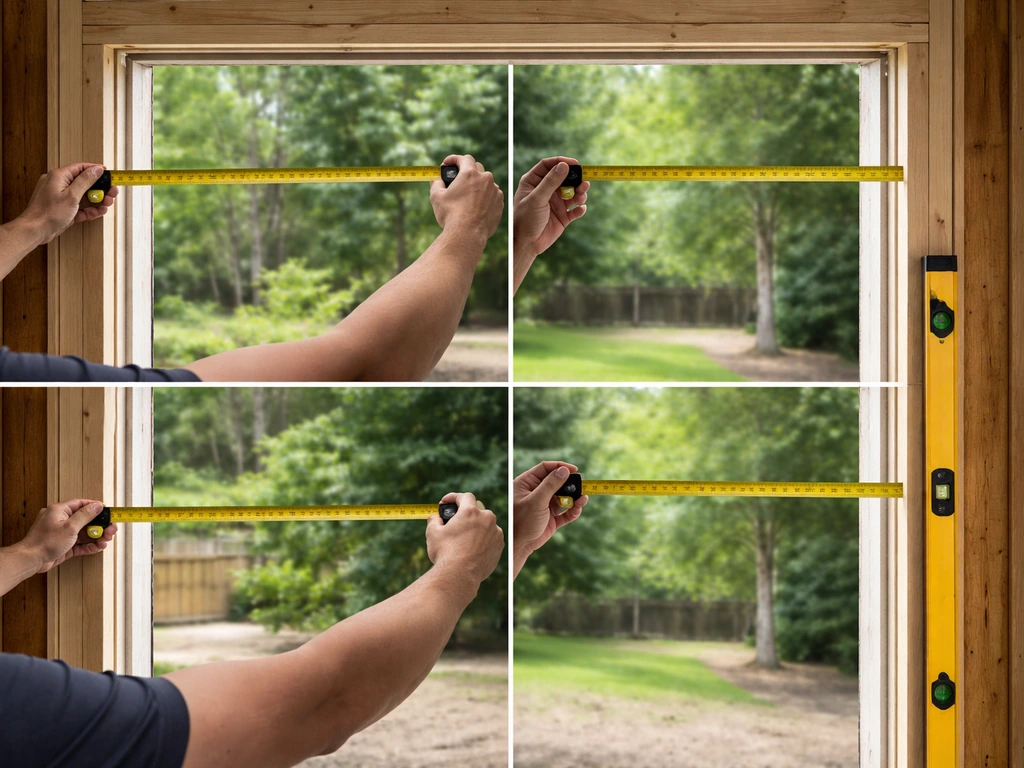
Measure the rough opening width at three points: top, middle, and bottom. Do the same for height on both sides. Use the smallest measurement in each direction. Standard sliding patio door rough openings run from 60 inches wide (for a 5-foot unit) up to 144 inches or more for larger multi-panel configurations, with heights typically ranging from 80 to 96 inches. The door unit itself is manufactured slightly smaller than the rough opening to allow for shimming and leveling clearance. Andersen's installation guides specify 1/4-inch clearance around the entire unit between the frame and the rough opening, which is fairly typical across quality manufacturers.
Before ordering, verify the rough opening is plumb (vertical sides truly vertical), level (sill truly horizontal), and square (diagonal measurements match). If it's not, shimming during installation can correct minor deviations, but a rough opening that's out of square by more than about 1/4 inch needs carpentry correction before the door goes in, or the panel will never operate smoothly and the weatherstripping will never seal evenly. ASTM E2112 is the standard practice for installation of exterior windows and doors, and it covers shimming, anchoring, flashing, and sealing in detail. A good installer will follow it whether or not they cite it by name.
Threshold height and accessibility
Threshold design is a functional detail that affects daily usability and code compliance. The 2026 Universal Design Building Code specifies that exterior door thresholds should be no more than 0.5 inches (1.25 cm) high. High quality sliding door manufacturers have largely moved to low-profile threshold designs that meet this, but it's worth confirming, especially if anyone in the household uses a wheelchair, walker, or has limited mobility. A taller threshold also creates a tripping hazard and can make moving furniture in and out of the space far more frustrating than it needs to be.
Subfloor and wall prep
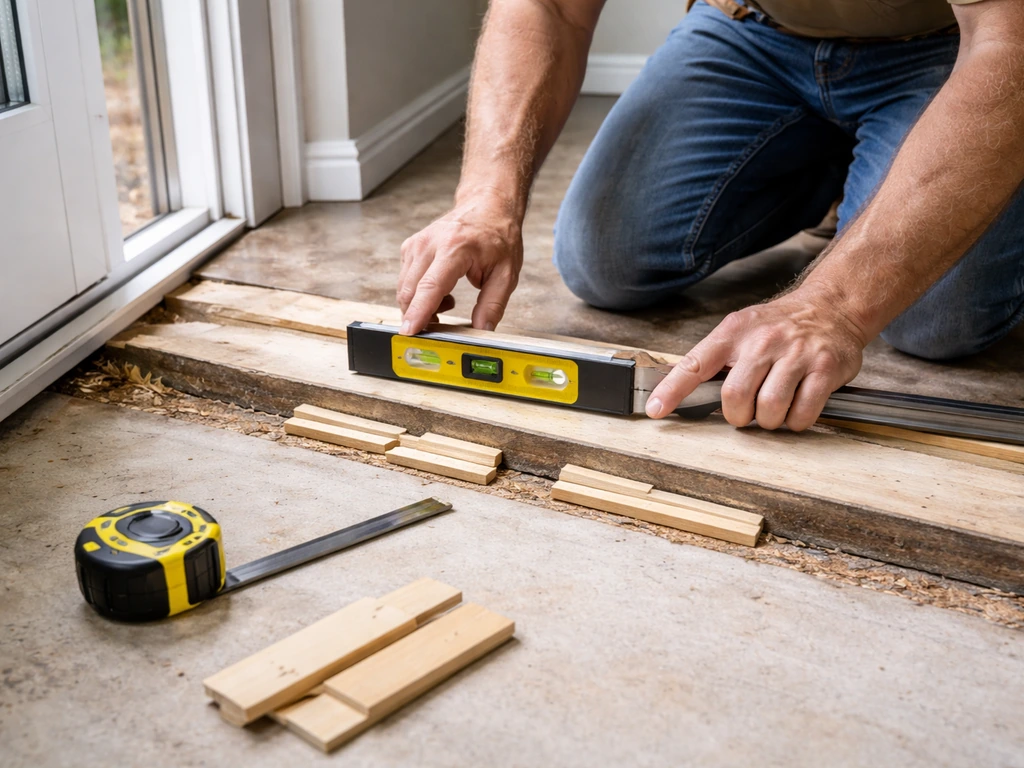
The subfloor under a sliding patio door carries significant load, especially with a large glass panel. If you're replacing an existing door, check that the subfloor is solid and level before the new unit goes in. Soft spots or unlevel subfloor will cause the sill to rack over time, throwing the door out of alignment. On the wall side, flashing integration is critical: the sill needs to be properly flashed and the installation needs to integrate with your home's water-resistive barrier so any water that gets past the threshold drains out rather than into the framing. Field water penetration testing (ASTM E1105) can be done on an installed unit to verify it's actually performing as rated, and it's worth asking about for high-value installations or replacement work in storm-prone areas.
Choosing the right door for your budget: good vs. best
Sliding patio door quality and cost exist on a real spectrum. Here's how to think about where to land based on your climate, usage, and what you actually need.
| Tier | Typical Price Range (door unit only) | Frame | Glass | Hardware | Security | Best For |
|---|---|---|---|---|---|---|
| Good | $800–$2,000 | Vinyl or aluminum with thermal break | Double-pane low-e, argon | Steel rollers, single-point lock | Basic deadbolt or hook bolt | Mild climates, rental properties, budget renovations |
| Better | $2,000–$4,500 | High-grade vinyl or fiberglass composite | Double-pane low-e, argon, optimized SHGC | Stainless roller bearings, tandem wheels | Two-point lock standard | Most homeowners in moderate to challenging climates |
| Best | $4,500–$10,000+ | Fiberglass (Ultrex) or premium wood-clad | Triple-pane or high-performance double-pane, warm-edge spacer | Heavy-duty tandem rollers, precision track | Multipoint with anti-lift device | Cold/storm climates, high-end renovations, security-sensitive areas |
Installation adds $500 to $1,500 for a standard replacement in most markets, more if structural work, flashing repair, or subfloor leveling is required. Always get the installed cost, not just the door unit cost, before comparing quotes.
Brand comparison
There are several brands that consistently show up at the better and best tiers, each with slightly different strengths.
- Andersen: Broad product lineup from mid-range to premium, strong installer network, good aftermarket parts and support documentation. The 400 Series and E-Series are the most commonly specified quality tiers. Warranty is the Owner-to-Owner Limited program, which transfers to subsequent owners.
- Pella: Competitive on energy performance, well-known for between-the-glass blinds and screen options. Warranty terms vary by series, so read the specific document for the product you're buying.
- Marvin: Premium positioning with the Essential (Ultrex fiberglass) and Ultimate lines. Multipoint lock is standard on the Ultimate series. Lock Status Sensor option for smart home users is a genuine differentiator. Warranty requires product registration.
- Loewen: Ultra-premium tier with European multipoint lock and anti-lift device as standard, tandem rollers, and custom sizing. Typically specified for high-end custom builds. Pricing reflects it.
- Quaker: Well-regarded for heavy-duty applications and larger door configurations where roller bearing quality matters most.
For most homeowners in 2026, Andersen or Pella at the 400 Series / Designer Series level represents the best balance of quality, installer availability, and warranty support. If you want a quick answer on who makes the best sliding patio doors, focus on the brands known for top-tier hardware, strong security options, and consistently verified performance ratings. Marvin or Loewen make sense if you're building or renovating at a budget above $5,000 for the door unit and want the top-tier hardware and security package. If energy performance in extreme cold is the top priority, the best insulated sliding patio doors guide covers that angle in more depth. If you're focused on insulation performance, use the guidance in the best insulated sliding patio doors guide to compare glass, frame, and air-leakage ratings.
Accessories and upgrades worth your money
Once you've selected the door, a few accessories make a real difference to daily use, comfort, and security.
Screens
A retractable screen is the most popular upgrade for sliding patio doors. It disappears into a housing when not in use, so it doesn't obstruct the view or collect dirt year-round. Andersen's retractable screen is designed to integrate with its own door lineup. Verify compatibility with your specific door series before ordering, because screen systems are not universal. For households with dogs or cats, standard fiberglass mesh screens typically last about one determined pet encounter. Phifer's PetScreen is a tear-resistant alternative that's designed specifically for this, and the cost difference over a standard screen replacement after pet damage pays for itself quickly.
Between-the-glass blinds
If you want privacy or glare control without adding a room-side window treatment, between-the-glass blinds (offered by Pella and a few others) are an elegant option. They're sealed inside the insulated glass unit, so they never collect dust and can't be bent by curious hands. The trade-off is that if the blinds mechanism fails, you're typically replacing the full glass unit rather than just a blind. For most rooms this is a low-probability issue and worth the convenience.
Security upgrades
If your door doesn't come standard with a multipoint lock, an aftermarket security bar (Charlie bar) or pin lock through the door frame adds meaningful forced-entry resistance at low cost. These are especially worth adding if you're in a rental or working with a lower-budget door that has a single-point lock. For smart home users, a lock status sensor (as Marvin offers) integrates the door into your security system so you know if it's left unlatched.
Storm protection
In hurricane or high-wind zones, impact-rated glazing (laminated glass that holds together on impact) is the right spec from the start, not an afterthought. If you're in a zone that requires it and your door doesn't meet the local wind and impact codes, no amount of accessories will fix that after the fact. Exterior storm shutters or accordion panels are the secondary option for doors that aren't impact-rated, but they're a compromise compared to a door that carries a proper AAMA/WDMA/CSA Performance Grade for your wind zone.
Keeping your sliding door in top shape long-term
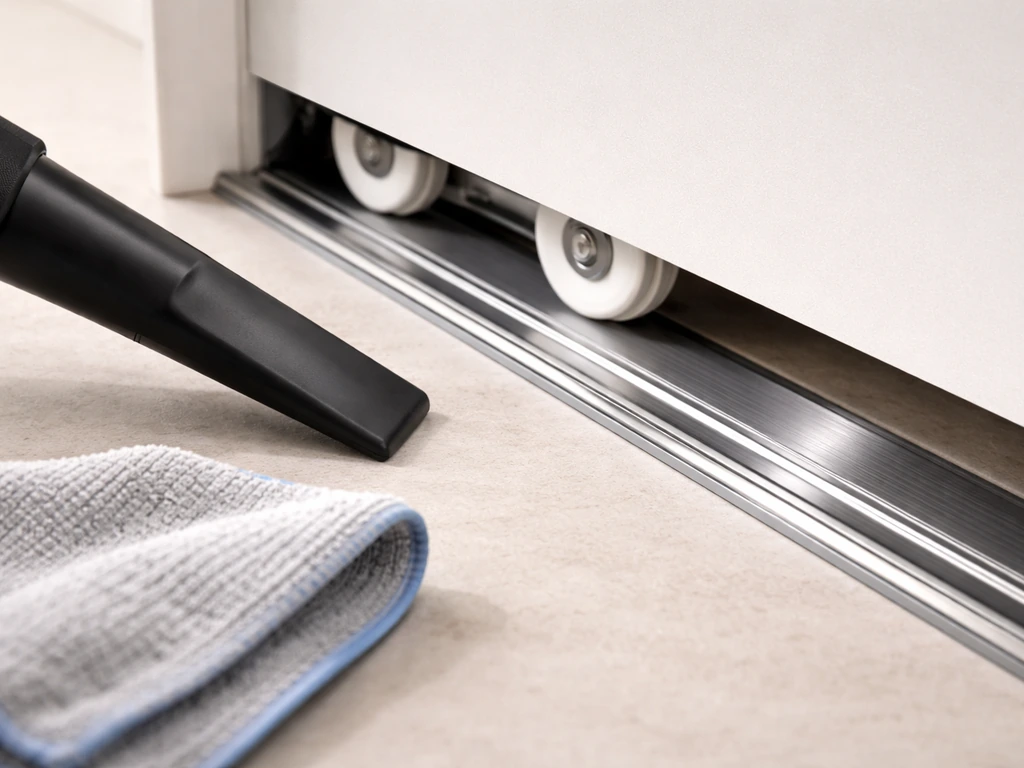
A high quality door requires low but consistent maintenance. Neglect the rollers and track for a few years and even a premium door will start dragging and sealing poorly.
Track and roller care
Clean the track two to four times per year with a vacuum and a damp cloth to remove grit, which is the primary cause of roller wear. After cleaning, lubricate the track and rollers with a dry lubricant spray (not WD-40 or any oily lubricant, which attracts more grit and creates a grinding paste). Andersen's care documentation specifically recommends multi-purpose dry lubricant spray and warns against oily or harsh abrasive cleaners. If the door starts dragging after cleaning and lubrication, the rollers likely need adjustment or replacement. Most quality manufacturers including Andersen provide adjustment guides for their gliding door roller hardware, and replacement rollers are available as parts.
Locking and weatherstripping
Lubricate lock mechanisms once per year with the same dry lubricant. Clean first, then apply. Check the weatherstripping annually for compression, tears, or sections that have pulled away from the frame. Replacement weatherstripping for major brands is available and straightforward to install. Don't ignore a failing weatherstrip: it's a cheap fix that, left unaddressed, becomes a moisture intrusion and energy loss problem.
Glass and frame
Clean glass with a non-abrasive glass cleaner. Avoid scraping with metal tools, which can damage low-e coatings. For fiberglass or vinyl frames, mild soap and water is all you need. Wood-clad interiors need periodic inspection and touch-up finishing to prevent moisture intrusion at any exposed wood edges.
Warranty: what to check before you buy
Warranty terms vary significantly between brands and even between product lines from the same brand. Andersen's Owner-to-Owner Limited Warranty transfers to subsequent homeowners, which adds value if you plan to sell the home. Pella's and Marvin's warranty terms are product and series specific, so read the actual warranty document for the door you're buying, not a general brochure. Critically, Andersen's warranty documentation explicitly excludes damage from improper maintenance, which means using the wrong cleaning products or lubricants could void coverage. Review the maintenance requirements in the warranty before you sign, and follow them from day one. Also note that accessory warranties are sometimes separate: Andersen's retractable screen warranty, for example, excludes the screen mesh assembly itself.
Your next steps before you buy
Here's how to move forward with confidence rather than ending up with a door that disappoints after installation.
- Measure your rough opening at three points each direction, check for plumb/level/square, and note any corrections needed before the door unit arrives.
- Decide on your frame material and climate priority: fiberglass or high-grade vinyl for most buyers, wood if aesthetics are the priority and you'll commit to the upkeep.
- Pull the NFRC label values for any door you're seriously considering: U-factor, SHGC for your climate zone, and AL (target below 0.3 cfm/ft²). Compare certified numbers, not marketing claims.
- Ask specifically about Performance Grade (PG), not just Design Pressure (DP), especially if you're in a high-wind or coastal area.
- Confirm the locking system: single-point is the minimum, multipoint with anti-lift is the target for security-conscious buyers.
- Get the total installed cost including any subfloor, flashing, or framing corrections, not just the door unit price.
- Check screen compatibility for your chosen door series before finalizing the order.
- Read the actual warranty document for the specific product line, note the maintenance requirements, and register the product immediately after installation.
FAQ
If my sliding patio door has great NFRC label numbers, can installation still make it perform poorly?
Yes. The NFRC label values are for the sealed, correctly installed unit. After installation, the whole-performance outcome depends on proper shimming, anchoring, and flashing, and on keeping the frame square so the seals contact evenly across the meeting rail. If you do not measure and verify rough-opening plumb, level, and square before ordering, you can end up with drafts and water paths even when the labeled door is excellent.
What should I verify on the NFRC label beyond U-factor?
Before you buy, ask for the exact certified AL (air leakage) value from the NFRC label for your specific door size and configuration. Many sales pitches focus on meeting ENERGY STAR without quoting AL. Since AL directly reflects daily draft resistance, a “good enough” U-factor can still leave you with noticeable airflow if AL is higher than expected.
A salesperson quoted Design Pressure (DP) only, not Performance Grade (PG). Is that a red flag?
If you see a high Design Pressure (DP) quote but no full Performance Grade (PG) information, do not assume water resistance is covered. DP is about wind load, not how the door handles air leakage and water penetration under test conditions. Ask specifically whether the door passed the air and water penetration components associated with the full PG rating, not just structural loading.
Does ENERGY STAR certification automatically mean the door will be draft-free? (AL is still important?)
Not always, even if both are “ENERGY STAR” and look similar. ENERGY STAR qualification focuses on U-factor and SHGC, and it does not guarantee your AL target. For comfort in real use, prioritize the NFRC air leakage number for your door size, especially if you live in a windy area or have rooms near the door that feel drafty.
What is the most common sizing mistake that ruins performance?
Measure the rough opening at three points for width and on both sides for height, and use the smallest number each time. Then confirm the rough opening is square, typically within about a quarter inch across diagonals. If the opening is out of square by more than roughly that amount, you will likely need carpentry correction, because shimming alone usually cannot keep long-term operation smooth and the weatherstripping evenly compressed.
How can I make sure the threshold height works for accessibility and doesn’t become a tripping hazard?
Check whether the threshold height meets your needs, not just the model’s aesthetics. Even with low-profile thresholds, installation mistakes can cause a higher effective step if the sill or subfloor framing is out of level. If accessibility matters, measure the final threshold height after installation and confirm it aligns with your expectations and local accessibility requirements.
If I had leaks before, what should I ask about regarding flashing and water management?
Confirm flashing integration and drainage paths before the door is set, especially at the sill area. A properly installed door should route any incidental water to the exterior, not into framing or the wall’s water-resistive barrier. If you are in storm-prone conditions or replacing due to past leaks, ask whether the installer can support field water testing after installation.
How can I tell in-store whether roller hardware is truly high quality?
Yes, especially if your door needs quiet, low-drag operation. If the rollers are stamped steel in a heavy or large-panel configuration, corrosion and deformation can develop over winters. In showrooms, slide the door and check for smooth one-finger movement, no grinding, and no side-to-side wobble, then ask what roller and bearing materials are used on your exact model and size.
Is a single-point lock ever enough on a sliding patio door?
If the lock engages only at the center, the top and bottom are more vulnerable to lift-out or forced manipulation. For better forced-entry resistance, look for multipoint engagement, and specifically ask about anti-panel-lift features when you are evaluating your security package for a sliding door.
Can I rely on a standard screen retrofit kit for any door, especially retractable screens?
Screen compatibility is frequently model-specific, so you should confirm part or series match before ordering. Even brands that sell “retractable screens” may exclude discontinued door series, and different frame profiles can prevent proper fit or tracking. If pets are involved, ask about tear-resistant mesh options, since standard fiberglass often fails after repeated claw punctures.
If I upgrade later (glass or locks), will it preserve the door’s rated performance and code compliance? (Especially in impact zones.)
Yes, and it is worth asking. Many doors come with a labeled tested configuration, and if you later change glass options, hardware, or thresholds, the real performance can diverge from the original ratings. For high-risk regions (hurricane or impact requirements), do not assume accessories will “fix” code compliance if the door assembly itself does not meet the required local wind and impact standard.
What warranty details should I double-check so I do not accidentally void coverage? (Maintenance and accessories.)
Warranty can be valuable, but it only matters if you follow maintenance requirements. Some brands explicitly exclude coverage if you use the wrong cleaners or lubricants, and accessory coverage is sometimes separate from the main unit. Before signing, read the warranty terms for maintenance exclusions and confirm whether a screen, sensor, or smart accessory has different coverage.
What’s the correct maintenance approach for sliding tracks and locks, and what should I avoid?
Avoid WD-40 and other oily lubricants on tracks because they attract grit and can turn into abrasive residue, which accelerates wear. Use dry lubricant spray intended for door tracks and rollers, clean first, and keep the schedule consistent (track cleaning a few times per year, then yearly lock lubrication). If the door drags right after cleaning and lubrication, that is often a sign the rollers need adjustment or replacement rather than “more lube.”
Citations
ENERGY STAR qualified window/door products must be independently tested/certified/verified, and the NFRC air leakage (AL) value indicates how much air leaks through joints; ENERGY STAR notes that “most industry standards and building codes require an AL of 0.3 cfm/ft².”
https://www.energystar.gov/independently-tested-and-certified-energy-performance
DOE explains that NFRC labels on window/door units typically provide ratings for U-factor, SHGC, visible transmittance (VT), and (optionally) air leakage (AL) and condensation resistance (CR), and ENERGY STAR qualification is based only on U-factor and SHGC.
https://www.energy.gov/energysaver/design/windows-doors-and
NFRC’s program provides certified ratings and labels for door/window products including Air Leakage (AL) and Condensation Resistance (CR), and splits each rating into two values: Solar Heat Gain Coefficient (SHGC) and U-Factor.
https://nfrc.org/
ENERGY STAR Version 7.0 sets an air-leakage requirement for sliding glass doors of Air Leakage ≤ 0.3 cfm/ft² (stated in the specification table).
https://www.energystar.gov/sites/default/files/asset/document/ES_Residential_WDS_V7_Final%20Specification%202022.pdf
FEMA states that for the AAMA/WDMA/CSA 101/I.S.2/A440 system, “performance grade (PG)” is tied to product performance outcomes such as wind design pressure (DP) and water penetration resistance test pressures (table provided in the advisory).
https://www.fema.gov/sites/default/files/documents/fema_mat-hurricane-ian-recovery-advisory-3.pdf
The AAMA/WDMA/CSA 101/I.S.2/A440 standard defines Performance Grade (PG) with associated Design Pressure (DP) and includes water penetration resistance testing/performance (i.e., PG/DP/water penetration are not just marketing labels).
https://www.wdma.com/assets/docs/store/aama_wdma_csa_101_i.s.2_a440.pdf
ASTM E547 is a test method that determines water penetration resistance of exterior windows/doors using cyclic static air pressure difference while applying water with a calibrated spray apparatus.
https://www.bdg-usa.com/astm-e547.html
ASTM E283 is the test method used to determine the rate of air leakage through exterior windows/curtain walls/doors under specified pressure differences (the basis for air-leakage measurements like NFRC AL).
https://store.astm.org/e0283-91r99.html
DOE/FEMP explains that energy efficiency for fenestration products is primarily a function of U-factor and SHGC, and notes that air leakage can be a significant source of heat loss/gain even when not required by ENERGY STAR.
https://www.energy.gov/cmei/femp/purchasing-energy-efficient-residential-windows-doors-and-skylights
NFRC’s label interpretation guidance ties Air Leakage (AL) to how much air passes through the product under a specified pressure difference, using a numeric AL value (lower means less leakage).
https://nfrc.org/
DOE notes that for windows/doors, a U-factor may refer to glazing alone (center-of-glass vs whole unit distinctions can matter when comparing products).
https://www.energy.gov/energysaver/design/windows-doors-and
ENERGY STAR stresses that energy performance for qualified products is independently tested/certified/verified according to NFRC test procedures, so consumer comparisons should rely on the certified NFRC label values.
https://www.energystar.gov/independently-tested-and-certified-energy-performance
ASTM E1105-15 is the field test method for determining water penetration of installed exterior windows/skylights/doors (used to verify installed performance, not just lab product ratings).
https://www.intertek.com/building/standards/astm-e1105-15/
ASTM E1105 is described as a standard field method to evaluate resistance of installed fenestration systems to water penetration under controlled pressure conditions (simulating wind-driven rain risk).
https://hightower-labs.com/library/understanding_astme1105.html
An Andersen help article explains that DP (design pressure) relates only to structural loading and does not, by itself, mean the product also passed air/water testing required for Performance Grade (PG).
https://helpcenter.andersenwindows.com/aw/articles/Knowledge/Performance-Grade-and-Air-Infiltration-for-Andersen-Products
MI Windows explains that Design Pressure (DP) is structural (separate from air leakage/water penetration outcomes), while Performance Grade (PG) is achieved only after successful completion of applicable tests in AAMA/WDMA/CSA 101/I.S.2/A440.
https://miwindows.com/frequently-asked-questions
Pella provides step-by-step installation guides specifically for sliding patio doors (useful for avoiding installation practices that can cause energy loss and leaks).
https://www.pella.com/professionals/installation-instructions/doors/patio-doors/sliding/
Andersen’s installation guide specifies rough-opening/clearance requirements including “1/4" clearance around entire unit, between frame” and includes guidance to correct when rough opening is not plumb/level.
https://www.andersenwindows.com/-/media/Project/AndersenCorporation/AndersenWindows/AndersenWindows/files/technical-docs/installation-guide/installationguide-105432.pdf
Andersen provides instructions/tools for verifying plumb, level, and square after installation so the unit operates correctly and sealing performance isn’t compromised.
https://helpcenter.andersenwindows.com/aw/articles/Knowledge/Checking-Window-or-Patio-Door-Unit-Installation
Andersen’s installation guide includes steps to adjust/shim and to recheck plumb, level, and square before final fastening (a common root cause of sticking and drafts).
https://www.andersenwindows.com/-/media/Project/AndersenCorporation/AndersenWindows/AndersenWindows/files/technical-docs/installation-guide/installationguide-105478.pdf
Universal Design Building Code (2026 version) states exterior door thresholds should be no more than 0.5 inches (1.25 cm).
https://hub.universaldesign.org/code/chapter/entrances
ASTM E2112 is a standard practice focused on installation of exterior windows/doors/skylights, including shimming/anchoring/flashing/sealing/adjustments (created to reduce common installation failures like leaks and drafts).
https://store.astm.org/e2112-18.html
Pro Builder notes industry-style installation best practices such as shimming to ensure the patio door is plumb and square, which helps smooth operation and weather performance.
https://www.probuilder.com/products/exteriors/article/55199355/best-practices-for-patio-door-installations
FEMA cautions that water penetration resistance tested to AAMA/WDMA/CSA 101/I.S.2/A440 does not always directly correlate to wind design pressure (DP), which matters when homeowners try to compare ratings at face value.
https://www.fema.gov/sites/default/files/documents/fema_mat-hurricane-ian-recovery-advisory-3.pdf
Andersen provides guidance on roller/locking hardware adjustment and replacement for gliding patio doors—indicating correct alignment adjustment is part of long-term performance.
https://helpcenter.andersenwindows.com/aw/articles/Knowledge/Gliding-Patio-Door-Hardware-Adjustment-and-Replacement-Guide
Andersen instructs homeowners to clean first, then lubricate lock mechanisms, hinges, and other moving parts as part of hardware maintenance.
https://helpcenter.andersenwindows.com/aw/articles/Knowledge/Lubricating-Andersen-Windows-and-Patio-Doors
Andersen’s care guidance includes lubrication of moving parts with multi-purpose dry lubricant spray (and cautions against oily/harsh abrasive cleaners in the provided instructions context).
https://parts.andersenwindows.com/page_LearningCenter_ProductCare.html
Phifer’s PetScreen is positioned as tear-resistant/pet-resistant screening for doors and other openings, aimed at preventing punctures common in pet households.
https://screening.phifer.com/products/petscreen
Phifer states its pet-resistant screening is manufactured with durability in mind and is aimed at protecting against pet damage for door/screen applications.
https://www.phifer.com/screening/features/pet-protection/
Andersen offers a retractable screen accessory made to match with Andersen patio doors (relevant to compatibility planning and retrofit value).
https://www.andersenwindows.com/windows-and-doors/options-and-accessories/screens/patio-door-retractable-screens/
Andersen’s retractable screen installation guidance notes it is “not recommended” for certain discontinued Andersen products/door series and specifies compatibility constraints (important to avoid mismatched retrofits).
https://helpcenter.andersenwindows.com/aw/articles/Knowledge/Retractable-Screen-Installation-for-Gliding-Patio-Doors
Pella offers between-the-glass blind options for patio doors (a common accessory upgrade for privacy/glare control without adding obstructions at the room side).
https://www.pella.com/ideas/doors/patio-doors/features-options/between-the-glass-blinds/
Pella provides warranty documents and notes they may vary by product/series and include care/maintenance considerations; buyers should consult the specific warranty document for the patio door/series purchased.
https://www.pella.com/support/warranties/
Marvin’s warranty support page provides access to warranty documents for windows and patio doors and requires product registration steps for warranty coverage context.
https://www.marvin.com/support/warranty
Andersen’s warranty support page references its owner-to-owner limited warranty program and links to warranty documents for windows/doors/hardware.
https://www.andersenwindows.com/support/warranty
An Andersen warranty document excerpt includes improper maintenance language (e.g., certain cleaning practices) as a potential basis for warranty limitations/exclusions—homeowners should review maintenance requirements before and after purchase.
https://www.andersenwindows.com/-/media/Project/AndersenCorporation/AndersenWindows/AndersenWindows/files/technical-docs/warranty/warranty-windows-patiodoorsincludingstormwatch--a-series-9055291-12-18-13.pdf
ENERGY STAR emphasizes that qualification is based on NFRC-certified energy performance values (not just branding), and that AL values are part of the NFRC certification/label context for infiltration comparison.
https://www.energystar.gov/independently-tested-and-certified-energy-performance
Marvin describes its Essential Sliding Patio Door as being made of Ultrex fiberglass, illustrating how fiberglass-composite frames are marketed for durability and ease of operation compared with wood/vinyl in many premium product lines.
https://www.marvin.com/products/doors/sliding/essential-sliding-patio-door
Loewen states it uses European multipoint lock system and includes a built-in anti-panel lift device, plus laminated sash construction and smooth tandem rollers (example of premium security + durability positioning).
https://www.loewen.com/sliding-patio/
Quaker states terrace door multipoint locking provides the greatest security and mentions dual-wheel bottom sliding door roller manufacturing with stainless-steel bearings for larger/demanding door applications.
https://www.quakerresidentialwindows.com/technology-doors/
ASTM F588 is a forced entry resistance test method framework for window assemblies excluding glazing impact—used by some door/window manufacturers to substantiate security performance beyond basic locks.
https://store.astm.org/f0588-07.html
A GANA security glazing document describes system-level forced-entry frame attack considerations for sliding doors and notes that security glazing performance involves containment upon breakage and reduced ability for entry.
https://www.glass.org/sites/default/files/2021-08/FB43-14_2020_Security_Glazing_0521.pdf
A Marvin product specification PDF lists that a multi-point lock with two engagement points is standard for the “Ultimate Sliding French Door/Ultimate Sliding Patio Door” configuration.
https://www.marvin.com/f/1019562/x/78683c0989/ultimate-sliding-french-sliding-patio-doors.pdf
Marvin documents an optional “Lock Status Sensor” integration for sliding patio door security/automation use, tied to multi-point lock engagement status.
https://www.marvin.com/f/1019562/x/b2aaa49c73/marvin-lock-status-sensor-integration_home-automation_19915804.pdf
Andersen’s retractable insect screen accessory guide indicates the accessory warranty does not apply to the screen mesh assembly (important for buyers planning replacement costs/coverage expectations).
https://www.andersenwindows.com/-/media/Project/AndersenCorporation/AndersenWindows/AndersenWindows/files/technical-docs/accessory-guide/accessoryguide-9205708.pdf
The ASTM E1105 field test method is intended for installed fenestration assemblies—so it helps confirm installed weather resistance rather than relying solely on shop-lab product ratings.
https://www.intertek.com/building/standards/astm-e1105-15/