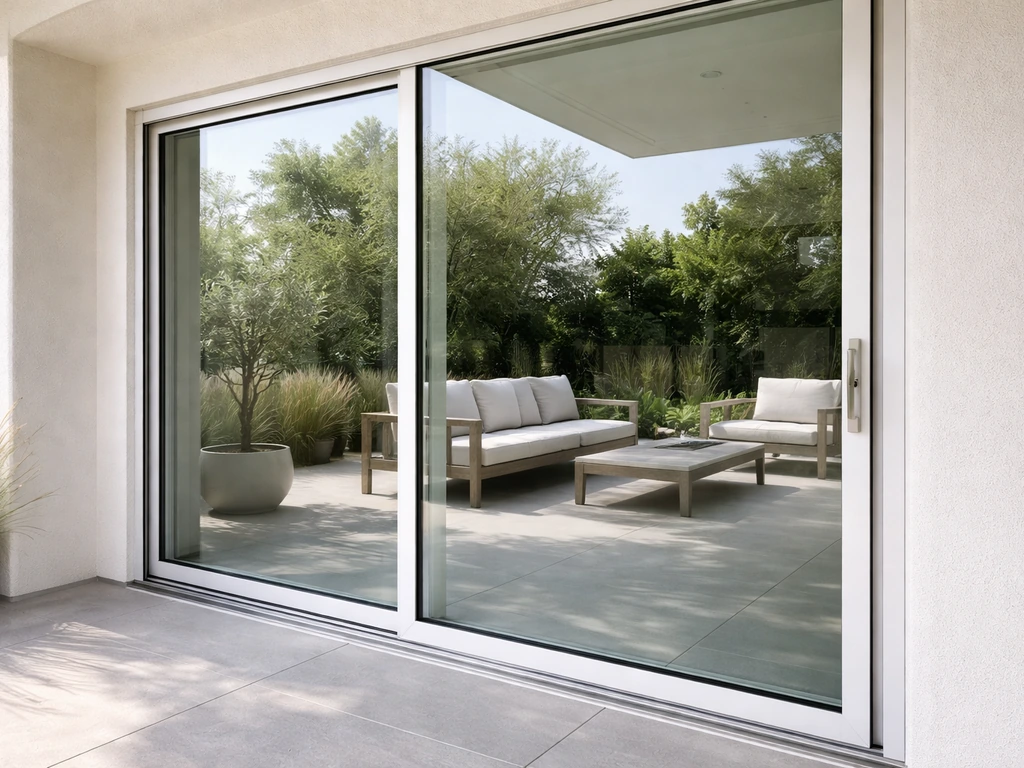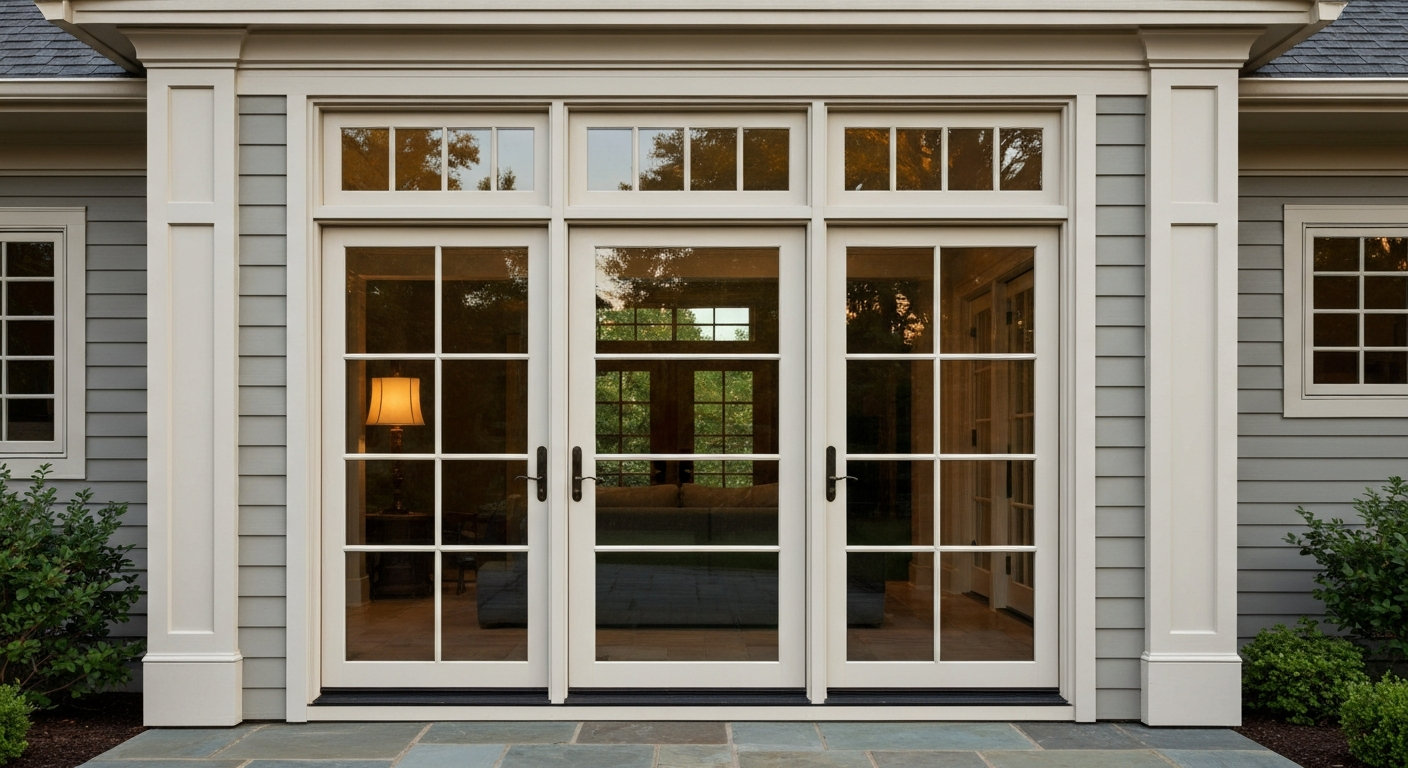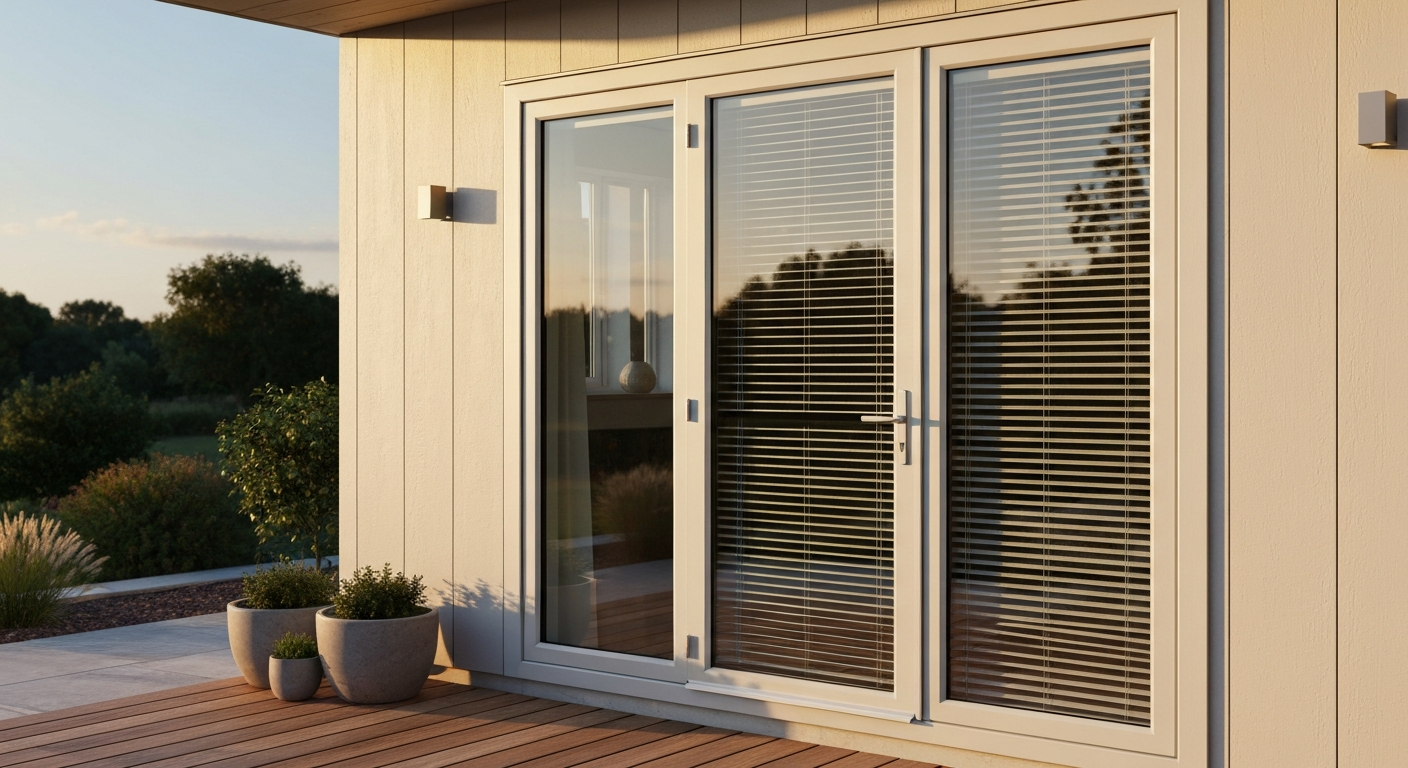
Andersen, Pella, Milgard, and Simonton are the brands most homeowners should seriously consider when shopping for a sliding patio door. Each has a long track record, solid warranties, and product lines that cover a wide range of budgets and performance needs. That said, there's no single "best" brand for every home. The right door depends on your climate, your frame material preference, how much glass you want, and what you're willing to spend over the long haul, not just on the day of purchase.
Who Makes the Best Sliding Patio Doors Brands and Features
Owen Delaney
17 May 2026
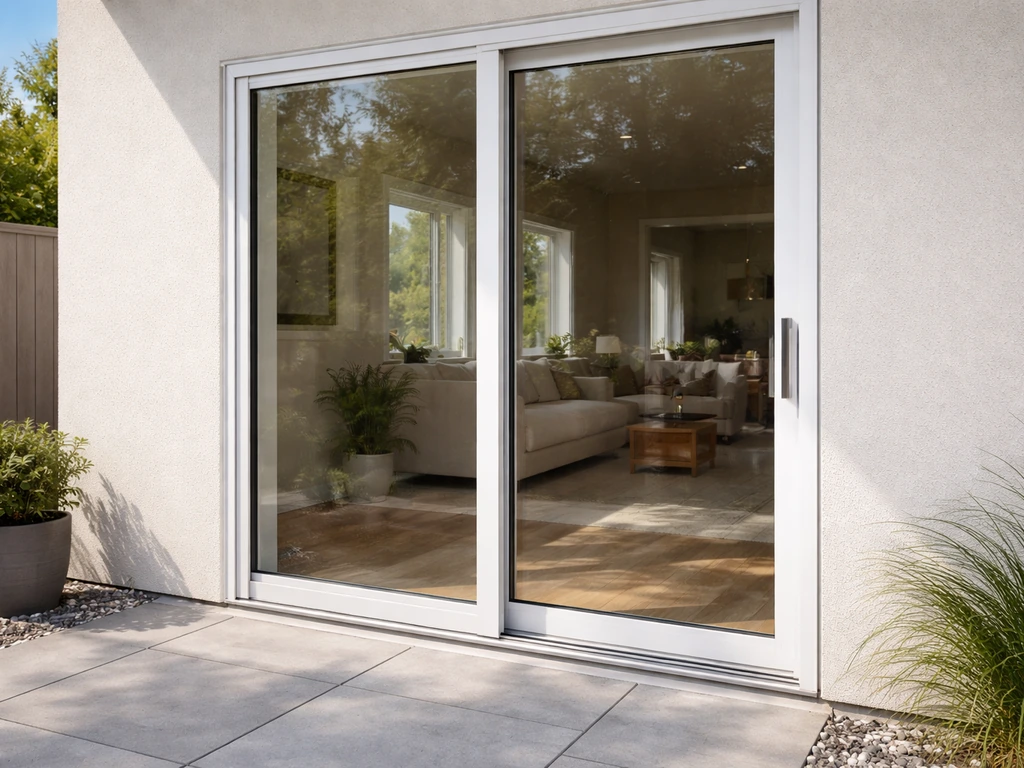
What "best" actually means for a sliding patio door
Most people start shopping by brand name and end up confused because every brand claims to be the best. Here's how to cut through that noise: judge a sliding patio door on five measurable things, not marketing copy.
Energy performance (U-factor and SHGC)
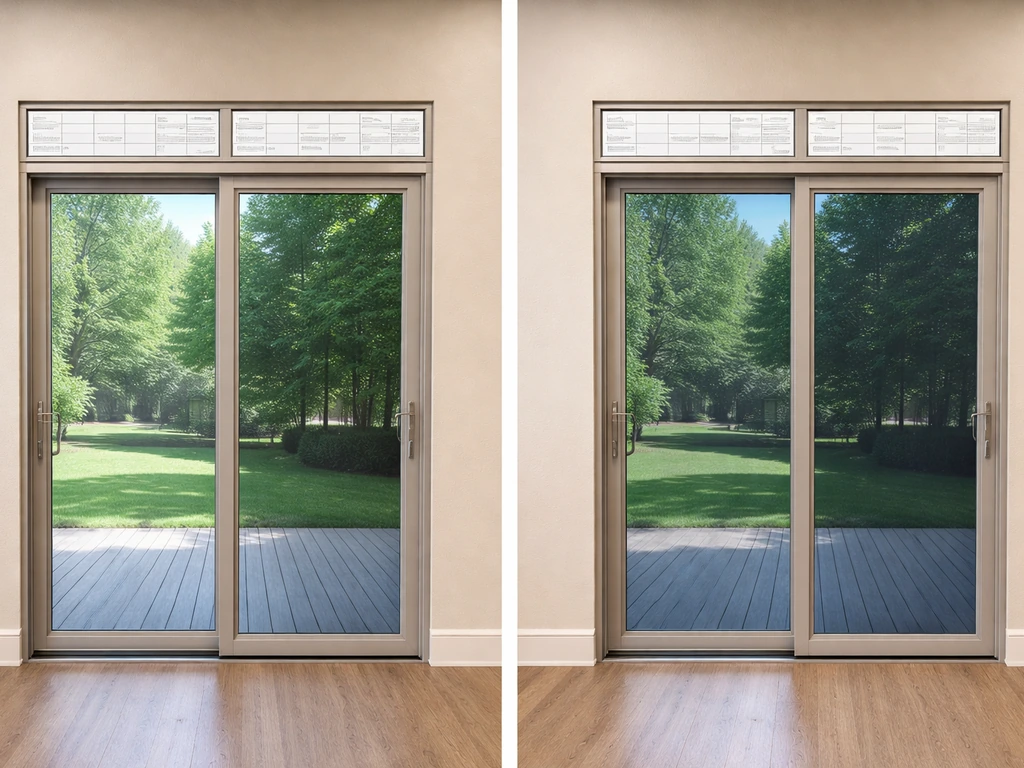
The DOE is blunt about this: sliding glass doors lose significantly more heat than most other door types because glass insulates poorly. The NFRC label on every certified door shows you five rated values, but the two that matter most for energy costs are U-factor (how fast heat escapes, lower is better) and Solar Heat Gain Coefficient or SHGC (how much solar heat enters, lower helps in hot climates, higher helps in cold ones).
ENERGY STAR qualification is based on U-factor and SHGC only. ENERGY STAR also requires products to be independently certified (via NFRC) and provides region and climate-zone guidance so you can choose the certified option that meets your local criteria [ENERGY STAR qualification is based on U-factor and SHGC only. ](https://www. energystar.
gov/products/buildingproducts/residentialwindowsdoorsandskylights/independentlytestedcertifiedenergy_performance). For the ENERGY STAR Most Efficient tier in cold northern climates, you're looking at a U-factor of 0. 20 or below. Air leakage (AL) is rated separately and must be 0.
[3 cfm/ft² or less to meet ENERGY STAR Version 6 requirements. ](https://www. energystar. gov/sites/default/files/ESFinalV6ResidentialWDS_Spec.
pdf) You can verify any specific door model's certified numbers through the NFRC Certified Products Directory online before you buy.
Security
Sliding doors are a known weak point for home security. The NIJ Standard-0318.00 classifies sliding glass door units into Class I and Class II based on forced-entry resistance. Look for doors that reference forced-entry testing and come with multi-point locking hardware rather than the standard single-point latch. Frame rigidity and how the glass is retained in the frame also factor in here.
Track and roller quality
This is the one thing most buyers ignore and then regret. A cheap track system gets gritty, stiff, and noisy within a few years. Good sliding doors use stainless or galvanized steel rollers on a precision-machined track with enough adjustment range to compensate for settling. Ask specifically about roller material, roller diameter, and whether the track includes a drainage channel. Tandem rollers (two wheels per roller assembly) handle heavier glass and maintain smoother operation longer than single-wheel designs.
Warranty coverage

Warranties vary a lot even within a single brand's product line. Milgard's Tuscany Series (V400) comes with a Full Lifetime Warranty that includes glass breakage coverage, which is genuinely rare. Andersen and Pella structure their warranties by series, so a 200 Series door and an E-Series door from Andersen won't have identical coverage. Simonton offers a limited lifetime warranty. Read the exclusions, especially around hardware, seals, and modifications like aftermarket locks or screen door brackets. Pella specifically notes that drilling into a product for accessories can affect warranty coverage.
Water and weather resistance
Doors tested to ASTM E331 (static water penetration) and ASTM E547 (cyclic pressure water penetration, which simulates driving rain more realistically) have proven weather resistance you can rely on. Not every door is tested to both standards, so check the spec sheet, not just the marketing page.
The top sliding patio door brands worth your time
J.D. Power's Windows and Patio Doors Satisfaction Study is one of the few consistent third-party measures of real owner satisfaction across brands. Combined with product catalog depth, warranty strength, and availability of replacement parts, here's how the main players shake out.
| Brand | Best Known For | Frame Materials | Warranty Highlight | Price Range (door only) |
|---|---|---|---|---|
| Andersen | Premium build, wide configuration options | Wood, composite (Fibrex) | Varies by series; 400 Series has 20-yr glass warranty | $1,200 – $4,500+ |
| Pella | Energy performance, design flexibility | Wood, vinyl, fiberglass, aluminum-clad | Limited lifetime on most lines; exclusions apply | $900 – $4,000+ |
| Milgard | Full lifetime warranty incl. glass breakage, West Coast distribution | Vinyl, aluminum, fiberglass, wood-clad | Full Lifetime (Tuscany V400 and above) | $700 – $3,000+ |
| Simonton | Value-tier vinyl performance, accessible replacement parts | Vinyl | Limited lifetime | $500 – $1,800+ |
| Anlin | Multi-layer Low-E glass (4 coatings on Malibu line), regional West Coast brand | Vinyl | Lifetime on glass and frame | $800 – $2,500+ |
Andersen
Andersen is the biggest name in the category and earns it. Their E-Series gliding patio door is the most configurable product in the lineup, with a range of hardware finishes, glass packages, and frame options. Their Fibrex composite material (a wood fiber and polymer blend) is genuinely better than standard vinyl for stability and paint adhesion over time. The trade-off: Andersen doors are among the most expensive, and their dealer network can mean longer lead times in some regions. If you want premium materials and maximum configuration options, Andersen is your first call.
Pella
Pella competes directly with Andersen at the upper end and often edges them out on energy performance options. They offer sliding doors in wood, vinyl, fiberglass, and aluminum-clad formats, so they work for almost any aesthetic. Their between-the-glass blinds option is a nice practical feature that eliminates the need for separate window treatments. The warranty language around modifications is worth reading carefully before you add any aftermarket hardware.
Milgard
Milgard is the brand I'd point most homeowners to if they want a straightforward, high-quality sliding door without the Andersen price tag. Choosing the right option means looking at track and roller performance, energy ratings, and warranty coverage so your high-quality sliding patio doors keep working well for years. The Tuscany Series V400 includes Low-E glass, their SmartTouch handle (which lets you unlock, open, and close in one motion), and a Full Lifetime Warranty that covers glass breakage, which is exceptional. They're strongest in western markets but ship nationally. If you're in California, Nevada, Arizona, or the Pacific Northwest, Milgard has deep local installer relationships that matter for service.
Simonton
Simonton is the value play. Their vinyl sliding doors won't win any awards for premium feel, but they're ENERGY STAR-certified, they have solid replacement parts availability through their support site, and they're priced in a range that makes sense for rental properties, budget renovations, or situations where you're replacing a functional door that just needs to be better than what's there now.
Anlin
Anlin is a regional brand with a strong following in California. Their Malibu sliding door claims four layers of Low-E coating and backs it with performance data. If you're in a hot climate and energy efficiency is your primary concern, Anlin is worth getting a quote on. They're not as widely available as the national brands, but where they do operate, they tend to be priced competitively for the glass performance they offer.
How to pick the right door for your home
Get the rough opening right first
Standard sliding patio door widths run 60 inches (5 ft), 72 inches (6 ft), and 96 inches (8 ft), with heights typically at 80 inches. Measure your rough opening, not just the existing door frame, and account for the frame thickness of the new door before you start comparing models. If your opening is non-standard, most premium brands offer custom sizing, but expect lead times of 4 to 8 weeks and a price bump of 20 to 40 percent over stock sizes.
Choose your frame material based on climate and budget
Vinyl is low-maintenance, doesn't corrode, and is the right answer for most budgets. Fiberglass is stronger, more dimensionally stable in extreme temperature swings, and can be painted, making it worth the extra cost in climates with wide seasonal temperature ranges. Wood is beautiful but requires ongoing maintenance and is not a good choice in high-humidity coastal environments without a cladding layer.
Aluminum is strong and slim-profile but conducts heat, making it a poor insulator unless the frame includes a thermal break. For most homeowners in temperate to cold climates, high-quality vinyl or fiberglass is the practical sweet spot. If you want to dig deeper into specific material comparisons, fiberglass and wood sliding door options each have their own performance profiles worth exploring.
If you are specifically shopping for the best wood sliding patio doors, focus on wood frame durability, weather sealing, and performance certifications like U-factor and SHGC.
Match your glass package to your climate
In cold northern climates, you want a low U-factor (aim for 0.25 or below, and 0.20 or below for the ENERGY STAR Most Efficient tier). In hot southern climates, prioritize a low SHGC (0.25 or below) to keep solar heat out. Dual-pane Low-E glass is standard on most mid-range and higher doors. Triple-pane is available from Andersen, Pella, and others for extreme cold climates and delivers U-factors in the 0.15 to 0.20 range, though it adds weight and cost. The NFRC Certified Products Directory lets you look up specific models and verify the actual rated values before you commit.
Configuration: which panel slides?
Most standard sliding doors are two-panel (one fixed, one sliding), but three- and four-panel configurations are available from all the major brands. With a three-panel door, you can have a wider opening with one or two sliding panels. Decide which direction the active panel should slide based on your traffic flow and furniture placement, and communicate that clearly when ordering. Getting it wrong means either returning the door or living with an awkward traffic pattern.
Cost and value: what you're really paying for
Door-only pricing and installed pricing are very different numbers. A mid-range sliding patio door from Milgard or Simonton might run $800 to $1,500 for the door itself. Add professional installation and you're typically looking at $300 to $800 more, depending on your region and whether there's an old door to remove. Premium doors from Andersen or Pella can push $4,000 to $6,000+ installed for a large or custom unit.
The ROI picture isn't just about resale value (though ENERGY STAR-rated patio doors do contribute to appraisal value in some markets). It's also about ongoing energy savings. Choosing the best insulated sliding patio doors can lower your U-factor and reduce heating costs over time. A door with a U-factor of 0.28 instead of 0.40 can meaningfully reduce heating costs in a cold climate over a 10 to 15 year period, often by $100 to $300 per year depending on your energy costs and how much glass area you're dealing with. That matters when you're comparing a $900 Simonton to a $1,800 Milgard Tuscany. The better-insulated door often pays back the difference over time.
Long-term maintenance cost is the number most buyers ignore. Roller replacement on a quality door typically runs $50 to $150 in parts if you DIY, or $150 to $300 with a service call. Weather stripping replacement runs $20 to $60 in parts. Brands like Simonton and Andersen publish explicit maintenance documentation and stock replacement parts, which matters a decade from now when the original rollers wear out. A brand that discontinues parts or provides no service documentation ends up being more expensive in the long run, regardless of the upfront price.
Installation quality checklist
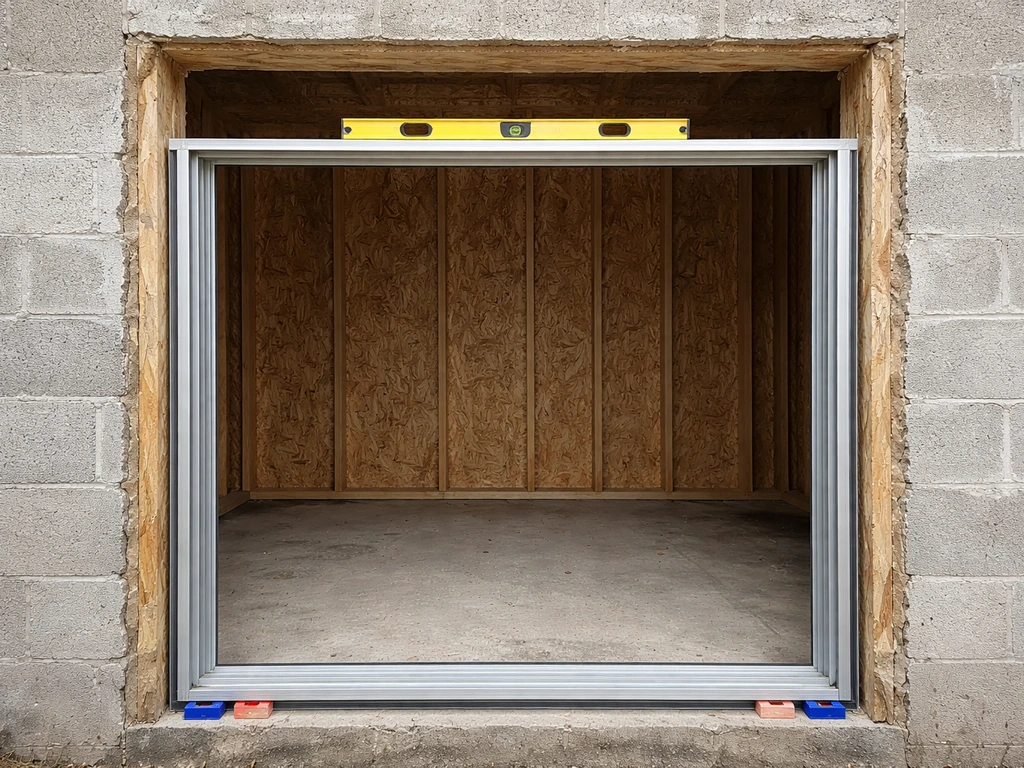
Even the best sliding door from the best brand will underperform if the installation is sloppy. This is the checklist I'd use to verify the job was done right, whether you're supervising a crew or inspecting after the fact.
- Level and plumb frame: The door frame must be level and plumb within 1/8 inch across the opening. A frame that's even slightly out causes binding, misalignment, and premature roller wear.
- Track alignment: The top and bottom tracks must be parallel and in the same vertical plane. Twist in the frame translates directly to hard sliding and poor sealing.
- Drainage channels clear: The bottom track should have weep holes at each end. Verify they're open, not clogged with debris or caulk, before the crew leaves.
- Flashing and weatherproofing: A self-adhering flashing membrane should run under the sill and up the jambs before the door frame goes in. No flashing equals future water damage inside your wall.
- Shim placement: Shims should be at hinge points and where specified by the manufacturer, not randomly stuffed wherever there's a gap. Improper shimming creates pressure points that warp the frame.
- Roller adjustment after install: Rollers are adjustable via screws typically accessible through the door face or bottom rail. The installer should adjust them so the panel glides with light resistance and the door seals evenly across its full height.
- Hardware function test: The lock should engage fully without forcing. The SmartTouch or multi-point mechanism (depending on brand) should operate smoothly from both inside and outside.
- Screen track verification: Screens typically ride in a separate track at the top and a channel at the bottom. Confirm the screen panel rolls freely and the top track retainer is secure.
- Air seal check: After install, hold a lighter or incense stick near the perimeter on a windy day. Any smoke movement indicates gaps that need additional weather stripping or caulk on the exterior.
Accessories and upgrades that actually improve performance
A good door gets meaningfully better with the right accessories, and a mediocre door can be brought up to a higher standard without replacing the whole unit.
Security upgrades
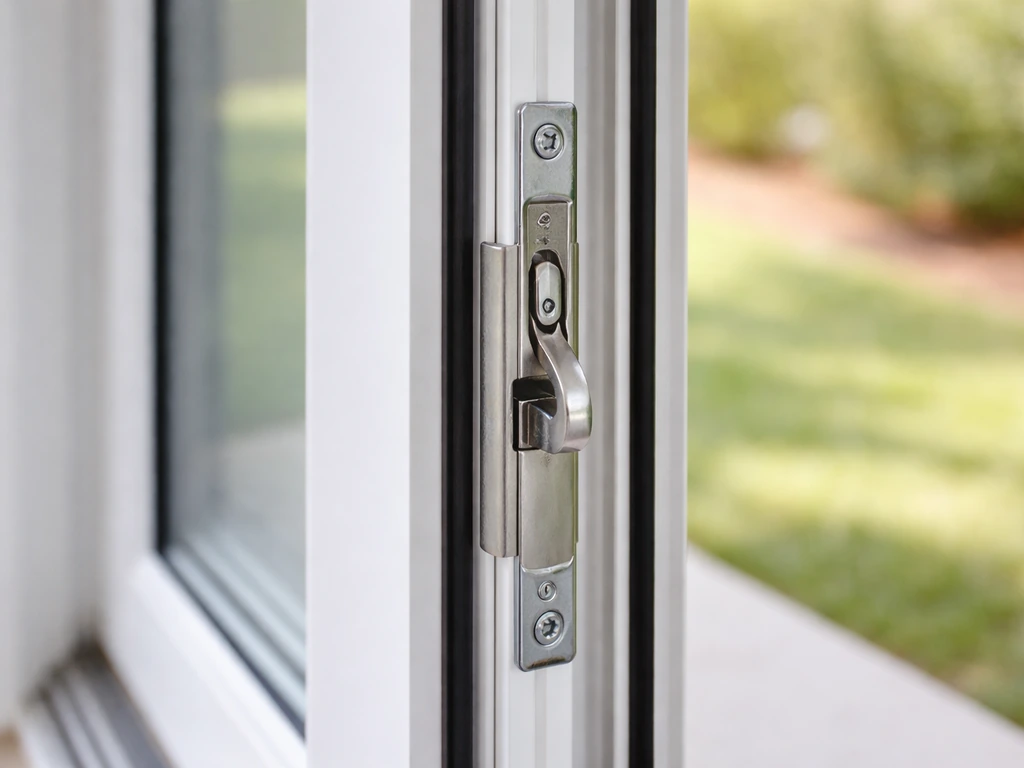
The standard single-point latch on most sliding doors is the first thing to improve. A surface-mounted multi-point lock bar or a foot bolt adds forced-entry resistance without voiding most warranties (but check Pella's and your specific brand's terms before drilling). A secondary security bar in the bottom track (a cut-down wooden or metal rod dropped into the track when the door is closed) costs almost nothing and stops the door from being forced open even if the lock is defeated.
Screens
The OEM screen that ships with most doors is adequate but not great. If you want better airflow with fewer insects, a solar screen (which also blocks 60 to 80 percent of UV before it hits the glass) is a worthwhile upgrade, typically $80 to $200 depending on door width. For beach or high-insect environments, a pet-resistant or heavy-duty mesh screen holds up considerably longer than standard fiberglass screen material.
Blinds and shading
Between-the-glass blind systems (offered by Pella and a few others) eliminate the dusting problem entirely and are worth the price premium if you like a clean look. Exterior roller shades mounted above the door frame are the highest-performance shading option for hot climates because they block solar heat before it even reaches the glass, which no interior treatment can match.
Weather stripping and seals
If you can feel a draft around a door that's a few years old, the pile or foam weather stripping on the door panel or the frame has likely compressed and needs replacing. Replacement pile weather stripping (the fuzzy strip that seals the top and sides of the active panel) costs $15 to $40 for a full door's worth and is a 30-minute DIY job. This single upgrade can meaningfully reduce air infiltration on an otherwise solid door.
Roller and track upgrades
If an existing door rolls hard but the frame is still in good shape, replacing the rollers is almost always worth doing before replacing the entire door. Tandem roller assemblies compatible with most major brands are available from parts suppliers for $30 to $80 per assembly. A thorough track cleaning followed by a dry silicone or PTFE lubricant (not WD-40, which attracts dirt) often restores smooth operation without any parts replacement at all.
Keeping your sliding door working smoothly for years
Regular maintenance that actually matters
The track is where sliding doors fail. Dirt, sand, and debris accumulate in the bottom track and act like sandpaper on the rollers. Vacuum and wipe the track clean two to four times per year depending on how dusty or sandy your environment is. After cleaning, apply a silicone-based or PTFE dry lubricant to the track surface and the roller axles. Never use oil-based lubricants, they pick up dust and turn into grinding paste. Check the weep holes in the bottom track each spring to make sure they haven't become clogged with debris, which would let water back up inside the frame.
When to adjust vs. when to replace parts
Most sliding doors have roller adjustment screws accessible through the face of the door panel or through the bottom rail. If the door is dragging or the lock isn't aligning correctly, try adjusting the rollers up a few turns before assuming you need new parts. If adjustment doesn't fix the drag, or if you can see the roller is flat-spotted or corroded, replacement is the next step. Pella, Andersen, and Simonton all publish roller replacement documentation, and aftermarket parts are widely available through suppliers like SWISCO for older door generations. Plan on roller replacement somewhere in the 10 to 20 year range on a quality door with regular maintenance; sooner on doors in sandy or salty coastal environments.
When it's time to replace the whole door
Replace the door (not just the parts) when: the frame has warped or corroded to the point where it can't seal properly, the insulated glass unit has fogged between the panes (indicating failed seals and reduced insulation), the frame has sustained water damage that's spread to the surrounding structure, or the door is so old that replacement parts are no longer available and the air leakage numbers are well above the 0.3 cfm/ft² threshold. A door that's consistently drafty, fogs in winter at the perimeter, or takes real effort to open and close despite fresh rollers and a clean track has reached the end of its useful life. At that point, putting money into a quality replacement from one of the brands above, with a proper installation and the right glass package for your climate, will pay back faster than you'd expect.
FAQ
Is there a single best brand of sliding patio door, or should I choose based on my home?
Most homeowners get better results by matching the door to climate and usage. For example, if you live somewhere with hot summers, a lower SHGC matters more than chasing a brand name. If you are in a cold region, focus on U-factor and air leakage first, then choose among brands that offer models with certified NFRC numbers that meet your targets.
How do I compare two sliding patio doors when one has better “energy” marketing but different labels?
Compare the exact NFRC-certified model and look at U-factor and SHGC as a pair, then check the air leakage (AL) rating. Two doors can have similar U-factor values but very different AL, which can change comfort and heating bills. Make sure you are reading the NFRC entry for the specific glass and hardware configuration, not the brochure for a family of products.
What’s the most common mistake when ordering the wrong size sliding patio door?
Measuring the door stop or existing trim instead of the rough opening. Sliding doors require allowances for frame thickness and shimming, so “same size as the current door” often leads to gaps or a return visit. Confirm the rough opening width and height and tell the installer if the opening is uneven, you may need a wall adjustment before ordering.
Can I improve security without voiding my door warranty?
Often you can upgrade to multi-point locking, but it depends on the brand’s rules about drilling and modifications. A safer approach is to ask the dealer for an accessory plan that is explicitly listed as compatible, or choose a door model that already includes forced-entry-tested hardware. If you do add a lock, verify that you are not drilling into insulating glass or compromising the frame’s sealing surfaces.
Do tandem rollers really last longer, or is that just a sales claim?
Tandem roller designs generally handle heavier sash loads with less uneven wear, so they tend to stay smoother when the door is used daily. Still, longevity depends on track cleanliness and correct roller adjustment. If your climate has sand, dust, or coastal salt air, prioritize roller material and track drainage, then schedule cleaning more often.
Should I upgrade the screen, or is the standard screen good enough?
If you want fewer insects, better airflow, or you live in a high-sun area, a solar screen is usually worth it because it blocks a meaningful portion of UV before it reaches the glass. For coastal and pet areas, a heavier or pet-resistant mesh reduces sag and fraying. If privacy is a concern, choose a screen rated for both visibility and durability, not just solar heat control.
When should I replace rollers instead of replacing the whole door?
Replace rollers first when the frame is straight and sealing surfaces still look intact, and the issue is hard rolling, sticking, or noise after cleaning. If adjustment screws no longer bring the door into alignment, or if you see corrosion, flat-spotting, or severe roller wear, replacement is the next step. If the door is consistently drafty even after weather stripping replacement, the problem is often the frame, not the rollers.
How often should I maintain a sliding patio door to avoid track and roller problems?
For most homes, clean the bottom track and check drainage weep holes at least two to four times per year. In dusty or sandy areas, reduce the interval, and do it right after storms or windy seasons when debris accumulates. Use dry PTFE or silicone-based dry lubricants, avoid oil-based lubes that trap dirt and create grinding paste.
Is it better to buy door-only and hire an installer separately, or go with full-service installation?
Full-service installation can reduce the risk of mis-sized openings, misaligned tracks, and incorrect shimming, which are common causes of early problems. Door-only pricing looks cheaper, but you assume responsibility for measurements, permitting, and sometimes warranty coverage issues related to installation. If you choose door-only, require proof that the installer will set the track level, confirm drainage, and test lock alignment.
How do I decide between vinyl, fiberglass, wood, and aluminum-clad frames for my climate?
Vinyl is usually the lowest-maintenance and best value in temperate to cold climates, fiberglass is a strong pick when you have extreme temperature swings, and wood is best when you can handle upkeep or have proper cladding for humidity. Aluminum can be thermally inefficient unless there is a true thermal break. If you are unsure, prioritize the frame material that matches your climate stability needs, then verify the U-factor and SHGC for the actual glass package.
What are good target numbers for energy performance in cold versus hot climates?
In cold climates, many buyers aim for U-factor at or below about 0.25, and closer to 0.20 for “most efficient” tiers. In hot climates, focus on keeping SHGC low, a common target is around 0.25 or lower. Regardless of climate, verify the door meets the air leakage threshold you want, because drafts can erase some of the energy gains.
How can I tell if I need to replace the insulated glass unit or the entire door?
Fogging between panes usually indicates a failed IGU seal and reduced insulation performance, at which point you may be able to replace only the glass unit if your brand offers it. If the frame has warped, corroded, or shows signs of water damage to surrounding materials, replacing just the glass may not restore performance because the sealing surfaces and drainage paths may already be compromised. Also consider parts availability for older doors, if replacement IGUs are no longer sold, whole-door replacement is often the only practical route.
What’s a realistic timeline for lead times and custom orders?
Stock sizes are often faster, but custom sizing and non-standard glass packages commonly push lead times into the several-week range. When ordering, ask the dealer to confirm the exact fabrication start date and the schedule for delivery and installation. Plan for lead times to overlap with any exterior prep work so you are not stuck with an open rough opening waiting on the door.
Do satisfied-owner ratings predict performance, or are they mainly about aesthetics and feel?
Owner satisfaction studies can reflect installation quality, operating smoothness, and customer support, which matters for sliding doors. But ratings do not replace model-level checks for NFRC energy numbers, air leakage, forced-entry hardware, and track durability. Use satisfaction data as a tie-breaker, then confirm the measurable specs for the exact door model you plan to buy.