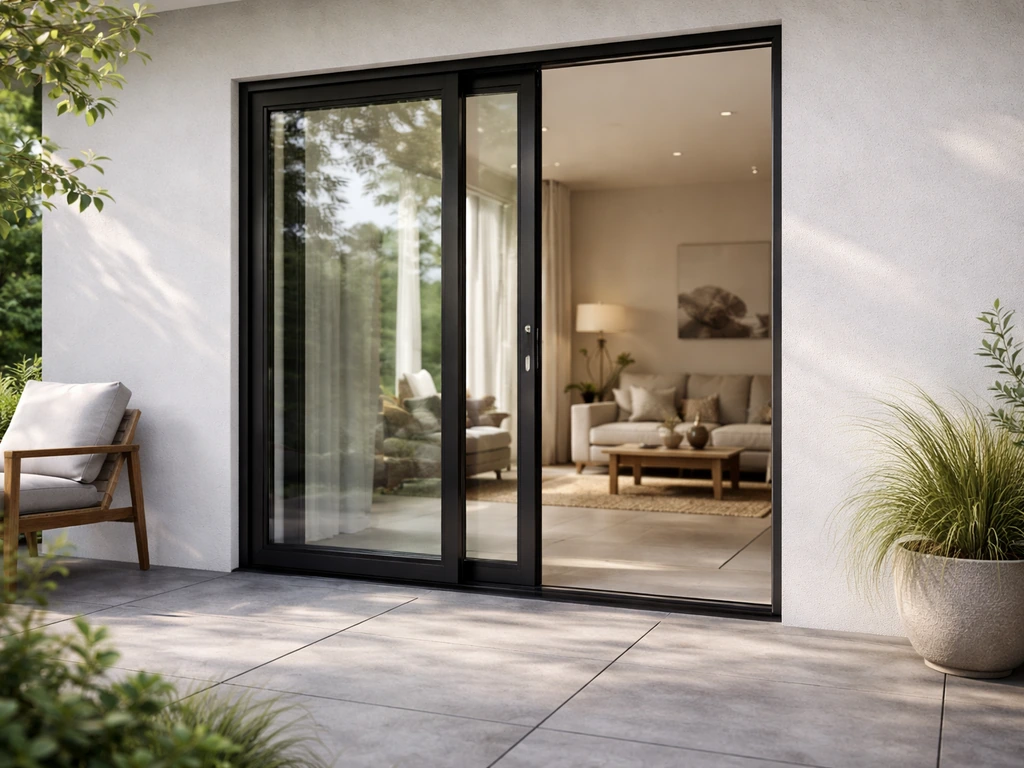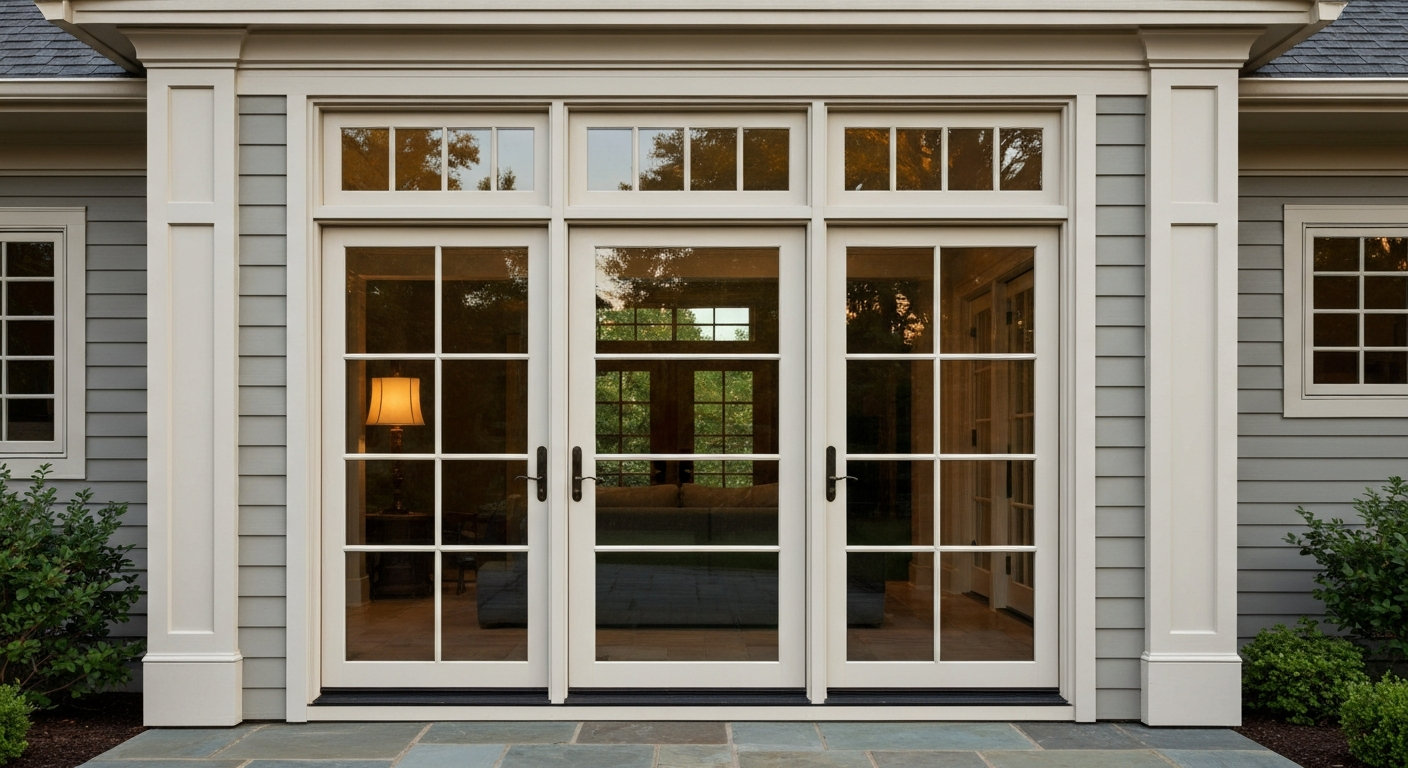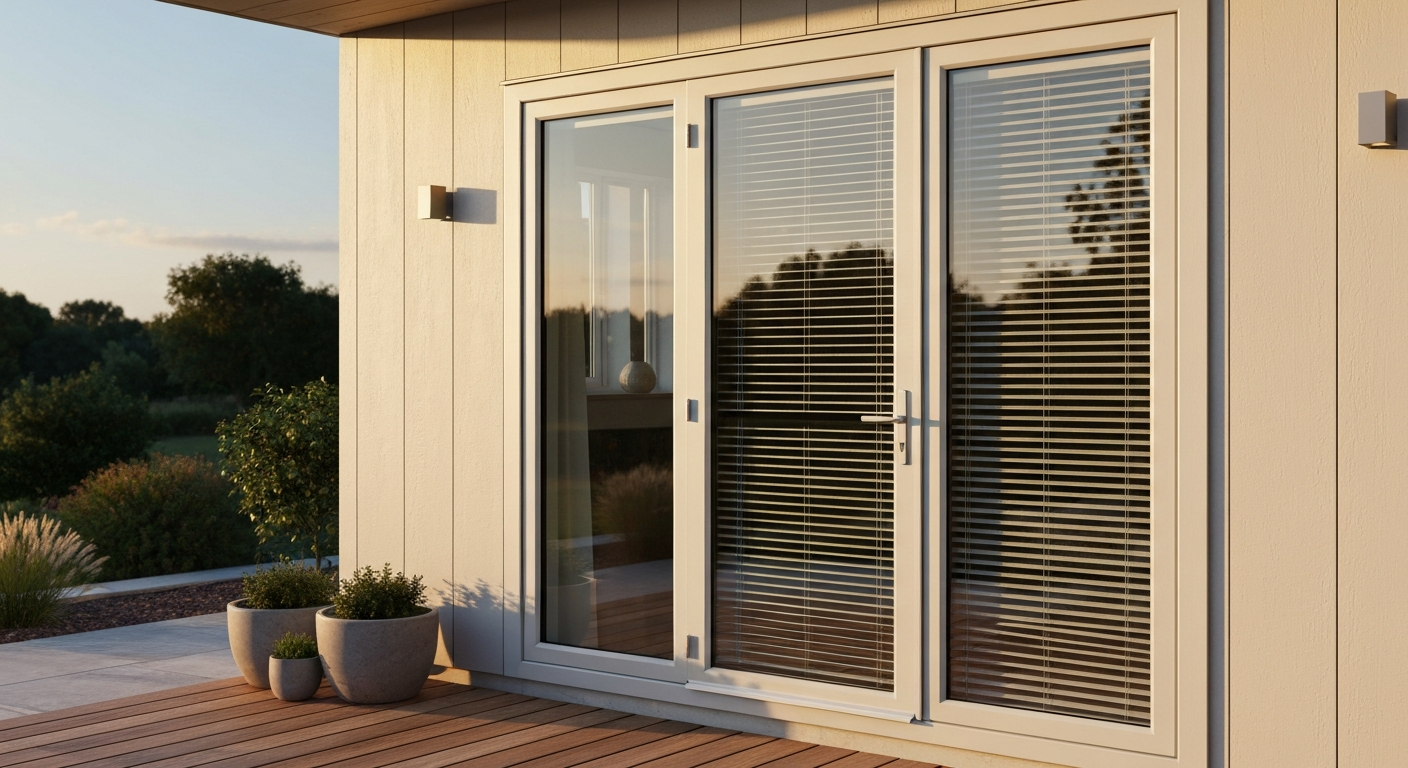
You can buy sliding glass patio doors at big-box retailers like Home Depot and Lowe's, through full-service installers like Renewal by Andersen, from specialty door dealers, or online from manufacturers and distributors. The best place depends on three things: your rough opening size, how much help you need with installation, and how fast you need the door. If your opening is a standard size (typically 60", 72", or 96" wide), Home Depot or Lowe's will have something in stock or available within a week or two. If you're dealing with a non-standard opening, a custom climate, or you want a premium brand like Andersen or JELD-WEN with full installation included, a local dealer or certified installer is usually the smarter call.
Where to Buy Sliding Glass Patio Doors Near You

Owen Delaney
13 May 2026
Sliding glass door or sliding screen door, know what you're actually buying
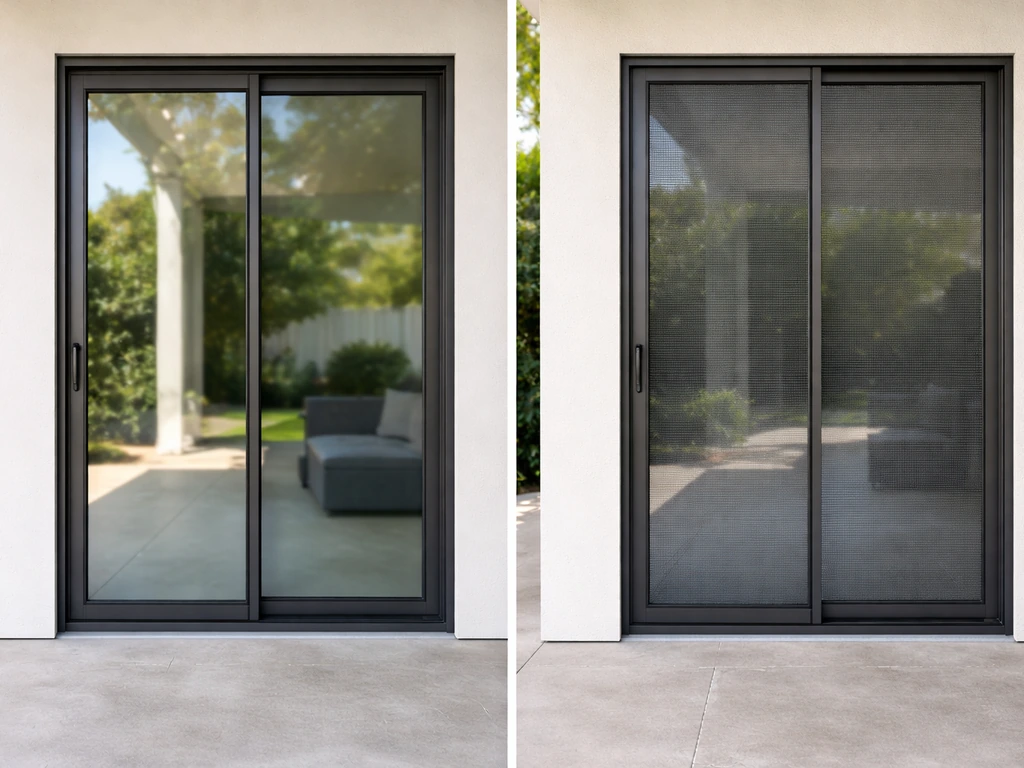
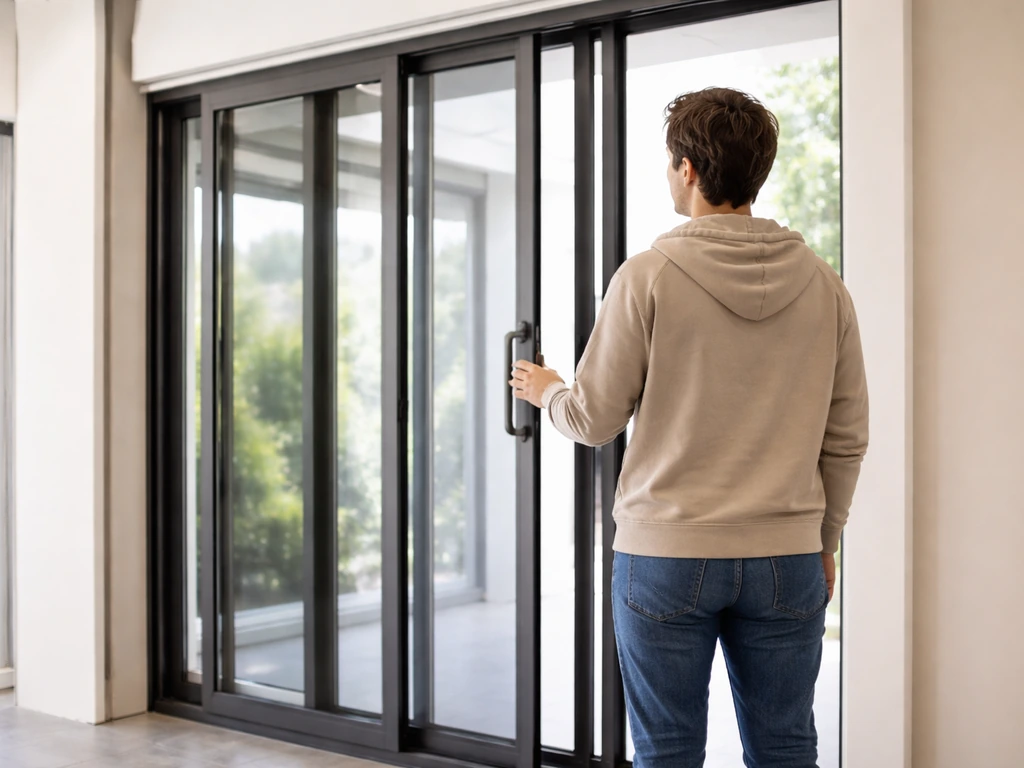
Before you even start comparing prices, get clear on what you're shopping for. A sliding glass patio door is the main door unit, the heavy tempered or insulated glass panels in an aluminum, vinyl, or wood frame that slides on a track. A sliding screen door is a separate, lighter panel (usually aluminum-framed mesh) that fits in front of the glass door and lets air in while keeping bugs out. These are two completely different purchases, and mixing them up wastes a lot of time.
A lot of homeowners assume the screen door comes with the glass door. Sometimes it does, many patio door packages include a basic screen, but often it's an optional add-on or a completely separate purchase. Retractable screens, like the Andersen LuminAire, are always sold separately and mount to the exterior of the door frame. If you're replacing just a worn-out screen, you're shopping in a totally different category than someone who needs a full glass door replacement. If screen doors are your main focus, that's worth reading about separately, but for most people doing a full replacement, you'll want to figure out the glass door purchase first and then layer in screen options.
Measure before you shop, this determines where you can even buy from
This is the step most people skip, and it's exactly why they end up making two or three trips to the store. Your measurements determine whether you can buy off-the-shelf or need to go custom, and that single fact decides which buying channel makes sense for you. Andersen — “Insect Screen Installation and Adjustment on 100 Series Gliding Patio Door” (model-specific instructions) notes that andersen provides 100 Series gliding patio door-specific instructions for installing and adjusting the insect screen, implying compatibility can be series-dependent.
Rough opening vs. door unit size
Rough opening width is measured from the inside of one stud to the inside of the opposite stud. Rough opening height runs from the subfloor to the bottom of the header. These are always larger than the door unit itself, typically by about 1/2" to 1" on each side, because the frame needs to sit inside the opening with room for shimming and leveling. Never assume your current door's nominal size (like a "6-foot door") equals your rough opening. Measure the actual framed opening yourself.
Pre-shopping sizing checklist
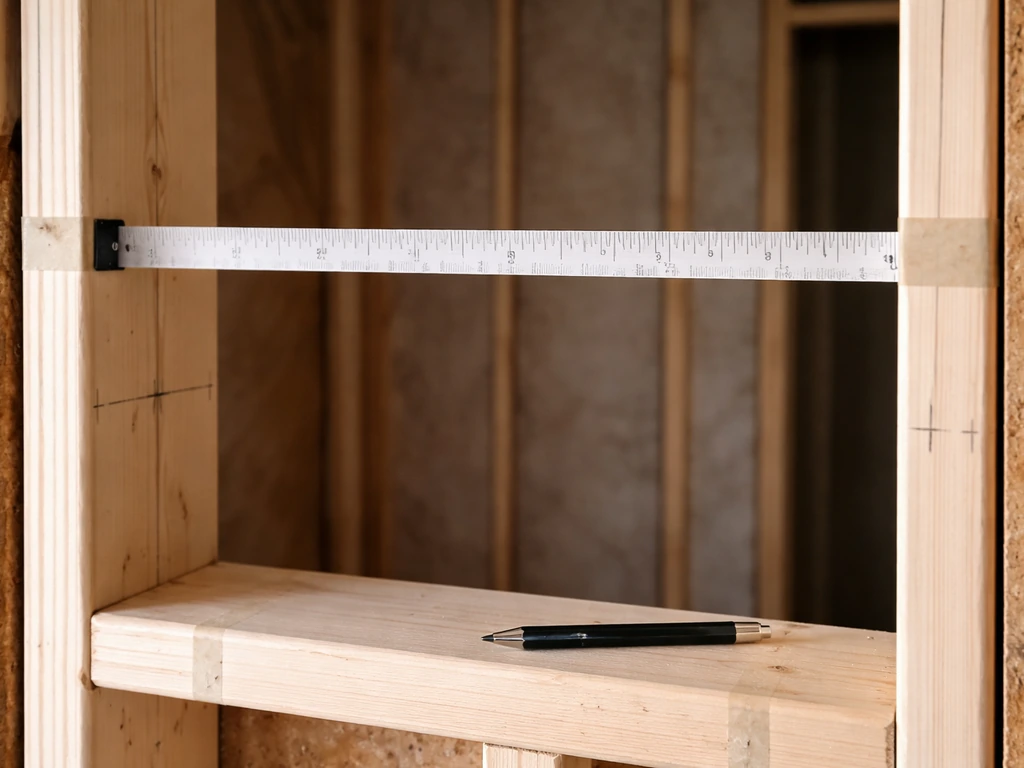
- Measure rough opening width (stud to stud, inside edge to inside edge) and height (subfloor to header bottom) — measure at least twice
- Note the existing track depth and roller type if you're doing a panel-only replacement rather than a full frame swap
- Check whether your current framing is square (use a level) — out-of-square openings complicate standard door installation
- Confirm wall thickness so you know what extension jamb, if any, you'll need
- Note which direction the door slides (from inside, does the sliding panel go left or right?) — this is called the door hand
- Check for any exterior finish or siding that butts up to the current frame, since a different frame width affects exterior trim work
- If adding a screen, measure the door panel width and height separately from the frame — screens need to match the specific panel, not the rough opening
Home Depot's installation instructions are explicit: measure the rough opening, then follow the manufacturer's instructions for that specific door model. JELD-WEN publishes official installation PDFs for their sliding patio door assemblies and multi-slide systems on their website, and Andersen has series-specific instructions (the 100 Series, 200 Series, and 400 Series each have different framing and screen requirements). Don't try to wing the sizing, download the manufacturer's instruction sheet for any door you're seriously considering before you buy.
Where to actually buy: the real trade-offs by channel
Here's the honest breakdown of each buying channel, with the situations where each one actually makes sense.
Big-box retailers (Home Depot, Lowe's)
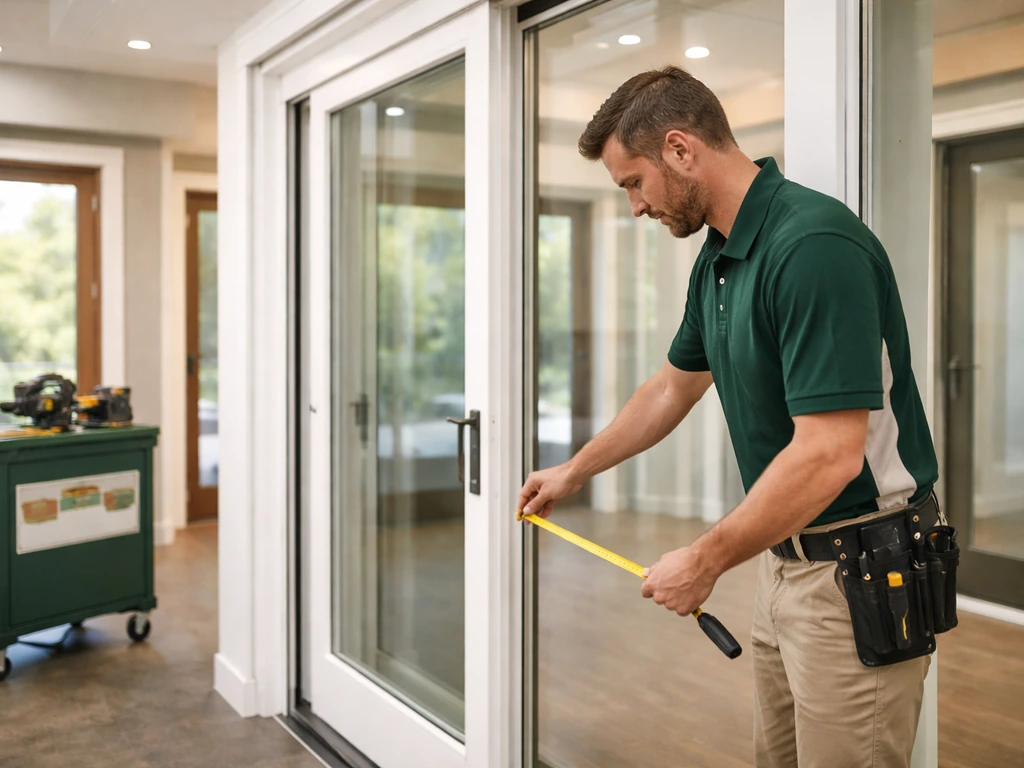
For standard-size doors in common materials, Home Depot and Lowe's are the fastest and most accessible option. Both carry sliding patio doors in vinyl and aluminum frames from brands like Andersen, JELD-WEN, Milgard, and their own house brands. To find patio door curtains that fit your style, measure your opening first and then shop by size at local retailers or online where to buy patio door curtains.
You can walk in, see a display model, and in many cases get a door delivered within a week or two. Both retailers also offer installation services: Lowe's provides a 1-year labor warranty from the date of job completion on most installation categories, and Home Depot has its own skilled labor coverage included with their Window and Patio Door Limited Warranty.
The trade-off is selection, big-box stores carry the most popular sizes and configurations, not obscure widths or premium performance glass packages. If you need triple-pane glass, specialized low-E coatings for a harsh climate, or a door wider than 96", you'll hit the limits fast. Also, returns on large doors can be painful.
Lowe's requires a return to be initiated within 48 hours of delivery or pickup for many items in this category, so inspect your door immediately and thoroughly the moment it arrives.
Local dealers and specialty door showrooms
A local dealer who specializes in windows and doors is worth visiting once you've done your homework on sizing and brands. If you're wondering where to buy French patio doors, start by checking local dealers and specialty door showrooms after you confirm your rough opening measurements. These dealers typically have direct relationships with manufacturers like Andersen, Pella, or Marvin, which means access to more configurations, better lead times on custom orders, and people who actually know the product.
Showrooms let you feel the hardware quality and see how the panel glides before you commit. The downside is price, dealers usually cost more than big-box, and you often need to get a formal quote rather than seeing a price tag. But if you're spending $1,500 or more on a door, having a knowledgeable salesperson who can help you match the door to your climate zone and framing situation is genuinely worth the markup.
Full-service installers (Renewal by Andersen, local window companies)
If you want the door measured, supplied, and installed by the same company, a full-service replacement company is the easiest path. Renewal by Andersen, for example, handles the whole job and claims most replacement jobs are completed in as little as one day depending on crew size and complexity. Their certified contractors come with a separate 2-year installation warranty on top of the product warranty.
You pay a premium for that convenience, full-service installs typically run significantly higher than supply-only purchases, but you avoid measuring errors, framing headaches, and disposal of the old door. This is the channel to use if you're not comfortable with any part of the DIY process or if your opening has any complications. [All Glass Parts — Do-It-Yourself Sliding Screen Door Kit (components included)](https://www. allglassparts.
com/do-it-yourself-sliding-screen-door-kit-46-5-8-to-49-3-8-x-90-mill/) notes that all Glass Parts’ DIY sliding screen door kit lists included components such as framing, corners, rollers, screws, screen mesh, screen spline, and a locking pull handle.
Online retailers and direct-to-consumer brands
Buying a sliding glass door online is risky unless you've done very precise measurements and you're confident in your installer. The upside is price, you can sometimes find the same door unit for less than a dealer or big-box markup. The downside is that shipping large glass door units is expensive and damage-prone, and if something arrives wrong, the return process can be a nightmare. Online makes the most sense for experienced contractors buying on behalf of clients, or for homeowners who've already confirmed exact specs with a local installer and just want to source the unit separately to save money.
Custom door manufacturers
For non-standard openings, architectural glass, ultra-wide multi-slide configurations, or high-end materials, going directly to a custom manufacturer is the only real option. Lead times are longer, often 6 to 12 weeks, and prices are substantially higher, but you get exactly what you need. This is the path for renovations where the opening doesn't match any standard door size, or for premium builds where performance and aesthetics are the priority over price.
| Channel | Best for | Typical lead time | Installation included? | Return flexibility |
|---|---|---|---|---|
| Big-box (Home Depot, Lowe's) | Standard sizes, budget-conscious buyers | 1–2 weeks | Optional add-on | 48-hour return window on delivery |
| Local dealer/showroom | Mid-range to premium brands, more configs | 2–4 weeks | Sometimes bundled | Varies by dealer |
| Full-service installer (e.g., Renewal by Andersen) | Turnkey replacement, complex openings | 1–4 weeks | Always included | Limited — job is quoted and contracted |
| Online retailer | Price-sensitive, experienced buyers with confirmed specs | 1–3 weeks | Not included | Difficult for large units |
| Custom manufacturer | Non-standard sizes, premium performance | 6–12 weeks | Not included | Usually non-returnable |
How to find good options near you and vet sellers fast
Start with Google Maps, search "sliding patio door dealer" or "window and door showroom" near your city. Check Google reviews specifically for comments about post-sale service and whether the doors arrived without damage. A showroom with a 4.5-star rating and 200+ reviews that mention installation quality is worth more than a slightly lower price somewhere with thin reviews.
When vetting any seller, ask these things directly before you commit:
- What brands and product lines do you carry, and can I see the spec sheets?
- What is the current lead time for the door I'm looking at?
- Do you offer installation, and is there a separate labor warranty?
- What happens if the door arrives damaged or is the wrong size?
- Is the warranty tied to professional installation, or is it valid for DIY installs too?
- Do you carry screen door options or retractable screens compatible with this door?
On warranty: Andersen's product warranty varies by product line, options selected, and accessories. You need the receipt and the specific product line to determine your coverage, so always get warranty terms in writing before you buy. Andersen also offers a 2-year installation warranty when the job is done by an Andersen Certified Contractor, something worth verifying if you're going the full-service route.
What to compare across vendors before you commit
When you're getting quotes from multiple places, compare across the same set of factors so you're not fooled by a low sticker price that hides expensive extras.
- Door unit price: glass door panel(s) + frame, including any screen that comes bundled
- Glass package: standard double-pane vs. low-E coating vs. argon fill vs. triple-pane — this affects energy performance significantly, especially in hot or cold climates
- Frame material: vinyl (low maintenance, good insulation), aluminum (strong, slim profile, conducts cold), wood (beautiful, high maintenance), or fiberglass (premium, best thermal performance)
- Installation cost: get this as a separate line item, not buried in the door price
- Labor warranty term: Lowe's offers 1 year on most installation work; Andersen Certified Contractors offer 2 years; some local installers offer more
- Lead time: in-stock vs. special order — confirm actual availability, not just what the website says
- Delivery cost: large doors ship heavy and fragile — delivery fees can add $150 to $400+
- Return/exchange policy: understand the exact window and process before you hand over a credit card
Screens, locks, and security upgrades worth adding
Once you've nailed down the glass door purchase, think through the add-ons. These are often easier to buy at the same time rather than tracking them down separately later.
Screen door options
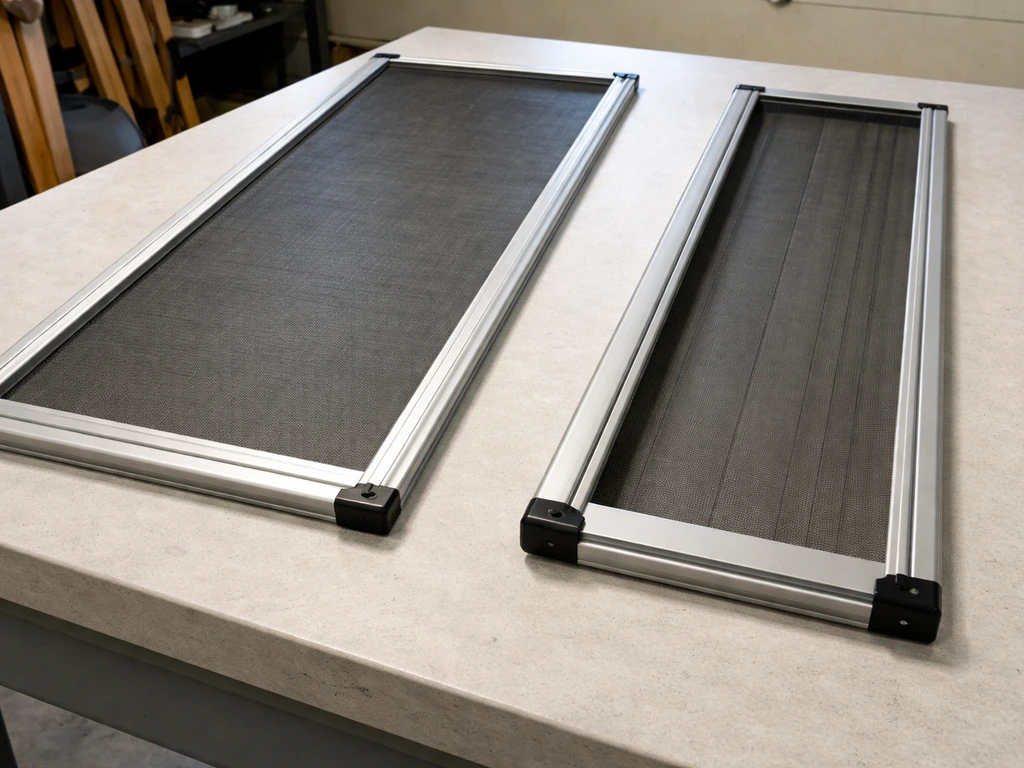
For screens, you have three main choices: a standard sliding screen panel (usually the most affordable, often available as a factory add-on with the door), a retractable screen (retracts into a canister on the exterior when not in use), or a DIY screen kit if you just need to replace a worn-out screen. The Andersen LuminAire retractable screen is marketed as a universal design compatible with most patio doors including the Andersen 100 Series Gliding Patio Door, and it can be installed on a patio door in about an hour according to Andersen's claims. It comes with a 5-year limited warranty covering the screen housing, latch housing, screen track, endcap, and sill adapter components. However, you need to verify fit using Andersen's measure guide before purchasing, don't assume "universal" means zero measuring.
If you're buying a DIY screen kit, read the product details carefully. Some kits (like certain Apex Products sliding screen door kits) include the door panel but not the track or framing, meaning you need to source and install the track separately. Other kits, like some from All Glass Parts, include framing, corners, rollers, screws, screen mesh, spline, and a locking pull handle as a complete package. Screen tracks and rollers are also replaceable separately if only part of your existing screen system is worn out. Compatibility between the screen roller and the track matters, they need to be matched to the same system for the screen to slide smoothly.
Security upgrades
Sliding glass doors are a common entry point for break-ins because the standard latch is easy to defeat. At minimum, add a secondary lock: a sliding door bar (a cut-down wooden dowel or metal bar laid in the track), a foot bolt mounted to the door frame, or a loop-style lock that connects the sliding panel to the frame. For more robust security, look for doors that come with multi-point locking systems standard, or ask your dealer about aftermarket multi-point lock upgrades. Some premium door lines include them from the factory.
Weatherstripping and sealing
Weatherstripping on sliding doors wears out faster than on hinged doors because the panel compresses the seal every time it moves. When buying a new door, ask whether the weatherstripping is replaceable and whether replacement parts are available from the manufacturer. If you're in a cold climate, verify that the door has a thermal break in the frame (especially important on aluminum-frame doors) and that the glass has an appropriate low-E coating and gas fill. These features significantly affect energy performance and should be listed in the door's specification sheet.
Your next steps, in order
- Measure your rough opening (width stud-to-stud, height subfloor-to-header) and write it down before you look at a single product listing
- Decide if you need a full door replacement or just a panel/screen replacement — this narrows your channel immediately
- Identify your priority: speed and price (go big-box), turnkey installation (go full-service installer), or premium performance and custom sizing (go dealer or custom manufacturer)
- Get at least two quotes from different channels for comparison, making sure installation, delivery, and warranty terms are itemized separately
- Confirm screen compatibility at the time of purchase — whether that's a bundled screen, a retractable add-on, or a separate DIY kit — and verify fit with the manufacturer's measure guide
- Add security upgrades (secondary track lock, multi-point lock if not included) and confirm weatherstripping and glass package match your climate before finalizing the order
FAQ
If a listing says “fits a 6-foot opening,” what should I verify before I buy to avoid a mismatch?
Ask for the exact “door unit” and “frame” dimensions the warranty and specs cover, not just the nominal size (like 6-ft). Then confirm what the seller counts as part of the unit versus the labor scope, for example whether they include old-door removal, new track leveling, and wall trim/caulking. If you are supplied-only, request the manufacturer model number so your installer can match the correct frame and hardware.
I only need to replace my screen. How do I make sure the new screen will actually work with my current sliding door?
Screen and glass doors are usually sold as separate systems, so treat “hardware compatibility” as a checklist. For a screen replacement, check that the roller type, track shape, and sill adapter match your existing frame brand and year, not just the screen width. If you cannot find an exact match, buy a full screen assembly instead of individual parts to avoid misalignment.
When does buying a sliding patio door online become a bad idea for a homeowner, even if I have measurements?
Before choosing online, confirm you have a written installation plan from the installer (or at least a spec sheet approval) that includes shimming locations, fastener type, and how the rough opening will be brought to level and square. If your opening is out of square by more than about 1/4 inch across, many standard installs will have sealing and track issues. Online ordering can work well when the installer is already accustomed to that exact model.
What warranty terms should I demand in writing so I know I am covered if there are installation or sealing issues?
Get clarity on whether the warranty is “product-only” or “installation-included,” and who performs the service. Some warranties only start after you register the product, and some require that the job is installed by specific credentialed contractors. Also ask what happens if the door fails due to framing, for example improper shimming or water intrusion from flashing errors, since that is commonly excluded.
How can I protect myself if the door arrives damaged or incorrect when I buy from a retailer with a tight return window?
For big-box returns, do not rely on the return policy printed online for large items, confirm the cut-off date in writing at checkout (for example, the 48-hour window mentioned for some categories). When the door arrives, inspect for glass damage, bent frames, missing locks/rollers, and track defects before the installer disposes of packaging. Photograph the shipping labels, crate condition, and serial numbers immediately.
When I compare quotes, what specific items should I make sure are included so I am not misled by a low price?
Use the same comparison set for every quote, including frame material, glass package (single, dual, triple pane), low-E coating type, spacer type (warm-edge versus standard), and whether an installation warranty is included. Also ask whether labor covers threshold adjustments, new weatherstripping, and sealing/caulking. A cheaper bid often comes from omitting one of these items.
How do I estimate lead times realistically if my opening is non-standard or I want premium glass?
If you want the fastest lead time for standard sizes, prioritize supply-only or big-box stock for typical widths, then move to local dealers for custom within a moderate lead window. For non-standard openings, premium glass, or multi-slide configurations, the practical lead time is usually dictated by the factory schedule, not the retailer. Ask for a date range, not a single “ships by” date, and confirm how delays are handled.
What should I ask about lock compatibility and warranty if I want to upgrade from the basic sliding door latch?
Security hardware is often the biggest upgrade lever. Ask whether the standard lock has a reinforcing strike plate and whether the door can accept multi-point locking without drilling into incompatible frame locations. If you are considering aftermarket multi-point locks, confirm compatibility with your exact lock stile and that warranty coverage will not be voided by drilling or hardware changes.
What performance specs should I look for (and confirm are replaceable) to avoid energy and drafts problems later?
Weatherstripping and alignment drive performance, so confirm replaceability and source options for parts like seals, rollers, and gaskets. Also ask how the door system handles thermal break in the frame, and verify the glass has the right energy package for your climate (low-E, gas fill, and proper spacer). If the spec sheet does not list these, request it before you purchase.