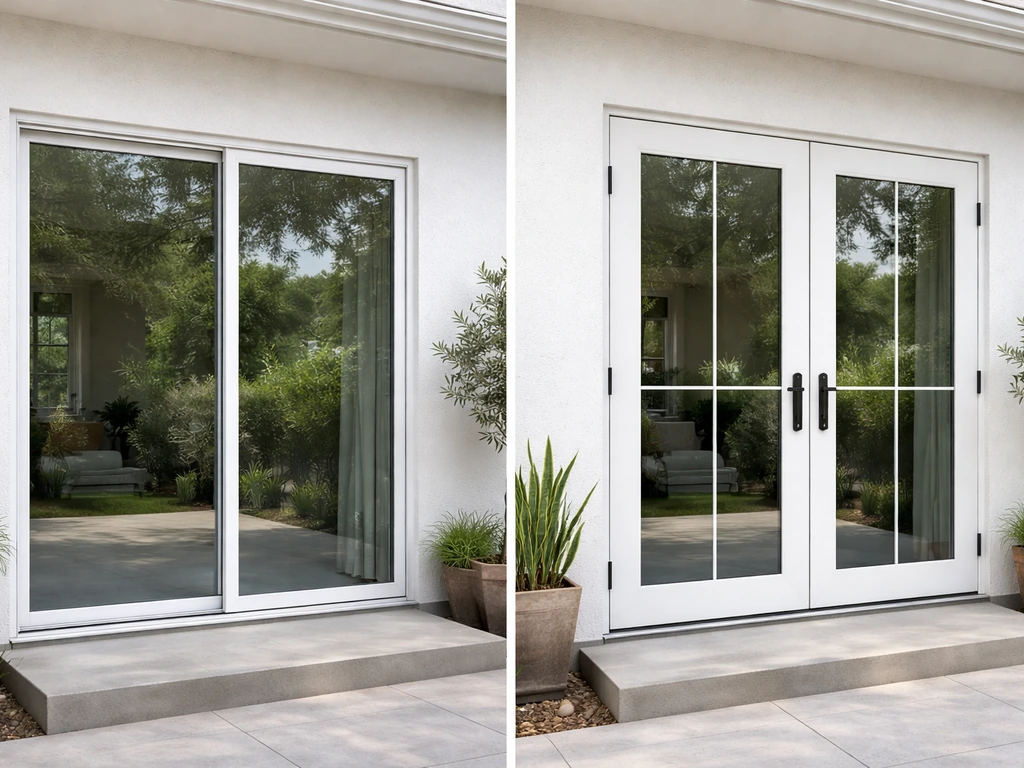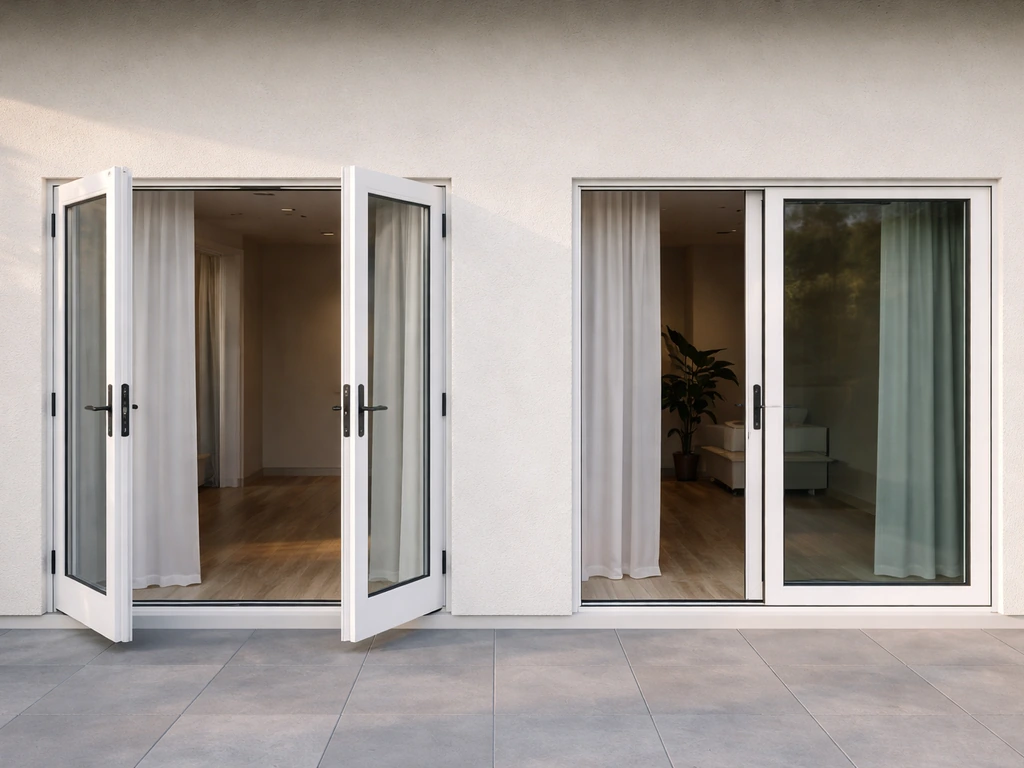
Patio doors do come in commonly used sizes, but there is no <a data-article-id="995FA866-0C7F-4CA5-A492-E71403B49117">single universal "standard"</a> that every manufacturer, builder, or era follows. If you were wondering, are all patio doors the same size, the answer is no, and the lack of a single universal standard is why you need to measure your rough opening. The most widely stocked sliding patio door is 60 inches wide by 80 inches tall (a 5-foot by 6-foot-8 unit), and that size will fit a huge number of homes built since the 1970s. But the word "standard" gets complicated fast once you factor in door style (sliding, French, bifold), manufacturer-specific rough opening requirements, older home framing, and multi-panel configurations. The real number you need is not just the door slab size, it is the rough opening: the framed hole in your wall that the door unit slides into. Those two numbers are always different, and getting both right is what separates a smooth replacement from a costly headache.
Are Patio Doors Standard Size? Sizes and How to Measure

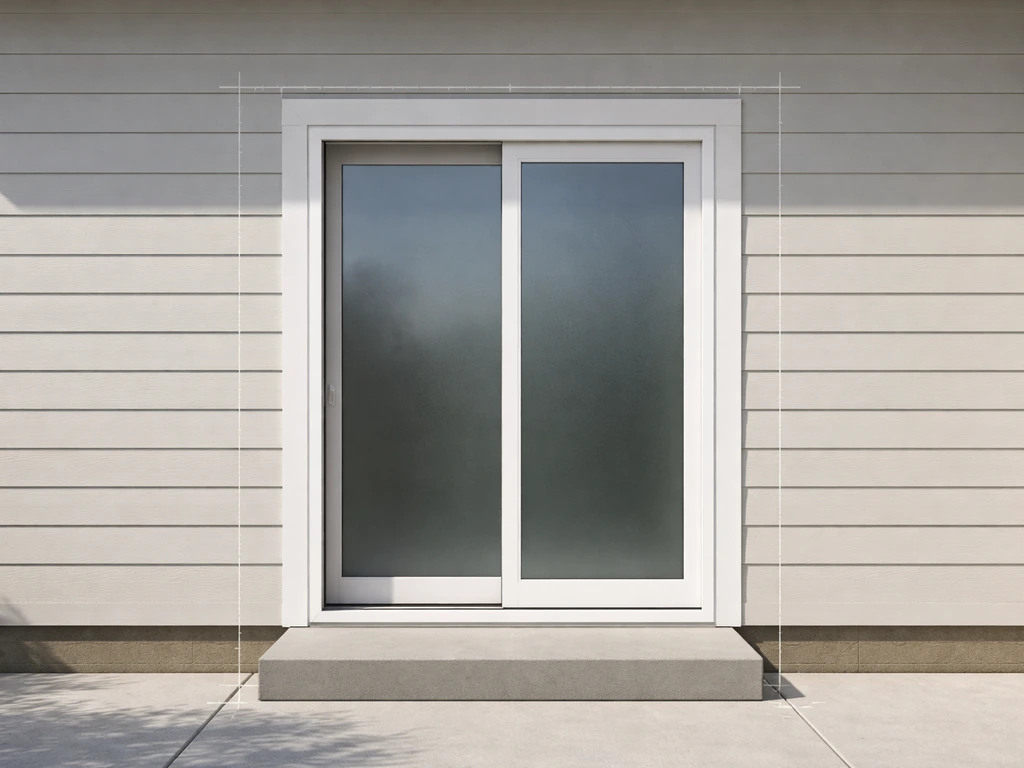
Common patio door size standards by type
Each patio door style has its own sizing conventions. Here is what shows up most often in stock at major retailers and what manufacturers publish as their core size ranges.
Sliding (gliding) patio doors
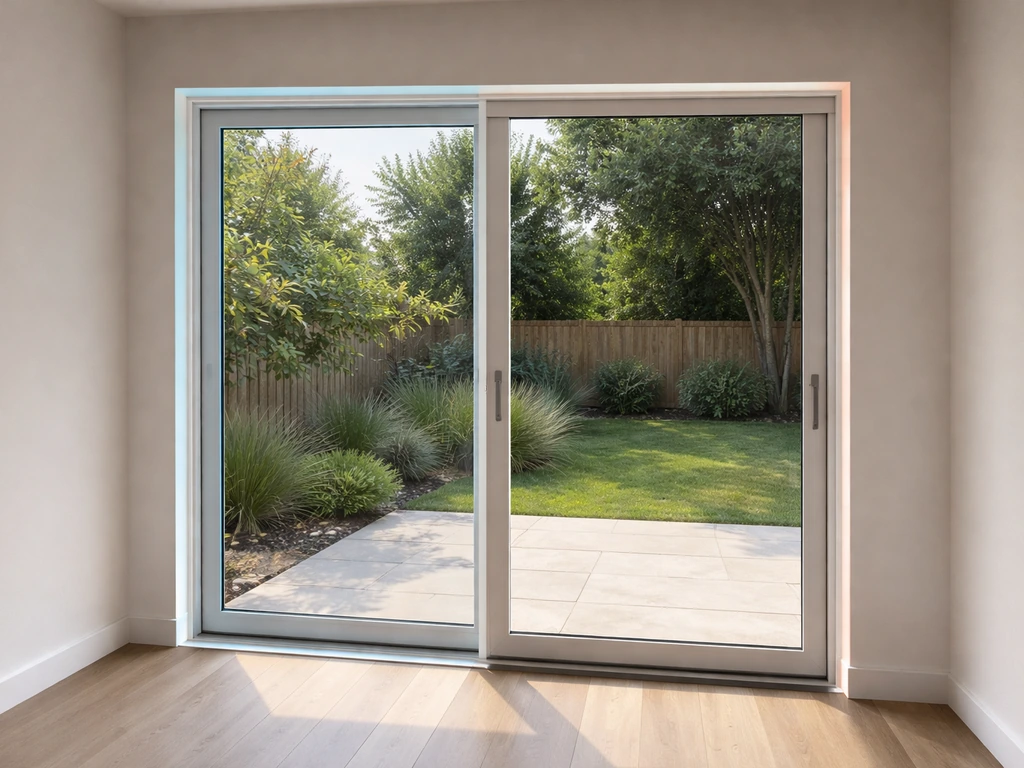
The most common sliding patio door is a two-panel unit at 60 x 80 inches, which JELD-WEN, Pella, Milgard, and Andersen all produce in standard runs. Wider two-panel options at 72 x 80 inches are also common stock sizes. Step up to three- or four-panel configurations and widths can reach 9, 10, 12 feet or more. Milgard's Ultra Series, for example, publishes a size chart that goes all the way to 144 inches wide (12 feet) by 96 inches tall (8 feet) for a multi-panel configuration, with a corresponding rough opening width of 144 3/16 inches. Heights of 80 and 96 inches are by far the most common; 8-foot ceiling homes drove 96-inch door heights into standard production starting in the 1990s.
French patio doors
French patio doors (two hinged panels that swing in or out) most commonly come in combined widths of 60 and 72 inches, with 80 inches as the standard height. Andersen's 400 Series Frenchwood gliding doors publish size tables showing multiple width and height configurations with minimum rough opening values, and they note that four-panel versions require an extra 1/4 inch added to the minimum rough opening height. That small detail matters more than it sounds when you are ordering a replacement and working with a fixed framed opening.
Bifold patio doors
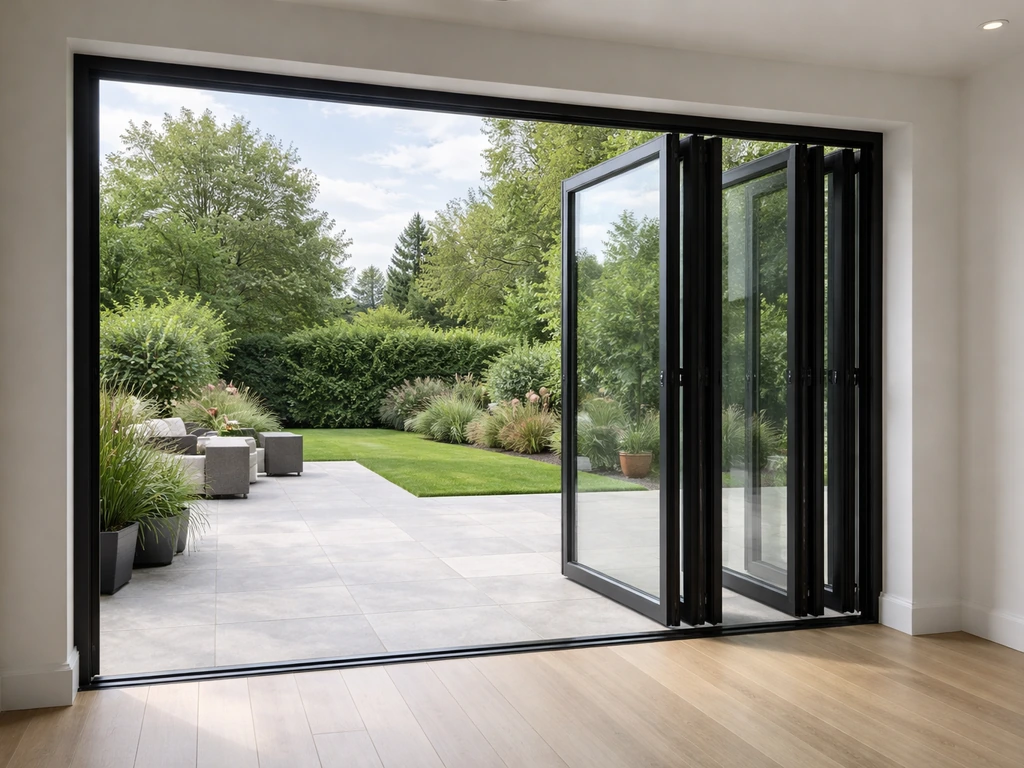
Bifold (folding) patio doors are the least standardized of the three styles. Because they fold accordion-style, they are often used for wider openings, typically starting around 8 feet wide and going up to 20 feet or more. The Home Depot's installation documents even include a dedicated "Bifold Size Selector" tool, which tells you something: these doors require their own sizing logic separate from sliding or French styles. If you are replacing a bifold or adding one to an existing opening, expect custom or semi-custom sizing to be the norm rather than the exception.
How to measure patio doors (width, height, and rough opening)
Measuring correctly is the most important thing you can do before you buy anything or call a single contractor. There are two measurements you need: the existing door unit size (sometimes called the net frame size or slab size) and the rough opening (the framed hole in your wall). Every major manufacturer, Pella, Milgard, Andersen, Loewen, JELD-WEN, publishes installation guides that treat these as separate numbers, because they are.
- Measure the rough opening width: Remove interior trim if needed and measure the distance between the rough framing studs at the top, middle, and bottom of the opening. Use the smallest measurement.
- Measure the rough opening height: Measure from the subfloor (or finished floor, noting which) to the underside of the framing header at the left, center, and right of the opening. Use the smallest measurement. JELD-WEN specifically instructs you to determine the actual finished floor height and adjust accordingly.
- Check plumb, level, and square: Loewen's installation guide dedicates a full step to verifying the rough opening is plumb (vertical), level (horizontal), and square (corners at 90 degrees) before ordering or installing. If the opening is out of square by more than about 1/4 inch, that needs to be fixed first.
- Measure the existing door unit (if replacing): Measure the outside frame dimensions of the door unit you are removing, not the glass or slab. This tells you the net frame size the manufacturer will use to match your opening.
- Account for track and threshold: For sliding doors, measure the track depth and sill height. The threshold adds to the overall rough opening height requirement and affects the finished floor clearance.
- Note panel swing or track direction: Measure which side the active panel operates from, and note the direction of travel. This affects the order configuration, not just the size.
As a general rule, rough openings are larger than the door unit. Loewen's guide specifies the rough opening should be between 3/4 inch and 1 inch larger than the door in both width and height. JELD-WEN's quoting checklist gives a specific formula: add 3/4 inch to the frame width and 1/2 inch to the frame height to arrive at the rough stud opening size. Pella's rough opening clearance document recommends 1/2 inch to 1 inch greater than the frame height. Kolbe recommends a minimum 1/4-inch gap between the unit and the structure, increasing to 1/2 inch when mullions are involved. The point is: there is no single universal clearance number. Check the specific manufacturer's spec sheet for the product you are buying.
Matching existing openings vs. buying a new size
If you are replacing an existing patio door, the goal is to find a door unit whose rough opening requirements match your existing framed opening. This is where most homeowners run into trouble. The framed opening in your wall was built for a specific door unit, and if you order a door with slightly different rough opening requirements, you end up either shimming and filling gaps (fine within limits) or cutting and reframing (expensive). Milgard's installation instructions note that the door product should match the opening within ASTM 2112 tolerances: 1/2-inch square tolerance for units under 20 square feet, and 1/4 inch for units over 20 square feet. That is a pretty tight margin.
For a new install, you have more flexibility. You choose a door size and then frame the rough opening to match the manufacturer's minimum rough opening requirements. Andersen's A-Series and 400 Series sizing charts both publish minimum rough opening dimensions by configuration, and their sizing support page confirms that custom sizing in 1/8-inch increments is available when standard sizes do not fit. Renewal by Andersen explicitly notes that both standard and custom sizes exist, precisely because replacement situations do not always line up with what is in stock.
Why "standard" varies across manufacturers, materials, and eras
Walk into any home built before 1970 and you will quickly learn that "standard" is a relative term. Older homes were often framed around wooden door units with different thickness profiles than modern aluminum-clad or fiberglass products. A vinyl-framed door sits differently in a rough opening than a wood-framed or aluminum door of the nominally same size, because the frame thickness changes the net unit dimensions and clearance requirements.
On top of that, manufacturers do not agree on the same standard configurations. Andersen's A-Series gliding door sizing charts show multiple panel widths and heights, none of which automatically match a Milgard Trinsic or a Pella replacement product. Milgard publishes its own standard size and egress chart for the Trinsic Series that lists specific rough opening width and height values alongside net sizes. These numbers are close to each other across brands but rarely identical. A 60 x 80 door from one brand may have a slightly different frame depth or threshold design than the "same" size from another brand, which changes fit details even when nominal dimensions match.
Pella takes an interesting position here: their consumer measurement guide states that Pella patio doors are custom made and can be measured to 1/8 of an inch to the size needed. That framing acknowledges what anyone who has replaced a few patio doors already knows: real-world openings rarely hit the exact nominal mark.
Choosing the right size for your replacement (sliding vs. French vs. bifold)
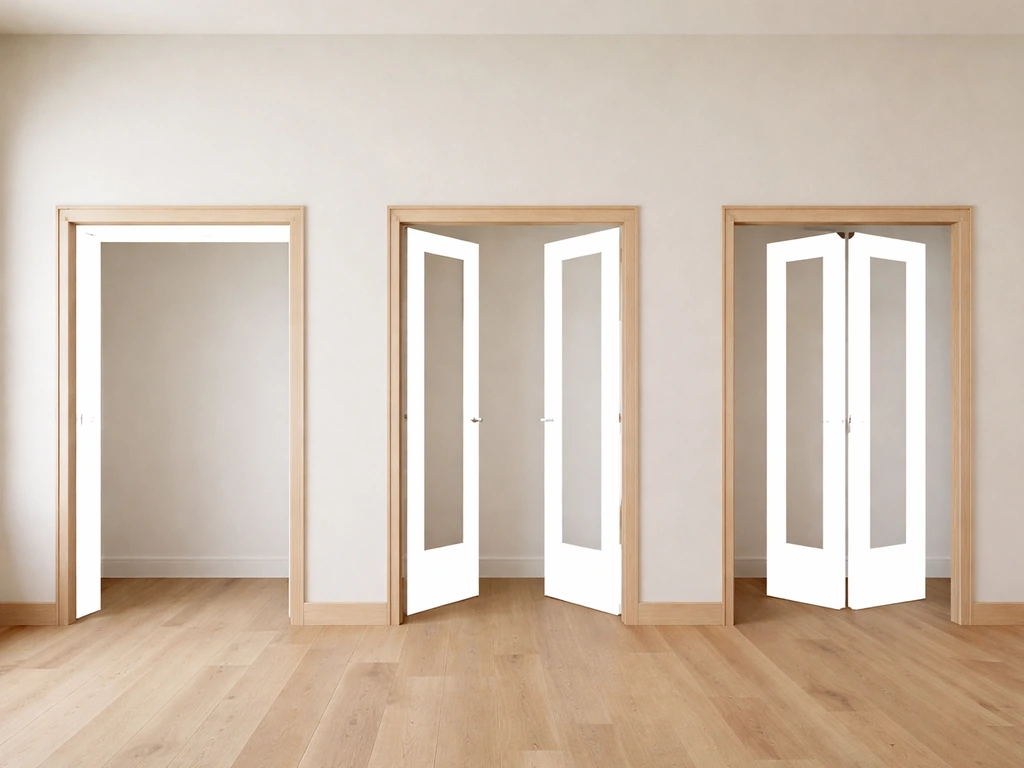
The door style you choose affects which sizes are realistic for your opening. Here is a practical comparison to help you think through the decision.
| Door Style | Common Width Range | Common Height | Rough Opening Flexibility | Best For |
|---|---|---|---|---|
| Sliding (2-panel) | 60" – 72" | 80" or 96" | Moderate: shimming works within ~1" | Standard replacements, most common openings |
| Sliding (4-panel) | 96" – 144" | 80" or 96" | Low: wider units need precise framing | Wide openings, indoor-outdoor living spaces |
| French (hinged) | 60" – 72" | 80" or 96" | Moderate: same rough opening logic applies | Traditional aesthetics, patios with swing clearance |
| Bifold | 96" – 240"+ | 80" – 108" | Low: typically custom or semi-custom | Large openings, full wall access, new construction |
If you are doing a like-for-like replacement (sliding for sliding, French for French), your existing rough opening is your starting constraint. Measure it first, then find door products whose published minimum rough opening falls within that measurement. If you want to switch styles, for example replacing a sliding door with a French door, you may need to adjust the rough opening size because the framing requirements differ by style and brand. Related to this, the smallest available sliding patio door sizes and the sizing norms for French and screen doors each have their own specifications worth checking before you commit to a style change. Patio screen doors often follow similar sizing logic, but their units are commonly not interchangeable with the main patio door slab size patio screen doors sizing logic. The smallest available sliding patio door sizes have their own sizing norms, so check the manufacturer’s minimum rough opening before ordering.
Installation implications: trim, shimming, and framing adjustments
Even when a door is the "right size" on paper, installation always involves some adjustment. Here is what to expect and where costs can creep up.
- Shimming and leveling: Almost every installation requires shimming the door unit to get it perfectly plumb and level within the rough opening. This is normal. The gap between the unit and the framing (that 3/4" to 1" clearance) is filled with shims, then insulated and covered with trim.
- Trim and casing: Interior and exterior trim covers the gap between the door frame and the finished wall. If you are switching from a smaller to a larger door, or vice versa, existing trim profiles may not cover the new gaps and will need to be replaced.
- Framing modification: If your replacement door's minimum rough opening is larger than your existing framed opening, a contractor will need to widen or raise the opening. This means cutting through framing, potentially relocating a header, and patching drywall and exterior siding. It adds $500 to $2,000 or more to a job depending on the scope.
- Threshold and floor transition: Patio door thresholds vary in height and profile. If your new door has a taller threshold than the old one, you may need to adjust flooring transitions inside and any exterior step or landing height outside.
- JELD-WEN's installation guidance notes a maximum clearance of no more than 1/8 inch between the door slab and its frame after installation, which means the unit must be set carefully. Gaps larger than that signal the unit is the wrong size or is not properly shimmed.
What non-standard sizes cost you (money and time)
Sticking with a common stock size (60 x 80 or 72 x 80 sliding, for example) keeps costs down and lead times short. These sizes are produced in large runs and are often available at big-box retailers like Home Depot within days. The moment you go outside that range, costs and timelines change noticeably.
- Stock sizes (60x80, 72x80 sliding): Often available same week or within a few days from retailers. Price range typically $400 – $1,200 for the door unit depending on material and brand, before installation.
- Semi-custom sizes (non-standard width/height but within manufacturer's standard range): Lead times of 2 to 6 weeks from most manufacturers. Expect a 10% to 30% price premium over comparable stock units.
- Full custom sizes (outside standard charts, ordered in 1/8" increments): Lead times of 6 to 12 weeks or more. Price premiums of 30% to 100% are common. Andersen and Pella both offer this, but the cost jump is real.
- Framing modifications for non-standard openings: Add $500 to $2,000+ for labor and materials to cut, reframe, and patch. This is separate from the door cost and installation labor.
- If you can adjust to a standard size that fits within your rough opening with normal shimming, you will save both money and 4 to 8 weeks of waiting.
Finding replacement doors and getting accurate quotes
Before you call a single contractor or visit a showroom, get your measurements written down: rough opening width and height (smallest dimension taken in three spots each), existing door unit frame dimensions, panel configuration (which side is active, swing or slide direction), and a note on whether the floor measurement is subfloor or finished floor. That set of numbers is what every honest installer or supplier will ask for first.
- Pull spec sheets from the manufacturer's website: Andersen, Pella, Milgard, JELD-WEN, and Loewen all publish sizing charts and rough opening guides online. Compare your rough opening to the minimum rough opening column in the chart, not the door size column.
- Confirm rough opening vs. door size with every quote: Ask the contractor or supplier to confirm which number they are quoting: the net door unit size or the rough opening requirement. These are not the same, and confusion here causes ordering mistakes.
- Ask about hardware compatibility: If you are replacing a door from the same brand and era, existing hardware and track systems may be reusable. If switching brands or styles, confirm that the new threshold, lock prep, and handle configuration are compatible with your existing setup or budget for new hardware.
- Verify threshold requirements and floor clearance: Ask the supplier what the threshold height is on the new unit and confirm it works with your interior and exterior floor levels.
- Get the installer to verify the rough opening in person: Even with good self-measurements, have the installer confirm plumb, level, and square before ordering. Loewen's guide makes this a required step, and for good reason. An out-of-square opening you missed can mean the door binds or does not seal properly after installation.
- Request lead time in writing: If you need the door by a specific date, get the lead time confirmed in writing at the time of order, especially for non-stock sizes.
One last thing worth confirming: if you are getting quotes from multiple contractors, make sure they are all quoting the same door size, configuration, and rough opening requirements. It is common to get bids that look wildly different because one contractor is planning framing modifications and another assumes the existing opening works as-is. Get every quote to spell out what work is included at the rough opening level, and you will be able to compare them accurately.
FAQ
If a patio door says 60 x 80, will any replacement fit my opening?
Usually not. Even if the door slab is nominally 60 x 80, the replacement must match the manufacturer’s required rough opening size (width and height) and clearance details like minimum gaps at the head and sides. If you buy only by the slab label, you can end up with an opening that is a fraction too small (forcing reframe) or too large (requiring more shimming and flashing adjustments).
Can I replace a 60 x 80 sliding patio door with a different brand of the same size?
Yes, if you keep the rough opening aligned. The key is whether your framed opening can meet the new manufacturer’s minimum rough opening and whether you need to change the door height to get proper clearance at the header and track or sill. Measure rough opening first, then verify the new configuration’s minimums, not just the net door size.
What measurement should I give contractors, slab size or rough opening?
It depends on whether the quote is based on rough opening or on the door slab. Many mix-ups happen when a homeowner reports the slab size only, while the contractor assumes a different rough opening requirement. Ask each bidder to list both numbers (rough opening width and height, and the door unit net dimensions) and which gaps and shims they will plan to use.
Why do some “same size” replacements still need shimming, or even reframing?
Not always. If your existing opening is built around a different frame thickness or threshold design, a “same size” unit may require extra clearance, different sill height, or a different flashing approach. Also check whether your current door is intended for finished-floor versus subfloor-to-sill conditions, since that changes how the threshold aligns with the interior floor.
How do I measure my rough opening so I do not buy the wrong size?
Measure the smallest practical opening dimensions at the stud framing, not the trim or old door casing. Take width and height in at least three spots (left, center, right for width, and top/middle/bottom for height), because older rough openings can be out of square or slightly tapered. Use the smallest dimension when checking minimum rough opening requirements.
Can I enlarge or adjust the rough opening myself instead of ordering a custom door?
It can, and it is a common error. Many manufacturers require a specific rough opening allowance that is based on frame depth and installation method, so the “extra space” in the wall framing is not interchangeable. If you are cutting the opening for a new door, confirm you are meeting minimums, and do not exceed them without a plan for shims, blocking, and flashing.
Are bifold patio doors standard sizes like sliding doors?
Bifold patio doors are commonly semi-custom, because the panel stack, track system, and number of panels create sizing rules that do not map cleanly to sliding or French norms. If your opening is around 8 feet or wider, still treat it as its own sizing exercise: verify the manufacturer’s required rough opening and track configuration before assuming a stock width will work.
Will a patio screen door fit the same opening size as the main patio door?
Often no, especially for egress and safety hardware clearances. Even when sizes look similar on paper, screen doors and patio door slabs typically use different frame and track designs. Confirm that the screen door’s rough opening or frame dimensions are compatible with your existing patio door frame, not just the patio opening.
If I want to change from sliding to French, can I keep my current rough opening?
Yes, but only for a like-for-like swap where rough opening requirements still match. Switching style (for example, sliding to French) changes panel swing/clearance needs and often requires different minimum rough opening allowances. Before you commit, verify the new style’s minimum rough opening and whether your existing header and side framing can support it.
What if my opening is not perfectly square or level?
Potentially, but you should expect tightening the tolerances and more careful installation. Some systems publish allowable square tolerances and clearance ranges, so if your opening is out of square beyond the stated limits, the door may not operate smoothly. If you suspect the frame is not level or square, measure diagonals and plan on making adjustments before ordering.
How much flexibility do I really have if my opening is slightly different than nominal sizes?
Custom options usually have an advantage in replacement scenarios, but you still need the rough opening to be within the manufacturer’s limits for their installation method. Pella, for example, allows measurements to 1/8-inch increments for custom sizing, but you must still plan for correct clearances, shimming strategy, and flashing details. Ask the supplier what tolerances they assume and what happens if the opening is slightly off.