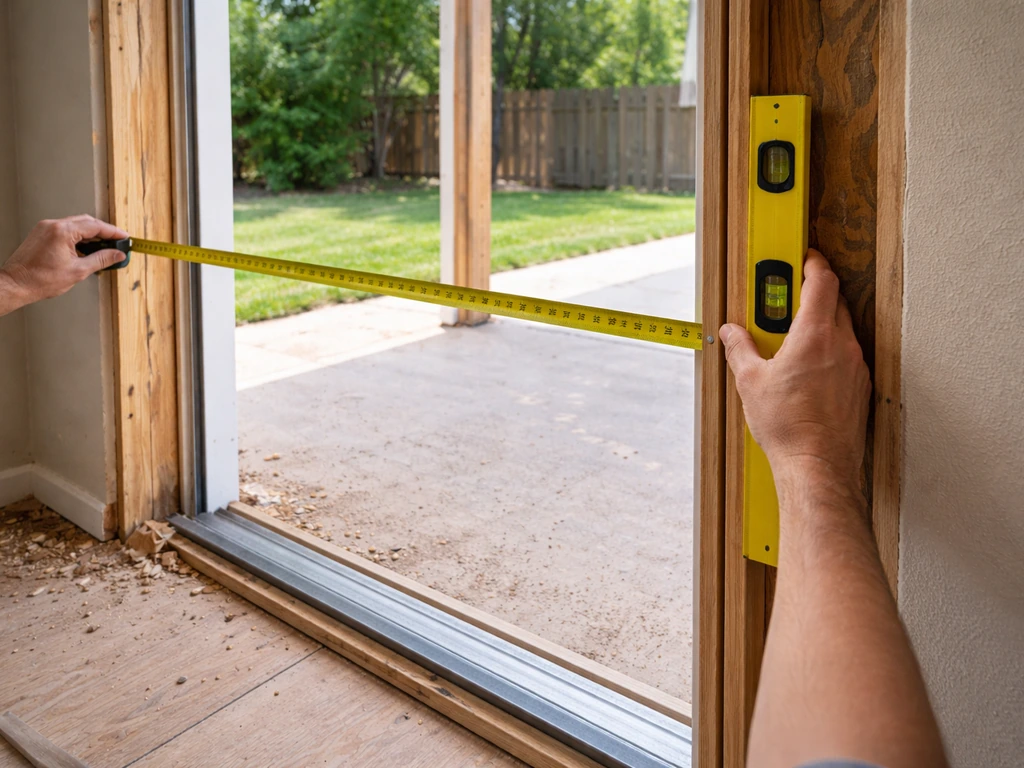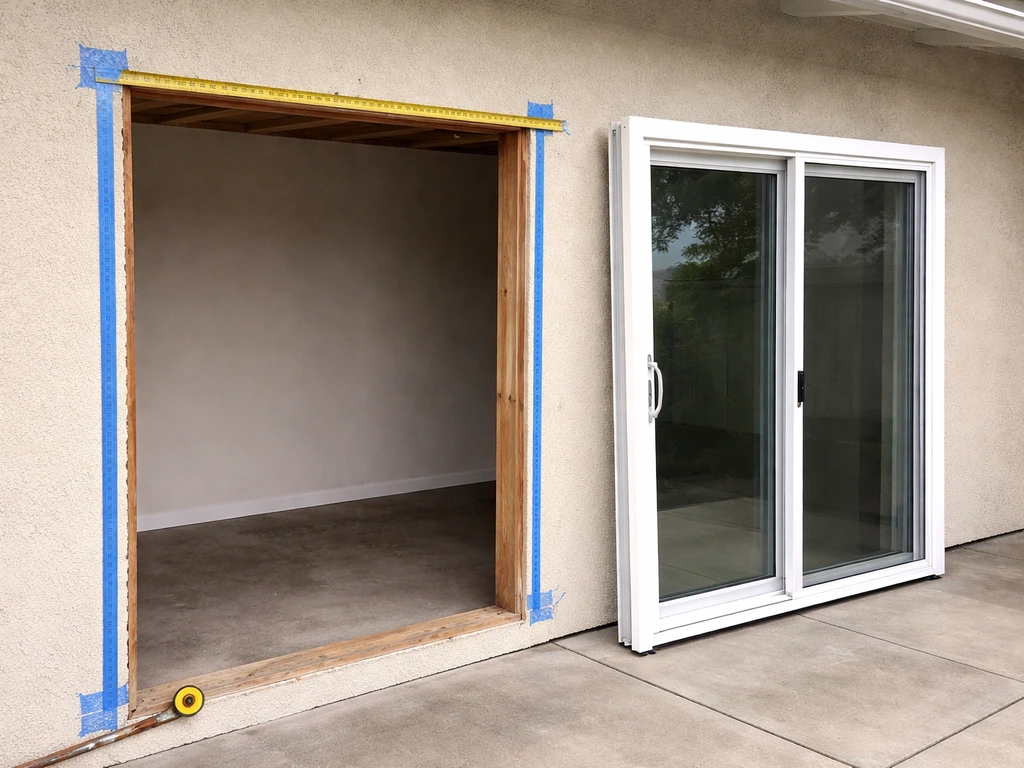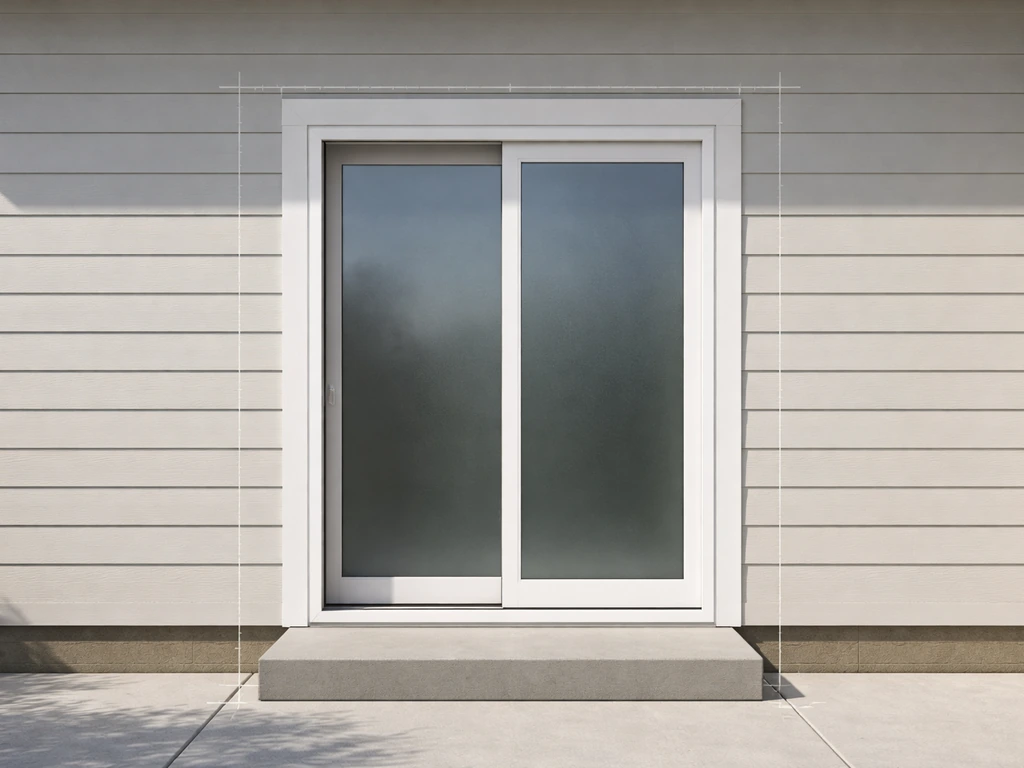
Patio screen doors are not truly universal, but there are common size ranges that cover most homes. If you are trying to match a screen to what you think is “standard,” double-check common patio door sizes and confirm by measuring your actual rough opening first. For sliding patio doors, the most typical screen opening widths run from 32" to 36" wide and about 78" to 81" tall. If you need the typical overall frame dimensions behind that screening fit, review what is the standard sliding patio door size before you order a replacement. Hinged patio screen doors follow similar width ranges but are matched more tightly to their specific door frame. The catch is that "standard" in the screen door world means "fits a common opening," not "fits every opening", and even a quarter-inch difference in your track spacing or frame width can make a replacement panel a nightmare. So the real answer is: measure your specific opening first, then find a screen that fits it. Mirage Screen Systems also advises getting professional measurement from a certified dealer to help ensure the retractable screen will fit properly professional measurement from a certified dealer helps ensure fit.
Are Patio Screen Doors Standard Size? Common Measurements

What "standard size" actually means here
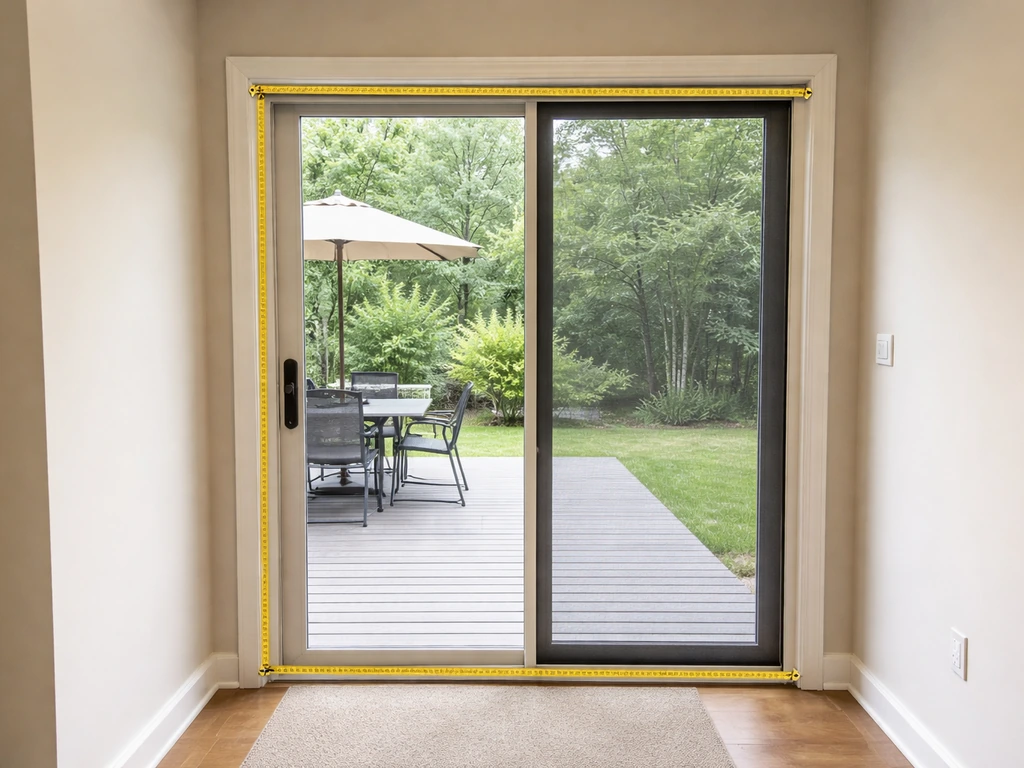
When manufacturers use the word "standard," they're referring to the most common rough opening sizes built into homes over the past few decades, not a single universal measurement that applies everywhere. If you need to know whether your patio doors are standard size, start by measuring the rough opening and comparing it to common rough-opening ranges used in recent home builds are patio doors standard size. If you're trying to pin down what is the standard size of a patio screen door, focus on the most common rough opening sizes and typical door height-and-width combinations, rather than expecting a single universal measurement. In other words, patio doors are often sold as standard sizes, but the real fit depends on your home's rough opening measurements are patio doors standard size. In other words, patio doors are often sold as standard sizes, but the real fit depends on your home's rough opening measurements are all patio doors the same size. French patio doors are typically marketed using common rough-opening sizes, but the exact “standard” size still depends on your home's measurements are patio doors standard size. If you're trying to pin down what a standard patio door size means, focus on the most common rough opening sizes and typical door height-and-width combinations what is a standard patio door size. A 6-foot sliding patio door (which gives you a vent opening around 35" wide) and a 6'8" tall frame are probably the most common combination in U.S. homes. But patio doors also come in 5-foot, 8-foot, and 9-foot widths, and older homes often have non-standard rough openings that don't match today's catalog sizes at all.
Brands like Larson and Andersen have published size charts, but those charts are really guides to which product model fits which range of opening dimensions. Larson's Brisa retractable screen line, for example, organizes its models by opening width (32"–36") and height (78"–81"), with different model numbers for single hinged versus sliding patio configurations. Andersen takes a slightly different approach, they ask you to measure the unobstructed glass area and match that to their charts, rather than assuming the door is a "standard" size. Andersen provides gliding patio door sizing and clear-opening relationships for A-Series door configurations, showing that you need to use the correct measurement method instead of assuming standard catalog sizes will match your screen fit. Neither method assumes your opening is standard. Both require you to measure.
Sizing ranges for sliding vs hinged patio screen doors
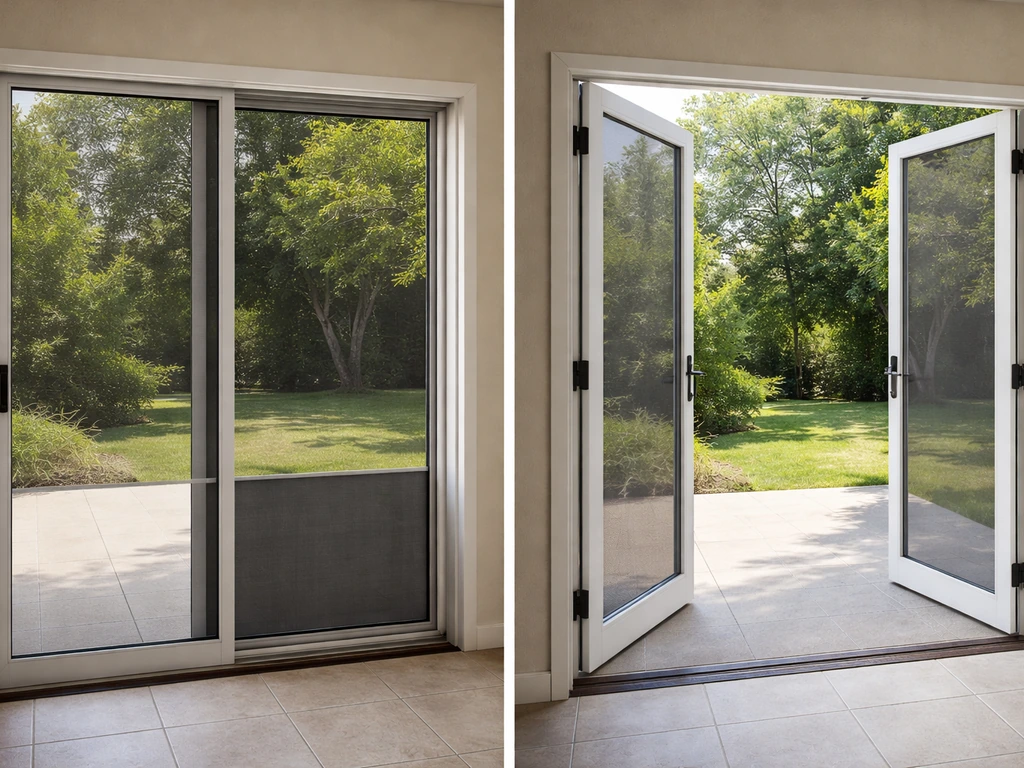
The type of patio door you have determines which screen sizing system you're working with. Sliding patio doors and hinged (French-style) doors have different opening geometries, and the screens built for them aren't interchangeable.
Sliding patio screen doors
On a sliding patio door, the screen panel lives in its own track and slides independently of the glass panel. The key measurement is the vent opening width, the width of the opening on the sliding side, which on a standard 6-foot two-panel sliding door is typically around 35" wide. Most off-the-shelf sliding screen replacements are designed to fit vent openings in the 32"–36" range and heights between 78" and 80". For an 8-foot sliding door, you're looking at wider vent openings, and you'll often need to go to a manufacturer-specific replacement or a custom panel.
Hinged (swing) patio screen doors
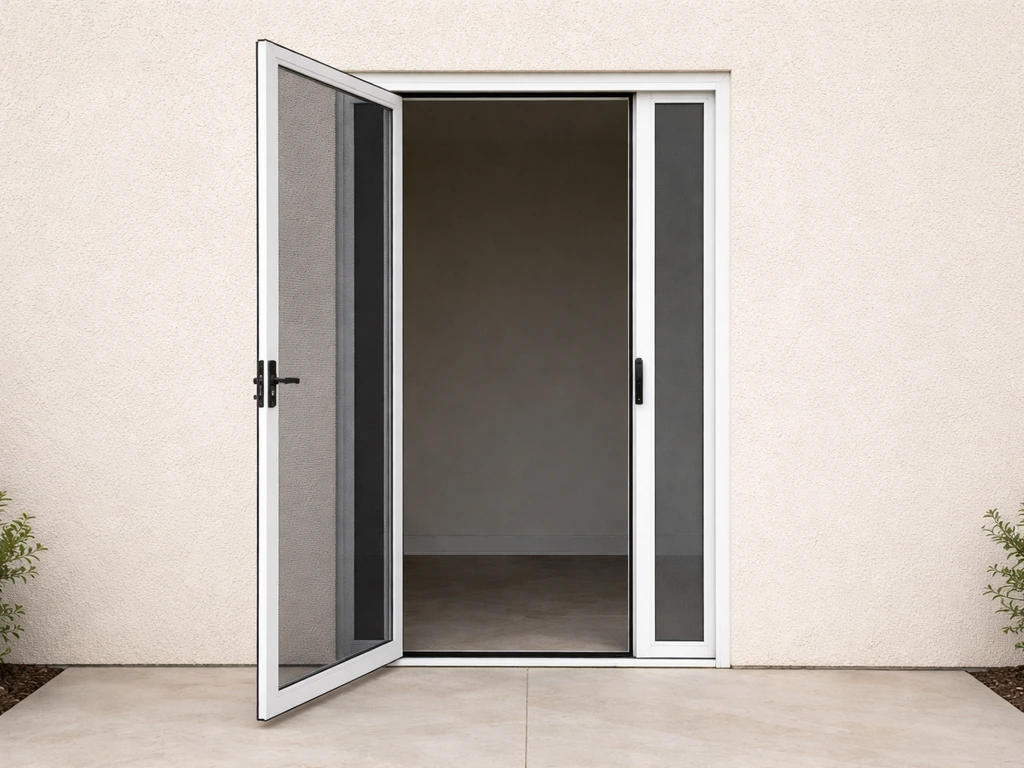
Hinged patio screen doors are sized to the full door opening width, typically 32", 34", or 36" wide and 80" tall for a single door, or double those widths for a double French door setup. Retractable screen systems like the Larson Brisa single (model 7721) are built specifically for this opening range of 32"–36" wide by 78"–79" tall (with taller variants covering up to 81"). The important distinction: a hinged screen door needs to clear the threshold and swing freely, so height clearance and hinge placement matter beyond just the rough opening size.
A quick size comparison
| Door Type | Typical Opening Width | Typical Height | Common Screen Style |
|---|---|---|---|
| Sliding patio (6 ft door) | 32"–36" | 78"–80" | Sliding panel, track-mounted |
| Sliding patio (8 ft door) | 42"–48" | 78"–80" | Sliding panel or retractable |
| Single hinged/French | 32"–36" | 78"–81" | Hinged swing or retractable |
| Double hinged/French | 60"–72" | 78"–81" | Double retractable or two hinged panels |
| Bifold patio door | Varies widely | 80"–96" | Retractable or pleated only |
How to measure for the right replacement
This is where most people go wrong: they assume they know the size because they know their door brand or they remember what they ordered years ago. Don't guess. Pull out a tape measure and get three numbers: opening width, opening height, and track-to-track height if you have a sliding screen.
For a sliding screen door replacement
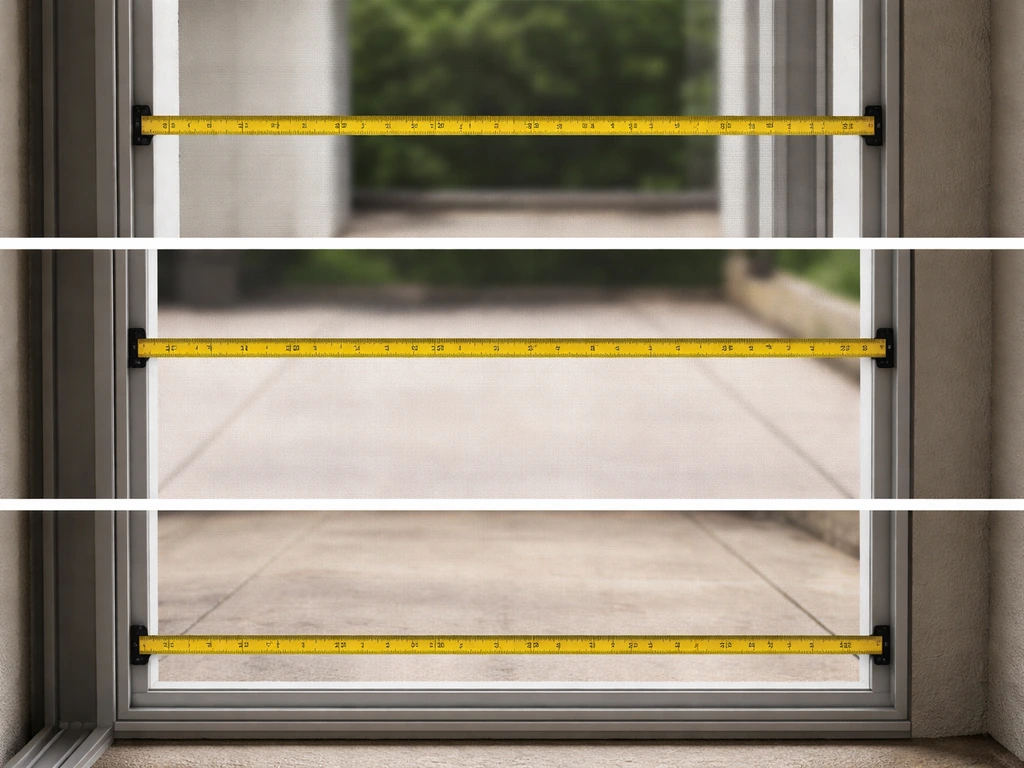
- Measure the width of the screen door opening (inside the frame, not the glass panel itself). Take this measurement in three spots: top, middle, and bottom. Use the smallest number.
- Measure the height from the top of the bottom track to the bottom of the top channel (track to track). This is your true screen door height, not the rough opening height. Take this measurement on both sides and the center and use the smallest.
- Note the track profile: the width and depth of both the top and bottom channels. This matters for roller sizing and whether a replacement panel will engage correctly.
- For retractable or outside-mount screens, Lowe's guides suggest adding about 5" to your widest opening measurement to account for the housing and bottom bar — but confirm this with your specific product's instructions.
For a hinged patio screen door
- Measure the clear opening width between the door frame stops (not including the stops themselves).
- Measure the height from the sill/threshold to the bottom of the head jamb.
- Note which way the door swings (in-swing vs out-swing) — this affects hinge placement and whether a standard or reverse-hinge model is needed.
- For retractable screens on hinged doors, Andersen's approach is to measure the unobstructed glass width and height and match those to the brand's size chart rather than relying on the frame dimensions alone.
One thing worth checking while you're measuring: the condition of the existing tracks. Warped, bent, or corroded tracks can make even a perfectly sized replacement panel bind and stick. FixingScreens notes that track and profile compatibility issues are one of the most common reasons a replacement doesn't slide smoothly after installation. If your tracks look questionable, factor that into your plan before ordering.
Matching your size to a brand, model, and size chart
Once you have your measurements, the process of finding a match gets much easier. Most major brands publish size charts that map opening dimensions to specific model numbers. Here's how to work through it practically.
If you have a Larson, Andersen, Pella, or other branded door, start with that manufacturer's replacement screen line. Larson's Brisa models, for example, break down by configuration (single hinged, sliding patio) and then by width/height tier. The Brisa 7721 covers single hinged openings at 32"–36" wide and 78"–79" tall; the 7723 covers the sliding patio configuration at the same widths but is optimized for 6'8" (80") door heights. Andersen uses a worksheet system where you record the overall frame width/height and the screen panel width/height (including fractions) to identify the correct part number.
For Phantom Screens and similar premium retractable systems, the process is more consultative, a representative typically confirms the correct configuration based on your dimensions, which tells you that these products are fundamentally custom-fitted even when they cover "standard" ranges. That's worth knowing before you go in expecting to grab something off a shelf.
If your door brand is unknown or discontinued, focus on the opening dimensions and track profile. Big-box stores like Home Depot and Lowe's carry replacement screen panels sized to common opening dimensions. Bring your measurements (and ideally photos of your tracks) and use their in-store size charts or online filtering tools to narrow down your options. Generic sliding screen replacements are often adjustable in height within a range, but read the fine print, because Home Depot product documentation for standard metal patio screen doors notes that some panels are adjustable in height only and should not be modified in width.
When your opening isn't a standard size
If your measurements fall outside the 32"–36" width range or your height is unusual (say, 82" or taller, or you have a very short opening from an older home), you have a few practical routes. If your measurements point to a smaller opening, compare against what is the smallest sliding patio door before you order so you choose a size tier that can actually fit.
Custom screen orders
Many screen manufacturers and local screen shops build to custom dimensions. You supply the exact width and height, they cut the frame and stretch the mesh. This is the cleanest solution for non-standard openings, and it's not as expensive as it sounds. A custom-fabricated screen panel for a sliding door often runs in the $100–$350 range depending on frame material and mesh type, comparable to buying an off-the-shelf replacement for a standard-size door.
Adjustable and trim-to-fit kits
Some replacement screens come as kits with adjustable frames or spline-and-mesh rolls you stretch over a cut-to-size frame. These work well for openings that are slightly off from a standard size. The important caveat: don't trim the frame of a pre-built replacement panel unless the manufacturer explicitly says you can. Many don't, and cutting the frame can compromise the corner joints and roller channels.
Retractable screen systems
Retractable screens (like Larson's Brisa line or Phantom Screens) are one of the best options for non-standard openings because they're mounted to the surrounding frame rather than fitting inside a track system. Larson's Brisa instructions note that the screen can be adapted for narrower openings with additional cuts, and Phantom's systems are dimension-driven and built to your opening. These systems also handle in-swing and out-swing doors and bifold patio configurations where a traditional sliding panel just won't work.
Conversion kits and add-on frames
If your sliding door doesn't have a screen track at all (common on some older or imported door systems), conversion kits can add a surface-mounted screen track system to an existing frame. These kits are worth exploring before you commit to a full door or screen system replacement.
Cost, installation, and accessory checks before you buy
Screen door replacement costs vary a lot depending on whether you're buying a basic sliding panel or a full retractable system. Here's a realistic cost picture:
| Option | Typical Cost Range | DIY Friendly? |
|---|---|---|
| Standard sliding screen panel replacement | $75–$250 | Yes |
| Custom-fabricated sliding screen | $100–$350 | Yes (install only) |
| Retractable screen system (Larson Brisa, etc.) | $275–$600+ | Yes with patience |
| Premium retractable system (Phantom, Mirage) | $500–$1,500+ | Usually pro-installed |
| Roller replacement only | $75–$200 | Yes |
| Professional installation (labor only) | $50–$400+ | N/A |
For most people, a standard sliding screen panel swap is a genuine DIY job if the tracks are in good shape and the replacement fits correctly. It takes about 30–60 minutes and no special tools. Where it gets complicated is when the tracks are damaged, the rollers are corroded, or the opening is non-standard, those situations often pull in more time and cost than expected. Before you go the full-replacement route, check whether just the rollers or hardware have failed. FixingScreens makes a good point: a lot of screens get thrown away when only a $15 roller set needs replacing.
Accessories to check for compatibility before purchasing
If you're buying a new screen door system, run through this quick checklist before finalizing your order:
- Latch and handle compatibility: Does the replacement include a latch, or do you need to buy one separately? Are the latch hole placements standard for your frame?
- Door closer: If you want a self-closing screen, confirm the closer mounts to your specific frame material (wood vs aluminum vs vinyl). Most surface-mount closers are universal, but check weight ratings.
- Weather stripping: Replacement screen panels rarely include weather stripping. Budget $10–$30 for a perimeter seal if you're in a bug-heavy or dusty climate.
- Mesh type: Standard fiberglass mesh works for most homes. If you have pets or live somewhere with heavy insects, look for pet-resistant mesh (heavier gauge) or no-see-um mesh (tighter weave). Some systems lock you into a specific mesh, so check before you buy.
- Track cleaning and lubrication: Before installing any replacement, clean the tracks with a stiff brush and apply a silicone-based lubricant. More screen failures are caused by dirty tracks than by the wrong size.
- Security expectations: Worth noting — retractable screen doors like the Larson Brisa are specifically not intended as security barriers. If security is a concern alongside screening, you need a different product category.
Your next steps
Here's the practical sequence to get this done today. First, measure your opening (width, height, and track-to-track height for sliding doors) and write those numbers down with fractions. Second, note your door type: sliding, single hinged, or French/double. Third, check if your existing track and frame are in good enough shape to accept a replacement. Fourth, take those measurements to your door manufacturer's website or size chart, a big-box store, or a local screen shop. Fifth, confirm the replacement's accessories, latch, closer, mesh type, before checkout. If your opening is non-standard or you're dealing with a bifold or large-format patio door, go straight to a retractable system or a custom fabrication shop rather than trying to force a stock panel to fit. A little time measuring now saves you a return trip and a lot of frustration on install day.
FAQ
If patio screen doors are not truly “standard,” why do stores list specific sizes like 32 to 36 inches wide?
Those store listings usually reflect the most common rough opening ranges built into many U.S. homes. The same catalog size can still fail if your track-to-track spacing, threshold clearance, or frame depth differs slightly, so treat those numbers as a starting filter, not a guarantee.
What measurements matter most for a sliding patio screen replacement?
For sliding screens, measure the vent opening width (the opening on the sliding side) and the opening height, then also measure track-to-track height or the roller channel height if your system uses a specific track profile. If you only measure the overall door frame, you can end up with a panel that binds or leaves gaps.
Can I use a screen door panel from a different door brand if the width and height match?
Sometimes, but it is risky. Brands can differ in roller types, spline sizes, track geometry, and how the frame corner joints sit, so a “same size” panel may not ride smoothly. If you do not know the exact model or track profile, confirm the compatibility details (rollers, track/channel dimensions, and mounting style) before ordering.
How much off can my measurements be before the replacement becomes a problem?
A quarter inch can be enough to cause issues, especially on sliding tracks where panel height and roller position matter. In practice, if you are between size tiers, round up for width and double-check height clearance, then verify the product documentation says the frame is adjustable in the way you need.
What if my opening height is taller than the typical 78 to 81 inches range?
Go straight to a manufacturer-specific replacement, a taller model tier (if offered), or custom fabrication. Trying to fit a shorter stock panel by “forcing” it usually results in poor latch alignment or rubbing at the top rail.
What if my opening width is smaller than 32 inches?
Avoid ordering the nearest larger stock screen and trimming it unless the manufacturer explicitly allows modifications. For smaller openings, look for systems designed to adapt, such as certain retractable lines, or choose a custom-made panel so the corner joints and roller channels are correct.
Are hinged and sliding patio screen doors interchangeable sizes?
No. Even when widths look similar, hinged screens are made to swing and clear the threshold, and the hinge-side clearance and door thickness profile can differ. Sliding screen panels also rely on track fit, so swapping between types often leads to misalignment or rubbing.
Can I adjust a standard sliding screen panel to fit if it’s slightly off?
Some replacements are adjustable in height, but not all are adjustable in width, and some cannot be modified at all beyond the supplied instructions. Check whether the product is meant for minor height variation, and never cut the frame unless the manufacturer says you can.
How do warped or corroded tracks affect screen replacement options?
If the track is bent, pitted, or badly corroded, a perfectly sized panel can still bind, stick, or ride out of alignment. In that case, consider replacing the rollers and associated hardware first, or plan for a track/profile replacement instead of assuming the new panel will fix the issue.
If my door is older or imported and the opening is non-standard, what is the safest approach?
Use your actual opening dimensions to order a custom-fitted screen or a retractable system built to the opening. These options avoid the common mistake of forcing a stock panel into a rough opening that does not match today’s common size ranges.
Do retractable screen systems still require exact measurements?
Yes. Retractable systems may accommodate more scenarios, but they are still dimension-driven. Expect to provide opening measurements and confirm the door configuration (single vs double, in-swing vs out-swing, and bifold compatibility) so the mounting and travel path are correct.
What should I verify before checking out for a replacement screen kit?
Confirm the configuration (sliding vs hinged vs French/double), the mesh type, the latch and closer compatibility, and whether the kit includes the correct rollers or hardware for your track. Also verify whether the frame is pre-built and not meant to be trimmed, since that affects whether you can correct minor fit issues yourself.
Is it worth replacing just the rollers instead of the whole screen?
Often, yes. If the panel frame and spline are fine but the screen stutters, sticks, or won’t roll smoothly, the problem may be a $15-style roller or small hardware failure rather than the entire screen assembly. Inspect for seized rollers and damaged roller tracks before you discard the full panel.