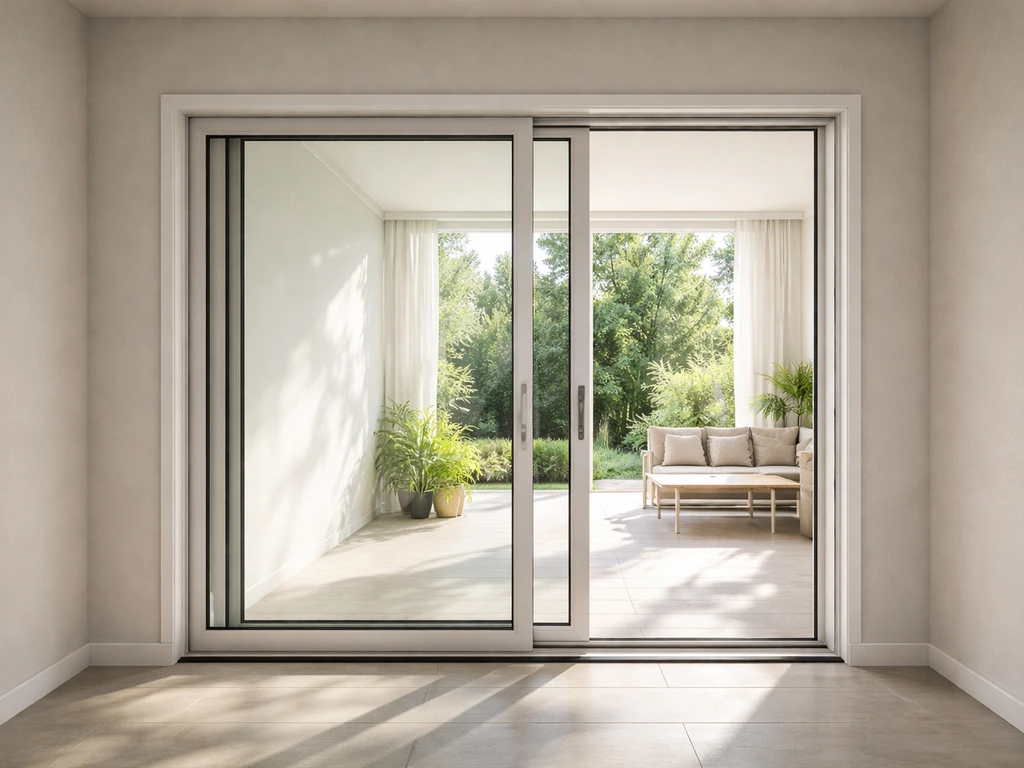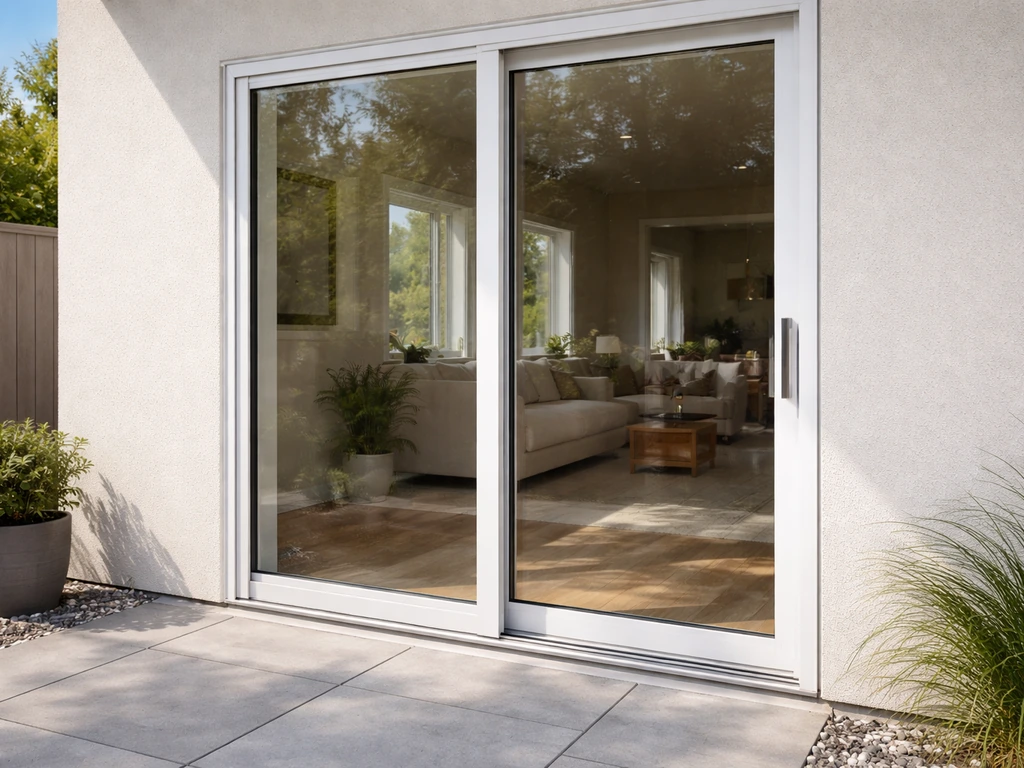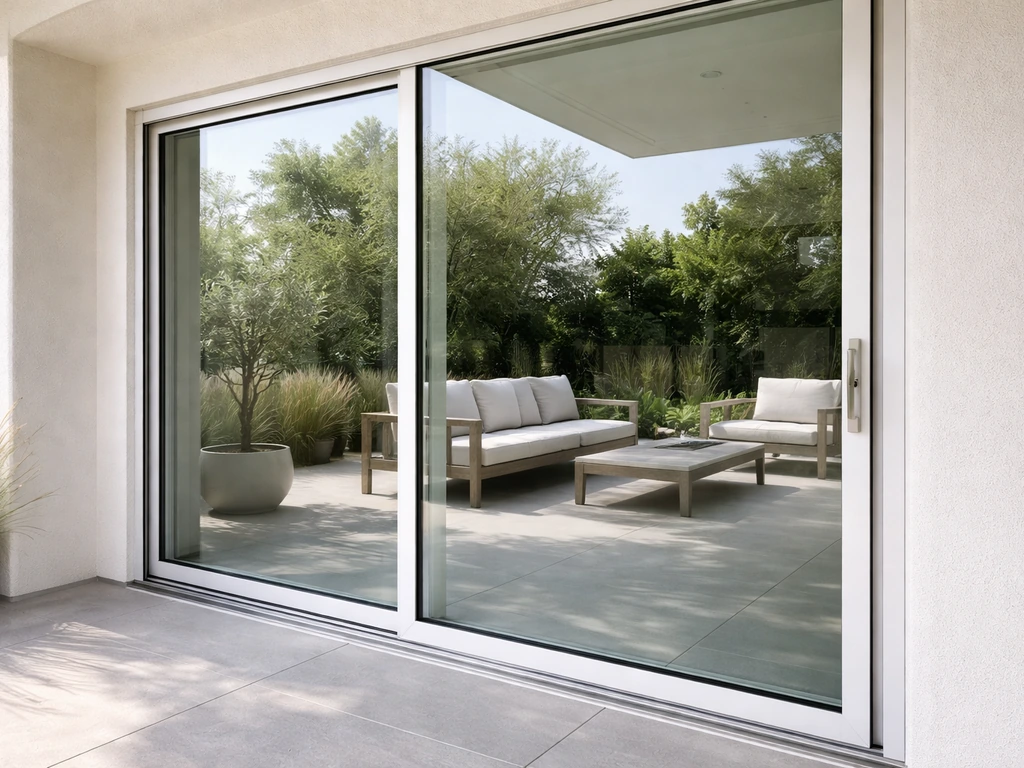
Fiberglass sliding patio doors are the best all-around choice for homeowners who want low maintenance, strong insulation, and long-term durability without the warping and rot risk that comes with wood or the heat-transfer problems with aluminum. The top-performing options right now come from brands like Pella, Andersen, Marvin, and Milgard, with U-factors as low as 0.20 or better on their premium lines. But "best" depends heavily on your climate zone, your rough opening size, and whether you're replacing an existing door or starting fresh. This guide walks through exactly how to pick the right one.
Best Fiberglass Sliding Patio Doors: Buyer Guide and Reviews

Owen Delaney
31 May 2026
What "best" actually means for a fiberglass sliding patio door
When people search for the best fiberglass sliding patio door, they usually mean one of three things: the most energy-efficient, the most durable, or the best value for the money. The honest answer is that those aren't always the same door. A door that scores top marks on insulation (say, a U-factor of 0.20 or lower) might cost $3,000 or more before installation. A mid-range fiberglass door at $1,200 to $1,800 might be plenty for a climate that doesn't see brutal winters or scorching summers.
So here's how to define "best" for your situation: start with your climate zone (ENERGY STAR divides the U.S. into Northern, North-Central, South-Central, and Southern zones), then layer on your priorities. If you're in Minneapolis, U-factor is everything. If you're in Phoenix, you want a low Solar Heat Gain Coefficient (SHGC) to block heat gain. If you're near the coast, water penetration resistance and corrosion-proof hardware jump to the top of the list. The door that checks all your personal boxes, at a price you can justify, is your "best."
Fiberglass specifically earns its reputation because it expands and contracts at nearly the same rate as glass, which means the seal between the frame and the glazing holds up much better over time than wood or vinyl. If you are comparing wood sliding patio doors, look closely at how the wood is sealed and finished, since moisture and expansion can shorten the lifespan compared with more stable materials. It doesn't rot, it doesn't rust, and it holds paint far longer than wood. For a patio door that's going to open and close thousands of times a year in changing weather, that material stability matters a lot.
Fiberglass sliding vs. fiberglass French patio doors: which one fits your home
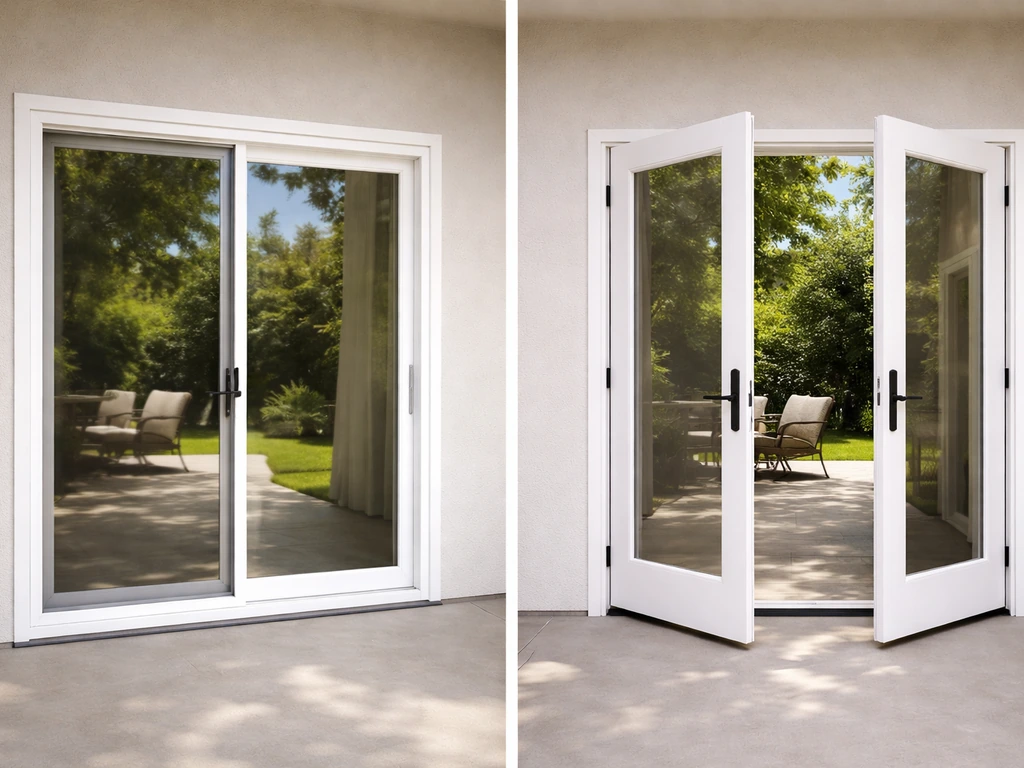
Before comparing brands, it's worth making sure you're shopping in the right category. Fiberglass sliding doors and fiberglass French patio doors serve the same basic function (connecting your interior to an outdoor space) but they behave very differently in practice.
| Feature | Fiberglass Sliding Door | Fiberglass French Door |
|---|---|---|
| Operation | One panel slides horizontally behind the other | Two panels swing outward or inward on hinges |
| Space requirement | No swing clearance needed — great for tight spaces | Needs 3–4 ft of clearance on the swing side |
| Weather sealing | More joints = more potential air leakage points | Compression seals on swing doors tend to be tighter |
| Opening width | Panel width limits usable opening (about half the total frame) | Full opening width available when both panels open |
| Typical cost (door only) | $900–$4,000+ | $1,200–$5,000+ |
| Maintenance | Rollers and track need periodic cleaning | Hinges and threshold seals need periodic adjustment |
| Best for | Smaller spaces, frequent daily use, modern aesthetics | Wider openings, classic/traditional home styles, less frequent use |
If you're replacing a standard 6-foot or 8-foot sliding door opening, a sliding configuration is almost always the easier swap. French doors require more structural consideration because the swing clearance affects furniture placement and room flow. That said, fiberglass French doors do have an edge on air-tightness when properly installed, because a hinged door with a compression weatherstrip can seal more completely than a sliding door's pile weatherstrip. If you're torn between the two, think about how you actually use the space daily: sliding doors win for high-traffic areas; French doors win for occasional grand openings and traditional aesthetics.
Sizing and replacement basics: measure before you shop
One of the biggest mistakes I see homeowners make is shopping for a door before they know their rough opening size. You can fall in love with a specific model, order it, and then find out your opening is a non-standard size. Replacements are usually easier than new construction because you're working within an existing frame, but you still need accurate measurements.
How to measure your rough opening
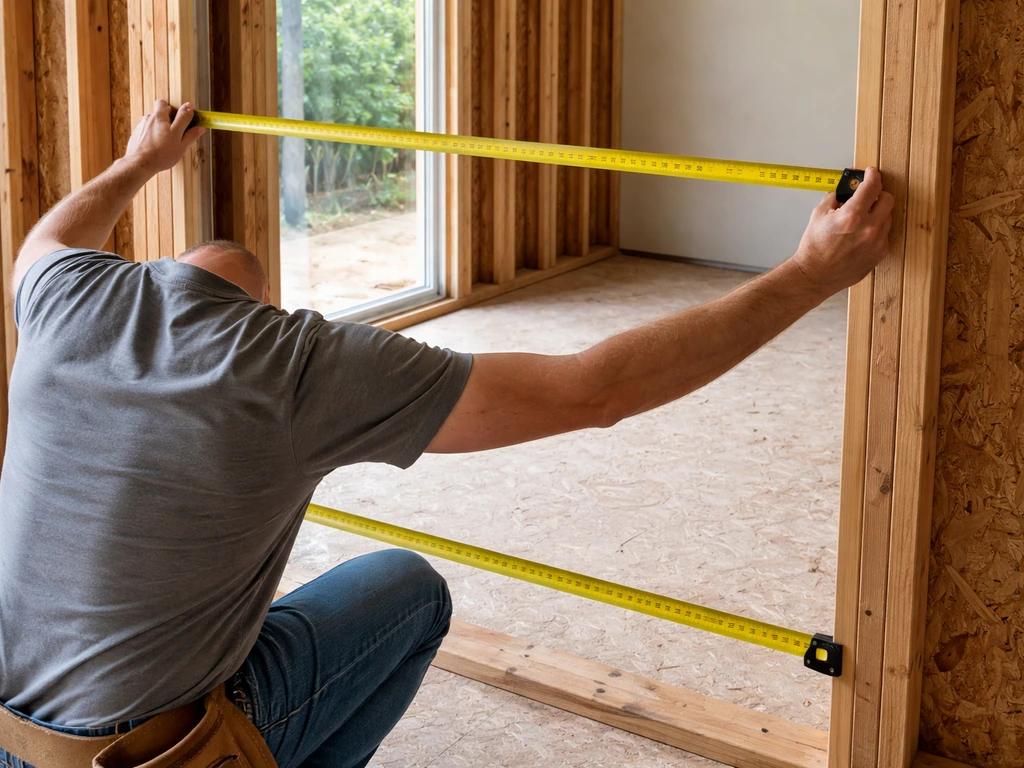
- Measure the width of the rough opening (from framing stud to stud) in three places: top, middle, and bottom. Use the smallest measurement.
- Measure the height from the subfloor (or finished floor if replacing in place) to the top of the rough opening, again in three places. Use the smallest.
- Standard residential sliding patio door sizes run 60" (5 ft), 72" (6 ft), and 96" (8 ft) wide, by 80" tall. Some lines offer 84" height for taller openings.
- The door unit (frame included) will be about 1/2" to 3/4" smaller than the rough opening on each side to allow for shimming and leveling.
- If your opening is non-standard (say, 74" wide), most major manufacturers offer custom sizing, but it adds cost and lead time — typically 4 to 8 weeks.
For a like-for-like replacement where you're pulling out an old sliding door and dropping in a new one, you can also measure the old door unit's exterior frame dimensions and order to that size. Just make sure the rough opening behind it hasn't shifted or settled. A quick check with a level on the header and sill jamb takes five minutes and can save you a costly re-order. If you're sizing a new opening from scratch, standard practice is to build the rough opening 2" wider and 2" taller than the door unit to give yourself shimming room.
Performance checklist: what to look for on the spec sheet
Every quality fiberglass patio door comes with an NFRC label. NFRC (National Fenestration Rating Council) is the independent body that certifies performance, and their standardized ratings are what ENERGY STAR uses to qualify products. ENERGY STAR requires independently tested and certified energy performance using NFRC test procedures, including U-factor and, when applicable, SHGC ENERGY STAR uses to qualify products. Here's what each number means and what to target.
U-factor (insulation)

U-factor measures how quickly heat passes through the door. Lower is better. Standard double-pane fiberglass doors typically land in the 0.25 to 0.35 range. To hit ENERGY STAR's "Most Efficient" designation for 2025 in the Northern climate zone, a sliding door needs a U-factor of 0.20 or lower. Triple-pane options from Pella, Andersen, and Marvin can reach that threshold. For the South-Central and Southern zones, the bar is less stringent, but a U-factor around 0.30 or below is still a good target.
SHGC (solar heat gain)
Solar Heat Gain Coefficient measures how much of the sun's heat comes through the glass. The number runs from 0 to 1. In hot climates (Southern and South-Central zones), you want a lower SHGC (0.25 or below) to keep summer cooling costs down. In cold Northern climates, a higher SHGC (0.35 to 0.45) on south-facing doors can actually help with passive solar heating in winter. Most manufacturers offer both "low solar" and "high solar" glass packages, and it's worth specifying which you need at order time.
Air leakage (AL)
Air leakage is rated in cubic feet per minute per square foot (cfm/ft²). ENERGY STAR requires sliding doors to have an AL of 0.3 cfm/ft² or less to qualify. The best fiberglass sliding doors come in at 0.1 to 0.2 cfm/ft², which is meaningfully tighter. This number matters more than most people realize: a drafty sliding door isn't just uncomfortable, it drives up heating and cooling bills year-round.
Water penetration resistance
Look for doors tested to ASTM E547 (water penetration under cyclic static pressure) or the broader blank" rel="noopener noreferrer">AAMA/WDMA/CSA 101 standard, which includes both air leakage resistance and water penetration resistance in its performance grading. Performance grades (PG) range from PG15 (light residential) to PG50 or higher (heavy commercial/storm-prone). For a coastal or hurricane-prone area, aim for PG40 or PG50 and verify the door has impact-resistant glazing if required by local code.
Hardware and rollers
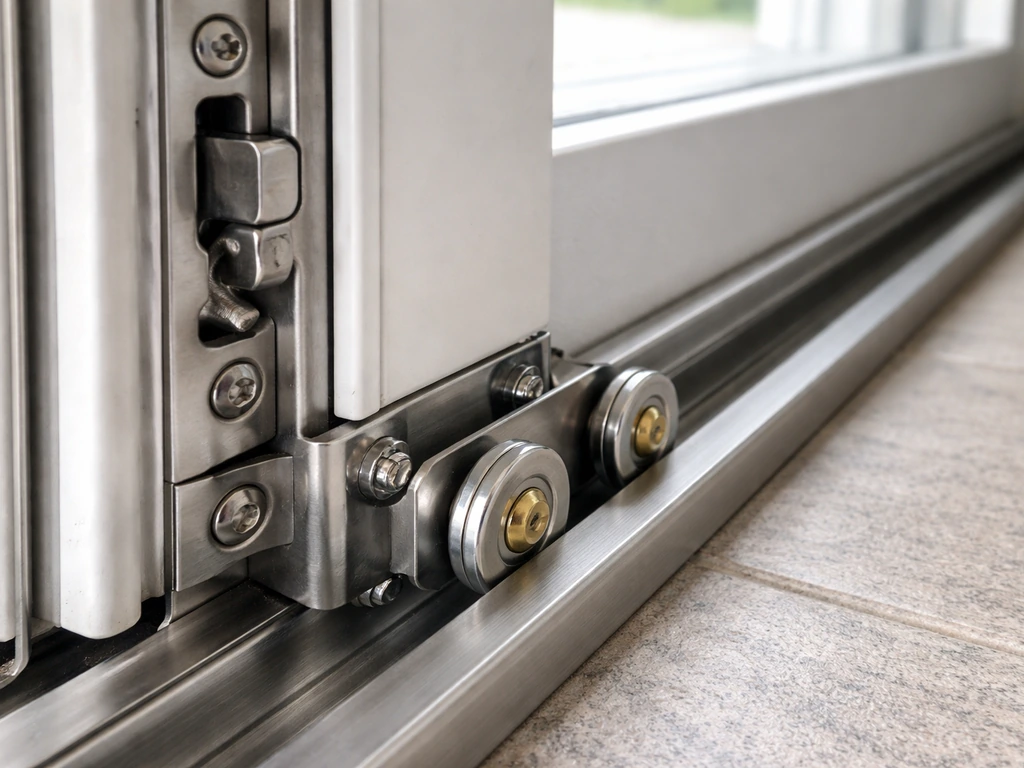
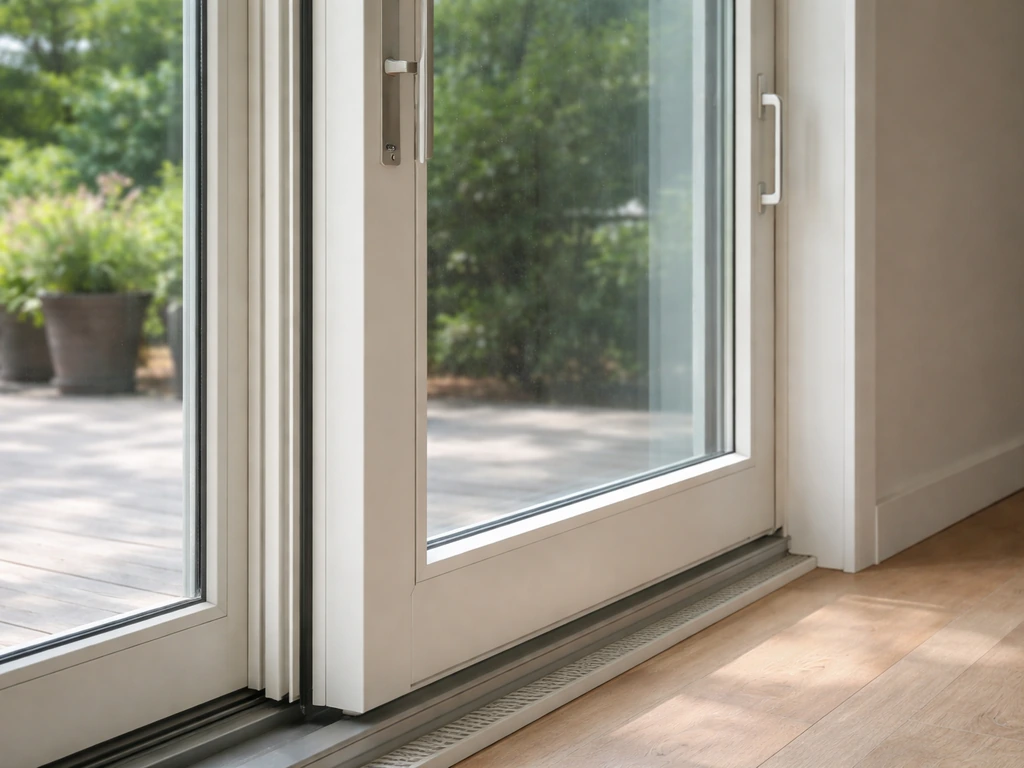
Tandem stainless-steel rollers and a multi-point locking system are the hardware features worth paying for on a fiberglass sliding door. Tandem rollers distribute the door weight more evenly and make the slide feel effortless even on heavy triple-pane panels. Multi-point locks engage the frame at two or three points simultaneously, which improves both security and weather sealing at the lock rail. Avoid doors with single-roller systems and basic hook latches if you're spending real money on the door, the hardware will frustrate you long before the frame wears out.
Condensation resistance
Condensation Resistance (CR) is an optional NFRC rating that measures how well a product resists condensation on the interior surface. Scores range from 1 to 100; higher is better. This matters most in cold climates where the temperature differential between inside and outside is large. A fiberglass door with a CR of 60 or above will stay significantly drier on the interior glass surface in winter than a door scoring in the 40s.
How to compare fiberglass patio door options: a review-style framework
Because fiberglass patio doors aren't sold as easily side-by-side as, say, appliances, you need a framework to evaluate them fairly. Here's how I approach it when comparing options for a project.
The brands worth looking at seriously
Pella, Andersen, Marvin, Milgard, and ProVia are the names that consistently show up in discussions of quality fiberglass patio doors. Each has strengths worth knowing.
| Brand | Standout Strength | Best For | Price Range (door only) | Warranty Highlight |
|---|---|---|---|---|
| Pella | Wide product range, triple-pane options, strong dealer network | Mid-to-high budget, Northern climates | $1,500–$4,500+ | Limited lifetime on frame; 10 yr glass |
| Andersen | High-end fiberglass (A-Series), excellent finish durability | Premium builds, coastal or extreme climates | $2,000–$5,000+ | Limited lifetime on frame |
| Marvin | Premium craftsmanship, architectural customization | Custom homes, high-end renovations | $2,500–$6,000+ | Limited lifetime on frame and glass |
| Milgard | Strong West Coast dealer presence, good value in mid-range | West Coast homeowners, mid-budget builds | $1,200–$3,000 | Full lifetime on frame and hardware (some lines) |
| ProVia | Excellent weather resistance, strong installer base in Midwest | Wind/storm-prone areas, contractor-sold projects | $1,400–$3,500 | Limited lifetime frame and finish |
When comparing specific models, pull the NFRC-certified performance data sheet for each door, not just the marketing brochure. Look at the U-factor, SHGC, AL, and whether the door carries ENERGY STAR certification for your specific climate zone. A door that's ENERGY STAR certified in the Southern zone is not necessarily certified for the Northern zone, so check the zone match. Also look at the frame construction: foam-filled fiberglass frames perform meaningfully better than hollow frames on both insulation and sound dampening.
Questions to ask before you buy
- Is this door ENERGY STAR certified for my climate zone (Northern, North-Central, South-Central, or Southern)?
- What is the certified U-factor and SHGC from the NFRC label (not estimated or nominal)?
- Is the frame foam-filled or hollow?
- What roller system is used, and what weight can it support?
- Does the lock system engage at multiple points?
- What is the frame warranty vs. the glass/seal warranty? Are they separate?
- Is custom sizing available, and what is the lead time and premium?
- What finish options are available, and is the finish warranted against fading/peeling?
If you're also considering wood or aluminum options alongside fiberglass, or trying to decide between sliding and other styles, those comparisons are worth a dedicated look. The decision between fiberglass and wood especially involves different trade-offs around aesthetics, maintenance, and long-term cost that go beyond what a spec sheet shows.
What fiberglass sliding patio doors actually cost, and what drives the price
Here's the honest cost breakdown. The door unit itself is only part of the total cost. Installation, hardware, finishing, and any structural work all add up.
Door unit cost by tier
| Tier | Door-Only Price | What You Get | Best For |
|---|---|---|---|
| Entry-level fiberglass | $900–$1,400 | Double-pane, standard 6-ft size, basic hardware, ENERGY STAR certified (some zones) | Budget-conscious replacements in mild climates |
| Mid-range | $1,400–$2,500 | Foam-filled frame, better AL rating, multi-point lock, wider finish selection | Most homeowners doing a straightforward replacement |
| Premium | $2,500–$4,500 | Triple-pane available, U-factor ≤ 0.22, tandem rollers, high CR rating, extensive custom options | Cold-climate homes, high-end renovations, coastal builds |
| Ultra-premium / custom | $4,500–$7,000+ | Full custom sizing, architectural profiles, highest performance specs, Marvin/Andersen top lines | Custom builds, historic renovations, very large openings |
Installation cost and DIY vs. hiring a pro
Professional installation on a standard 6-foot sliding patio door replacement typically runs $300 to $700 for labor alone, assuming no structural changes are needed. If the rough opening needs to be resized, if there's rot in the framing to address, or if the project involves a new opening cut through an exterior wall, you're looking at $800 to $2,000+ in additional labor and materials. Always get three quotes and make sure each one specifies whether it includes trim work, flashing, and disposal of the old door.
DIY installation is realistic for an experienced homeowner doing a like-for-like replacement in an existing opening. The main risks are improper shimming (which causes the door to rack and not slide smoothly), inadequate flashing (which leads to water infiltration around the frame), and misaligned rollers. If you've successfully installed a window or exterior door before, a sliding patio door replacement is a manageable weekend project. If you haven't, the consequences of getting it wrong are expensive enough that professional installation is worth the money. Fiberglass doors are also significantly heavier than vinyl, which makes having a second person on-site non-negotiable.
A few things that quietly add to the total cost: haul-away of the old door ($50–$150 if not included), new interior and exterior casing if the old trim doesn't match ($100–$400 in materials), a new door handle/lock set if not included in the door package ($80–$300), and any permits required by your municipality (typically $50–$200 for a replacement, more for a new opening).
Accessories, security, screening, and keeping your door in good shape
Screens
Most fiberglass sliding doors come with a standard aluminum-frame sliding screen as part of the unit. If yours doesn't, a replacement screen runs $80–$200 for a standard size. For better airflow and less visible mesh, retractable screen systems (from brands like Phantom or Centor) are a popular upgrade at $300–$700 installed. If you have kids or pets, a pet-resistant or heavy-duty fiberglass mesh screen is worth the small premium over standard aluminum mesh, it takes the abuse of a paw or nose push much better.
Security upgrades
The standard lock on most sliding doors is adequate but not exceptional. Adding a secondary security bar (also called a door bar or Charlie bar) in the track is a simple $15–$30 fix that prevents the door from being forced open even if the lock is compromised. A double-bolt auxiliary lock mounted through the frame into the doorjamb adds another layer. If you're buying a new door and security is a priority, look for models with multi-point locking systems that are factory-installed, since they're more integrated and more difficult to defeat than aftermarket additions. Tempered and laminated glass packages also resist forced entry better than standard tempered glass alone.
Window treatments
Vertical blinds are the traditional choice for sliding patio doors, but they're noisy, tend to break, and look dated. Roller shades designed for wide openings (available up to 144" wide in a single panel from some manufacturers) are a much cleaner modern option. Some fiberglass door lines from Pella and Andersen offer between-the-glass blinds or shades factory-installed inside the sealed glass unit, which eliminates dust, cord hazards, and wear entirely. That option adds $200–$600 to the door cost but is genuinely convenient over the long run.
Weatherstripping maintenance
The pile weatherstripping (the fuzzy strip that runs along the sliding panel edges) will wear out eventually, typically after 10 to 15 years of regular use. It's an inexpensive repair ($15–$40 in materials) if you catch it early, but if you ignore it, air leakage and drafts get noticeably worse. Check it annually by running your hand along the closed door on a windy day to feel for drafts. Replacement pile weatherstripping is available at most hardware stores and cuts to length easily.
Track and roller care
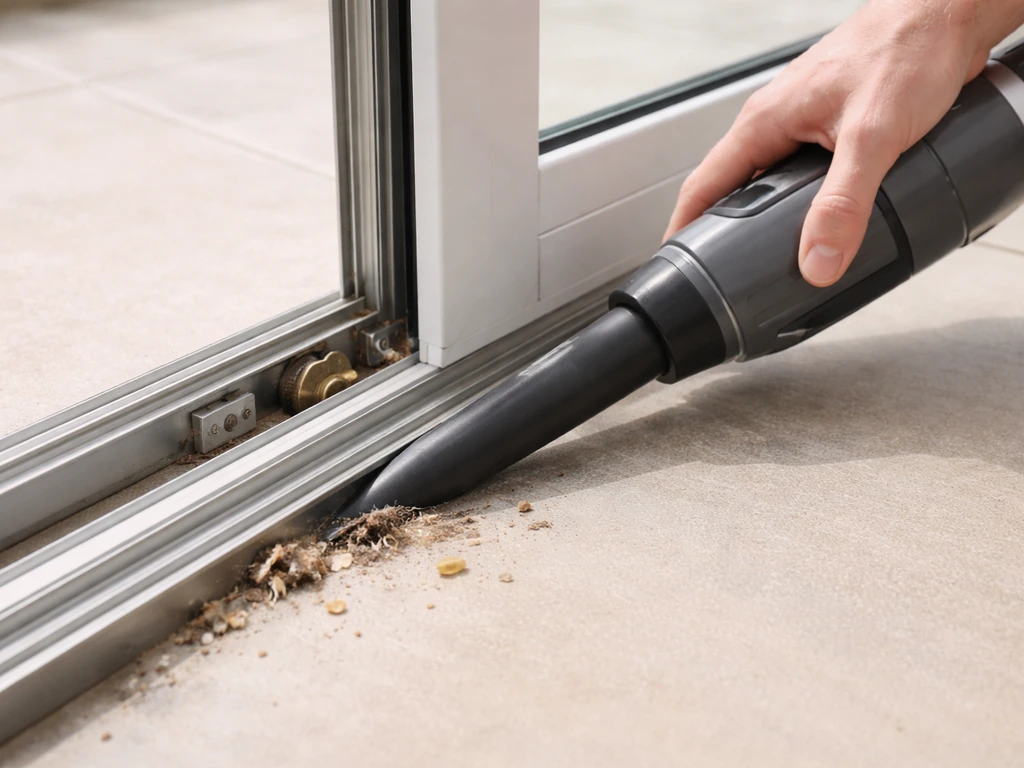
The track on a sliding patio door collects dirt, pet hair, and debris, and that buildup is the number-one cause of a door that becomes hard to slide over time. Vacuum or brush the track every few months and wipe it down with a damp cloth. Do not use lubricants that attract dirt (like WD-40). Instead, use a dry PTFE-based lubricant or a small amount of paraffin wax on the track.
For the rollers themselves, most quality fiberglass doors have adjustable rollers accessed by a screw on the bottom edge of the sliding panel. If the door starts dragging or scraping, adjust the roller height before assuming you need a repair, nine times out of ten, a two-minute roller adjustment fixes the problem.
Frame cleaning and finish care
Fiberglass frames are low maintenance, but they're not no-maintenance. Wash the frame once or twice a year with mild soap and water. Avoid abrasive cleaners or solvents, which can dull or craze the finish. If your fiberglass door is painted (rather than gel-coat finish), inspect the finish every few years and touch up any chips promptly to prevent moisture infiltration at the chip site. Most fiberglass frames can be repainted with exterior-grade paint if the original finish fades significantly, which is an advantage over vinyl (which can't be refinished effectively) and a similarity to wood (which needs periodic repainting regardless).
Your next steps: how to actually land on the right door
Start with your measurements and your climate zone. Those two data points narrow your spec requirements immediately. Then shortlist two or three brands that serve your region well (dealer and installer availability matters for warranty service) and pull the NFRC-certified performance sheets for their fiberglass sliding door lines. Compare U-factor, AL, and water penetration test results side by side.
Set a total budget that includes installation, trim, and at least one security and screening upgrade. If you're in a cold climate and the premium for triple-pane and a U-factor under 0. 22 is within reach, it's worth it for the long run. If you're in a mild climate, a quality mid-range door with good air leakage ratings will serve you just as well for less money.
Get at least two in-home quotes from installers who work with the brand you're buying. Ask each installer specifically about flashing details and how they handle the sill pan, because that's where water problems almost always start. A well-installed mid-range fiberglass door will outperform a poorly installed premium door every single time. The door is only as good as the installation around it. To help you compare brands and pick who makes the best sliding patio doors for your needs, start by matching performance ratings to your climate zone.
FAQ
What measurements matter most beyond the door’s advertised width and height?
For a sliding patio door, confirm the rough opening width and height, the sill level (use a level across the sill), and the track-to-header clearance. Even if the door unit “fits” the frame, a slightly out-of-level sill can cause roller binding and uneven weatherstripping pressure at the meeting edges.
How do I verify a door will handle my local weather, not just energy performance?
In addition to U-factor, check the performance grade (PG) for water resistance and air leakage, then confirm impact and glazing requirements if you’re in a storm or coastal area. A door can have a great U-factor and still fail early if it does not meet your expected water penetration and wind pressure conditions.
Is a triple-pane fiberglass patio door always worth the extra cost?
Not always. Triple-pane makes the biggest difference when you have cold winters, frequent wind exposure, or you’re sensitive to drafts and interior glass condensation. If your main concern is hot-climate solar control, you may get more value by selecting the correct SHGC glass package rather than paying for triple-pane.
What should I ask about installation if I’m replacing an existing sliding door?
Ask how they will rebuild or verify the sill pan, the flashing continuity up the sides, and whether they will use compatible sealants and membranes around the perimeter. Also ask them to confirm the door is shimmed and fastened to the correct structural points so the rollers align properly and the frame doesn’t rack.
Can I rely on the NFRC label to compare two different brands directly?
Yes, but only when you compare like-for-like configurations. Make sure both doors list the same glass package type (for example, low-e) and that you’re using the same door size category. Different glazing options can swing U-factor and SHGC even within the same brand model family.
What’s the easiest way to spot a poor-quality installation before it becomes a leak?
Look for uneven gaps at the meeting edges, check the interior casing for straight lines, and verify the door compresses weatherstripping evenly when locked. After installation, test during windy or rainy conditions, if possible, because drafts often appear first and signal pressure imbalance or flashing problems.
Do I need a thicker door for security, or is it mostly the locking hardware?
Security is usually a system choice. Multi-point locking integration, reinforced lock rails, and impact-resistant or laminated glass matter as much as frame rigidity. A lightweight frame paired with upgraded locks can still underperform if the installation points and reinforcement are not adequate.
Should I upgrade the screen, or is the standard screen fine?
If you have pets or kids, upgrading is often worth it because damaged mesh is common and can affect airflow and usability. For high-traffic use, consider retractable screens for smoother operation, but verify that the screen track does not interfere with the door’s weathertight seals.
How often should I adjust the rollers and what symptoms indicate it’s needed?
If the door starts scraping, feels rough to open, or the latch alignment changes, check roller height first. A typical trigger is after temperature swings or routine seasonal use, especially if the track has accumulated debris. If the door is binding even after cleaning and adjustment, the issue may be a level problem or damaged track components.
What’s a safe way to clean and lubricate the track without making it worse?
Clean the track with vacuuming or brushing first, then wipe with a damp cloth and dry it. Avoid oil-based sprays that attract dirt. If you lubricate, use a dry PTFE-based option or a minimal amount of paraffin wax, and then open and close the door a few times to spread it evenly.
How do I know whether my condensation resistance is actually good for my home?
CR helps most when inside temperatures are warm and outside conditions are cold. If you see fogging or water droplets regularly, verify that ventilation and humidity levels are controlled, not just that the door has a high CR score. Also confirm you have proper interior caulking and that the frame is not allowing cold bridging at perimeter joints.
What are the most common budgeting mistakes people make with patio door projects?
Forgetting trim and flashing details, not accounting for permit fees, and underestimating structural adjustments if the rough opening has shifted. Also include haul-away, hardware upgrades, and any casing replacement if your existing trim cannot be reused cleanly.