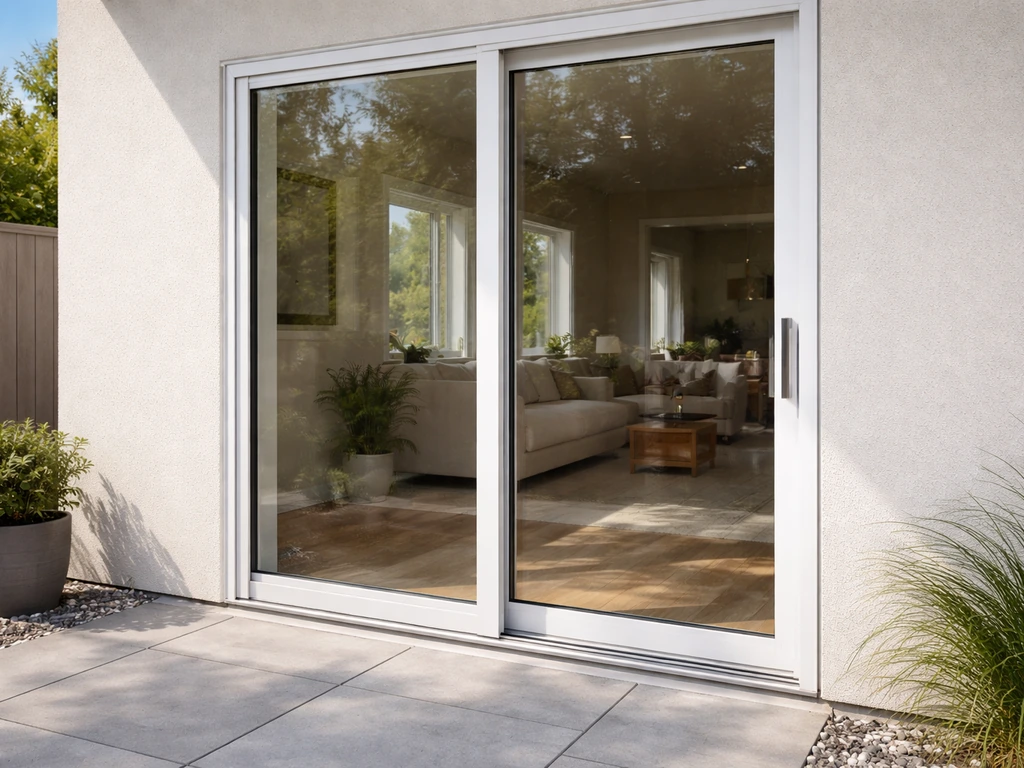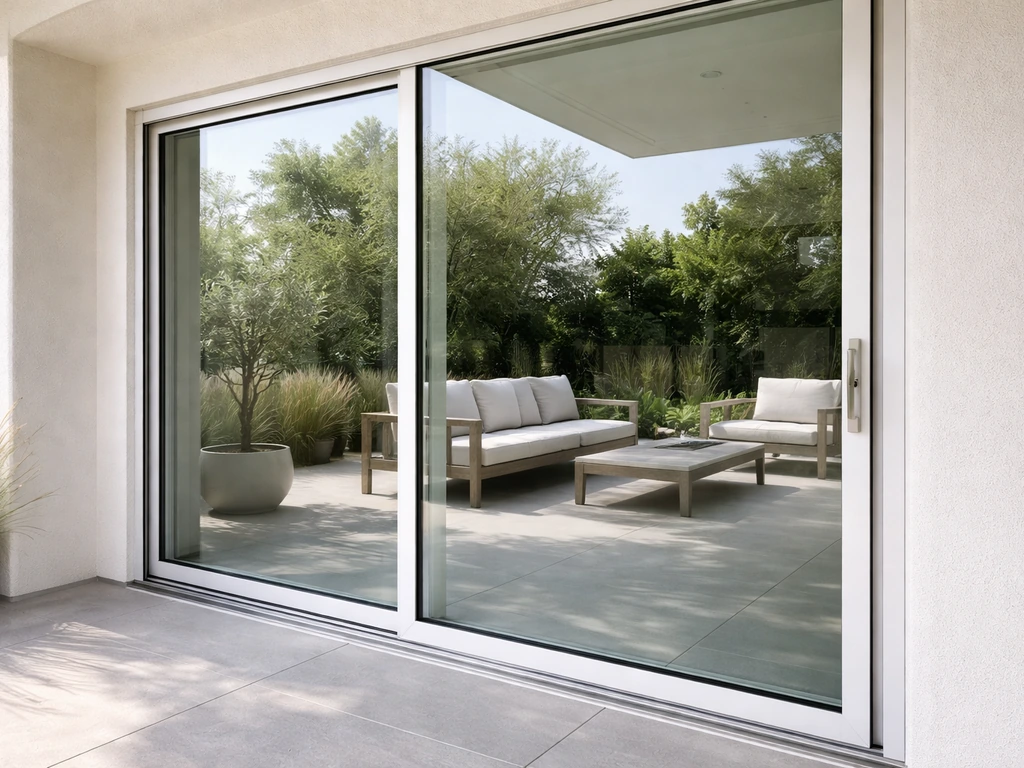
The best insulated sliding patio doors right now are ones that combine a U-factor at or below 0. 22, a low-e triple-pane or high-performance dual-pane insulated glass unit (IGU), a thermally broken frame, and verified NFRC certification, all sized and installed correctly so none of that performance leaks away at the edges.
Best Insulated Sliding Patio Doors: Choose for Energy Savings

Owen Delaney
27 May 2026
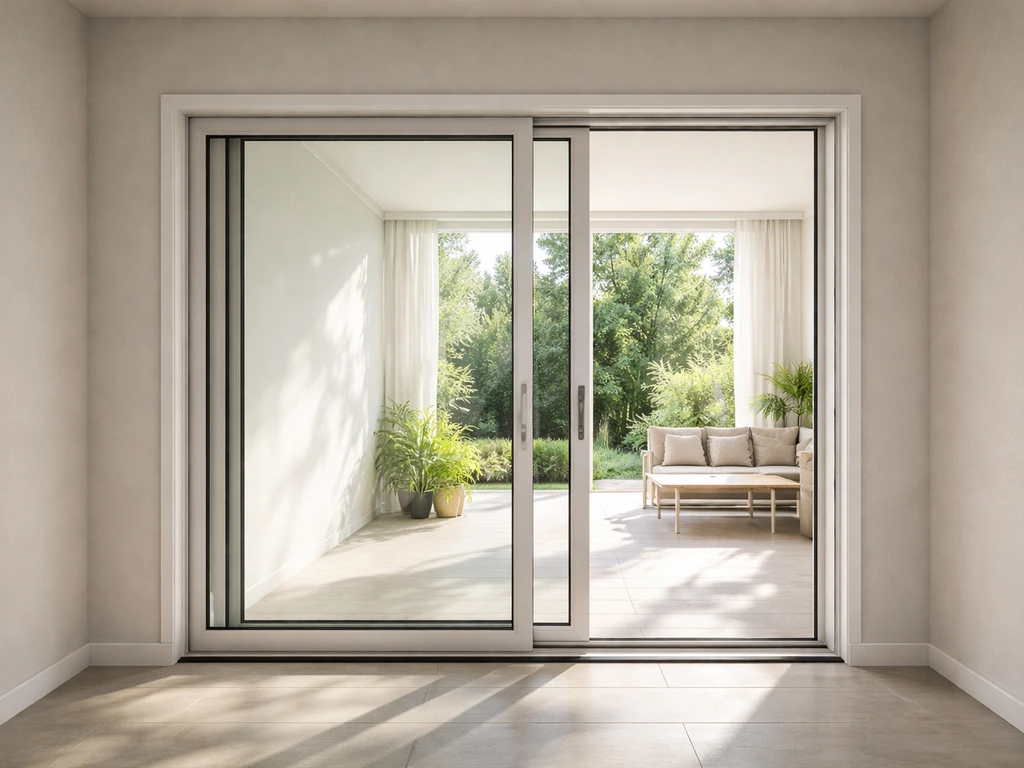
Brands like Pella, Andersen, Milgard, and PGT Winguard consistently hit those specs at different price points, but the 'best' one for your home depends on your climate zone, your rough opening, and what you're actually willing to spend on installation. If you want the best sliding patio door, you should compare brands by your climate, the rough opening, and how much you want to spend on installation best sliding patio doors.
This guide walks you through every step so you can compare options with real numbers instead of marketing language.
What actually makes a sliding patio door insulated
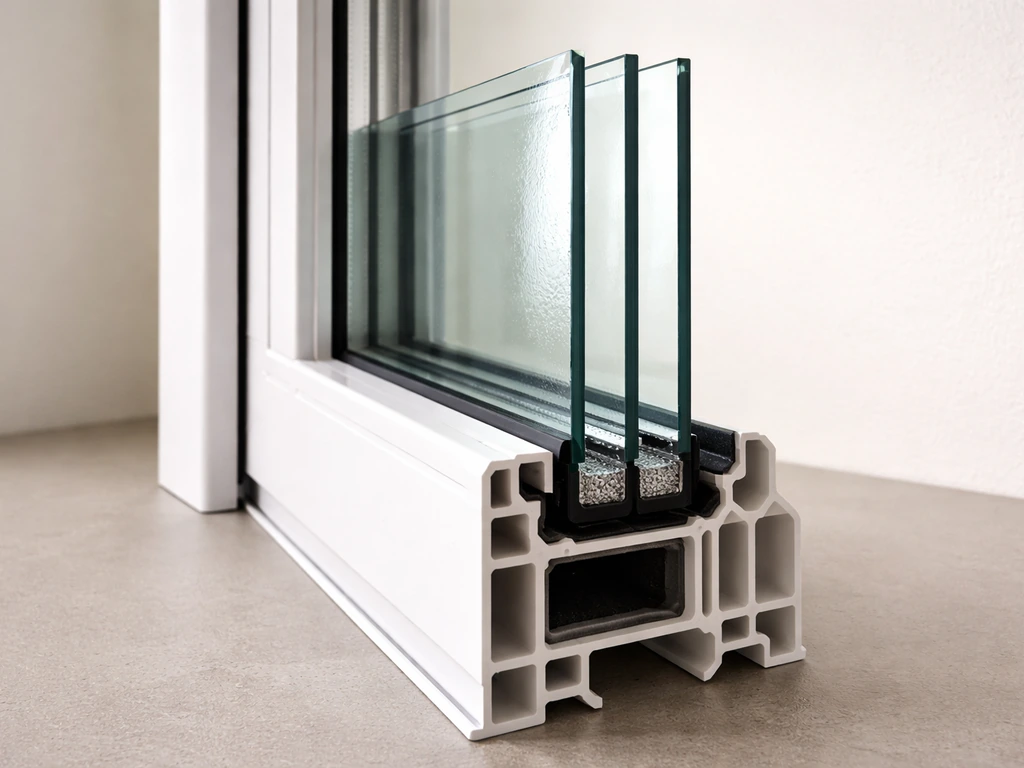
The word 'insulated' gets thrown around loosely in door marketing, but there are four concrete things that separate a genuinely high-performance sliding door from one that just has double panes. Get these right and you have a door that holds heat in winter and blocks solar gain in summer. Miss any one of them and you're leaving performance on the table no matter what the brochure says.
- Insulated glass unit (IGU): Two or three panes of glass sealed together with a spacer, filled with argon or krypton gas. The gas slows heat transfer dramatically compared to air. Triple-pane IGUs push U-factors below 0.20 but add weight and cost.
- Low-emissivity (low-e) coating: A microscopically thin metallic layer applied to the glass that reflects radiant heat. Hard-coat low-e (pyrolytic) is more durable; soft-coat (sputtered) low-e performs better thermally and is more common on premium doors.
- Thermally broken frame: The frame material — whether vinyl, fiberglass, or aluminum — needs to block the conduction path between the cold outside and the warm inside. Vinyl and fiberglass do this naturally. Aluminum frames require a physical thermal break (a polyamide or polyurethane barrier) built into the profile, otherwise they become a giant heat sink.
- Weatherstripping and interlock seals: Even a perfect glass package leaks if the door panel doesn't seal tightly to the frame. Multi-point compression weatherstripping, quality pile seals along the track, and a solid interlock between panels are what keep cold air from infiltrating around the edges.
I replaced a 1980s aluminum slider a few years back and was genuinely shocked at the difference good weatherstripping made even before the glass did its job. The old door had maybe 3/8 inch of foam tape that had compressed to nothing. The new fiberglass door had four separate contact points around the panel. Night and day on drafts before we even talked about U-factors.
Key performance specs you need to actually compare
Every serious sliding patio door should carry an NFRC label. The National Fenestration Rating Council is an independent nonprofit that tests and certifies energy performance for doors, windows, and skylights using standardized procedures. ENERGY STAR requires NFRC certification for any product it qualifies, so if a door claims ENERGY STAR status, the NFRC numbers are independently verified, not self-reported by the manufacturer. ENERGY STAR bases qualification on NFRC certification using NFRC test procedures, with labels that include U-Factor and SHGC ENERGY STAR bases qualification on NFRC certification with U-Factor and SHGC. Here are the numbers you need to read.
| Metric | What it measures | What to look for |
|---|---|---|
| U-Factor (Btu/h·ft²·°F) | Rate of heat loss through the whole door unit | Lower is better. ENERGY STAR Northern Zone requires ≤0.20; South-Central ≤0.30; Southern ≤0.40. Aim for ≤0.22 for most of the U.S. |
| SHGC (Solar Heat Gain Coefficient) | How much solar radiation passes through the glass as heat | Lower blocks more sun heat (good for hot climates, AC-heavy homes). Higher admits more solar warmth (good for cold climates with passive solar). Range 0.17–0.40 is typical for patio doors. |
| Air Leakage (AL) (cfm/ft²) | How much air passes through the assembly at a standard pressure difference | Lower is better. ≤0.30 cfm/ft² is the standard threshold; top-tier doors hit ≤0.10. NFRC labels include this optionally, but you should ask for it. |
| Visible Transmittance (VT) | Percentage of visible light that comes through | Higher means brighter interior. Low-e coatings reduce this somewhat; most quality doors land between 0.40 and 0.65. |
| Condensation Resistance (CR) | Ability of the unit to resist interior condensation | Scale of 1–100; higher is better. Useful in cold, humid climates. Look for CR ≥ 50 for northern climates. |
ENERGY STAR Version 7.0 (the current 2022 specification) sets qualification thresholds by climate zone, so a door rated ENERGY STAR in Miami is not necessarily the right pick for Minneapolis. Always check which climate zone a door's ENERGY STAR qualification covers, not just whether it has the label at all. The DOE breaks the country into four zones: Northern, North-Central, South-Central, and Southern. Your zone changes which U-factor and SHGC targets you should prioritize.
Best frame materials and glass options for energy efficiency
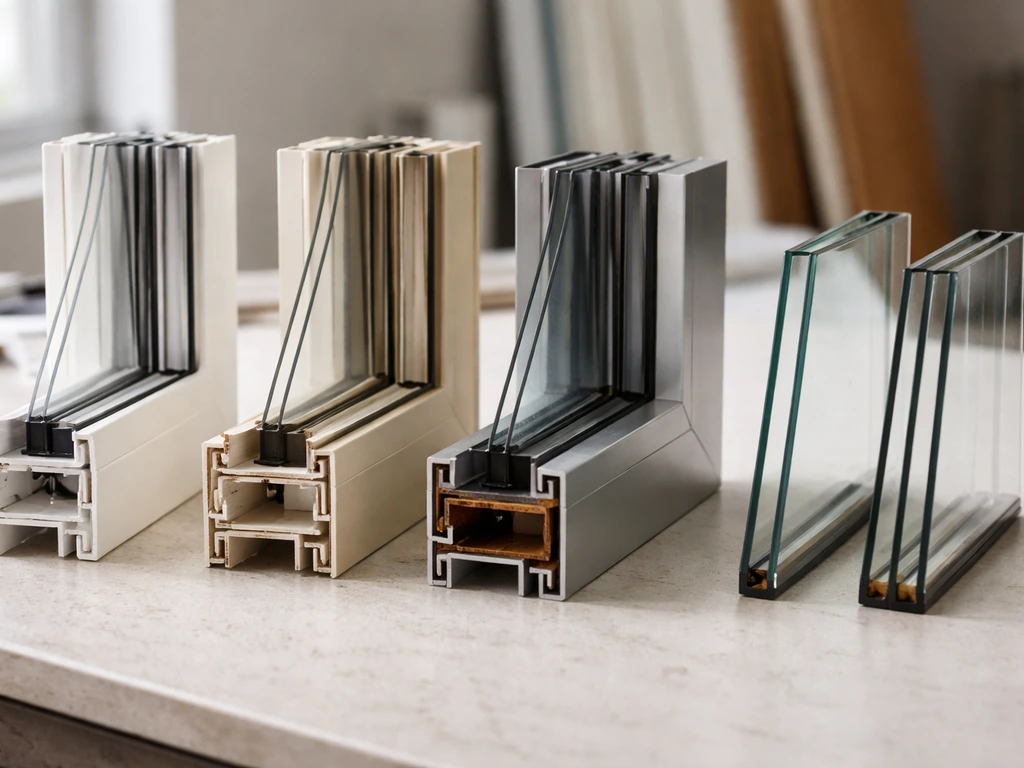
Frame material is where a lot of buyers get tripped up. The glass package gets most of the attention, but a poor frame undermines a great IGU. Here is how the main options stack up for insulation performance.
| Frame Material | Thermal Performance | Durability / Maintenance | Typical Price Range (door only) | Best For |
|---|---|---|---|---|
| Vinyl (uPVC) | Excellent — naturally low conductivity, no thermal break needed | Low maintenance, can fade or warp in extreme heat over time | $800–$2,500 | Budget-conscious buyers in moderate climates, rental properties |
| Fiberglass | Excellent — similar to vinyl thermally, more dimensionally stable | Very low maintenance, handles extreme temps well, paintable | $1,500–$5,000+ | Best all-around pick for most climates, especially freeze-thaw regions |
| Wood (clad) | Good — natural insulator, but wood core requires aluminum or fiberglass exterior cladding to protect it | Higher maintenance if uncladded; clad versions are much easier | $2,000–$6,000+ | Historic homes, premium aesthetics, cold climates |
| Aluminum (thermally broken) | Moderate — requires quality polyamide thermal break; conductivity is high without it | Excellent durability, slim sightlines, handles large spans | $1,800–$4,500+ | Modern/contemporary homes, coastal climates, large openings |
| Aluminum (non-broken) | Poor — acts as a heat conductor; avoid for insulated performance | Durable but thermally inefficient | $600–$1,500 | Not recommended for insulation purposes |
For glass, dual-pane argon-filled low-e IGUs are the baseline and cover most homes well. If you're in a climate with consistent winters below 20°F, triple-pane starts paying for itself in comfort and heating costs, especially on a large 8-foot or 12-foot sliding door where glass area is significant. Krypton-filled units perform better than argon in thinner spacer configurations (common in triple-pane), but cost more. Warm-edge spacers (foam or hybrid spacers instead of aluminum) reduce the thermal bridge at the glass edge and improve condensation resistance, look for them on any door where cold winters are a concern.
If fiberglass or wood is the direction you're heading, those topics are worth digging into separately since the material choice affects everything from finish options to warranty terms and long-term ROI. If fiberglass sliding patio doors are the direction you want to go, keep the frame and glass tradeoffs in mind, just like the material choice affects insulation and long-term ROI here. If you specifically want wood sliding patio doors, prioritize proper frame insulation details, weatherstripping, and verified energy ratings so the material choice supports performance.
Sizing, installation, and how to not ruin the insulation you paid for
This is where most of the real-world energy performance gets lost. You can buy the best-rated door on the market and still end up with a drafty, leaky installation if the rough opening prep and sealing are done wrong. I've seen it happen on professional installations.
Standard sizing and what to measure
Sliding patio doors come in standard widths of 5 feet (60 inches), 6 feet (72 inches), 8 feet (96 inches), and 12 feet (144 inches), with a standard height of 6 feet 8 inches (80 inches) or 8 feet (96 inches). The door's 'nominal' size is not the rough opening size. Manufacturers typically require a rough opening that is about 1/2 inch wider and 1/2 inch taller than the door frame to allow for shimming and leveling.
Always measure your actual rough opening width and height in three places (top, middle, bottom for width; left, center, right for height) and use the smallest measurement. If your opening doesn't match a standard size, you'll either need a custom order or framing work.
Installation mistakes that kill thermal performance
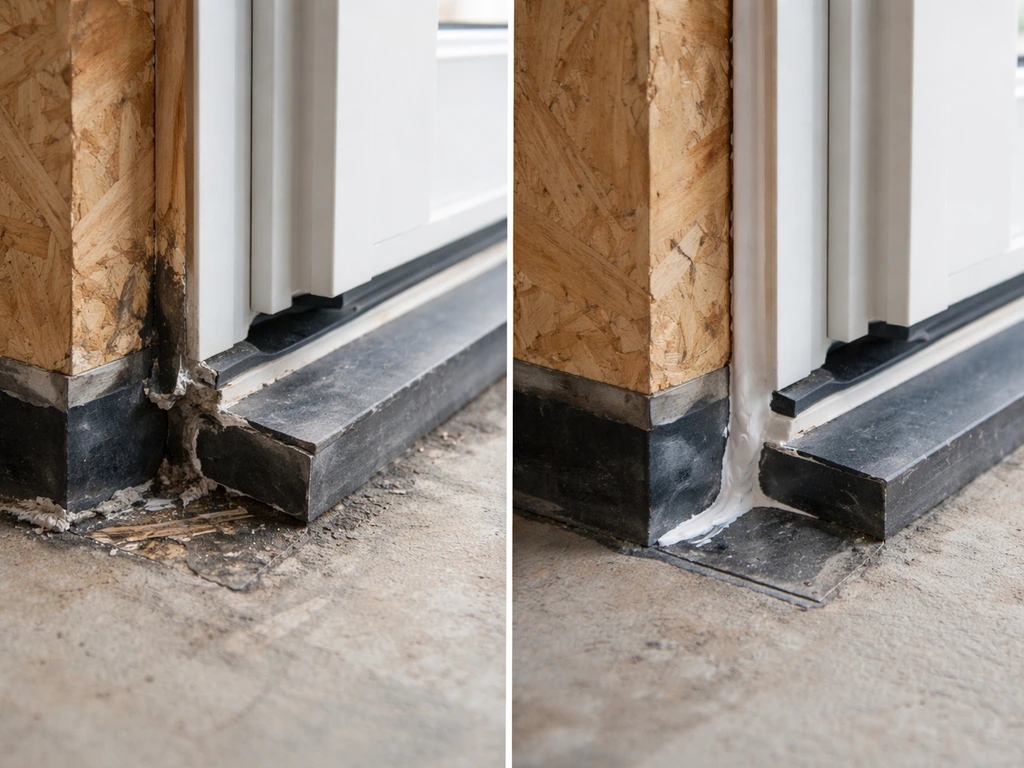
The U.S. Department of Energy's building science guidance is clear: air-sealing the rough opening before installing trim is critical to minimizing air leakage, and flashing the opening correctly is equally important because these areas are the most vulnerable points for air and moisture infiltration. Building Science Education (U.S. DOE/BSERC) recommends air-sealing the rough opening around windows and doors before installing trim to minimize air leakage air-sealing the rough opening before installing trim. Here is the short list of what goes wrong most often.
- Skipping rough opening flashing: The threshold and side jambs need to integrate with the drainage plane of your wall assembly. No flashing tape at the sill = eventual moisture infiltration and rot, which destroys the seal over time.
- Not air-sealing before trim: Low-expanding spray foam or backer rod plus caulk should fill the gap between the door frame and the rough framing before any interior trim goes on. Once the trim is nailed, that gap is invisible and inaccessible.
- Out-of-level installation: A sliding door that isn't perfectly plumb and level will have uneven panel-to-frame contact, creating air gaps along the weatherstripping that no amount of adjustment fixes later.
- Omitting the sill pan flashing: This is the most skipped step and the one that causes the most water damage. A sloped sill pan under the door frame directs any water that gets past the threshold back out.
- Compressing or pinching weatherstripping during installation: Trim or shims installed too tight can deform the weatherstripping before you even close the door the first time.
If you're hiring an installer, ask specifically whether they flash and air-seal the rough opening. A lot of basic installation quotes don't include this step. Budget an extra $150–$300 for proper flashing and sealing materials and labor if it's not included, it's cheap insurance for a $2,000–$5,000 door.
How to evaluate 'best' across different budgets
The honest answer is that 'best insulated' doesn't mean most expensive. There are diminishing returns past a certain spec level, and paying $6,000 for a fiberglass triple-pane door when a $2,200 vinyl dual-pane with proper installation would get you to the same comfort level is a real thing that happens. Here is how to think about it by budget tier.
| Budget Tier | Door Cost (supply only) | Installed Cost Estimate | What you get | Best Brands to Consider |
|---|---|---|---|---|
| Entry-level | $800–$1,800 | $1,800–$3,500 | Vinyl frame, dual-pane argon low-e IGU, U-factor ~0.28–0.35, ENERGY STAR South/South-Central qualified | JELD-WEN, Reliabilt (Lowe's), American Craftsman |
| Mid-range | $1,800–$3,500 | $3,000–$6,000 | Premium vinyl or fiberglass, dual-pane low-e argon, U-factor ~0.22–0.28, warm-edge spacers, multi-point weatherstripping, ENERGY STAR Northern or North-Central qualified | Milgard, Simonton, Atrium, PGT |
| Premium | $3,500–$6,000+ | $5,500–$10,000+ | Fiberglass or thermally broken aluminum, dual- or triple-pane, U-factor ≤0.22, krypton or argon fill, superior air leakage ratings ≤0.10 cfm/ft², full NFRC suite | Pella, Andersen, Marvin, Kolbe |
| Ultra-premium / custom | $6,000–$15,000+ | $10,000–$20,000+ | Custom sizing, lift-and-slide or multi-panel configurations, commercial-grade thermal breaks, U-factor ≤0.17, integrated hardware systems | NanaWall, LaCantina, Weiland |
On ROI: a well-insulated sliding door replacing a single-pane or non-thermally-broken door can reduce heating and cooling loads through that opening by 30–50%. On a typical 6-foot slider, that's meaningful but not the thing that pays off the door in three years. The real payoff is comfort (no more cold drafts at the couch during winter), reduced condensation on the glass, quieter interior (glass mass helps with noise), and home resale value. Energy savings are real but should be considered a bonus, not the primary financial justification for going ultra-premium.
Climate matters a lot here. If you're in Phoenix or Miami, a low SHGC matters more than a low U-factor. If you're in Chicago or Minneapolis, drive the U-factor down as low as your budget allows. If you're on the Gulf Coast or in a hurricane zone, impact-rated glass and structural ratings take priority alongside thermal performance, brands like PGT Winguard specialize in exactly that combination.
Accessories and upgrades that make a real difference
Even the best-insulated sliding door benefits from the right accessories. These aren't optional extras, some of them meaningfully extend the performance of the door system and add security, which matters because sliding doors are a common entry point for break-ins.
Screens
A standard fiberglass insect screen has almost no thermal impact, but retractable screens let you leave the door open for cross-ventilation in shoulder seasons without bugs, which actually reduces AC use. Solar screens (heavier weave, usually made of PVC-coated polyester) can block 60–90% of solar heat gain before it even hits the glass, dropping interior temps by several degrees in direct-sun exposures. If your door faces south or west and you're in a hot climate, a solar screen is one of the cheapest efficiency upgrades you can add.
Coverings: curtains, blinds, and cellular shades
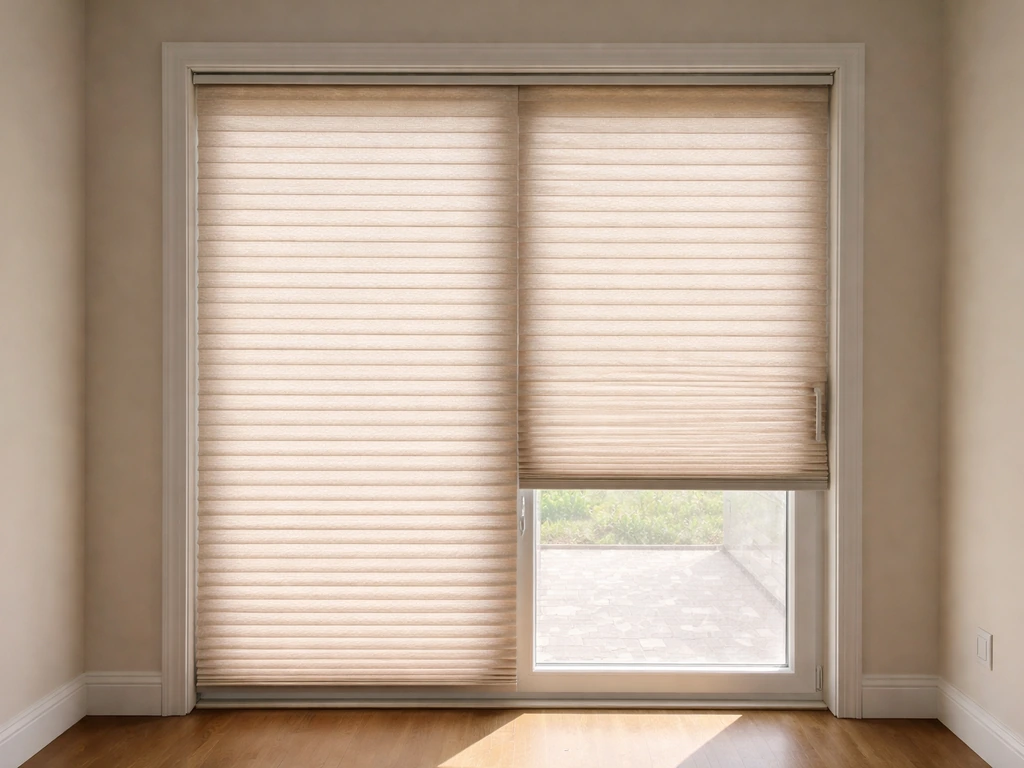
Window treatments add a meaningful thermal buffer. Cellular (honeycomb) shades are the most energy-efficient covering for sliding doors, double-cell versions can reduce heat loss through the door by up to 40% compared to uncovered glass on cold nights. Thermal-lined drapes do similar work. For large sliders (8 feet or wider), vertical blinds or panel track blinds are the practical covering option; they stack to the side cleanly and don't block the full door width when open. Interior shutters work well for smaller sliders and add privacy and security as a bonus.
Security hardware
Sliding doors are vulnerable in two ways: the latch can be flipped open, and the panel can be lifted off the track. Address both. A double-bolt secondary lock (Charlie bar, sliding door bar lock, or foot bolt) costs $15–$40 and adds meaningful resistance. Anti-lift pins or security screws in the top track prevent panel removal from outside, most quality installers include these, but verify. If you're upgrading an existing door rather than replacing it, these are cheap security wins. Multi-point locking hardware (where the panel locks at top, bottom, and center simultaneously) comes standard on premium doors and is worth specifying if you're customizing a mid-range order.
Threshold and track upgrades
The threshold is a weak point for both air infiltration and water intrusion. An adjustable interlocking threshold seal lets you fine-tune the compression over time as the door settles or the weatherstripping wears. Pile seal replacement kits for the track are cheap ($20–$40) and can restore air-sealing performance on an older sliding door without full replacement, worth trying before committing to a new door if your existing unit is otherwise in good shape.
Your checklist before you buy
Before you pull the trigger on any sliding patio door, run through this list. It catches the most common mistakes that turn a well-researched purchase into an expensive frustration.
- Measure your rough opening in three places and use the smallest dimension. Confirm whether the manufacturer's listed size is the door frame size or the rough opening size.
- Look up the specific model on the NFRC Certified Products Directory (nfrc.org) and verify the U-factor, SHGC, and AL rating yourself. Don't rely on the brochure alone.
- Check the ENERGY STAR climate zone the door qualifies for, not just whether it has an ENERGY STAR label.
- Ask the installer whether rough opening air-sealing and flashing are included in the quote. Get it in writing.
- Confirm the door comes with or you can add a secondary lock and anti-lift hardware.
- If you're in a hot or direct-sun exposure, check the SHGC and consider whether a solar screen will be part of the install.
- Get at least two installed quotes. Door-only prices vary widely by region, and installation labor for a 6-foot slider ranges from $300 to $900+ depending on complexity and local rates.
- Ask about the warranty separately for the glass unit (typically 10–20 years on IGU seal failure), the frame (lifetime is common on vinyl/fiberglass), and the hardware (often 1–5 years and the weakest link).
The bottom line: a mid-range fiberglass or premium vinyl slider with a U-factor at or below 0.25, argon-filled dual-pane low-e glass, NFRC-certified ratings, and a properly flashed and air-sealed installation will outperform a top-tier door dropped into a poorly prepped opening every single time. Get the specs right, get the installation right, and add a good shade or screen, that combination beats the most expensive door on the market installed badly.
FAQ
What U-factor and SHGC numbers should I target for the best insulated sliding patio doors in my climate zone?
Use the ENERGY STAR climate zone chart as your starting point, then prioritize based on your local goal: hot climates typically want lower SHGC to reduce solar heat gain, while cold climates want the lowest feasible U-factor. If you tell me your city (or nearest major city), I can help you translate that into which of those two metrics should matter more for your purchase.
How can I confirm a sliding patio door’s performance is real and not just marketing?
Look for the NFRC label on the exact product, not the model summary, and write down the tested U-factor and SHGC values from that label. Then verify the product is the same glazing type (dual-pane vs triple-pane, low-e coating) and frame option you’re ordering, because swapping glass packages or frame colors can sometimes change the rated performance.
Does “thermally broken frame” always guarantee better insulation?
It strongly helps, but the benefit can be reduced by installation details, especially at the frame perimeter and threshold. If you are comparing doors with similar IGU glass specs, the next deciding factor should be whether the installer will flash and air-seal the rough opening and whether the door comes with an adjustable interlocking threshold seal that can be tuned after installation.
What’s the most common reason a top-rated door still drafts or feels cold?
Most often it is air leakage from the rough opening, poor flashing, or missing/failed seal continuity at the perimeter and threshold. Even with perfect glass, drafts usually mean the building envelope connection was not sealed, or the door is not properly shimmed and sealed so the gasket compression is correct all the way around.
Can I replace just the glass unit or weatherstripping instead of buying a whole door?
Sometimes. If your frame is solid and the issue is mainly condensation or drafts at the track, replacing weatherstripping or a pile seal kit can restore performance. But if the door’s glass is older single-pane or the frame is not thermally broken, glass-only upgrades may not deliver the same comfort gains as a full insulated door replacement.
How do I measure my rough opening correctly for a sliding patio door?
Measure width and height in multiple spots (as you noted), then use the smallest measurement to plan. Also confirm you have clearance for shimming, leveling, and operation space, because a door that is even slightly tight can cause uneven gasket compression, leading to air leaks and higher condensation on the glass edge.
What should I ask an installer so I know they will flash and air-seal correctly?
Ask for their step-by-step method for rough opening preparation, how they will apply flashing at the sill and sides, and what air-sealing material they will use before trim. Also request they verify gasket contact and threshold compression after shimming, because the final seal is often only correct once the door is leveled and square.
Is triple-pane always worth paying for in the best insulated sliding patio doors?
Not always. Triple-pane tends to pay off most in consistent cold climates (especially for large glass areas like 8-foot or 12-foot sliders). If your winters are mild, a high-performance dual-pane low-e with argon and warm-edge spacers may deliver most of the comfort benefit without the added cost and weight.
What are warm-edge spacers and do they really matter?
Warm-edge spacers reduce the thermal bridge at the glass edge compared with traditional metal spacers, which can improve both comfort and condensation resistance during cold weather. If you have issues with cold glass edges or visible condensation, prioritize warm-edge (and correct interior humidity control) rather than relying on U-factor alone.
How can I choose between vinyl, fiberglass, and wood without losing insulation performance?
Compare the actual NFRC U-factor and SHGC for the complete door assembly, then check the frame details that affect thermal bridging. Vinyl is often a strong value, fiberglass can be efficient and stable, and wood can perform well but needs careful attention to frame insulation details and warranty conditions. The “best” material depends on your budget and how well the installed system seals at the perimeter.
Do solar screens and cellular shades affect the door’s energy rating?
They do not change the NFRC rating, because that rating measures the door system itself under standardized test conditions. But they can significantly reduce the real-world loads by lowering solar gain (screens) or heat loss at night (cellular shades), which can translate into noticeable comfort improvements even if your door’s baseline specs stay the same.
What security upgrades actually help for sliding patio doors?
Focus on two failure points: preventing the latch from being forced open and preventing lift-out from the top track. A double-bolt secondary lock and anti-lift pins or security screws are practical upgrades. If you are specifying new hardware on a custom order, ask for multi-point locking so the panel locks at multiple positions, not just one point.
How do I know if my threshold and track seals are failing?
Look for drafts at the bottom, visible gaps, or condensation that seems concentrated near the threshold. For older doors, pile seal replacement kits for the track can be a cost-effective first step, and an adjustable interlocking threshold seal can help you restore gasket compression after the door settles or weatherstripping wears.
What’s the best way to evaluate ROI if “best insulated” is more expensive?
Treat energy savings as a bonus and compare comfort outcomes and durability. The biggest practical benefits are fewer cold drafts, less condensation on the glass, and quieter operation due to the insulated glass mass. If the door is correctly installed and you replace a leaky or non-thermally-broken unit, you often see immediate comfort improvements even before utility savings fully catch up.