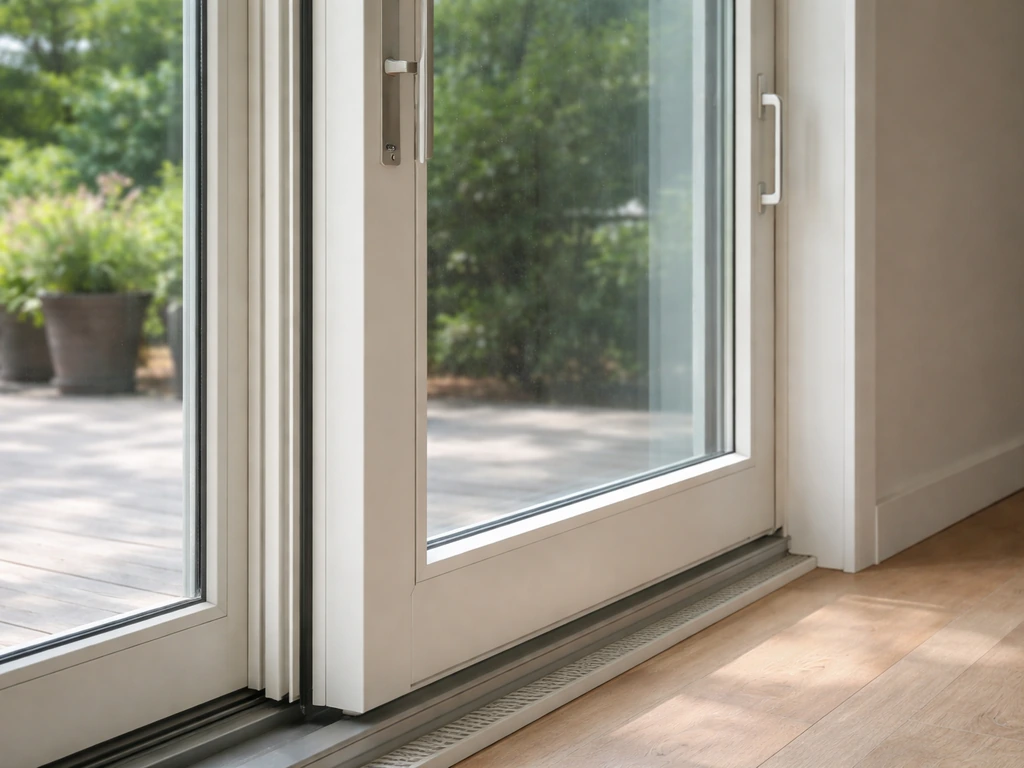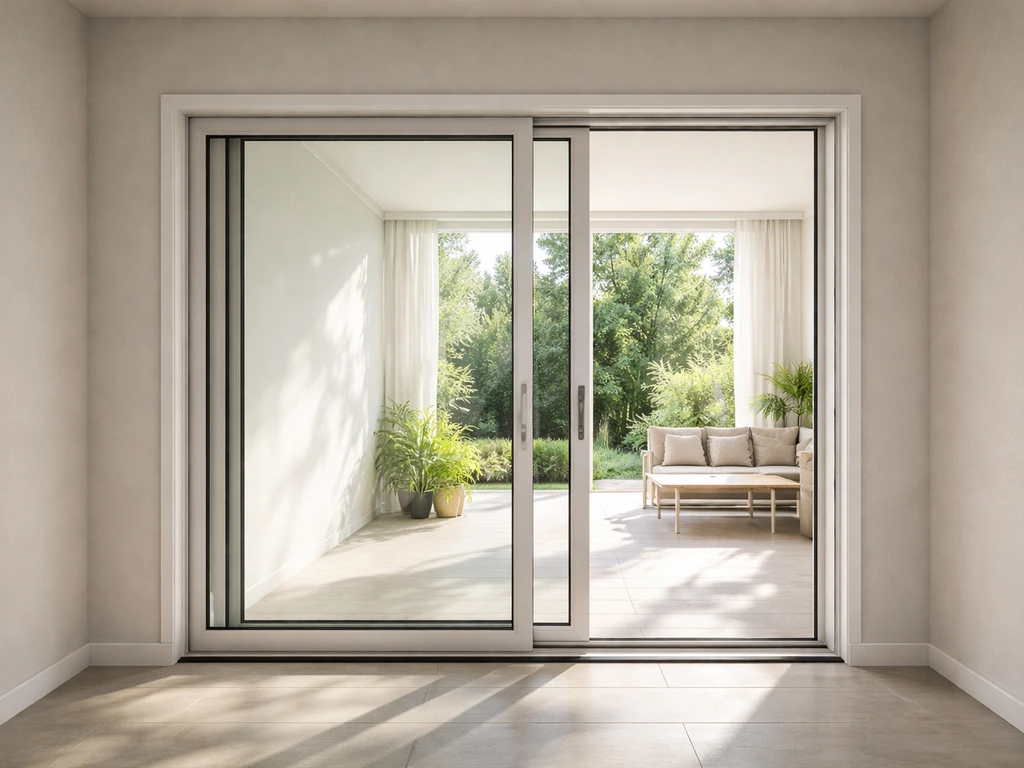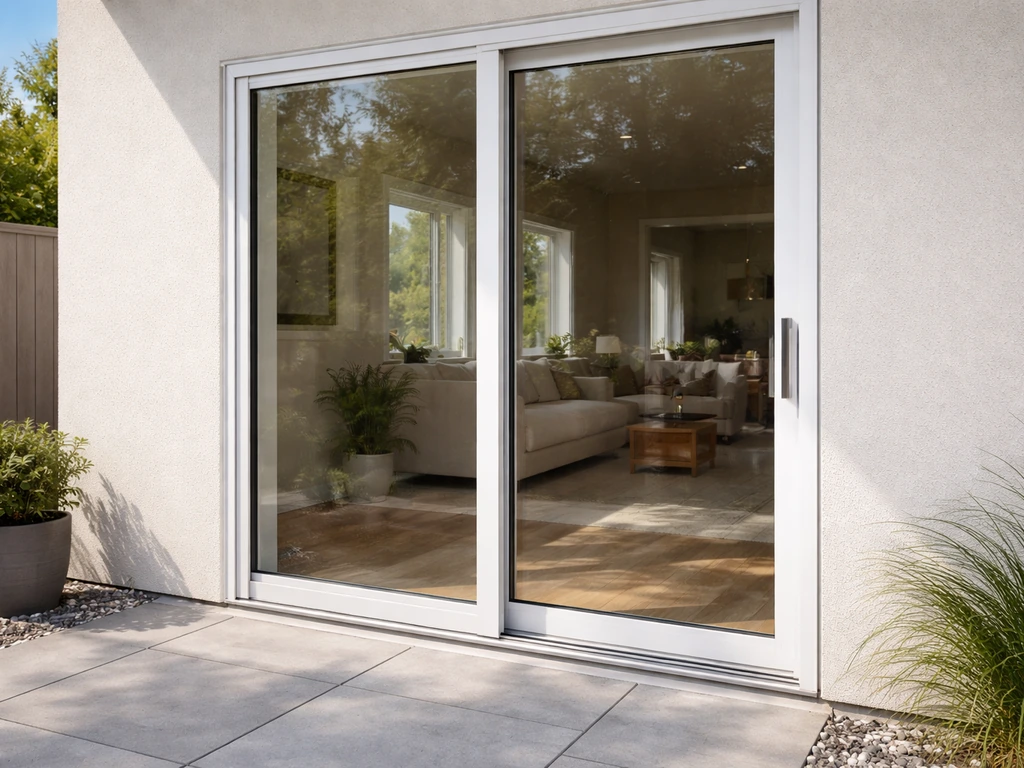
The best wood sliding patio door for your home comes down to three things: a solid wood or wood-clad frame built to handle your climate, a glass package with a U-factor at or below 0. 30 for most of the country, and hardware that rolls smoothly and locks securely on day one and year ten.
Best Wood Sliding Patio Doors Buying Guide and Checklist

Owen Delaney
1 Jun 2026
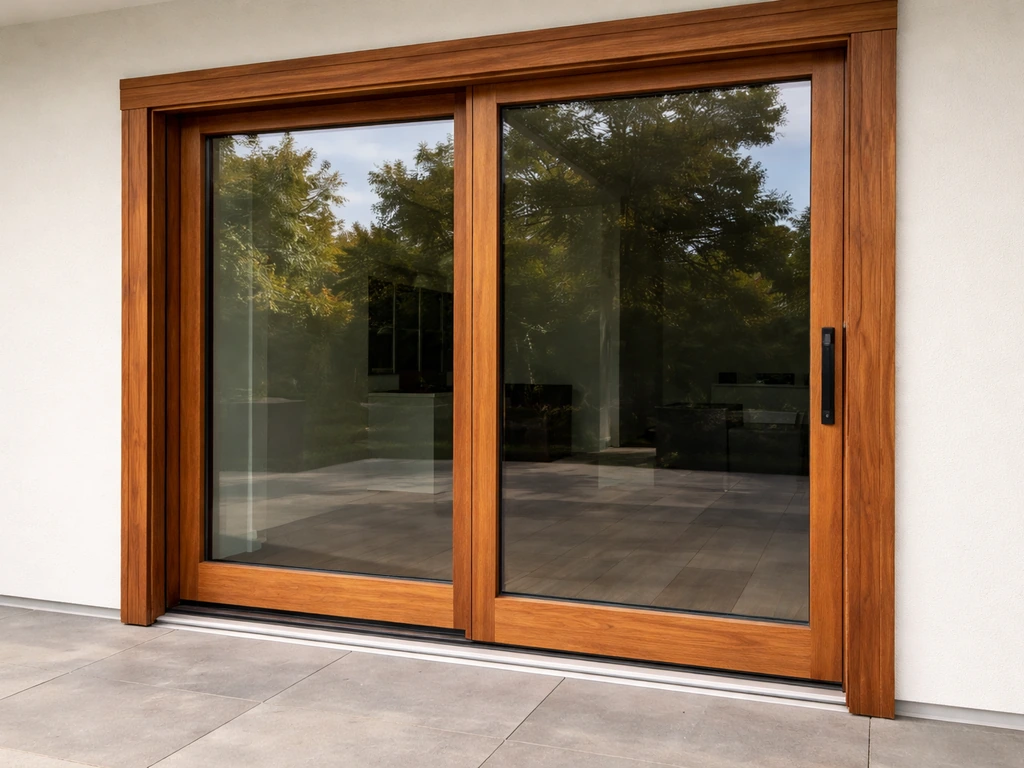
Andersen, Marvin, Pella, and Sierra Pacific all make wood or wood-clad sliders worth considering in 2026, but the right pick depends on your rough opening size, your climate zone, your budget, and how much maintenance you're willing to do. If you want a quick shortlist of brands to start with, focus on manufacturers known for durable frames, smooth adjustable rollers, and strong warranty coverage who makes the best sliding patio doors.
This guide walks you through every decision point so you can stop guessing and start ordering.
What 'Best' Actually Means for a Wood Sliding Patio Door
"Best" is doing a lot of heavy lifting in that search phrase, so let's unpack it. For a wood sliding patio door, best means the frame material holds up to moisture and seasonal movement without warping, the glass package meets your climate's energy code, the rollers stay smooth for years without constant adjustment, the locks resist forced entry, and the whole thing is backed by a warranty that covers what actually fails. It does not mean the most expensive door or the one with the most features.
One thing worth clarifying early: when most people search for "wood sliding patio doors," they often mean one of two things. Some want a true wood interior frame (pine, oak, Douglas fir) with a clad exterior to handle weather. Others want a wood-look door, meaning a fiberglass or vinyl door with a realistic woodgrain finish. Both are valid, but they perform and age very differently. This guide focuses on genuine wood-frame and wood-clad aluminum or fiberglass doors, since those are the real "wood" products in terms of feel and customizability. If you're leaning toward a pure wood-look without the maintenance, the guide on best fiberglass sliding patio doors is worth a read alongside this one.
A sliding design specifically beats out French doors or bifolds when you have limited floor clearance, need a wide opening without swing-arc intrusion into the room, or want a lower-profile look. The trade-off is that sliders don't seal as tightly as a hinged door with compression weatherstripping, so if air leakage is your top concern in a very cold or very windy climate, that's worth weighing.
How to Measure and Pick the Right Size and Configuration
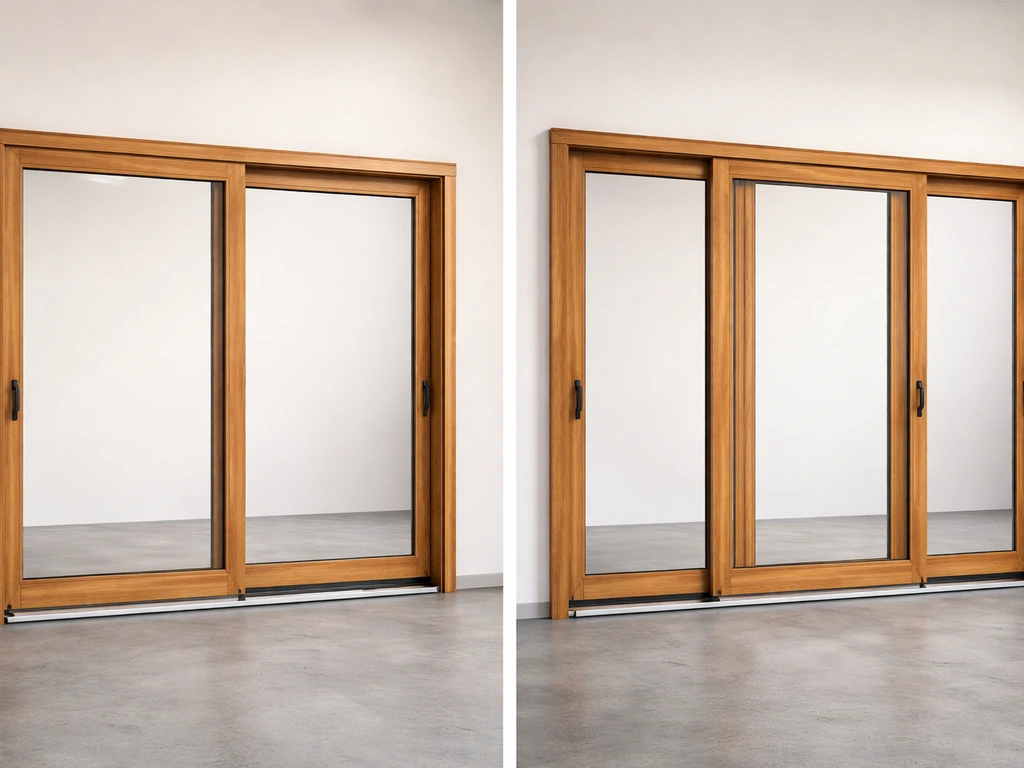
Before you look at a single brand, measure your rough opening. Rough opening width and height determine which door units you can actually use without major framing work, and getting this wrong is the most expensive mistake in a patio door replacement. Measure the width and height of the existing framed opening (not the old door unit itself) in at least three spots and use the smallest dimension. Standard sliding patio door unit sizes run in these common configurations:
| Configuration | Typical Unit Width | Typical Unit Height | Notes |
|---|---|---|---|
| 2-panel (XO or OX) | 60 in (5 ft) | 80 in | Most common residential size; one fixed, one operable panel |
| 2-panel (XO or OX) | 72 in (6 ft) | 80 in | Wider view; fits most standard openings |
| 2-panel (XO or OX) | 96 in (8 ft) | 80 in | Requires verified header support |
| 3-panel (OXO) | 108 in (9 ft) to 144 in (12 ft) | 80 in | Center panel slides; great for wide openings |
| Tall/patio units | Various | 96 in (8 ft) | Requires taller rough opening; less common but available from most major brands |
For a standard replacement, you'll want the unit size to be about 1/2 inch to 3/4 inch narrower and shorter than your rough opening so you have room for shimming and leveling. If your existing opening is non-standard, most wood-clad manufacturers like Marvin and Andersen offer custom sizing, but plan for longer lead times (6 to 12 weeks is typical in 2026) and a 20 to 40 percent price premium over standard sizes.
Configuration choice is simpler than it looks. An XO door means the fixed panel is on the left and the operable panel is on the right when viewed from outside. OX flips that. This matters because the operable panel determines where your screen track goes and which side people naturally walk through. Stand inside your room and think about traffic flow before you order.
For very wide openings (10 feet and up), a 3- or 4-panel configuration is worth the extra cost over trying to span the gap with a single oversized 2-panel unit. Oversized panels get heavy fast, and heavy panels are the number one cause of roller wear and sticking within a few years.
Wood Species, Construction, and Energy Performance
Wood Species and Frame Construction
The interior wood species is both aesthetic and structural. Pine (typically ponderosa or white pine) is the most common and most affordable, takes paint and stain well, and is what you'll find in most Andersen and Pella wood-clad lines. Douglas fir and oak are denser, more stable in high-humidity climates, and typically cost more. Marvin uses Douglas fir as their standard species and it shows in their dimensional stability over time. If you're in a humid climate like the Southeast or Pacific Northwest, denser species or a finger-jointed/engineered wood core (which several manufacturers now use) will resist seasonal movement better than clear pine.
The exterior cladding is arguably more important than the interior species for longevity. Aluminum-clad exteriors (Andersen 400 Series, Marvin Signature) are durable and low-maintenance. Fiberglass-clad options (Pella Impervia, some Sierra Pacific lines) resist dents and thermal transfer better than aluminum. Bare wood exteriors look beautiful and can be stained any color, but need refinishing every 3 to 5 years or they will fail. For most homeowners, a clad exterior with a wood interior is the practical sweet spot.
Glass Packages and Energy Performance
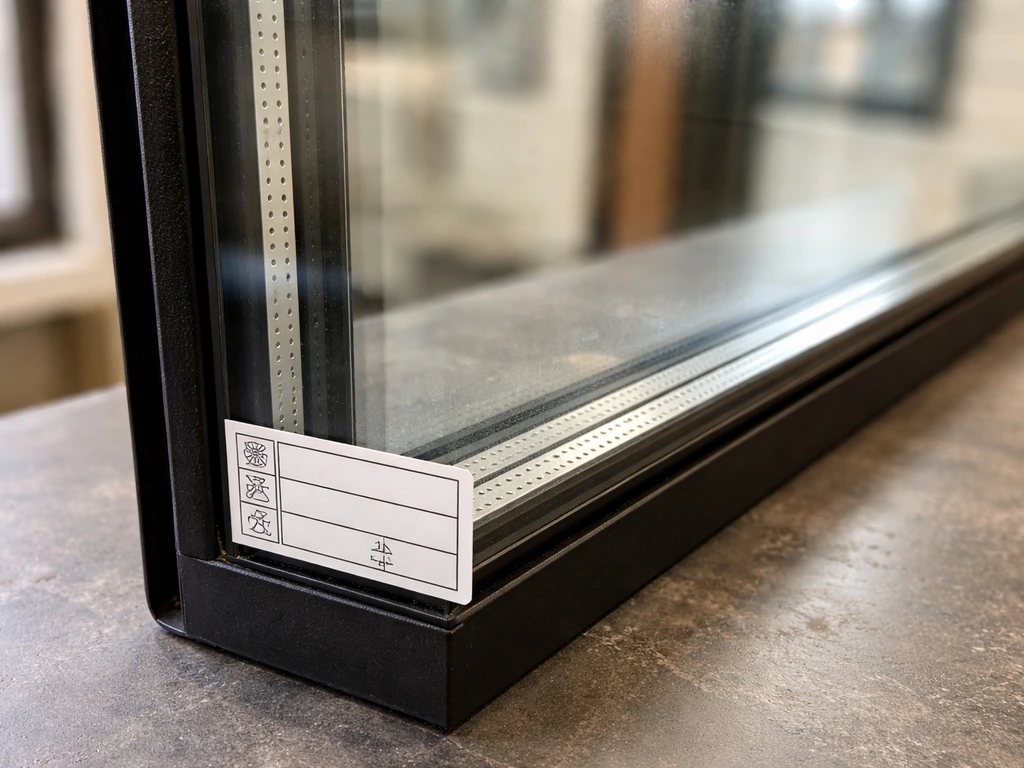
The glass is where you spend money and where you save money on energy bills. Every door sold today should have an NFRC label showing U-factor and Solar Heat Gain Coefficient (SHGC). U-factor measures heat loss (lower is better, like an insulation R-value in reverse). SHGC measures how much solar heat comes through the glass (lower blocks more sun, which is good in hot climates and sometimes bad in cold ones where you want passive solar heat).
| Climate Zone | Recommended Max U-factor | Recommended SHGC | Notes |
|---|---|---|---|
| Cold (zones 5-8, e.g., Minnesota, Montana) | 0.27 or lower | Any (0.25+ for south-facing) | 2024 MN energy code references NFRC-certified U-factor; wood/clad frames perform better than aluminum without thermal break |
| Mixed/moderate (zones 3-4, e.g., Midwest, Mid-Atlantic) | 0.30 or lower | 0.25-0.40 | Triple-pane available but often overkill here |
| Hot/sunny (zones 1-2, e.g., Florida, Texas, Southwest) | 0.30 or lower | 0.25 or lower | Low-e coatings critical; prioritize SHGC over U-factor |
One thing to watch: frame type materially affects U-factor. A wood or wood-clad frame will perform significantly better than an aluminum frame without a thermal break, even with the same glass. The 2024 Minnesota energy code's own appendix tables call this out explicitly, distinguishing aluminum frames from wood and clad combinations. This is one of the strongest energy arguments for a wood-clad door over a budget aluminum slider. When comparing products, always check the full-unit NFRC rating, not just the glass center-of-glass number, which will always look better than the whole-unit figure.
The AAMA/WDMA/CSA 101/I.S.2/A440 standard (which major brands test to) covers both air leakage resistance and water penetration resistance, among other performance tests. When a manufacturer lists a "Performance Grade" (DP rating), that's a structural load rating, not a standalone air or water performance number. Ask for the specific air leakage test result (typically reported in cfm/ft²) separately, especially if you're in a windy or wet climate.
Security, Hardware, and Keeping Things Rolling Smoothly
Sliding doors have a reputation for being the weak point in home security, and with older hardware, that reputation is earned. Modern wood-clad doors have improved significantly, but you still need to actively choose the right hardware rather than accepting the base package.
For the lock, the absolute minimum is a multi-point locking system, not a single-point hook latch. Multi-point locks engage the door frame at two or three locations, making it much harder to force the panel. Andersen's TruArmor handle and Marvin's standard multi-point locks are both solid choices out of the box. If you're upgrading an existing door, aftermarket multi-point retrofit kits from brands like Fuhr or Hoppe are available for most track profiles.
Anti-lift security is often overlooked. A sliding panel can be lifted off its track from outside if the door wasn't designed with lift-prevention features. Look for adjustable anti-lift pins or blocks built into the top track, or add screw-in stops to the top track after installation. A secondary security bar (a cut-down piece of closet rod in the bottom track) costs almost nothing and adds real resistance.
Rollers are where operation quality lives. Stainless steel tandem rollers with ball bearings are the standard on quality doors and will outlast the plastic or single-wheel rollers found on budget units by many years. Adjustable rollers matter because wood frames will move seasonally, and being able to raise or lower the panel 1/8 inch or so with a screwdriver keeps operation smooth without a service call. Marvin and Andersen both use adjustable tandem rollers on their wood-clad lines. If you're looking at a builder-grade or entry-level product, ask specifically about roller material and adjustability before buying.
What It's Going to Cost and How to Get It Installed
Cost Ranges in 2026
Wood and wood-clad sliding patio doors are among the more expensive door types. Here's an honest breakdown of where the money goes:
| Product Tier | Door Unit Cost (6 ft, 2-panel) | Installation (Pro) | Notes |
|---|---|---|---|
| Entry wood-clad (e.g., Andersen 200 Series, Pella 150) | $1,200 - $2,000 | $500 - $900 | Aluminum clad, standard glass, limited finish options |
| Mid-range wood-clad (e.g., Andersen 400 Series, Pella 250) | $2,000 - $3,500 | $600 - $1,200 | Better glass packages, more hardware/finish options |
| Premium wood-clad (e.g., Marvin Signature, Sierra Pacific) | $3,500 - $6,500+ | $900 - $2,000+ | Superior wood species, custom sizes, top-tier hardware |
| Custom/architect-grade | $6,500+ | $1,500 - $3,500+ | Any size, any species, specialty glass, very long lead times |
The glass package is one of the biggest cost variables. Moving from standard low-e double-pane to triple-pane adds $300 to $800 to the unit cost on a standard 6-foot door. Whether that's worth it depends on your climate: in zones 6 through 8, triple-pane almost always pencils out over 10 years in energy savings. In zones 3 and 4, it's marginal and the payback period stretches past 15 years. Integrated blinds (blinds sealed inside the glass unit) add $200 to $500 and eliminate dusting, which many homeowners find worth every penny.
DIY vs. Professional Installation
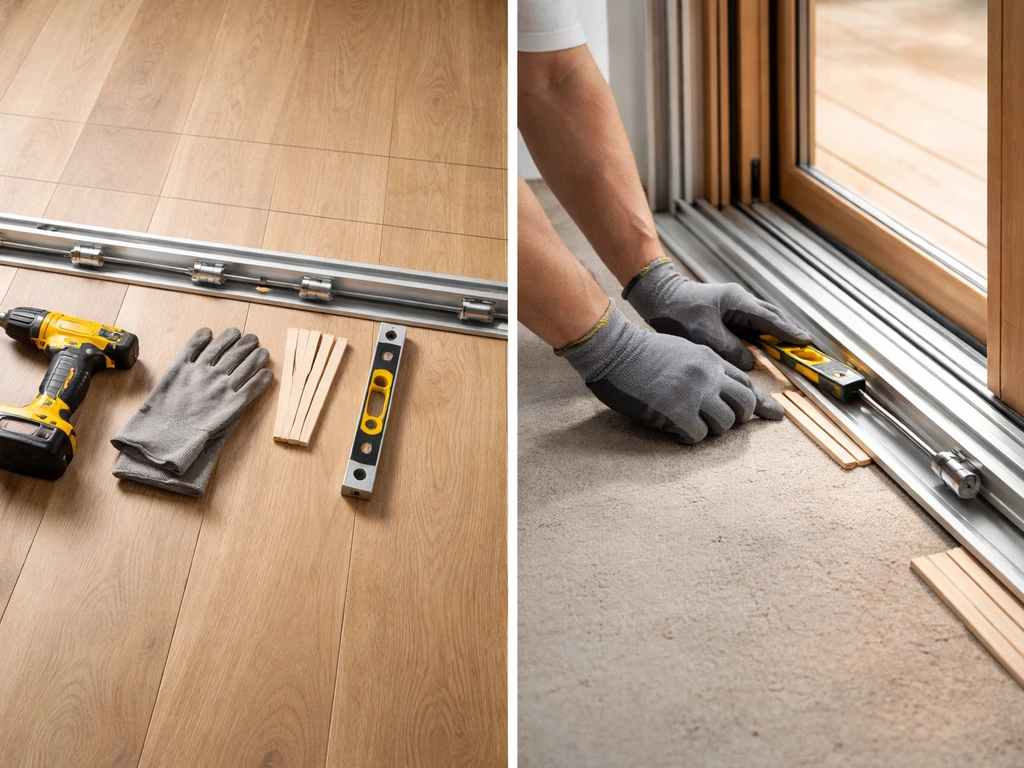
I'll be straight with you: a wood-clad sliding patio door is a viable DIY project for an experienced homeowner, but it's not a weekend-beginner job. The unit itself will weigh 150 to 350 pounds depending on size and glass, it needs to be perfectly plumb, level, and square or the rollers and lock won't work right, and flashing it correctly to prevent water intrusion takes patience and knowledge. If you're replacing an existing sliding door in the same opening with no framing changes, and you're comfortable with a circular saw, level, and caulking gun, you can realistically do it in a day with a helper.
If you're enlarging an opening, dealing with a load-bearing wall, or working in a climate with very specific moisture management requirements, hire a professional. Get at least three quotes and ask each contractor specifically how many patio door replacements they do per year. A generalist handyman who does two or three a year is not the same as an installer who does a dozen a month. Also ask whether they pull permits: in most jurisdictions, replacing a patio door in the same opening doesn't require a permit, but enlarging an opening almost always does. Unpermitted structural work creates real problems at resale.
On warranties: wood-clad door warranties are typically split between the glass unit (often 20 years on seal failure), the frame/finish (10 years is standard, some brands offer lifetime on the wood), and hardware (usually 1 to 10 years depending on manufacturer). Read what voids the warranty carefully. Most wood door warranties require that the interior wood be refinished on a set schedule (Marvin requires re-finishing every 2 to 3 years on exposed wood) or the warranty is voided. Factor that into your long-term plan.
Accessories: Screens, Coverings, and Weather Protection
The door unit itself is only part of the story. A few accessories make a real difference in how the door performs and how you actually live with it day to day.
- Screen options: Most wood-clad doors come with a standard fiberglass screen in an aluminum frame. Upgrade to a stainless steel or pet-resistant screen if you have dogs or cats, and consider a retractable screen (Phantom or Centor are the go-to brands) if you want the screen to disappear when not in use. Retractable screens cost $400 to $900 installed but dramatically improve the view and airflow experience.
- Blinds and shades: Integrated between-the-glass blinds (available from Andersen, Pella, and others) stay clean and never tangle but can't be replaced if they fail without replacing the glass unit. Exterior roller shades or interior panel track blinds are more flexible. For privacy with natural light, solar shades at 3% to 5% openness are the sweet spot.
- Door covers and weather protection: If your door faces west or southwest, a patio cover or pergola extends the life of the exterior finish significantly by reducing UV and rain exposure. Awnings (either fixed or retractable) can reduce solar heat gain through the glass by 65 to 77 percent on south-facing doors, which is often more effective than a glass coating upgrade alone.
- Weatherstripping and seals: Most quality wood-clad doors ship with good weatherstripping, but the meeting stile (where the operable and fixed panels meet) is the most common air-leakage point on a slider. If you feel a draft there after installation, a felt or foam pile replacement strip is a $10 to $30 fix. Check it every 3 to 4 years and replace when it looks compressed or worn.
- Keyed exterior locks: Most sliding doors come with an interior-only flip lock. Adding a keyed exterior cylinder lets you lock and unlock from outside, which is more convenient and adds a layer of security for doors that face a deck or yard.
Maintenance and Long-Term Care for Wood Sliding Doors
This is where wood doors require honest effort that vinyl or fiberglass alternatives don't. If you're not willing to spend a few hours per year on maintenance, a wood door is probably not the right choice, and looking at the best fiberglass sliding patio doors or fully clad options makes more sense. If you are willing, the payoff is a door that looks and feels substantially better than any vinyl product and can last 30 to 50 years.
Annual and Seasonal Tasks
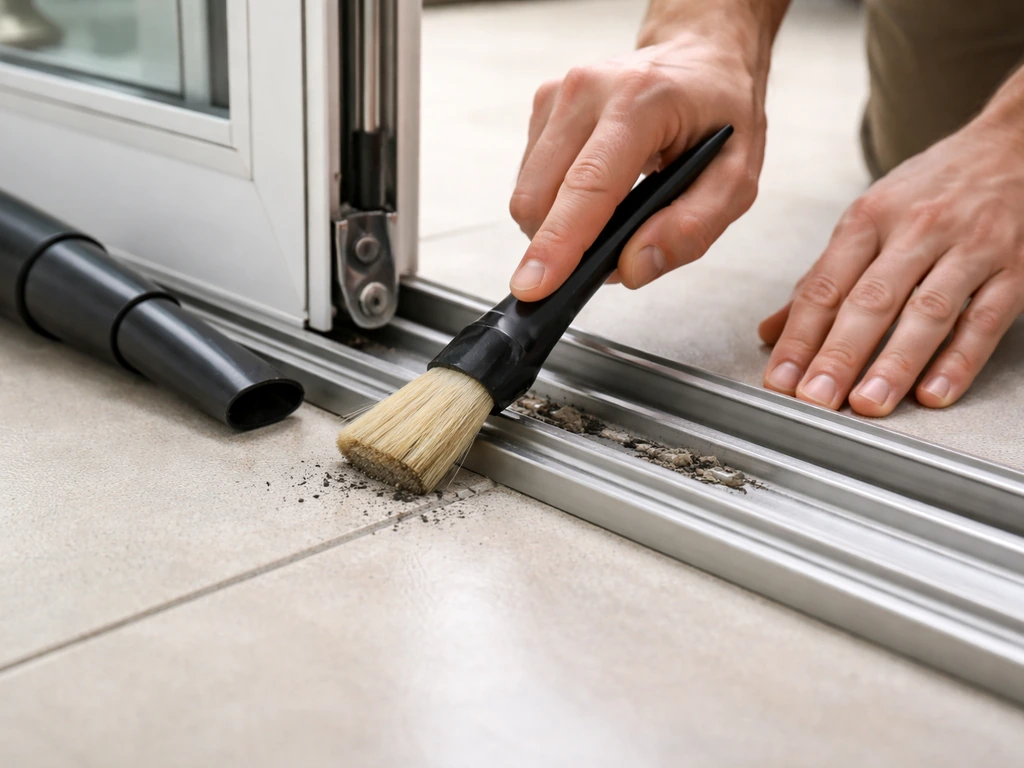
- Clean the track: Vacuum or sweep the bottom track every 1 to 3 months depending on how much foot traffic the door sees. Debris in the track is the number one cause of roller wear and sticky operation. Use a stiff brush for packed dirt, then wipe with a damp cloth.
- Lubricate the rollers and track: Every 6 to 12 months, apply a dry silicone spray or a Teflon-based lubricant to the bottom track and roller axles. Avoid WD-40 or oil-based lubricants, which attract dirt and gum up over time.
- Inspect and re-adjust rollers: Check roller height adjustment (usually a screw on the bottom of the operable panel) each spring and fall. The panel should clear the track by 1/8 to 3/16 inch and slide with light finger pressure. If it drags or lifts at the corner, adjust accordingly.
- Refinish the interior wood: On exposed wood surfaces, plan to clean and re-apply finish every 2 to 3 years. Use the manufacturer-recommended finish (usually a penetrating oil or alkyd stain, not a film-forming polyurethane on moving parts). This is also the step that keeps your warranty valid on most wood-clad products.
- Inspect and touch up the exterior cladding: Even on clad doors, check the exterior finish for chips or peeling around the corners and edges each spring. Touch up bare aluminum or fiberglass cladding immediately to prevent moisture ingress into the wood substrate.
- Check weatherstripping and seals: Inspect the door perimeter weatherstripping and the meeting stile pile seal once a year. Compressed or damaged weatherstripping should be replaced. Also inspect the sill pan and exterior caulk bead annually and re-caulk any cracked sections before the rainy season.
- Inspect glass unit seals: Fogging between the glass panes means the insulated glass unit seal has failed. This is typically a warranty claim if caught within the coverage period. Mark the date of installation and set a calendar reminder to inspect before the warranty period ends.
Dealing with Sticking or Hard-to-Move Panels
If a door that used to slide easily starts dragging, the cause is almost always one of three things: debris in the track, worn or damaged rollers, or seasonal wood expansion. Clean and lubricate first. If that doesn't fix it, adjust the roller height. If the door is swollen and hard to move specifically in summer or after wet weather, that's seasonal wood movement: check that the interior wood is properly sealed and consider a dehumidifier if the home consistently runs above 60% relative humidity. Rollers on quality doors typically last 15 to 25 years before needing replacement. When you do replace them, buying OEM rollers from the manufacturer is almost always worth the extra cost over generic hardware-store rollers.
Your Next Steps Before You Buy
Here's a practical checklist to work through before you commit to a door:
- Measure your rough opening in three places (width and height) and identify your minimum dimension. Confirm whether your header can handle the load for your target opening width.
- Identify your climate zone and set a target U-factor (0.27 or below for zones 5-8, 0.30 for zones 3-4) and SHGC requirement. Check your local energy code if you're in a municipality with stricter requirements.
- Decide on wood vs. wood-clad: if you're not prepared to refinish exterior wood, go with an aluminum-clad or fiberglass-clad option with a wood interior only.
- Set a realistic budget including installation, permits if needed, and accessories (screen, locks, weatherstripping). Add a 10 to 15 percent buffer for unexpected framing or shimming work.
- Request quotes from at least two dealers and one big-box installer for comparison. Ask each for the full NFRC-labeled U-factor and SHGC for the specific unit, not just the glass package label.
- Check lead times: custom and semi-custom wood-clad doors in 2026 are running 6 to 14 weeks from most manufacturers. Order early if you have a project deadline.
- Ask about warranty terms specifically: what maintenance is required to keep it valid, who handles glass seal failures, and whether hardware is covered.
- Plan your accessories at purchase time: adding a retractable screen or integrated blinds at the factory is almost always cheaper than retrofitting them later.
The best wood sliding patio door isn't the most expensive one or the one with the longest spec sheet. It's the one that fits your opening, meets your climate's energy requirements, has hardware you'll actually trust, and matches the maintenance commitment you're genuinely willing to make. For the best insulation performance, focus on the NFRC U-factor and whether the frame includes thermal breaks, not just the glass package best insulated sliding patio doors. If you want to compare options side by side, start by looking at who makes the best sliding patio doors for your climate and budget. Nail those four things and you'll have a door you're happy with a decade from now.
FAQ
How do I tell if a wood-clad patio door has a thermal break, and why does it matter for the U-factor?
Look for wording like “thermal break,” “insulated spacer,” or frame construction details on the full-unit specification, not just the glass. The frame can make a big difference, especially on aluminum frames, because it changes the heat-loss pathway beyond what the center-of-glass number shows.
What NFRC numbers should I prioritize if I live in a mixed climate (hot summers, cold winters)?
Use the NFRC full-unit U-factor first for winter comfort and energy use, then confirm SHGC for summer heat. If your home gets strong west or south sun, slightly higher SHGC can be acceptable only if you have shading, blinds, or passive-solar goals, otherwise lean toward lower SHGC to reduce indoor overheating.
Do I need to worry about condensation on the glass or frame with triple-pane wood doors?
Yes, but the risk depends on indoor humidity and how the frame performs at the edges. If you run indoor humidity above about 60 percent, condensation can still form even with better glass, so proper sealing, ventilation (bath/kitchen exhaust), and occasional dehumidification matter.
How much oversizing or trimming is safe when installing a replacement in an existing rough opening?
A common target is a door unit slightly smaller than the rough opening so you can shim and level without forcing the frame. If you end up needing to “squeeze” the unit in by trimming framing, expect alignment issues that can cause roller binding and poor locking.
What’s the difference between X-O and O-X beyond which side the screen is on?
The operable panel location affects who walks through the doorway, which side gets more wear on the track and rollers, and how people naturally use the lock. If you have a preferred foot-traffic side, match the operable panel so the door is used from the least awkward side to extend hardware life.
If my track is aluminum, can I still upgrade rollers or locks, or do I need a matched kit?
You can usually upgrade, but roller and lock retrofits often require the correct profile match for the track and rail thickness. Confirm the model or take measurements of the track dimensions and screw hole locations before ordering a retrofit kit, otherwise the parts may not adjust correctly.
What security upgrades are most effective if my door currently has a single latch or weak strike?
Upgrade to a multi-point locking system (two or three engagement points) and ensure the strike plates align tightly with the frame reinforcement. Then address anti-lift by adding built-in anti-lift pins/blocks or verified screw-in stops on the top track, these two changes do more than cosmetic upgrades.
How can I estimate whether triple-pane will pay back in my climate zone?
Use the zone guidance as a starting point, then consider your local heating and cooling balance. If you frequently run HVAC and your door is in a frequently used opening with limited shading, triple-pane tends to justify sooner, if your home is well-shaded and you rely more on natural ventilation, payback often stretches.
Is integrated blinds inside the glass always the better choice?
Integrated blinds reduce dusting and improve appearance, but they can limit future reconfiguration and repairs if a blind component fails. If you like to manually adjust glare seasonally, verify accessibility for service and confirm the blinds operate smoothly in humid conditions.
What relative humidity range is safest for wood-frame sliding doors?
Aim to keep indoor relative humidity around or under about 50 to 60 percent, because higher humidity increases swelling risk and can make seasonal dragging worse. If you live in a humid region, plan for whole-home ventilation and potentially a dehumidifier sized for the room.
How long should rollers last, and what are early signs they need replacement?
Quality tandem rollers often last roughly 15 to 25 years depending on use and maintenance. Early warning signs include increased effort to open, a change in sound during travel, visible wear on the wheels, or the need for constant roller adjustment that no longer restores smooth operation.
When should I choose a professional instead of DIY for a wood-clad slider?
Hire help if you are altering the opening size, dealing with structural or load-bearing changes, or you must correct significant out-of-square framing. Also consider professional installation if you lack experience with proper flashing details for water management, since errors can show up as leaks months later.
What should I ask a contractor about maintenance access and installation details?
Ask how they will verify the frame is plumb, level, and square before fastening, what shimming method they use, and whether they test door operation after final caulk. Also ask about their approach to flashing and drainage for the sill and side jambs, these details strongly affect long-term performance.
Do warranty terms change my “best door” choice even if the door looks great on paper?
Yes, because many wood-clad warranties can be voided or reduced if specific refinishing intervals are missed or if the finish condition is not maintained as required. Before buying, check whether refinishing is required on exposed wood components and confirm whether you can realistically meet that schedule given your climate and sun exposure.
What routine maintenance actually prevents future sticking on wood sliding patio doors?
At minimum, clean the track of grit, inspect weep holes or drainage paths if present, and use a lubricant only where the manufacturer specifies. Avoid flooding tracks with heavy oils, they can trap dust and accelerate roller wear, and after wet weather, re-check that debris has not built up.