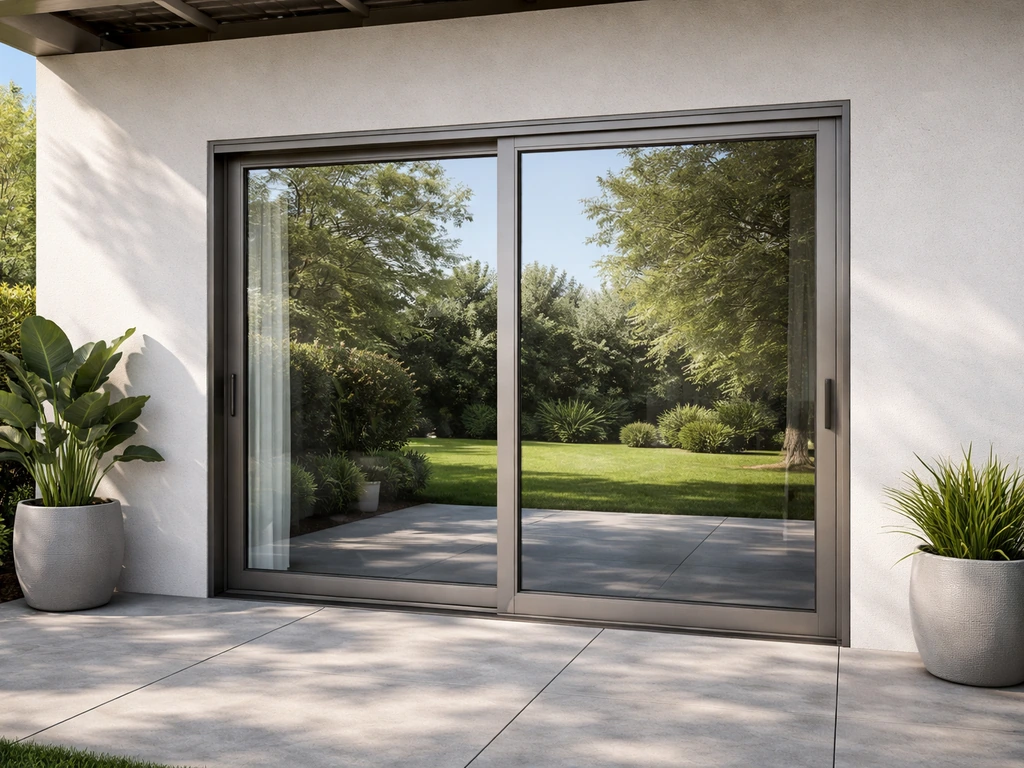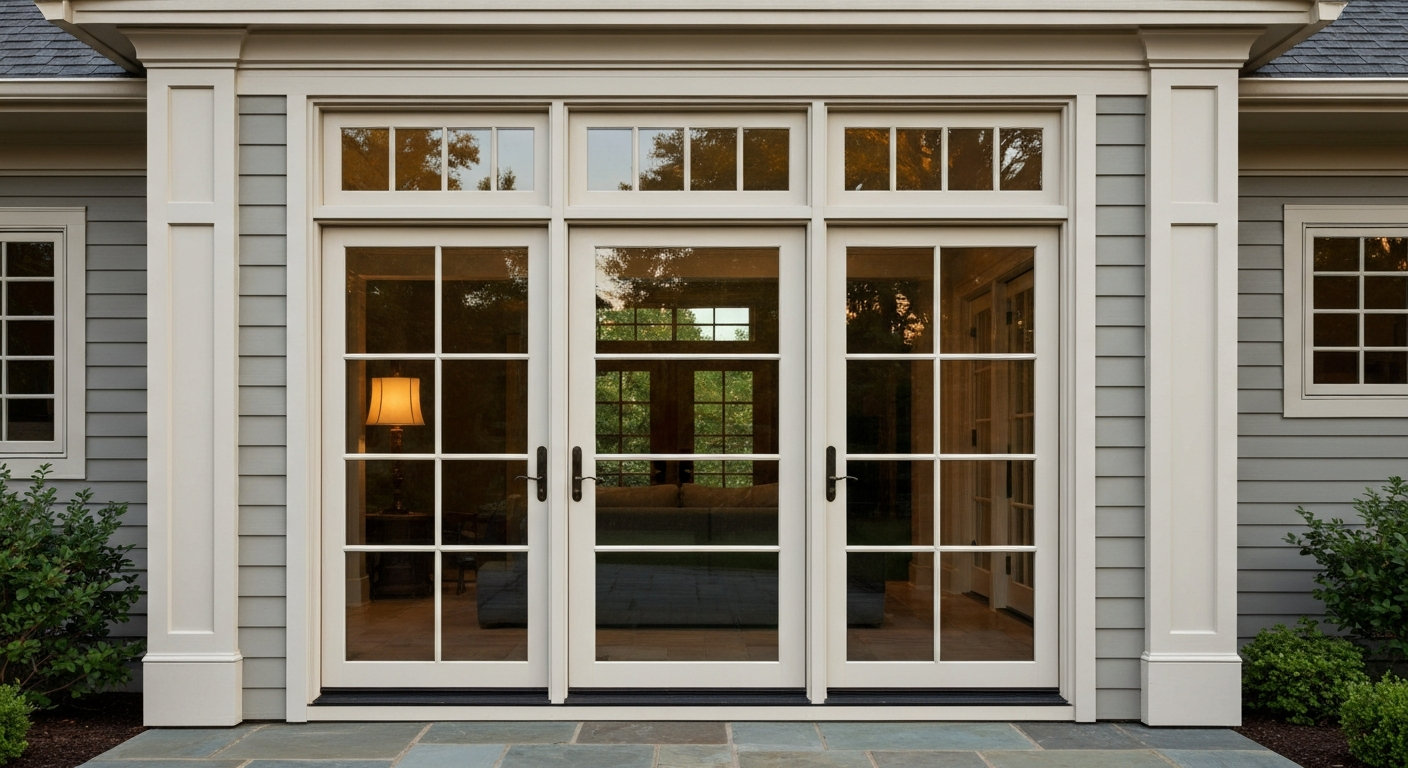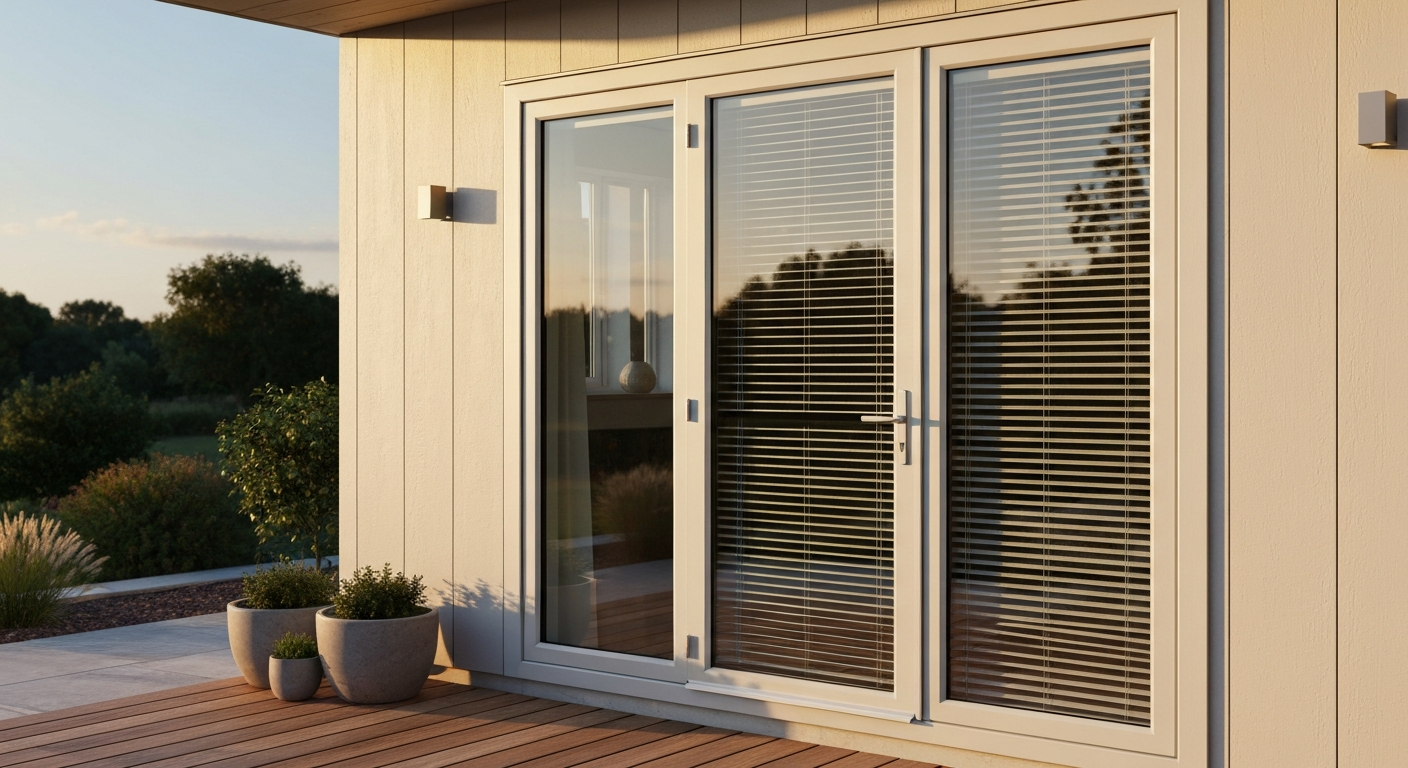
If you want a straight answer: Andersen, Pella, and Marvin are the three brands that consistently deliver on quality, warranty, and energy performance across sliding, French, and bifold patio doors. For mid-range budgets, Pella's 250 and Lifestyle Series punch well above their price. For premium fiberglass performance, Marvin's Infinity line is hard to beat. And for aluminum bifolds or large commercial-grade openings, brands like NanaWall and LaCantina are worth serious consideration. But 'best' really does depend on your door type, your climate, and what you're willing to spend on installation, so let's break it all down.
Best Patio Door Brand Guide: Sliding, French, Bifold Picks

Owen Delaney
18 May 2026
What 'best' actually means for your patio door project
The word 'best' means something different depending on whether you live in a cold northern climate, a hot-humid Florida summer, or somewhere with brutal wind and driving rain. A door that's best for a Minnesota winter (ultra-low U-factor, excellent thermal break) is not the same as best for a Phoenix home where you want low solar heat gain and minimal fading. Before you even look at brands, you need to get clear on a few things: the door type that fits your opening and lifestyle, the material that matches your climate and maintenance tolerance, your realistic budget for the door plus installation, and the performance specs that matter for your region.
On the performance side, two numbers matter most: U-factor and SHGC. U-factor measures how well the door keeps heat inside (lower is better, especially in cold climates). SHGC measures how much solar heat the glazing admits (lower is better in hot climates, higher can be desirable in cold climates where passive solar gain helps). Every credible brand will have an NFRC label with both numbers, and you can verify those figures in the NFRC Certified Products Directory. If a door doesn't have an NFRC label, walk away. For sliding glass doors specifically, ENERGY STAR Version 6.0 also requires an air-leakage rate of 0.3 cfm/ft squared or less, which is a useful benchmark for weather sealing.
Top patio door brands by door type
Sliding patio doors
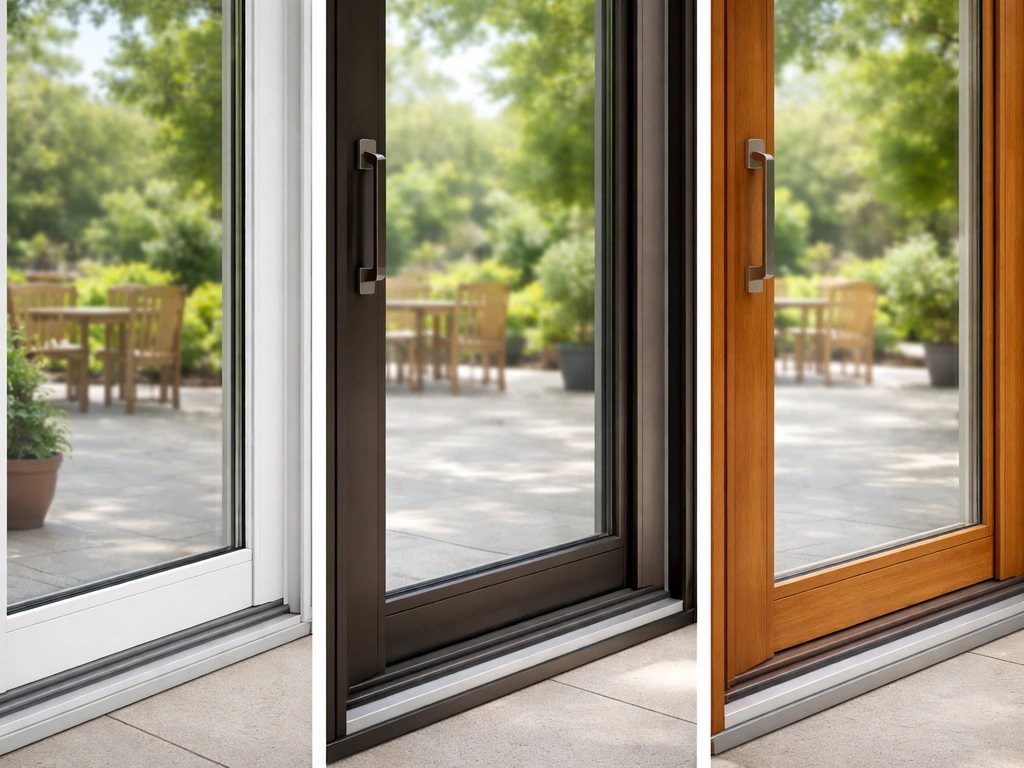
Sliding doors are the most common patio door type, and that means the most competition between brands. Andersen, Pella, and Marvin all make strong sliding doors with good energy credentials and security options. Andersen's 200 Series and 400 Series sliding doors are workhorses: solid construction, wide availability through dealers and big-box retailers, and the Owner-2-Owner transferable warranty is a nice bonus if you're planning to sell the house. Pella's 250 Series sliding door is a well-priced vinyl option with features like between-the-glass cordless blinds and multi-point locking. Marvin's Ultimate Sliding Door steps it up with laminated insulated glass, two-point locking standard, and an optional smart-home lock status sensor for homeowners who want connected security. For budget-conscious buyers, Milgard (popular in the western U.S.) and JELD-WEN offer respectable sliding doors with regional installation networks.
French and hinged patio doors
For French and hinged patio doors, Pella's Lifestyle Series stands out. It features a mortised multi-point locking system that engages at the top, middle, and sill simultaneously, which is meaningfully more secure than a single deadbolt. Marvin's Ultimate French door line is excellent for wood-interior, aluminum-clad-exterior builds, and their warranty documentation is thorough. Therma-Tru is a brand that gets overlooked in this category, but their fiberglass French doors with Lifetime Limited Warranty coverage are genuinely durable and resist warping in climates with wide temperature swings. Infinity by Marvin (the replacement-focused fiberglass line) also offers hinged and swinging options with multi-point locking and optional footbolts, making them worth a look for replacement projects specifically.
Bifold and multi-panel folding doors
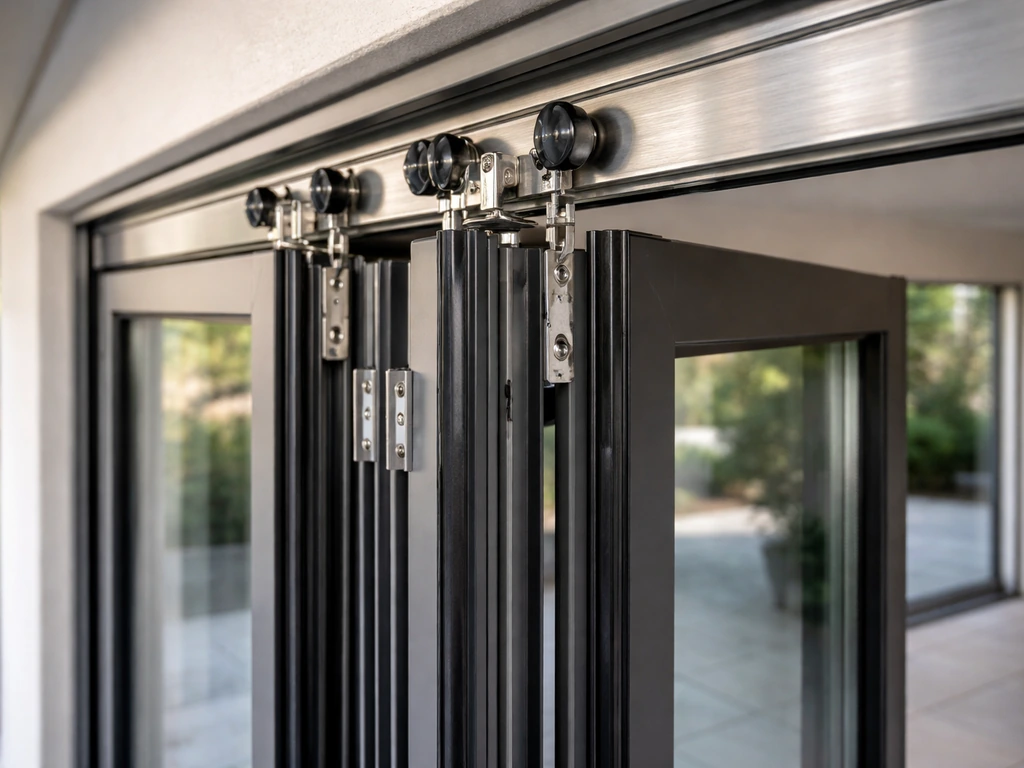
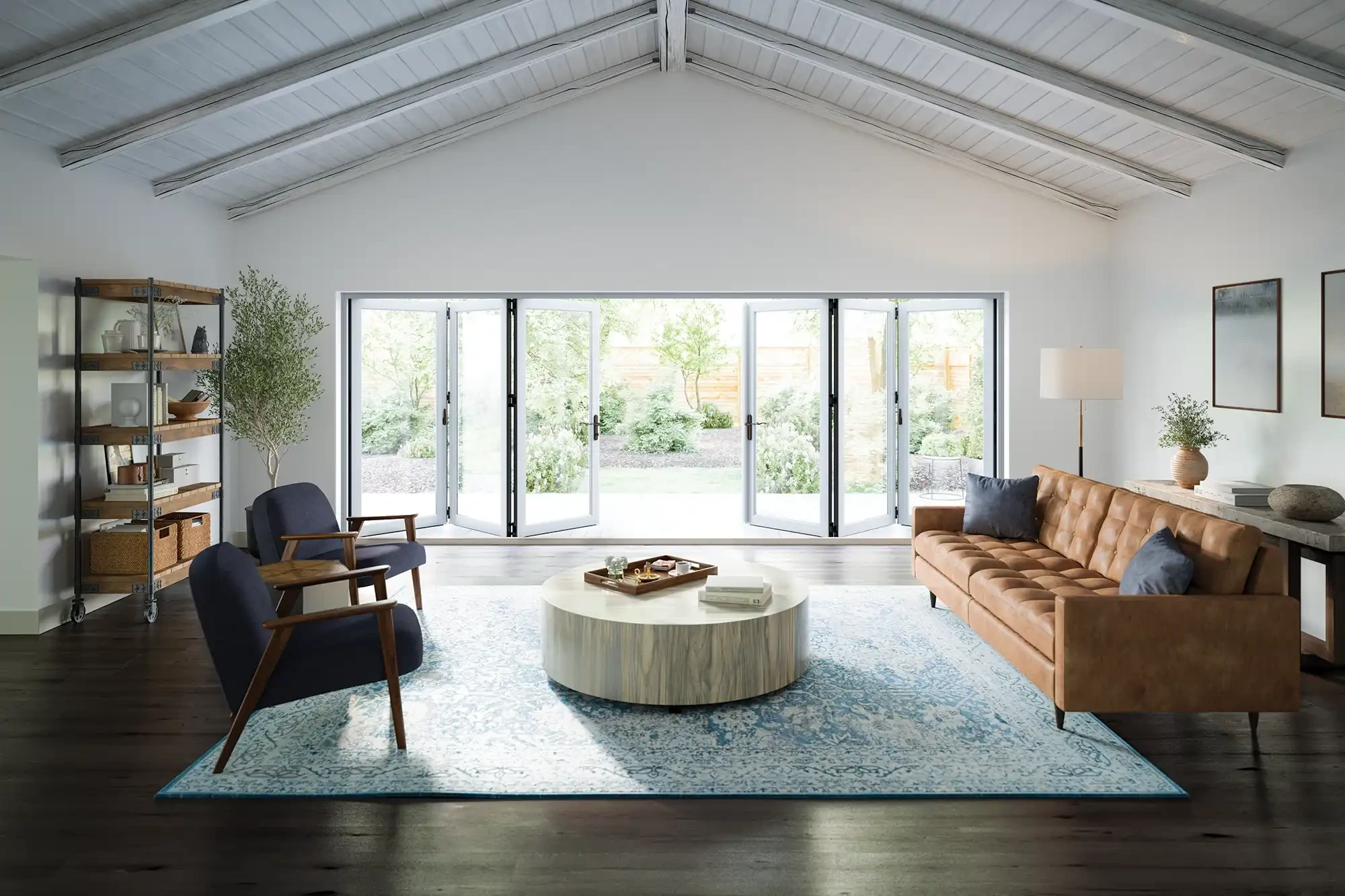
Bifold patio doors are a different animal entirely. The hardware complexity and large glass panels push costs into premium territory, but the brands that specialize here are worth knowing. NanaWall is the industry benchmark for commercial-grade folding wall systems, though they're priced accordingly. LaCantina and Centor make strong residential bifold systems with aluminum and thermally broken aluminum frames. If you want wood-interior options, Marvin's Ultimate Multi-Slide and related folding configurations are worth evaluating. For most homeowners doing a bifold replacement or new build, LaCantina offers a good balance of performance and installed cost.
Materials, performance, and climate fit
Frame material affects more than aesthetics. It directly impacts your U-factor, long-term maintenance, and how the door holds up to your local climate. Here's how the four main materials stack up:
| Material | Best Climate Fit | Durability | Maintenance | Cost Level |
|---|---|---|---|---|
| Fiberglass | All climates, especially extreme cold/hot | Excellent, won't rot or warp | Very low | Medium-High |
| Vinyl | Moderate climates; can expand in extreme heat | Good, resists moisture and insects | Low | Low-Medium |
| Aluminum | Warm/coastal climates | Excellent, but poor thermal break without upgrades | Very low | Medium |
| Wood | Moderate, lower humidity climates | Good with maintenance, can rot/warp | High | Medium-High |
Fiberglass is the material I'd recommend to most homeowners today. It's dimensionally stable (unlike vinyl, which can expand and contract noticeably), resists rot and insect damage better than wood, and the frame itself can be engineered for strong thermal performance. The DOE notes that fiberglass frames are particularly effective at reducing heat loss compared to uninsulated alternatives. Brands like Infinity by Marvin and Therma-Tru have built their reputations almost entirely around fiberglass, and the durability shows in their warranty terms. Vinyl is the budget-friendly choice and performs well in moderate climates, but in extreme heat it can soften at the corner joints over time. Aluminum is excellent for bifolds and large openings but requires a proper thermal break to avoid being a cold bridge in winter. Wood is beautiful but demands real maintenance commitment, and in humid or wet climates the long-term repair costs can eat your initial savings.
Security, energy efficiency, and weather sealing: what to actually prioritize
Security features that matter
The weak points on any sliding or French patio door are the glass, the lock, and the track. For sliding doors, multi-point locking is the single most effective upgrade you can specify. Where a single hook-bolt lock only secures one point on the frame, multi-point systems engage at two or more points, making forced entry dramatically harder. Pella explicitly describes this on their security guidance pages, and Marvin's Ultimate Sliding door includes two engagement points as standard. For hinged doors, Pella's Lifestyle Series multi-point lock engages at the top, middle, and sill. Infinity by Marvin adds an optional footbolt as a security add-on. If you're putting a door in a high-risk location (isolated backyard, apartment ground floor, rental property), also look for laminated glass rather than standard tempered. Marvin's Ultimate product line includes laminated insulated glass options for exactly this reason.
Energy efficiency specs to verify
Always verify U-factor and SHGC on the NFRC label before buying, not just in the marketing brochure. ENERGY STAR's Most Efficient 2025 criteria have separate U-factor and SHGC thresholds for sliding glass doors based on your climate zone, so what qualifies as high-performance in Florida is different from what qualifies in Minnesota. If a salesperson tells you a door is 'energy efficient' without pointing to specific NFRC numbers, ask to see the label. You can cross-check any product in the NFRC Certified Products Directory using the manufacturer's product code.
Weather sealing and air leakage
For sliding doors, ENERGY STAR Version 6.0 sets an air-leakage maximum of 0.3 cfm per square foot. Better-built doors from Andersen, Pella, and Marvin routinely meet or exceed this threshold, but it's worth asking for the spec sheet on any door you're seriously considering. Weather stripping quality, sill pan design, and the sealing approach used during installation all matter as much as the door itself. Pella's installation instructions are explicit about foam and sealant application between the rough opening and door frame, which is where a lot of DIY installs and even careless professional installs fail.
Sizing and measurements: verify these before you order anything
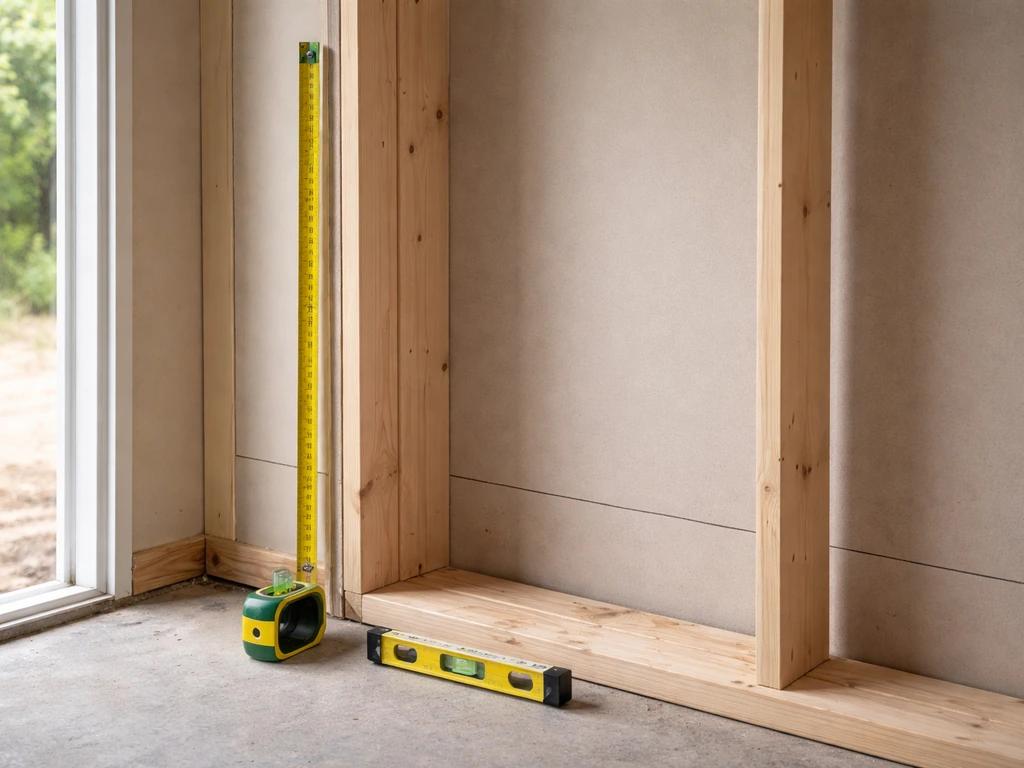
This is where a lot of homeowners get burned. Patio door sizing is based on the rough opening (the framed hole in your wall), not the finished interior opening you can see. The door unit itself is slightly smaller than the rough opening to allow for shimming, squaring, and sealing. As a general reference point, Pella's aluminum hinged door installation guidance calls for a rough opening that is 3/4 inch larger in width and 1/2 inch larger in height than the door unit. Other brands and door types have their own requirements, so always pull the installation sheet for the specific door you're ordering.
Here's what to measure and check before you order:
- Measure the rough opening width and height at multiple points (left, center, right for height; top, middle, bottom for width). Out-of-square openings are common in older homes and require shimming.
- Check whether your opening is actually square using a diagonal measurement. If the two diagonal measurements differ by more than 1/4 inch, plan for shimming and possibly framing adjustments.
- Confirm the door swing direction (inswing vs. outswing for French doors; right-handed or left-handed active panel for sliding doors) before placing the order, not after.
- Verify sill/floor conditions. If the existing sill is rotted, damaged, or out of level, that needs to be addressed before installation.
- Check for transom or sidelight requirements. If you want glass panels above or beside the door, that changes the rough opening and framing requirements significantly.
- Confirm screen and hardware options are available in your chosen size. Not every option is available in every size, especially for oversized openings.
If you're doing a replacement rather than a new install, measure the existing door unit itself (not just the visible opening). Many replacement programs, including Infinity by Marvin's replacement line, are designed to fit into existing openings without full-frame demolition, but the tolerances are tight and a wrong measurement means a return or a costly reorder.
What patio doors actually cost: brand comparisons and installation reality
Here are realistic installed cost ranges to plan around. If you’re trying to maximize value, focus on the installed cost, warranty coverage, and verified energy specs, because that’s what usually makes a patio door the best for the money best patio doors for the money. The door unit price is just the starting point; installation adds labor, any framing repairs, permits in some jurisdictions, and finishing work like interior casing and exterior trim.
| Door Type / Scenario | Door Unit (Approx.) | Installed Total (Approx.) |
|---|---|---|
| Basic vinyl sliding door (single panel, standard size) | $400–$1,200 | $1,200–$3,000 |
| Mid-range sliding door (Pella 250, Andersen 200 Series) | $1,000–$2,500 | $2,500–$5,000 |
| Premium sliding door (Marvin Ultimate, Andersen E-Series) | $2,500–$5,000+ | $5,000–$9,000+ |
| Fiberglass French door (Therma-Tru, Infinity by Marvin) | $1,500–$4,000 | $3,500–$7,000 |
| Bifold/folding patio door (6–10 ft. wide opening) | $3,000–$10,000+ | $5,000–$20,000+ |
| Glass-only replacement (existing frame) | $250–$1,000 | $400–$1,500 with labor |
| Roller/track replacement only | $110–$300 parts | $200–$500 with labor |
The bifold cost range is wide because it depends heavily on the number of panels and the hardware system. A simple two-panel interior bifold is nothing like a four-panel NanaWall or LaCantina system with a flush sill track. For most homeowners, a sliding or French door replacement from a mid-tier brand like Pella or Andersen offers the best combination of performance, warranty, and total installed cost. If you want the best rated patio doors, focus on NFRC-verified U-factor and SHGC as you compare sliding and French options. If you're only dealing with a failed seal or worn rollers, those component repairs are worth doing before committing to full door replacement.
Also factor warranty into the value equation. Infinity by Marvin offers a limited lifetime warranty for as long as you live in the home. Andersen's Owner-2-Owner warranty is transferable to a new buyer, which has real value if you're planning to sell. Therma-Tru offers a Lifetime Limited Warranty with transferable options on certain programs. Pella's warranty terms vary by series, so read the fine print on whichever product you're evaluating. These warranties are worth comparing side by side, especially on a premium purchase.
How to choose between top brands: a short-list and decision checklist
Here's a practical way to narrow it down. Match your primary situation to one of these profiles:
- Best for cold climates, fiberglass durability, replacement project: Infinity by Marvin or Therma-Tru
- Best mid-range sliding door with strong security options: Pella 250 Series or Andersen 200 Series
- Best premium sliding or French door, wood-interior look: Marvin Ultimate or Andersen E-Series
- Best budget vinyl sliding door with regional service network: JELD-WEN or Milgard (western U.S.)
- Best bifold/folding wall for large openings: LaCantina (residential), NanaWall (premium/commercial grade)
- Best fiberglass French door with lifetime warranty: Therma-Tru or Infinity by Marvin
Before you finalize any purchase, run through this checklist:
- Confirm the rough opening measurements at multiple points and check for square.
- Identify the door type (sliding, French, bifold) and frame material that fits your climate and maintenance tolerance.
- Look up the NFRC U-factor and SHGC for any door you're seriously considering and compare against ENERGY STAR requirements for your climate zone.
- Confirm multi-point locking is included or available as an option, especially for sliding and hinged doors.
- Read the warranty terms for the specific product series, not just the brand headline warranty.
- Get at least two installation quotes, and ask each installer to confirm the rough opening measurement and note any framing or sill repairs needed.
- Verify that your preferred options (screens, between-the-glass blinds, specific hardware finishes) are available in your door size before ordering.
- Ask whether the installation price includes interior casing, exterior trim, and disposal of the old door.
After installation: maintenance, security upgrades, and accessories worth adding
A good patio door lasts 20 to 30 years with proper maintenance. The most common failure points are the rollers and track on sliding doors, the weather stripping on all door types, and the glass seal on insulated units. Here's what to do after installation to protect your investment:
- Clean and lubricate the track and rollers on sliding doors once or twice a year using a silicone-based lubricant, not WD-40, which attracts dirt and degrades rubber seals.
- Inspect weather stripping annually and replace it when it shows cracking, compression set, or gaps. This is the easiest and cheapest energy efficiency upgrade you can do.
- Check the sill pan and exterior sealant every year, especially after a hard winter or major storm. Re-caulk any gaps where the door frame meets the exterior cladding.
- For sliding doors in lower-security locations, add a security bar (a simple cut-to-length rod in the track) as a backup to the primary lock. It costs almost nothing and meaningfully slows forced entry.
- Consider adding a door sensor to your home security system. Marvin's Ultimate Sliding door supports a hidden lock status sensor from the factory, but aftermarket sensors from Ring, SimpliSafe, or similar systems work on any brand.
- If glare or heat gain through the glass is a problem after installation, exterior solar shades or a patio cover are more effective than interior curtains at blocking solar heat before it enters the glass.
- Between-the-glass blinds (available on Pella's 250 Series, for example) eliminate the need for separate window treatments and are protected from dust and damage, which is worth specifying at purchase if you care about long-term convenience.
- For insect control, make sure your screen option is compatible with the door you ordered. Some screens are retractable and work better on French/hinged doors; traditional sliding screens work best on standard sliding configurations.
The bottom line: spend time on your measurements, verify NFRC numbers rather than trusting marketing language, and match your brand choice to your door type and climate rather than just picking the most recognizable name. If you want the best value patio doors, focus on performance specs, warranty coverage, and total installed cost, not just the sticker price. Pella, Andersen, and Marvin earn their reputations for a reason, but the right series within each brand matters as much as the brand itself. Get two installation quotes, read the warranty terms for your specific product series, and use the checklist above before you sign anything.
FAQ
What’s the best patio door brand if I’m replacing only the glass unit instead of the whole door?
If you might keep your existing frame, prioritize brands that offer replacement components for your door type, then verify the specific glass replacement policy for your series. Many replacement-focused lines are designed around tight tolerances, so you should confirm compatibility by measuring the existing insulated glass spacer depth and frame profile, not just the overall sash size.
Are aluminum-clad or fiberglass frames better for freezing winters?
For cold climates, fiberglass frames are usually the safest “default” because they help reduce heat loss without the same thermal-break dependency as aluminum. If you go with aluminum, make sure the system uses a true thermal break and ask the installer to confirm it is continuous through the frame corners, not just at the main stile.
How do I compare sliding vs French doors for energy performance when both have NFRC labels?
Compare the exact NFRC U-factor and SHGC on each product label, then also consider the door orientation and glazing area. A door with good numbers on paper can still underperform if most of the light comes from a direction that drives heat gain (high-sun exposures), while ventilating needs can make a “best” SHGC choice differ room by room.
What should I look for in track and roller hardware, since those are common sliding-door failure points?
Ask what the rollers are made of (often nylon or metal with bearings), whether they are adjustable, and whether the manufacturer sells replacement roller assemblies. Also confirm the track maintenance plan, cleaning access, and how the door handles debris, because poor cleaning quickly accelerates wear and misalignment.
How can I tell if my installer is likely to do a good job sealing the rough opening?
Request the sealant and foam plan in writing, including where air-seal tape or sealant is applied, how the sill pan is handled, and whether the system includes flashing details that manage water drainage. If they cannot describe the steps in terms of air sealing and water shedding, you should treat that as a red flag even if the door brand is excellent.
Do I need laminated glass for security in every climate, or only certain locations?
Laminated glass is most valuable where forced entry risk is higher (ground floors, isolated yards, rental properties, or frequent storms that cause debris impact). In safer areas, you may decide to use tempered-only and invest instead in a multi-point lock and better alignment, but for high-risk locations laminated options can be a meaningful difference.
What’s the fastest way to avoid patio door sizing mistakes?
Base the order on the rough opening requirements from the exact installation sheet for the door model, then measure the existing unit dimensions during replacements. Also double-check which dimension conventions the manufacturer uses (net door size vs unit size), since some brands require different margins depending on whether it’s a full-frame or insert replacement.
If I’m choosing between Andersen, Pella, and Marvin, how should I decide without guessing by brand reputation alone?
Pick the series based on your constraints, then validate three items: the NFRC U-factor and SHGC for your glazing package, the lock style and engagement points, and the exact warranty terms for your door type and region. Series differences matter more than the company name, so compare the specific line you’re actually buying.
What warranty details should I read before paying a premium for fiberglass or replacement lines?
Look for warranty duration, what is covered (hardware vs glass vs seals), transferability rules, and whether the warranty changes if you are the original owner. Also confirm serviceability, meaning whether replacement parts like weather stripping, rollers, and glass units are still sold for your series years later.
Should I prioritize ENERGY STAR air-leakage compliance, or focus only on U-factor and SHGC?
Both matter, but air leakage affects comfort and drafts in a way that U-factor alone can’t fully predict. If you live where wind-driven weather is common, ask for the air-leakage spec (or ENERGY STAR Version 6.0 compliance evidence for sliding doors) and plan to budget for good sealing and flashing, since installation quality heavily influences actual performance.