For most homeowners shopping in 2020, the best patio door is a vinyl or fiberglass sliding or French door from a mid-tier brand like Pella, Andersen, or JELD-WEN, priced between $800 and $2,500 for the unit, with professional installation adding another $500 to $1,500. That covers the vast majority of homes and budgets. But the right pick depends on three things you need to nail down before you even look at products: your climate zone (which determines how hard you push on U-factor and SHGC), your opening configuration (which may lock you into a specific door type), and your security needs (which drive hardware choices). Get those three sorted first, and the shortlist practically writes itself.
Best Patio Doors 2020 Buying Guide: Sliding, French, Bifold

Owen Delaney
7 Jul 2026
How to choose the best patio doors for your home
Start with climate, because it dictates more than any other single factor. The U.S. Department of Energy and ENERGY STAR both map the country into climate zones, and ENERGY STAR's Version 6.0 program requirements set specific U-factor and SHGC (solar heat gain coefficient) thresholds for each. In cold northern climates, you want a low U-factor (ideally 0.22 or below) to minimize heat loss. In hot southern climates, a low SHGC (0.25 or below) matters more because you're blocking solar heat gain. Mixed climates need a balance. The easiest shortcut: look for the ENERGY STAR label right next to the NFRC label on any door you're considering, and confirm it's certified for your climate zone, not just certified generically.
Budget sets your material and brand ceiling. Below $1,000 for the unit, you're mostly in vinyl territory, and that's not a bad place to be. Between $1,500 and $3,000 you get into fiberglass composites and better-quality aluminum. Above that, you're looking at premium fiberglass, wood-clad, or multi-panel systems. Keep in mind that the door unit is only part of the total cost. Installation, flashing, weatherstripping, and any structural work to the rough opening will add to your bill, and that's where surprises happen.
Security is the third leg. Most standard patio doors ship with basic single-point locks that are fine for low-risk areas but not ideal if you have ground-level access, dense neighborhood foot traffic, or a previous break-in. Multi-point lock systems, foot bolts, and security bars significantly improve resistance to forced entry. Andersen, for example, offered a Yale Assure smart lock integration on several of its patio door series around 2020, which gives you keypad or app control without replacing the whole door. Plan your hardware layer during the purchase, not after.
Top patio door types and when to pick each
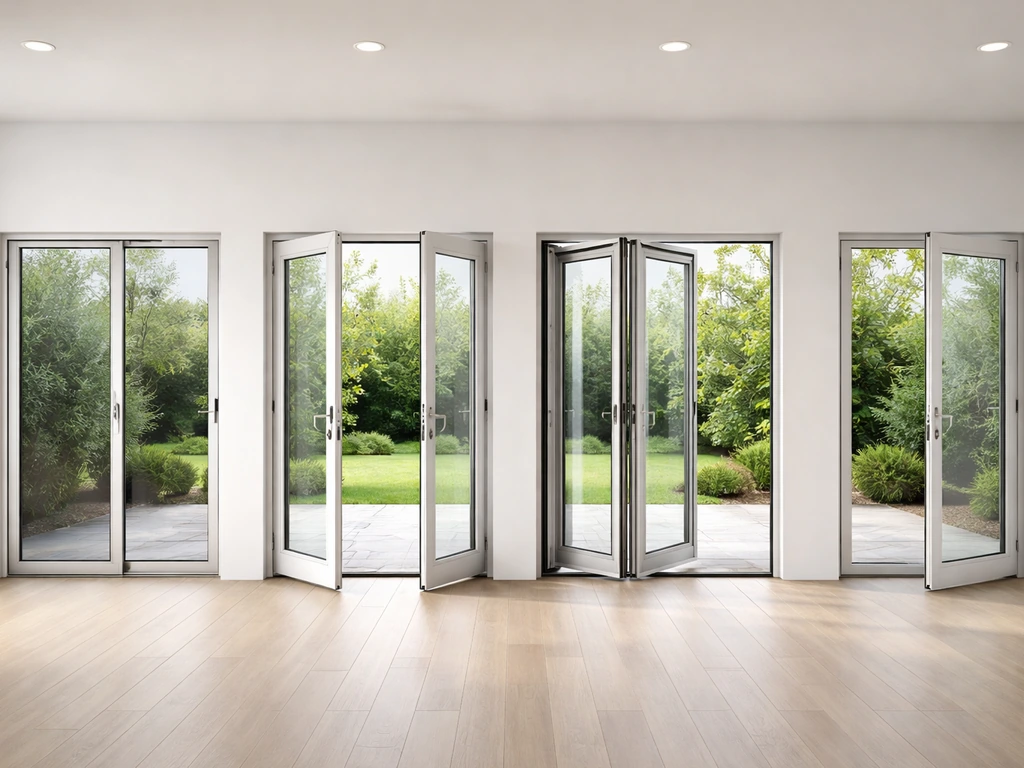
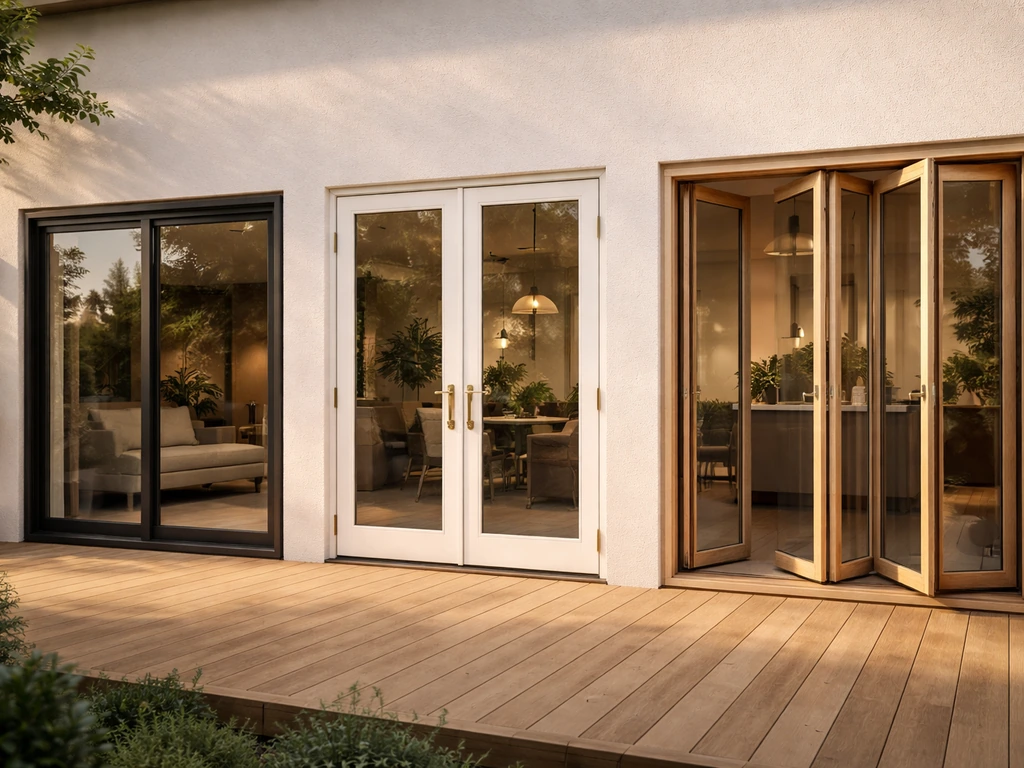
There are four main types you'll encounter: sliding, French (hinged), bifold, and single hinged. Each suits a different situation, and the wrong type for your opening or lifestyle will frustrate you for years.
Sliding glass doors
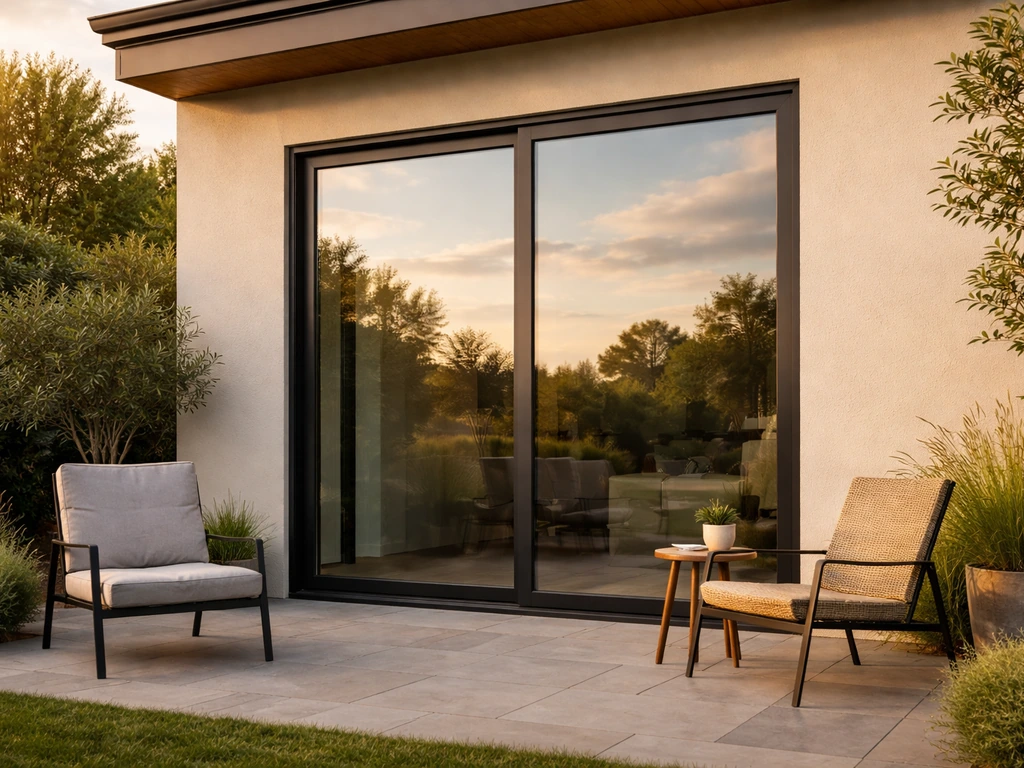
Sliding doors are the most popular choice in the U. S. for good reason. They work well in tight spaces because panels glide on a track rather than swinging into the room or onto the patio.
Standard widths run 60 inches (5 feet) and 72 inches (6 feet), with 96-inch options available. The trade-off is air sealing: sliding doors have inherent limitations because the panels ride on a track, and completely stopping air leakage while still keeping the door operable is physically impossible. The DOE is explicit about this. If energy performance is your top priority, a swinging door gives you a tighter seal.
That said, high-quality sliding doors with quality weatherstripping and a multi-point latching system perform well enough for most climates.
French and hinged patio doors
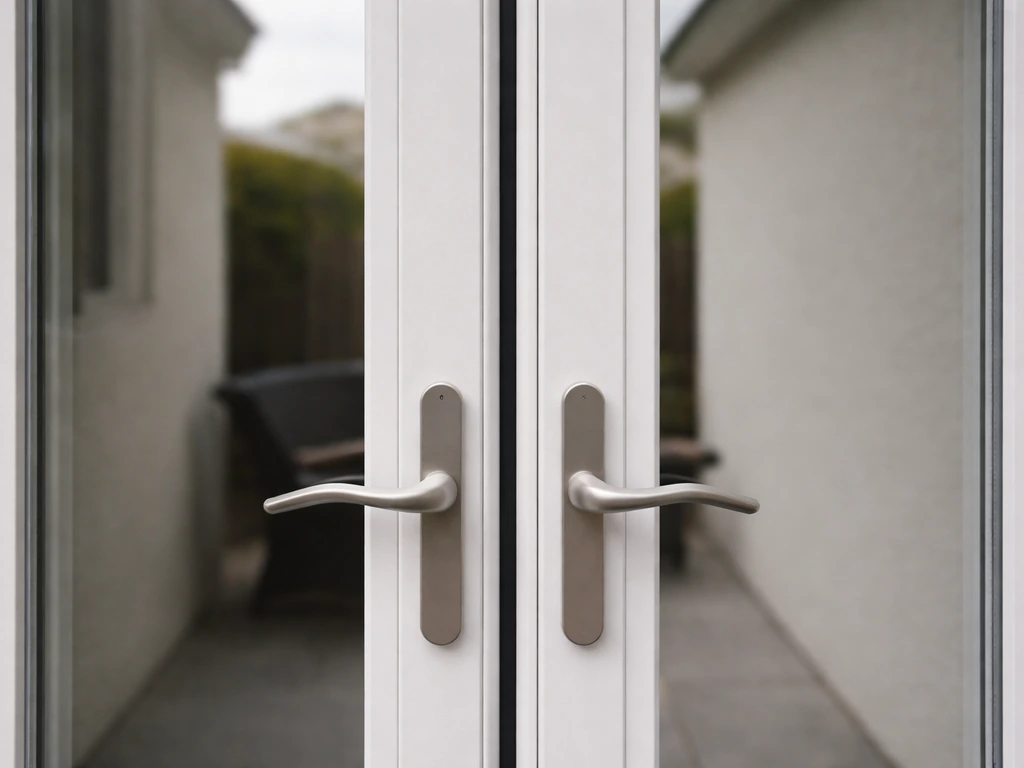
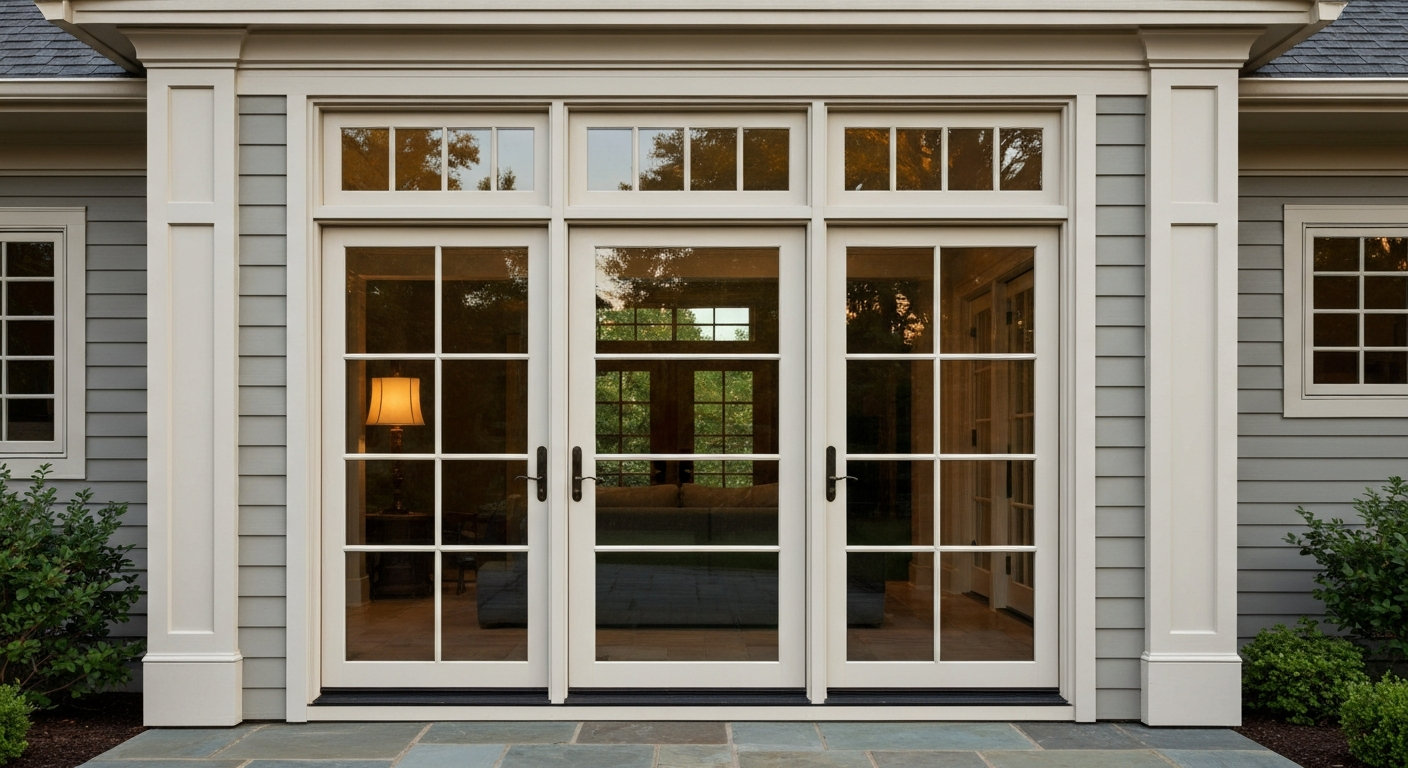
French doors (two hinged panels that meet in the middle) and single hinged doors offer better air sealing than sliders because a compression seal is possible. The DOE notes that swinging doors generally achieve a tighter seal than sliding types. They're the better choice for cold climates, historic homes where aesthetics matter, or any situation where you want that classic look. The downside is swing clearance: you need roughly 36 inches of clear space on the interior or exterior side for each panel to open fully. If your patio furniture or interior layout is tight, a slider may be more practical.
Bifold doors
Bifold (or folding) doors are the premium option for large openings where you want a near-seamless indoor-outdoor connection. Panels fold accordion-style and stack to one or both sides, opening up most or all of the wall. Marvin's Vivid Bi-Fold, for example, uses Ultrex fiberglass and claims it's 8 times stronger than vinyl. The catch: bifold systems are significantly more expensive, often $5,000 to $10,000 installed, and they're more complex to install and maintain. Track alignment, panel weight, and locking hardware (Marvin uses a twin-bolt rotating handle system) all require more attention over time. Pick bifolds when the wow factor and open-concept living are the priority, and budget accordingly.
Single hinged patio doors
A single hinged door is essentially a large exterior door with a full-lite glass panel. It works well for narrower openings (32 to 36 inches) where you want patio access without the footprint of a full French door pair. Less common as a primary patio entrance but practical for side yard access or when you're replacing a solid exterior door with a glass version.
Material comparison: vinyl vs fiberglass vs aluminum vs wood
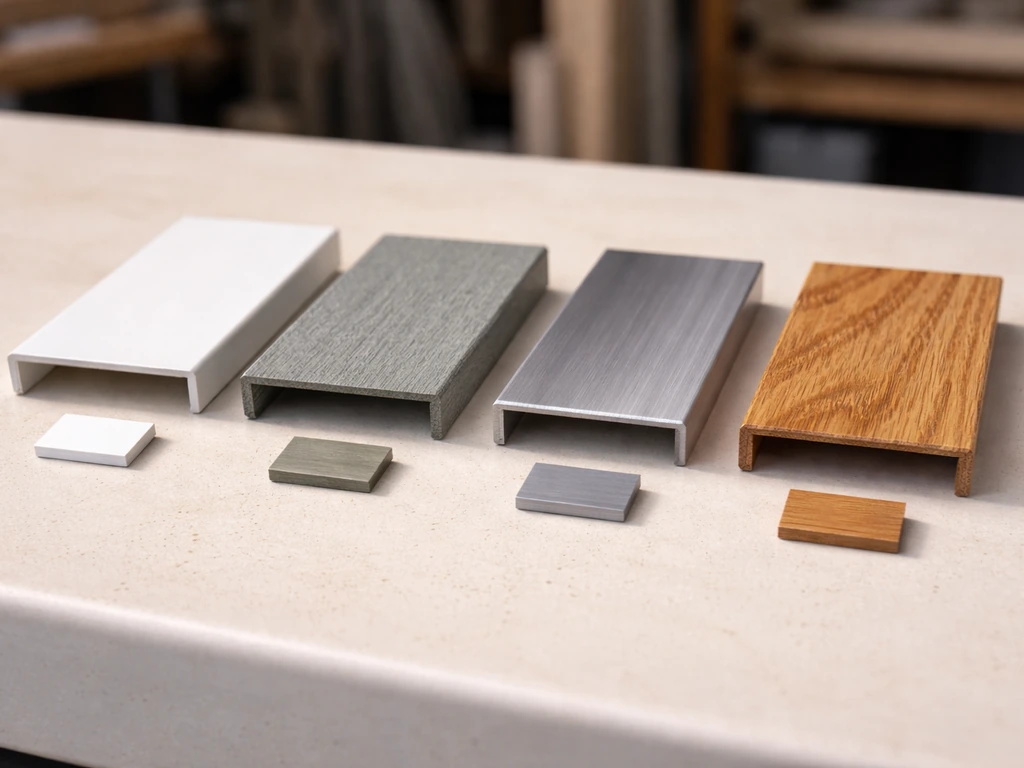
The frame material affects thermal performance, maintenance demands, longevity, and cost more than most homeowners expect. The frame alone contributes roughly 10 to 30 percent of a door's total U-factor according to Lawrence Berkeley National Laboratory research, so it's not just about looks.
| Material | Typical Lifespan | Thermal Performance | Maintenance | Relative Cost |
|---|---|---|---|---|
| Vinyl | ~30 years | Good (low conductivity) | Very low, may discolor/warp in extreme heat | Lowest |
| Fiberglass | 50+ years | Excellent (dimensionally stable) | Very low, resists warping and cracking | Mid to High |
| Aluminum | 40+ years | Poor without thermal break, good with one | Low, but check for corrosion in coastal areas | Mid |
| Wood | 30–50+ years (with upkeep) | Good (natural insulator) | High (painting, sealing, swelling risk) | Mid to High |
Vinyl is the volume leader for a reason: it doesn't rot, corrode, or conduct heat significantly, and quality vinyl doors hold up well in moderate climates. The concern is extreme temperature swings. Lower-quality vinyl can warp or discolor over time, so stick to recognized brands where material composition is consistent. Fiberglass is the performance upgrade worth the premium. It's dimensionally stable, meaning it doesn't expand and contract with temperature changes the way vinyl or wood does. Marvin compares fiberglass favorably to vinyl on this basis directly. Bob Vila puts fiberglass lifespan at 50-plus years versus around 30 for vinyl.
Aluminum has one major weakness: thermal conductivity. Without a thermal break (an insulating barrier separating the interior and exterior frame sections), aluminum frames act as a cold bridge in winter and a heat conductor in summer. Thermal-break aluminum is a legitimate option and is common in commercial applications, but verify the product includes it before buying for a residential climate-sensitive application. Wood is beautiful and a genuinely good insulator, but the maintenance burden is real. Painting, sealing, and watching for moisture intrusion is ongoing work. Wood-clad options (wood interior, aluminum or fiberglass exterior) split the difference, giving you the interior warmth of wood without the exterior maintenance headache.
Sizing standards, installation fit, and replacement considerations
Getting measurements wrong is the most expensive mistake you can make during a patio door replacement. The rough opening (the framed hole in the wall before any door is installed) needs to be larger than the door unit itself, typically by about half an inch to three-quarters of an inch on each side for shimming and leveling. JELD-WEN's installation instructions explicitly require verifying that the rough opening is square, level, and plumb before you do anything else. Out-of-square openings require shimming, which adds time and skill to the job.
For a standard 6-foot (72-inch) sliding door replacement, your rough opening should be approximately 72.5 to 73.5 inches wide and 82 inches tall, but always verify with the specific product's installation spec sheet, not a generic rule. Net unit dimensions often differ from the labeled rough opening requirement. One Reddit thread discussing a patio door rough opening of 64.25 inches wide by 81.25 inches tall illustrates exactly how confusing this gets when trim and framing measurements are mixed together. Measure the rough opening in at least three locations (top, middle, bottom for width; left, center, right for height) and use the smallest measurement.
Also check the floor threshold level and whether both sides of the opening are plumb. An uneven threshold creates a gap that no amount of weatherstripping fully compensates for. Home Depot's installation guidance for patio doors walks through removing interior casing first to expose the actual rough opening framing, which is the right approach before you finalize your measurements. Weatherproofing the rough opening before installation (flashing tape on the sill, building paper or housewrap on the jambs, head flashing at the top) is the installer's responsibility per JELD-WEN's documentation, and skipping it is how you get water intrusion problems years later.
Best patio door picks for 2020-style buyers
These recommendations reflect what was available and well-regarded around 2020. The market has continued evolving since then, so if you're reading this later, check updated comparisons for the most current product lineups. If you want to narrow your search quickly, look at updated buying guides for the best patio doors 2024.
Best value: JELD-WEN V-4500 Vinyl Sliding Door
For homeowners who need a reliable, energy-efficient sliding door without stretching the budget, the JELD-WEN V-4500 vinyl sliding door was a strong pick around 2020. For the best patio doors 2017 style, focus on energy performance, security, and the right door type for your opening. It offered ENERGY STAR certification across multiple climate zones, double-pane insulated glass, and a clean, low-maintenance frame. Street pricing for a standard 6-foot unit landed in the $600 to $900 range, making it genuinely accessible. It won't win design awards, but it performs well and the warranty coverage (limited lifetime on the frame, 20 years on glass) is reasonable for the price point.
Best midrange: Pella 350 Series or Andersen 200 Series
Both Pella and Andersen offered solid midrange sliding and French door options in this era. Pella's 350 Series used a composite frame material that performed better than standard vinyl in temperature extremes, with good glass options including Low-E coatings tuned for different climate zones. Andersen's 200 Series (Perma-Shield) used a vinyl-clad wood core, which gives you better dimensional stability than all-vinyl and a nicer interior look, at unit prices roughly in the $1,200 to $2,000 range for standard configurations. Both brands have wide dealer networks, which matters for service and parts availability.
Best premium: Marvin Elevate or Andersen E-Series
If budget isn't the primary constraint, Marvin's Elevate line and Andersen's E-Series (formerly 400 Series) both offered premium performance and customization around 2020. Marvin's Elevate used Ultrex fiberglass exteriors over wood interiors, giving you the best of both worlds: dimensional stability outside, warmth and paintability inside. These units start around $2,500 to $4,000 for a standard sliding or French configuration and go up fast with custom sizes and hardware. They're worth the premium in climates with extreme temperature swings or for homeowners who want a door that looks as good in 20 years as it does on install day.
Best for large openings: Marvin Vivid Bi-Fold or Andersen Folding Door
For openings wider than 10 feet where you want a true indoor-outdoor connection, bifold systems from Marvin or Andersen were the top choices in 2020. Expect to budget $8,000 to $15,000 installed depending on the number of panels and configuration. These are not impulse purchases, and the installation complexity means professional installation isn't optional.
Accessories and upgrades that actually matter
Most patio door purchases don't end with the door itself, and the accessory layer is where a lot of homeowners get caught off guard by add-on costs. Budget for these from the start.
Screens
Standard sliding doors usually come with a basic fiberglass mesh screen in an aluminum frame. It works, but retractable screen systems are a significant upgrade if you use the door frequently. Retractable screens roll out of sight when not in use, are available in insect mesh or solar mesh (which cuts glare and UV), and are sized to the opening. Retractable patio screen systems are commonly offered with blank" rel="noopener noreferrer">insect mesh or solar mesh options, using aluminum-framed designs and varying by opening size and other configuration factors. blank" rel="noopener noreferrer">Andersen integrates retractable insect screens directly into some of its patio door systems. For bifold or French doors, make sure you specify screen compatibility at purchase time because retrofitting them later is more complicated.
Blinds and privacy
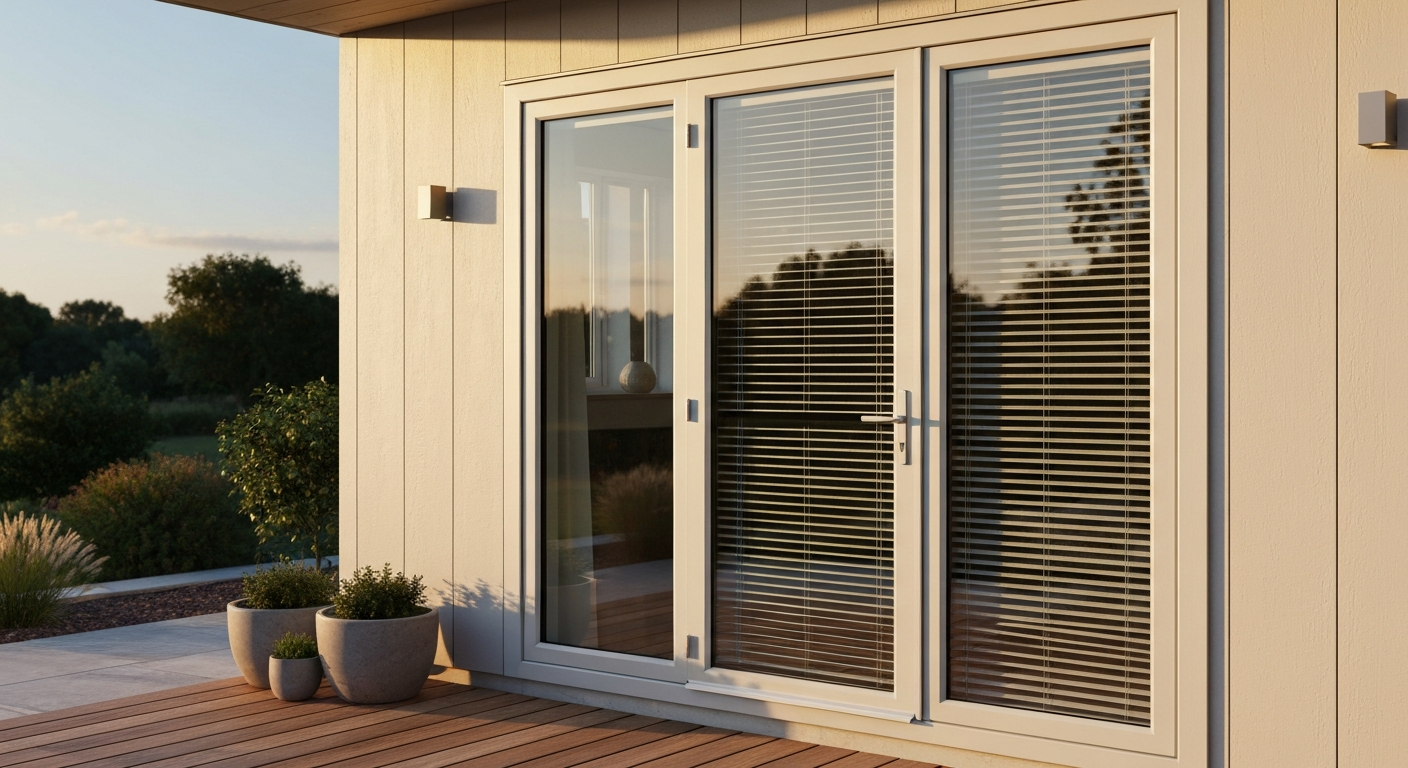
Between-the-glass blinds (blinds sealed inside the insulated glass unit) are a popular upgrade because they eliminate dust accumulation and cord hazards. They're available from Pella, Andersen, and others as factory options. If you're buying a door without them, exterior solar shades or interior cellular shades are the most practical aftermarket solution for both privacy and solar control.
Locks and security hardware
Standard patio door locks are a single hook-bolt latch, which is adequate for low-risk situations but easy to defeat. Upgrades worth considering include multi-point lock systems (which engage the frame at multiple points simultaneously), foot bolts (a secondary lock at the bottom of the active panel), and security bars or pins that prevent the door from being lifted off the track. Andersen offered a Yale Assure smart lock integration around 2020 for homeowners who want keypad or connected access without a full lock replacement. If you're buying a new door and security is a concern, ask specifically about multi-point lock availability for that product line.
Weatherstripping
The weatherstripping that ships with most doors is fine at installation but degrades over time, especially at the threshold where foot traffic wears it down. The DOE specifically calls out that threshold weatherstripping experiences more wear than jamb seals due to foot contact. Budget for replacement weatherstripping every 5 to 10 years, and check it annually. For sliding doors, the pile-type sweep on the bottom of the panel is the first thing to go. Replacing it is a simple DIY fix that has a disproportionately large impact on draft prevention and energy performance.
Cost expectations and what drives the final price
Bob Vila's cost research puts typical patio door replacement in the range of about $1,550 to $6,250, with an average around $2,500 all-in. Bifold systems can push well past $10,000 installed. That's a wide range, and it reflects real variation in door type, material, brand, opening size, and labor market. Here's how to think about the main cost drivers:
- Door unit cost: Vinyl sliders start around $400 to $800 at the low end. Mid-tier fiberglass or composite units run $1,200 to $3,000. Premium wood-clad or fiberglass units start at $2,500 and go well beyond $5,000 for large or custom configurations.
- Glass upgrades: Standard double-pane Low-E glass is included in most mid-tier units. Triple pane, argon/krypton fill, and specialized coatings (for specific climate zones) add $200 to $600 to the unit price.
- Hardware: Basic hardware is included. Multi-point lock systems add $150 to $400. Smart lock integrations like Yale Assure add another $200 to $300. Between-the-glass blind options from Pella or Andersen typically add $300 to $600 per door.
- Labor and installation: Professional installation for a standard sliding door replacement typically runs $300 to $800. French doors and bifolds are more complex and labor-intensive, pushing installation costs to $800 to $2,000 or more. If the rough opening needs structural modification, that's a separate cost.
- Flashing and weatherproofing: Often overlooked in quotes. Proper sill pan flashing, head flashing, and housewrap integration adds $50 to $200 in materials but is non-negotiable for a weathertight installation.
- Disposal and finishing: Hauling the old door, patching interior trim, and repainting can add $100 to $400 depending on scope.
One practical note: labor costs vary significantly by region. A real-world quote from the Raleigh area in 2020 for a sliding glass door replacement came in around $5,600 installed, which is above average but not unreasonable in a market with high contractor demand. Always get at least three quotes and ask each contractor to break out door unit cost, labor, and any structural work separately so you can compare apples to apples.
The best move from here is to measure your rough opening first (width and height in multiple spots), identify your climate zone on the ENERGY STAR website, and then request quotes on at least two door types (sliding and French, for example) so you can see the real cost difference for your specific opening. That comparison does more to clarify the right choice than any buying guide can on its own. If you want to track how recommendations have shifted over time, earlier guides covering options from 2016 and 2018 give useful historical context, and more recent comparisons for 2024 show how materials and hardware have continued to improve. Looking back at 2016 patio door recommendations can also help you spot which features still matter when choosing the best patio doors today.
FAQ
What’s the easiest way to confirm a door is actually certified for my climate, not just “ENERGY STAR rated” in general?
Look for the ENERGY STAR label plus the matching NFRC performance information on the specific door model (U-factor and SHGC). If the seller only provides general brand claims or a brochure without model-specific numbers, ask for the NFRC certificate or written values for that exact door configuration.
Can I keep my existing patio door track or hardware when upgrading to a different door type?
Usually no. Sliding, French, and bifold systems use different frame geometry and different anchoring points, so mixing components commonly fails on alignment, weatherproofing, and secure locking. For best results, treat the project as full removal of the door system down to the rough opening, unless the installer confirms compatibility in writing.
How do I decide between a French door and a sliding door if my opening is wide but the room is tight?
French doors need swing clearance for each panel, about 36 inches per panel. If you cannot clear that space without blocking traffic, patio furniture, or openings, a sliding door (with upgraded seals and a multi-point latch) is often the more practical choice, even if the insulating performance is slightly behind swinging designs.
What should I check at the threshold so I don’t end up with drafts or water leaks even with good weatherstripping?
Confirm the threshold is level and the opening is plumb on both sides before installation. After install, do a simple water hose test during dry weather (small, controlled sections) and inspect for seepage at the corners and sill area. Uneven thresholds create gaps that replacement seals cannot fully fix.
Is it worth buying a retractable insect screen if I already use the door often for ventilation?
If you frequently open the door for airflow, retractable screens usually justify the cost because they remove the “always in the way” problem of fixed mesh. When ordering, verify the screen type (insect vs solar mesh) and confirm sizing for your exact door model, since retrofits are more involved on multi-panel systems.
Do between-the-glass blinds help with privacy and heat the same way as exterior solar shades?
Between-the-glass blinds mainly reduce glare and interior comfort while keeping dust out of reach. Exterior solar shades typically perform better for solar heat gain because they block sunlight before it enters the glass. If hot-summer cooling bills are your main concern, consider exterior shade compatibility alongside your SHGC target.
What’s the most common security mistake homeowners make with patio doors?
Upgrading the lock but keeping weak or mismatched frame hardware. Many doors ship with basic single-point latches, and forced-entry resistance improves most when you choose a product line that supports multi-point locking, foot bolts, and compatible strike reinforcement in the frame.
How often should I replace weatherstripping, and what’s the best way to spot it’s failing?
Plan on inspecting weatherstripping at least once per year, with replacement often needed every 5 to 10 years depending on foot traffic and sun exposure. The quickest checks are visible flattening at the threshold, gaps you can feel with a hand near the seal, and increased drafts when doors are closed.
If I’m replacing a patio door, what measurements matter beyond the rough opening width and height?
Besides rough opening size, also measure clear swing space (for French/single hinged), confirm the subfloor and threshold height, and check sill or framing condition for rot or water damage. Even a perfectly sized door can leak if the surrounding framing is out of square or not properly prepared for flashing.
Is DIY possible for patio doors, or is pro installation the safer default?
For standard sliding or French doors, DIY can work only if you have carpentry experience installing thresholds, shimming accurately, and applying flashing correctly. Bifold doors are far more sensitive to track alignment and panel weight, so professional installation is strongly recommended because small misalignment issues show up quickly as binding or poor sealing.
What should I ask contractors to quote so I can compare bids fairly?
Request an itemized breakdown: door unit price (including glass options), removal and disposal, rough opening prep (any carpentry or structural work), weatherproofing and flashing materials, interior and exterior trim, and labor. If one bid includes flashing tape, housewrap/head flashing, and sealants and another does not, the difference is not just “labor.”
Are higher-end materials like fiberglass always worth it over vinyl?
Not automatically. Fiberglass tends to perform better in extreme temperature swings and holds dimensions more reliably, which can improve long-term seal performance. Vinyl can be a good value in moderate climates if you choose reputable brands and focus on U-factor, SHGC, and multi-point locking, but if your region has big seasonal swings, fiberglass is usually a safer long-term bet.
What happens to resale value or maintenance if I install a smart lock on a new patio door?
Smart lock integration can add convenience, but plan for power and connectivity needs (often batteries plus an expected service interval). Choose a smart lock designed for exterior conditions and verify the warranty and support for the specific door model, since replacing the lock later may require matching the latch geometry or control interface.