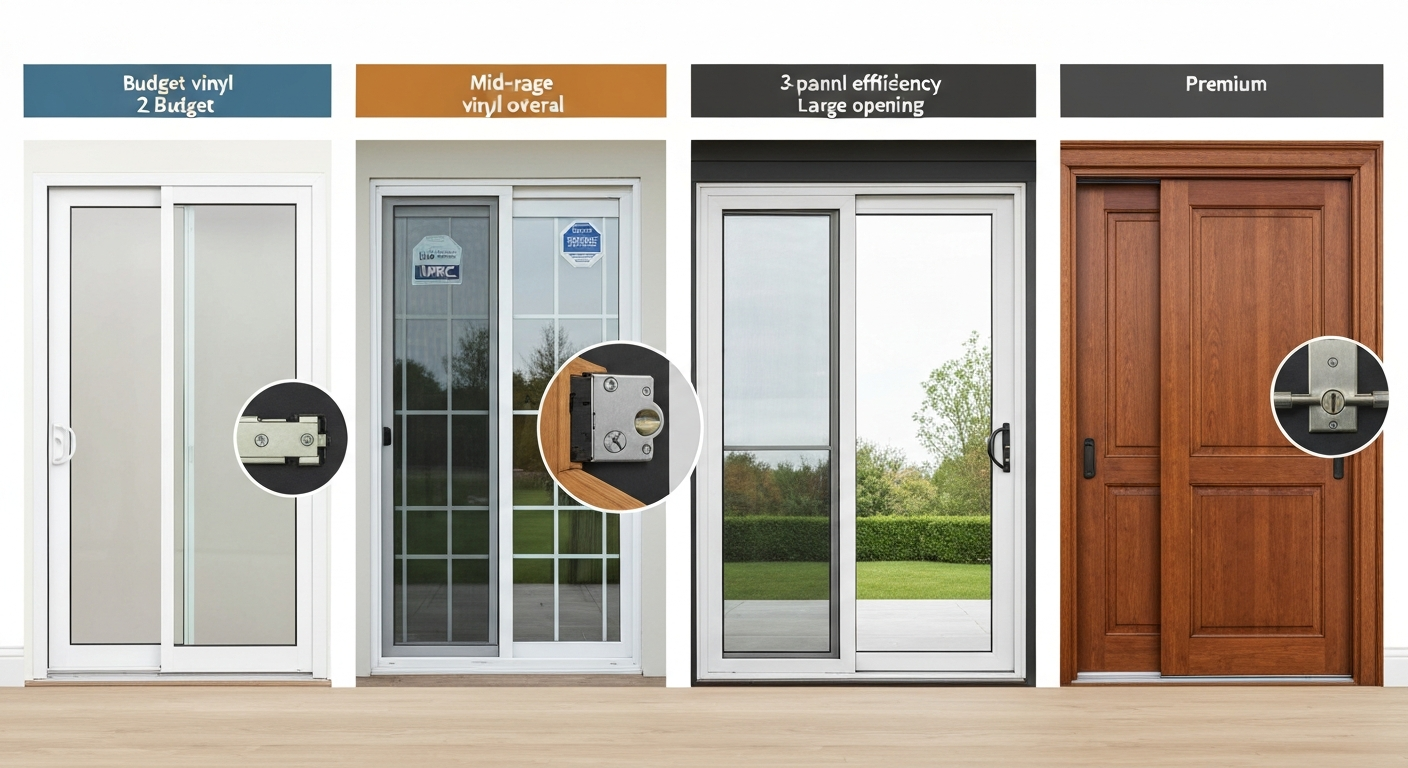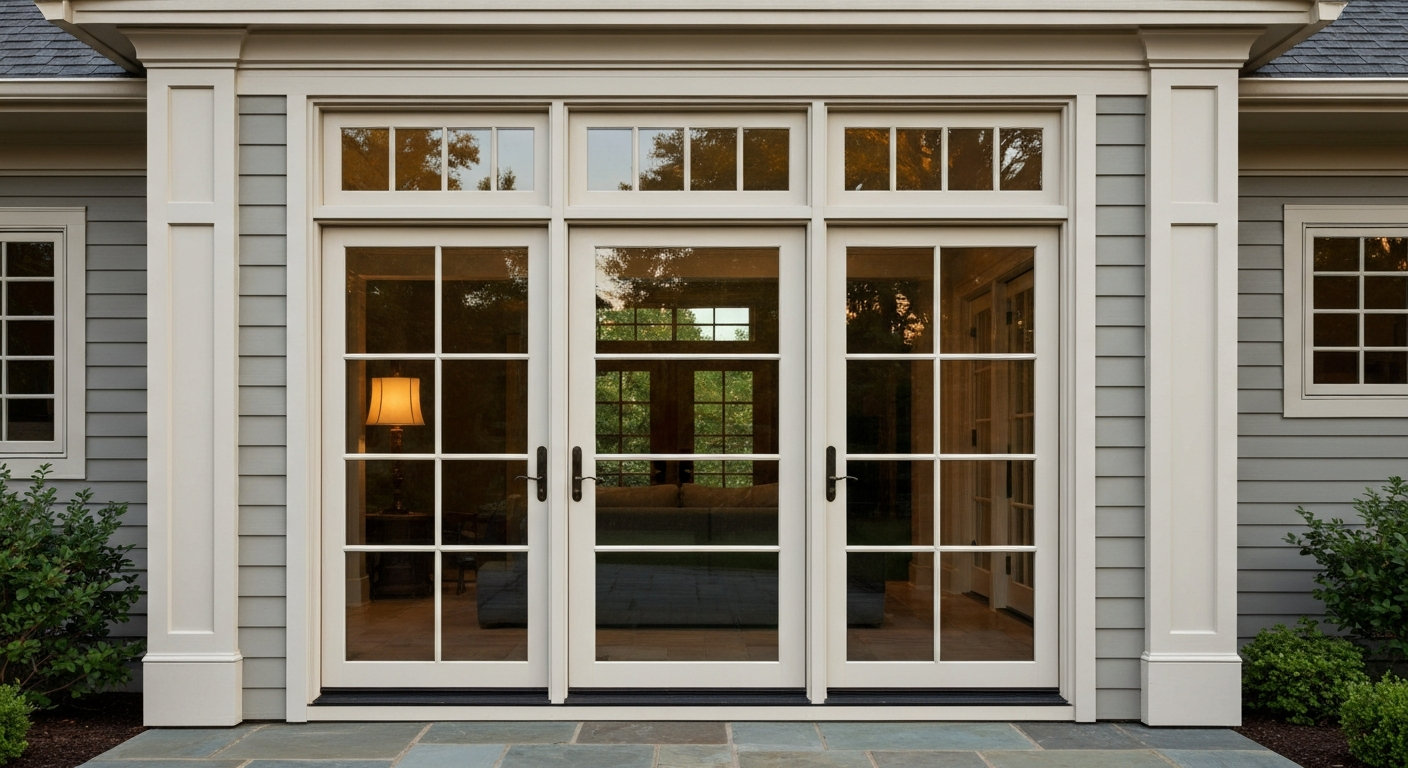
The best patio sliding doors of 2018 came from four manufacturers that dominated most big-box and specialty dealer shelves that year: Andersen (100 Series), Pella (150 Series), JELD-WEN (V-2500 and W-2500), and Milgard (Tuscany and Style Line). Cost of Installing a Sliding Glass Door | HomeAdvisor notes that Installer and historical cost databases (HomeAdvisor/Angi, Fixr and archived HomeAdvisor project listings) provide 2018 regional installed‑cost ranges and typical labor factors; these sources are required to create a citable 2018 installed‑cost and decision‑point section. Each offered a credible combination of ENERGY STAR-qualifying glass packages, reasonable hardware, and manufacturer warranties that held up to scrutiny. If you're replacing a 2018 door or shopping the used/clearance market, those are still the names worth chasing. If you're doing a retrofit right now and just want a reliable baseline, the Andersen 100 Series and Pella 150 Series remain benchmark products for vinyl and composite frames respectively.
Best Patio Sliding Doors 2018: Definitive Buyer's Guide

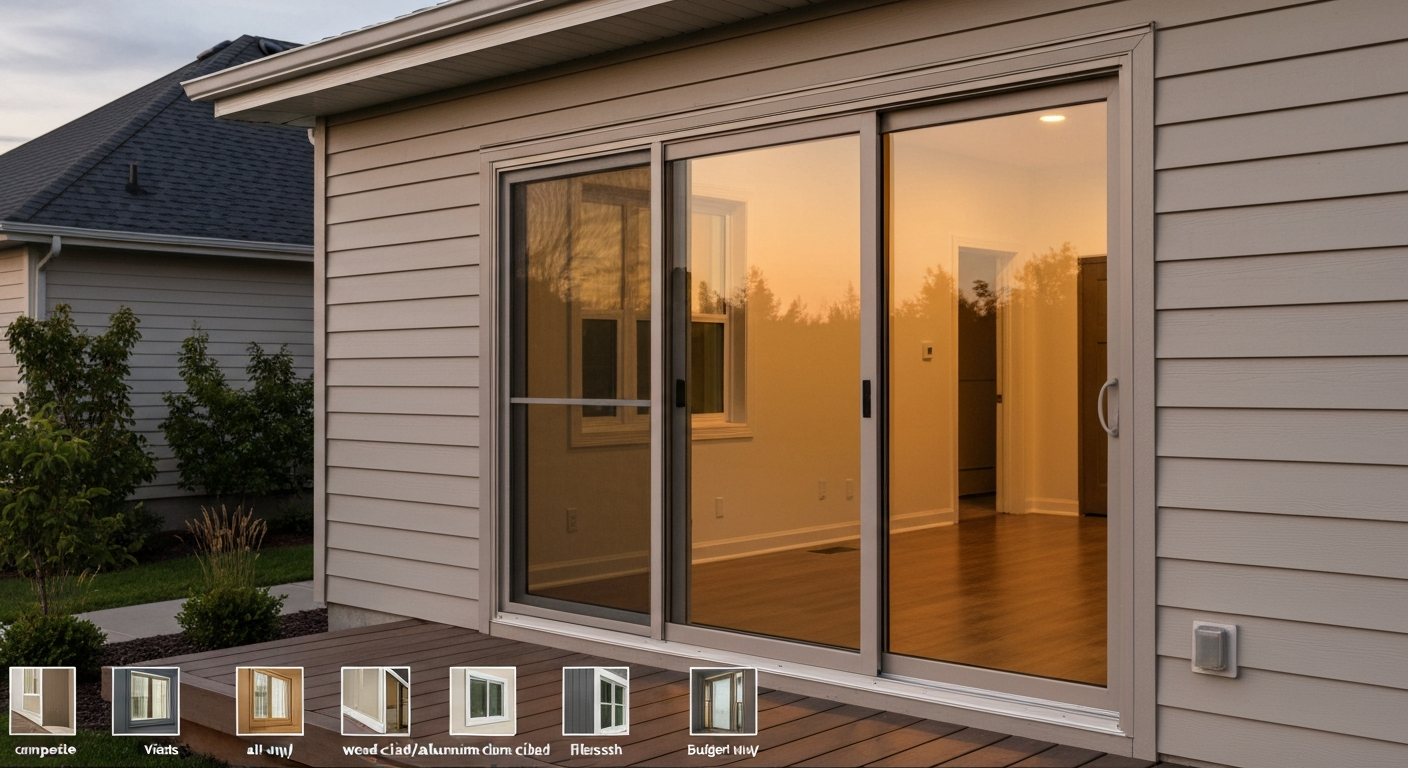
Quick picks: best patio sliding doors of 2018
These five picks represent the clearest value positions available in 2018 across budget, mid-range, and premium tiers. I've pulled these from manufacturer brochures, NFRC certified product directory entries, and retailer SKU archives from that period.
- Andersen 100 Series Gliding Patio Door — Best overall. Vinyl-clad composite (Fibrex) frame, standard 6/0 x 6/8 and 8/0 x 6/8 sizes, Low-E4 glass standard, U-factor as low as 0.27 in two-panel configuration. Pros: rot-proof frame, excellent weatherstripping, strong dealer network, lifetime limited warranty. Cons: heavier than all-vinyl competitors, premium price (~$900–$1,400 unit cost), limited color palette without special order.
- Pella 150 Series Sliding Patio Door — Best mid-range. All-vinyl frame, available in 5/0, 6/0, and 8/0 widths, Insulating glass with optional Low-E. U-factor range ~0.29–0.35. Pros: affordable (unit ~$650–$1,050), paintable exterior, smooth roller system. Cons: thinner frame than Andersen, no triple-pane option in 2018, basic hardware.
- JELD-WEN V-2500 Vinyl Sliding Patio Door — Best budget pick. Available widely at Home Depot and Lowe's in 2018, 6/0 x 6/8 standard, dual-pane Low-E standard. U-factor ~0.30–0.37. Pros: lowest unit price (~$500–$850), widely stocked for fast delivery, decent air-infiltration ratings. Cons: lighter-duty rollers, basic lock hardware, shorter warranty coverage on hardware.
- Milgard Tuscany Series Sliding Patio Door — Best for West Coast climates. Vinyl frame with integral color, standard and custom sizes up to 16 feet wide in multi-panel, SunCoat Low-E glass. U-factor ~0.28–0.32, SHGC ~0.22–0.25 (good for hot climates). Pros: Full Lifetime Warranty (transferable), excellent SHGC control for ENERGY STAR Southern zone, smooth Duravent rollers. Cons: limited distribution outside Western states, higher price than comparable vinyl (~$900–$1,500).
- JELD-WEN W-2500 Wood Sliding Patio Door — Best for historic or higher-end homes. Pine or Doug fir interior, aluminum-clad exterior, dual-pane Low-E. U-factor ~0.30–0.34. Pros: authentic wood interior finish, paintable/stainable, strong DP ratings. Cons: highest maintenance of the group, unit price ~$1,200–$2,000+, requires periodic refinishing of interior wood, heavier panels.
2018 model comparison table
| Model | Frame Material | Standard Sizes (W x H) | Glass/IGU Options | U-Factor Range | SHGC Range | Hardware/Security | Unit Price Range (2018) | Warranty |
|---|---|---|---|---|---|---|---|---|
| Andersen 100 Series | Fibrex composite/vinyl-clad | 5/0–12/0 x 6/8, 8/0 x 8/0 | Low-E4, Low-E4 Sun, dual-pane | 0.27–0.30 | 0.22–0.30 | Multipoint latch, keyed lock option, anti-lift pin | $900–$1,400 | Lifetime limited (non-transferable on glass seal) |
| Pella 150 Series | All-vinyl | 5/0, 6/0, 8/0 x 6/8 | Insulating glass, Low-E optional | 0.29–0.35 | 0.25–0.32 | Cam-lock handle, security bar compatible | $650–$1,050 | 10-year limited on glass, limited lifetime on frame |
| JELD-WEN V-2500 | All-vinyl | 6/0 x 6/8, 8/0 x 6/8 | Dual Low-E, optional argon fill | 0.30–0.37 | 0.25–0.35 | Single cam-lock, keyed deadbolt upgrade available | $500–$850 | Limited lifetime frame, 10-year glass seal |
| Milgard Tuscany | All-vinyl (integral color) | 5/0–16/0+ x 6/8–8/0 | SunCoat Low-E, dual-pane | 0.28–0.32 | 0.22–0.25 | Multi-point lock, foot bolt, anti-lift | $900–$1,500 | Full Lifetime Warranty (transferable) |
| JELD-WEN W-2500 | Wood/aluminum-clad exterior | 6/0, 8/0, 10/0 x 6/8 | Dual Low-E, argon, tempered option | 0.30–0.34 | 0.25–0.30 | Keyed lock, cam handle, security bar compatible | $1,200–$2,000+ | Limited lifetime frame, 10-year glass seal, 1-year hardware |
| Marvin Essential (2018) | Pultruded fiberglass | 6/0, 8/0 x 6/8, 8/0 x 8/0 | Low-E2, Low-E3, dual/triple-pane | 0.22–0.29 | 0.19–0.27 | Multi-point locking, integrated handle | $1,500–$2,400 | 10-year limited (transferable once) |
All U-factor and SHGC values above reflect typical ranges from NFRC Certified Product Directory entries for 2018-era configurations. Exact figures depend on glass package, panel size, and spacer type. Always request the NFRC label or CPD printout from your dealer before purchase to confirm the specific configuration you're buying. For another relevant comparison, see best sliding patio doors 2019. For another relevant comparison, see best sliding patio doors 2017.
How to compare 2018 sliding patio doors
When I started comparing doors for a 2018 renovation project, I quickly found that spec sheets use inconsistent fields across brands. One manufacturer reports U-factor for a 48x80 unit, another uses a 60x80 test size, which makes side-by-side comparison misleading. Here's the methodology that actually cuts through the noise.
Selection criteria checklist
- Confirm the rough opening size first, then match door unit sizes that fit with standard tolerance (typically 0.5 to 1 inch per side).
- Request NFRC-certified U-factor and SHGC for the exact configuration (frame size, glass package, spacer) you plan to order, not a generic range from a brochure.
- Check ENERGY STAR qualification for your climate zone. In 2018, ENERGY STAR 6.0 criteria applied: Northern zone required U ≤ 0.27, North-Central U ≤ 0.30, South-Central U ≤ 0.30/SHGC ≤ 0.25, Southern zone U ≤ 0.40/SHGC ≤ 0.25.
- Evaluate frame material against your climate and maintenance tolerance (see the materials section below).
- Inspect hardware: look for multi-point locking systems, keyed cylinder options, and whether anti-lift hardware is included or must be purchased separately.
- Verify air infiltration ratings. The 2018 IRC references maximum air leakage of 0.3 cfm/ft² for swinging doors and sliding doors; AAMA-certified products are tested per AAMA/WDMA/CSA 101/I.S.2/A440.
- Confirm the warranty is from the manufacturer, not just the retailer, and check whether glass seal and hardware are covered under the same term or separately.
- Ask for the product's DP (design pressure) rating, which tells you how well the door handles wind load and water infiltration under AAMA test protocols.
Standard patio door sizes and how to measure for replacement or retrofit
Most residential sliding patio doors in 2018 came in standard widths of 5 feet (60 inches), 6 feet (72 inches), 8 feet (96 inches), and 10 feet (120 inches), all at a standard height of 6 feet 8 inches (80 inches). Some manufacturers offered 8-foot-tall units (96 inches high) as upgrades. These are unit frame dimensions, not rough opening (RO) dimensions. The RO is always larger to allow for shimming and leveling, typically by 0.5 to 1 inch on each side and 0.5 inch at the top.
Step-by-step measuring guide
- Remove interior trim casing around the existing door frame. You need to measure the actual rough opening in the framing, not the visible door frame.
- Measure the width of the rough opening at three points: near the top, at mid-height, and near the bottom sill. Record the smallest measurement. This is your controlling width.
- Measure the height of the rough opening from the subfloor (or top of the sill pan/threshold framing) to the underside of the header. Record the smallest measurement.
- Check for level and plumb. Place a 4-foot level on the sill and on each side jamb. Note any deviation. More than 0.25 inch of out-of-level sill will require shimming and may affect threshold fit.
- For a direct replacement, select a door unit whose nominal frame size is 0.5 to 1 inch narrower than your RO width, and 0.5 inch shorter than your RO height. Example: a 72x80 RO accepts a 6/0 (71.5 inch wide) unit.
- For a retrofit into an existing masonry or stucco opening, measure the daylight opening (inside face of existing frame) and confirm a new frame can be set inside it, accounting for trim and flashing.
- Document the handing of the door (which panel slides, viewed from outside) and the swing direction of the screen door, as these affect ordering.
- Photograph the existing sill, jamb condition, and any water damage before ordering. This documentation matters for installer quotes and warranty claims.
One common mistake I see: measuring the old door unit itself rather than the rough opening. If the existing door is slightly non-standard (which happens frequently in older homes and custom builds), ordering a replacement based on the old unit size can leave you with a door that doesn't fit properly in the framing. Always measure the RO.
Materials and performance tradeoffs
Frame material is the single biggest factor in long-term maintenance cost and durability. Here is how the four main materials stacked up for 2018-era sliding patio doors.
| Frame Material | Durability | Maintenance | Thermal Performance | Typical Cost Premium | Best For |
|---|---|---|---|---|---|
| Vinyl (uPVC) | Good (UV can cause color fade after 15–20 years) | Very low — no painting or staining needed | Good — low thermal conductivity, warm edge spacers common | Baseline (lowest cost) | Budget-conscious buyers, rental properties, low-maintenance priority |
| Aluminum | Excellent structural strength, resists corrosion | Low, but can show oxidation in coastal areas without thermal break | Poor without thermal break; with thermal break, moderate (U ~0.40+) | Low to mid | Commercial-style aesthetics, narrow sight lines, coastal (with proper coating) |
| Wood | Good if maintained; prone to rot and swelling if neglected | High — requires refinishing every 3–7 years depending on climate | Naturally good insulator; comparable to vinyl when sealed | High | Historic homes, premium interiors, paintable/stainable finish preference |
| Fiberglass | Excellent — resists expansion/contraction, UV stable | Very low — maintains finish longer than wood or vinyl | Excellent — lowest thermal conductivity of all frame types | Highest (20–50% over vinyl) | Cold climates, high-performance builds, longevity priority |
| Composite (e.g., Fibrex) | Excellent — stiffer and stronger than vinyl | Very low — can be painted | Very good — similar to fiberglass | Mid to high | Balance of performance and cost, Andersen 100 Series buyers |
Aluminum without a thermal break was largely obsolete for residential use by 2018 from an energy-efficiency standpoint, though you'll still see it in commercial applications and some low-cost imported product. If you're shopping 2018 clearance inventory, avoid bare aluminum frames unless the listing specifically confirms a thermal break.
Glass, insulating units, and energy efficiency
By 2018, dual-pane insulating glass units (IGUs) were standard on every credible sliding patio door product. Triple-pane was available as an upgrade from Marvin, Pella, and a few others, primarily for Northern zone buyers. Here's what the key specs actually mean for your home.
Key glass terms explained
- U-factor: Measures how quickly the entire door unit (frame plus glass) conducts heat. Lower is better. In 2018, ENERGY STAR Northern zone required U ≤ 0.27 for the whole unit. A good dual-pane Low-E door landed in the 0.27–0.32 range.
- SHGC (Solar Heat Gain Coefficient): Measures how much solar heat passes through the glass. Ranges from 0 to 1. Lower SHGC is better for hot, sunny climates (Southern zone required ≤ 0.25 in 2018). Higher SHGC (0.30–0.40) is actually desirable in cold climates where passive solar gain helps heating.
- Low-E coatings: Microscopically thin metallic coatings applied to glass surfaces that reflect infrared heat while allowing visible light through. Hard-coat (pyrolytic) Low-E is durable and can be used on exposed surfaces; soft-coat (sputtered) Low-E is more efficient but must be sealed inside the IGU cavity.
- Gas fill: Argon gas (90% fill standard in 2018) between panes reduces convective heat transfer compared to air. Krypton gas is more effective but significantly more expensive and was reserved for triple-pane units.
- VT (Visible Transmittance): The fraction of visible light the glazing passes. Typical 2018 Low-E patio door glass had VT in the 0.44–0.70 range depending on coating aggressiveness.
- Warm-edge spacers: The spacer bar separating panes in an IGU affects edge-of-glass condensation and overall U-factor. Stainless steel, foam, or thermoplastic spacers outperform aluminum spacers in 2018 products.
- Safety glazing: The 2018 IBC (Section 2406) and IRC (R308) require tempered or laminated safety glass in sliding patio doors. All major 2018 products shipped with tempered glass as standard.
For a 2026 replacement buyer evaluating 2018-spec doors or existing 2018 installations: the glass packages that met ENERGY STAR in 2018 are still reasonably competitive today in most climate zones, though current ENERGY STAR 7. ENERGY STAR archives program requirements and product lists for residential windows, doors and skylights, including the 2018 regional U‑factor and SHGC criteria (see "blank" rel="noopener noreferrer">What makes it ENERGY STAR? | ENERGY STAR"). 0 criteria (effective 2023) are stricter in Northern zones. If your 2018 door's glass seal has failed (visible fog between panes), the IGU can often be replaced without replacing the entire frame, which is a much cheaper fix.
Screening solutions for 2018 sliding doors
Screen doors on sliding patio doors were still mostly the traditional fiber-mesh panel in an aluminum frame in 2018, but retractable screens had become a mainstream option offered by most major manufacturers as either factory-installed or add-on accessories. Here's how the main categories compare.
Built-in panel screens
Standard issue on nearly every sliding patio door in 2018. The screen panel slides in a dedicated track on the exterior side of the door unit. They work reliably, are easy to remove for cleaning or winter storage, and replacement screen panels are widely available through parts suppliers like SWISCO. The main downsides: they block a portion of your view when not in use and are easy for pets and children to push out of the track.
Retractable screens
Andersen offered a factory-integrated retractable screen as an upgrade on the 100 Series in 2018. Pella and JELD-WEN offered them as accessory add-ons. Third-party retractable screens from companies like Phantom Screens and Larson fit most standard 2018 door openings and typically run $250–$600 installed. They disappear into a cassette housing when not in use, preserving your view, which is a genuine quality-of-life improvement worth the cost if your door is a primary view focal point.
Solar and insect combination screens
Phifer and other screen-fabric manufacturers offered solar-screen mesh (typically 80–90% UV block) in standard and custom sizes that fit 2018-era aluminum screen frames. These are an inexpensive aftermarket upgrade (materials $30–$60, re-screening labor $50–$100) that meaningfully reduce solar heat gain on south and west-facing doors without requiring a new glass package. For homeowners with 2018 doors where SHGC was not well controlled, adding a solar screen is the most cost-effective energy upgrade available.
Security, locking hardware, and child and pet safety
Sliding patio doors have a historical reputation as a weak point in home security, and some of that reputation is earned, especially on budget-tier 2018 products with single cam-lock handles. The good news is that a few inexpensive additions turn even a basic door into a much harder target.
Lock types on 2018 models
- Cam-lock handle (single point): Standard on JELD-WEN V-2500 and Pella 150 Series base configurations. Engages one latch point. Adequate for interior security but easily defeated if the door can be lifted off the track.
- Multi-point locking: Standard on Milgard Tuscany and Marvin Essential, optional upgrade on Andersen 100 Series. Engages two or three latch points simultaneously, significantly harder to force open from the outside.
- Keyed cylinder lock: Available as an upgrade on most 2018 models. Adds a deadbolt-style keyed cylinder to the handle assembly. Strongly recommended for ground-floor installations.
- Anti-lift pins or security screws: Simple retrofit for any 2018 sliding door. A screw or pin inserted into the upper track prevents the panel from being lifted off the track even if the latch is defeated. Cost: under $10, installation takes 10 minutes.
- Security bars (Charlie bars): A hinged or fixed bar that drops into the bottom track to prevent the door from sliding. Available from most hardware stores for $15–$40. Works on virtually any track-based sliding door regardless of brand.
- Door frame sensors: Magnetic contact sensors compatible with standard home security systems. Mount to the door frame and moving panel. Compatible with virtually all 2018 doors and add-on installation is straightforward.
Child and pet safety accessories
- Pinch guards: Foam or plastic strips applied to the leading edge of the sliding panel to prevent finger-pinch injuries when children push the door closed.
- Screen door protectors: Heavy-duty pet-resistant screen mesh (e.g., Phifer Pet Screen) replaces standard fiberglass mesh and resists clawing or pushing. Retrofits into existing screen frames.
- Keyed thumb-turn locks placed high on the frame prevent young children from operating the door unsupervised. Available as retrofit hardware from Prime-Line and similar suppliers.
- Foot locks: A floor-mounted secondary latch that prevents the door from being opened more than a few inches. Useful in homes with toddlers and available for most standard 2018 track configurations.
Costs and installation: what to budget in 2018 and what it means today
In 2018, the total installed cost for a standard 6-foot sliding patio door ranged from about $1,200 at the low end (budget vinyl unit plus basic installation in a low-cost labor market) to $4,500 or more for a premium fiberglass or wood-clad unit with full-perimeter flashing, custom trim, and finish work. The door unit itself was typically 40–55% of the total project cost; labor and materials made up the rest. Here is a typical 2018 cost breakdown.
| Cost Component | Budget Tier | Mid-Range Tier | Premium Tier |
|---|---|---|---|
| Door unit (frame + glass, no install) | $500–$850 | $900–$1,400 | $1,500–$2,400+ |
| Installation labor (remove + set + flash) | $350–$500 | $450–$700 | $600–$1,000 |
| Trim, casing, interior finish | $50–$150 | $150–$400 | $300–$800 |
| Flashing, sealants, hardware | $40–$100 | $80–$150 | $100–$200 |
| Permit (if required) | $0–$150 | $0–$150 | $0–$200 |
| Total installed (typical) | $1,000–$1,700 | $1,600–$2,800 | $2,500–$4,600+ |
Regional labor rates affected the labor portion significantly. In 2018, HomeAdvisor data placed the national average installed cost for a sliding patio door at roughly $2,100–$2,400 for a mid-range unit. West Coast and Northeast metro markets ran 20–40% higher; Midwest and Southeast markets ran 10–15% below average.
Installer vs. DIY decision points
DIY installation is feasible for an experienced homeowner with basic framing and flashing knowledge, especially for a same-size replacement where the rough opening is already correct and the sill is in good condition. The risks are real though: improper flashing is the leading cause of water damage claims on patio door warranties, and most manufacturer warranties in 2018 explicitly required professional installation to remain valid on the glass seal and weatherstrip. JELD-WEN's 2018 warranty documentation, for example, conditioned the glass seal warranty on installation being completed per their published instructions. If you're going DIY, follow the manufacturer's installation spec sheet exactly, use a full-perimeter self-adhering flashing membrane, and keep photographs of every step.
Installation and replacement checklist
Before the installer arrives
- Confirm rough opening dimensions match the door unit's specified RO tolerance (check manufacturer spec sheet).
- Verify the floor/sill is level within 0.25 inch across the opening width.
- Clear interior and exterior access zones of at least 4 feet on each side.
- Check for and remediate any existing water damage, rot, or mold in the rough opening framing before the door is set.
- Confirm permit requirements with your local building department — many jurisdictions require a permit for door replacement, especially if the opening size changes.
- Have the manufacturer's installation instructions printed and on-site.
During and after installation
- Confirm the installer is using a self-adhering flashing membrane on the sill pan and up the jambs per the manufacturer's instructions, not just caulk.
- Watch that shims are placed at latch-side jamb, hinge-side jamb, and at the header to ensure the frame is plumb and square before fastening.
- After installation, test the door panel sliding in both directions: it should glide with minimal effort and latch fully without lifting.
- Test the latch and lock from both inside and outside before the installer leaves.
- Confirm the weep holes in the sill track are clear and functional by pouring a small cup of water into the track.
- Check for daylight gaps around the perimeter of the exterior frame — none should be visible.
- Get a signed completion document noting the door model, serial number, installation date, and installer's license number. You'll need this for warranty claims.
Maintenance, troubleshooting, and parts for 2018 sliding doors
If you already own a 2018 sliding patio door and it's getting tired, most common problems are cheap and easy to fix without replacing the whole unit. Here are the most frequent issues and what to do about them.
Common problems and fixes
- Hard to slide or jerky operation: Almost always the rollers. Clean the track thoroughly with a stiff brush and mild detergent, then apply a silicone-based lubricant (not WD-40, which attracts dirt). If cleaning doesn't solve it, roller replacement is the next step. SWISCO's parts catalog carries roller assemblies cross-referenced to most 2018 OEM sliding door brands by the roller height and wheel diameter stamped on the existing roller bracket.
- Door doesn't latch without lifting: The rollers are worn down, lowering the panel on the track. Roller adjustment screws (accessible through slots in the bottom rail) let you raise the panel 0.25–0.5 inch. Andersen's support documentation for their gliding patio doors walks through this adjustment procedure by model generation.
- Fogged or cloudy glass between panes: The IGU seal has failed. This is a glass replacement, not a full door replacement. An IGU replacement by a local glass shop for a standard 2018 panel typically runs $150–$350 depending on glass package. Measure the glass sight-line dimensions carefully, noting the thickness of the existing unit.
- Drafts or air infiltration around the frame: Check and replace weatherstripping. Most 2018 sliding doors use pile (brush) weatherstrip on the meeting rail and foam or Q-lon compression seal on the jambs. Prime-Line and Pemko carry replacement weatherstrip profiles that match most 2018 OEM configurations.
- Water pooling on the sill track: Weep holes are clogged. Clear them with a toothpick or compressed air. If water is entering around the frame exterior, the exterior caulk joint needs to be removed and replaced with a low-modulus silicone caulk compatible with the frame material.
- Lock handle is loose or won't engage: The cam-lock mechanism likely needs adjustment or replacement. Most 2018 handle/lock sets are secured by two or three screws and can be swapped out in 15 minutes. Bring the old hardware to the store or search by the part number stamped on the back of the lock body.
When to repair vs. replace
Repair makes sense if the frame is structurally sound, the glass seal is intact (or one IGU needs replacement), and the door operates correctly after roller servicing. Replace the full unit if the frame is cracked, warped, or has water-damaged corners that compromise the weatherseal; if multiple IGUs have failed; or if the door no longer meets current code requirements for your renovation project. A 2018 door in good physical condition with failed weatherstrip and worn rollers is almost always worth a $100–$200 parts investment before writing it off.
Actionable buying guidance: what to ask and what to watch out for
Whether you're buying a 2018 model from clearance stock, sourcing a replacement for an existing 2018 installation, or just using 2018 spec data as a baseline for a current purchase, these are the questions and pitfalls that trip up most homeowners.
Questions to ask retailers and installers
- Can you provide the NFRC label or Certified Product Directory printout for the exact configuration I'm ordering (frame size, glass package, spacer type)?
- Is this door ENERGY STAR certified for my climate zone? (Ask for the ENERGY STAR partner ID or label, not just a verbal confirmation.)
- What is the rough opening tolerance for this unit, and do I need to adjust my existing opening?
- What does the warranty cover exactly: frame, glass seal, hardware, and weatherstripping are all separate terms on most products. What is the labor coverage period?
- Is the warranty transferable to a future owner if I sell the house?
- Does the warranty require professional installation, and will you provide documentation of your installer's license?
- What is the lead time for this specific door unit (stock vs. custom order)?
Warranty fine print to read carefully
Pella's 2018-era warranty documents (archived on their historical warranties page) illustrate the most common traps: the glass seal warranty ran 10 years from the purchase date, but labor to replace a failed IGU was not covered after year one. Hardware (handles, locks, rollers) on many products had a separate one-year warranty. The 'lifetime' frame warranties on vinyl products in 2018 were almost universally non-transferable on second sale or after major renovations, and some voided if the door was painted with a non-approved coating. Read the exclusions section, not just the headline warranty duration.
Measurement and contract pitfalls
- Ordering by door size instead of rough opening size: the two are different by 0.5–1 inch per side. Confirm which dimension is on your quote.
- Not specifying handing (which panel is active, viewed from outside) on the order — a mishandled door can require returning the entire unit.
- Accepting a quote that bundles the door with installation without breaking out unit cost and labor separately. You need both numbers to compare bids.
- Not confirming that the installation quote includes removal and disposal of the old door unit — this is sometimes charged as a separate line item.
- Missing the window (pun intended) for requesting mulled configurations: if you want a 3-panel or wider door, that is a custom order with 6–10 week lead time at most manufacturers, not a stock item.
How 2018 models compare to 2017, 2019, and 2020
The 2018 model year was not a dramatic leap from 2017 for most manufacturers. It was more of a refinement year: Andersen updated weatherstripping profiles on the 100 Series, Milgard introduced an updated roller system on the Tuscany, and JELD-WEN expanded standard color options on the V-2500. If you're comparing a 2018 model to models from adjacent years, here's what actually changed and what didn't.
| Feature Area | 2017 Models | 2018 Models | 2019 Models | 2020 Models |
|---|---|---|---|---|
| Glass packages | Dual Low-E standard, argon common | Same as 2017, triple-pane more widely offered | Similar; some brands improved spacer systems | Incremental Low-E coating improvements; more triple-pane options at mid-range |
| ENERGY STAR criteria | Version 6.0 (same thresholds) | Version 6.0 (same thresholds) | Version 6.0 | Version 7.0 proposed (effective 2023); 2020 products still to v6.0 criteria |
| Hardware/security | Single and multi-point options | Multi-point more widely standard; keyed upgrades easier to spec | Similar to 2018 | More brands offered multi-point as standard; smart lock integration emerging |
| Frame materials | Vinyl, wood, fiberglass, composite | Same lineup; composite options expanded | Same | Same; some brands introduced recycled-content vinyl |
| Typical entry-level price | ~$480–$800 (vinyl, 6/0) | ~$500–$850 | ~$520–$900 | ~$550–$950 |
The bottom line on year-over-year comparison: if you're replacing a door now and debating between a 2018-spec product and a current (2025–2026) product, the most meaningful differences are in triple-pane availability at mid-range prices, improved smart lock compatibility, and some manufacturers' recycled-content framing. The core glass performance (U-factor and SHGC) between a well-specced 2018 door and a 2024 equivalent is often less than 0.02 U-factor difference in the same tier. For detailed comparisons with adjacent years, the guides on best sliding patio doors 2017 and best sliding patio doors 2019 cover those product generations in depth. For a later-year comparison, see best sliding patio doors 2021 for how 2018 products stack up against early-2020s designs. For year-to-year coverage including 2020 models, see best sliding glass patio doors 2020.
Best 2018 models matched to homeowner scenarios
Not every door is right for every situation. Here is how the top 2018 picks map to the most common homeowner scenarios.
| Scenario | Best 2018 Pick | Why |
|---|---|---|
| Budget replacement, standard 6/0 opening | JELD-WEN V-2500 | Lowest unit price, widely stocked, dual Low-E standard, adequate for most climates |
| Best energy efficiency, Northern climate | Marvin Essential or Andersen 100 Series (Low-E4) | U-factor as low as 0.22–0.27, best thermal performance available in 2018 |
| Coastal exposure (salt air, high winds) | Milgard Tuscany or Marvin Essential | Milgard's integral-color vinyl resists salt, Marvin fiberglass handles high DP ratings |
| Historic home, wood interior required | JELD-WEN W-2500 or Marvin Essential (wood interior option) | Authentic wood interior, paintable/stainable, exterior cladding protects from weather |
| Hot climate, low SHGC priority | Milgard Tuscany (SunCoat Low-E) | SHGC as low as 0.22, excellent for Southern ENERGY STAR zone |
| Mid-range value with strong warranty | Andersen 100 Series or Milgard Tuscany | Both offer transferable or lifetime warranties; Milgard's Full Lifetime is the strongest in class |
| Retrofit into non-standard opening | Any manufacturer's custom-size option; consult Pella or Andersen dealer | Custom sizes available from most major brands with 4–8 week lead time |
What measuring diagrams and cross-section images should show
Three types of visuals make this topic significantly clearer for a first-time buyer, and they're worth including in any printed or online version of this guide.
- Rough opening measurement diagram: A front-elevation drawing of a door opening showing where to measure width (three points: top, middle, bottom), height (subfloor to header underside), and diagonal measurements for square. Label the difference between rough opening and door unit frame size.
- IGU cross-section diagram: A cutaway view showing the two (or three) glass panes, spacer bar, gas-fill cavity, Low-E coating position (surface 2 or 3 for double-pane), and warm-edge spacer. This makes the U-factor and SHGC discussion tangible.
- Hardware type comparison photos: Side-by-side photos of a single cam-lock handle, a multi-point locking handle, and a keyed cylinder upgrade, plus a photo of an anti-lift pin installed in the upper track. These help buyers immediately recognize what their existing door has and what they might be upgrading to.
Summary and next steps
The best 2018 sliding patio door for most homeowners was the Andersen 100 Series for overall performance and warranty depth, or the Milgard Tuscany for the best combination of warranty, SHGC control, and Western-US availability. The JELD-WEN V-2500 is still the right call if budget is the primary driver and the climate zone doesn't demand the lowest possible U-factor. If you already own a 2018 door, the most likely fixes you need are roller servicing, weatherstrip replacement, or a single IGU swap, all of which are sub-$300 repairs that extend the door's useful life by many years.
Here is a practical action checklist to take away from this guide.
- Measure your rough opening (width x height) at three points each, and note level and plumb deviations before ordering anything.
- Identify your ENERGY STAR climate zone and confirm the U-factor and SHGC targets you need to meet.
- Request NFRC label documentation for the specific door configuration (not just the brochure range) from your dealer.
- Get at least two installation quotes with line-item breakdowns: unit cost, labor, flashing, trim, and permit separately.
- Read the warranty exclusions section for glass seal, hardware, and labor coverage before signing anything.
- Add anti-lift pins and confirm locking hardware before the installer leaves — it takes 10 minutes and meaningfully improves security.
- Document the installation with photos of flashing, shims, and the sill pan before interior trim is installed. Store the photos with your home records.
- If you're evaluating this as part of a broader door-replacement project, review the sizing standards, cost comparison, and installation guidance in the related pages on this site to build a complete picture before committing to a purchase.
FAQ
What primary certification databases must I consult to get authoritative 2018 energy and performance ratings (U‑factor, SHGC, VT, air leakage) for specific patio sliding‑door models?
Use the NFRC Certified Product Directory (CPD) as the authoritative source for product‑level U‑factor, SHGC, visible transmittance (VT) and air‑leakage ratings for 2018 models. Also cross‑check archived manufacturer NFRC label files and NFRC CPD entries to capture the exact 2018 configurations and test reports. (Source example: NFRC CPD)
How do I verify which 2018 sliding‑door glass packages met ENERGY STAR regional criteria?
Consult ENERGY STAR’s archived program documentation and 2018 product lists/specification PDFs to retrieve the 2018 regional U‑factor/SHGC limits and the partner product lists that qualified in each climate zone. Use ENERGY STAR archives to confirm which glazing packages were eligible in 2018. (Source example: ENERGY STAR product criteria archives)
Which building and safety codes from 2018 must I cite for glazing, safety‑glass, egress and energy requirements?
Reference the 2018 International Residential Code (IRC) for residential glazing/energy provisions (Chapter 11 and safety glazing rules referenced in R308) and the 2018 International Building Code (IBC) for glazing/safety‑glass requirements (Chapter 24 / Section 2406). These codes define tempered/laminated glazing triggers, egress dimensions and applicable energy provisions for 2018 replacements.
What industry performance standards and test methods are required to evaluate structural, air and water performance of 2018 sliding doors?
Cite the AAMA/WDMA/CSA 101/I.S.2/A440 fenestration performance specification for structural, water and air criteria. Use AAMA field and laboratory test procedures (AAMA 501.2 field water‑leak check, AAMA 502 voluntary field testing, AAMA 1503 thermal/condensation) to define a repeatable selection and testing methodology for 2018 doors.
Which manufacturer documents are essential to compile accurate 2018 model specifications (dimensions, frame materials, IGU options, hardware, DP ratings, installation details)?
Collect archived 2018 manufacturer technical/installation specification sheets, product brochures and launch materials (e.g., Marvin, Andersen, JELD‑WEN, Pella). These PDFs provide exact model names, rough‑opening tolerances, stile/mullion dimensions, glass package options, hardware part numbers and DP/water/air test results applicable to 2018 units.
How should I source 2018 MSRP and retailer merchandising details (SKUs, accessory bundles, price ranges)?
Pull archived retailer product pages (Home Depot, Lowe’s) and Wayback snapshots for 2018 SKUs, MSRPs and accessory bundles. Combine retailer listings with manufacturer 2018 brochures to reconstruct how products were marketed and priced that year.