Garden door and patio door are mostly used interchangeably, but there is a real functional difference worth knowing. In practice, 'patio door' most often refers to a large sliding glass door, while 'garden door' typically describes a hinged door, usually in a French-door style with one fixed panel and one swinging panel. That said, plenty of retailers use both terms for the same product, and you will see 'patio door' applied to French doors, bifolds, and sliders all on the same website. So before you get too hung up on the label, focus on what actually matters: where the door goes, how much swing or slide space you have, what your climate throws at it, and what you want to spend.
Garden Door vs Patio Door: Differences and How to Choose

Owen Delaney
1 Jul 2026
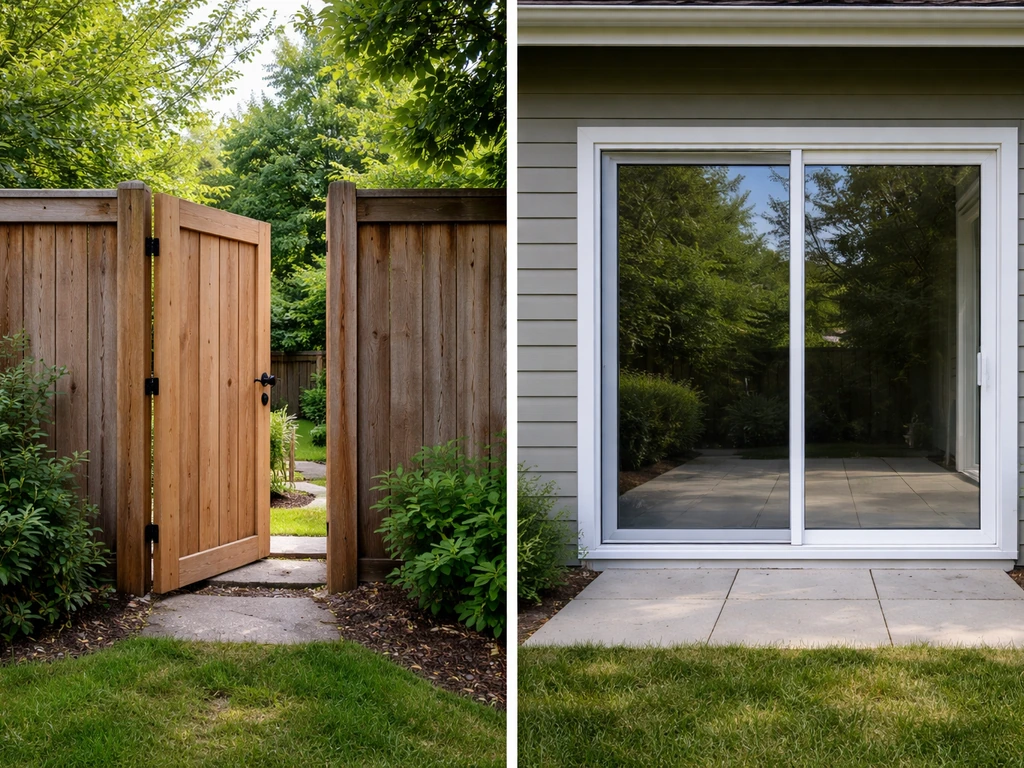
What people actually mean by 'garden door' vs 'patio door'
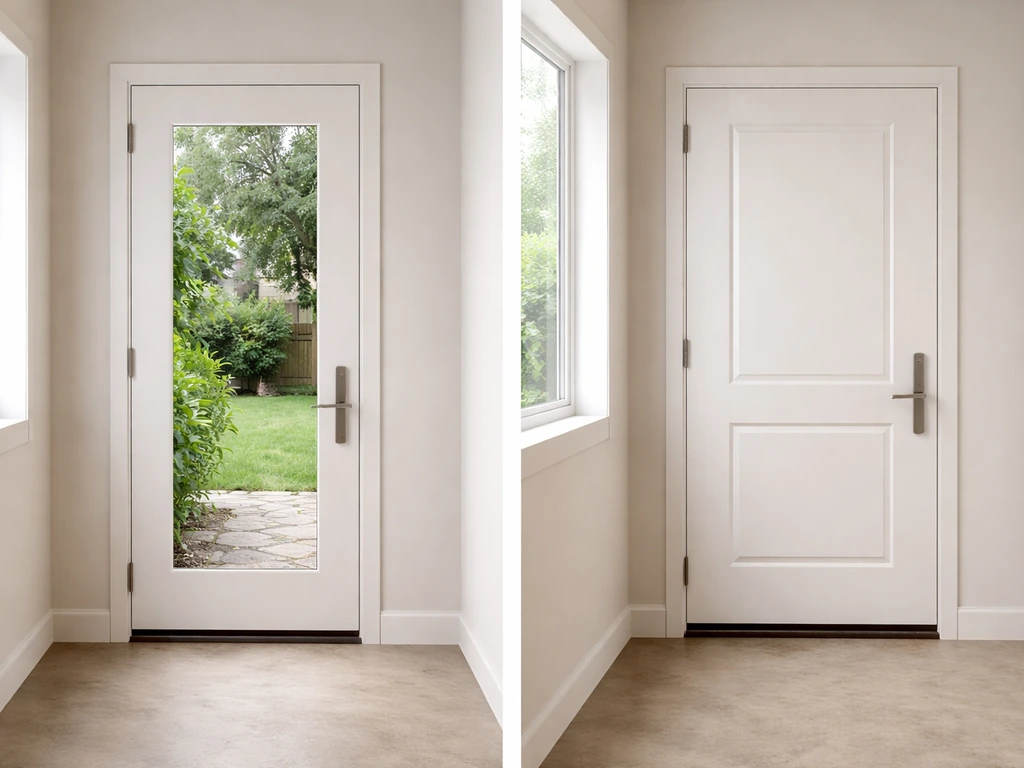
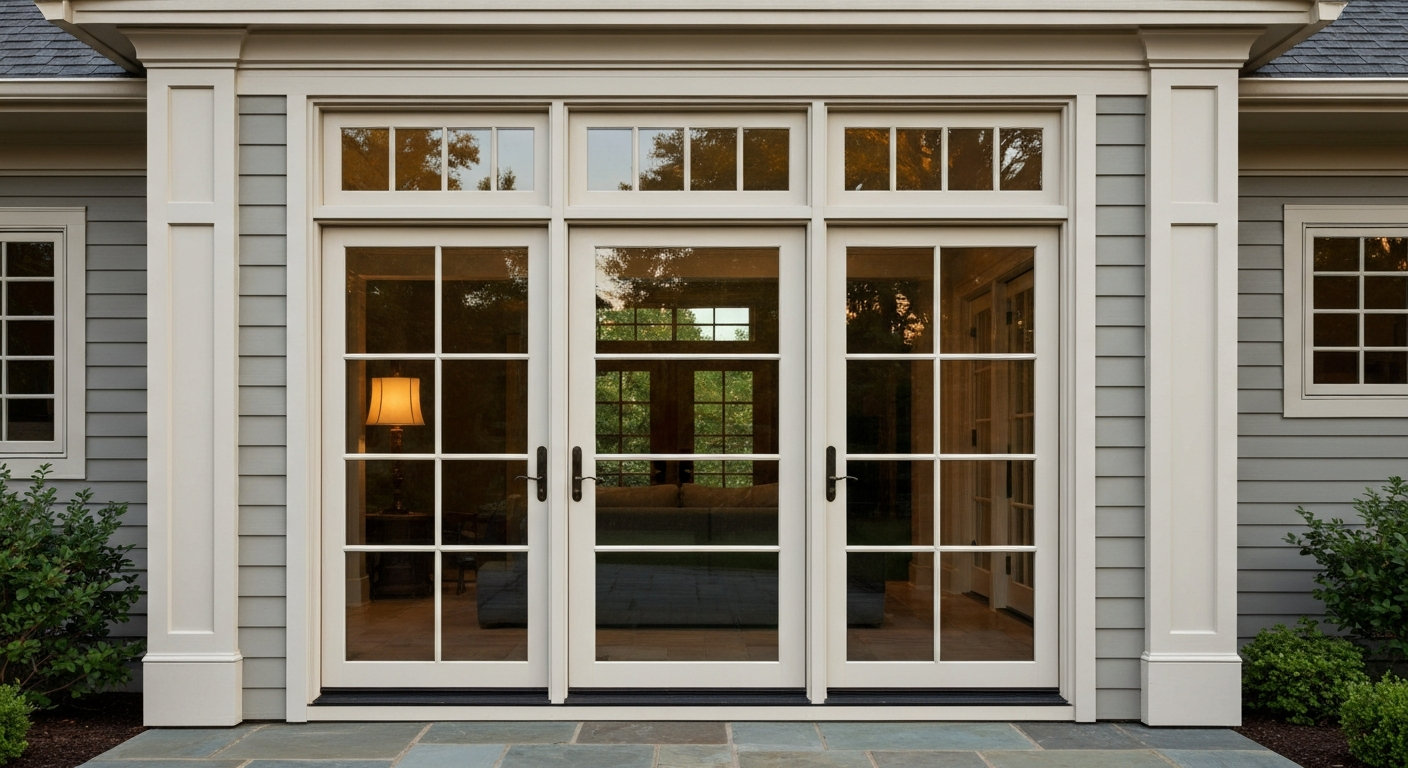
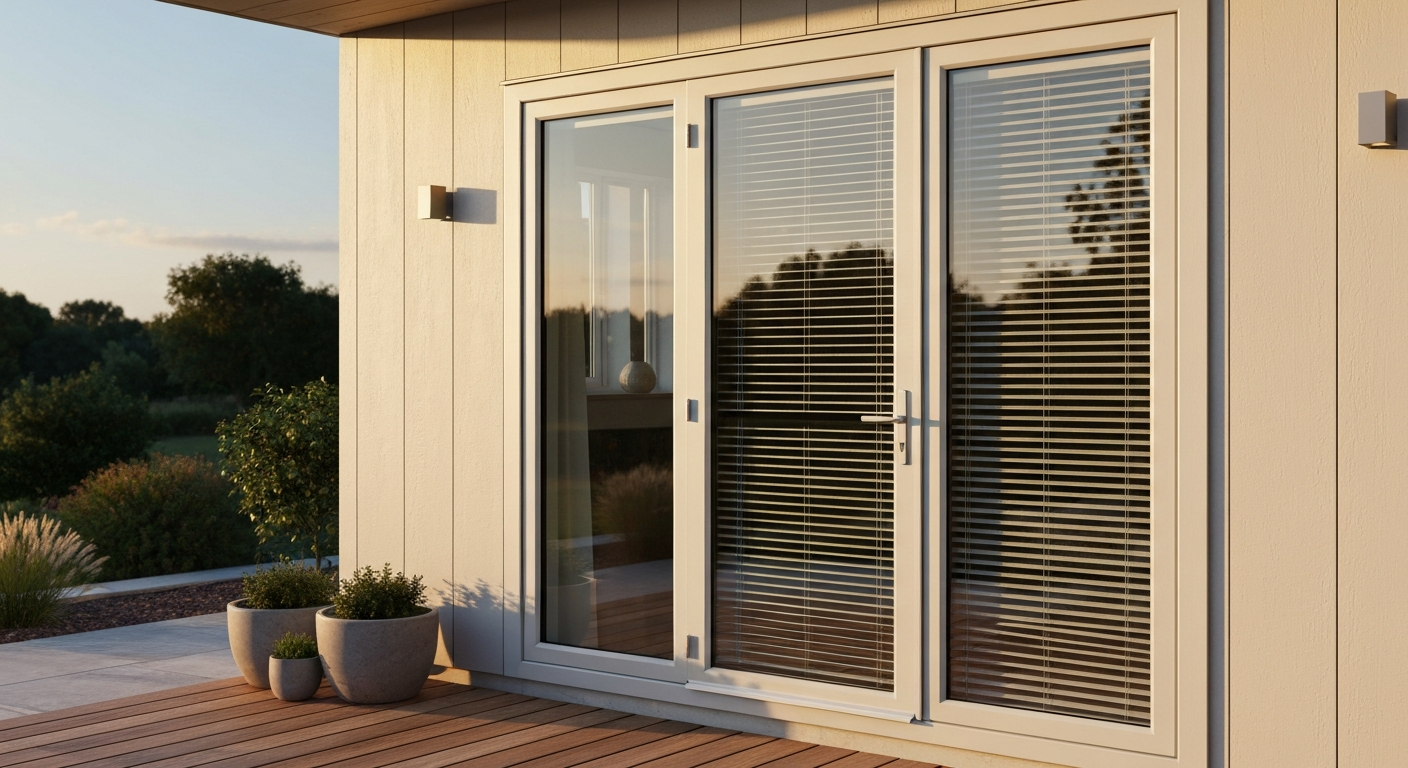
The confusion here is real and completely understandable. Walk into five different showrooms and you will get five different answers. The clearest distinction most manufacturers draw is this: a patio door in the traditional sense is a sliding glass door, sometimes called a doorwall, with one or more large glass panels that slide horizontally along a track. A garden door, by contrast, is a hinged unit, most often built like a French door but sometimes with just a single swinging panel plus a fixed sidelight. Both serve the same core purpose: connecting your interior living space to the outdoors, usually at the back or side of the house. These patio door examples can help you compare common styles side by side before you choose a configuration for your home.
One practical difference worth noting is glass area. Sliding patio doors tend to have roughly a third more glass than a comparable garden door unit, which means more natural light but also more visibility from outside. If you have neighbors close by or the door faces a street, a garden door's slightly smaller glass footprint can feel a bit more private. On the flip side, if you are trying to flood a kitchen or living room with light or frame a great backyard view, the extra glass on a slider is a genuine advantage.
Where each door fits best
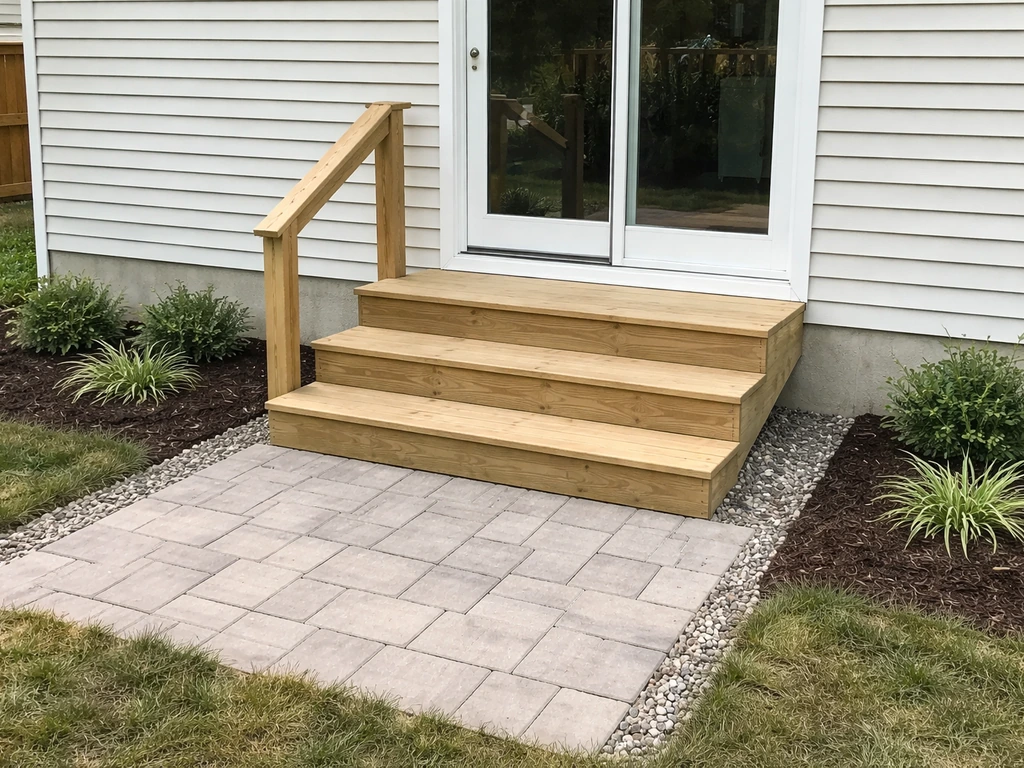
Sliding patio doors make the most sense where you want maximum glass, minimal swing clearance requirement, and frequent in-and-out traffic, like from a kitchen or living room onto a deck. When you plan garden steps from patio doors, you will want the landing height and tread depth to match how you use that entry path from a kitchen or living room onto a deck. Because the panels slide horizontally, you never have to worry about someone swinging a door into furniture, a grill, or a person standing on the other side. That makes sliders especially practical for busy family households or any layout where interior or exterior space is tight.
Garden doors, with their hinged swing, work better in situations where the door is a secondary access point rather than a main thoroughfare, like a side-yard entry from a dining room or a passage from a mudroom to a small patio. A back door steps down to patio arrangement is also common in split-level homes and needs extra attention to clearance and weather sealing where the door meets the exterior landing. They also tend to look more architecturally traditional, so if your home has a Colonial, Craftsman, or cottage-style exterior, a hinged garden door usually blends in better than a large slider. One thing to plan for: a swinging door needs clearance on both sides, typically at least 36 inches in the direction of swing, so measure that space before you commit.
Privacy is also worth thinking through by placement. A sliding door facing a neighbor's yard or a shared fence line exposes more interior living space than a garden door would. If your layout puts the door on a south or west wall with full exposure to the street or neighboring properties, a garden door with divided-light glass or more opaque glazing options can solve a problem that a standard full-glass slider creates.
Style and function tradeoffs: sliding, French, and bifold
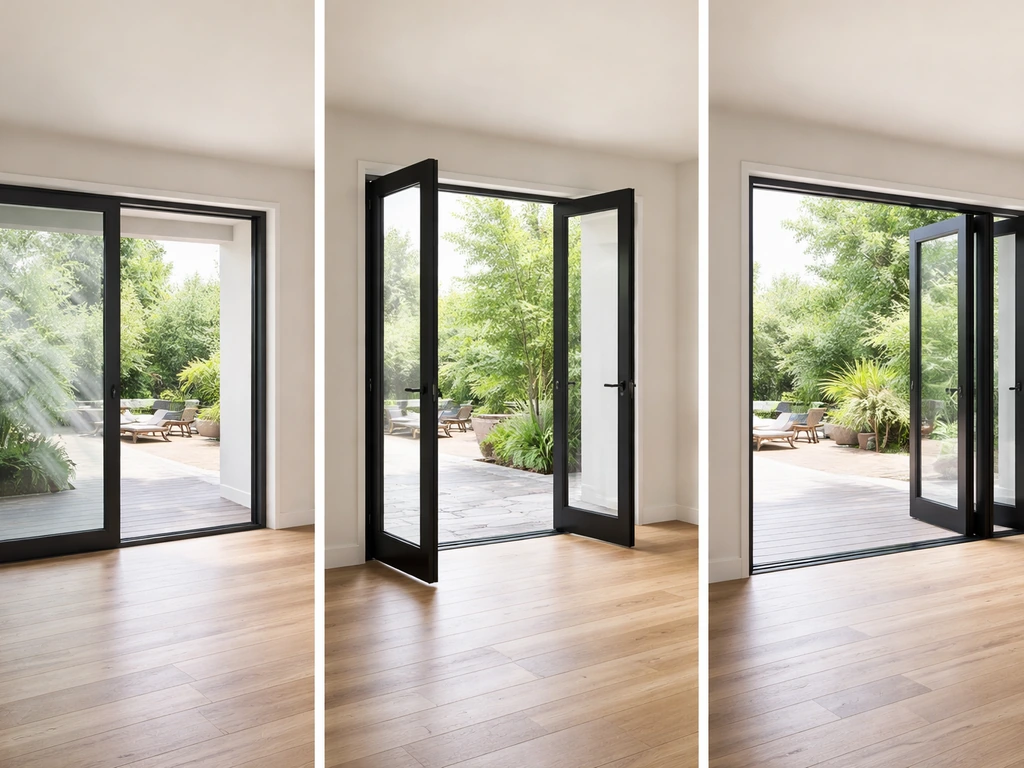
Once you move past the garden-door-vs-patio-door labeling debate, the more useful question is which configuration, sliding, French/hinged, or bifold, actually suits your space and how you live in it. Once you decide which configuration fits best, a patio door buying guide can help you compare real-world options for glass, security, and insulation.
| Style | Best For | Space Needed | Ventilation | Typical Glass Area |
|---|---|---|---|---|
| Sliding (2-panel) | High-traffic indoor-outdoor access, tight spaces | No swing clearance needed | Up to 50% of opening | Largest — ~33% more than hinged |
| French / Garden door | Traditional aesthetics, secondary entries | 36"+ swing clearance each side | Full opening width when both panels open | Moderate |
| Bifold (folding-slide) | Wide openings, indoor-outdoor entertaining | Panels fold to one or both sides | Nearly full opening width | Very large — almost wall-to-wall glass |
Screens are worth factoring in early. Sliding doors pair naturally with a sliding screen panel on the same track. French doors need a retractable screen or a separate screen door unit, which adds cost and another moving part to maintain. Bifold doors can use retractable screens but they are expensive and can be finicky. If you live somewhere buggy or want to run a cross-breeze regularly, the slider is honestly the easiest setup to live with day to day.
Sizing and rough opening: measure this before you do anything else
Standard patio door rough openings in North America are almost universally 60 inches wide by 80 inches tall or 72 inches wide by 80 inches tall for a two-panel unit. Your rough opening needs to be within about half an inch of the door frame dimensions for a proper fit. If you are replacing an existing door, pull the trim off the interior frame and measure the actual rough opening, not the door itself. For a safer, properly draining installation, the patio typically sits a little lower than the door threshold so water does not flow into the home patio be. Wider configurations like 96-inch units exist and are common for bifold systems or three-panel sliders, but they are not off-the-shelf at every home center.
Garden doors follow similar height standards (80 inches is the default, though 96-inch heights are available as a special order from most manufacturers), but widths tend to run narrower since you are dealing with a hinged unit rather than sliding panels. A typical single-swing garden door with a fixed sidelite might fit a 60-inch rough opening, while a true two-panel French door pair is usually 60 or 72 inches wide as well.
If you are not replacing an existing opening and instead cutting a new one, that is a structural project involving a header, possible load-bearing considerations, and permits in most jurisdictions. Budget for that extra work when comparing costs, because the door price is often the smaller number compared to the framing and finishing.
Materials, insulation, and how climate changes everything
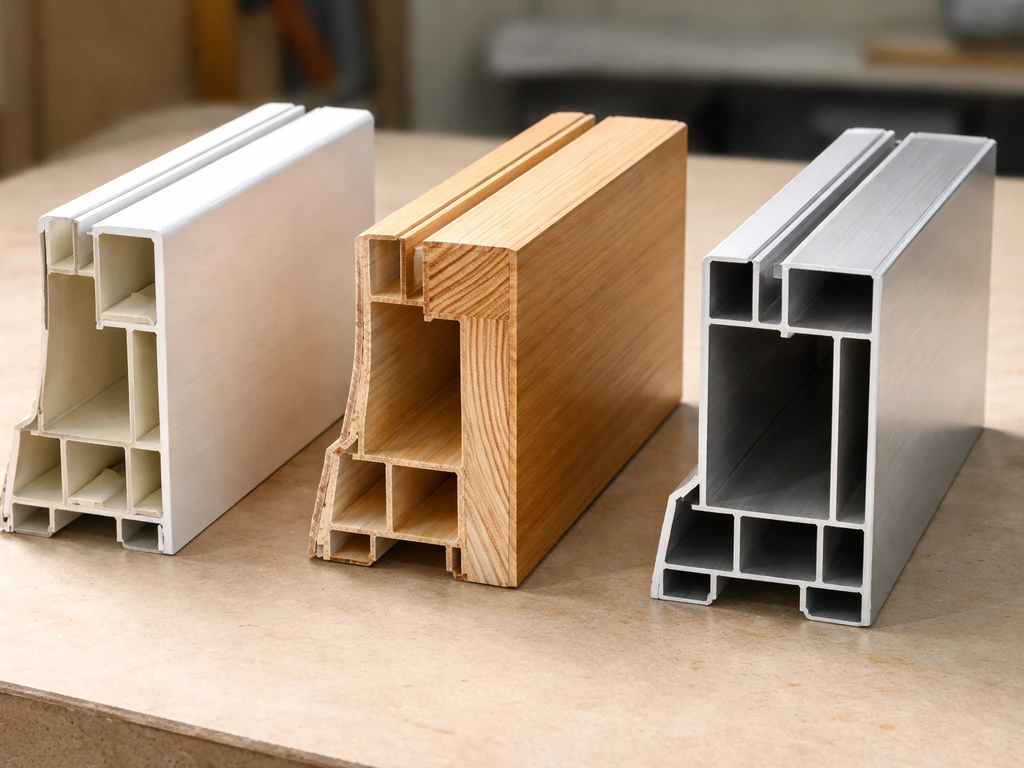
The frame material you choose has a bigger long-term impact than most people expect. Here is a quick breakdown of the three main options you will actually encounter:
| Frame Material | Best Climate | Maintenance | Energy Performance | Typical Lifespan |
|---|---|---|---|---|
| Vinyl / uPVC | Most climates; excellent in humid or coastal areas | Very low — no painting needed | Good; multi-chamber profiles improve insulation | 20–40 years |
| Wood | Dry, mild climates; not ideal for high humidity or heavy rain | High — needs sealing/painting every few years | Excellent with proper weatherstripping | 30+ years if maintained |
| Aluminum | Warm, dry, and coastal climates | Low — won't rot or warp | Poor without thermal break; can conduct cold | 30–50 years |
| Fiberglass | All climates including extreme cold and heat | Very low | Excellent — low conductivity, stable in temperature swings | 30–50 years |
For energy performance, the number to focus on is U-Factor. NFRC explains blank" rel="noopener noreferrer">U-Factor as the measure used in its energy rating system for how quickly heat transfers through fenestration assemblies, which helps consumers interpret energy performance. ENERGY STAR requires NFRC-certified U-Factor ratings on qualifying products, and that certification is your best shortcut to comparing doors honestly. Lower U-Factor means better insulation. In northern climates, you want a U-Factor around 0.30 or below. In hot southern climates, Solar Heat Gain Coefficient (SHGC) matters just as much as U-Factor because it tells you how much solar heat the glass lets in. A low-E coating on the glass helps with both, and triple glazing can push performance even further for extreme climates. Fenplast also discusses energy-efficiency upgrade options for windows and doors, such as triple glazing and low-E films, and shows the kind of U-factor improvements these advanced glazing choices can deliver blank" rel="noopener noreferrer">triple glazing can push performance even further.
Wind and rain exposure also shapes the decision. Sliding doors on a track can be vulnerable to wind-driven rain if the track seal degrades. Look for doors tested to AAMA/WDMA/CSA 101 standards for air leakage and water penetration resistance if you live in a high-wind or wet coastal region. French-style garden doors with proper compression weatherstripping can seal very tightly and sometimes outperform sliders in driving-rain conditions, but only if they are well made and properly installed.
Security and locks: where garden doors and sliders differ most
This is the area where homeowners are most often surprised by the gap between the two door types. Standard sliding patio doors with a basic latch are genuinely less secure than a solid hinged door, and that reputation is earned. A slider can sometimes be lifted off its track from outside if there are no anti-lift blocks installed. The fix is straightforward: add a keyed lock fitted to the track, install anti-lift blocks at the top of the sliding panel, and drop a security bar into the track when the door is closed. These are inexpensive upgrades that dramatically improve security.
Garden doors and French doors have their own vulnerability: if the hinge side or the strike plate is not reinforced, a hard kick near the lock can defeat a basic single-point latch. Upgrading to a multi-point or three-point locking system, which secures the door at the top, bottom, and center simultaneously, is the single best security upgrade you can make on any hinged exterior door. Many quality garden door units come with multi-point locks standard now, but always confirm before you buy, especially on budget-tier products.
Maintenance differences are also real here. Sliding door tracks collect debris and need regular cleaning to keep the panel rolling smoothly and the weatherstripping seating correctly. A dirty track is not just an annoyance, it accelerates wear on the rollers and the seal. Hinged door hinges should be lubricated once or twice a year, and the weatherstripping along the bottom sweep needs replacing every five to ten years on a frequently used door. Neither type is difficult to maintain, but sliders need more frequent attention to function well over time.
Costs, installation, and knowing when to replace vs upgrade
Patio door replacement typically runs between $1,550 and $6,250 for a complete project including labor, with most homeowners landing around $2,500 for a standard sliding door swap in an existing opening. Sliding glass door installation specifically averages roughly $1,200 to $4,000 depending on size, glass type, and frame material. Bifold and telescoping systems push costs higher, sometimes significantly, because of the hardware complexity and the need for a very precise installation.
Garden doors and French doors in a comparable size tend to sit in a similar price range to sliders for the door unit itself, but installation can be simpler since there is no track to level and no rolling hardware to adjust. Where costs diverge is at the high end: a premium wood French door set with custom glazing can run well past $6,000 installed, while a vinyl slider at the same rough opening size often comes in under $3,000 fully installed.
Whether to replace or just upgrade depends on the door's condition. If the frame is solid, the glass is not failing (no fogging between panes), and the main issue is security or weatherstripping, upgrades are worth trying first. A keyed track lock, new security bar, fresh weatherstripping, and cleaned/lubricated hardware can add years of useful life at a fraction of replacement cost. But if the frame is warped, the threshold has rotted, or you are losing noticeable heat in winter, replacement pays for itself through energy savings and is usually the right call.
Your next steps today
- Measure your rough opening now, before you browse products. Pull the interior trim and measure width and height in three places. Write it down.
- Decide on slider vs hinged based on your swing clearance and traffic patterns. If you have less than 36 inches of clear swing space inside or outside, a slider is almost certainly the better fit.
- Check your climate zone and pull up the ENERGY STAR product finder to shortlist doors with an NFRC-certified U-Factor appropriate for your region (0.30 or below for cold climates, low SHGC for hot climates).
- Pick your frame material based on your local weather: vinyl for most situations, fiberglass for extreme climates, wood only if you are committed to the maintenance.
- If security is a concern, build multi-point locks or a keyed track lock plus anti-lift blocks into your budget from the start, not as an afterthought.
- Get at least three installation quotes and ask each contractor what is included: door unit, trim, threshold, hardware, haul-away of the old door, and any patching to the interior wall. The spread between quotes is often wide.
- If you are adding steps or a landing outside the new door, plan that work at the same time so you do not end up with a door that opens onto a steep or awkward drop.
FAQ
How do I tell if a “patio door” I’m looking at is actually a sliding door or a French door?
Check the product photos and the hardware description. A true sliding patio door will show a horizontal track at the bottom and the panel(s) moving left or right. French or hinged garden-style units should show a swing door with hinges on one side, and no bottom track that the door rollers ride on.
What happens if my interior layout does not have 36 inches of clearance for a swinging garden/French door?
If you cannot keep clear space on the inside side where the door opens, a hinged door can be a daily hassle (hitting furniture or blocking walkways). In tight interiors, sliders often work better because they do not require swing clearance, you only need space to slide along the track width.
Can I use a sliding patio door in a high-rain or windy coastal area?
Yes, but prioritize track and sealing performance. Look for tested ratings for air leakage and water penetration, and confirm the door includes well-designed track seals. Also plan for routine track cleaning, because debris can prevent the weatherstripping from seating correctly.
Which door type is better for privacy if my door faces a neighbor or shared fence line?
A garden (hinged) door often gives you more privacy by design if it uses a smaller glass footprint. If you choose a sliding patio door anyway, consider divided-light patterns, privacy film rated for exterior use, or choosing more opaque glazing options, since many sliders have large uninterrupted glass areas.
What is the safest way to measure for replacement so I don’t get the wrong rough opening?
Remove the interior trim and measure the rough opening in multiple spots (top, middle, bottom), because older openings can be out of square. Then compare your measurements to the door frame dimensions with about the tolerance you expect, aiming for a fit that matches what the manufacturer requires.
If I’m replacing an existing door, should the patio sit lower than the threshold, and by how much?
Yes. Proper exterior drainage typically means the exterior surface sits slightly lower so water moves away from the threshold instead of into the home. Your contractor should verify the slope during installation, because an uneven landing can defeat the door’s weather system even with a good unit.
Do I need a screen with every door type, and are they equally easy to maintain?
Not every installation can use the same screen approach. Sliding doors usually match best with a sliding screen on the same track. Hinged French garden doors often need a retractable screen or a separate hinged screen unit, which adds another component to maintain and align.
Are anti-lift blocks and track locks worth it for sliding patio doors?
They are one of the highest value security upgrades for sliders, especially if you are concerned about forced entry. Make sure the anti-lift blocks are installed as specified for the exact door model, and use a keyed track lock plus any security bar the manufacturer recommends.
What security upgrades should I prioritize on a hinged garden door?
Confirm the door has a multi-point or three-point locking system, not just a single latch. Also check reinforcement around the hinge side and strike area, because many kick-in failures happen where the hardware is only anchored for a basic latch.
How often should I expect to do maintenance on each type?
For sliders, plan on periodic track cleaning, and expect to address rollers and seals if the door starts feeling rough or noisy. For hinged doors, lubricate hinges about once or twice per year, and treat bottom sweep and weatherstripping as replaceable wear items that may need service every several years depending on usage.
If the door is energy-efficient, what metric should I compare first between models?
Use the U-Factor from NFRC-certified labels for insulation comparison, especially if you are in a colder climate. In hot climates, also compare Solar Heat Gain Coefficient (SHGC) because a door can be well-insulated but still let in too much solar heat.
Are triple-pane glass options worth it, and for which climates?
They can be worth it for extreme cold, high wind exposure, or situations where you are trying to reduce drafts and heat loss. In milder areas, you might get enough comfort improvement from better coatings and efficient double-pane glass, but you should base the decision on the published U-Factor and SHGC for your exposure.
When should I upgrade a door instead of replacing it?
If the frame is straight, the glass is not failing (no fogging between panes), and the main issues are security, weatherstripping, or hardware function, upgrades are often the better first step. If you see warped frames, rotting at the threshold, or noticeable heat loss, replacement is usually the more cost-effective long-term solution.
How much should I budget differently for sliders versus hinged garden doors?
Plan for sliders to potentially involve more installation complexity if leveling the track is critical, and expect ongoing maintenance tied to the track and rollers. Hinged installations can be simpler in some existing openings, but high-end materials like custom wood sets or specialized glazing can push hinged door installs well above vinyl slider totals.