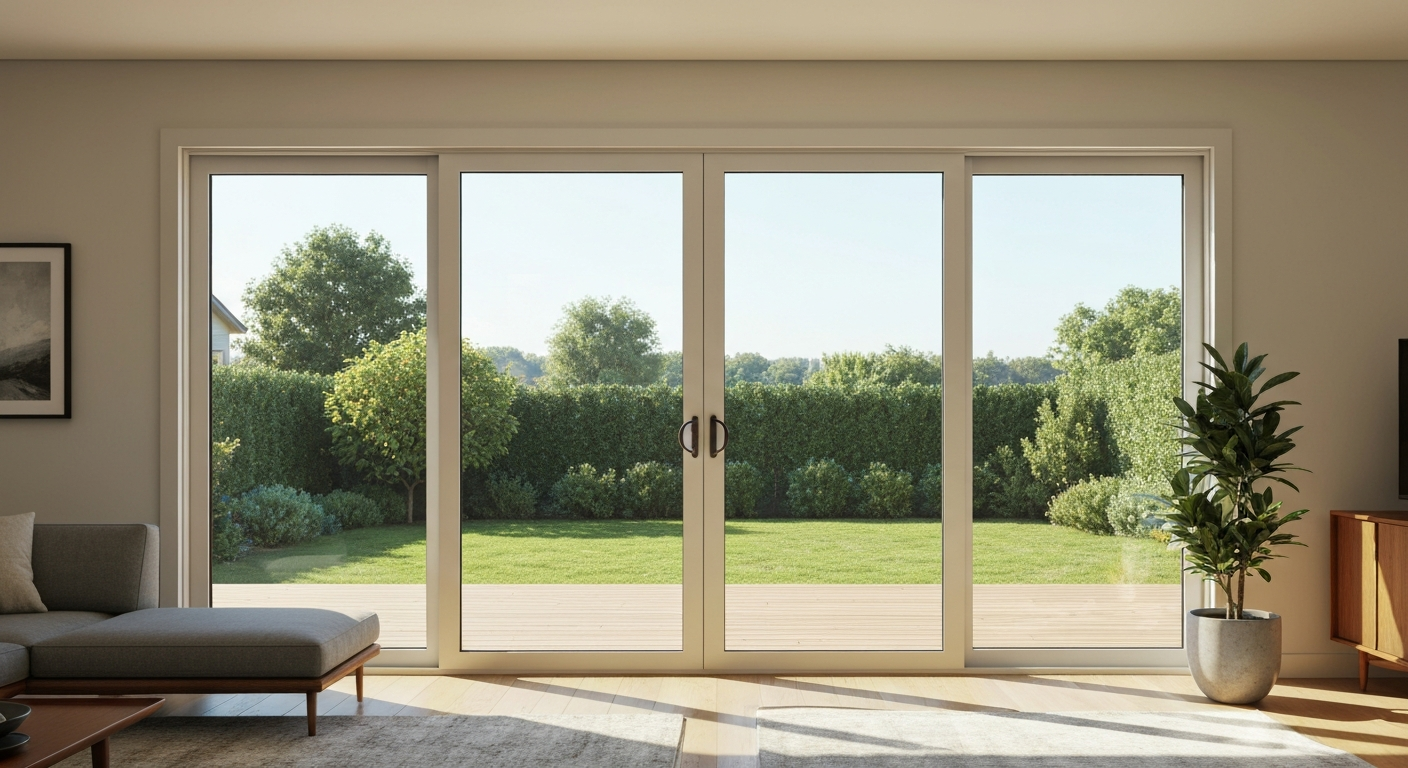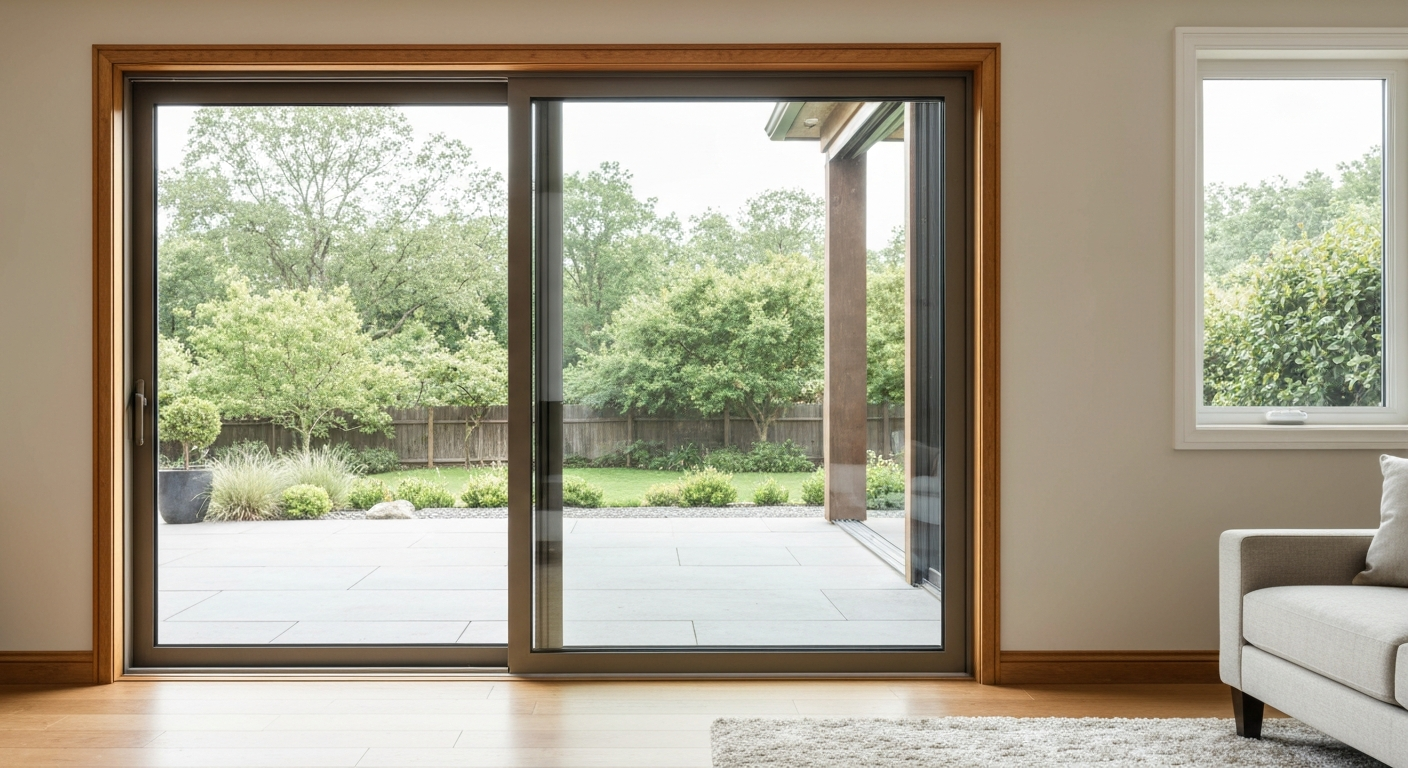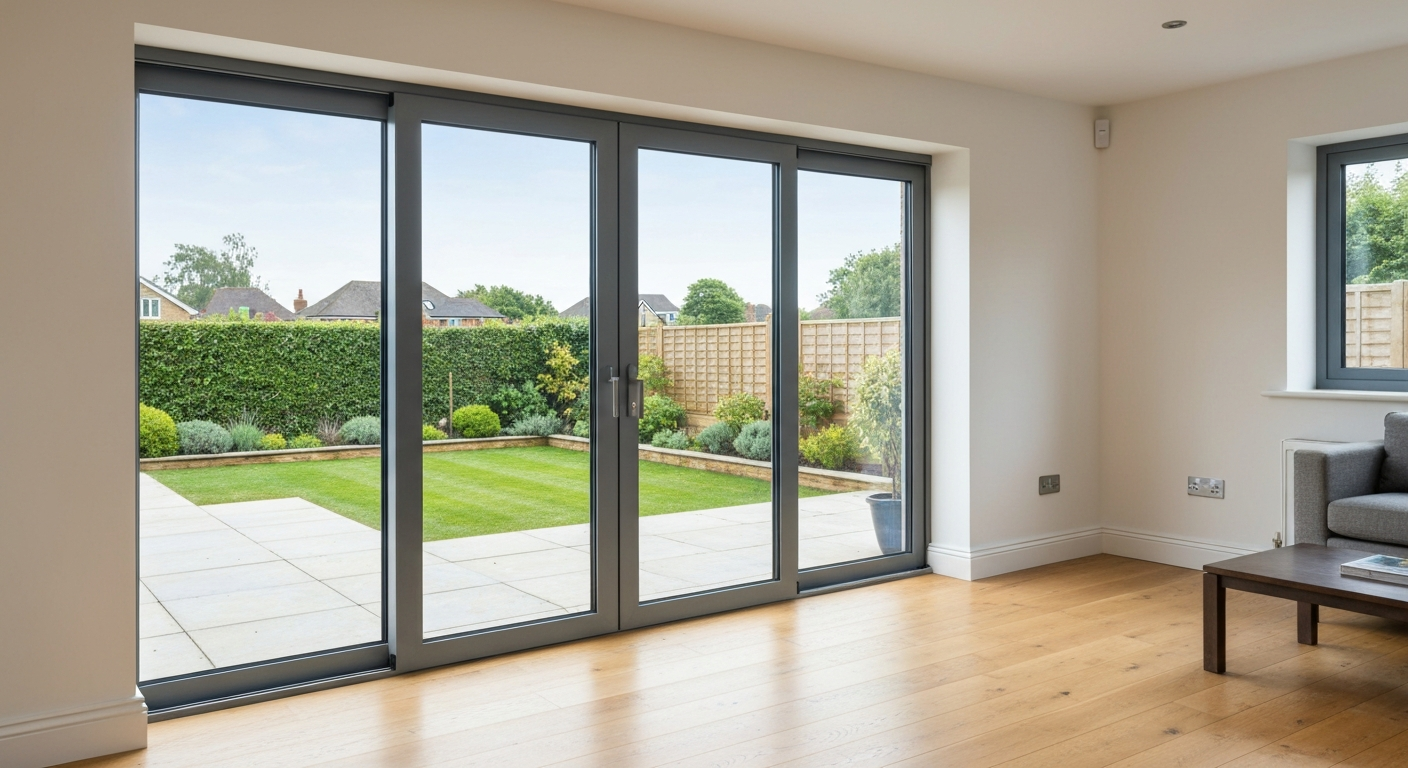
Accordion patio doors (also called bifold or folding patio doors) typically cost between $4,000 and $20,000 installed in the United States, with most homeowners landing in the $6,000 to $14,000 range for a standard residential opening. A basic 8-ft wide vinyl or aluminum system from a big-box retailer might run $4,000 to $7,000 all-in, while a premium thermally broken aluminum system from a brand like LaCantina or NanaWall covering a 16-ft span can push past $22,000 once labor and structural work are factored in. Interior folding doors are a completely different animal and cost far less, starting around $150 to $800 installed, but those are not what most people mean when they ask this question.
How Much Do Accordion Patio Doors Cost: Prices & Examples
Owen Delaney
26 Jul 2026
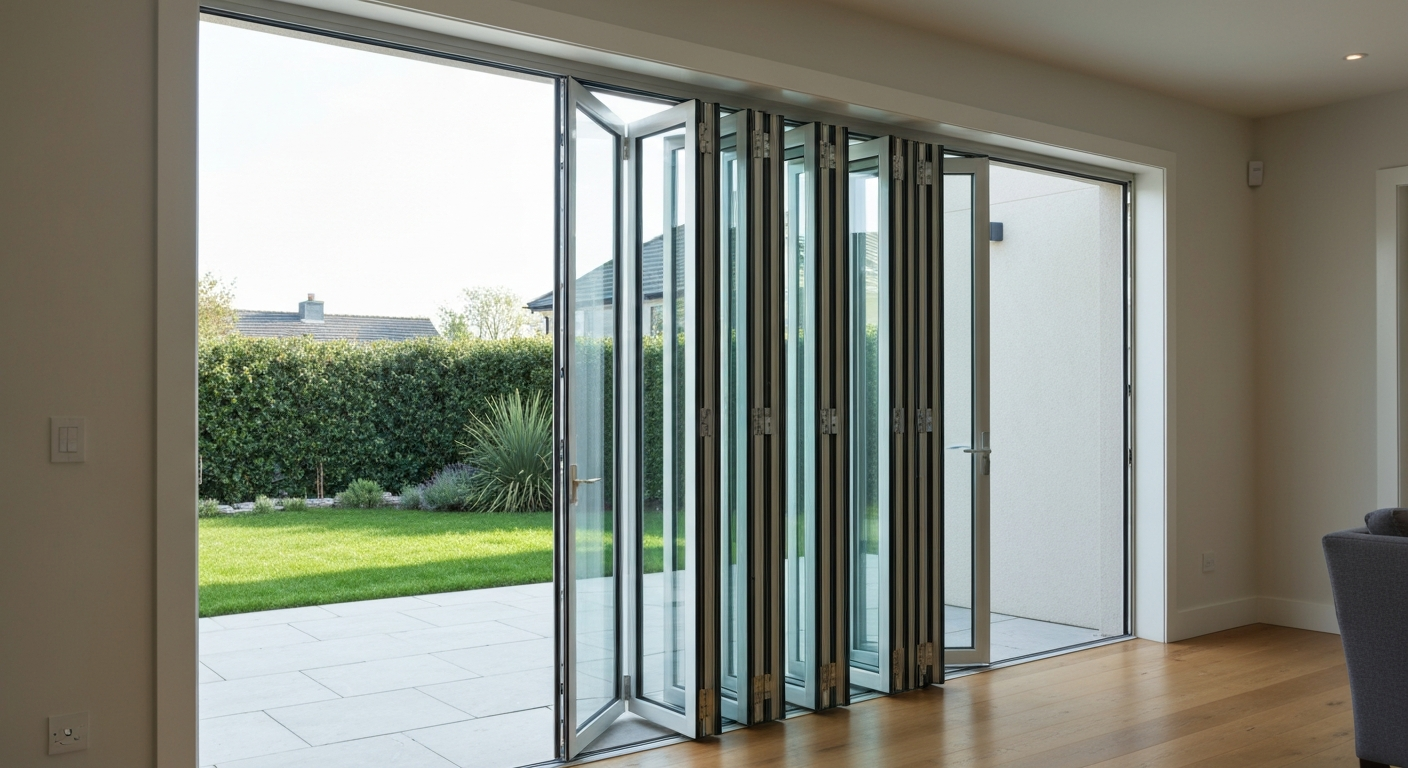
At a glance: what accordion patio doors typically cost
Before diving into the details, here is a quick snapshot of where prices land across the main market segments. These are installed costs in the US unless noted otherwise.
| Scenario | Typical installed cost (US) | Notes |
|---|---|---|
| Basic aluminum, 3-panel, ~8 ft wide | $4,000 – $7,500 | Big-box or entry-level brands, standard glass |
| Mid-range aluminum or vinyl, 4-panel, ~12 ft wide | $7,500 – $13,000 | Thermally broken frame, low-e double glazing |
| Premium aluminum, 4–6 panel, 12–16 ft wide | $13,000 – $22,000+ | Premium brands, triple glazing, motorized hardware |
| UK installed (aluminium, 3–5 panel) | £3,150 – £7,200+ | Varies by material and panel count |
| Spain (exterior aluminium, custom) | €4,000 – €12,000+ | Custom fabrication; mass-retail options are mostly interior PVC |
One thing I always tell homeowners is that the door unit itself is rarely the whole story. By the time you add labor, header work, a new sill, permits, and a retractable screen, the total cost can be 40 to 60 percent higher than the sticker price on the door. Keep that in mind as you budget.
What drives the price up (or down)
Several variables stack on top of each other to produce a final price, and understanding them prevents sticker shock when you get your first contractor quote.
Opening size
This is the single biggest lever. A 3-panel system covering an 8-ft opening uses less glass, less frame material, and requires less structural support than a 6-panel system spanning 16 ft. The ARK DESIGN 6-panel unit at Home Depot (192 in. x 96 in.) retails for $6,079.99 as a supply-only unit, which gives you a real-world anchor for what the door itself costs before installation. Scale up to a 20-ft opening and you are adding panels, more glass area, a heavier header load, and more installation time.
Frame material
Aluminum is the dominant choice for accordion patio doors because it handles the spanning load well and can be extruded into the slim sightlines people want. Thermally broken aluminum (which uses a plastic isolator inside the frame to reduce heat transfer) costs more than standard aluminum but performs dramatically better in cold climates. Vinyl is cheaper upfront and decent for smaller openings but can flex and warp on wide spans. Wood looks beautiful but demands consistent maintenance and is rarely used for full-width folding systems. Fiberglass sits between wood and aluminum on cost and is dimensionally stable, but fewer manufacturers offer folding door systems in fiberglass.
Glazing specification
The glass package accounts for a significant portion of the unit cost because accordion doors are mostly glass. Standard double-pane with low-e coating and argon fill is now the baseline. The ARK DESIGN Home Depot unit achieves a whole-unit U-factor of 0.29 and SHGC of 0.18 with that configuration, which meets ENERGY STAR requirements in most US climate zones under Version 7.0. Stepping up to triple glazing or a higher-spec IGU (insulated glass unit) adds roughly $800 to $2,500 to the unit cost depending on panel count.
Hardware, finish, and track system
The track, rollers, hinges, and locking system matter more on a folding door than on a sliding door because every panel cycles through the track constantly. Multi-point locking mechanisms, premium stainless rollers, and flush threshold systems add $150 to $800 or more at trade pricing. A custom paint or powder-coat finish adds another $300 to $1,000 depending on the frame perimeter. Anodized aluminum finishes are the most durable and sit at the top of that range.
Installation complexity and structural work
Retrofit installations (swapping out an existing large opening) are cheaper than full-frame new openings cut into an existing wall. Header and lintel work for a 12-ft to 16-ft accordion door opening often requires an engineered beam, which alone can cost $1,000 to $3,000 in materials and labor. I have seen homeowners budget $8,000 for a door and then get surprised by a $3,500 header bill they did not anticipate. Ask your contractor explicitly what the rough-opening preparation quote includes.
Breaking down every cost component
Here is how the total installed price typically breaks down across individual cost buckets. The percentages are approximate and shift based on project complexity.
| Cost component | Typical range (US) | Notes |
|---|---|---|
| Door unit (panels, glass, frame) | $3,500 – $15,000+ | Largest single line item; brand and glass spec drive this |
| Installation labor | $1,000 – $4,500 | Carpenter median wage ~$29/hr; complex installs take 8–16+ hrs |
| Header / structural work | $800 – $3,500 | Required when cutting new or widening an existing opening |
| Hardware upgrades (locks, rollers, threshold) | $150 – $1,000+ | Multipoint locks and premium thresholds sit at the high end |
| Finish / powder coat / paint | $300 – $1,000 | Custom colors cost more than standard stock finishes |
| Permits and inspections | $100 – $600 | Required in most US jurisdictions for structural exterior openings |
| Old door removal and disposal | $100 – $400 | Often included by contractors but confirm upfront |
| Retractable screen (optional) | $1,000 – $8,000+ | Manual screens ~$1,000–$3,000; motorized ~$3,000–$8,000+ |
Labor typically represents 20 to 40 percent of the total installed cost on a mid-range project. Industry trade sources report installation labor often runs 20–40% of the total installed cost, rising toward 50% on projects with heavy structural work (see How Much Do Aluminum Bifold Doors Cost?, Gladiator Window & Doors (cost breakdown, labor examples)) How Much Do Aluminum Bifold Doors Cost? — Gladiator Window & Doors (cost breakdown, labor examples). On projects that require significant structural modification, that share can climb closer to 50 percent. Always get a written breakdown from your contractor that separates the door unit cost from the labor and structural cost so you can compare quotes accurately.
Price ranges by material: vinyl, aluminum, wood, and fiberglass
Material choice shapes not just the upfront price but also long-term maintenance costs and performance. This table covers typical US installed ranges for a standard 3- to 4-panel residential accordion patio door in the 8- to 12-ft range.
| Material | Installed cost range (US) | Best for | Main trade-off |
|---|---|---|---|
| Vinyl (uPVC) | $4,000 – $8,000 | Budget-conscious buyers, mild climates | Can flex on wide spans; fewer color options |
| Aluminum (standard) | $5,500 – $12,000 | Moderate climates, slim sightlines | Conducts heat/cold without thermal break |
| Aluminum (thermally broken) | $7,000 – $18,000 | Cold climates, energy performance | Higher upfront cost; best long-term ROI |
| Wood | $8,000 – $20,000+ | High-end aesthetic, period homes | Requires regular sealing/refinishing |
| Fiberglass | $7,500 – $16,000 | Coastal/humid climates, low maintenance | Limited system availability from manufacturers |
Thermally broken aluminum is where I personally land for most homeowners in the continental US. It threads the needle between durability, energy performance, and long-term maintenance. Standard (non-broken) aluminum frames can produce significant condensation in cold-weather states and will eat into whatever you saved upfront through higher heating costs.
Brand and size examples: Milgard, ARK DESIGN, and the 8-ft scenario
Looking at specific brands and size scenarios makes the pricing much more concrete than generalized ranges.
The ARK DESIGN 16-ft unit at Home Depot
The ARK DESIGN M20-19296-2 (192 in. x 96 in., 6-panel, aluminum) retails at $6,079.99 as a supply-only unit. That is a legitimate 16-ft x 8-ft folding door system with double tempered glass, a whole-unit U-factor of 0.29, and SHGC of 0.18. Add $2,000 to $4,500 for a competent installation on a prepared opening and you are looking at $8,000 to $10,500 installed if no major structural work is needed. That is a reasonable entry point for the size, though trade and premium brands typically offer better warranty terms and more finish options.
Milgard accordion and folding door pricing
Milgard does not publish a standard folding/accordion patio door in their mainstream residential lineup the same way they do sliding patio doors, so pricing for Milgard-branded folding systems is generally obtained through authorized dealers. If you are cross-shopping, a Milgard multi-slide or stacking door in the same opening size will typically run $5,000 to $14,000 installed depending on configuration and glass package, which is a useful benchmark when comparing the full folding system cost. If you need pricing specifics, see how much do Milgard patio doors cost for typical installed ranges and dealer-quote advice. If Milgard patio door pricing is part of your research, it is worth getting a direct dealer quote since their sliding door lines are more standardized than their folding systems.
An 8-ft accordion door scenario
An 8-ft (96-in.) wide accordion patio door is probably the most common residential size because it fits a standard double-door rough opening that many homes already have, which keeps structural work minimal. A quality 3-panel aluminum system at this size from a mid-tier brand typically runs $4,700 to $8,500 installed, with the lower end of that range representing a standard-glass system on a prepped opening and the upper end including a thermal break, upgraded glass, and some site prep. At this size the door unit itself often runs $2,500 to $5,000 supply-only, and labor on a retrofit can be as low as $1,000 to $1,800 if the opening is already the right size.
Premium brand tier: LaCantina and NanaWall
LaCantina and NanaWall are the names that come up when architects and high-end remodelers specify accordion systems. For a 4-panel thermally broken aluminum system spanning roughly 16 ft, dealer quotes and trade comparisons consistently show installed prices in the $12,000 to $22,000 range, with some large custom configurations exceeding that. The price difference versus a big-box unit is driven by tighter tolerances, better hardware longevity, more robust thermal performance, and design customization options. For a straightforward residential project that does not demand architectural-grade performance, that premium may not be justified.
How prices change by region: US, UK, and Spain
If you are researching accordion door costs outside the US, the market looks quite different. Material availability, labor markets, tax structures, and building norms all push prices in different directions.
| Market | Typical installed range | Common material | Key pricing driver |
|---|---|---|---|
| United States | $4,000 – $22,000+ | Aluminum (thermally broken dominant) | Brand, glass spec, structural work |
| United Kingdom | £3,150 – £7,200+ | Aluminium (uPVC for budget) | Panel count, colour, IGU spec |
| Spain (exterior) | €4,000 – €12,000+ (custom) | Aluminium (custom fabrication) | Custom sizing, limited mass-retail options |
| Spain (interior/PVC folding) | From ~€317 | PVC | These are lightweight interior units, not patio systems |
United States
US pricing varies significantly by region. Labor costs in California, the Northeast, and the Pacific Northwest are meaningfully higher than in the South or Midwest. A $7,500 installed quote in Texas might run $10,000 for the same door and opening in San Francisco. Energy code requirements also vary by climate zone, which affects the minimum glass specification you can legally install.
United Kingdom
The UK bifold door market is mature and competitive, with many specialist glazing companies offering supply-and-fit packages. National glazing guides put installed prices for a 3-panel aluminium bifold at roughly £3,150 to £4,670, rising to £5,500 to £7,200 for a 5-panel premium aluminium system. Supply-only pricing from UK trade suppliers like Glazing Quoter shows Cortizo aluminium bifolds starting around £1,995 for a 3-panel supply-only, meaning UK installation labor and finishing typically adds £1,000 to £2,500 to the supply price. Cortizo bifold supply pricing, Glazing Quoter (UK supply‑only examples / panel economics) shows a 3‑panel aluminium bifold starting at about £1,995 supply‑only, illustrating per‑panel supply economics and common upcharges for colour, IGU spec, and hardware Cortizo bifold supply pricing — Glazing Quoter (UK supply‑only examples / panel economics). uPVC is the budget entry point in the UK and a 3-panel uPVC system can come in around £1,950 installed, but serious buyers usually move to aluminium for durability on patio openings.
Spain
Spain presents an interesting contrast. Large-format exterior aluminium bifold patio systems are not commonly stocked by mass-market retailers like Brico Depôt, which does offer prefabricated interior folding PVC doors from around €317. Those are interior units and are not a like-for-like comparison with an exterior patio system. For a genuine exterior accordion patio door in Spain, buyers typically work with local aluminium fabricators or specialist glazing companies, and custom exterior systems tend to run €4,000 to €12,000 or more installed depending on configuration, glazing, and thermal spec. For detailed, region-by-region pricing, installation tips, and supplier guidance specific to Spain, see how much do patio doors cost in spain. Climate in southern Spain also affects glass spec requirements differently than northern regions.
Three sample quotes: basic, mid-range, and high-end
These are annotated illustrative quotes designed to show how line items stack up across three project scenarios. Actual quotes will vary based on your location and contractor.
| Line item | Basic (3-panel, 8 ft, vinyl) | Mid-range (4-panel, 12 ft, therm. broken aluminum) | High-end (6-panel, 16 ft, premium aluminum) |
|---|---|---|---|
| Door unit (supply) | $2,800 | $6,500 | $14,000 |
| Installation labor | $1,200 | $2,500 | $4,000 |
| Header / structural work | $0 (existing opening) | $1,500 | $3,000 |
| Hardware upgrades | $150 | $400 | $900 |
| Finish / powder coat | $0 (stock white) | $350 | $800 |
| Permits and inspection | $150 | $250 | $450 |
| Old door removal / disposal | $150 | $200 | $300 |
| Retractable screen (manual) | $0 (not included) | $1,200 | $0 (motorized, see below) |
| Motorized screen | $0 | $0 | $4,500 |
| TOTAL (estimated installed) | ~$4,450 | ~$12,900 | ~$27,950 |
The basic scenario is realistic for a homeowner who has an existing appropriately sized opening, is comfortable with a vinyl system on a narrower span, and is not adding a screen. The mid-range scenario is the most common real-world project I see, and the $12,000 to $13,000 total feels like the honest number once people account for all the add-ons they did not initially plan for. The high-end scenario with the motorized screen is for the homeowner who wants the full indoor-outdoor living experience and is willing to pay for it.
How installation method and site conditions change your total
This is where a lot of budgets fall apart, and it is worth spending real time on before you sign anything.
Retrofit vs. full-frame new opening
A retrofit install means you are replacing an existing opening that is already the right size, the rough opening is prepped, and the structural support is in place. This is the cheapest scenario and is where that $1,000 to $1,800 labor figure is realistic. A full-frame install into an existing wall means cutting the opening, building or installing a proper header to carry the load above, possibly modifying the floor sill plate, and then installing the door. For a 12-ft to 16-ft opening this structural work alone often runs $1,500 to $3,500 depending on what is above the wall (single-story vs. load-bearing two-story construction).
Header and lintel work
Accordion patio doors create wide, unobstructed openings, which means the structure above the opening needs an engineered beam or a properly sized header to carry the load that the wall studs previously carried. In a non-load-bearing wall, a standard doubled-up lumber header may suffice and cost a few hundred dollars. In a load-bearing wall, an engineer may need to spec a steel or LVL beam, permits are almost always required, and the cost can reach $2,000 to $4,000 just for this element. Your contractor should be able to tell you at the initial site visit whether the target wall is load-bearing.
Floor and threshold conditions
A flush threshold (where the interior floor and the exterior surface are at the same level) is the premium finish and requires planning at rough-framing stage or significant floor modification on a retrofit. A standard raised threshold is cheaper to install but creates a trip hazard and limits accessibility. If your existing slab or decking is not level, you may need grinding, shimming, or a custom threshold system, adding $300 to $1,000 to the bill.
Decision points to watch for before you sign a quote
- Ask specifically: is the rough opening already the right size, or does it need to be cut or widened?
- Confirm whether the wall is load-bearing and whether an engineer's sign-off is included in the quote.
- Check if permits are included or quoted separately — in most US jurisdictions an exterior structural opening requires one.
- Verify that the threshold prep is included, especially if you want a flush or low-profile threshold.
- Confirm old door removal and disposal are covered — some contractors itemize this separately.
- Ask about the track system: top-hung vs. bottom-rolling tracks have different subfloor requirements and load ratings.
- Check lead times: premium brands like LaCantina often have 8- to 14-week lead times for custom configurations.
- Clarify who handles any required NFRC documentation or energy code compliance paperwork for your jurisdiction.
Accordion doors vs. other patio door types: a quick cost comparison
Accordion doors are not the cheapest way to open up a wall, and it is worth knowing how they compare to the alternatives before committing. Sliding patio doors (including 8-ft models) are generally the most affordable option for a given opening width. If you are in the UK and comparing options, see our guide on how much sliding patio doors cost UK for local pricing, typical installed ranges, and installation considerations how much do sliding patio doors cost UK. If you want specific pricing for that size, see a dedicated guide on how much does an 8 ft sliding patio door cost for typical supply-and-install ranges and factors that affect price. French doors top out around $5,000 to $8,000 installed. Multi-slide or lift-and-slide doors occupy a similar or slightly higher price tier to accordion systems and are worth considering if you want a cleaner sightline without the panels folding out. The main advantage of the accordion/bifold format is that it opens nearly the full width of the frame with no panel parking space required inside or outside, which makes it uniquely good for indoor-outdoor living spaces where you want the entire wall to disappear.
| Door type | Typical US installed range | Max practical opening | Key trade-off vs. accordion |
|---|---|---|---|
| Sliding patio door (standard) | $1,500 – $5,500 | Up to ~12 ft | Cheaper, but only 50% of the opening clears |
| French doors | $2,500 – $8,000 | Up to ~8 ft | Classic look; limited opening width |
| Multi-slide / lift-and-slide | $6,000 – $20,000+ | Up to 20+ ft | Similar cost; panels stack vs. fold |
| Accordion / bifold | $4,000 – $22,000+ | Up to 30+ ft | Maximum opening; panels fold to one or both sides |
Accessories, add-ons, and lifetime cost considerations
The door unit and installation are not the end of the cost conversation. Retractable screens for accordion doors are a popular add-on and a meaningful expense. Manual retractable screens for a patio-scale opening commonly run $1,000 to $3,000, while motorized versions designed for larger spans typically cost $3,000 to $8,000, and very large or wind-rated motorized screens can exceed $8,000 to $20,000. Integrated blinds (enclosed between the glass panes) add $500 to $1,500 to the door unit cost but eliminate the need for interior window treatments. Security hardware upgrades beyond the standard multi-point lock system add $150 to $500.
On the lifetime cost side, thermally broken aluminum frames typically last 30 to 40 years with minimal maintenance beyond cleaning the tracks and lubricating the rollers annually. Vinyl systems in wider spans may show deflection after 10 to 15 years. Wood systems look superb but plan for refinishing every 3 to 5 years in exposed locations, which adds up. Energy savings from a high-performance U-factor (0.29 or lower, argon-filled, low-e glass) versus a builder-grade non-low-e unit can be measurable in homes in heating-dominated climates, though the payback period on the glass upgrade alone is typically 8 to 15 years.
Practical next steps for getting the right quote
Start by measuring your rough opening (width and height of the framed space, not the existing door), and check whether the wall is load-bearing before you contact anyone. Get at least three quotes and make sure each one breaks out the door unit cost separately from labor, structural work, and permits. If contractors are quoting all-in without line-item detail, push back and ask for the breakdown so you can compare them accurately.
- Measure the rough opening precisely (width x height in inches) before requesting any quotes.
- Determine if the wall is load-bearing — ask a contractor or structural engineer if unsure.
- Decide on material and thermal performance requirements before shopping (this narrows your brand list significantly).
- Request at least three itemized quotes that separate unit cost, labor, structural work, and permits.
- Ask each contractor for their glass package U-factor and SHGC to compare energy performance across quotes.
- Confirm lead times, especially for premium or custom-color systems that may require 8 to 14 weeks.
- Budget a 15 to 20 percent contingency for structural surprises, especially in older homes.
- Check your municipality's permit requirements before work begins — unpermitted structural openings can create problems at resale.
FAQ
What is the typical installed cost range for accordion (bifold) patio doors?
Typical installed ranges vary broadly by country, size, material and site work. In the U.S. expect roughly $4,000 to $20,000+ installed for exterior folding/bifold patio systems. Mid‑range projects commonly fall between $4,000–$12,000; premium brand, large spans or major structural work can push $12,000–$25,000+. In the UK typical installed ranges are about £1,950 (basic uPVC 3‑panel) up to £7,200+ (premium aluminium multi‑panel). In Spain and other EU markets, small interior folding doors can be a few hundred euros (supply), while exterior aluminium systems follow similar premium ranges to the UK when supply+fit.
How much does an 8‑ft (96") wide bifold unit typically cost? Any brand examples?
For roughly an 8‑ft (96") opening: supply+install of a good quality glass bifold in the U.S. commonly quotes about $4,700–$13,000 depending on material, glass and site work. Retail supply examples exist (e.g., large retailer aluminium folding sets around $6,000 for wide multi‑panel sets), while premium dealers (Origin, LaCantina, NanaWall) will quote higher for thermally broken aluminium with high‑performance glass (often $8k–$15k+ installed for that span). UK supply‑only 3‑ or 4‑leaf aluminium starts lower (supply from ~£2,000–£3,500) with installed prices in the £3k–£5k band for typical projects.
What are the main components in the total cost?
Major cost components: 1) Unit/materials: frame, glass (IGU), seals and hardware — usually the largest share. 2) Glass/performance upgrades: low‑E, argon fill, laminated/tempered or structural IGUs. 3) Hardware: hinges, rollers, multi‑point locks, meeting stiles. 4) Labor/installation: frame set, flashing, threshold, finishes, structural header work. 5) Structural/site work: lintel/header installation, floor/threshold modification, brick/brickwork or plaster repairs. 6) Accessories/add‑ons: retractable screens, blinds, motorization, security upgrades. 7) Finishes and extras: paint/colour powder coat, drainage/sills, trim. 8) Permits/inspections (where required). Typical split on mid/high‑end installs: ~60–80% materials + 20–40% labor; heavy structural work increases labor share.
Can you show an illustrative cost‑component table and example line‑item quote?
Yes — in the article include tables. Example line‑item (illustrative U.S. mid‑range 8‑ft system): - Supply: aluminium bifold system (4 leaves, double glazed low‑E, argon): $4,500 - Hardware (multi‑point lock, rollers, threshold): $550 - Labor (installation, flashing, trim): $1,800 - Structural header/repair (minor): $700 - Retractable screen (manual): $1,200 - Permits/inspection: $150 - Finishes/paint: $200 Total example: $9,100. Table rows in the article will breakdown ranges per component (low/mid/high) so readers can compare.
How do door size and panel count affect price?
Larger spans and more panels increase cost because: 1) more frame and glass area = higher material cost; 2) wider leaves may need heavier-duty hardware or thermally broken frames; 3) large spans often require stronger headers or lintels, increasing structural work and labor. Per‑leaf pricing is common with supply quotes, so adding leaves steps up unit price roughly proportionally (with some economy of scale). Very large single‑track systems can jump steeply in price due to custom engineering and higher wind/deflection specs.
How does material (aluminium vs uPVC vs wood) change cost and performance?
Aluminium: typically higher supply cost than uPVC, preferred for large spans and slim sightlines, often thermally broken for energy performance — mid to high price. uPVC: lowest cost option for supply, common in UK/Europe for economy installs, limited maximum leaf size and slimmer structural capacity. Wood: premium finish and higher supply/maintenance cost; often combined with aluminium cladding for lower maintenance (aluminium‑clad wood is pricier). Choice affects price, lead time, movement tolerances, and energy performance (aluminium with thermal break or engineered wood + IGU can meet high energy targets).