Most homeowners end up paying somewhere between $1,550 and $6,250 for a patio door or large glazed opening replacement, fully installed. Angi reports patio door replacement projects typically cost between about $1,550 and $6,250, depending on door style and installation complexity. That middle range covers the majority of straightforward swaps, sliding glass doors, standard French door units, and basic window wall replacements in typical existing openings. If you're going budget vinyl on a simple slider swap, you can get out closer to $600–$800 all-in. If you're doing a wide bifold or a custom wood French door with triple-pane glass, you could push $8,000–$10,000 or more. The key is knowing which factors are pulling your number up or down before you start calling contractors.
How Much Do Patio Windows Cost? Installed Price Guide
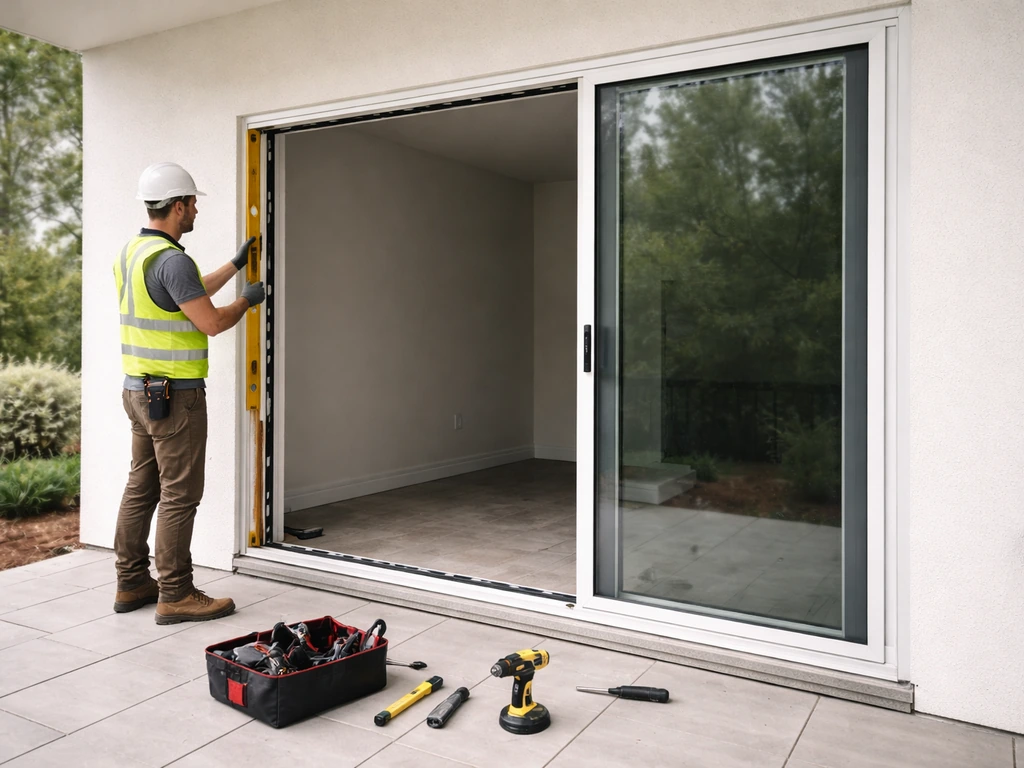
What you'll actually pay: materials vs. installed costs
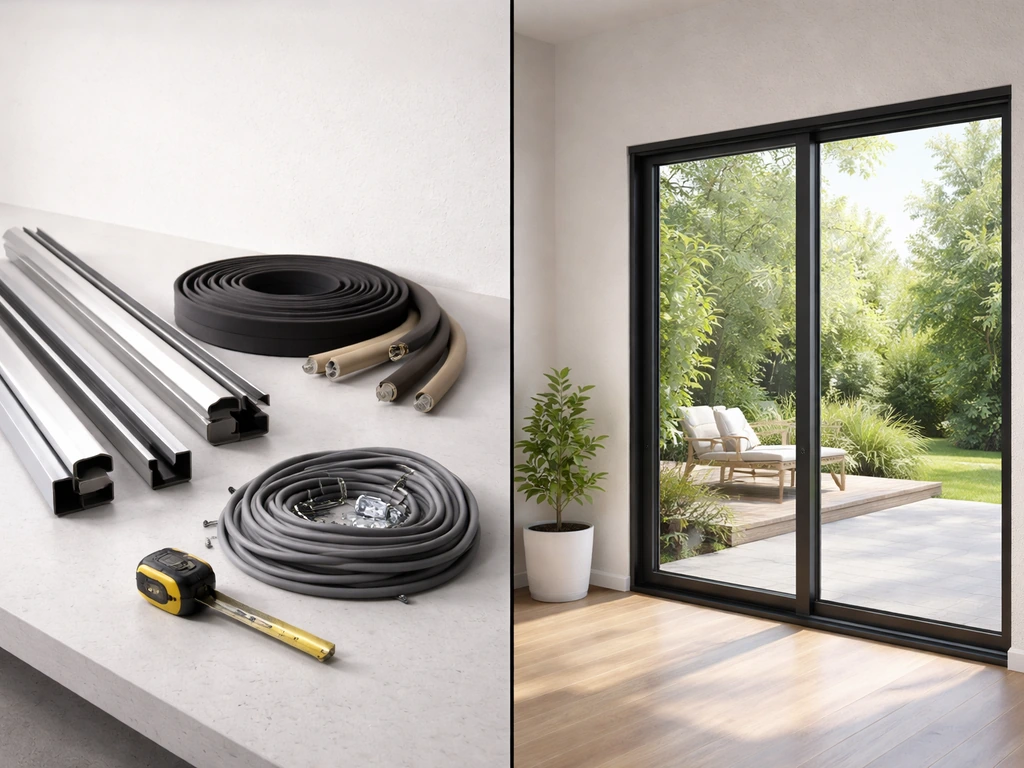
There's a real gap between what you see on a product page and what shows up on the final invoice. A decent mid-range sliding patio door unit might list for $1,350 to $2,100 depending on glass package (standard dual-pane vs. Low-E vs. triple-pane). But by the time you add labor, hauling out the old door, and any trim work, that same door typically runs $2,500 to $4,500 installed. Home Depot's installed sliding door service, for example, shows real-world pricing closer to $6,000–$7,400 for a fully installed Low-E sliding unit, and that's before any structural surprises.
| Door / Opening Type | Materials Only (Rough Range) | Fully Installed (Typical Range) |
|---|---|---|
| Vinyl sliding patio door (standard 6 ft) | $400–$1,200 | $600–$3,500 |
| Aluminum sliding patio door | $600–$1,800 | $1,000–$4,500 |
| Wood or fiberglass sliding door | $1,200–$3,500 | $2,500–$6,500 |
| Standard French door unit | $800–$2,500 | $2,000–$6,000 |
| Bifold / multi-panel door system | $2,500–$6,000+ | $4,500–$10,000+ |
| Patio window replacement (picture/casement) | $300–$1,500 | $600–$3,500 |
Labor alone typically runs $400 to $1,400 for a standard patio door replacement, according to Angi. That number goes up if there's rot, structural work, or a non-standard rough opening involved. Removal and disposal of your old unit adds roughly $95 to $250 on top of that.
What drives the price up (or keeps it down)
Size and rough opening
Standard widths, 5 ft, 6 ft, and 8 ft for sliders, are the cheapest because manufacturers produce them at volume and contractors install them every week. The moment you go custom (say, a 9 ft or 11 ft wide opening, or a non-standard height), prices jump 20–40% on materials alone, and installation labor increases because the contractor has to deal with header modifications, custom framing, and longer install times.
Frame material
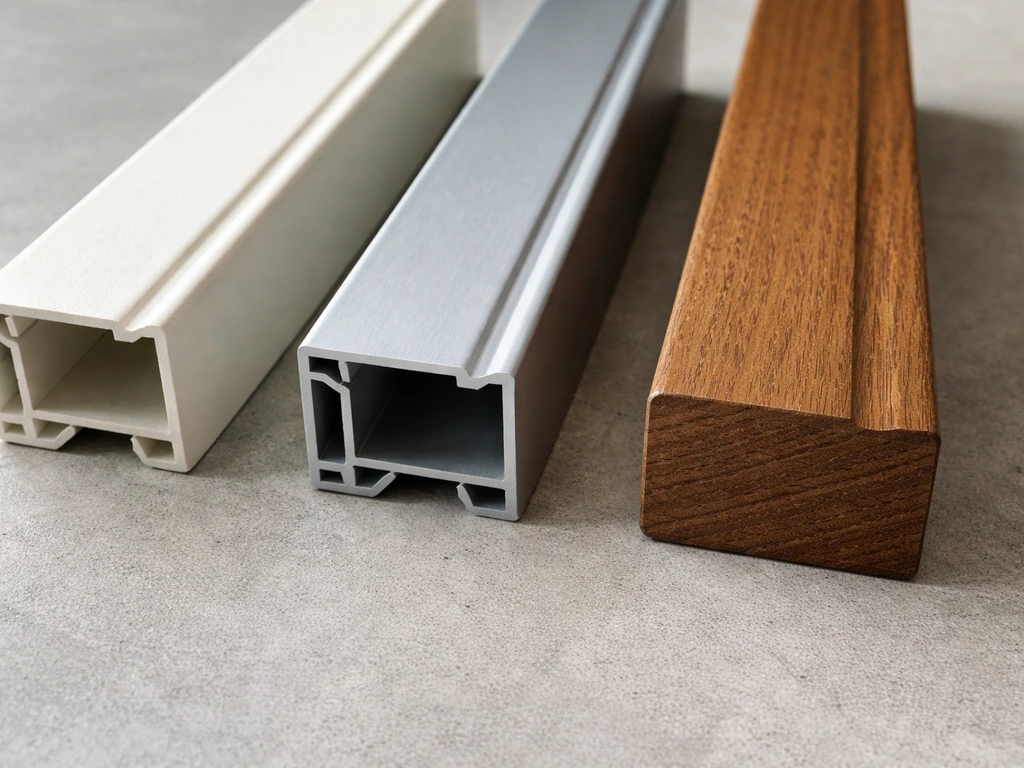
Vinyl is the cheapest and lowest-maintenance option, it doesn't rot, doesn't need painting, and insulates well. Aluminum costs a bit more, holds up well in coastal climates, but conducts heat and cold more than vinyl. Wood looks beautiful but needs regular sealing or painting and costs significantly more upfront. Fiberglass sits at the top of the price range but offers excellent strength, insulation, and longevity, it's worth the premium in extreme climates. For most homeowners on a budget, vinyl is the practical choice.
Glass package
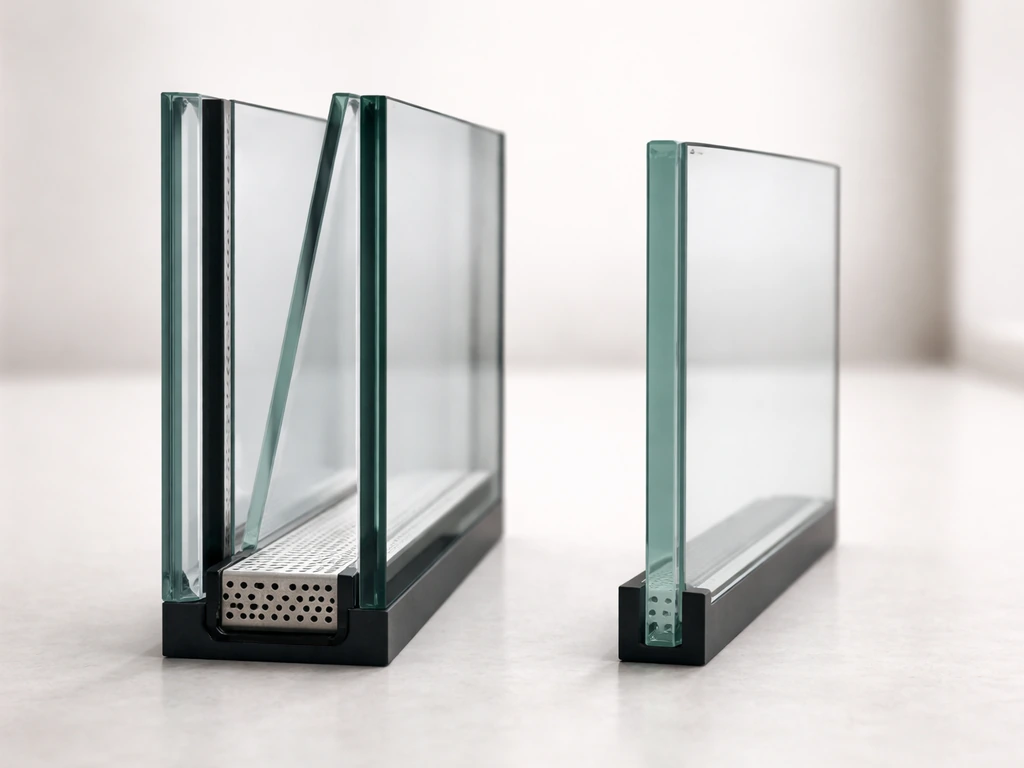
Single-pane glass is basically gone from new installations, you'd only see it in very old existing units. Dual-pane (double-pane with an argon gas fill) is the standard baseline. Low-E coatings add $50–$200 to the unit price but meaningfully reduce solar heat gain and UV damage, which pays back in lower energy bills especially in hot or sunny climates. Triple-pane is the premium tier, add another $200–$500 to the unit cost, and it makes the most sense in cold-weather climates where you're trying to hold heat in. For a 6 ft sliding door, the difference between a standard dual-pane and a triple-pane glass package can be $500–$800 in materials alone.
Custom vs. standard sizing
If your rough opening matches a standard door size, you're in luck, you'll spend less on materials, have more options from manufacturers, and contractors can install it faster. If your opening is odd-sized, you're either paying for a custom unit or paying a carpenter to resize the opening (or both). Always measure your rough opening before calling for quotes, not just the door itself.
Installation costs broken down
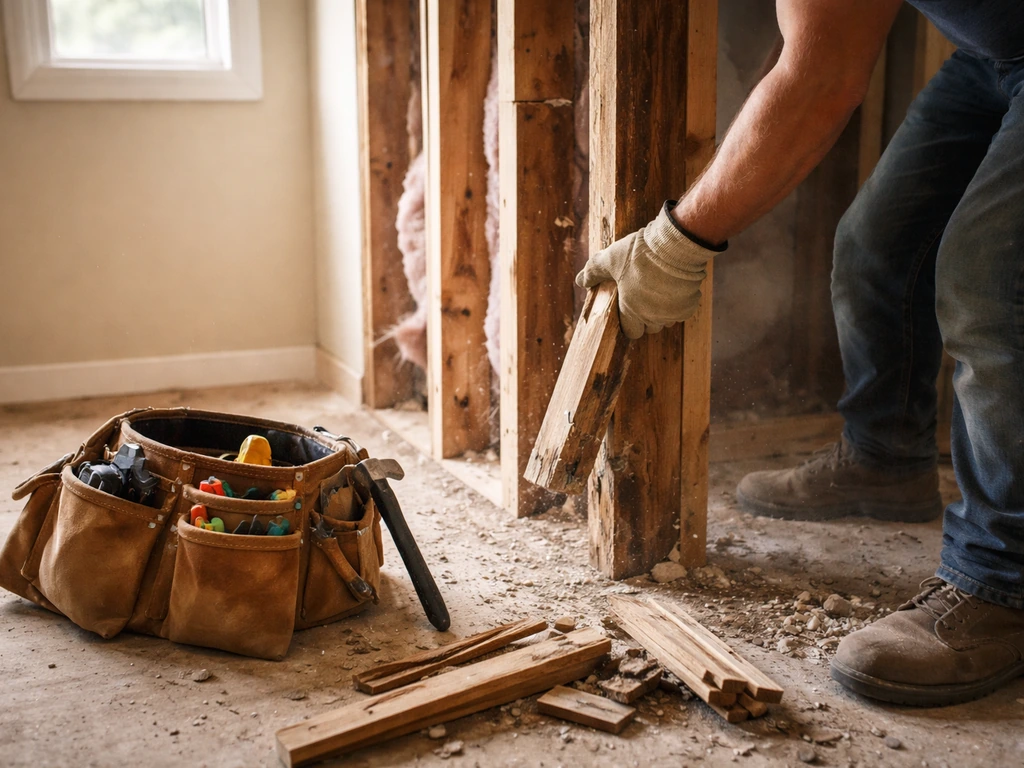
Here's where a lot of estimates go sideways: the quote looks reasonable, then the contractor opens the wall and finds rot, incorrect flashing, or a header that needs sistering. That's not a contractor trying to upsell you, it's genuinely common in homes over 15 years old. Build a 10–15% contingency into your budget for surprises.
- Labor (standard replacement, no structural changes): $400–$1,400
- Removal and disposal of old unit: $95–$250
- Structural repairs (rot, header work, reframing): $200–$1,500+ depending on scope
- Trim, casing, and interior finishing: $150–$500
- Permits: $50–$300 in most jurisdictions (required when enlarging an opening or in some municipalities for any exterior door work)
- Weatherproofing, flashing, and caulking: usually included in labor, but confirm this
Permits are worth flagging specifically. Most straight door-for-door replacements in the same opening don't require a permit in many areas, but if you're changing the size of the opening, adding a door where there wasn't one, or working in a jurisdiction with strict building codes (California, Florida, and many coastal counties come to mind), you'll need one. Always ask your contractor whether a permit is required, if they say 'don't worry about it' without actually checking, that's a red flag.
Sliding, French, and bifold: which style costs what
Sliding glass doors are the most affordable entry point. A vinyl slider in a standard 6 ft opening, fully installed, typically runs $800 to $3,500. They're easy to maintain, widely available, and most contractors can install one in half a day. The downside is the panel that doesn't open, you lose half your doorway width, which matters for furniture moves and airflow.
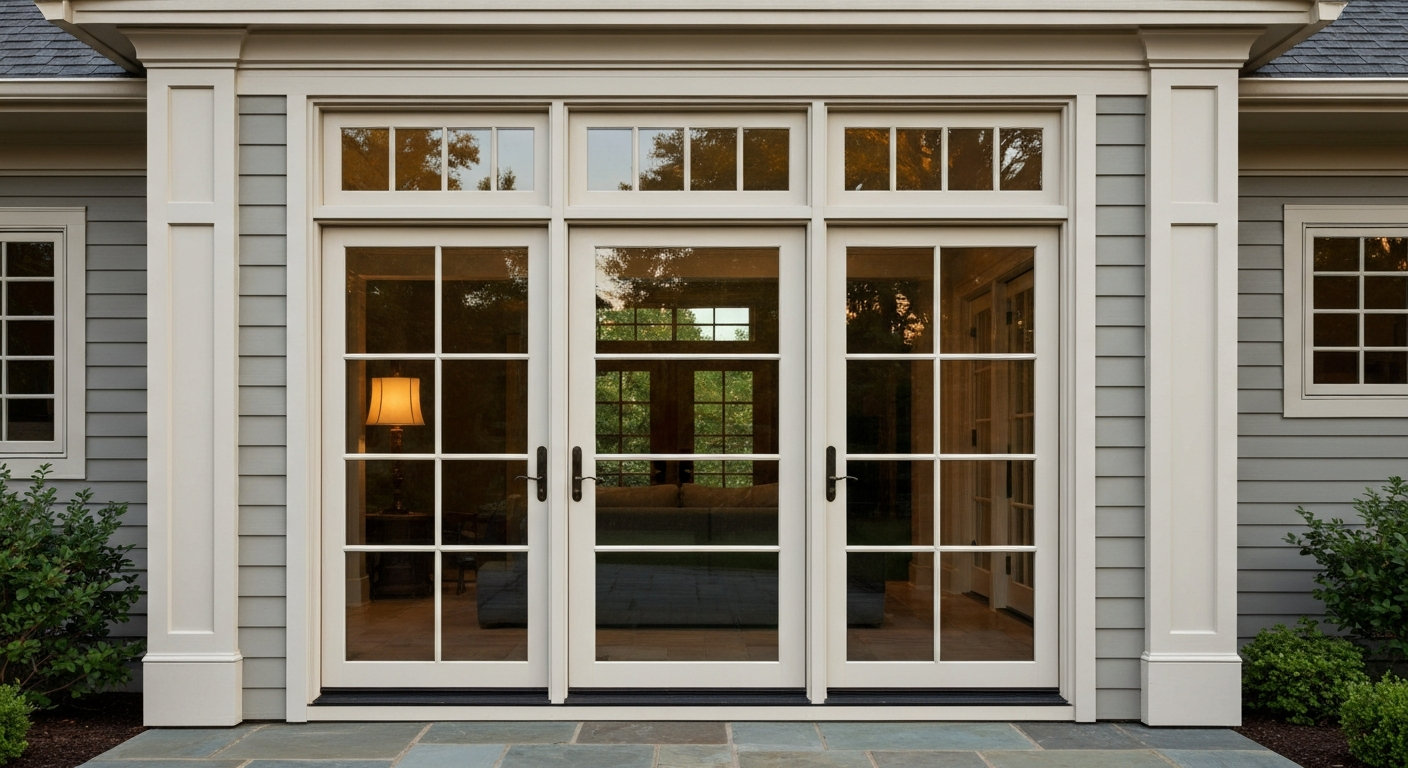
French doors (two hinged panels that swing open) typically cost more to install, plan on $2,000 to $6,000 installed for a standard unit. The added cost comes from the more complex frame, the weight of the panels, and the hardware. They give you a full-width opening and a more traditional look, but they need clearance to swing and don't work as well on small decks or tight spaces.
Bifold and multi-panel systems are the premium option, they fold back completely to open up an entire wall to your patio. These start around $4,500 installed and can easily reach $10,000 or more for wide spans with high-end aluminum or fiberglass frames and premium glass. They're increasingly popular in open-plan homes but require solid structural framing and a contractor experienced with the system.
If you're replacing individual patio-adjacent windows rather than a door unit, picture windows, large casements, or a window wall, costs are generally $600 to $3,500 per window installed, depending on size, frame material, and glass package. A large fixed picture window over a door can be $1,500 to $2,500 installed on its own.
Add-ons and accessories that change your total
The door or window unit itself is rarely the end of the spending. Vertical blinds for patio doors are usually priced based on the door height, track width, and whether you choose inside-mount or outside-mount options. Here are the most common add-ons and what they typically cost.
- Screen doors or retractable screens: $100–$500 for a standard screen, $400–$1,200 for retractable systems
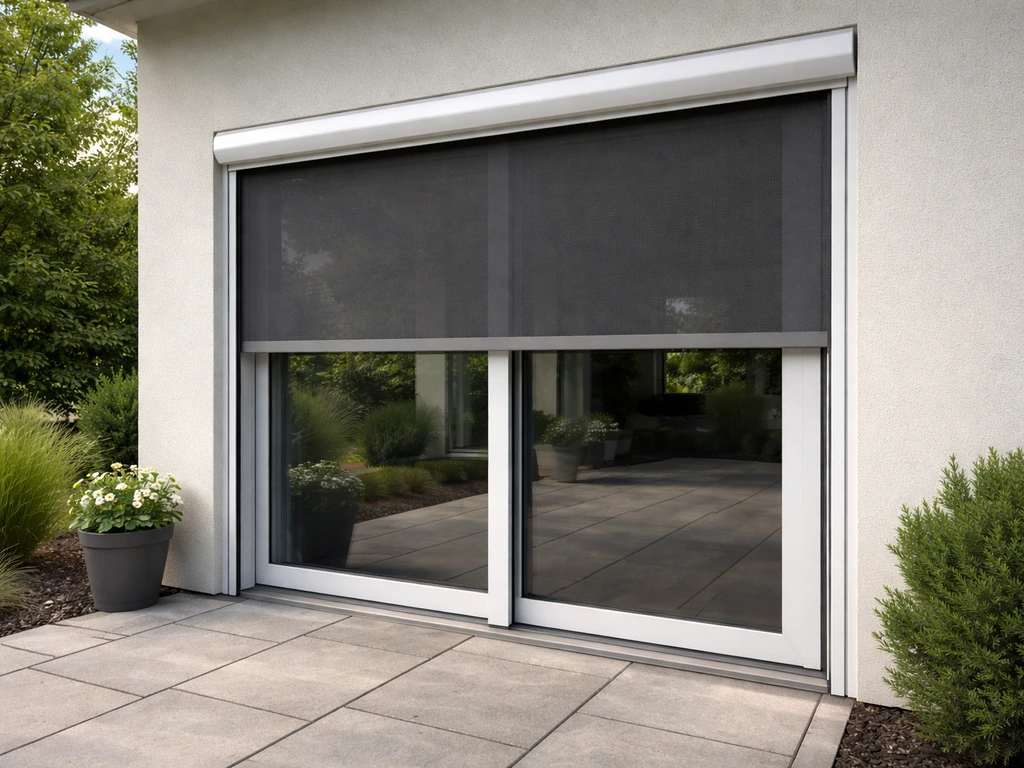
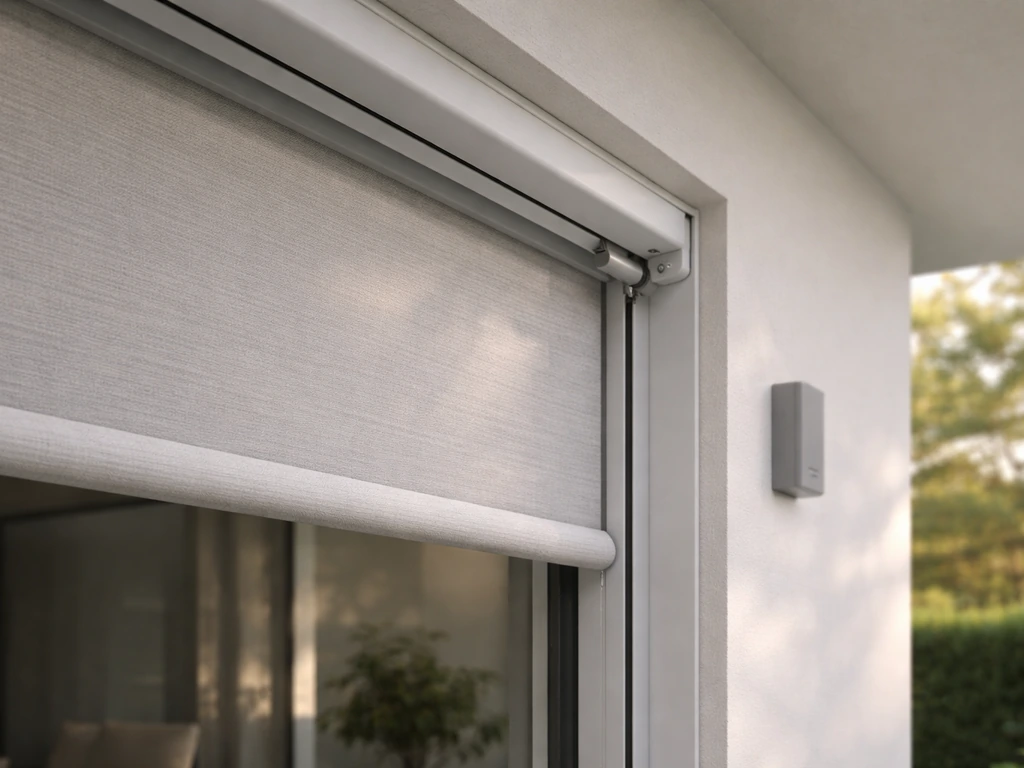
- Motorized patio screens: $1,000–$3,500+ depending on size and system — a meaningfully bigger investment than standard screens
- Security locks and multi-point locking hardware: $50–$300 depending on complexity; some premium doors include multi-point locks, many don't
- Window film or UV coating (applied after install): $50–$200 per opening
- Interior coverings — vertical blinds, cellular shades, or panel tracks for patio doors: $100–$600 depending on style
- Motorized interior shades or blinds: $400–$1,500 per opening, installed
- Threshold replacement or adjustable sill: $75–$200 if the existing sill is damaged or mismatched
Screens and coverings are easy to overlook when budgeting but are often the first things you'll want after installation. Patio blinds, vertical blinds, and cellular shades for sliding doors add privacy and light control, and if you're doing motorized patio screens or motorized shades, those costs can add up as meaningfully as the door itself. Factor them in upfront so you're not surprised later.
How to measure and get quotes that actually mean something
Vague quotes are useless. The more specific information you give a contractor upfront, the more accurate and comparable your bids will be. Before you call anyone, gather these measurements and details.
- Measure the rough opening width and height (not the existing door — the actual framed opening). Width x height in inches.
- Note the door or window thickness (the wall depth), which affects frame and jamb sizing.
- Identify your current frame material so the contractor knows what they're removing.
- Note whether the opening is load-bearing (if there's a floor above it, it likely is).
- Describe the condition of the surrounding trim, sill, and framing — any visible rot, water damage, or cracking.
- Know which direction the door swings or slides (active panel left or right, inswing or outswing for French doors).
- Specify your preferred frame material and glass package (vinyl/Low-E is a good default to quote against).
- Ask each contractor to break out materials, labor, removal/disposal, permit fees, and trim work separately — not just a lump sum.
Get at least three quotes. Compare them line by line, a lower total might mean the contractor left out permit fees or trim work that another included. Ask each one what warranty they offer on labor (one year is standard; some offer three) and what the door manufacturer's product warranty covers. Most vinyl and fiberglass frames carry limited lifetime warranties on the frame, but glass seal warranties are typically 10–20 years.
On DIY vs. professional installation: patio door replacement is a manageable DIY project if you have carpentry experience, but it involves working with heavy panels, precise shimming, weatherproofing details that matter a lot long-term, and (in some cases) structural modifications. Most homeowners without solid DIY experience will spend more fixing a botched install than they saved on labor. Unless you're very confident, hire a pro for anything beyond a simple same-size slider swap.
Choosing the right option for your climate and goals
Climate should drive your glass and frame choices more than anything else. In cold-weather states (the upper Midwest, Northeast, Pacific Northwest), triple-pane Low-E glass and vinyl or fiberglass frames are worth the extra cost, the energy savings are real and the comfort difference is noticeable. In hot climates (the Southwest, Gulf Coast, Florida), Low-E dual-pane with a solar heat gain coefficient (SHGC) below 0.25 is what you want. It blocks radiant heat while still letting in light. Aluminum frames work fine in dry desert climates but aren't ideal in humid coastal areas where corrosion accelerates.
If airflow is your priority, sliding doors and French doors both deliver, but a screen system matters as much as the door itself for day-to-day ventilation. If privacy is the concern, think about your covering solution alongside the door, taller or wider openings may need panel track blinds or motorized screens to be practical. Motorized patio screens can add cost on top of your door, but they’re often worth it for privacy and easy daily airflow how much do motorized patio screens cost.
For most homeowners doing a standard replacement on a budget: a vinyl sliding door with Low-E dual-pane glass, professionally installed, in the $2,000–$3,500 range delivers solid performance, low maintenance, and good energy efficiency in almost any U.S. climate. If you have more flexibility in the $4,000–$6,000 range, a fiberglass French door or a wider slider with triple-pane glass is worth the upgrade. Above $6,000, you're moving into bifold systems, premium custom sizes, or high-end wood units, genuinely great products, but the return depends heavily on how much you use the space and whether you're staying in the home long-term.
Your next steps: measure your rough opening today, note the condition of your existing frame, and request three detailed quotes from local contractors specifying the door style, frame material, and glass package you want. Patio blinds follow a similar pricing logic, with material, size, and installation method being the biggest cost drivers. That process alone will give you a real number for your specific home, far more useful than any national average.
FAQ
Do patio windows and patio doors cost the same, or is “how much do patio windows cost” different?
It’s different. Patio windows, even when they’re part of a larger glazed wall, are usually priced per window unit (often $600 to $3,500 installed each), while patio doors are priced per opening and usually run $1,550 to $6,250+ installed depending on style and glass package. A “window wall” or large fixed opening can blur the line, but the installer typically quotes by unit type and how many operable panels there are.
What’s the cheapest option if I only need daylight, not a door?
A large fixed picture window over where a door would have been is often the least expensive way to add light, typically around $1,500 to $2,500 installed for many common large sizes. Because it has no moving panels, you usually avoid some of the hardware cost that drives up sliding and French-door pricing.
How much does customizing my size actually affect the final price?
Custom sizing usually increases the material cost first, commonly by 20% to 40% on the unit itself, then can add labor because the rough opening or header may need changes. If you can adjust your plan to fit a standard width and height (like common 5 ft, 6 ft, or 8 ft slider sizes), you often save more than trying to “trim down” the install.
Is Low-E glass always worth the extra cost?
Often yes, but prioritize based on your climate and sun exposure. In hot or sunny areas, Low-E dual-pane with the right solar heat gain characteristics can reduce cooling load and UV fading. In colder climates, triple-pane is usually most beneficial, especially if you’re trying to reduce drafts and heat loss, not just save on energy.
What should I budget for aside from the door or window itself?
Budget early for screens and covering solutions, since they’re frequently the first “surprise” items after installation. Motorized patio screens and motorized shades can add cost comparable to a meaningful portion of the door/window package, especially if you want remote control and multiple sections.
How can I tell if a quote is missing things like permits or trim?
Compare line items, not just the total. Ask whether the quote includes permit fees, removal and disposal, exterior and interior trim, and any weatherproofing or flashing upgrades. A low total sometimes means something has been excluded, especially for older homes where the installer may discover rot or flashing issues once the unit is removed.
Do I need a permit for replacing a patio opening, and how should I ask?
Sometimes yes, sometimes no. Door-for-door replacements in the same opening may be treated differently than changing the size of the opening or adding a door where none existed. When you ask, use a direct question like “Will you pull the permit if required by our city/county?” and request their permit plan in writing, not just verbal reassurance.
What warranty details matter most in patio window or door installs?
Pay attention to labor warranty length and what the manufacturer covers. Labor is commonly warranted around one year (some offer longer), while frame warranties for vinyl and fiberglass are often limited lifetime. Glass seal warranties are usually shorter and time-based, often around 10 to 20 years, so confirm whether the seal, not just the glass, is covered.
Can I save money by doing the install myself, even if I’m handy?
DIY can work for experienced carpenters, but patio door replacements are heavy and unforgiving. The main risk is incorrect shimming and weatherproofing, which can lead to drafts, water intrusion, and damage to the frame. If your job involves structural changes, non-standard rough openings, or rotted framing, hiring a pro is usually the lower-cost long-run choice.
If my rough opening is slightly off, does that automatically mean custom work?
Not automatically, but it often becomes either custom or additional framing work. If the opening is odd-sized, you may pay for a custom unit, or you may pay a carpenter to resize, and sometimes both. Measure the rough opening carefully before quotes, and ask whether the contractor plans to modify the opening or order a non-standard unit.
What’s the difference in cost if I choose sliding vs. French vs. bifold for a large opening?
Sliding is usually the most budget-friendly entry point. French doors generally cost more due to weight and hardware and because clearance is required for swing. Bifold systems are the premium tier, often starting around $4,500 installed and rising quickly for wide spans and higher-end frames like fiberglass or aluminum with premium glass.
Which hidden factors in an older home most often raise the price?
The usual culprits are rot in the surrounding framing, flashing that isn’t correct for today’s weatherproofing standards, and header modifications (for example, the need for sistering). That’s why a contingency budget of about 10% to 15% is smart for homes over roughly 15 years old.