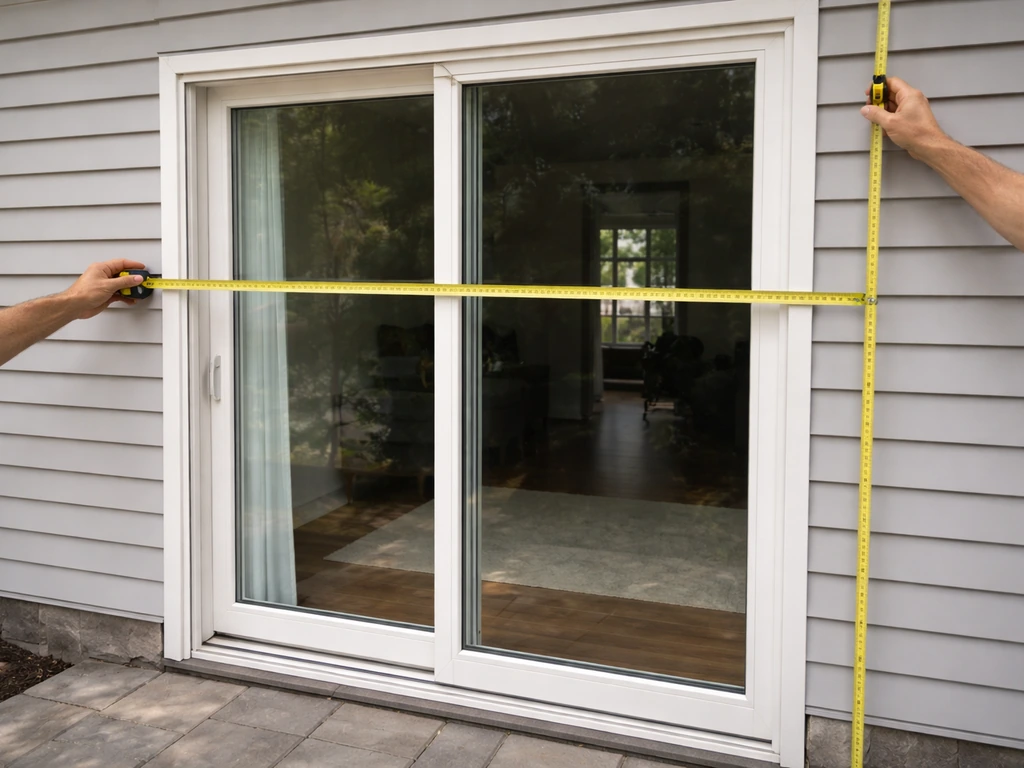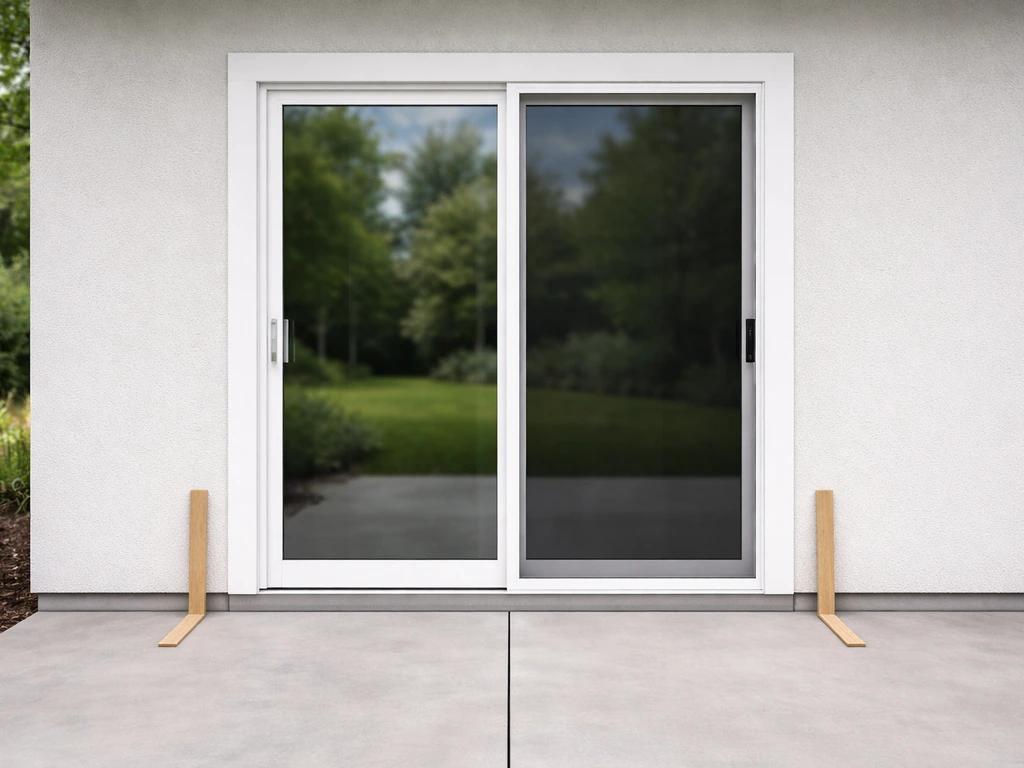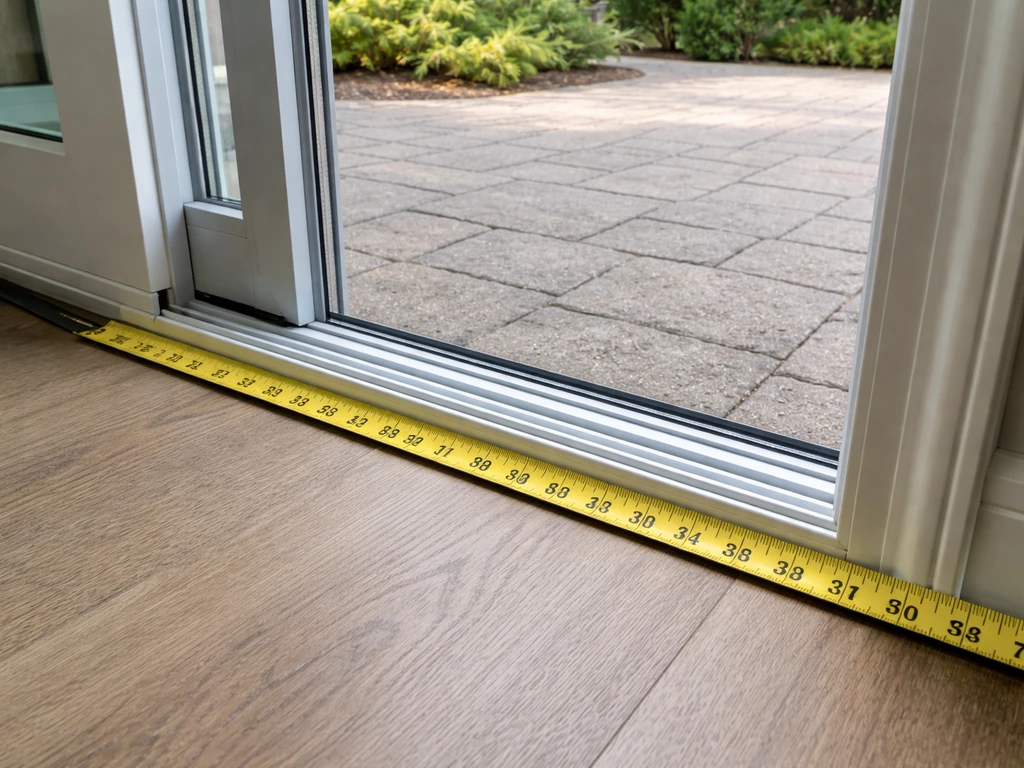
A standard 6-foot (72" x 80") two-panel sliding glass patio door typically weighs between 100 and 200 pounds for the complete unit, with the active sliding panel alone ranging from 50 to 100 pounds depending on glass type and frame material. A good rule of thumb is that larger patio door sizes tend to weigh more, but the exact number depends on your frame and glass package 6-foot (72" x 80") two-panel sliding glass patio door. Larger 8-foot (96" x 80") units can push 250 to 400 pounds or more for the full assembly. Those are the ballpark numbers most homeowners are working with, but the actual weight of your specific door can shift quite a bit based on size, frame material, glazing, and panel count.
How Much Does a Patio Door Weigh Sliding Glass Weights

Owen Delaney
13 Jun 2026
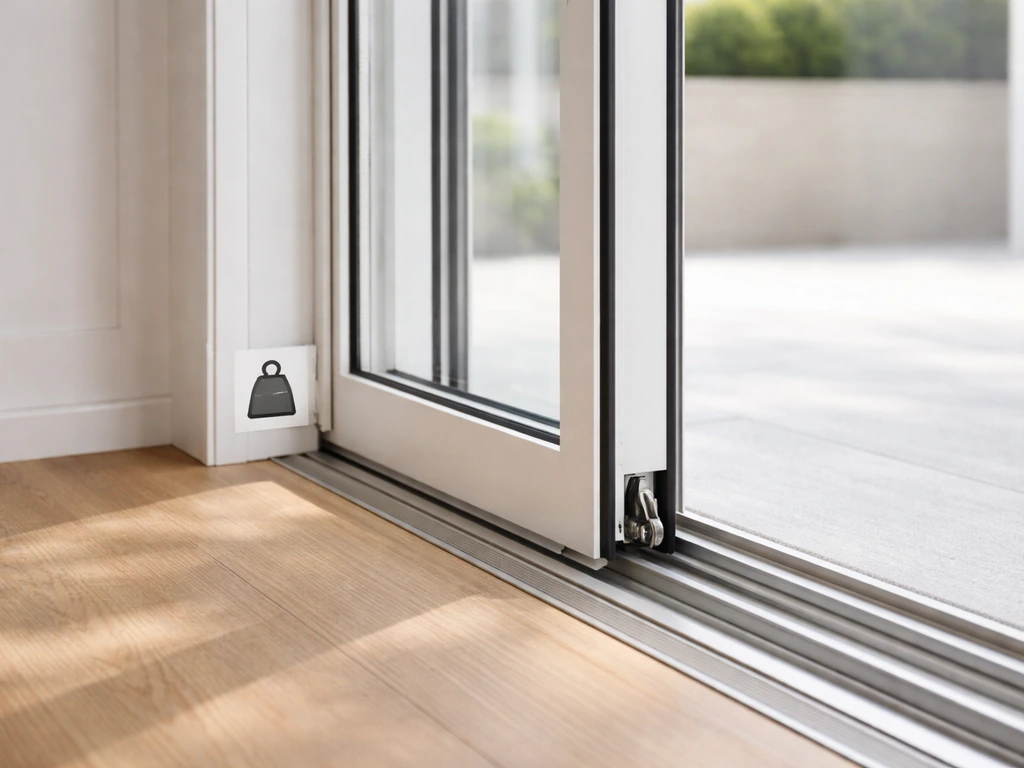
Typical weights for sliding glass patio doors by size
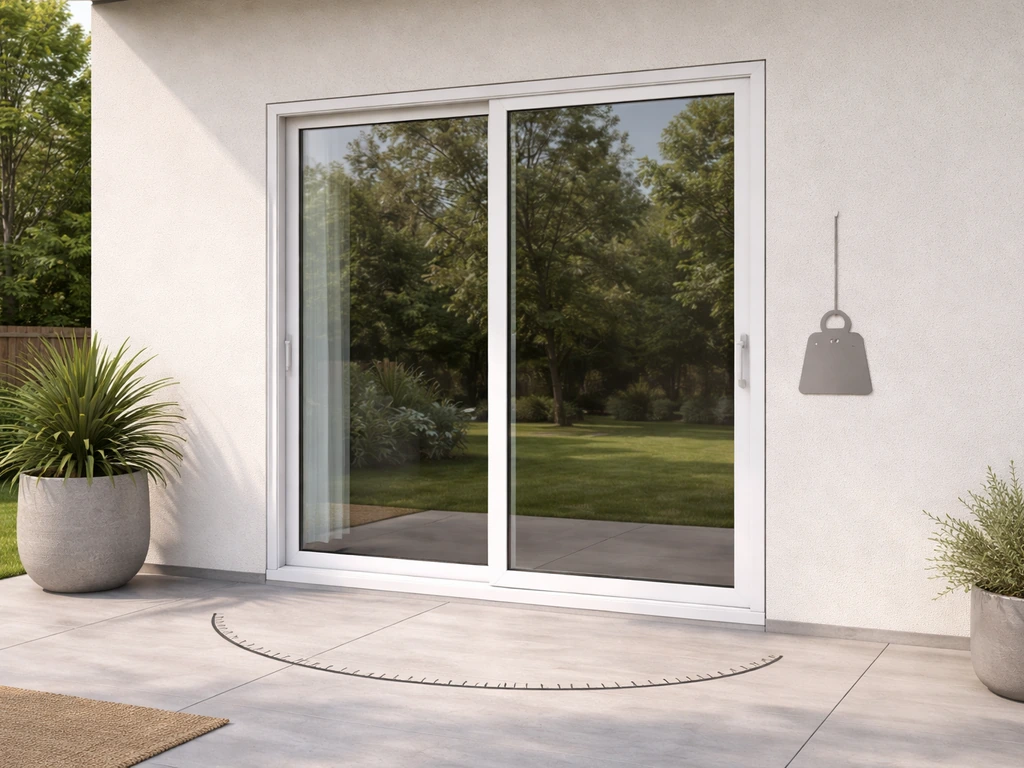
The most common sliding patio door sizes are 60", 72", and 96" wide, all at the standard 80" height. A standard patio door is typically measured by its width, with common options like 60, 72, and 96 inches standard patio door widths. If you need help measuring before you shop, start by confirming the patio door width you want, since wider units typically weigh more how wide is patio door. Here are realistic weight ranges for those configurations in a standard two-panel (one fixed, one sliding) setup with double-pane glass and a vinyl or aluminum frame:
| Door Width | Height | Panels | Approximate Unit Weight | Sliding Panel Only |
|---|---|---|---|---|
| 60" (5 ft) | 80" | 2-panel | 80–130 lbs | 40–70 lbs |
| 72" (6 ft) | 80" | 2-panel | 100–200 lbs | 50–100 lbs |
| 96" (8 ft) | 80" | 2-panel | 150–280 lbs | 75–140 lbs |
| 96" (8 ft) | 80" | 3-panel | 200–350 lbs | 65–120 lbs per panel |
| 108"–117" (9–10 ft) | 80" | 4-panel | 280–450+ lbs | 70–130 lbs per panel |
These ranges are intentionally broad because frame material and glass package make a significant difference. A vinyl-framed door with basic double-pane glass sits toward the lower end. A wood-framed door with triple-pane insulated glass can easily sit at the top of that range or above it. Use these numbers for planning purposes, then pin down your exact figure using the methods below.
How door size and construction change the weight
The most obvious weight driver is raw size. Going from a 60" door to a 96" door roughly doubles the glass area, and glass is heavy. But it's not just width and height. The number of panels, the wall thickness of the frame, and the glazing package all stack up fast.
Glass thickness matters more than most people expect. A single-pane tempered glass panel is the lightest option, but very few new doors ship that way. Standard double-pane insulated glass units (IGUs) add weight both from the extra pane and the spacer/gas fill assembly inside. Triple-pane units, which are increasingly common in colder climates, can add another 20 to 40 percent over a comparable double-pane setup. A lift-and-slide door mechanism, for example, is actually engineered around a "maximum sash weight" spec because the operational hardware has to support and move that glass without binding.
Custom sizes also matter here. Andersen's technical documentation for their gliding patio doors shows that even within a "standard" nominal size, the final configured dimensions can vary, and that variation changes the unit weight. If you're ordering a custom-width door or a door with a transom window above it, the published nominal weight won't apply.
Frame and glazing materials: what they actually weigh
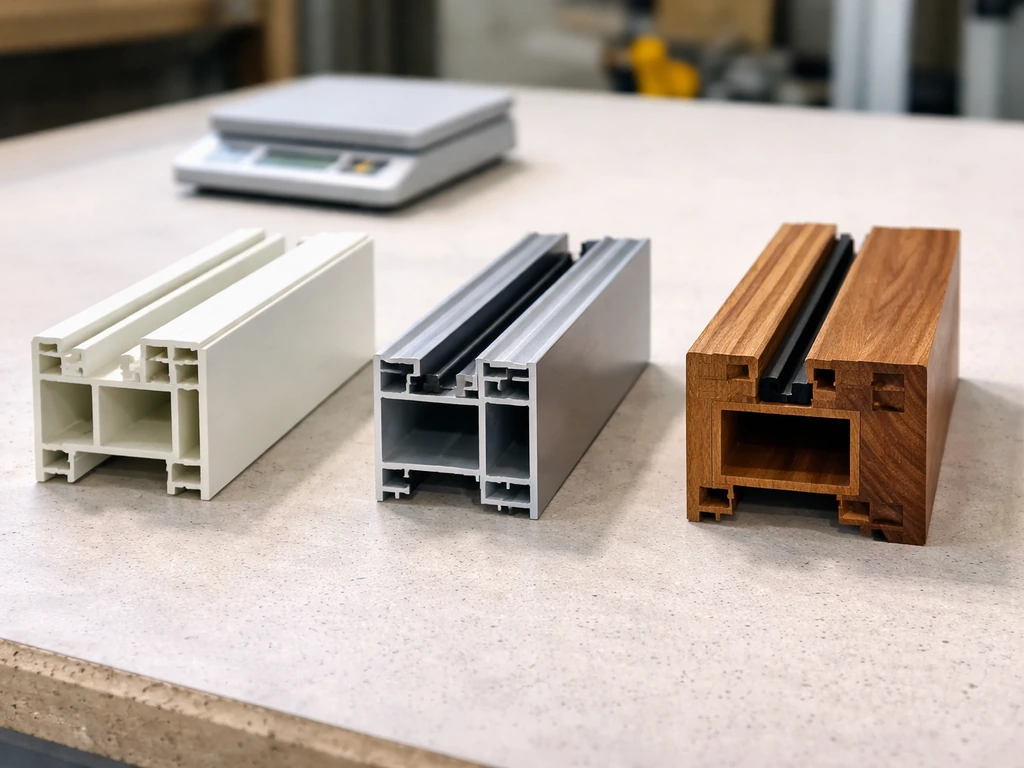
Frame material is the second-biggest weight variable after overall size. Here's how the three main materials stack up:
| Frame Material | Relative Weight | Weight Notes |
|---|---|---|
| Vinyl (PVC) | Lightest | Hollow multi-chamber profiles keep weight low; most budget-friendly option |
| Aluminum | Light to medium | Denser than vinyl but profiles are thinner; thermal break versions add slightly more |
| Wood / Wood-clad | Heaviest | Solid wood stiles and rails add significant mass; fiberglass composite is close to wood but slightly lighter |
| Fiberglass composite | Medium to heavy | Heavier than vinyl, lighter than solid wood; good strength-to-weight ratio |
On the glazing side, the progression from single-pane to double-pane to triple-pane adds meaningful weight at every step. A double-pane IGU in a typical 36" x 76" sliding panel might weigh 40 to 55 pounds on its own. Swap in a triple-pane unit of the same size and you're looking at 55 to 75 pounds just for the glass. Low-e coatings and argon or krypton gas fills add negligible weight. The extra pane of glass is where the mass goes.
Single vs. double sliding panels, and what hardware adds
The most common residential sliding patio door is a two-panel unit: one fixed panel and one sliding panel. The fixed panel is typically framed into the door unit and doesn't move, but it still contributes to total unit weight when you're lifting and positioning the assembly. The sliding (active) panel is the one you'll handle separately during installation and adjustment, and knowing its individual weight matters most for safe handling.
Three- and four-panel multi-slide configurations, like those available in Simonton's MaxView line, distribute the total glass area across more panels. Each individual panel weighs less than a single wide panel would, but the combined unit weight goes up. During installation, the advantage is that you're physically lifting lighter individual pieces. The trade-off is more hardware, more rollers, and more track to manage.
Hardware adds more weight than most people account for. The full door unit includes the frame, all panels, the track assembly (top and bottom), weatherstripping, locks, and rollers. Rollers and track hardware on a large 96" door can contribute 10 to 20 pounds to the total. Installation instructions from manufacturers like Andersen and Home Depot's branded gliding door line specifically reference roller adjustment by lifting the panel to relieve weight off the rollers, which underscores that the rolling mechanism is carrying the panel's full weight continuously.
How to find the exact weight for your specific door
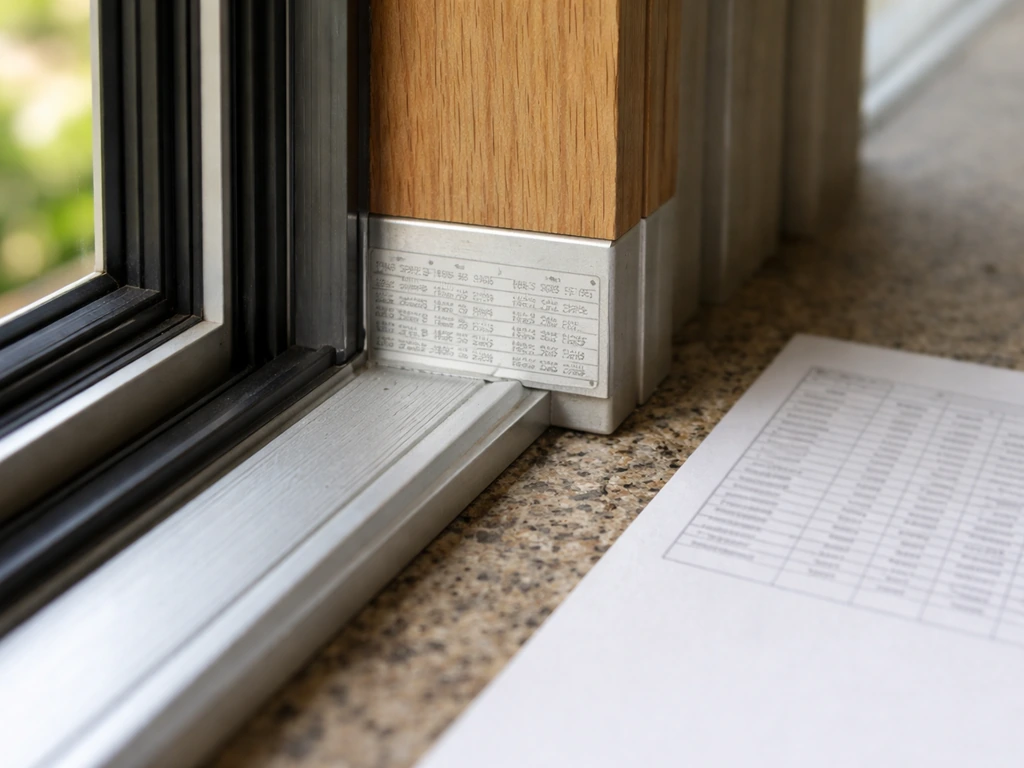
General ranges are useful for planning, but before you move or install a specific door, you want the actual number. Here's how to get it:
- Check the product label on the door frame or jamb. Most manufacturers attach a sticker or stamp with the model number, series, and sometimes the unit weight or shipping weight. Shipping weight is usually 10 to 20 percent heavier than the actual door due to packaging.
- Download the spec sheet from the manufacturer's website. Andersen, Simonton, Silver Line, and most major brands publish PDF spec sheets and installation guides that include unit weight by size and configuration. Simonton, for example, has a dedicated product downloads section where you can pull the exact document for a specific series. Search for your brand name plus the series/model plus "spec sheet" or "product data sheet."
- Use the model number from the label to contact the manufacturer directly. If the spec sheet doesn't show weight, a quick call or chat to the manufacturer's tech support line will get you the number for your exact configuration.
- If you have the door in hand and need the panel weight only, a bathroom scale works for lighter panels. Slide the panel out of the track, set it on a scale, done. For heavier panels, a luggage scale or hanging fish scale attached to a lifting strap can work.
- For custom-configured doors or older units without legible labels, measure the glass dimensions and thickness (single, double, or triple pane), note the frame material, and use an online glass weight calculator to estimate the glazing weight, then add 15 to 25 percent for the frame.
Safe handling and moving a sliding patio door
Andersen's installation guides include a straightforward warning that the weight of patio door units will vary and that you need a "reasonable number of people with sufficient strength" using proper lifting technique. If you want to estimate how long patio doors feel to move or how many people you’ll need, the door’s weight is what matters most weight of patio door units. That's not boilerplate you should skip. A 150-pound door panel is not a one-person job, and an awkward lift through a rough opening with limited footing is where backs and doors both get damaged.
- For panels under 75 lbs: two people is workable for most adults in good health, but three gives you real control.
- For panels 75–150 lbs: plan on three people minimum, with one person on each side and one guiding from the back.
- For panels over 150 lbs or full units over 200 lbs: use a panel cart or door dolly, shoulder harnesses, or hire professionals. Improper handling of large glass panels is a serious injury and breakage risk.
- Always carry glass panels vertically, never flat. A flat carry puts lateral stress on the glass and glazing seals.
- Wear cut-resistant gloves. Tempered glass doesn't break easily, but the edges of the aluminum or vinyl frame can be sharp.
- When removing an existing door, lift the sliding panel up into the top track first, then swing the bottom clear. Reinstall in reverse. Installation guides consistently reference this technique to relieve the panel weight from the bottom rollers.
- Support the full unit during installation to prevent it from falling. Temporary shims or bracing while you fasten the frame are worth the extra few minutes.
What door weight means for installation, tracks, and structural checks
Weight isn't just a handling issue. It directly affects whether your installation will work long-term. Here's what to check before the door goes in:
Track and roller capacity
Sliding patio door bottom tracks and rollers are rated for specific panel weights. A track designed for a standard 80-pound panel will wear prematurely and bind if you install a 130-pound triple-pane panel on it. If you're upgrading from a single-pane or basic double-pane door to a heavier glazing package on an existing track system, verify the new panel weight against the track's rated capacity. Manufacturers like Simonton publish this in their assembly and installation instruction PDFs for multi-slide units.
Rough opening and structural support
Heavier doors put more load on the rough opening header. The standard rough opening sizes (60" x 82", 72" x 82", 96" x 82" are typical) are engineered with a header sized for typical residential door loads. Silver Line’s V3 gliding patio door sizing guidance includes nominal width references like 60" and 96" along with the corresponding frame and rough-opening ranges, which vary by configured size [60" nominal and 96" nominal widths](https://www. silverlinewindows.
com/wp-content/uploads/2018/09/sizing-silverline-v3-gliding-patiodoor__5800-Patio-Door. pdf). A manufacturer’s rough-opening sizing table for conventional 2-panel sliding patio doors lists common rough openings such as 60" x 80", 72" x 80", and 96" x 80" [standard rough-opening sizing tables show common gliding patio door rough openings for conventional two-panel configurations](https://irp-cdn. multiscreensite.
com/d7396670/files/uploaded/600%20Std%20Sizes. pdf). But if you're installing a very large multi-panel door or a custom-width unit in an opening that was previously sized for a smaller door, have a structural check done. Wide openings, especially over 8 feet, often need an engineered LVL (laminated veneer lumber) header or a steel beam to handle the combined dead load.
Andersen's LVL joining documentation specifically ties structural support requirements to the weight variability of their patio door units.
Sill and floor support
The bottom sill takes the ongoing weight of the sliding panel every time it moves. For concrete or masonry sills this is rarely an issue. For wood subfloor installations, check that the floor framing under the rough opening is solid and level. A deflecting or soft spot in the subfloor will throw the door out of level over time, causing the sliding panel to bind and the rollers to wear unevenly.
Shimming and leveling
Heavier doors are less forgiving of an out-of-level installation. A lightweight aluminum door might slide acceptably even with a slight tilt. A 200-pound wood-framed triple-pane unit will bind immediately if the sill isn't perfectly level across its full width. Take your time with shimming, check level repeatedly as you fasten the frame, and don't skip the roller height adjustment step at the end.
If you're still in the planning stage and haven't locked in a door size yet, it's worth thinking about weight alongside the other sizing decisions. The overall door dimensions (width and height) drive weight just as much as they drive cost, and understanding that overlap can help you make a smarter choice for your opening, your budget, and your long-term maintenance situation. When you’re figuring out how wide is a patio door for your opening, the width choice also strongly affects the door’s weight.
Your next steps
If you're replacing an existing door, pull the model number off the label today and download the spec sheet from the manufacturer's site. That gives you the real unit weight and the panel weight separately, which is everything you need for handling planning and track verification. If you're buying new, use the size and configuration you're considering to look up the spec sheet before you order, not after it arrives on a pallet in your driveway.
And if the door you're looking at is over 200 pounds total or involves a rough opening wider than 8 feet, get a structural opinion on the header before you commit. The door weight question almost always leads to one of those three follow-up decisions, and knowing the number early makes all of them easier. How long patio doors last depends heavily on construction quality, maintenance, and whether the door is supported and installed for its real weight.
FAQ
How much does the sliding panel weigh compared with the whole patio door?
For a typical two-panel sliding unit, the active sliding panel is often about half to three-quarters of the total door weight. Use the installed spec sheet to confirm the sash (sliding panel) weight, because the fixed panel still matters for overall lifting and moving during installation.
Does a 72-inch patio door weigh more if it has triple-pane glass?
Yes. Even at the same width and height, triple-pane insulated glass can add roughly 20 to 40 percent over a comparable double-pane setup. The exact increase depends on the IGU size and frame thickness, so verify the panel weight before you assume the typical range.
Are vinyl and aluminum patio door frames the same weight?
No. Vinyl frames are typically lighter than wood frames, while aluminum often lands in between but can vary by wall thickness and whether it’s thermally broken. If you are replacing an existing door, don’t rely on the old door’s weight, match the new door’s frame and glazing spec.
If my old door was 150 pounds total, can I replace it with any heavier door?
Not automatically. Track and roller components are rated for specific panel weights, and the rough opening/header can also be undersized for heavier units. If the new sliding panel weight is significantly higher, check the track capacity and consider a structural check rather than assuming the opening is fine.
How many people do I need to move or install a patio door that weighs 200 pounds?
Plan around the sliding panel weight, not just the total unit. As a practical rule, anything near or above 150 pounds usually requires at least two strong adults for safe handling, plus proper lifting technique and clear footing. For unusually heavy glass packages, follow the manufacturer’s minimum-person guidance in the install manual.
Can I install a heavier patio door on an existing track system?
Only if the new sliding panel weight is within the existing track and roller rating. Many track assemblies are not designed for triple-pane upgrades on top of an older roller set, so you may need to replace hardware to match the panel weight.
What measurements should I confirm if I want an accurate weight estimate?
Confirm width (often 60, 72, or 96 inches), height (commonly 80 inches), and the panel configuration (two-panel, three-panel, four-panel). Also note whether there’s a transom above and whether it’s a lift-and-slide system, because those change the sash weight and the door’s handling requirements.
Does the rough opening size affect weight or only structural support?
Mostly structural support. The weight comes from the door’s actual dimensions, glazing package, and frame, while the rough opening and header size determine whether the surrounding structure can safely carry the dead load. If your opening is for a smaller door, a heavier custom unit may require an engineered header even if the dimensions seem close.
How do I find the exact patio door weight for my specific unit?
Use the model number from the label and pull the manufacturer’s spec sheet, which typically lists both the total unit weight and the sash (sliding panel) weight separately. That breakdown is what you need for planning how many people to involve and for verifying roller and track capacity.
Does weight affect how well the door slides day to day?
Yes. Heavier sliding panels increase load on rollers, tracks, and the sill, so they’re less forgiving of a slight out-of-level install. After installation, ensure roller height adjustment is completed and confirm smooth operation along the full travel, not just at the initial open position.