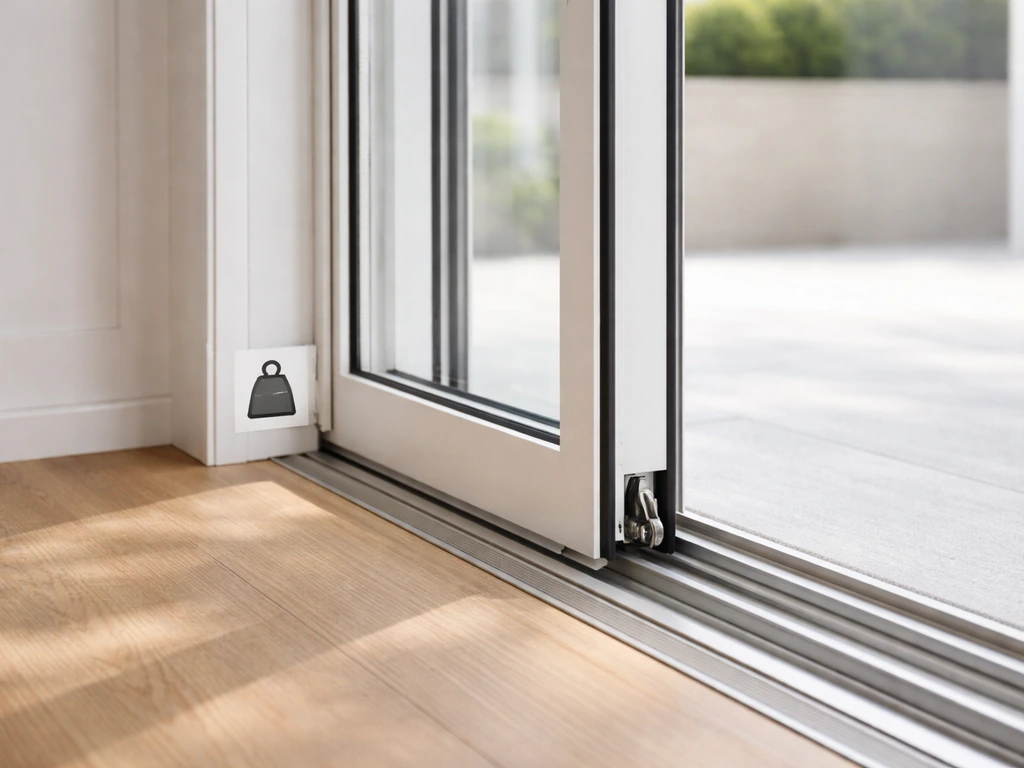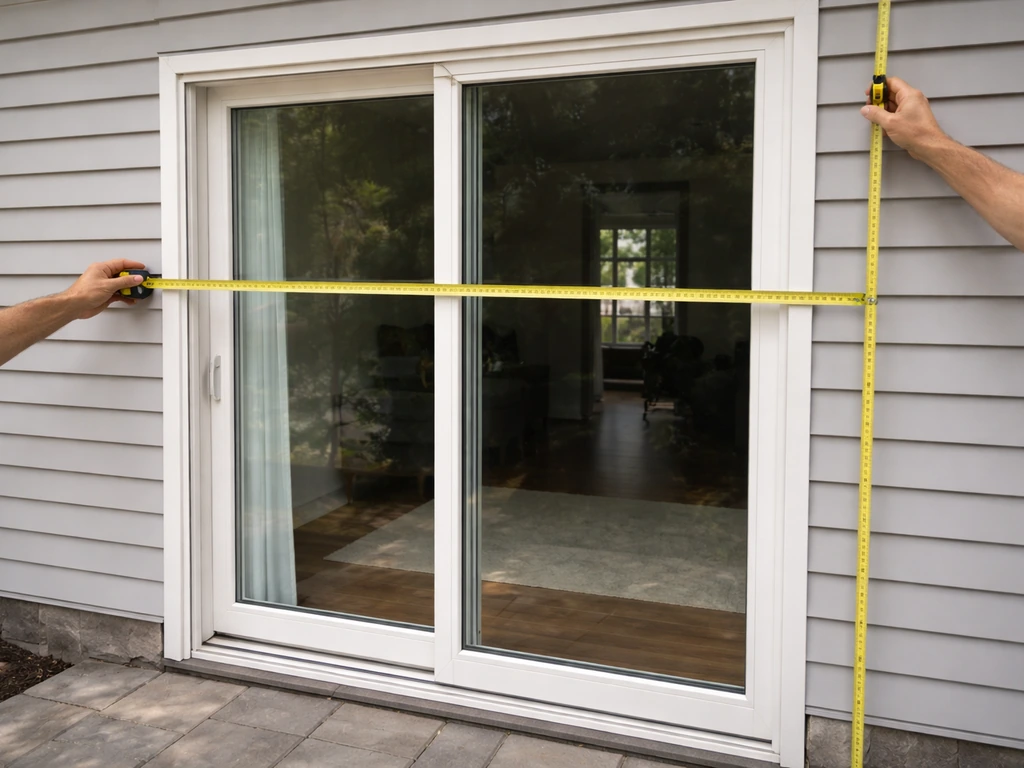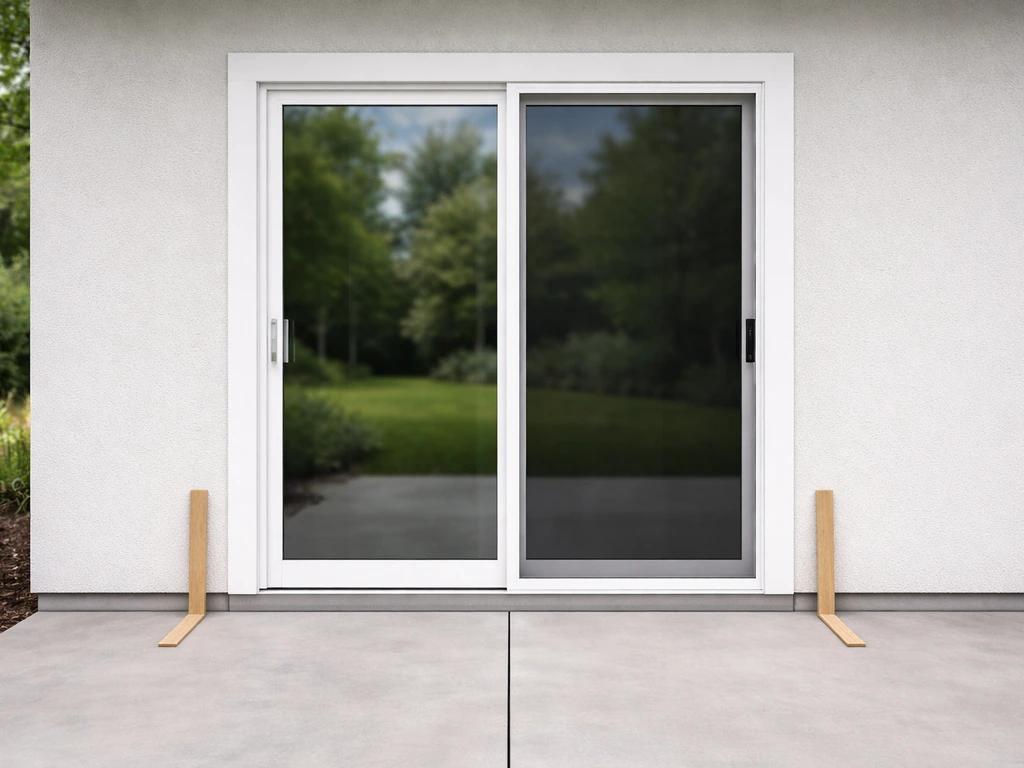
Most patio doors last somewhere between 15 and 30 years, but that range is wide for a reason. If you're planning a replacement or moving the door yourself, it's also important to know how much a patio door weighs so you can handle it safely how much does a patio door weigh. A well-maintained fiberglass or vinyl sliding door in a mild climate can easily hit the 30-year mark. A neglected aluminum unit two miles from the ocean might start giving you serious trouble in under 15. The type of door, the material, how it was installed, and how much attention you give it every year all push that number up or down significantly.
How Long Do Patio Doors Last? Sliding Lifespan Guide
Owen Delaney
21 Jun 2026
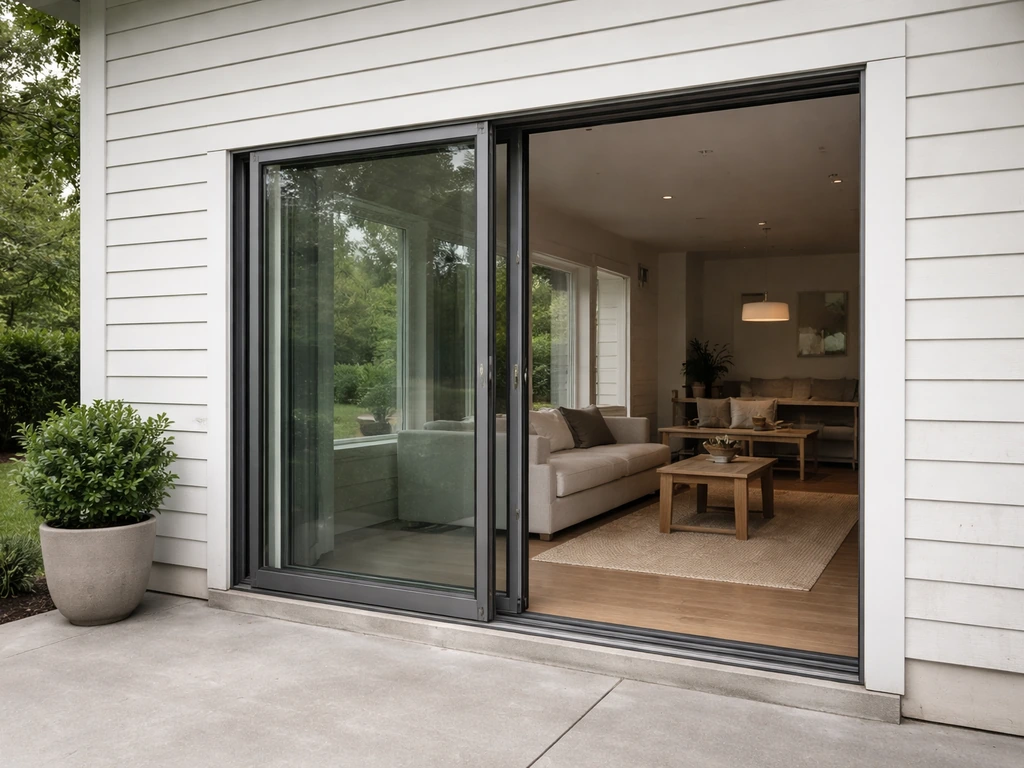
How long each patio door type actually lasts
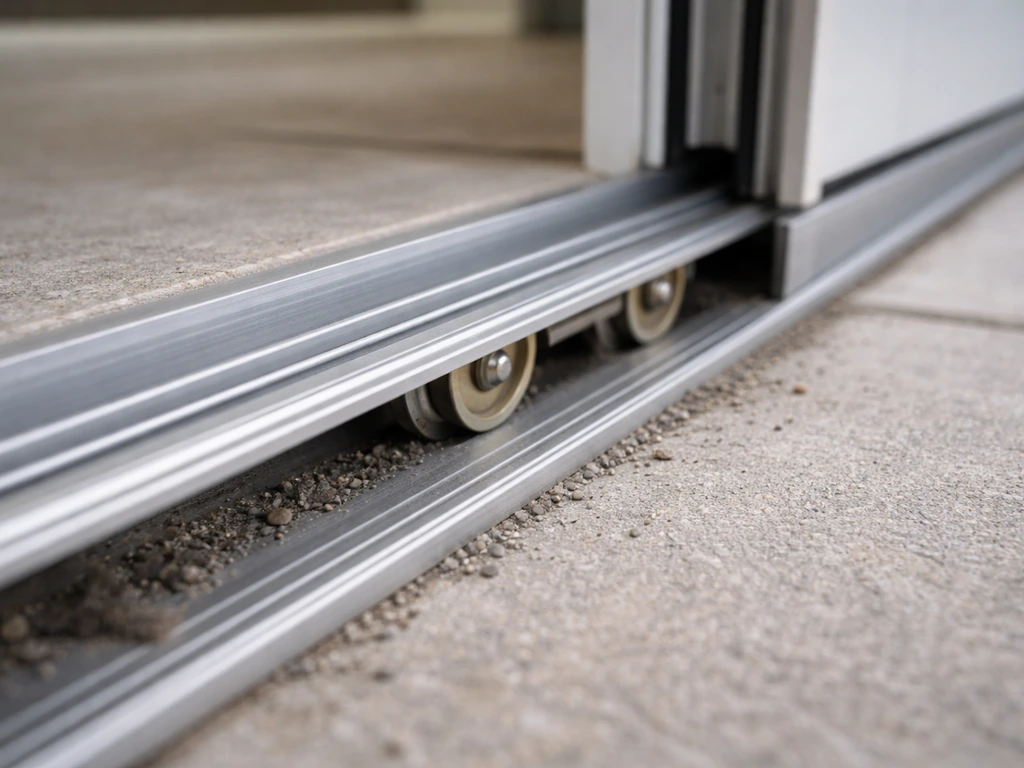
Sliding patio doors are the most common type and also the most maintenance-sensitive. The industry benchmark for a sliding glass door system is 20 to 30 years, but 15 to 20 years is more realistic if the rollers, track, and weatherstripping aren't kept in good shape. The moving parts are simply doing more work than a hinged door, and that wear adds up. Rollers flatten out, tracks accumulate grit that grinds against the rollers, and the weatherstripping compresses and cracks over time, especially in direct sun.
French patio doors, which swing on hinges rather than roll on a track, generally hold up a little longer in terms of mechanical wear. There are no rollers to replace and no track to keep clean. The weak points shift to hinges, multi-point locking hardware, and the door sweep at the bottom. A quality French door, properly hung and maintained, can last 25 to 35 years without needing structural work. The tradeoff is that if the frame warps or the hinges wear loose, the alignment problems that follow can be harder and more expensive to fix than simply swapping out a set of rollers.
Bifold patio doors sit somewhere in the middle. They have multiple panels and folding hardware, which means more joints, more pivot points, and more potential failure spots than either a slider or a French door. With quality hardware and regular maintenance, 20 to 25 years is a reasonable expectation. Cheaper bifold systems may start showing alignment and hardware issues within 10 to 12 years.
| Door Type | Typical Lifespan | Main Wear Points | Maintenance Demand |
|---|---|---|---|
| Sliding patio door | 15–30 years | Rollers, track, weatherstripping, weep holes | High |
| French patio door | 25–35 years | Hinges, locking hardware, door sweep, frame alignment | Moderate |
| Bifold patio door | 20–25 years | Folding hardware, pivot points, seals | Moderate to High |
What actually makes a patio door fail sooner or last longer
Material choice is the biggest variable
Vinyl is the most popular choice right now, and for good reason. It resists rot, doesn't corrode, and holds up well against UV exposure without needing paint or stain. A quality vinyl sliding door should comfortably reach 20 to 25 years with normal care. Fiberglass is tougher and handles thermal cycling (the expansion and contraction from hot-to-cold temperature swings) better than vinyl, which is why fiberglass tends to win in climates with extreme temperature swings. Wood is beautiful but demands real maintenance, and when that's skipped, rot and warping can shorten life dramatically. Aluminum is durable and slim-profile, but it conducts heat, which can stress seals, and it corrodes in coastal environments. Andersen, for example, explicitly excludes painted aluminum surfaces within two miles of the seashore from their standard finish warranty because salt air is genuinely damaging to the material.
Climate and sun exposure
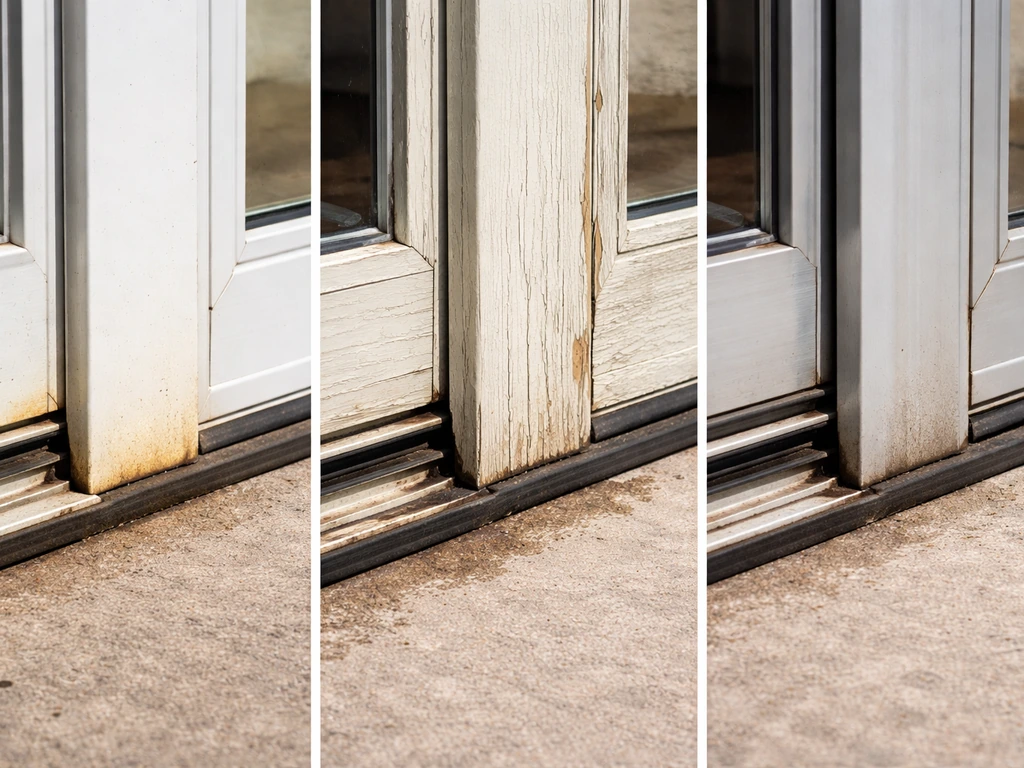
Intense sun exposure is one of the most underappreciated killers of patio door longevity. UV radiation and daily thermal cycling stress the insulating glass unit seals, and once a seal fails, you get condensation between the panes, which can't be wiped away. In high-sun climates like Florida, weatherstripping and gaskets can become brittle and start cracking after just 8 to 12 years of direct sun exposure. Salt air on top of that accelerates corrosion of any metal hardware and degrades finishes. If your door faces south or west with no shade, you're getting significantly more UV and heat stress than a north-facing door.
Installation quality
A door that wasn't installed level and square will wear unevenly from day one. A sliding door that's even slightly out of alignment puts abnormal stress on one roller, and that roller fails years before it should. Poorly flashed or sealed rough openings let water infiltrate the frame, which rots wood framing (and even degrades vinyl over time). This is one area where paying for a skilled installer pays back over the life of the door.
Usage frequency and hardware quality
A sliding door that opens and closes 20 times a day puts far more wear on its rollers, track, and locking mechanism than a door used twice a day. This sounds obvious, but it matters when you're choosing between a builder-grade slider with cheap nylon rollers and a door with stainless steel or tandem rollers. Better hardware is worth the upfront cost if the door gets heavy use.
Maintenance habits that genuinely extend your door's life
Most patio doors that fail prematurely do so because of skipped maintenance, not because the door was bad. The good news is that most of this is quick and cheap to do yourself.
Track cleaning and lubrication (the most important one for sliders)
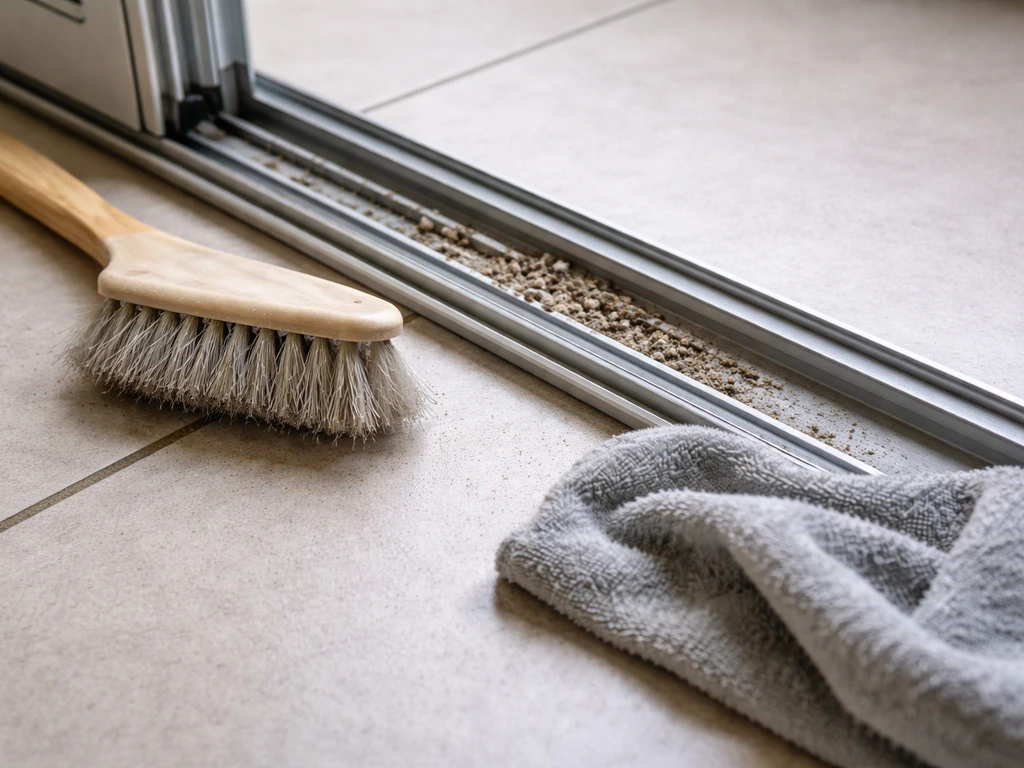
Dirt and debris in the track is what grinds down rollers prematurely. Clean the track with a stiff brush and a damp cloth every few months, more often if you have kids, pets, or a lot of outdoor foot traffic. After cleaning, apply a silicone-based lubricant to the track and the roller contact points. This is important: use silicone-based, not oil-based. Oil-based lubricants attract more dirt and grime over time, which makes the problem worse. Milgard's own maintenance guidance specifically calls this out.
Clearing weep holes
Weep holes are the small openings in the bottom track or sill that drain water that gets into the track during rain. When they clog with dirt, debris, or insect nests, water backs up and sits against the frame and weatherstripping, accelerating deterioration. Clearing them is a five-minute job: use a pipe cleaner, a small brush, or a pointed tool like an awl to push through each weep hole opening. Do this once a year at minimum, and after any heavy storm. It's one of those things that sounds too minor to matter until water intrusion warps your frame.
Weatherstripping and door sweeps
Inspect the weatherstripping around the door perimeter and the door sweep at the bottom once a year. You're looking for cracks, compression, gaps, and sections that have pulled away from the frame. Replacing weatherstripping is inexpensive (typically $20 to $60 in materials) and something most homeowners can do in an afternoon. Letting it go means drafts, energy loss, and water intrusion that can damage the frame and subfloor over time. Therma-Tru's sliding door warranty covers weatherstripping and door bottom sweeps/gaskets as part of the system, which tells you how important these components are to overall door performance.
Roller adjustment
Sliding door rollers can be adjusted for height clearance using a screw adjustment on the bottom edge of the panel, usually accessible from the outside or through a small plug hole. If your door is dragging or harder to slide, try adjusting the rollers before assuming the rollers need replacement. A quick adjustment can restore smooth operation and reduce wear on both the rollers and the track.
Lock and handle care
Wipe down the locking mechanism and handle periodically and apply a small amount of graphite or silicone lubricant to the lock cylinder and latch. Locks that are hard to engage are often just dirty or slightly misaligned. Don't force them. A lock that takes real effort to engage is stressing the frame every time and will eventually fail or cause frame damage.
Signs your patio door is wearing out
Some of these signs point to fixable component wear. Others signal that the door system is genuinely at the end of its service life. Knowing which is which saves you money.
- Increased resistance when sliding: If the door used to glide and now requires real effort, the rollers or track are worn. Try cleaning and lubricating first, then roller adjustment, then roller replacement before assuming you need a new door.
- Drafts or air leaks: Run your hand around the door perimeter on a windy day. Cold air infiltration means the weatherstripping or door sweep has failed, or the frame has shifted. Weatherstripping is a cheap fix; frame movement is more serious.
- Condensation between the panes: Fogging or moisture between the two panes of glass is a failing insulated glass unit seal. This isn't fixable by cleaning. The glass unit needs to be replaced. Whether that's worth doing depends on the door's age and overall condition.
- Sticking or misalignment: A door that sticks at the same point in its travel, or that you have to lift to engage the latch, points to roller wear, track damage, or frame racking. Track and roller fixes are reasonable. Frame racking is a bigger problem.
- Visible frame warping or corrosion: Wood frames that are soft, rotted, or visibly bowed are done. Aluminum frames with significant corrosion pitting, especially at corners and hardware attachment points, indicate structural compromise.
- Water intrusion at the sill or corners: Water coming in at the base or corners of the door frame means the flashing, sill drainage, or frame seal has failed. This is a serious issue that can damage your subfloor and surrounding framing if left unaddressed.
- Lock that won't fully engage or is loose: A latch that doesn't catch securely is both a security and a structural alignment problem. It may be a simple adjustment, or the door panel may have shifted out of square.
Repair or replace: how to make the call
The general rule of thumb is this: if the problem is in the components and the frame is sound, repair. If the frame is damaged, warped, or structurally compromised, replace. Components that can be renewed at reasonable cost include rollers, track inserts, weatherstripping, door sweeps, seals, locks and handles, and individual insulating glass units. A full set of replacement rollers typically costs $30 to $80 in parts, and a lockset replacement runs $50 to $150. These are worth doing if the door is under 15 to 20 years old and the frame is in good shape.
If you're spending more than $500 to $700 on component repairs on a 20-plus-year-old door, the economics usually favor replacement. You're essentially paying to extend the life of an aging system by a few more years, when a new door would give you better energy performance, a fresh warranty (Andersen, for example, covers standard glass for 20 years and non-glass components for 10 years on residential products), and potentially lower heating and cooling costs.
Before you decide, check your warranty documentation. Warranty claims can be denied for specific defects like cracks near the latch or damage attributed to misuse, so document what you're seeing with photos and read the exclusions before assuming coverage. The warranty remaining on your door is a real input into the repair-versus-replace calculation. Andersen’s limited warranty coverage information is designed to help owner-to-owner decisions, where the remaining coverage depends on the product and installation date and can influence whether replacement is the better “repair vs replace” choice Warranty remaining on your door is a real input.
| Problem | Likely Fix | Typical Cost (DIY Parts) | Repair or Replace? |
|---|---|---|---|
| Hard to slide, track dirty | Clean track, silicone lube | $5–$15 | Repair |
| Hard to slide, rollers worn | Replace rollers | $30–$80 | Repair (if frame is sound) |
| Drafts at perimeter | Replace weatherstripping/sweep | $20–$60 | Repair |
| Foggy glass between panes | Replace insulated glass unit | $150–$400 | Repair if door is under 15 yrs |
| Lock won't engage | Adjust or replace lockset | $50–$150 | Repair |
| Frame warped or rotted | Full door replacement | $800–$3,000+ | Replace |
| Water intrusion at sill | Investigate flashing, drainage, frame | Varies widely | Assess carefully, may need replacement |
| Multiple issues on 25+ year door | Full door replacement | $800–$3,000+ | Replace |
Protection and upgrades that add years to your door
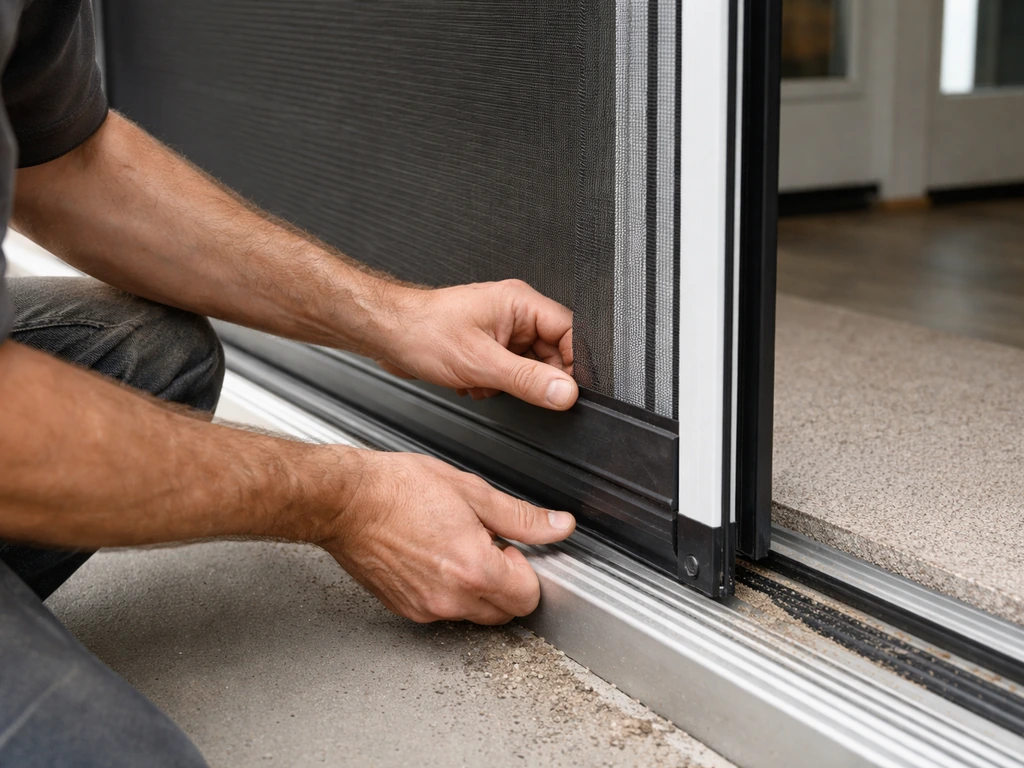
A few strategic upgrades can meaningfully extend your door's service life and improve how it performs day to day.
Screens
A properly fitted screen panel keeps insects and debris out of the track, reducing the grit load on your rollers. Retractable screens are especially useful because they're out of the way when not in use, reducing UV and wind exposure on the screen itself. If your door didn't come with a screen or the existing screen is torn or misaligned, replacement screen panels are relatively inexpensive and worth doing.
Exterior covers and sun management
If your patio door faces south or west and gets hours of direct afternoon sun, an exterior awning or patio cover above the door does two things: it reduces UV degradation of seals and weatherstripping, and it cuts solar heat gain through the glass, which reduces the thermal cycling stress on your insulated glass unit seals. This is a legitimate longevity strategy, not just a comfort upgrade.
Security hardware
Sliding doors in particular benefit from upgraded locking hardware. A secondary bar or rod in the track (the classic approach) prevents the door from being forced open even if the latch is compromised, and it adds zero wear on the door mechanism. Upgraded multi-point locks for French patio doors distribute the closing force along the frame rather than at a single latch point, which reduces frame stress over time.
Storm and seasonal preparation
If you're in a hurricane-prone or severe-weather region, storm shutters or impact-rated glass are worth serious consideration if you're already planning a replacement. For existing doors, seasonal maintenance before storm season should include inspecting and clearing weep holes, checking weatherstripping integrity, and confirming all locks engage fully. A door that isn't sealed and latched properly is both an energy and a storm vulnerability.
How to estimate your door's remaining life right now
You don't need a contractor to get a realistic read on where your door stands. Run through this quick self-check: If you also want to plan for sizing, start by answering how big is a patio door for your opening, because measurements affect the fit and hardware you need.
- Find out how old the door is. Check home purchase records, permit history, or ask the previous owner. If you genuinely can't find out, look at the style and hardware: doors with single-pane glass or older latch styles are likely 25-plus years old.
- Identify the material: vinyl, aluminum, wood, or fiberglass. This sets your baseline lifespan expectation and tells you what to inspect most carefully (wood: rot and warping; aluminum near the coast: corrosion; vinyl: UV cracking on seals).
- Slide or swing the door slowly and pay attention. Does it move smoothly throughout its full travel? Any sticking, grinding, or lifting needed to latch is a flag.
- Check the weatherstripping by running your hand around the perimeter with the door closed. Feel for air movement. Look for cracking, compression, or gaps.
- Inspect the glass. Any fogging, haze, or moisture between the panes means a seal has failed.
- Clear and inspect the weep holes at the bottom track or sill. If they're blocked, clear them now with a pipe cleaner or small tool.
- Look at the frame corners, sill, and the wall around the door for any water staining, soft spots (in wood framing), or paint bubbling. These are signs water has been getting in.
- Pull out your warranty documents if you have them. Note what's covered and when coverage expires. This directly affects whether a repair claim is viable.
Once you've done this, you have enough information to make a real decision. That said, the width of a standard patio door varies by style and is typically measured by the door slab and rough opening standard patio door width. A door that's under 15 years old, slides smoothly, has intact seals, and shows no frame damage has years of life ahead with basic maintenance. A door that's 20-plus years old, shows multiple wear signs, and has a compromised frame is telling you it's time to plan for replacement rather than continuing to patch it.
Your next step depends on what you found. If the door is performing well, set a reminder to clean and lubricate the track every three months and inspect weatherstripping annually. If you found specific issues, address the cheapest fixable ones first (weep holes, weatherstripping, roller adjustment) and see how much that improves performance before calling in a contractor. If you are measuring for a replacement, the width of a patio door depends on the opening size and the door type you choose patio door width. If the frame is compromised or the door is nearing the 25-year mark with multiple problems, start gathering replacement quotes now rather than waiting for a failure in the middle of winter.
FAQ
If my patio door is 20 years old, how do I tell whether to repair or replace?
Longevity isn’t just years, it’s performance. A door can hit the 25 to 30-year range but still need repair if seals or hinges are failing. Treat condensation between panes, persistent drafts, and sagging or grinding during operation as “end-of-life” signals for that component, not just normal aging.
Which parts usually cause patio doors to fail before the 20-to-30-year mark?
For vinyl and fiberglass, failure often starts at the weather barrier, seals, and bottom sweep, not the door slab itself. Focus your checks on perimeter weatherstripping compression, the condition of gaskets, and whether water drains through weep holes after a rain. If those parts are failing, you can usually extend service life without replacing the whole door.
What lubricant should I use for a sliding patio door track and rollers, and what should I avoid?
Many homeowners use WD-40 or motor oil, but those are oil-based and tend to attract grit, which accelerates track and roller wear. Use a silicone-based lubricant (and apply it only to roller contact points, not along the full track bed) to reduce grime buildup.
How can I tell if my weep holes are truly draining, not just temporarily unclogged?
Clean weep holes first, then test water flow. After clearing, spray water near the outside sill area and confirm water exits outside instead of pooling inside the track or wetting the interior subfloor. If water backs up, you may have a blocked drainage channel beyond the visible weep holes.
My sliding patio door drags. Should I adjust rollers or replace them?
Roller adjustment is helpful only if the door is still structurally sound and the track isn’t heavily deformed or clogged. If the door repeatedly drags after adjustment, the rollers are out of spec, or you see uneven gaps at the frame, replacement of rollers, track inserts, or even the door system may be the safer next step.
Does sun exposure change how long patio doors last, and how should I adjust maintenance?
South- and west-facing doors usually wear faster due to higher UV and heat cycling, even when everything else looks fine. If your door gets long afternoon sun, inspect weatherstripping and door bottom sweeps more often (every 6 months) and consider a cover or awning sooner rather than waiting for cracks.
How does living near the ocean affect patio door lifespan?
Coastal conditions can shorten life for aluminum hardware and finishes because salt air increases corrosion risk. If you live within a couple miles of the seashore, prioritize corrosion-resistant hardware and plan for more frequent inspections of locksets, hinges (French doors), and any metal parts in the track.
Can poor installation make a patio door wear out faster, even if I maintain it well?
Yes, and it matters. If a door is out of level or slightly out of square, one side can take more load, causing earlier roller failure on sliders or faster hinge wear on French doors. The practical approach is to check operation smoothness, then inspect for uneven gaps and contact marks around the frame.
What should I document before assuming a patio door warranty will cover a problem?
Many door warranties exclude certain issues if they relate to misuse, improper installation, or lack of required maintenance. Before filing a claim, take dated photos of the damage area (like near the latch), keep records of maintenance, and confirm whether parts like weatherstripping or glass seals are covered under your specific plan.
If we use the patio door rarely, does it last longer automatically?
Using the door less can extend mechanical life, but weather exposure still affects seals and gaskets. A lightly used door may still develop leaking or condensation between panes if the insulating glass unit seals fail from UV and thermal cycling.