Choosing a sliding patio door comes down to seven things: correct measurements, the right frame material for your climate, energy-efficient glass, solid locks and weatherstripping, quality rollers and track, a configuration that fits your space and style, and a blank" rel="noopener noreferrer">realistic total budget that includes installation. Get all seven right and you'll have a door that glides smoothly, seals tightly, and lasts 20-plus years. In addition to long-lasting performance, patio doors can add everyday comfort and energy savings, which is part of the benefits of patio doors lasts 20-plus years. Miss one and you'll be fighting drafts, sticky operation, or a frame that rots out in a decade.
How to Choose a Sliding Patio Door: What to Look For

Owen Delaney
25 Jun 2026
Measure first, get the rough opening right
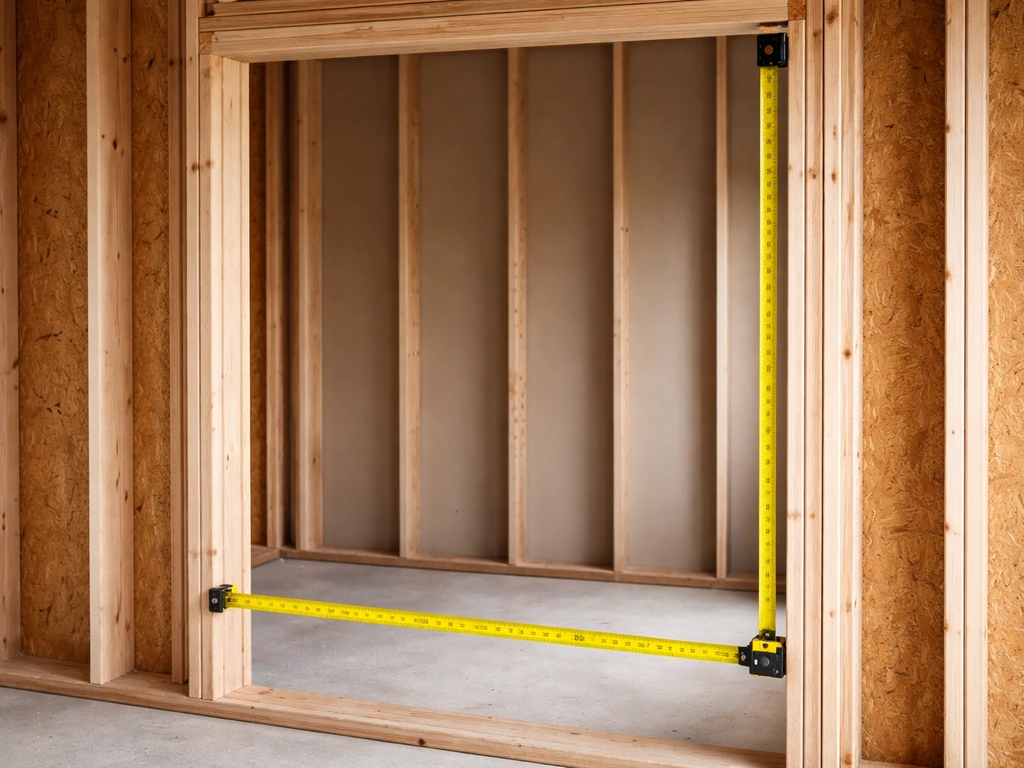
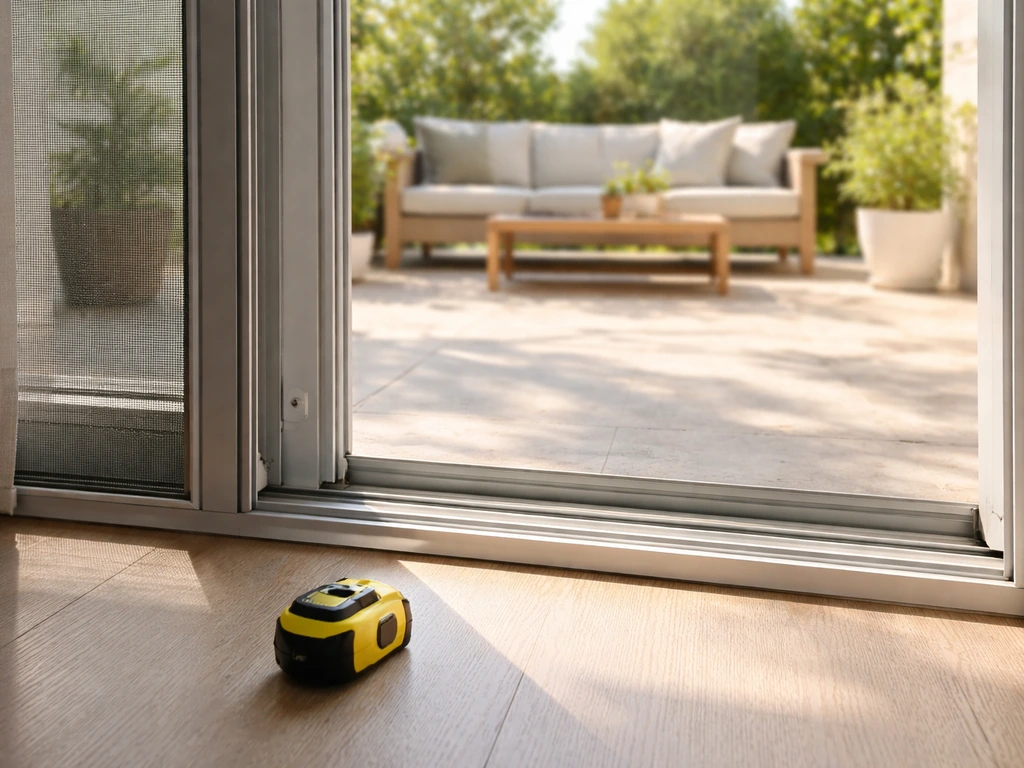
Before you look at a single door spec sheet, grab a tape measure. The rough opening (the framed hole in your wall) needs to match the door unit size within very tight tolerances. Andersen's installation guide calls for the rough opening to be about 1/2" wider and taller than the door unit itself, with 1/4" of clearance maintained around the entire frame after the unit is set. Kolbe bumps that to 1/2" clearance on sides, top, and bottom when installation clips are used. In practice, targeting a rough opening that's 1/2" bigger in both dimensions gives you enough room to shim and adjust without leaving a sloppy gap that's hard to insulate and flash properly.
When you measure, check three things beyond just the width and height. First, is the floor at the threshold level? A floor that slopes even 1/4" across the opening will cause the panel to creep open or closed on its own. Second, are the sides of the opening plumb?
Out-of-plumb jambs mean uneven gaps at the top or bottom of the panel. Third, is the opening square? Measure diagonally corner to corner both ways, if those numbers don't match, the opening is racked and you'll need shimming before the door goes in. Any good installer will do all three checks before touching the door; if yours doesn't, that's a red flag.
If you're still sorting through options after you confirm the rough opening, use this guide on how to choose patio doors as your related checklist for size, materials, and performance.
- Measure width at top, middle, and bottom — use the smallest number as your controlling dimension
- Measure height at left, center, and right — again, use the smallest
- Check level at the sill (a sloped sill causes the panel to drift)
- Check plumb on both sides with a 4-foot level
- Check square diagonally — both measurements should match within 1/8"
- If replacing an existing door, measure the old unit (not just the opening) to simplify matching
Frame materials: vinyl, aluminum, wood, and fiberglass compared
The frame material is probably the single biggest factor in long-term durability and maintenance. Each material has real trade-offs, and the right pick depends on your climate and how much upkeep you're willing to do.
| Material | Thermal Performance | Durability | Maintenance | Best Climate |
|---|---|---|---|---|
| Vinyl (PVC) | Good — low conductivity | Can warp in extreme heat, brittle in extreme cold | Very low — no painting needed | Mild to moderate climates |
| Aluminum | Poor — conducts heat/cold easily | Excellent — won't warp or rot | Very low | Warm/dry climates where thermal loss is less critical |
| Wood | Good — natural insulator | Susceptible to rot and swelling without maintenance | High — regular painting/staining required | Dry climates or interior-clad versions anywhere |
| Fiberglass | Excellent — low conductivity | Resists warping, cracking, and corrosion | Very low | Any climate, especially harsh ones |
Vinyl is the most popular choice because it's affordable and low-maintenance, but if you live somewhere with brutal summers (think Phoenix or Las Vegas) or extreme cold (Minnesota winters), the expansion and contraction of cheap vinyl can cause the frame to warp or the weatherstripping to lose its seal over time. Aluminum looks sharp and never rots, but it's a thermal conductor, which means it bleeds your heating and cooling energy right out.
Unless your aluminum door has a true thermal break (a layer of non-conductive material separating the inner and outer frame), skip it in climates with real winters. Wood is beautiful but demands real maintenance, plan on repainting or re-staining every few years. Fiberglass is the premium choice that handles any climate well, but you'll pay for it. If budget is tight, a quality vinyl door in a moderate climate is perfectly fine.
If you're in an extreme climate and plan to stay in the house long-term, fiberglass pays for itself. The best material for your sliding patio door really depends on where you live and how hands-off you want maintenance to be.
Glass packages and energy efficiency: what those numbers actually mean
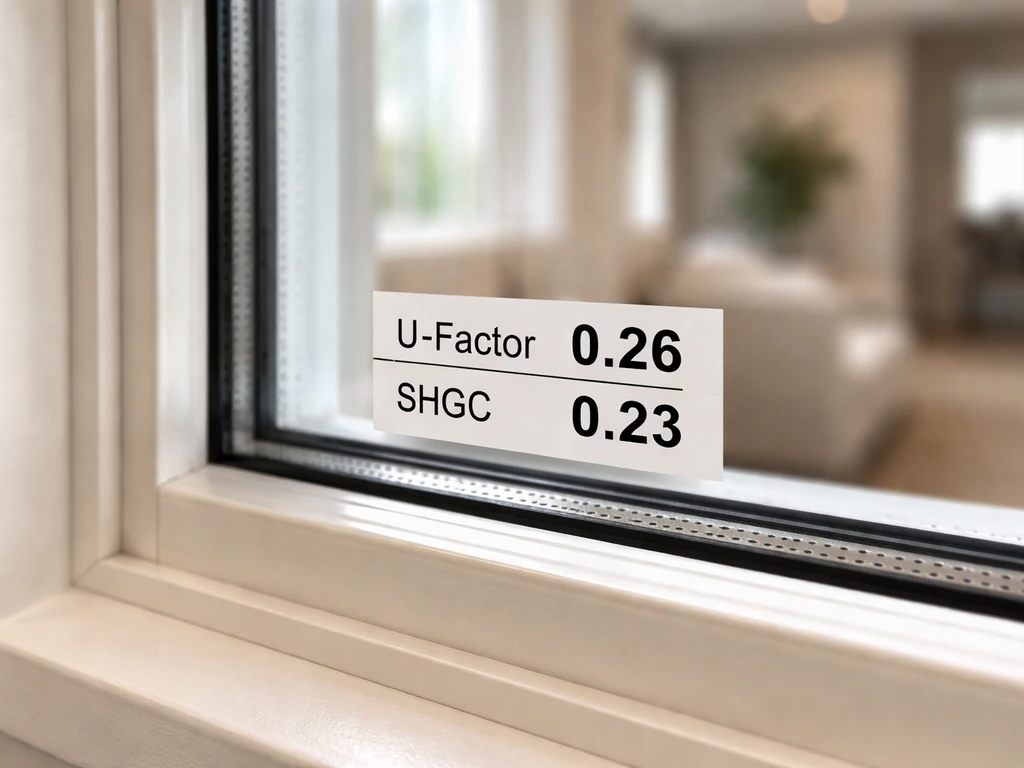
Every sliding door sold today will show two key numbers on its NFRC label: U-factor and SHGC. The U-factor measures how much heat flows through the glass, lower is better, meaning the glass insulates more. SHGC (Solar Heat Gain Coefficient) measures how much solar energy passes through, and whether you want that number high or low depends on your climate. In a cold northern climate, a higher SHGC means free solar heating in winter, which is a good thing. In a hot southern climate, you want a low SHGC so the sun isn't cooking your living room all summer.
ENERGY STAR's Most Efficient 2025 criteria set the bar at a U-factor of 0. 20 or below for the Northern climate zone. That's a double- or triple-pane unit with low-e coating and argon or krypton gas fill. Low-e (low-emissivity) coating is a microscopically thin metallic layer on the glass that reflects infrared heat, it keeps warmth inside in winter and blocks radiant heat from outside in summer.
Argon gas between the panes is denser than air, which slows heat transfer. These aren't luxury upgrades anymore; they're baseline on any quality door. When you're shopping, [look for the ENERGY STAR label for your specific climate zone right next to the NFRC label](https://www. energystar.
gov/products/reswindowsdoors_skylights), ENERGY STAR certification is independently verified and climate-zone-specific, so it takes the guesswork out of comparing specs.
- U-factor: aim for 0.30 or lower for most climates; 0.20 or lower for cold northern zones
- SHGC: 0.25 or lower for hot climates; 0.40 or higher if you want solar gain in cold climates
- Low-e coating: should be standard on any door you consider — don't buy without it
- Argon gas fill: expect this on all quality double-pane units; krypton is better but costs more
- Triple-pane: worth it in very cold climates (Zone 6 and above); overkill in mild zones
- Look for the NFRC label and the ENERGY STAR label for your climate zone on the unit
Security, locking systems, and weatherproofing
A sliding patio door is a large opening in your home's envelope, and it deserves serious attention on both security and weathersealing. On the security side, the baseline hook-style latch that comes on cheap doors is not enough. Look for a multi-point locking system, hardware manufacturers like Roto offer mortise locks that go from single-point up to four-point locking, with anti-lift pins built in.
Anti-lift matters because sliding doors can often be lifted off their track from the outside if there's nothing stopping it; a quality system includes a device that prevents this. But here's the thing: having a multi-point lock spec on paper means nothing if the door isn't adjusted correctly. A badly adjusted panel that doesn't engage all the lock points fully is just as vulnerable as a single-point lock.
Ask your installer to verify full engagement of every lock point after installation, and check it yourself.
On weatherproofing, there are two things that really determine whether your door seals or leaks: the quality of the weatherstripping and the quality of the water management system at the base. Weatherstripping should compress firmly when the door closes, you shouldn't feel air movement at the edges when it's latched. At the sill, a properly installed door has a sill pan with flashing that directs any water that gets past the threshold to drain to the exterior.
Loewen's installation guidance calls sill pans mandatory in any door installation, and they're right, skipping this step is how you end up with water intrusion and rot under the framing. The bottom track also has weep holes that let water drain out; make sure these are clear during installation and keep them clear during annual maintenance.
For a more complete picture of performance ratings, doors tested to the AAMA/WDMA/CSA 101/I.S.2/A440 standard carry air infiltration, water penetration resistance, and structural performance ratings. A higher performance class (LC, CW, AW in ascending order) and performance grade (PG) means the door held up under more demanding test conditions. For most residential applications, ask for at least an LC (light commercial) rating or better, it gives you meaningful air and water resistance above the bare minimum.
Track, rollers, and keeping the door smooth for years
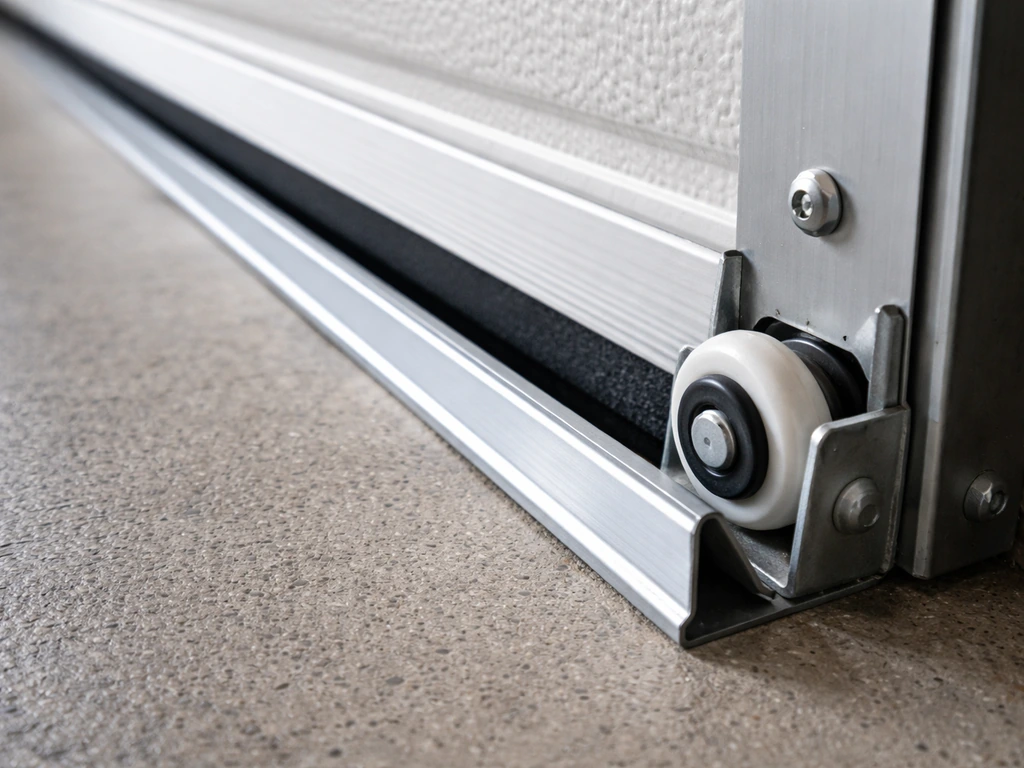
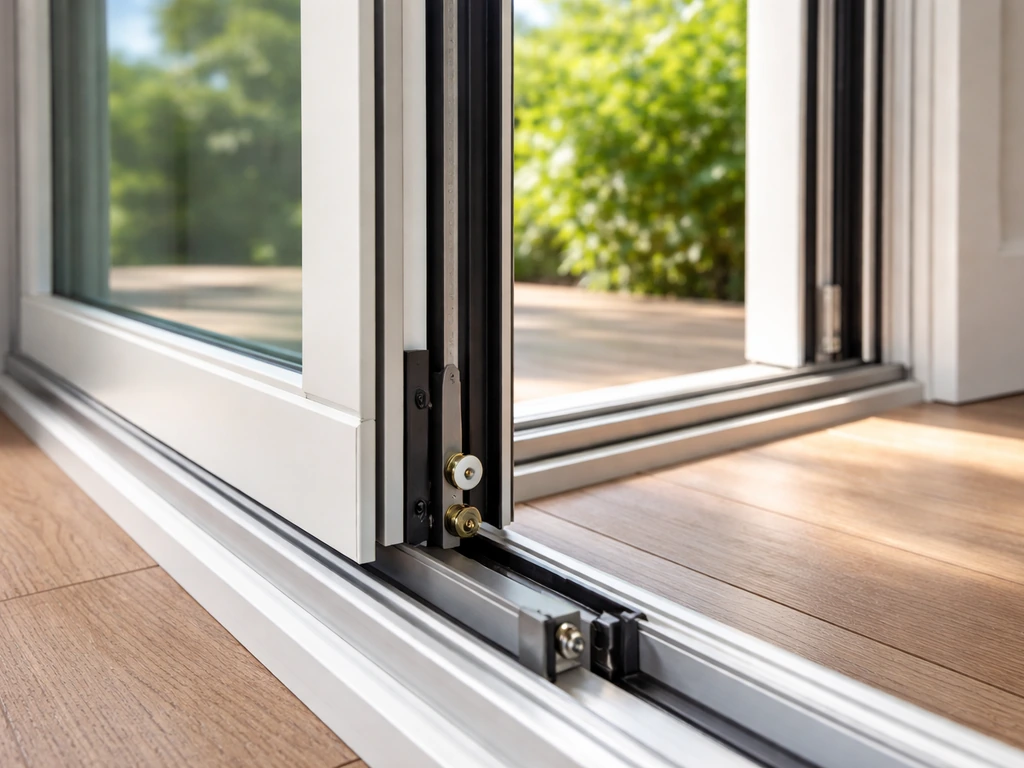
This is the section most buyers skip, and it's the one they regret five years later when the door starts dragging. The roller system is what the panel rides on, and the quality difference between a cheap plastic wheel and a proper stainless steel ball-bearing tandem roller is enormous. Look for tandem roller assemblies, two wheels per corner instead of one, because they distribute the panel weight better and wear much more slowly.
Stainless steel housing and wheels resist corrosion, which matters especially near the coast or in humid climates. Quality rollers (like what you'd find from ASSA ABLOY's fenestration hardware line or FPL Hardware's tandem designs) also include an adjustment mechanism, typically a screw that raises or lowers the carriage to fine-tune the gap between the panel and the frame. This is how you fix a door that's dragging on the track or letting in a draft at the bottom.
The track itself needs attention too. The bottom track geometry is designed to channel water toward the weep holes, so it's not flat, don't try to fill it in or seal it. Keep the track clean by brushing out debris and vacuuming the channel every few months. A light application of a silicone-based lubricant (not WD-40, which attracts dirt) on the track and the roller wheels will keep things gliding. Check that the weep holes at the base of the track are open and draining, clogged weeps are a primary cause of water backup and sill rot. Doing this simple maintenance twice a year extends roller life dramatically and keeps the door operating like new.
Style, configuration, and hardware choices
Once you've nailed down fit, materials, and performance, the fun part starts. Sliding patio doors come in several panel configurations. The most common is a 2-panel setup where one panel is fixed and one slides, it's the simplest, most affordable, and works for openings from about 5 feet wide up to 8 feet. For wider openings (10 feet and beyond), you start looking at 3-panel or 4-panel multi-slide systems where multiple panels stack or pocket into the wall. More panels mean a wider open span, but also more complexity, more hardware, and significantly higher cost.
On grilles (the decorative grid lines on the glass): you have a few options. Grilles between the glass panes look clean and are the easiest to maintain because you never clean around them, just wipe the outer glass surfaces. Applied grilles on the surface of the glass look more traditional but collect dust and require more careful cleaning. Renewal by Andersen specifically highlights between-glass grilles as a maintenance advantage, and in practice that's true.
Renewal by Andersen describes grille options including between-glass grilles that help create the look of muntins while allowing easier cleaning of the glass surface Renewal by Andersen specifically highlights between-glass grilles as a maintenance advantage. If you like the colonial or craftsman look, between-glass grilles give you the aesthetic without the cleaning headache.
Screens deserve more thought than most people give them. A standard fixed screen sits in a track alongside the panel, which works but can be clunky to remove and store. blank" rel="noopener noreferrer">Retractable screen systems (Andersen offers one as an integrated option) roll away when you're not using them, which keeps the view unobstructed and protects the screen from damage. They cost more but are genuinely worth it if you use the door frequently.
Hardware finish (handles, locks, pulls) should be chosen both for looks and for corrosion resistance, if you're near salt air, anything other than stainless steel or powder-coated aluminum will pit and corrode. The handle should feel solid and require minimal force to engage the latch. If a door's handle feels flimsy in the showroom, it won't get better over time.
Budget, total cost, and what to expect from installation
Here's the honest cost picture. HomeAdvisor puts typical sliding patio door replacement cost (door plus installation) between $1,550 and $6,250 for a standard job. This Old House stretches that range to $600 on the low end (a basic vinyl door in a simple existing opening) up to $10,000 for large multi-panel systems or complex framing work. The wide range exists because so many variables matter: door size, panel count, frame material, glass package, whether the rough opening needs modification, labor rates in your area, and floor height (a third-story installation costs meaningfully more than ground level).
A realistic budget for a quality 6-foot vinyl double-pane door with ENERGY STAR-rated glass and professional installation in a prepared opening lands around $2,000 to $3,500 in most markets in 2026. Step up to fiberglass or a wider 8-foot unit and you're looking at $3,500 to $6,000 installed. Multi-slide systems with three or more panels start around $5,000 and can climb well past $10,000 depending on complexity. Always get at least two quotes and make sure each quote specifies what's included, door unit cost, removal and disposal of the old door, any framing modification, installation labor, and finishing (trim, caulk, insulation). Some quotes leave out framing work and it shows up as a surprise line item after demo.
DIY installation is possible if you're experienced with framing, shimming, and flashing, but it's genuinely one of those projects where a small mistake (an unlevel sill, a missed flashing detail, improper shimming) causes expensive problems down the road. Most manufacturers also tie warranty coverage to professional installation. If you're buying a quality door, protect that investment with a qualified installer.
Your pre-purchase checklist
Before you finalize any purchase, run through these checkpoints. This is what to verify with your retailer or installer so nothing gets missed.
- Confirm rough opening dimensions (width x height) and verify the floor is level, sides are plumb, and opening is square
- Choose frame material based on your climate — fiberglass or quality vinyl for extreme climates, aluminum only with a thermal break
- Confirm the door carries an NFRC label and ENERGY STAR certification for your climate zone; check U-factor and SHGC targets
- Ask specifically about the locking system — multi-point locks with anti-lift pins are the standard to request
- Confirm a sill pan and flashing are included in the installation scope — not optional
- Ask what roller system the door uses — look for tandem ball-bearing stainless rollers with adjustability
- Decide on panel configuration (2-panel, 3-panel, pocket) and screen type (standard vs. retractable) before finalizing the quote
- Get an itemized quote that separates door unit cost, old door removal, framing work, and installation labor
- Ask whether installation is required for warranty coverage and confirm who registers the warranty after install
Sliding patio doors are one of those purchases where taking an extra hour to get the details right saves you years of frustration. The options, materials, glass, configurations, security hardware, can feel overwhelming, but they narrow quickly once you know your opening dimensions, your climate zone, and your honest budget. If you're still weighing whether a sliding door is the right choice at all, it's worth considering alternatives like French doors or bifold systems depending on your space and how wide an opening you want. But for most homeowners who want a clean, low-maintenance, easy-to-operate connection between inside and outside, a well-chosen sliding patio door is hard to beat.
FAQ
What’s the most common mistake when measuring for a sliding patio door?
Relying on the finished opening instead of the rough opening. The door unit needs the specified clearance around the frame after it is set, and measuring only trim-to-trim often leads to a frame that cannot be shimmed and flashed correctly.
If my floor is slightly out of level, can I still install the door?
It depends on the magnitude and location of the slope. A small difference can sometimes be corrected with proper leveling at the sill, but if the threshold is noticeably sloped (for example, enough that the panel creeps), you may need subfloor or framing correction because the door will keep moving over time.
How do I know whether my glass package is adequate without becoming an expert?
Use the NFRC label numbers together. Confirm the U-factor matches your climate goals, and check SHGC for your heating versus cooling priorities (higher for cold regions, lower for hot regions), then verify the ENERGY STAR label for your specific climate zone.
What should I ask about weatherproofing beyond weatherstripping?
Ask who will install the sill pan and flashing details, and whether the builder will verify water drainage to the exterior. Also request confirmation that the bottom track weep holes are left open, because sealed or clogged weeps are a frequent cause of rot.
How can I tell if my sliding door hardware is truly secure?
Confirm the lock type is multi-point, and ask whether it includes anti-lift protection like anti-lift pins or an anti-lift device. After installation, test engagement by operating every lock point when the door is closed, since a misadjusted panel can defeat a good lock.
How often should I lubricate and what lubricant should I use?
Plan for periodic maintenance, typically twice per year. Use a silicone-based lubricant on the track and rollers only, and avoid petroleum products like WD-40 because they tend to attract debris and increase wear.
What’s the difference between between-glass and surface grilles in real life?
Between-glass grilles stay cleaner because dust does not collect on the grille surfaces, you only clean the outer glass planes. Surface-applied grilles look more traditional but usually require more careful cleaning around the grille lines.
Do retractable screens always perform better than fixed screens?
They can, especially for daily use, because they roll away cleanly and reduce damage from storage and handling. However, confirm the retraction housing is compatible with your door configuration and that the screen is properly tensioned to avoid snagging.
Is a higher performance rating always worth it?
Not always, but it matters most if you face strong wind, heavy rain, or noise concerns. If you can, request at least an LC-level rating or better, and choose the next higher class when the home is exposed or the door area is a main entry.
What should my contractor include in the quote to avoid surprise costs?
Make sure the quote lists what happens during prep and finishing: removal and disposal of the old door, any framing modification, sill pan and flashing work, installation labor, and finishing items like trim, caulk, and insulation. If those items are vague, costs often appear after demo.
Will the warranty be void if I don’t use a professional installer?
Many manufacturers require professional installation for warranty coverage, especially for correct shimming, flashing, and hardware adjustment. Before buying, ask the retailer or manufacturer to confirm the warranty terms in writing.
How do I decide between a 2-panel slider and a multi-slide system?
Choose a 2-panel for simplicity, lower cost, and fewer moving parts, it typically fits moderate opening widths. Switch to 3-panel or 4-panel multi-slide only when you need a wider clear opening, since more panels usually mean more hardware, more track complexity, and higher installation demands.
What’s a reasonable expectation for long-term maintenance?
Even high-quality doors need routine checks. Keep the track clean, ensure weep holes stay unobstructed, and watch for changes in how the panel moves, dragging or increased force is often the first sign that adjustment or roller maintenance is needed.