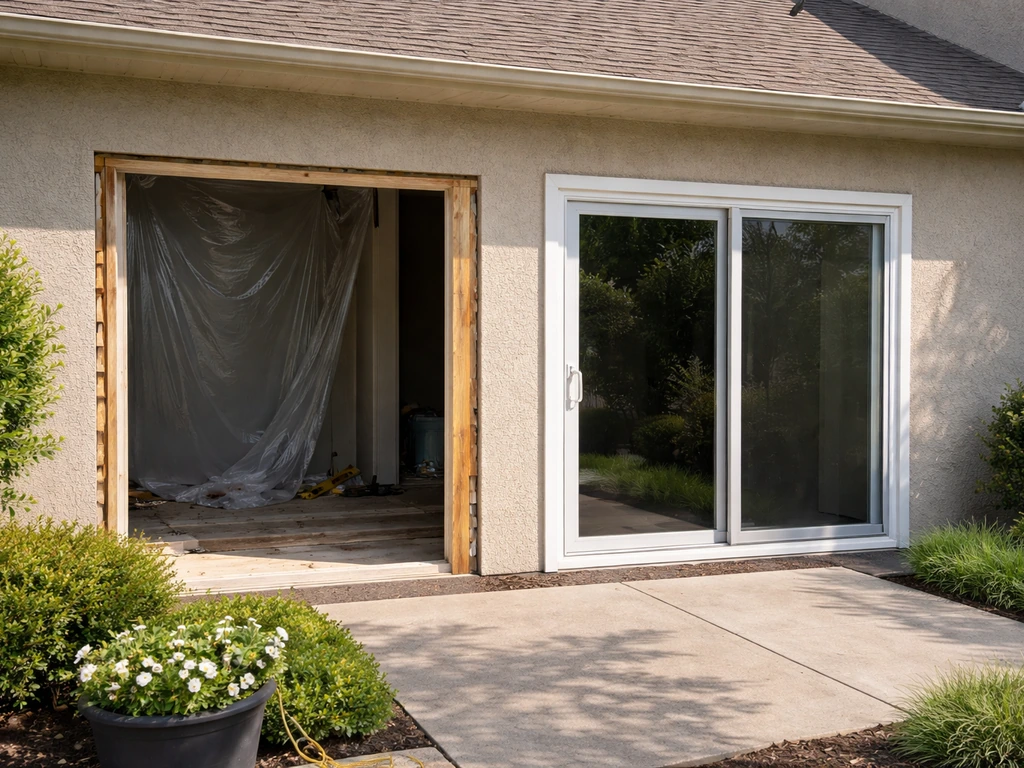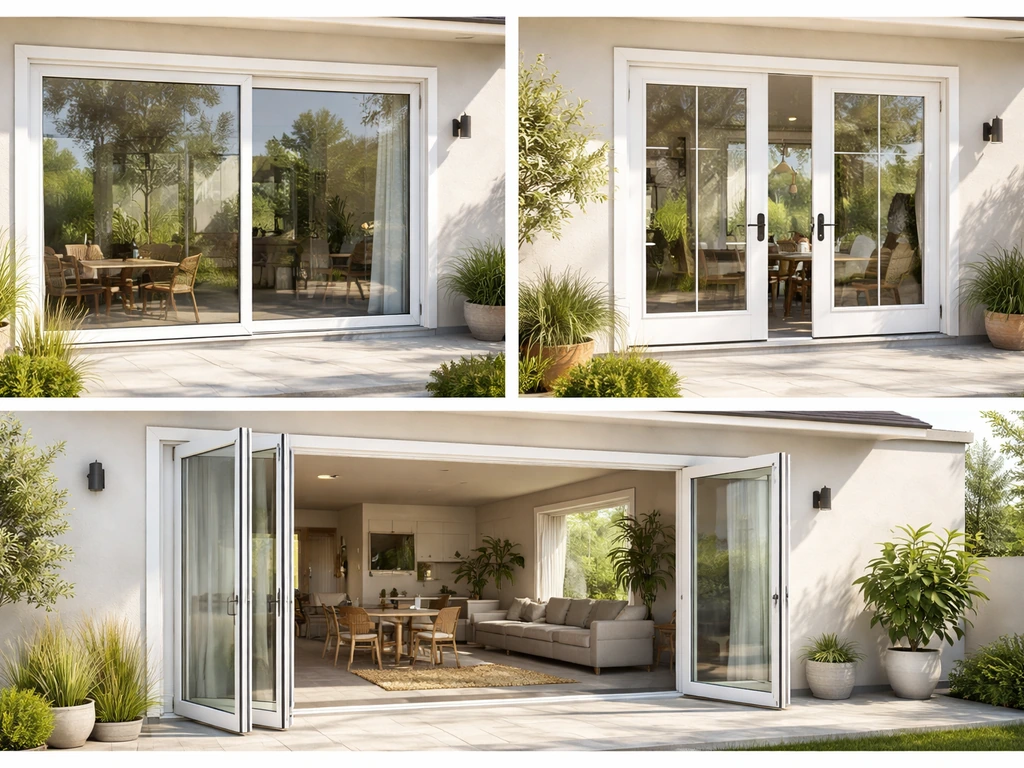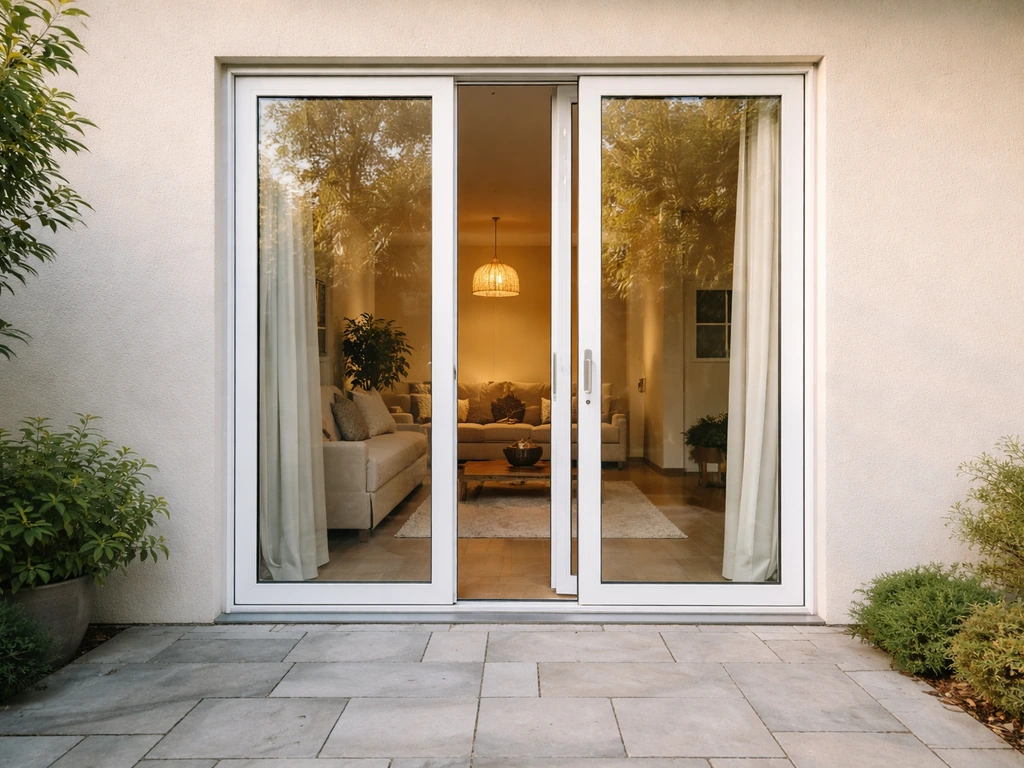
Yes, patio doors are covered by homeowners insurance in most cases, but only when the damage comes from a sudden, covered cause like a storm, break-in, or accidental impact. The patio door itself (glass, frame, hardware, and track) is treated as part of your home's structure under Coverage A (Dwelling) in a standard HO-3 policy, so it gets the broadest protection the policy offers. What trips people up is the exclusions: gradual damage, rot, rust, worn-out rollers, and slow seal leaks almost always get denied. The cause of damage is everything.
Are Patio Doors Covered by Insurance? What to Check

Owen Delaney
11 Jul 2026
What insurance typically covers for patio doors
A standard HO-3 homeowners policy covers your dwelling (the house structure) on an open-perils basis, meaning it covers all direct physical losses unless specifically excluded. Because a patio door is permanently attached to the house, it lives in Coverage A alongside your roof, windows, and walls. That means if a covered event damages it, the insurer pays for repair or replacement minus your deductible.
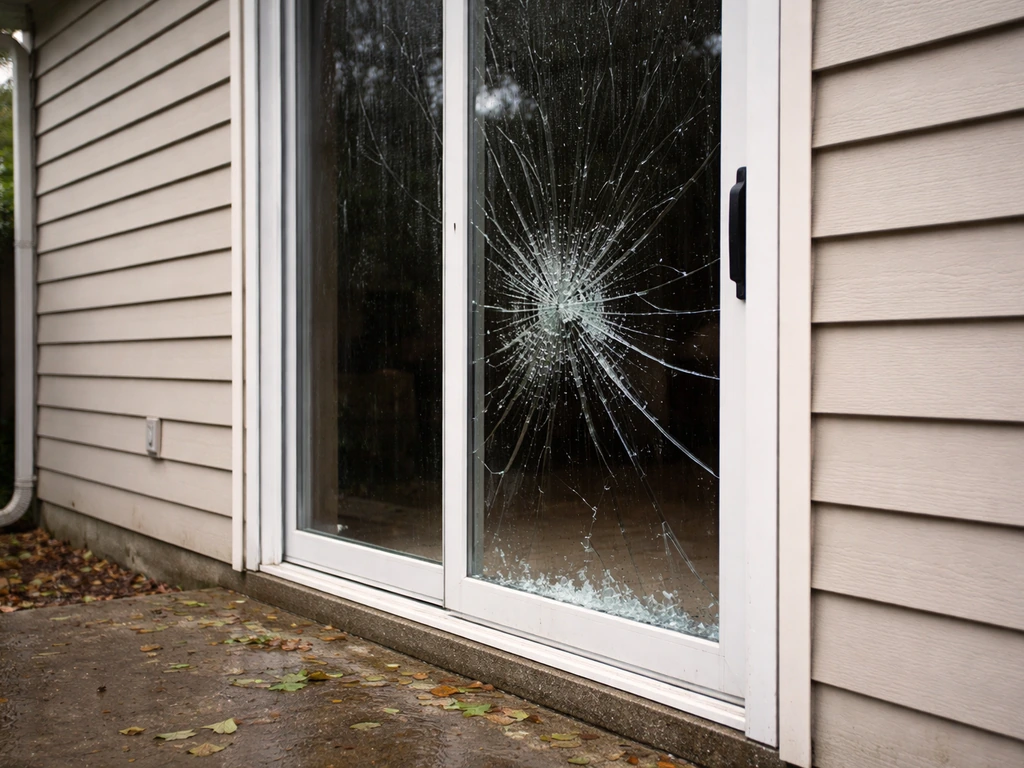
The perils that most commonly trigger a covered patio door claim include windstorm and hail, falling objects (like a tree limb), vandalism, theft or forced entry, fire, and breakage of glass from an accidental sudden event. Many HO-3 policies explicitly list 'breakage of glass or safety glazing material' as a covered peril, which directly applies to patio door glass panels whether they're tempered, laminated, or double-pane insulated units.
Renters insurance works differently. If you're renting, your policy covers your personal belongings and liability, not the door itself. California Department of Insurance guidance explains that renters insurance commonly covers personal property and certain additional living expenses, while the landlord provides insurance for the rental structure your personal belongings and liability, not the door itself.. A single patio door is typically called a single-panel patio door or a one-leaf patio door, depending on the type. That's the landlord's problem (and their insurance). If you're in a condo, check whether your HOA master policy covers the original door installation or if your individual HO-6 unit policy needs to pick it up. It varies by association, so read the 'walls-in' versus 'bare walls' language carefully.
How to confirm coverage in your specific policy

Pull out your policy declarations page and look for three things: the Coverage A dwelling limit, the list of covered perils or exclusions (depending on the form type), and any endorsements you've added. Most homeowners have an HO-3, which means your dwelling is open-perils and your personal property is named-perils. A patio door is dwelling, not personal property, so that's good news for coverage breadth.
Next, flip to Section I Exclusions. This is where most patio door claims fall apart. You'll find specific language excluding water damage caused by gradual seepage, wear and tear, deterioration, rust, rot, and mechanical breakdown. Read these carefully and match them against what happened to your door. If your damage scenario doesn't fit an exclusion, you're likely covered.
Also check for any endorsements or riders attached to the policy. A residence glass coverage endorsement is one you want to look for specifically. It can expand glass breakage coverage, sometimes waiving the deductible entirely for glass claims. If you don't have one and your door has large expensive panes (like a 12-foot bifold system or a wide sliding glass door), it may be worth adding before anything happens.
| Coverage Bucket | What It Covers | Does a Patio Door Fall Here? |
|---|---|---|
| Coverage A – Dwelling | The structure of your home: walls, roof, permanently attached doors and windows | Yes, for homeowners |
| Coverage B – Other Structures | Detached garages, fences, sheds | Only if the patio door is in a detached structure |
| Coverage C – Personal Property | Belongings inside the home | No (the door itself is not personal property) |
| Endorsements (e.g., Residence Glass) | Specific expanded coverage for glass breakage | Yes, if added to the policy |
| Renters/HO-4 Policy | Personal property and liability for renters | No (structure is landlord's responsibility) |
| Condo/HO-6 Policy | Unit interior and personal property | Depends on HOA master policy language |
Common patio door damage scenarios and whether they're covered
Storm damage and flying debris
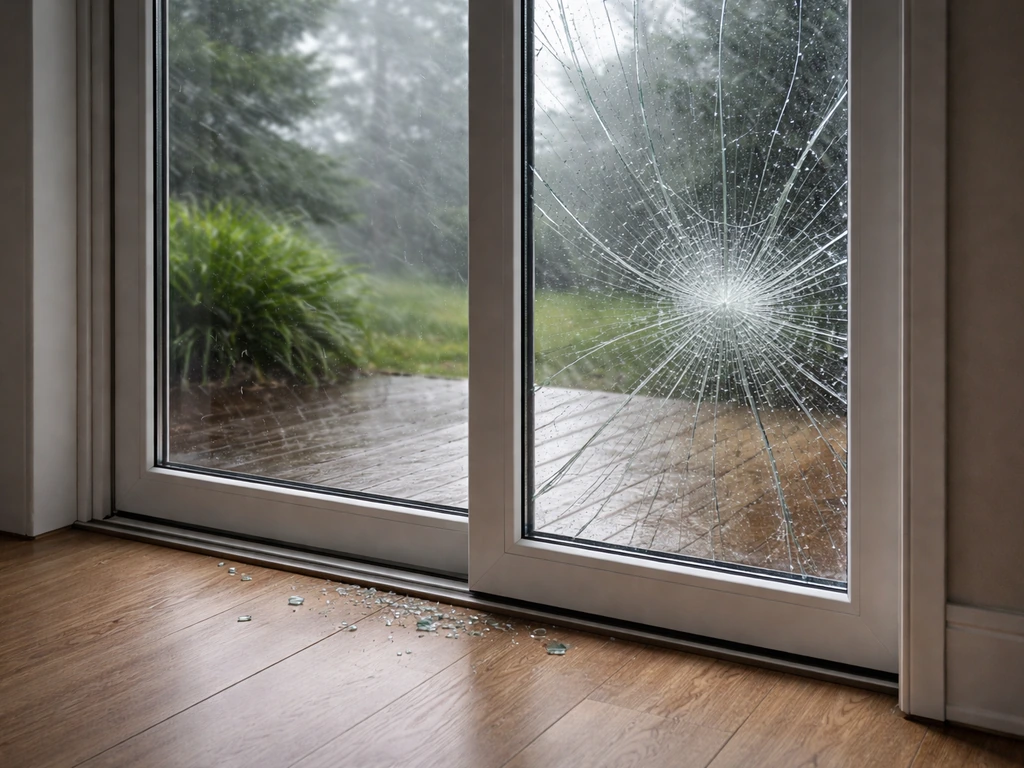
This is the most straightforward covered scenario. If a hailstone, windblown branch, or flying debris cracks or shatters your patio door glass, your HO-3's windstorm and hail peril almost certainly applies. The same goes for the door frame if wind forces it open and breaks the track or bends the frame. Document everything before you board it up. Storm damage claims are generally smooth as long as you can show the event happened.
Break-ins and forced entry
Patio doors are a common entry point for burglars, and the damage from a forced entry (smashed glass, bent frame, broken lock) is covered under theft and vandalism perils. The insurer will want a police report, so file one immediately even if nothing was stolen. Coverage applies to the door itself and any stolen belongings separately under Coverage C. Keep in mind the door repair and the stolen items are handled as separate line items, both subject to your deductible.
Accidental damage
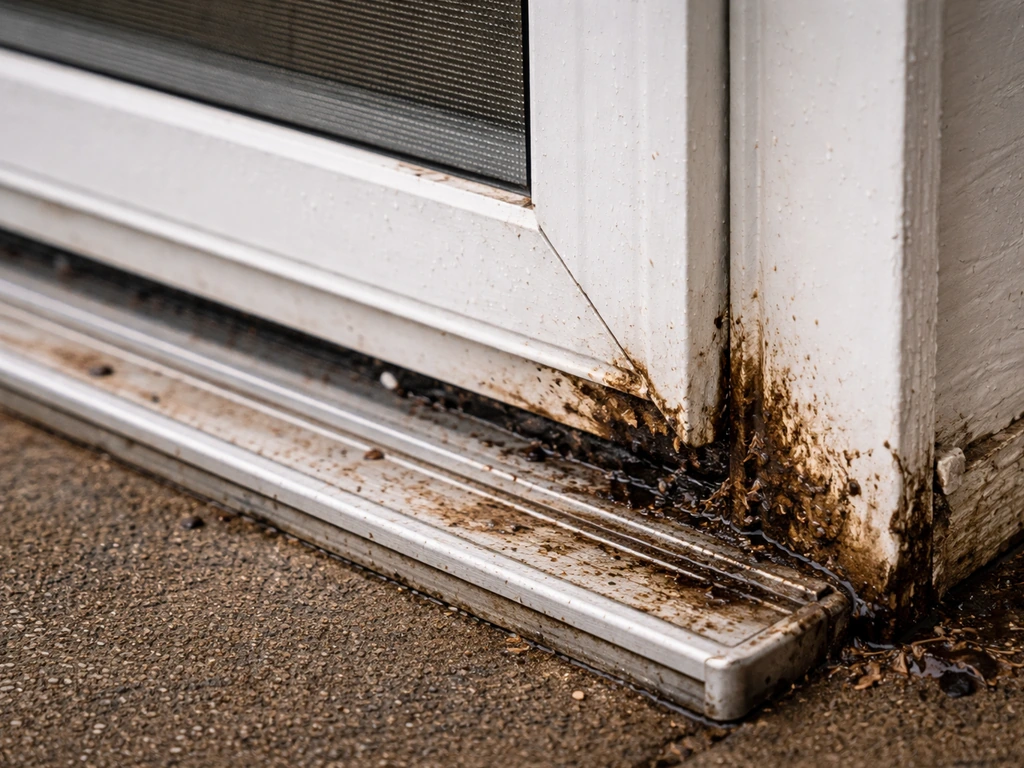
A kid throws a ball through the glass, you back into the door frame with furniture during a move, or a heavy object falls and cracks the panel. These situations fall into 'accidental breakage' territory, and coverage depends heavily on how your specific policy handles it. Some HO-3 policies cover sudden accidental breakage of glass explicitly. Others do not cover accidental damage by the homeowner at all without a special endorsement. Check your declarations page for any 'accidental damage' or 'accidental breakage' endorsement language.
Water leaks from patio door seals
This one is almost always denied, and it's a source of a lot of frustration. If your patio door seal has been slowly failing and water has been seeping in over months, causing rot in the sill or water stains on the floor, that's gradual damage and it's excluded. Homeowners policies cover sudden and accidental water damage, not the slow drip that you should have caught and fixed. If a storm forces a massive water intrusion through a damaged seal in a single event, you may have a better argument, but the adjuster will look for evidence of pre-existing deterioration. Maintain those seals.
Rollers, tracks, and hardware failure
Worn-out rollers on a sliding patio door, a bent track from years of use, or a lock mechanism that stopped working because of age: these are mechanical breakdown and wear and tear, both excluded perils. If you have a lift and slide patio door, the rollers and tracks are often a key part of how these claims are evaluated what is a lift and slide patio door. Insurance is not a home warranty. If your sliding door just won't slide anymore because the rollers gave out after 15 years, that repair is coming out of your pocket.
Exclusions that get patio door claims denied
Knowing what's excluded is just as important as knowing what's covered. These are the most common reasons patio door claims get rejected, and they're all spelled out in Section I Exclusions of your policy. Understanding what patio doors mean in everyday terms can help you describe the damage accurately to your insurer patio doors meaning.
- Wear and tear: Any damage that developed gradually over time through normal use, including faded frames, loose hardware, and foggy double-pane glass from seal failure
- Maintenance neglect: Rotted wood frames from failing to repaint or seal regularly, or deteriorated weatherstripping you ignored for years
- Rot and decay: Wood patio door frames and sills are particularly vulnerable here; rot is explicitly excluded in most HO-3 forms
- Rust and corrosion: Applies to aluminum frames and metal hardware left unprotected, especially in coastal or high-humidity climates
- Mechanical breakdown: Failed rollers, broken lift mechanisms on lift-and-slide doors, or seized lock cylinders
- Gradual water damage: Slow seepage through failing door seals, condensation damage over time, or water intrusion you ignored
- Insect and pest damage: Termite damage to a wood patio door frame is explicitly excluded from virtually every standard homeowners policy
- Settling or earth movement: If your door no longer closes because your foundation shifted or the slab settled, that's not a covered dwelling peril
Glass endorsements, deductibles, and whether they're worth it
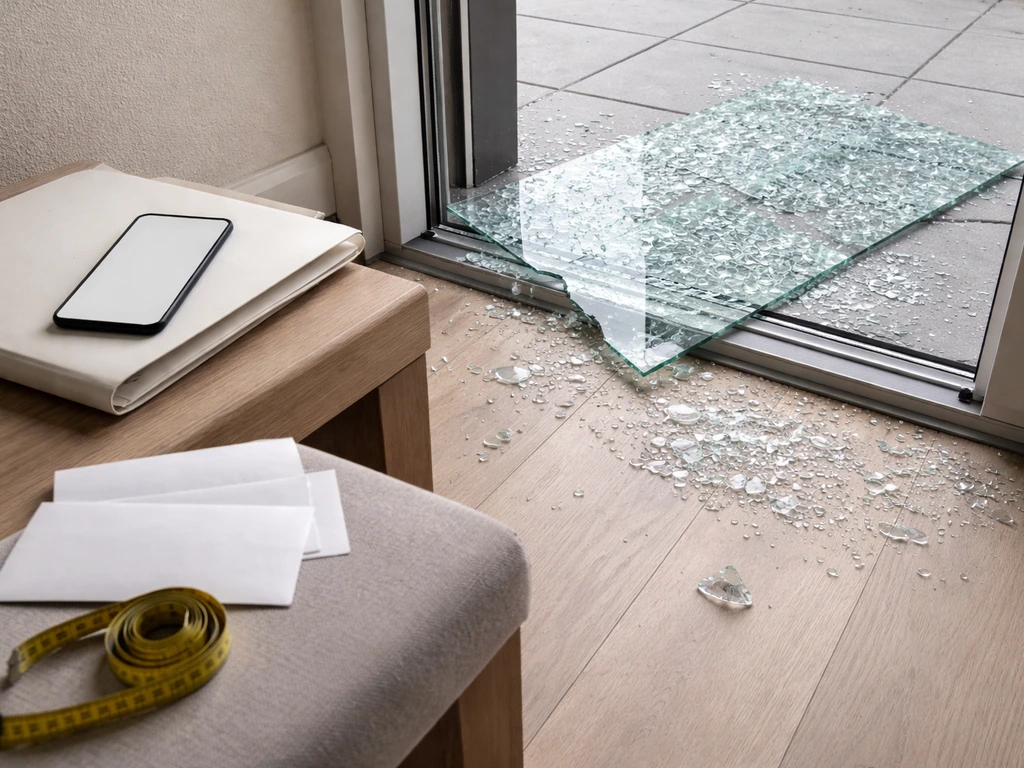
A residence glass coverage endorsement is a specific add-on that expands how your insurer handles broken glass in permanently attached windows and doors. The big deal with these endorsements is the deductible treatment. Some endorsements waive the standard dwelling deductible for glass claims entirely, or apply a much smaller flat deductible (sometimes $50 to $100). On a policy with a $2,500 or $5,000 deductible, that matters enormously if you're replacing a single cracked pane that might cost $300 to $600 to fix.
The scope of a glass endorsement is usually limited to the glass itself, not the full door assembly. So if a rock chips your patio door pane, the endorsement pays. But if the frame is also bent or the track is damaged, that goes back to the standard dwelling coverage and your regular deductible applies. Read the endorsement language to see exactly what 'glass' is defined to include.
On the deductible question more broadly: if your standard deductible is $2,000 and the total patio door replacement costs $1,800, you're getting nothing from the insurer. This is genuinely common with patio door claims. Before you file, get a rough repair estimate and compare it to your deductible. Filing a claim you won't collect on still shows up in your claims history and can affect your future premiums. Sometimes paying out of pocket is the smarter move financially.
What a patio door repair or replacement claim actually pays for
When a patio door claim is approved, the settlement should cover the cost to repair or replace what was damaged, returning it to its pre-loss condition. In practice, that includes the glass panel or panels, the door frame if structurally damaged, functional hardware like handles and locks, and the rollers or track if they were damaged as a direct result of the covered event (not pre-existing wear). Installation labor is generally included as part of the replacement cost.
Where things get complicated is matching. If you have a three-panel sliding door and one panel is destroyed, but the manufacturer discontinued that exact glass tint or frame finish, you may be entitled to argue for a full matching replacement set. Some policies cover 'like kind and quality' which gives you more leverage. Others pay actual cash value (ACV), which factors in depreciation. A 10-year-old patio door might only get 50 to 60 cents on the dollar under ACV. Replacement cost value (RCV) policies pay the full cost of a comparable new unit. Check which one you have because the difference on a $3,000 patio door can be $1,000 or more.
Accessories like security film, screens, or door covers are generally not automatically covered unless they're part of the door assembly or specifically included in your policy. Aftermarket locks and security hardware added later may or may not be covered depending on whether they're considered permanently attached. Don't assume. Document any upgrades you've made and ask your agent whether they're included in your dwelling coverage.
What to do right now to prepare or file a claim
- Stop further damage first: Board up broken glass, lay down towels or plastic sheeting to prevent water intrusion, and secure the door opening if it can't be locked. Keep all receipts for emergency materials since these temporary repair costs are typically reimbursable under your policy.
- Document everything before you clean up: Take photos and video of the damage from multiple angles. Capture the full door, close-ups of broken glass or frame damage, and the surrounding area. If there's a storm, also photograph exterior damage to the house and yard to establish context.
- Write down the timeline: Note when you first noticed the damage, what you think caused it, and any weather events or incidents. A clear, consistent account matters when the adjuster asks questions.
- Get a police report if applicable: For break-ins, vandalism, or any criminal event, call the police and get the report number before you file the claim. Insurers require it for theft and vandalism claims.
- Pull your policy documents: Find your declarations page, review Coverage A limits, your deductible amount, and any endorsements. Look specifically for glass coverage endorsements or accidental damage riders.
- Get a repair estimate before filing: Contact one or two local patio door installers or glass shops for written estimates. Compare those numbers to your deductible. If the repair cost is close to or below your deductible, seriously consider paying out of pocket.
- Call your agent (not the claims line) first: Your agent can tell you whether the damage scenario is likely covered and whether filing makes sense given your deductible. This conversation doesn't open a claim and won't affect your rate. It's free advice.
- File the claim with specifics: When you do file, describe the cause clearly and accurately. Don't over-describe or speculate. Stick to what you know happened. The adjuster will schedule an inspection and assess the damage from there.
- Follow up on what the settlement includes: Ask the adjuster specifically whether the settlement covers installation labor, matching panels if needed, and hardware. Get the scope of loss in writing before agreeing to a settlement amount.
One last thing worth mentioning: if you're in the process of evaluating a patio door replacement anyway, whether it's a sliding glass door, French doors, or a bifold system, a covered claim can be a legitimate opportunity to upgrade materials. If you’re searching for patio door repair or replacement coverage in Fort Worth, make sure your policy details match your specific damage scenario patio doors fort worth. A vinyl or fiberglass door may cost more than what the insurer pays for a like-for-like wood replacement, but you pay only the difference. It's worth asking your contractor and adjuster about upgrade options during the claims process rather than after the settlement is already finalized.
FAQ
Does homeowners insurance cover patio door replacement if only the glass is cracked?
Often yes, if the crack is from a sudden covered event (like wind, hail, or an accidental impact). If a glass endorsement is on your policy, it may lower or waive the deductible for the glass portion, but it typically does not pay for frame, track, or rollers unless the endorsement explicitly defines “glass” to include more than the pane.
If my sliding patio door won’t open because the rollers failed, is that covered?
Usually not. Roller failure and track problems are typically treated as wear and tear or mechanical breakdown, which are common exclusions. If the door was damaged by a covered peril (for example, a storm bending the track), that can change the outcome, but the damage must be tied to the specific event.
What happens if the patio door damage is caused by my own mistake, like backing a car into it?
Some HO-3 policies include sudden accidental breakage of glass, while others exclude accidental damage by the homeowner unless you have a specific endorsement. Even when covered, you should expect the insurer to focus on whether the event was sudden and accidental versus negligence or ongoing issues.
If I have a long-standing leak near the patio door, then water damage gets worse during a storm, do I have a claim?
Possibly, but it depends on how the insurer characterizes the cause. Gradual seepage and deterioration are usually excluded. The best-case argument is that a covered storm event caused a sudden, new water intrusion into an otherwise maintained condition, but the adjuster may look for evidence the leak existed before the storm.
Will filing a claim for a patio door that I might not collect on affect my premiums?
Yes. Even if your deductible wipes out the payout, the claim can still show up in your loss history. It can increase future premiums or affect renewal terms, so it is smart to compare the estimated repair or replacement cost to your deductible before filing.
Does the patio door’s age determine whether I get paid?
It depends on whether your policy settles on replacement cost value (RCV) or actual cash value (ACV). With ACV, depreciation can cut the payout significantly for older doors, sometimes leaving you to cover the gap. If you want full value, ask your insurer whether replacement-cost coverage is in place and what documentation is required.
Are security upgrades like new locks, alarms, or security film covered?
Not automatically. Many policies cover the door assembly and standard hardware, but aftermarket upgrades may be excluded unless they are considered permanently attached or specifically listed. Keep receipts, take photos before and after the loss, and ask the insurer or agent how the items are classified under your policy.
If burglars break the patio door and steal something, are the door and stolen items covered separately?
Typically yes. The forced-entry damage to the door is handled under dwelling (Coverage A), while the stolen belongings are handled under personal property (Coverage C). Both are subject to the deductible rules, but they may be processed as separate components of the loss.
Do I need to call the police if my patio door was broken into but nothing was stolen?
Usually you should. Even if no items are missing, a police report helps establish the forced-entry cause for coverage under theft or vandalism-type perils. Delaying the report can make it harder to tie the damage to the alleged incident.
In a condo or townhouse, who is responsible for patio door coverage, my HO-6 or the HOA master policy?
It depends on how the association defines what is “inside” versus “outside” of the unit. Many HO-6 policies cover interior build-out, but the original door installation may be treated as part of the building covered by the HOA. Confirm whether the HOA policy covers the door assembly and then check your HO-6 declarations for what remains your responsibility.
Is there any special documentation that improves my patio door claim chances?
Yes. Take clear photos of the damage, including close-ups of glass, frame cracks, and any entry point. Keep the broken parts if possible for inspection, and gather an itemized repair estimate before any long-term replacement decisions. For storms, document the timing and event details so the insurer can match the damage to a covered peril.