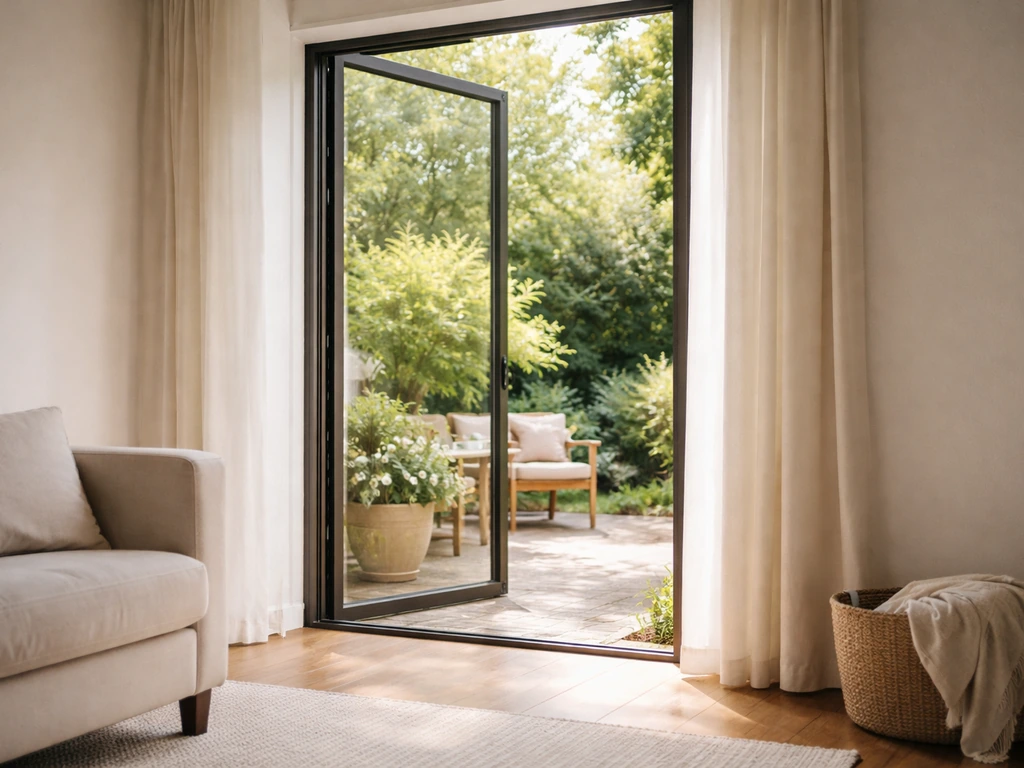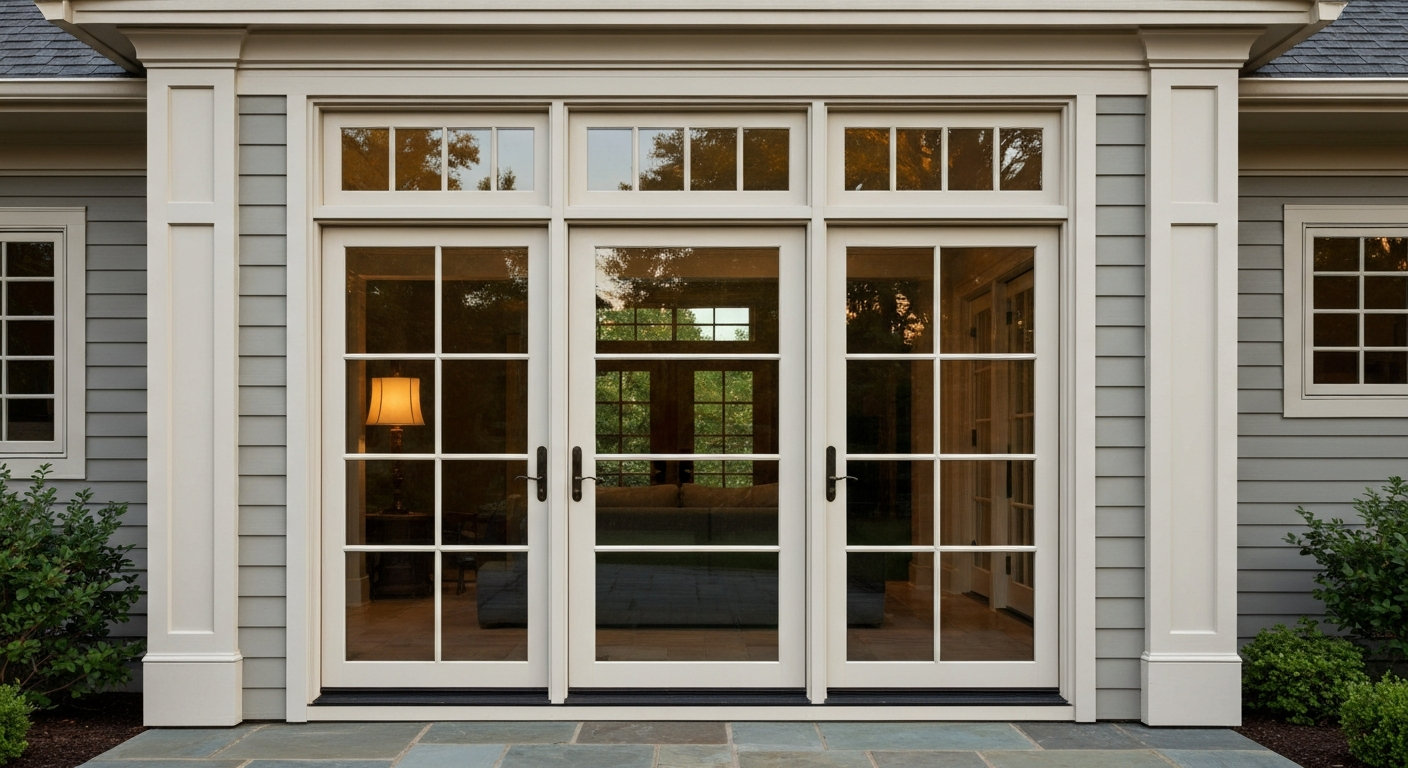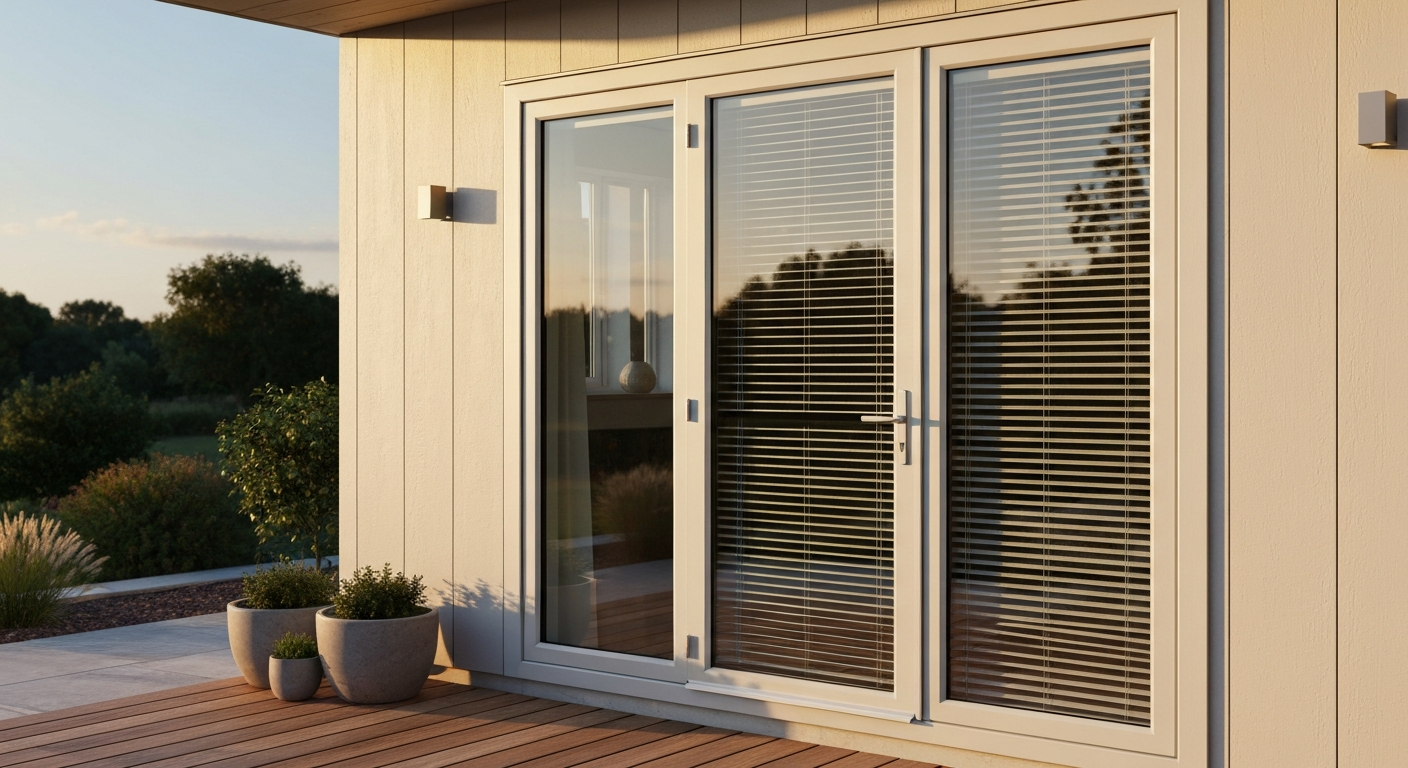
A patio door is any exterior door designed to connect your indoor living space to an outdoor area like a patio, deck, or backyard. It's not one specific product. The term is a catch-all that covers several different door styles: sliding glass doors, French doors, bifold doors, and lift-and-slide doors. When someone says 'patio door,' they usually mean whichever of those styles is in (or is going into) their home. The confusion comes from the fact that retailers, contractors, and manufacturers all use the term interchangeably for products that open, look, and perform very differently.
Patio Doors Meaning: Definition, Types, and Buying Tips

Owen Delaney
9 Jun 2026
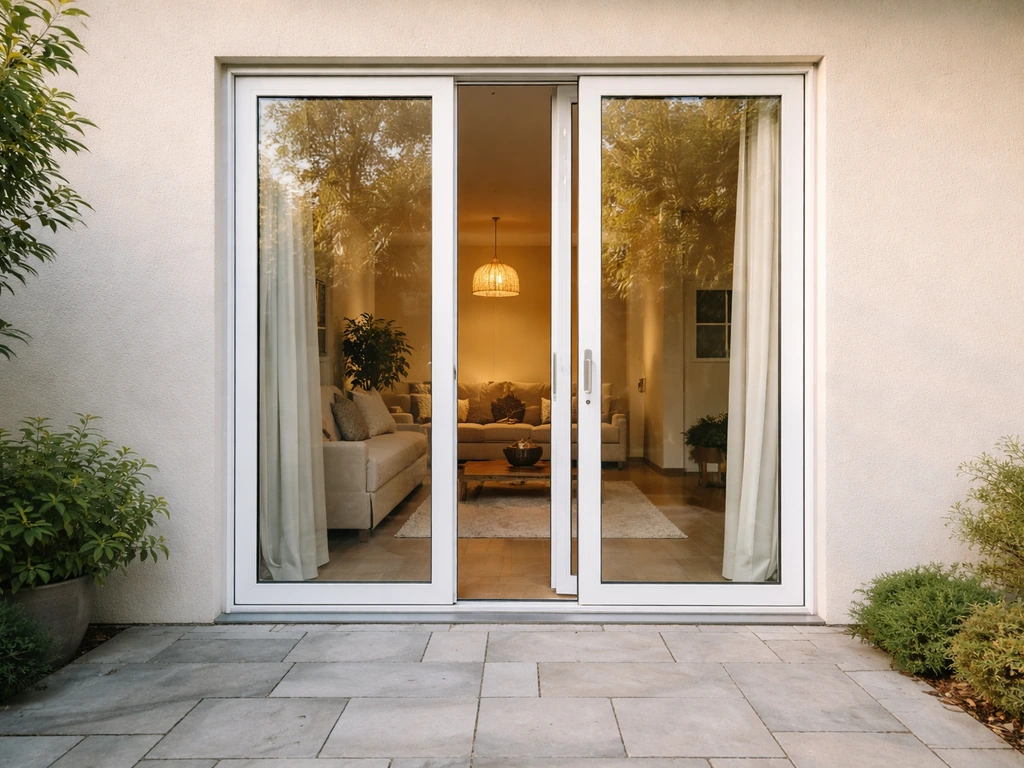
What 'patio door' actually means in plain English
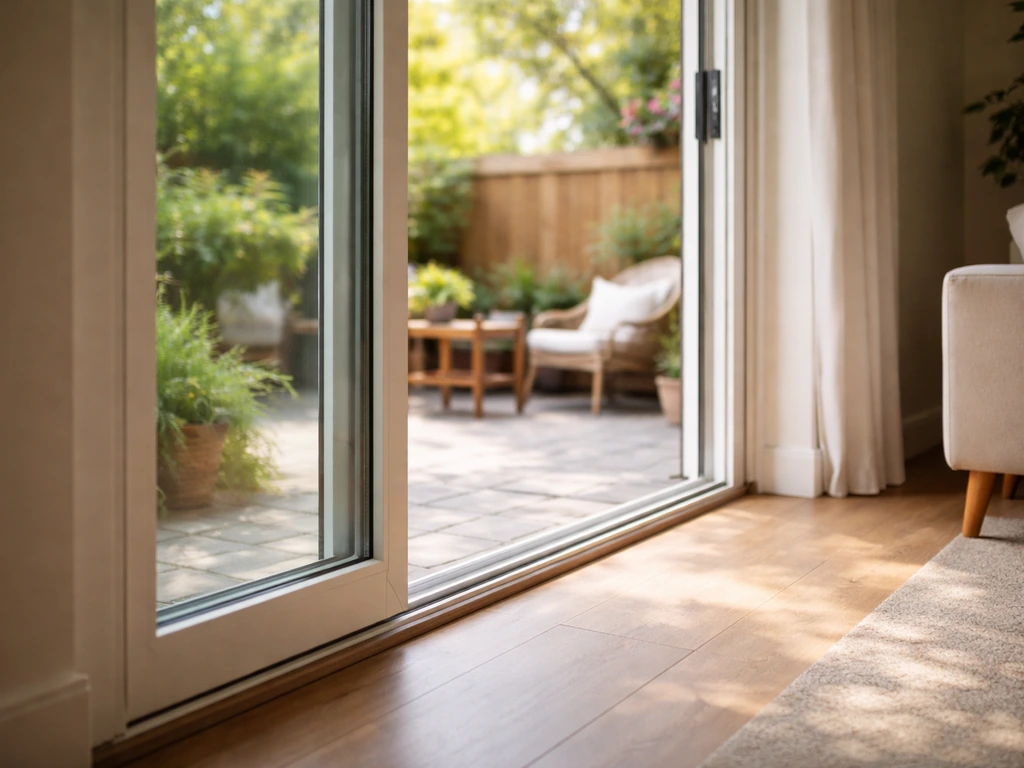
At its core, a patio door is an exterior door built to let people pass through and light in, while connecting interior rooms to an outdoor living space. If you're wondering whether home insurance cover patio doors, the coverage usually depends on what damage happened and whether the door is included in your policy as part of your home's exterior.
Wikipedia describes sliding glass doors specifically as a type of sliding exterior door set into an external wall that provides access to a backyard or patio and admits daylight. That definition is accurate but narrow. In real-world use, 'patio door' is a broader category name that retailers like Lowe's and Home Depot apply to any large glazed exterior door sold for this purpose, regardless of how it opens.
If you've been searching for the meaning of the term because you're shopping, measuring, or replacing a door, the most important thing to understand is this: the style of opening determines everything about how you measure, what you order, and what installation involves. So before you do anything else, figure out which type of patio door you're dealing with.
The door types included under the patio door umbrella
There are four main types most homeowners encounter. Each one opens differently, which changes how much wall space it uses, how it's measured, and how it performs in different climates.
Sliding patio doors
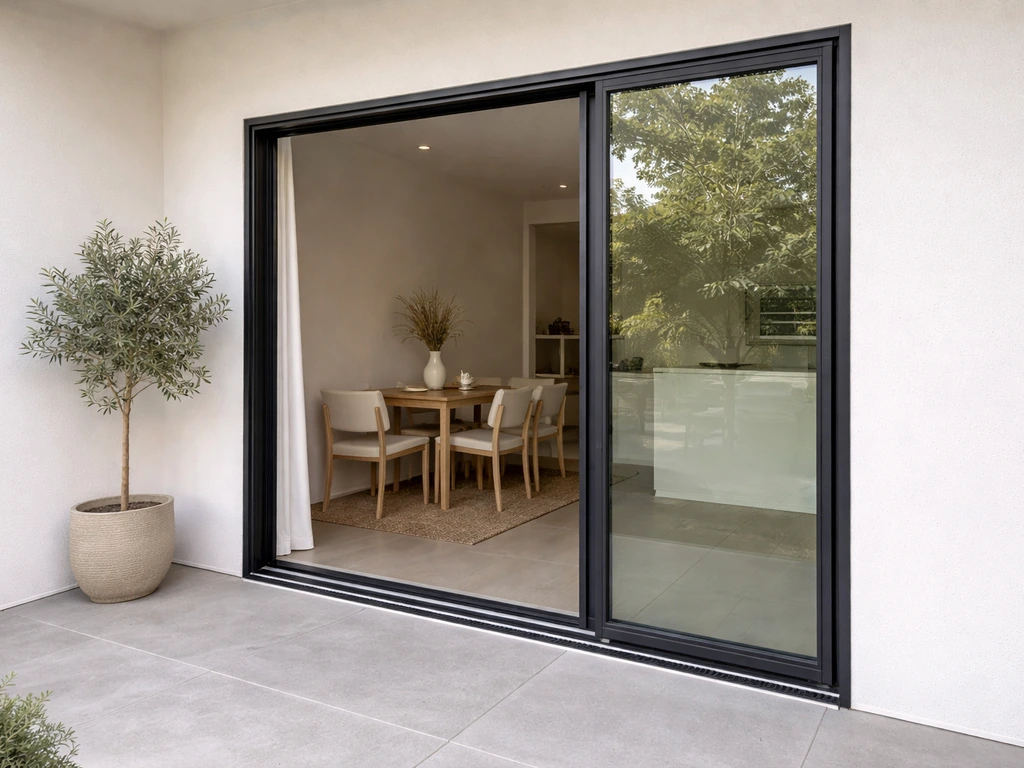
These are the most common type in North America. One panel is fixed and one slides horizontally along a track-and-roller system, gliding past the fixed panel to open. A standard two-panel sliding door has one operating panel and one stationary panel. Three- and four-panel configurations exist too, where additional panels can slide or stack. Because they don't swing into your space at all, they're ideal for tight interior layouts where a swinging door would be awkward.
French patio doors
French doors are two hinged panels that swing open, either outward, inward, or as a combination. They're the classic, traditional look and tend to give a wider unobstructed opening when both panels are open. The trade-off is clearance: you need floor space on whichever side they swing toward, which matters in small rooms or on tight decks.
Bifold patio doors
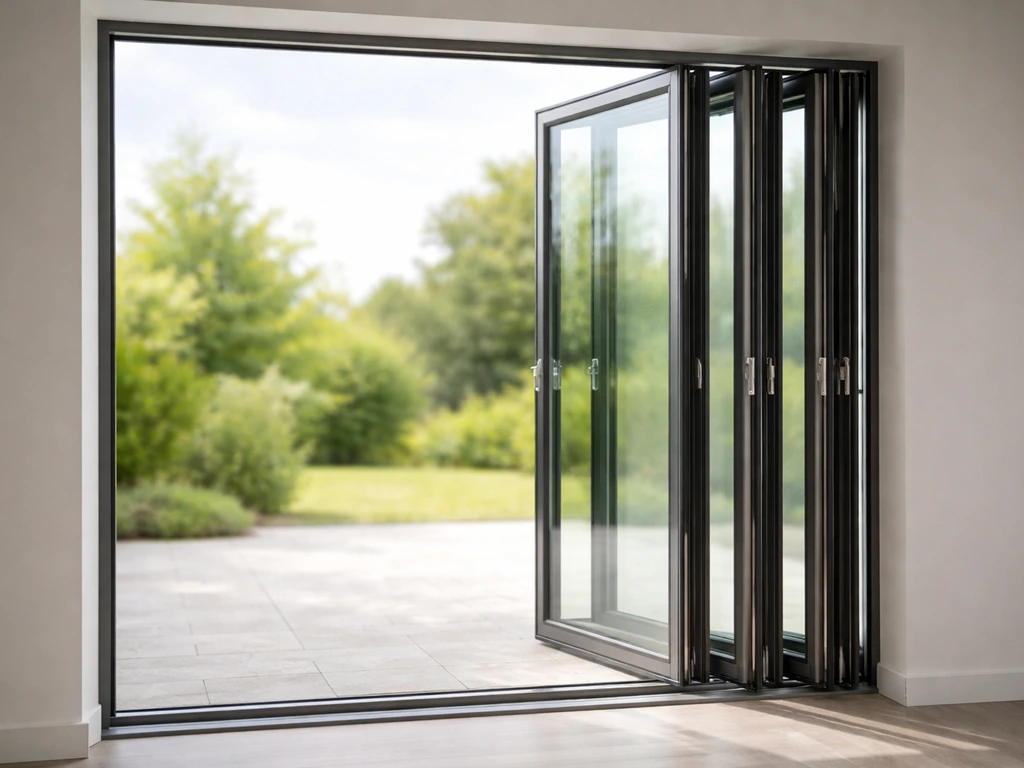
Bifold doors (sometimes called folding or accordion doors) use multiple panels connected by hinges. The panels fold against each other and then slide along a track, stacking neatly to one or both sides of the opening. This style creates an almost fully open wall, which is why it's popular for indoor-outdoor living spaces. They're more complex to install and typically more expensive than sliding or French doors, but the opening they create is hard to beat.
Lift-and-slide doors
Lift-and-slide is a premium version of the sliding door concept. When you turn the handle approximately 180 degrees, it lifts the panel slightly off its lower seal, reducing friction so a very large, heavy panel can slide with minimal effort. This makes lift-and-slide the go-to choice for oversized openings where a standard sliding door's rollers wouldn't handle the panel weight well. If you're considering this style, the choice often comes down to your opening size and how the space functions day to day.
Common sizes and the terminology you'll run into while shopping
Standard patio door widths typically run from 60 inches (5 feet) up to 144 inches (12 feet) for multi-panel systems. The most common single sliding or French door configurations are 60-inch and 72-inch widths. A single patio door is typically a sliding or French-style door configuration sized to fit one opening single sliding or French door. Heights are usually 80 inches (6 feet 8 inches) as the standard, with 96-inch (8-foot) options available for taller openings.
Two terms you'll see constantly: unit size and rough opening (RO). The unit size is the actual door unit as manufactured. The rough opening is the framed space in your wall that the unit sits inside. As a general rule, the rough opening is about 1.5 inches wider and about 1 inch taller than the unit size to allow for shimming and squaring during installation. Andersen, for example, offers custom sizing in 1/8-inch increments between minimum and maximum dimensions for their gliding patio door lines, with specific formulas for two-panel, three-panel, and four-panel configurations that affect how much clear opening you actually get.
You'll also encounter the terms 'operating panel' and 'fixed panel,' and you'll need to specify whether the operating panel is on the left or right as you face the door from outside. This is called the door's hand, and getting it wrong means your order is wrong.
Materials and how they affect performance
Patio doors come in four main frame materials: vinyl, wood, aluminum, and fiberglass. Each has a real trade-off in terms of cost, maintenance, and climate suitability.
| Material | Pros | Cons | Best For |
|---|---|---|---|
| Vinyl | Low cost, low maintenance, good insulation | Can warp in extreme heat, limited color options | Budget-conscious buyers in moderate climates |
| Wood | Classic look, excellent insulation | Requires regular sealing/painting, can rot or warp | Interior aesthetics where maintenance isn't a concern |
| Aluminum | Strong, slim frames, modern look | Conducts cold (thermal bridging), can corrode near salt air | Mild or dry climates; bifold/large-panel systems |
| Fiberglass | Resists salt, moisture, and mold; low maintenance; strong insulator | Higher upfront cost | Coastal or humid climates; long-term durability focus |
For coastal homes, fiberglass is the standout choice. Research on salt-air corrosion from Florida test cycles confirms that fiberglass frames hold up significantly better than some alternatives against salt corrosion and moisture-related mold. Aluminum can be used near the coast but requires coatings rated for marine environments.
On the glass side, look for the U-factor (how much heat transfers through the glass) and Solar Heat Gain Coefficient (SHGC). ENERGY STAR qualifies patio doors based on these two ratings. Air leakage (AL) is a separate but important spec: for sliding patio doors, ENERGY STAR requires an AL rating of 0. ENERGY STAR’s framework notes that, for sliding doors, the air leakage limit is 0.3 cfm/ft² or less, with different limits for other door types. 3 cfm/ft² or less. Lower is better. A well-insulated patio door glass unit with a low AL rating keeps your heating and cooling bills in check far better than a bare-minimum spec unit.
How to choose the right patio door type for your home
The right choice depends on three things: your opening size, how you use the space, and your climate. Here's how to think through each. For homeowners in Fort Worth, working with the right patio door type and specs can make a noticeable difference in comfort during hot, sunny months patio doors fort worth.
Match the door type to how you actually live
- Small opening (under 72 inches wide), frequent daily use: A standard two-panel sliding door is your most practical and affordable option. It's easy to operate, doesn't need clearance to swing, and replacement parts are widely available.
- Traditional home, moderate opening, curb appeal matters: French patio doors work well here. They add architectural character and swing fully open for moving furniture or entertaining. Just confirm you have swing clearance on at least one side.
- Large opening (over 10 feet), indoor-outdoor entertaining focus: Bifold or multi-panel lift-and-slide doors are built for this. Bifolds give you a nearly wall-free opening; lift-and-slide handles very heavy panels smoothly for a sleek, modern look.
- Very large or floor-to-ceiling opening, premium budget: Lift-and-slide is the strongest performer here. The lift mechanism allows panel weights that would jam a standard sliding door's rollers.
Factor in your climate
- Cold climates: Prioritize low U-factor glass (0.27 or lower is a reasonable target), fiberglass or insulated vinyl frames, and a tight AL rating. French and sliding doors with proper weatherstripping both perform well if the specs are right.
- Hot, sunny climates: Focus on low SHGC (0.25 or lower) to reduce solar heat gain. Exterior-opening French doors or bifolds can help ventilate, but glass specs matter more than door style here.
- Coastal or humid climates: Fiberglass frames are the most corrosion-resistant. Avoid bare aluminum near salt air unless it has a marine-grade coating.
- High-wind or storm-prone areas: Look for impact-rated glass and doors tested to AAMA/WDMA standards for air leakage resistance, water penetration resistance, and forced-entry resistance.
Next steps: measuring, shopping, and verifying what you're buying
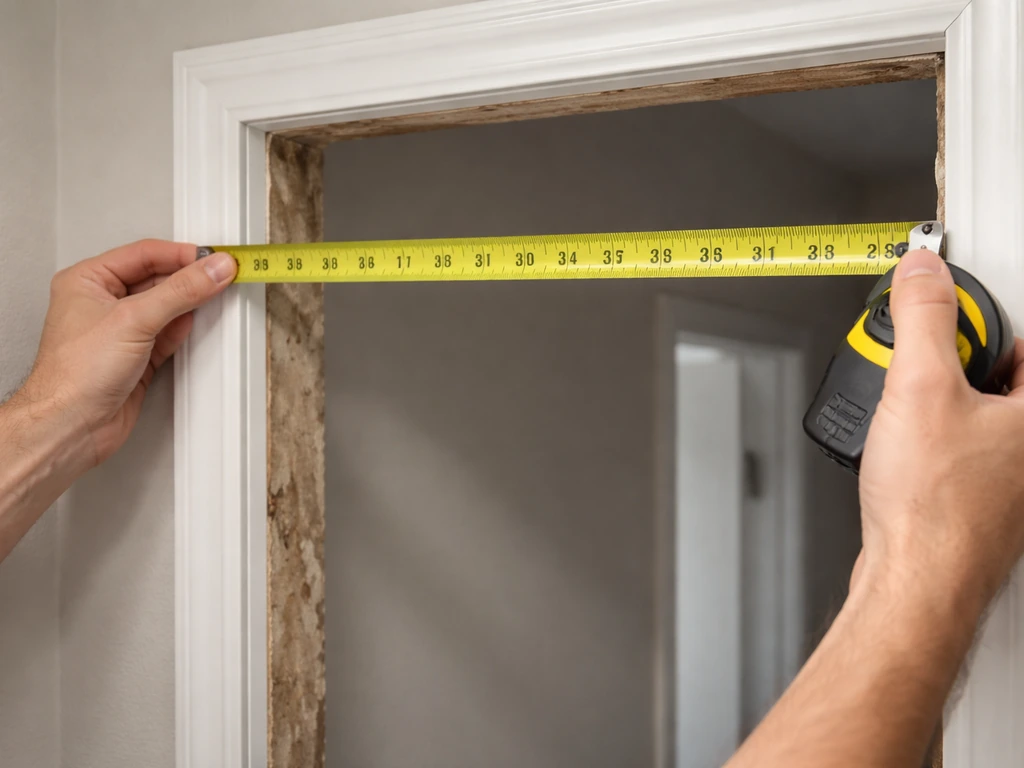
Before you call a contractor or click 'add to cart,' do three things yourself. First, measure your existing rough opening or door unit. Measure the width at three points (top, middle, bottom) and the height at three points (left, center, right). Use the smallest measurement as your working dimension. The rough opening is typically 1.5 inches wider and 1 inch taller than the unit size you'll order, so work backward if you're replacing an existing unit.
Second, determine the hand of your door: which panel operates, and is it on the left or right when you're looking at the door from outside? This affects your order and how the lock hardware aligns. Write it down explicitly before you order anything.
Third, verify the specs that actually matter for your climate: U-factor, SHGC, and air leakage rating. Ask the retailer for the NFRC label values for the specific unit you're considering, not just a vague 'energy-efficient' claim. If a sliding door doesn't show an AL rating of 0.3 cfm/ft² or better, keep looking. Coverage depends on the cause of the damage, so it helps to understand are patio doors covered by insurance before filing a claim.
- Decide on door type (sliding, French, bifold, lift-and-slide) based on your opening size and how you use the space.
- Measure rough opening width and height at three points each; use the smallest measurements.
- Determine operating panel direction (left or right hand) and note it in writing.
- Choose your frame material based on climate: fiberglass for coastal/humid, vinyl or fiberglass for cold, aluminum only with marine coatings near salt air.
- Request the NFRC-rated U-factor, SHGC, and air leakage specs from your retailer before ordering.
- If replacing an existing door, check whether reducing the rough opening (shimming) is needed rather than enlarging it, since it's far easier to shim down than to reframe up.
- Confirm the installation plan includes checking plumb, level, and square, plus proper weather interlock engagement and sealing around the frame.
If you're also wondering whether a replacement patio door qualifies for energy tax credits, or whether your homeowner's insurance covers damage to a patio door, those are separate but related questions worth investigating alongside your shopping process. The answers depend on the door's energy certification and your specific policy, and they can meaningfully affect your total cost.
If you are weighing patio door definition insurance coverage for your specific situation, compare the policy details for exterior doors and glass. Home insurance coverage for patio doors can vary by policy and by what caused the damage, so it's worth checking your specific terms and exclusions. Whether are patio doors covered by insurance can depend on how the door is classified in your policy, so confirm the details with your insurer energy certification.
FAQ
When people say patio doors meaning, do they always mean the same type of door?
Most “patio door” listings assume the door is a large exterior glazed door intended for daily access. If you mean something else, for example a small terrace door or a room-side glazed swing door, use the style name (sliding, French, bifold, lift-and-slide) because the measurements and weatherstripping expectations can differ by style.
What’s the most common mistake when ordering a replacement patio door using the patio doors meaning definitions (unit size vs rough opening)?
Not necessarily. Many product pages show only overall size, but your order should be based on the unit size and the rough opening you have. If you measure your RO and buy by the nominal width of the old door, you can end up short on both the frame and the ability to shim and square the unit.
How do I avoid choosing the wrong door hand (left vs right) when shopping for patio doors?
Door hand is determined from the outside looking in, and it describes which panel moves and which side it’s on. A “left-hand” and “right-hand” swing or sliding setup can still have the same overall size, but the lock position, handle location, and alignment with the frame change.
If my rough opening matches the new unit size, can I assume installation will be straightforward?
If you’re replacing a sliding patio door, the wall framing and threshold system are what drive fit and performance. Even when the rough opening matches, the track, sill, and drainage design might not align to your existing substrate, so expect to verify sill type and any water-management details, not just the glass size.
Why isn’t “energy-efficient” marketing alone enough when I’m choosing patio doors meaning-specs?
ENERGY STAR’s U-factor and SHGC help with insulation and solar heat, but air leakage is the make-or-break rating for drafts. For sliding doors, confirm the AL value is at or below 0.3 cfm/ft², and ask for the NFRC label for that exact door model, not a brochure sheet or a different configuration.
Do patio doors meaning types affect clearance and usable patio space even if the opening size stays the same?
Yes, especially with operation type. Sliding and lift-and-slide usually need clear space along the track, French doors need floor clearance on the swing side(s), and bifolds require enough wall space for stacked panels to travel. Before ordering, check nearby obstructions like baseboards, switches, window trim, and furniture placement.
Is lift-and-slide always the best option for oversized openings, or are there fit limitations?
Lift-and-slide is often chosen for very wide openings because the lifting action helps the panel glide as weight increases. However, it can require a taller or more specialized header and sill system than standard sliding doors, so confirm that your rough opening and existing structure can accommodate the hardware and threshold.
In coastal areas, is frame material enough to decide which patio door is best, or what else should I check?
Coastal durability is not only the frame material. You should also ask about fasteners, coatings, and weather seals, and whether the door components are rated for salt-air exposure. Fiberglass frames generally perform well in corrosive environments, but degraded seals or uncoated aluminum hardware can still lead to performance issues.
How can a patio door have good specs but still feel drafty after installation?
Yes, and it affects both comfort and resale perception. A door with a low AL rating can still feel drafty if the threshold or installation details are off, so confirm that the installer plans for proper shimming, sealing, and exterior flashing compatible with your wall type.
Can I replace only the door unit and keep the existing frame for patio doors, or does the meaning of the specs imply a bigger project?
Sometimes, but the best-case scenario depends on the existing frame material and condition. If your opening is out of square or the sill is damaged, a new “unit” may not perform correctly even if measurements look close. Consider whether you need a full frame replacement versus a selective component replacement based on what’s deteriorated.