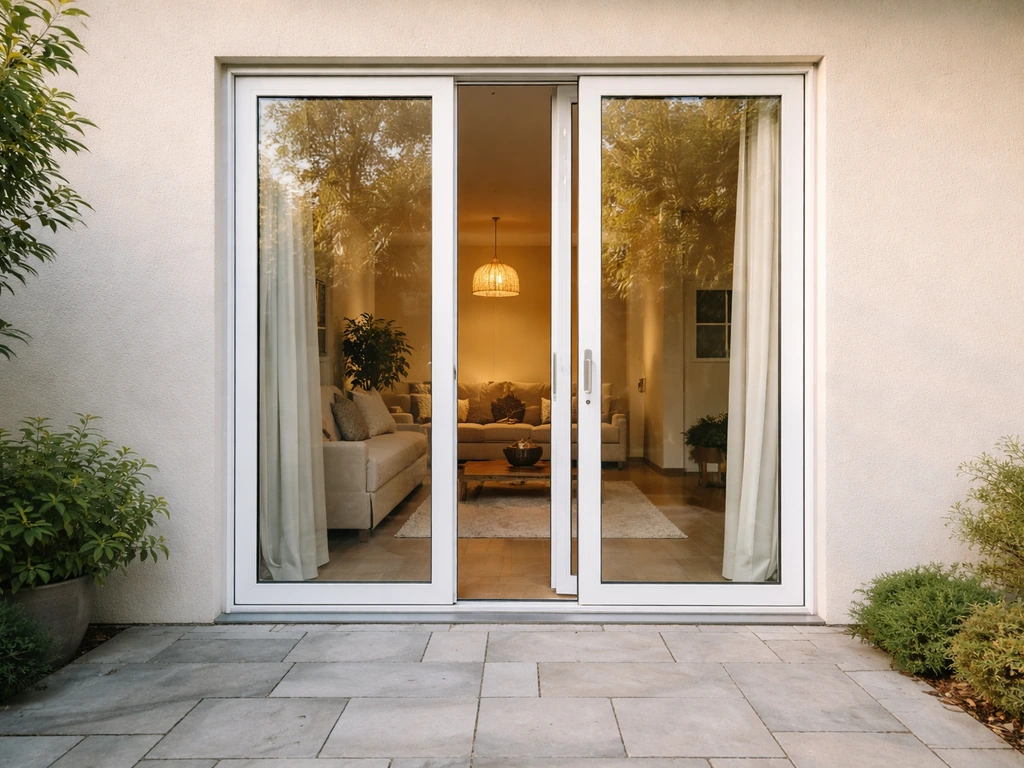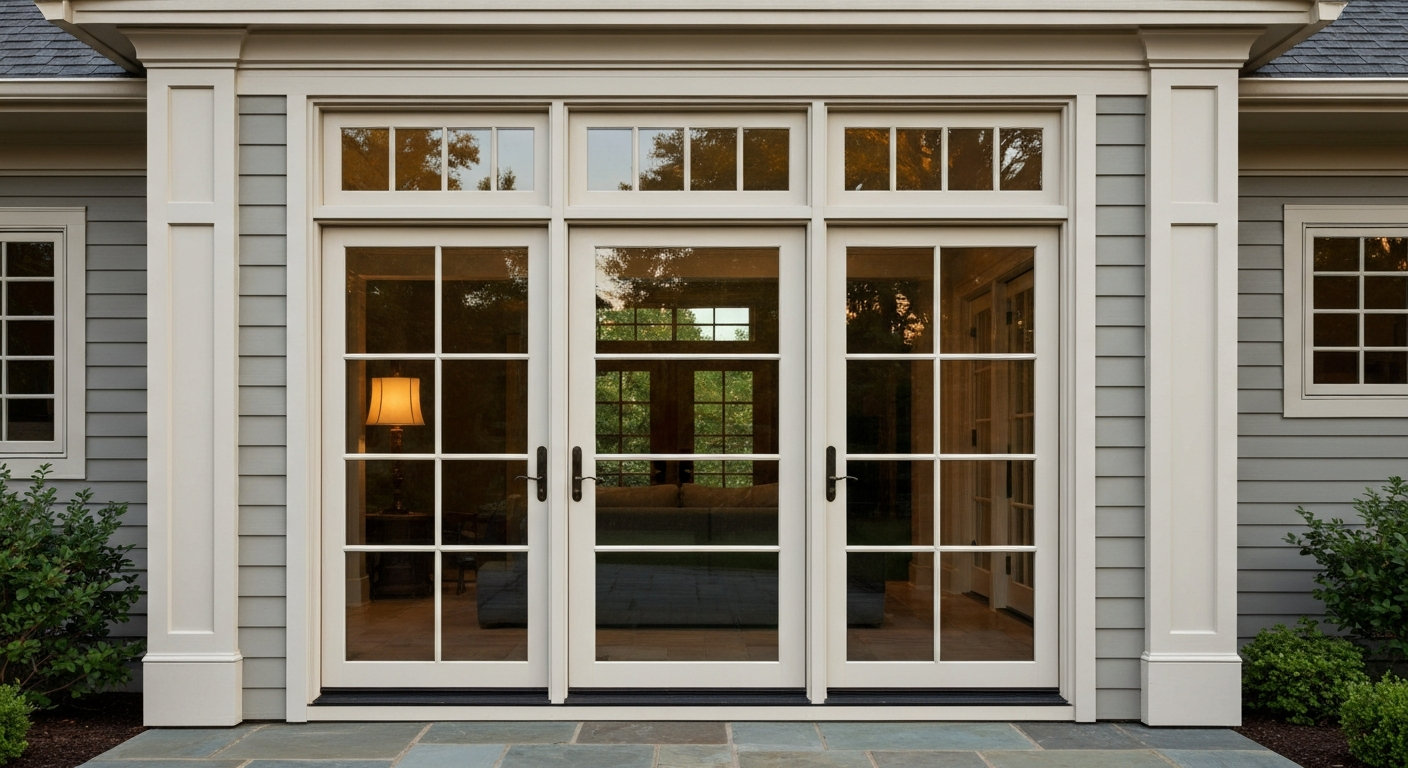
Yes, patio doors can qualify for a federal tax credit in 2026, but the credit isn't handed out just because you bought a new door. Your patio door has to meet specific ENERGY STAR performance requirements, your manufacturer has to be registered with the IRS, and you have to install it at your primary residence. Get all three right and you can claim 30% of the cost, up to $250 per qualifying exterior door (with a $500 annual cap for all exterior doors combined), on IRS Form 5695.
Patio Doors Tax Credit: Do They Qualify and How to Claim

Owen Delaney
14 Jun 2026
How patio doors fit into the energy tax credit
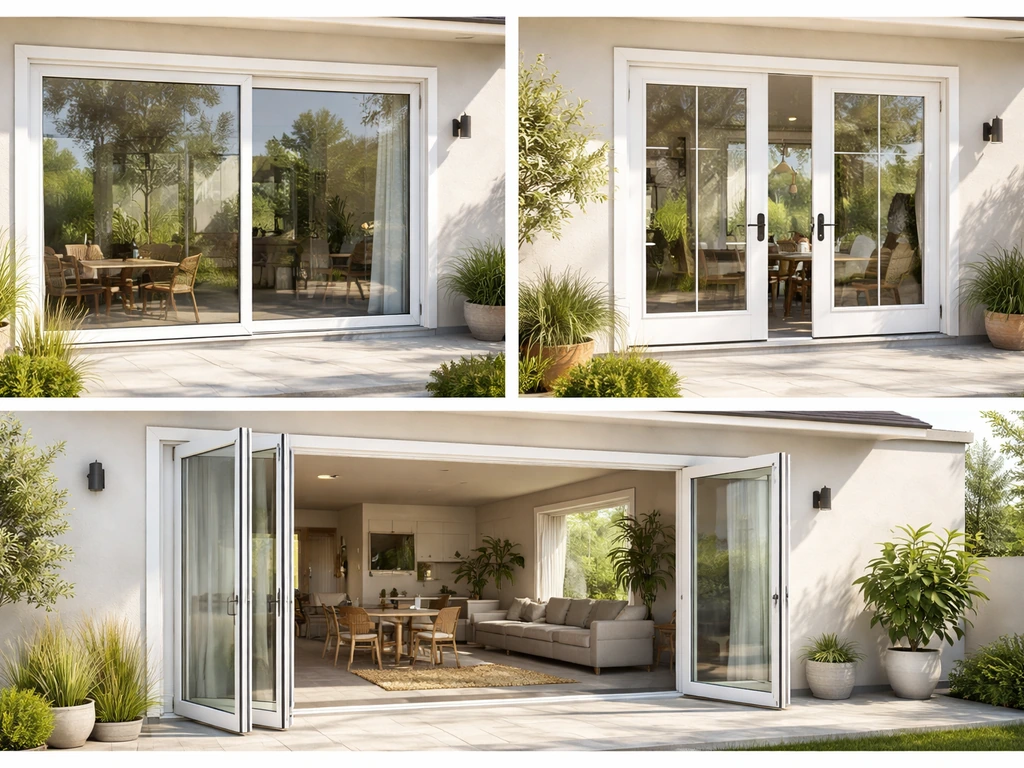
The credit you're after is called the Energy Efficient Home Improvement Credit, set out in IRC Section 25C. It covers a wide range of home upgrades including insulation, windows, heat pumps, and exterior doors. Patio doors fall under the exterior door category, which means a sliding glass door, a French door, or even a bifold door leading outside can potentially qualify. Patio doors meaning can vary by type, such as sliding, French, or bifold doors that open to the exterior Patio doors fall under the exterior door category. A patio door is an exterior door that opens to the outside, often using a sliding or hinged design what is a patio door. The key word is 'exterior.' An interior door between your living room and a sunroom, for example, doesn't count.
The credit rate is 30% of what you paid for the door itself. So if you spend $800 on a qualifying sliding patio door, the credit is $240. A single patio door is often called a sliding patio door or a patio door unit, depending on its style. Spend $1,000 and the math caps out at $250 per door. If you replace two patio doors in the same tax year and both qualify, you can claim up to $500 total for all exterior doors that year. That $500 ceiling is an annual limit, so it resets each year. This also means there's a real incentive to stagger replacements if you're planning multiple installs.
Which door types and materials actually qualify
The eligibility test isn't about whether your door is sliding, French, or bifold. It's about whether the door meets the applicable ENERGY STAR requirements for your climate zone. ENERGY STAR has different performance thresholds depending on where you live in the country, because a door that's efficient in Miami needs to work very differently than one in Minneapolis. The door has to pass for your specific region.
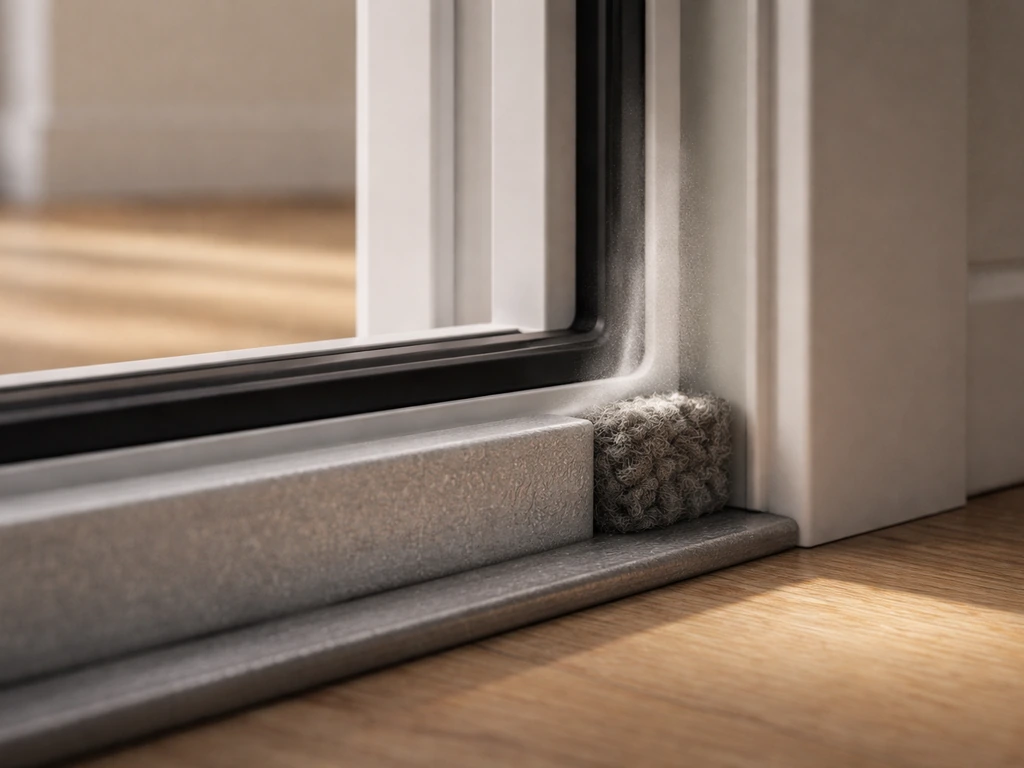
In practical terms, this usually points you toward doors with insulated glass, low-E coatings, thermally broken frames, and quality weatherstripping. Sliding patio doors with double or triple-pane glass and low-E coatings are common candidates. French patio doors with the same glass specs can also qualify. Bifold patio doors are less common, but if the unit is ENERGY STAR certified as an exterior door product and your manufacturer is registered with the IRS, it can still be eligible. The frame material (vinyl, fiberglass, wood-clad, or aluminum with a thermal break) matters too, since bare aluminum frames without thermal breaks tend to fail energy performance thresholds.
| Door Style | Typical Frame Materials | Can It Qualify? | Key Requirement |
|---|---|---|---|
| Sliding patio door | Vinyl, fiberglass, aluminum with thermal break | Yes, if ENERGY STAR certified | Meet regional U-factor/SHGC; manufacturer must be IRS-registered |
| French patio door | Wood-clad, fiberglass, vinyl | Yes, if ENERGY STAR certified | Same ENERGY STAR regional standard applies |
| Bifold patio door | Aluminum (thermal break), wood-clad | Yes, but less common | Must be certified as an exterior door product; check QMID |
| Interior patio door / sunroom door | Any | No | Must be an exterior door at principal residence |
How to confirm your specific door qualifies before you buy

This is where a lot of homeowners trip up. They buy a door, install it, and then find out at tax time that the product doesn't have a Qualified Manufacturer Identification Number (QMID). To claim the Energy Efficient Home Improvement Credit for an exterior door, enter the Qualified Manufacturer Identification Number (QMID) on Form 5695. Without a QMID, the IRS won't accept your credit claim. Here's how to check before you spend a dollar.
- Look up the door on the ENERGY STAR certified products database (energystar.gov). Confirm it's certified as an exterior door and check which climate zones it qualifies for.
- Ask the manufacturer or retailer for the QMID. As of 2025 filings (covering doors placed in service that year), Form 5695 requires you to enter a four-character QMID for each qualifying item. Manufacturers must register through the IRS Energy Credits Online (ECO) portal to receive this number.
- Confirm the door's performance specs. Look for the U-factor and Solar Heat Gain Coefficient (SHGC) on the product label or spec sheet. These are the two numbers ENERGY STAR uses to determine qualification by climate zone.
- Verify your home qualifies. The credit only applies to your principal residence located in the United States. A rental property, vacation home, or second home doesn't count.
- Save the manufacturer's certification statement. Most qualifying manufacturers provide a written certification or product label confirming ENERGY STAR status. Hold onto this document.
One thing worth understanding: this is a tax credit, not a tax deduction. A deduction reduces your taxable income; a credit reduces your actual tax bill dollar for dollar. A $250 credit means $250 comes directly off what you owe the IRS, which is a much better deal than a $250 deduction, especially for anyone in a lower tax bracket.
How to actually claim the credit
The timing rule is straightforward: you claim the credit for the tax year in which the door was installed (placed in service), not when you ordered it or paid for it. So if you install a qualifying patio door in October 2026, you'll claim the credit on the tax return you file in early 2027 for the 2026 tax year.
- Install the qualifying door at your primary residence during the tax year (in this case, 2026).
- Collect and keep: the purchase receipt showing the door cost, the manufacturer's ENERGY STAR certification or product label, the QMID from the manufacturer, and any installation invoice if you want a record of the project.
- When you file your federal tax return, complete IRS Form 5695 (Residential Energy Credits). Enter the door cost and the QMID in the exterior doors section of the form.
- The calculated credit flows from Form 5695 to your main Form 1040, reducing your federal income tax owed.
- File by the standard tax deadline (typically April 15 of the following year) or by the extension deadline if you file for one. There is no separate application or pre-approval process with the IRS.
It's worth noting that the $500 annual cap for all exterior doors is separate from other 25C categories. So if you also install insulation or a heat pump in the same year, those sit in different buckets with their own limits. The exterior door cap doesn't eat into the credit available for other improvements.
What can disqualify your claim

Several things can get a claim denied or reduced, and most of them are avoidable if you do the legwork upfront.
- No QMID on file: If the manufacturer isn't registered through the IRS ECO portal, there's no QMID, and without a QMID you can't complete Form 5695 correctly. Cheap imported doors or small regional manufacturers are the most common culprits here.
- Door doesn't meet ENERGY STAR requirements for your climate zone: A door that's ENERGY STAR certified in the South may not meet the threshold for the North/Central zone. Double-check the zone on the certification, not just the ENERGY STAR logo.
- Not your primary residence: Installing a beautiful new French patio door at your vacation cabin or rental property won't get you the credit. The property has to be your principal home.
- Claiming the door cost as part of a larger business or rental expense: If you're trying to blend this into a business deduction elsewhere on your return, that can create issues. The 25C credit is specifically for your personal primary residence.
- Missing documentation: The IRS can ask you to substantiate a credit. If you can't produce the certification statement or purchase receipt, the credit can be reversed in an audit.
- Exceeding the annual cap: If you already claimed $500 for exterior doors in the same tax year from other door replacements, you can't add more. Plan installs across tax years if you have multiple doors to replace.
- Installation at a property you don't own: You must own the home. Renters can't claim this credit even if they pay for improvements.
What to do right now if you're buying or replacing
If you're actively shopping for a replacement patio door or already have one scheduled, here's the practical path to make sure the tax credit doesn't slip through your fingers.
- Before you choose a door: Filter by ENERGY STAR certification on the retailer's site or on energystar.gov. Confirm the door is rated for your climate zone, and ask the retailer or manufacturer directly for the QMID. If they can't provide it, consider that a red flag.
- When you get a quote: Ask for the manufacturer's certification statement in writing. Reputable installers who work with 25C-eligible products are usually familiar with this request.
- At installation: Make sure the door is installed as an exterior door at your principal residence and get an itemized invoice showing the door cost separately from labor. The 25C credit applies to the product cost; whether labor costs qualify is a narrower question, so having them separated keeps your records clean.
- At tax time: Pull together your purchase receipt, the certification statement, the QMID, and your installation date. Complete Form 5695 and attach it to your 1040.
- If you're replacing multiple doors: Consider timing. If you're replacing two patio doors and the $500 annual cap is a concern, spacing the installs across two calendar years lets you claim $250 in each tax year instead of hitting the cap in one year.
One more thing: if you're also thinking about whether your patio door replacement could be covered by homeowners insurance (for example after storm damage), that's a separate conversation entirely from the tax credit. The insurance question depends on your policy and the cause of damage, while the tax credit is purely about energy performance and IRS eligibility. The insurance question depends on your policy and the cause of damage, while the tax credit is purely about energy performance and IRS eligibility patio door definition insurance. For insurance, home policies may cover patio door damage depending on the cause of loss, like weather or vandalism, and on your deductible and exclusions The insurance question. Both can be relevant when you're budgeting a replacement, but they don't interact with each other.
The bottom line is that the patio doors tax credit is real, it's worth pursuing, and it isn't complicated if you check the ENERGY STAR certification and QMID before you buy. The $250 per door limit means it won't cover your whole project, but it's free money for a purchase you were going to make anyway. Do the five minutes of product verification upfront and the rest is just paperwork at tax time.
FAQ
Does a new patio door qualify if I replace the door frame too (or if only the glass is replaced)?
The credit generally requires a qualifying exterior door product installed at your primary residence. If you replace just a component, like the glass in an existing door, it may not qualify because the IRS credit is tied to a certified exterior door product. Keep the ENERGY STAR certification details for the exact installed product, not just the parts.
If my patio door is installed in 2026 but I don’t pay the contractor until 2027, can I still claim it on my 2026 return?
You typically claim the credit based on when the door is placed in service, which is usually the install date, not the payment date. However, if you receive financing or a delayed delivery that changes when the door is actually installed, your documentation should clearly support the in-service date.
How can I confirm the product has a Qualified Manufacturer Identification Number (QMID) before I buy?
Ask the seller or installer for the QMID for the specific model you’re purchasing, and verify it matches the ENERGY STAR exterior door product listing for your region. If you only find out later (for example on a receipt or product sheet), you may be unable to claim even if the door seems energy efficient.
What if I buy a patio door online and have it shipped to multiple properties, does it still qualify?
The installation has to be at your primary residence for the credit. If you install it at a second home, rental, or a property you do not treat as your primary residence, you generally cannot claim it for that purchase. Keep address and ownership records in case the IRS asks.
Can I claim the credit for a used patio door or only newly purchased doors?
The Energy Efficient Home Improvement Credit is intended for qualifying improvements you install, and it relies on the manufacturer certification and QMID. In many cases, used doors sold without current ENERGY STAR certification details may not meet the requirements. If the prior installation date or certification status is unclear, expect risk of denial.
If I replace multiple exterior doors the same year, how does the $500 annual cap work with the $250-per-door limit?
The credit for exterior doors is limited to $250 per qualifying door and also capped at $500 total for all exterior doors in that same tax year. So three qualifying patio doors in one year would still be limited to $500, even though you might be tempted to calculate $250 times three.
Does replacing my patio door with a sliding, French, or bifold design change the credit rules?
The design type usually doesn’t matter as much as whether the installed product meets the ENERGY STAR requirements for your climate zone and is eligible as an exterior door product with the right QMID. A sliding door is common, French doors can qualify, and bifolds may qualify if certified as an exterior door unit.
What documents should I keep to support a patio doors tax credit claim?
Save the ENERGY STAR product specification sheet for the exact model, proof of installation date (invoice or install confirmation), and any manufacturer documentation that includes the QMID. Also keep the receipt showing the door cost, since the credit is based on what you paid for the door itself.
Is the credit based on the total project cost or only the price of the patio door?
The credit rate is based on the cost of the qualifying door product itself, not the full labor or ancillary work. If you bundle door, labor, removal of the old door, and related materials into one invoice, ask the invoice to itemize the door price so your tax filing can match the eligible amount.
What happens if the door doesn’t meet the ENERGY STAR requirements for my location?
Even if the door is marketed as energy efficient, it must meet the applicable ENERGY STAR thresholds for your climate zone. If the certification listing or model code does not align with your region requirements, the IRS may deny the claim, so confirm the product’s certification is for your area before install.
Can homeowners claim this credit if they already received other federal or state incentives for the same patio door?
The federal Energy Efficient Home Improvement Credit is a separate credit and is subject to program rules that can limit double-dipping. If you received another incentive for the same specific improvement, you may need to adjust how you compute the eligible cost. Check whether the other program requires coordination or reduces the amount you can claim.