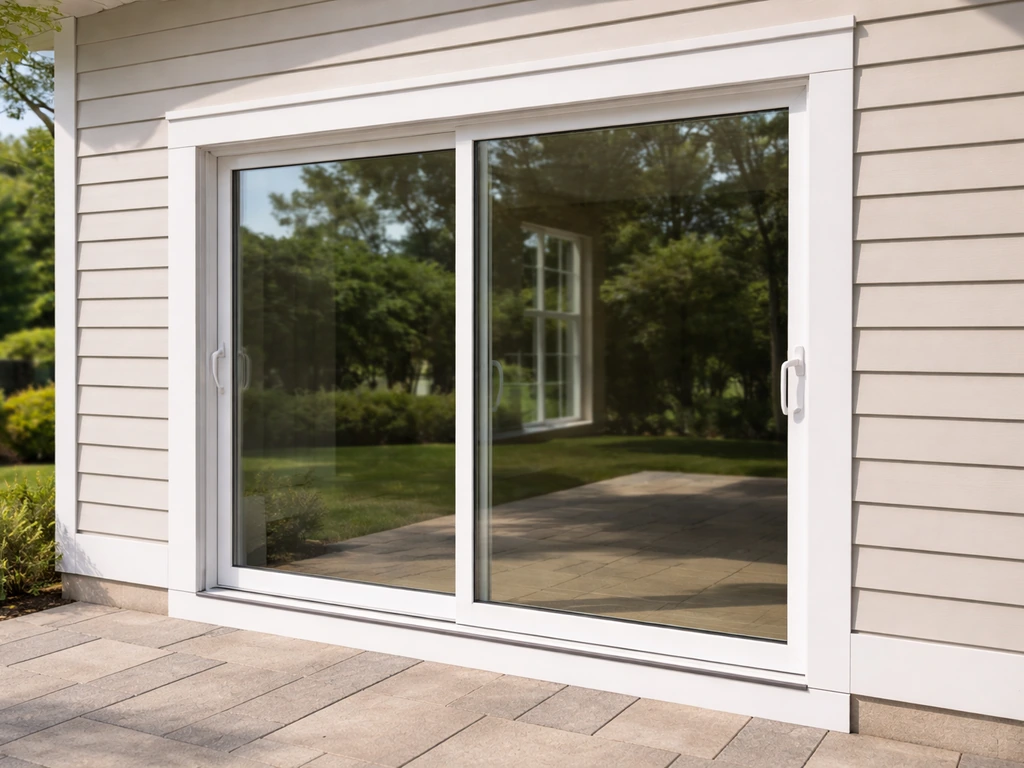
For most homeowners, a vinyl sliding patio door from a mid-tier brand like JELD-WEN, Milgard, or Reliabilt hits the sweet spot of best patio door for the money. You're looking at roughly $800 to $1,800 for the door unit, plus $300 to $600 for professional installation, and you get solid energy performance, low maintenance, and a lifespan of 20 to 30 years if you buy the right product. That said, the 'best value' answer changes depending on your climate, your space, and how much you care about certain features, so this guide will walk you through exactly how to pick the right door for your specific situation without overpaying or getting burned by a cheap unit that fails in five years.
Best Patio Doors for the Money: Value Picks by Type and Material

Owen Delaney
29 May 2026
What 'Best Value' Actually Means for a Patio Door
Sticker price is the wrong number to focus on. I've seen homeowners save $400 on a door unit only to spend $600 more on installation complications caused by a substandard frame. True value for a patio door is the total installed cost divided across the expected lifespan, factoring in energy bills, maintenance, and how much the door contributes to home security.
Here's how I break it down in real terms. A $900 vinyl slider that lasts 25 years and needs almost no maintenance costs you about $36 per year before energy savings. A $600 aluminum slider with poor thermal performance in a cold climate could add $150 to $300 annually to your heating bill, making it the far more expensive door over a decade. Add in the labor cost of re-caulking a cheap threshold every two or three years and the replacement rollers that budget doors tend to need, and that 'deal' evaporates fast.
- Total installed cost: door unit + labor + any rough opening modifications
- Energy performance: U-factor and SHGC ratings shown on the NFRC label (look for ENERGY STAR certification)
- Lifespan and maintenance burden: how often will you need to clean, lubricate, repaint, or replace parts
- Security: lock quality, glass strength, and frame rigidity
- Air leakage: ENERGY STAR requires AL of 0.3 cfm/ft² or lower for sliding doors, so check this spec, not just glass ratings
ENERGY STAR certification is the easiest single filter to apply when shopping. Products carrying that label have been independently tested using NFRC procedures for U-factor and SHGC, and they must meet air leakage requirements (AL ≤ 0. ENERGY STAR qualification for these products relies on NFRC ratings for U-factor and, where applicable, SHGC, which are shown on the NFRC/ENERGY STAR product label U-factor and SHGC. 3 cfm/ft²). The full NFRC label can also show condensation resistance, which matters in cold climates. Don't buy any patio door without checking that label first.
Sliding, French, or Bifold: Picking the Right Style for Your Space
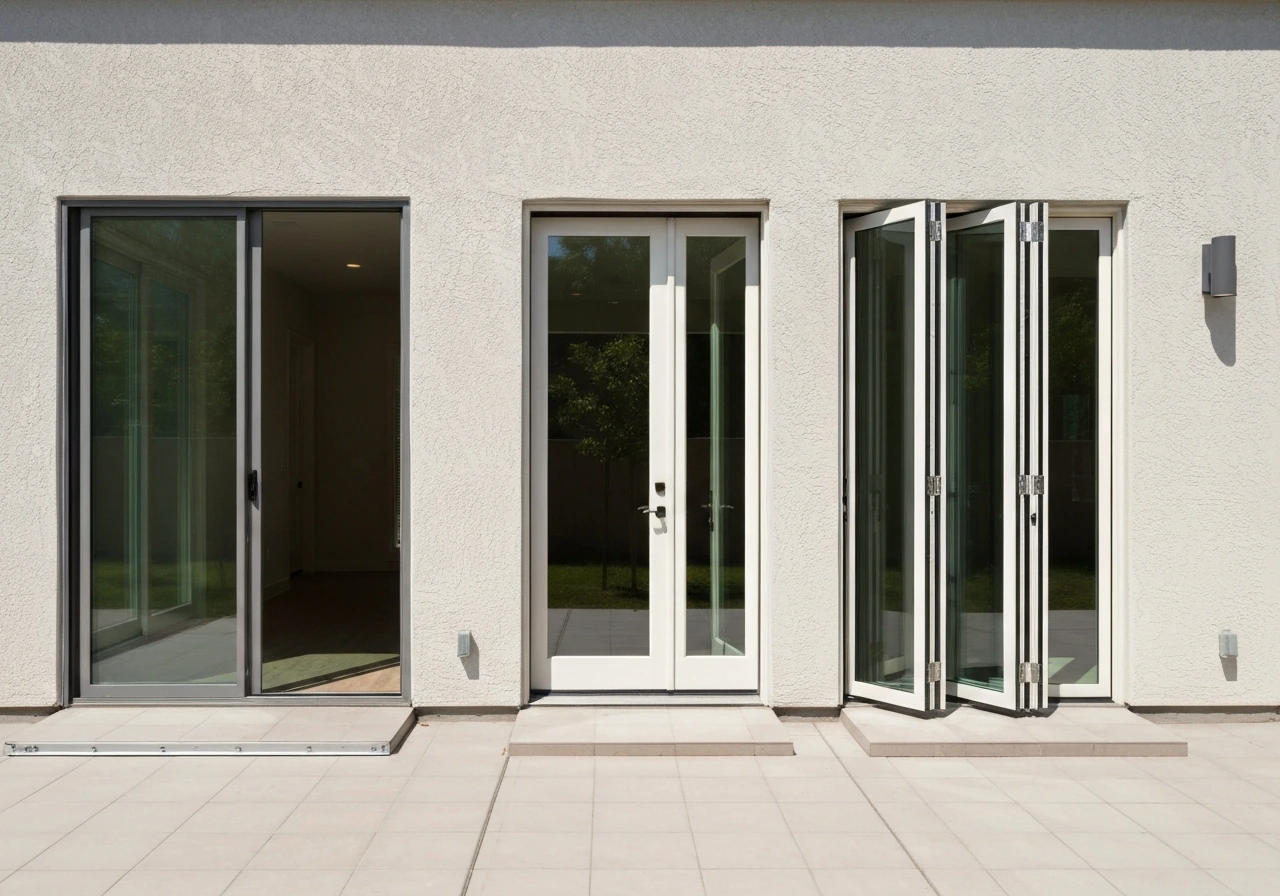
The style you pick has a bigger impact on installed cost and day-to-day usability than most people realize. Each style suits a different scenario, and choosing wrong means either spending more money to work around the problem or living with a door that frustrates you every time you use it.
Sliding Patio Doors
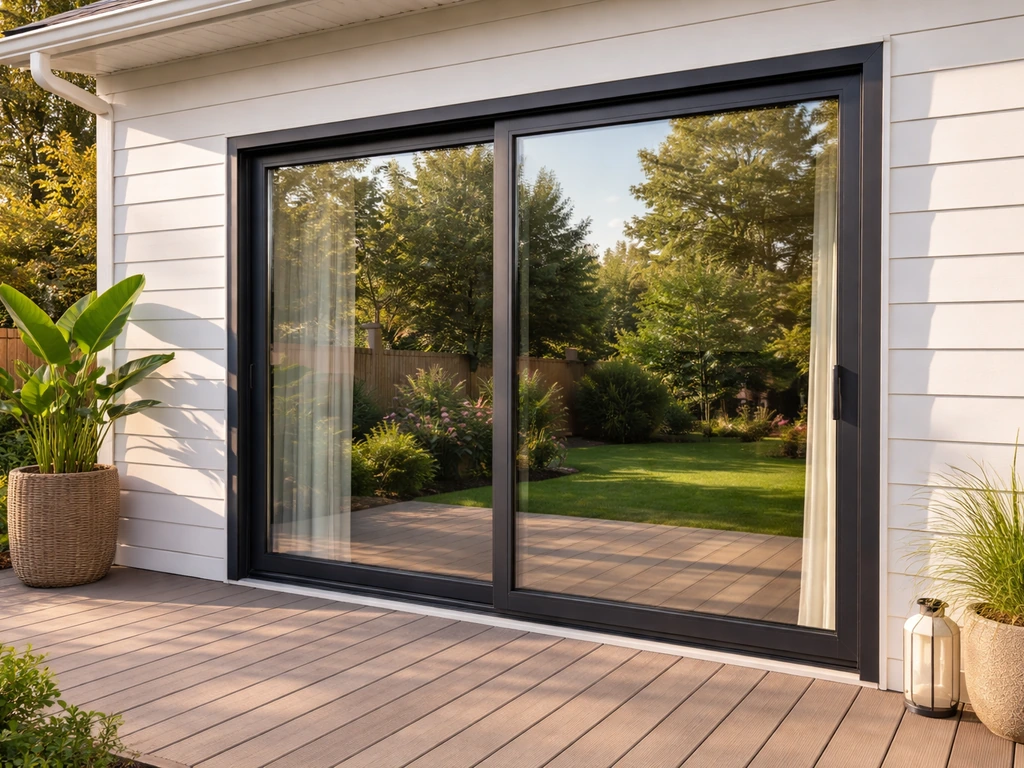
Sliding doors are the best value option for most homes. They fit standard rough openings (typically 6 feet wide, though 5-foot and 8-foot units are common too), they don't need floor clearance for a swing arc, and the hardware is simple and reliable. For a busy back door that gets heavy daily traffic, a quality slider is hard to beat. The main maintenance task is keeping the track clean and the rollers lubricated, which takes about 10 minutes a year. The downside: a sliding door only ever opens half the available width at once, which matters if you're regularly moving large furniture or hosting big outdoor events.
French Patio Doors
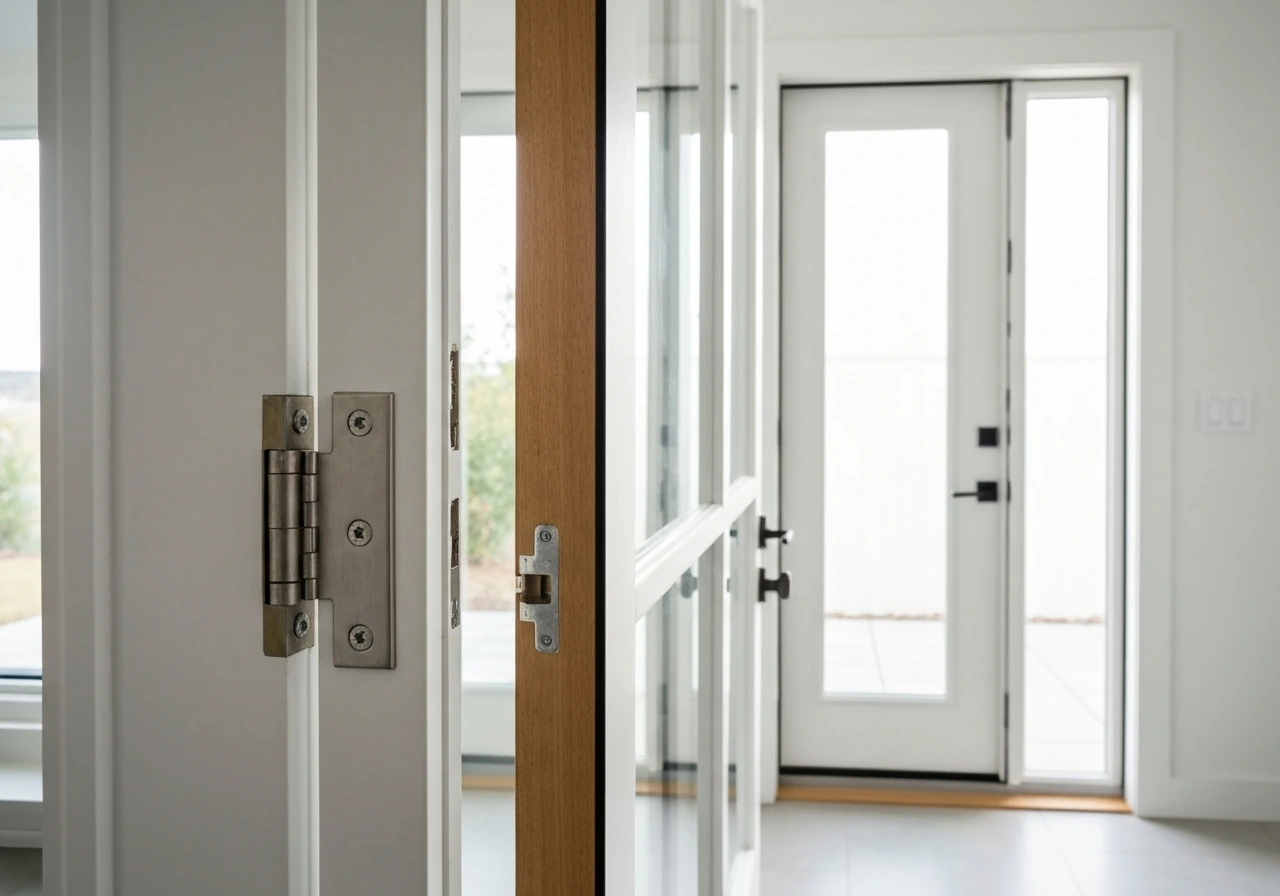
French doors give you a full, unobstructed opening and a more traditional or formal look. They cost more to install ($1,200 to $3,000 for the unit, $400 to $800 for labor) because the two-panel swing design requires precise alignment and more robust hardware. You also need 36 to 42 inches of interior clearance for the door swing unless you go with an outswing configuration, which creates its own weatherproofing challenges. French doors are the right choice if aesthetics matter, if you have a wide rough opening already, or if you entertain regularly and want an open-feeling transition to your patio. They're not the best pick for tight spaces or for households with small kids who will constantly be in the swing path.
Bifold and Multi-Panel Doors
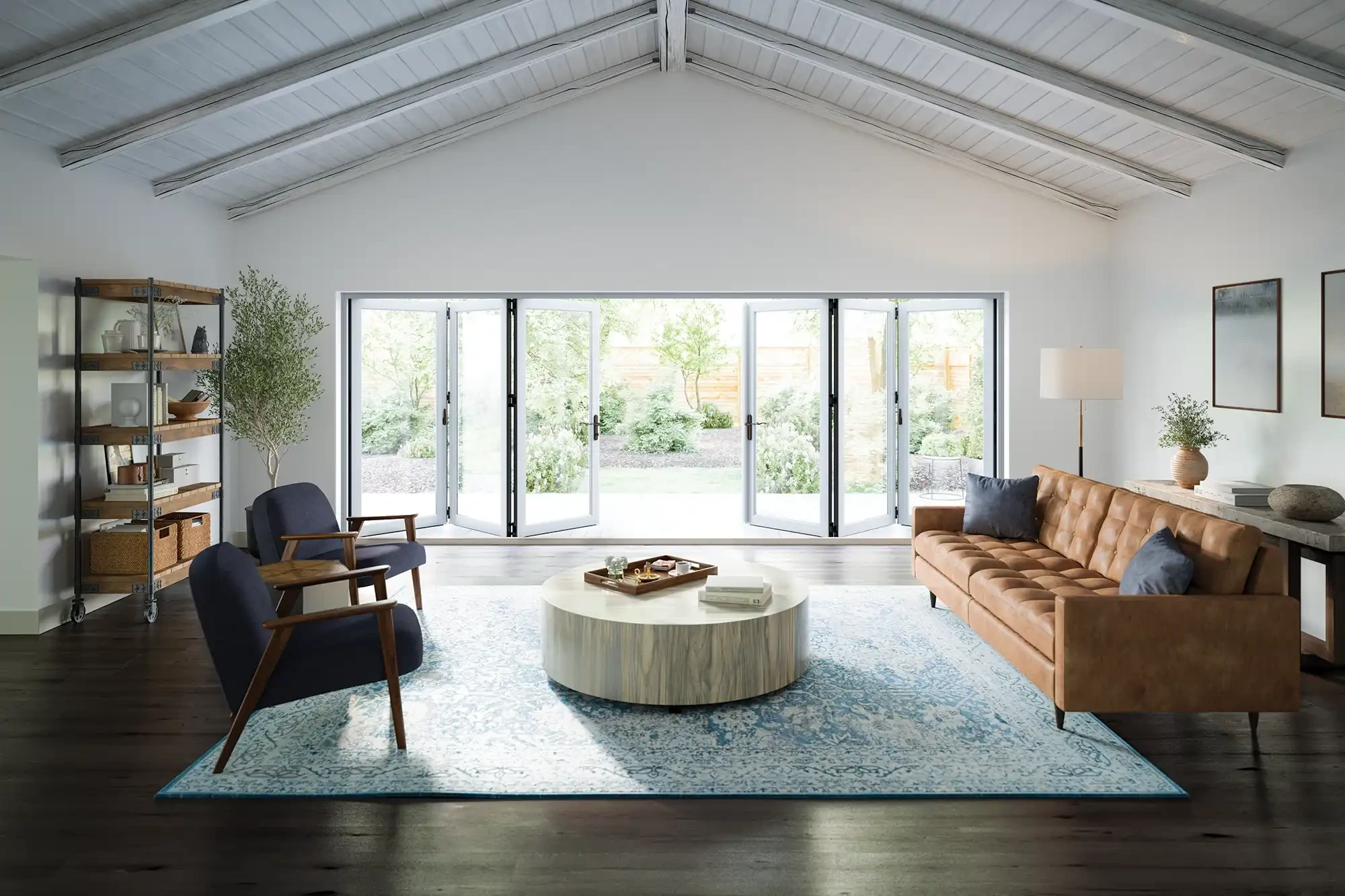
Bifold patio doors (sometimes called folding or accordion doors) are spectacular when they work well and expensive when they don't. A 3- or 4-panel bifold can open up an entire wall section, which is genuinely impressive for indoor-outdoor living. But the entry price starts around $3,000 for the unit and climbs past $10,000 for wider aluminum or wood systems, and the installation needs to be precise or you'll have alignment and leaking issues from day one. I'd only recommend bifolds if you're doing a larger renovation, have a generous budget, and are working with an installer who has done them before. For the typical homeowner asking about best value, bifolds are usually not the answer unless space and lifestyle demand it.
| Style | Typical Unit Cost | Best For | Watch Out For |
|---|---|---|---|
| Sliding | $800–$2,500 | Everyday use, tight spaces, strong value | Half-width opening, track maintenance |
| French | $1,200–$3,500 | Aesthetics, wide openings, entertaining | Swing clearance, higher install cost |
| Bifold/Multi-panel | $3,000–$12,000+ | Open-plan living, large openings | Complex install, higher failure risk, cost |
The Material Showdown: Vinyl, Fiberglass, Aluminum, and Wood
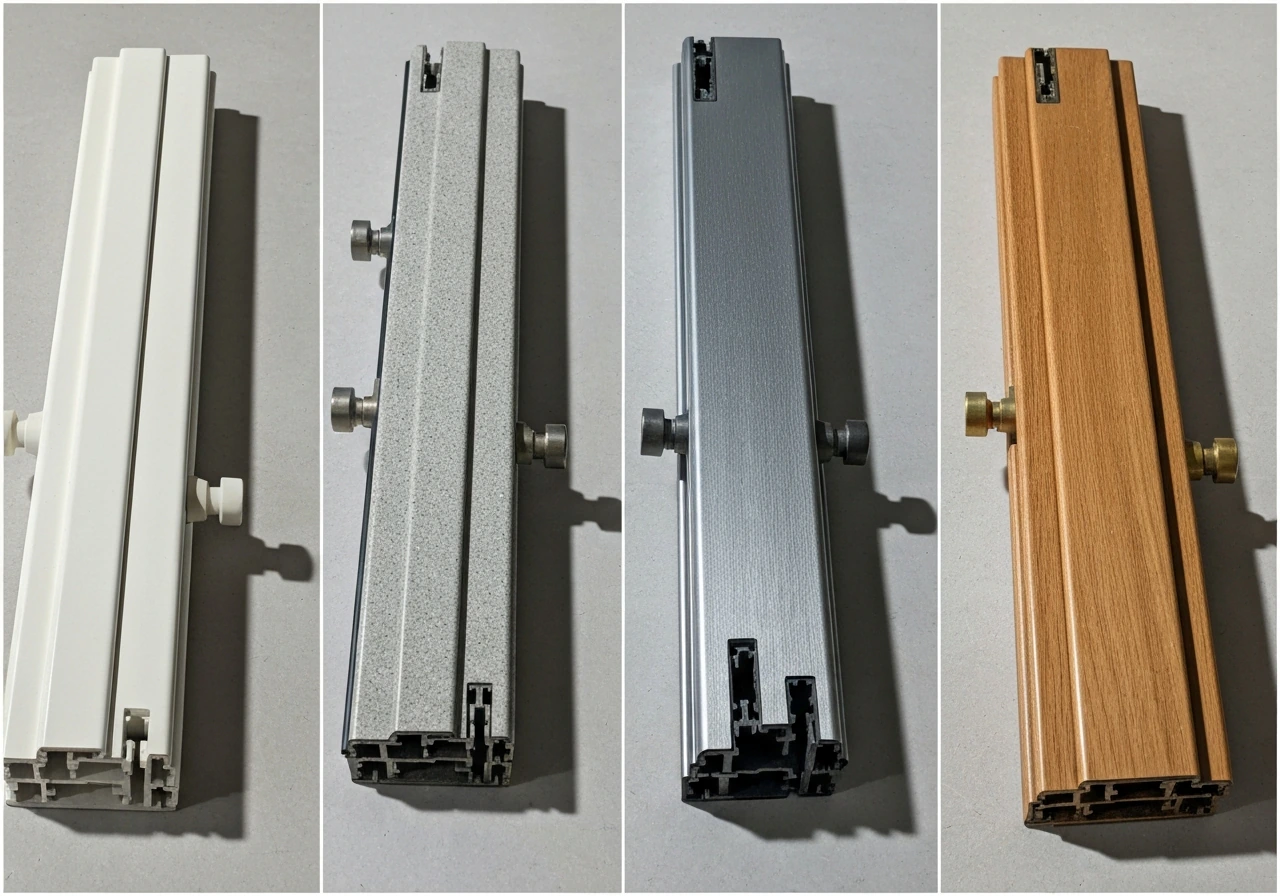
Material choice is where most of the real value decisions happen. Each material has a different profile of upfront cost, thermal performance, durability, and maintenance. Here's how they actually compare for a patio door specifically (not just windows, where fiberglass dominates more clearly).
Vinyl (PVC)
Vinyl is the best-value material for most homeowners, and it's not particularly close. It has excellent thermal performance because the multi-chamber PVC frame resists heat transfer, it never needs painting or staining, it doesn't corrode, and mid-range vinyl doors from established brands regularly earn ENERGY STAR certification. The main limitations are color choices (most vinyl ships in white or tan, though some brands offer wood-grain foil wraps) and the fact that very cheap vinyl can warp over time if it has thin frame walls. Look for 'multi-chamber' or 'fusion-welded corner' construction when you're comparing units. Avoid the box-store entry-level vinyl doors if you're in a climate with significant temperature swings.
Fiberglass
Fiberglass is the premium choice for performance and longevity. It handles extreme temperature swings better than vinyl (it expands and contracts less), it can be painted or stained to look like wood, and it's stronger and more dent-resistant than vinyl or aluminum. The tradeoff is cost: fiberglass patio door units typically run $2,000 to $5,000, which puts them out of budget-conscious range for most shoppers. If you're in a climate with harsh winters or strong temperature cycling (think Minnesota or mountain states), fiberglass is worth the premium. For moderate climates, quality vinyl delivers comparable energy performance at a significantly lower price.
Aluminum
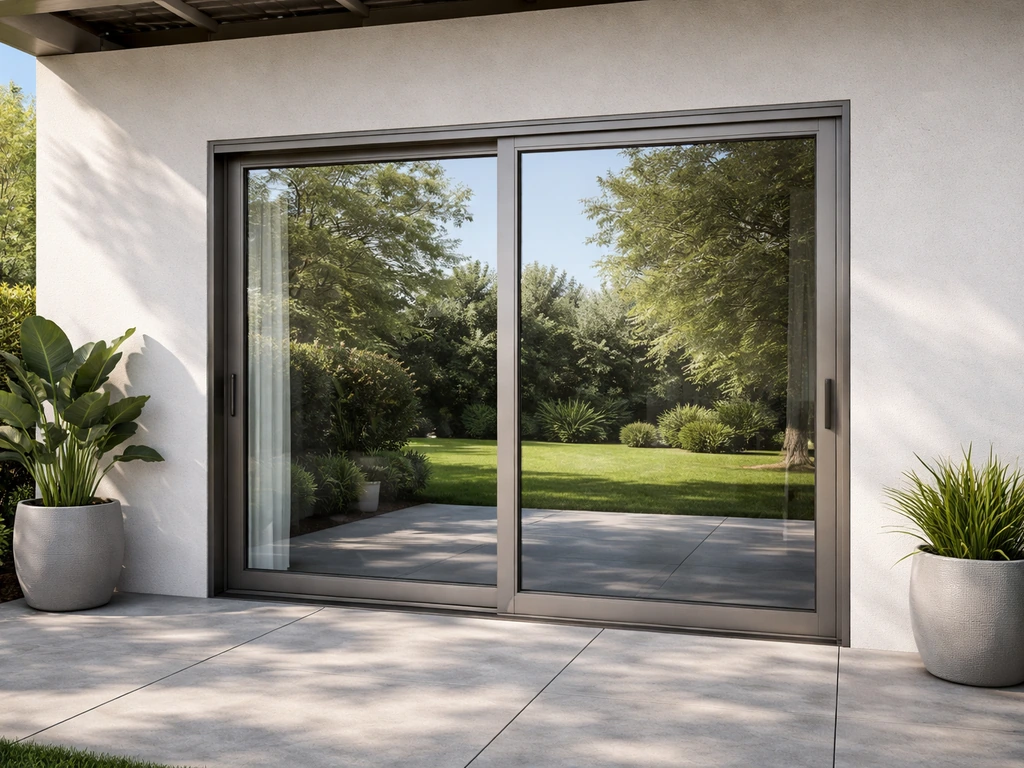
Aluminum is strong, slim-profile, and often used in contemporary or minimalist designs. The problem for value-focused buyers is thermal conductivity: aluminum frames transfer heat and cold very efficiently, which is the opposite of what you want in a door. Thermally broken aluminum frames (where a plastic or foam strip separates the interior and exterior metal sections) significantly improve performance and are worth insisting on if you're buying aluminum. In mild coastal climates where you rarely deal with extreme cold, thermally broken aluminum can be a great value because of its durability, resistance to humidity, and low maintenance. In cold climates, aluminum is a poor energy choice even with thermal breaks.
Wood and Wood Composites
Wood doors look beautiful and offer good insulation, but the maintenance burden is real. Exterior wood needs to be stained or painted every 3 to 5 years, and any failure in the finish invites moisture intrusion that can rot the frame. Wood-clad doors (wood interior with aluminum or fiberglass exterior) solve most of the outdoor exposure problem while keeping the warm interior look, but they carry a price tag to match ($3,000 to $8,000 for the unit). Composite doors (engineered wood or fiberglass-reinforced profiles) are a better value compromise: they resist moisture better than solid wood and hold paint longer. For most buyers prioritizing value, wood and wood composites are in the 'nice if budget allows' category, not the 'best for the money' column.
| Material | Typical Unit Cost Range | Thermal Performance | Maintenance Level | Best Climate Fit |
|---|---|---|---|---|
| Vinyl (PVC) | $800–$2,500 | Very good (multi-chamber) | Very low | Most climates |
| Fiberglass | $2,000–$5,000 | Excellent | Low | Extreme cold/heat cycles |
| Aluminum (thermally broken) | $1,500–$4,000 | Moderate–good | Low | Mild/coastal climates |
| Wood/Clad | $2,500–$8,000+ | Good | High (exterior wood) / Low (clad) | Any, with proper maintenance |
| Wood Composite | $1,800–$4,500 | Good | Low–moderate | Most climates |
Sizing, Rough Openings, and Specs That Prevent Expensive Mistakes
This is the part that catches people off guard. A patio door is not just sized by the panel dimensions you see on display. The rough opening in your wall needs to be slightly larger than the door frame to allow for shimming and leveling, and if your existing opening is the wrong size, you're paying for framing work on top of the door cost.
For a standard 6-foot (72-inch) wide sliding door with an 80-inch height, the rough opening should be approximately 74.5 inches wide by 82 inches tall, giving about 1.25 inches on each side for shimming and 2 inches at the top. Always verify this with your specific manufacturer's installation guide because tolerances vary by brand. If you're replacing an existing door, measure the existing rough opening before ordering, not the old door frame, because the original installer may have adjusted for a non-standard dimension.
- Standard sliding door widths: 5 ft (60 in), 6 ft (72 in), 8 ft (96 in), 10 ft (120 in)
- Standard height: 80 in (6'8"), though 96 in (8') units are increasingly common and add cost
- Rough opening: typically door width + 2.5 in wide, door height + 2 in tall
- Frame depth: most replacement doors are designed for 2x4 or 2x6 wall construction (4.5 in or 6.5 in frame depth); verify before ordering
- Threshold height: check the existing threshold or subfloor situation; high thresholds are a trip hazard and may need adjustment
- Glass package thickness: standard is 1 in (dual-pane), but 1.5 in triple-pane units are available and add weight the frame and rollers must support
One detail that constantly trips up DIYers and even some contractors: the 'door size' listed by manufacturers typically refers to the frame size, not the rough opening size. So a '6068' door is 6 feet wide and 6 feet 8 inches tall as a frame unit. The rough opening needs to be larger. Write down both numbers before you talk to any supplier.
How Your Climate Changes the Best-Value Choice
Climate is the most underrated factor in patio door selection. The ENERGY STAR program actually divides the country into climate zones and lists different U-factor and SHGC requirements for each zone, because the 'best' energy performance spec depends entirely on where you live.
Cold Climates (Zones 4–7, Northern States, Canada Border Regions)
In cold climates, U-factor is the number to chase. U-factor measures how quickly a door conducts heat from inside to outside, and lower is better. Look for U-factor of 0.25 or lower for northern zones. This typically means triple-pane glass or at minimum high-performance dual-pane with low-E coatings and argon or krypton gas fill. Fiberglass or quality vinyl frames are the right material choice here because they don't conduct cold the way aluminum does. Also pay close attention to the condensation resistance rating on the NFRC label, since interior condensation on cold frames can cause mold and wood damage around the frame.
Hot Climates (Zones 1–3, Southern States, Southwest)
In hot climates, solar heat gain coefficient (SHGC) matters more than U-factor. SHGC measures how much solar energy passes through the glass into your home, and for warm climates you want a lower number (typically 0.25 or below) to reduce air conditioning load. Look for doors with spectrally selective low-E coatings that block infrared heat while still passing visible light. Vinyl and aluminum (thermally broken) both work well in hot climates, and aluminum's resistance to UV degradation is an advantage in very sunny regions.
Coastal and High-Humidity Environments
Salt air and moisture are brutal on hardware and finishes. In coastal environments, stainless steel or marine-grade hardware is a must, vinyl or fiberglass frames are the best material choice, and aluminum should only be used if it's specifically rated for marine exposure. Wood and standard aluminum corrode fast near the ocean. Check that weatherstripping is silicone-based rather than foam, because foam deteriorates faster in humid conditions.
Freeze-Thaw and High Wind/Rain Regions
If your climate involves significant freeze-thaw cycling (ice storms, hard freezes followed by warm days), frame materials that expand and contract significantly become a problem. Vinyl is generally stable, but cheap vinyl can be brittle in extreme cold. Fiberglass handles freeze-thaw better than any other material. Check the door's DP (design pressure) rating if you're in a high-wind region: for coastal or storm-prone areas, a DP 50 rating or higher is a reasonable starting point. If you live in a high-wind or storm-prone area, also compare the dp rating so you know how well the patio door resists wind pressure and water infiltration. A higher DP rating means the door has been tested to resist higher wind pressures and water infiltration, which directly affects both safety and long-term weatherproofing.
Features That Actually Give You the Best Return
Not every upgrade is worth the money. Some features sound impressive in a showroom and add real value; others are mostly marketing. Here's how I'd rank them by actual impact on day-to-day value.
Glass Package
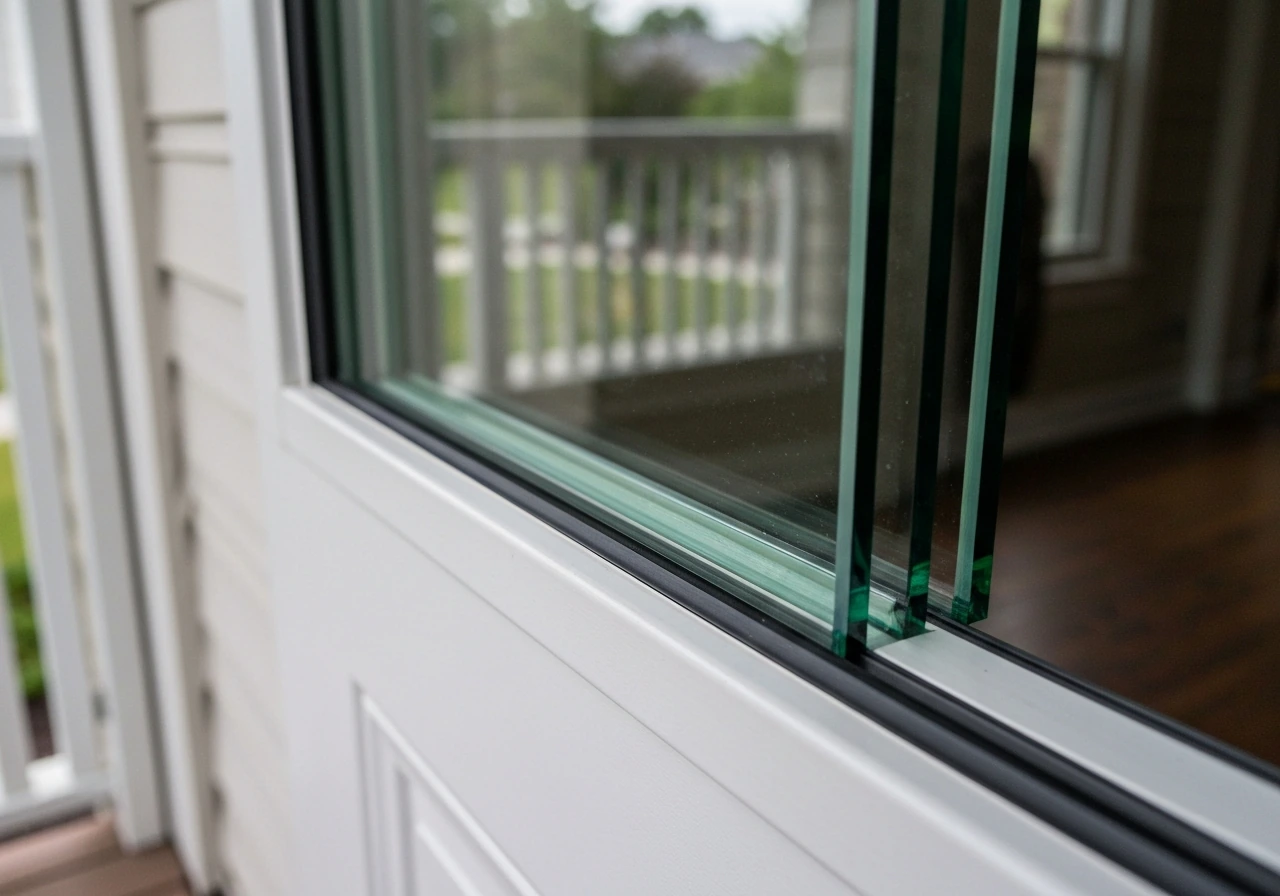
This is the single biggest performance driver after frame material. A dual-pane unit with a low-E coating and argon gas fill (the standard on most mid-range ENERGY STAR doors) is the minimum worth buying. The step up to triple-pane adds roughly $200 to $600 to unit cost but can cut the U-factor from 0.30 down to 0.17 to 0.20, which is a meaningful reduction in heat loss in cold climates. The DOE and ENERGY STAR program emphasize that sliding patio doors in particular lose more heat than most other door types when they use older or single-pane glass, so don't skimp here.
Rollers and Hardware
The rollers on a sliding door are the most likely component to degrade first. Quality stainless steel or nylon-encased ball-bearing rollers last far longer than cheap plastic ones and make a real difference in how the door feels to operate after 5 to 10 years. Ask specifically about roller material before buying. For French doors, the hinges and hinge screws matter: look for 3-inch stainless or zinc-plated screws anchoring into the door frame, not the thin trim strips.
Locking Systems and Security
Patio doors are a known entry point for break-ins. The standard single-point latch on most sliding doors is weak. A multi-point locking system that engages at the top, bottom, and middle of the door is significantly more secure and worth paying for if security matters to you. At minimum, adding a secondary bar lock (a $20 to $40 aftermarket addition) or a pin lock through the frame dramatically improves security without adding to the door cost. For French doors, active/passive bolt systems that lock both panels together and into the floor and header are the most secure option.
Weatherstripping and Threshold Quality
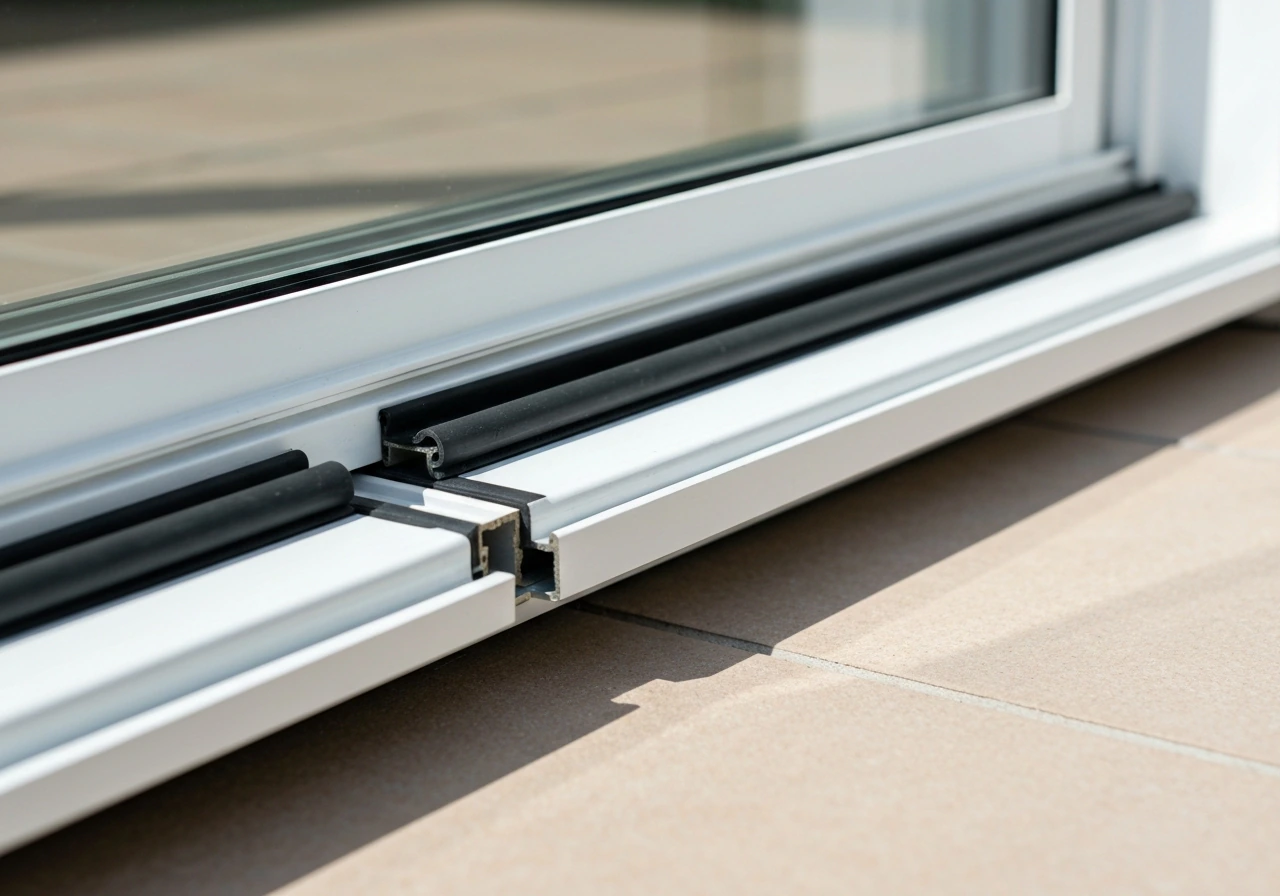
Good weatherstripping keeps air infiltration low (remember the ENERGY STAR AL ≤ 0.3 cfm/ft² standard) and should be silicone or EPDM rubber rather than cheap foam. The threshold seal is equally important for keeping water out. Look for an adjustable threshold that allows you to fine-tune the seal as the door settles over time. This feature is often found on mid-range and premium doors but skipped on budget units, and it makes a genuine difference over a 10- to 15-year lifespan.
Built-In Blinds and Screens
Built-in between-the-glass blinds add $200 to $500 to a door but eliminate dusting forever, which has real practical value if you use the door frequently. Retractable screen systems are worth the cost for back doors that get daily use, especially in bug-heavy regions. These are comfort upgrades rather than performance drivers, so prioritize them after you've locked in a solid glass package and frame.
Real Cost Comparison: What You're Actually Paying
Here's a practical cost framework broken down by style and material, based on current 2026 pricing for standard 6-foot wide, 80-inch tall units. These are installed costs (door unit plus labor for a straightforward replacement into an existing, correctly sized rough opening). Rough opening modifications, special framing, or custom sizes add cost.
| Door Type + Material | Unit Cost | Typical Install Labor | Total Installed Cost | Expected Lifespan |
|---|---|---|---|---|
| Vinyl slider (mid-range, ENERGY STAR) | $900–$1,800 | $350–$600 | $1,250–$2,400 | 25–35 years |
| Vinyl slider (budget, box-store) | $500–$900 | $300–$500 | $800–$1,400 | 10–20 years |
| Fiberglass slider (premium) | $2,000–$4,500 | $500–$900 | $2,500–$5,400 | 30–50 years |
| Aluminum slider (thermally broken) | $1,500–$3,500 | $500–$800 | $2,000–$4,300 | 25–40 years |
| Vinyl French doors | $1,200–$2,800 | $400–$700 | $1,600–$3,500 | 20–30 years |
| Fiberglass French doors | $2,500–$5,500 | $600–$1,100 | $3,100–$6,600 | 30–50 years |
| Wood-clad French doors | $3,000–$8,000 | $700–$1,500 | $3,700–$9,500 | 30+ years (with maintenance) |
| Bifold/multi-panel (aluminum) | $4,000–$14,000+ | $1,500–$3,500 | $5,500–$17,500+ | 25–40 years |
Labor costs vary significantly by region, by whether the installer is a general contractor or a door specialist, and by job complexity. Getting three quotes is standard practice, and the range between lowest and highest bid is often 40 to 60 percent on the same door. Don't just go with the cheapest installer: ask for photos of similar completed installs and check whether their quote includes disposal of the old door, trim work, and any necessary caulking. Those items are often left off lowball quotes and added back as change orders.
New construction rough openings are typically easier and cheaper to install into than replacements in existing walls, especially if the existing opening needs to be resized. A retrofit that requires moving a header or reframing can add $500 to $2,000 to the total cost, which completely changes the value calculus. Always get a contractor to assess the existing rough opening before you fall in love with a specific door size.
Your Shopping Checklist and How to Act on This Today
Here's how I'd approach this if I were starting the shopping process right now. Work through these steps in order and you'll have a clear shortlist within a day or two.
Step 1: Nail Down Your Rough Opening and Wall Details
Measure your existing rough opening width and height, note your wall thickness (2x4 or 2x6 framing), and check whether the existing threshold is flush with the floor or raised. Take photos. This information decides what will fit without extra framing cost and eliminates a huge category of options before you even start browsing.
Step 2: Set Your Real Budget Including Labor
Take your total door budget and subtract $400 to $700 for labor (more if you think framing changes are likely). What's left is your door unit budget. This prevents the very common mistake of falling for a $1,500 fiberglass unit when your total budget is $1,800.
Step 3: Match Style to Your Space and Usage
Slider if you want the best value and simple daily use. French if aesthetics or full-width access matter. Bifold only if you're doing a larger project with real budget flexibility. For most people reading this, the slider wins.
Step 4: Choose Material Based on Climate and Budget
Cold climate with a limited budget: mid-range vinyl with low-E argon glass and a U-factor of 0.25 or lower. Cold climate with more budget: fiberglass. Mild or coastal climate: thermally broken aluminum or quality vinyl. Hot climate: vinyl or aluminum with low SHGC glass (0.25 or below).
Step 5: Verify ENERGY STAR Certification and the NFRC Label
Before finalizing any door, look up the specific model on the ENERGY STAR product finder or ask the dealer for the NFRC label values: U-factor, SHGC, and air leakage (AL). Confirm the AL is 0.3 cfm/ft² or lower. If a dealer can't produce these numbers, that's a red flag.
Questions to Ask Every Installer Before Signing
- Does your quote include disposal of the old door, interior and exterior trim, and caulking?
- Will you inspect and note any rough opening modifications needed before I finalize the door order?
- What is your process if the rough opening turns out to need reframing on install day?
- Is the manufacturer's warranty transferable to a future homeowner?
- What warranty do you offer on your installation labor specifically?
- Can you provide photos or references from similar patio door replacements you've completed?
Quick Shortlist by Budget and Situation
- Under $1,500 total installed: ENERGY STAR-certified vinyl slider from a brand like Reliabilt or JELD-WEN, standard 6-foot size, dual-pane low-E argon glass
- $1,500 to $2,500 total installed: Mid-to-upper vinyl slider (Milgard, Simonton, or Pella 150 Series) or entry-level vinyl French doors, same glass spec
- $2,500 to $4,500 total installed: Fiberglass slider or quality thermally broken aluminum slider, consider triple-pane glass in cold climates
- $4,500 and up: Fiberglass French doors, wood-clad options, or entry-level bifold systems if the space calls for it
- Coastal or marine environment (any budget): Add marine-grade hardware and stainless hardware spec to any of the above categories
If you want to go deeper on how individual brands compare head-to-head, or how replacement doors specifically differ from new construction installs in terms of value, those are worth exploring separately. If you want a shortcut, focus on the best patio door brand options that match your climate, size, and security needs. The core decision, though, comes down to the factors above: right style for your space, right material for your climate, verified energy ratings, and a realistic total budget that includes labor. Get those four things right and you'll have a door that serves you well for decades without becoming a money pit.
FAQ
Why can’t I just buy the same size patio door as my old one?
Measure the rough opening, then add the installation clearance you need for shimming and leveling. Also verify whether the manufacturer’s “door size” is the frame size or the unit size, because that number often does not equal the opening you must order for. If you are replacing an existing door, re-check the opening dimensions even if you have the old door label, since past installers sometimes “adjusted” the opening.
Is it worth switching from a sliding door to a French door during replacement?
Yes, but you should budget for weatherproofing details, not just the door frame. Pay extra attention to the threshold type (fixed vs adjustable), sill pan requirements, and how the installer sequences flashing and sealant. If the opening height or width is off, re-framing can change the cost more than the door itself.
Can I install a new patio door using my existing sill or framing?
You can, but only if the unit is rated for your use case and you address the sill. Common pitfalls are reusing an old threshold, not installing an approved pan-flashing system, or skipping proper sealant at the frame corners. If you are in a freeze-thaw area, improper sill sealing is a major cause of leaks and early rot.
What should I prioritize on the NFRC label for my region, U-factor or SHGC?
Look for the NFRC label numbers, then check how those values relate to your climate zone. In cold climates, prioritize a low U-factor and also verify condensation resistance. In hot climates, prioritize a low SHGC, and make sure the product uses spectrally selective low-E glass rather than a generic coating.
If a door has a great air-leakage rating, will it still feel drafty after install?
Not always. Air leakage matters, but the real-world “feel” can also come from frame alignment, hardware quality, and the threshold seal. Even with a good AL value, a door that does not close evenly can let in drafts and moisture. Ask installers how they verify squareness and seal contact after installation.
What typically causes sliding patio doors to get hard to open over time?
For sliding doors, the two most common causes are poor track cleanliness habits and roller wear or misalignment. Choose roller systems with stainless or nylon-encased ball bearing designs, and ask whether the rollers are adjustable. For troubleshooting, start by checking for debris, then verify alignment and that the door isn’t sagging at the meeting points.
Why do people keep talking about adjustable thresholds, and is it worth paying for?
If your door has a fixed or non-adjustable threshold and the floor has settled, you can lose the seal and end up with water intrusion. Adjustable thresholds let the installer tune the compression over time. When comparing value doors, treat threshold adjustability as a meaningful upgrade, not a cosmetic feature.
Should I spend extra on retractable screens or insulated glass first?
A screen improves daily comfort, but it is not a performance substitute for an insulated, properly sealed glass package. Retrofitting can cost more than choosing a door that includes the screen hardware from the start, especially if trim work or replacement of parts is needed. If bugs are the main issue, confirm the screen retracts smoothly and has an easy-service design.
What makes one patio door feel noticeably more secure than another?
Not necessarily. Some “security” adds only minor resistance if it uses a single latch point or thin strike hardware. Prioritize a multi-point locking system for sliding doors, and confirm the strike plate is properly reinforced at the frame. If a secondary lock is considered, confirm it engages into a solid structural part, not just trim.
Why do patio door quotes vary so much if the door model is the same?
Because the installer’s scope can change total cost, ask for a written line-item breakdown that includes old-door disposal, caulk or sealant materials, trim replacement, and any required shimming. Also confirm whether the quote includes matching exterior finishes after reframing. Two quotes that list the same door price can end up very different when cleanup and sealing are excluded.
Do thermal ratings on the product label guarantee good performance after installation?
Generally, cold-weather performance hinges on the glass and frame thermal behavior, but threshold and air-seal work can make or break the result. A premium frame material helps, but a high-quality install with correct insulation gaps and continuous sealing is what protects you from draft and moisture. If you live in a freeze-thaw zone, prioritize sill flashing and proper sealant strategy.