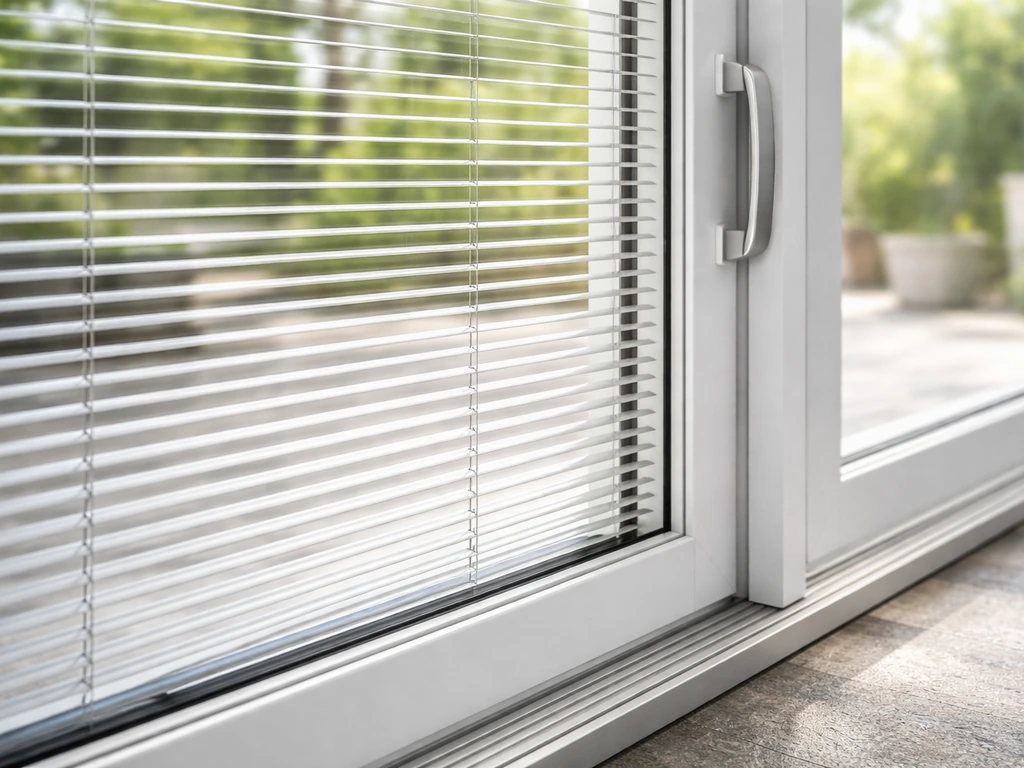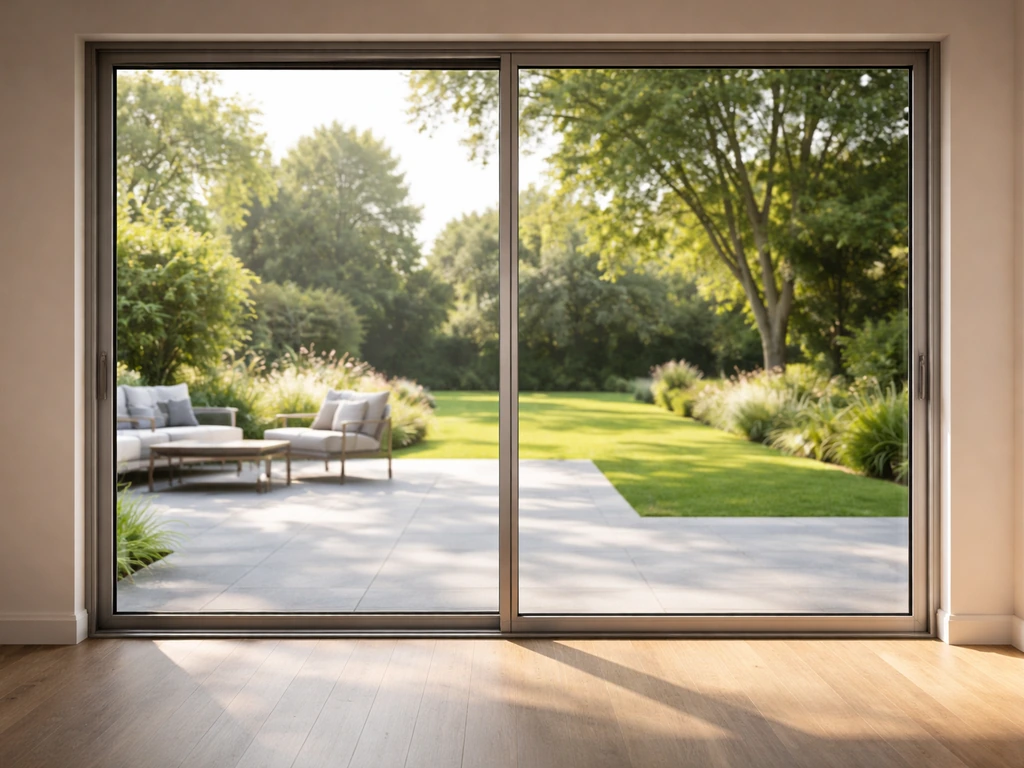
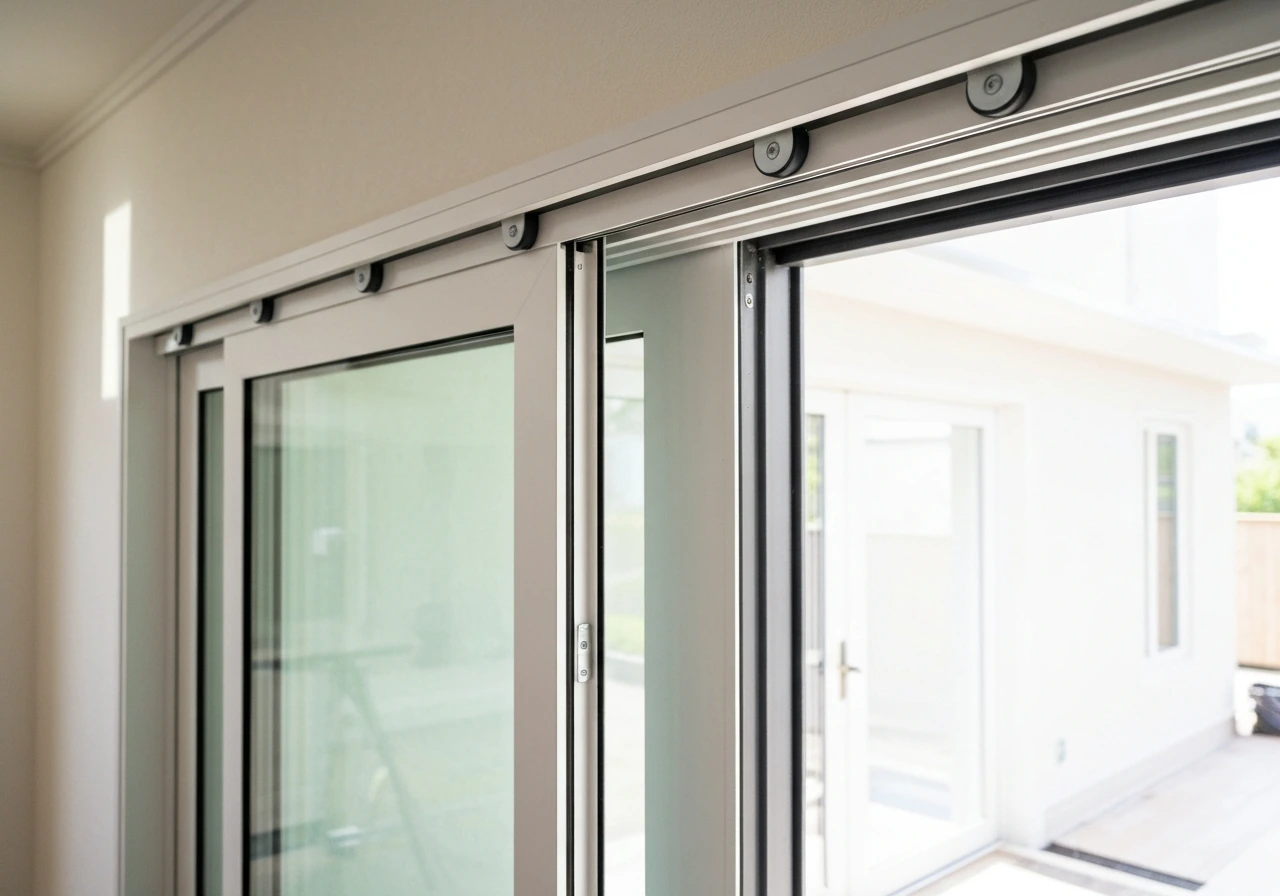
blank" rel="noopener noreferrer">A top-hung sliding patio door supports its entire weight from an overhead track, with hanger assemblies bolted to the door's top rail running inside an enclosed aluminum channel. There's no floor track carrying the load, just a small bottom guide that stops the door from swinging sideways. If yours is sticking, jumping off track, or you're shopping for a replacement screen door that actually seals out insects and slides without fighting it, this guide walks you through every step: identifying your system, measuring it correctly, choosing the right parts, and keeping it running smoothly long-term.
Top Hung Sliding Patio Doors: Choose, Install, Maintain
Owen Delaney
12 Jun 2026
What a top-hung sliding patio door actually is
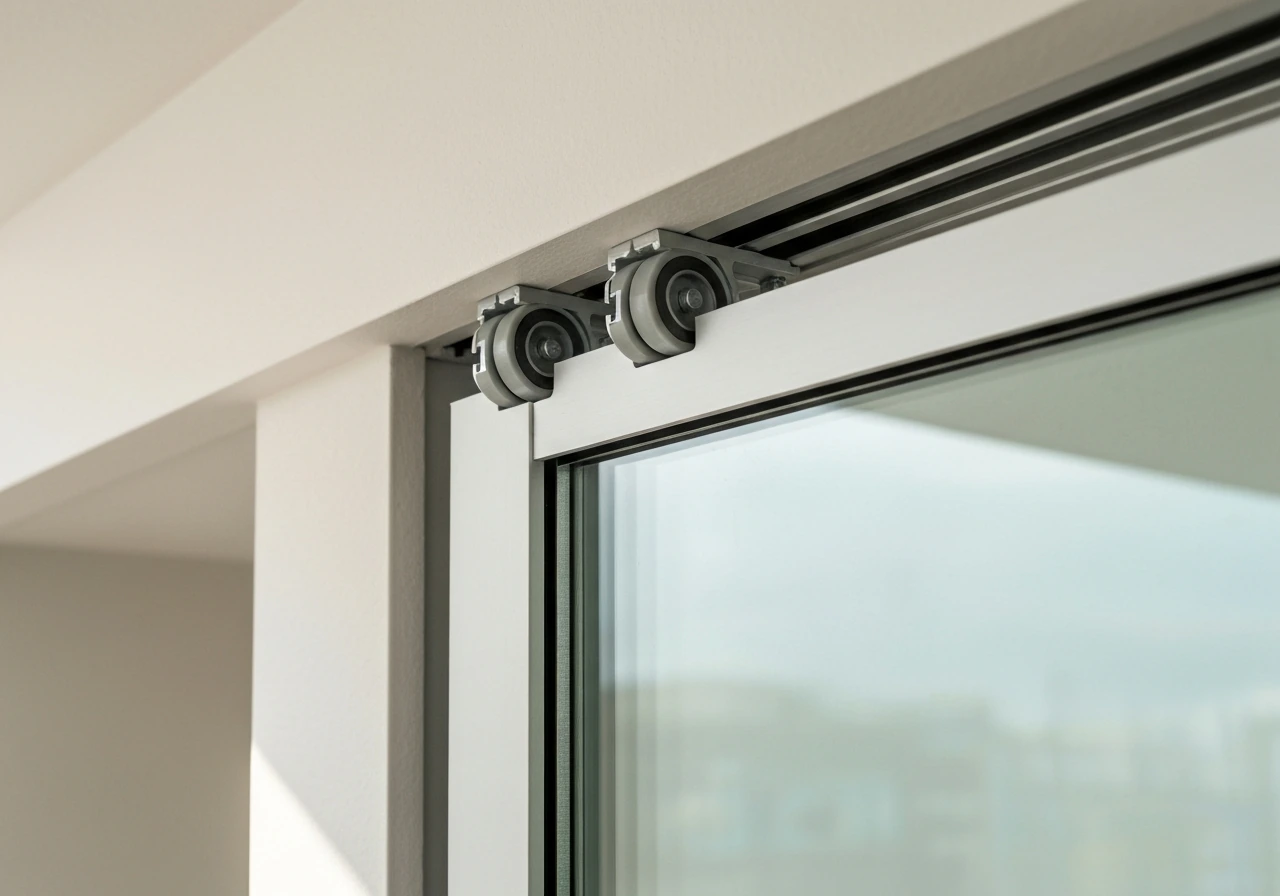
The key thing that separates a top-hung system from a conventional sliding patio door is where the weight lives. In a standard bottom-rolling setup, the door rides on rollers sitting in a floor track, and the top of the door just has a light guide channel to keep it upright. In a top-hung system, the door is suspended from above. Hanger plates and roller assemblies are fixed to the top edge rail of the door, and those hangers roll inside an enclosed overhead track. The bottom of the door only has a small stay roller or guide pin that slots into a narrow channel to prevent lateral swinging. There's no heavy floor track to trip over, no groove in the threshold collecting dirt, and the door glides almost frictionlessly when the system is properly installed.
Top-hung systems are common in two situations in the patio door world. First, you'll find them on full-size glazed patio doors, particularly heavier glass panels where keeping weight off the floor makes engineering sense. Second, and more often what homeowners are searching about, they're used on patio screen doors. A top-hung patio screen door uses the same principle: the screen frame hangs from rollers in the head track, with a bottom guide keeping it aligned. Manufacturers like Quanex, Andersen, Pella, and Viwinco all produce top-hung screen systems as factory-installed options on sliding patio doors, and replacement roller kits (like Quanex's top-hung screen door roller upgrade or the 11/16-inch roller from Reflect Window) are widely available when those original hangers wear out.
Top-hung vs other patio door and screen options: which one is right for you
The honest answer is that most homeowners don't get to choose between top-hung and bottom-rolling for their main glass patio door panel, because that decision is already baked into the door system they buy. But for the screen door component, and for barn-style or interior bypass panels, the choice matters a lot. Here's how they compare:
| Feature | Top-Hung System | Bottom-Rolling System |
|---|---|---|
| Weight support | Overhead track and hanger assemblies | Floor track and bottom rollers |
| Floor threshold | Minimal or flush (just a guide channel) | Raised floor track required |
| Dirt/debris buildup | Less in the critical track (overhead is cleaner) | Floor track collects grit and stops rollers |
| Best for | Screen doors, heavy glass panels, accessible thresholds | Standard sliding glass doors, budget builds |
| Common failure point | Roller hangers wear, upper track bends | Bottom rollers crack, floor track fills with debris |
| DIY replacement difficulty | Moderate (need to re-hang door from overhead) | Easier (rollers accessible from door base) |
| Accessibility/trip hazard | Lower trip hazard | Raised threshold can be an issue |
If you're replacing just a screen door, a top-hung system is worth prioritizing. The overhead suspension keeps the screen lighter in feel, reduces the chance of the bottom guide catching on debris, and tends to give a tighter insect seal at the threshold because you're not relying on a bulky floor track. If you're comparing full door systems, the best sliding glass patio door options on the market use a mix of both approaches depending on panel weight and price point, so check what the specific model uses before you buy.
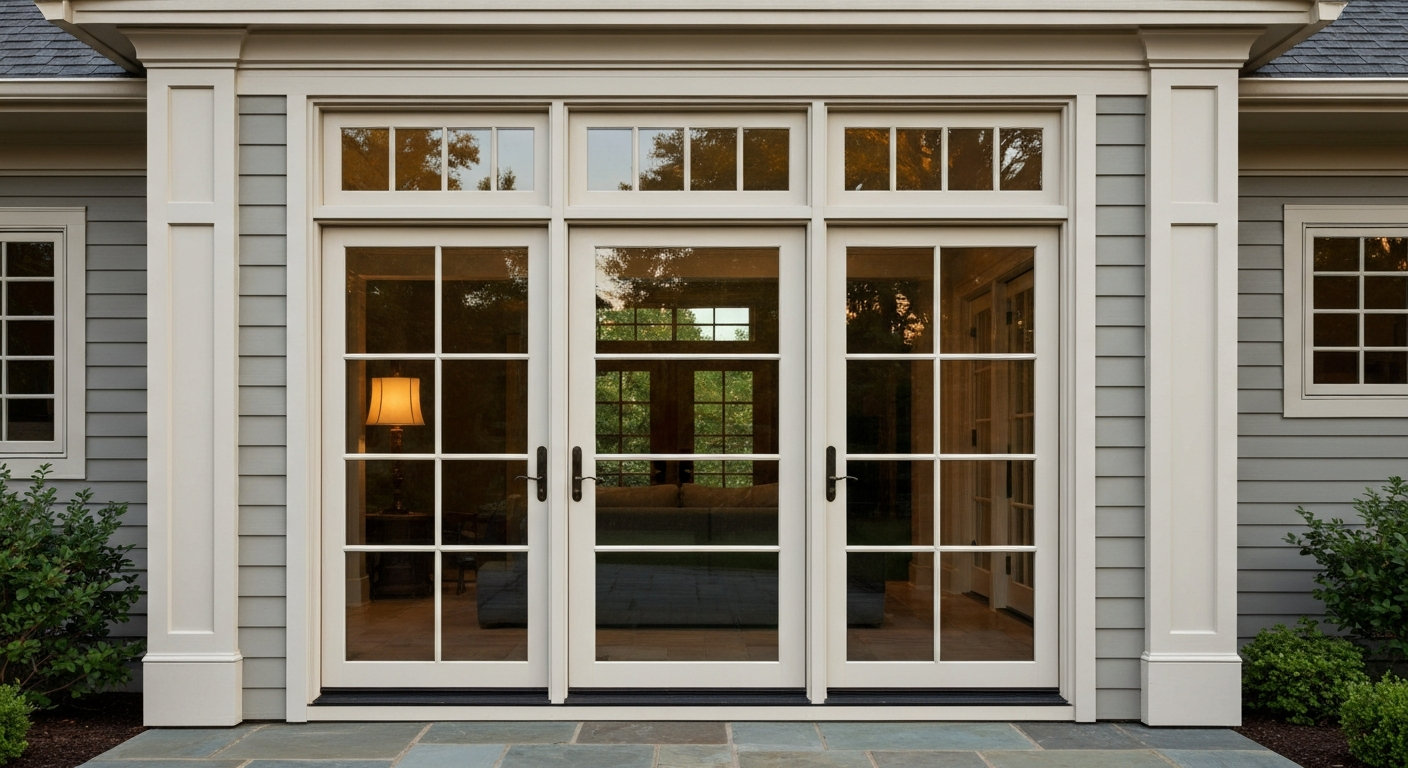
One more note: top-hung sliding systems are fundamentally different from French patio doors or bifold doors. French doors swing on side hinges and have no track at all. Bifolds fold and stack. If you're dealing with a door that hinges open rather than slides, nothing in this guide applies to you. Stick with it only if your door slides laterally along a track.
How to measure correctly and confirm compatibility
Measuring a top-hung sliding door or screen door correctly is the single biggest thing homeowners get wrong when ordering replacement parts or a new screen. Get this wrong and you'll either have a screen that falls out or one that won't engage the head track at all. Here's exactly how to do it.
Measuring screen height
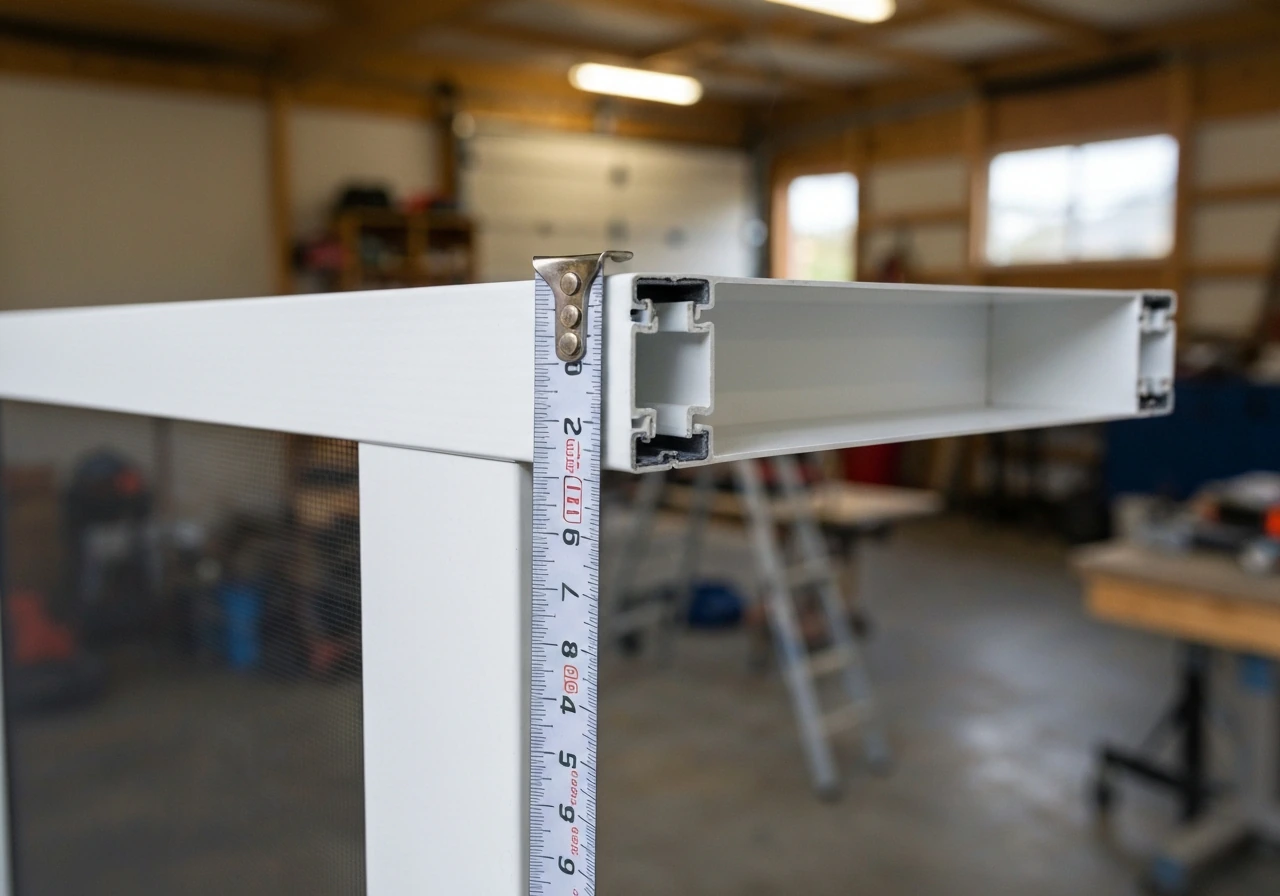
For a top-hung screen door, measure from the top of the upper track (the inside surface of the head channel) down to the bottom of the lower track or guide channel. That measurement is your opening height. The actual screen frame you order will be slightly smaller to allow for insertion clearance, but this is the number you give a supplier. Wizard Screens labels this explicitly as 'top of upper track to bottom of lower track' in their measuring guide, and Avenue Glass & Screen uses a similar reference point. Do not measure the rough opening or the door frame jamb. The track-to-track dimension is what matters.
Strybuc, which makes top-hung adapter kits for screen doors, adds an important caveat: if your opening conditions vary from standard (say, the head track is recessed unusually deep, or the bottom guide sits above the threshold rather than flush), their standard sizing method may not give you accurate screen height. In those cases, measure actual roller insertion depth separately and add it to the visible opening height. If you're unsure, call the supplier with your raw measurements before ordering.
Measuring screen and door width
For width, measure the opening at three points: top, middle, and bottom. Use the smallest of those three numbers as your working width, then subtract the clearance specified by your door or screen manufacturer (usually 1/4 to 3/8 inch total). This accounts for walls that aren't perfectly plumb and tracks that may be slightly out of square.
Confirming roller and track compatibility
Before ordering replacement rollers or hangers, measure the wheel diameter and the track profile. A common spec for top-hung screen door rollers is 11/16 inch, but this varies by manufacturer. The roller must match the internal profile of your aluminum head track. A roller that's the wrong shape for the track profile is the most common reason a replacement part jams or pops out immediately. If you still have the old roller, bring it to a hardware specialist or match it against the manufacturer's parts catalog (Andersen's A-Series parts catalog, for example, lists hanger and spring roller components by specific model number).
Key parts to inspect and upgrade
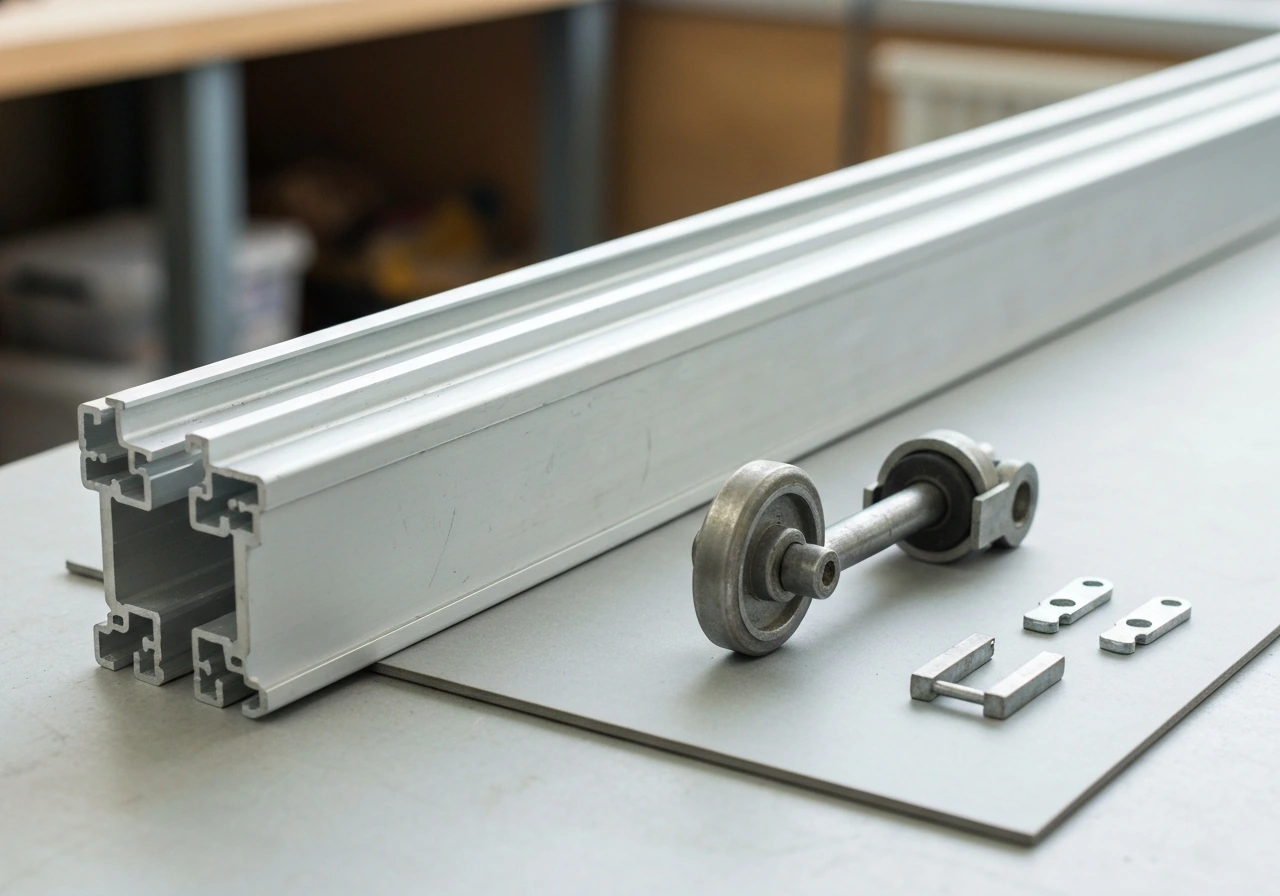
Whether you're troubleshooting a dragging door or planning a proactive refresh, these are the components that make or break a top-hung sliding system.
- Upper track (head track): This aluminum channel is the backbone of the system. Check for bends, dents, or warping, especially near the ends where doors are most often slammed. Even a small kink in the track profile can cause the roller to bind or derail. Run your finger inside the channel and feel for debris, paint overspray, or deformation.
- Roller hangers: These are the assemblies bolted to the top rail of the door that actually carry the weight. Wheels wear flat or develop flat spots over years of use, and the bearing can seize. Quanex's top-hung roller upgrade is specifically designed to eliminate jamming by replacing worn hanger assemblies with properly profiled rollers that match the track geometry.
- Bottom guide: This small roller or pin prevents the door from swinging outward. If it's broken or missing, the door will feel wobbly or veer off-path at the bottom even if the top track is fine. It's a cheap part but critically important.
- Weather seals and pile inserts: The perimeter seals keep air and insects out. On screen doors, the pile (fuzzy strip) around the frame edges is what closes the gap against the door frame. Worn pile lets in mosquitoes even when the screen is 'closed.' Replace it if it's compacted or missing sections.
- Screen mesh: If your mesh has tears, holes, or is sagging away from the frame, insects are getting in regardless of how well the door slides. Fiberglass mesh is easiest to DIY-replace. For high-traffic areas, consider a heavier pet-resistant or aluminum mesh.
- Lock and keeper hardware: Viwinco notes that a durable lock-and-keeper set is essential for screen security. The strike needs to be aligned with the keeper on the door frame or it won't latch. Misaligned locks are a common complaint and easy to fix by loosening and repositioning the strike before final tightening.
DIY installation vs hiring a pro: honest trade-offs
Installing or replacing a top-hung screen door is a reasonable DIY job for most homeowners. Installing a full top-hung glazed patio door panel is a different level of commitment. Here's how to think about both.
Replacing or installing a top-hung screen door (DIY-friendly)
- Remove the old screen by tilting the bottom out and lifting the top rollers out of the head track. Some screens have a locking tab you'll need to release first.
- Clean the head track thoroughly with a dry cloth or soft brush. Check for dents or debris that could obstruct the new rollers.
- If replacing rollers only, remove the hanger assemblies from the top rail holes and swap in the new rollers. Confirm the new roller profile matches your track before reinstalling.
- For a full new screen, slide the hanger assemblies into the top rail holes of the new screen frame as instructed by Pella's screen replacement guide.
- Engage the head track first: lift the screen up so the rollers slot into the overhead channel, then lower the bottom of the screen into the guide channel. Viwinco's install guide describes this as 'engage top track, push rollers in, then lower onto the inner roller track.'
- Adjust roller height so the screen hangs level and the edges are flush with the door frame. Most hangers have an adjustment screw.
- Align the strike and keeper so the latch clicks properly, then tighten all screws.
- Test the slide several times and check for binding or wobble.
The whole process for a screen door takes about 30 to 60 minutes if you have the correct parts in hand. The most common DIY pitfall is ordering the wrong roller size. Spend the 10 minutes confirming the part number before you order, or you'll make two trips.
Installing a full top-hung sliding glass patio door panel (hire a pro)
This is not a weekend warrior project unless you have experience with rough framing and heavy glass. Top-hung heavy glass door installation requires precise track positioning based on door height, roller insertion clearance, and track depth, as detailed in Hune Pulley's installation guide. The math is straightforward: track underside position equals door height plus roller insertion clearance plus track depth, but executing it on an exterior rough opening with an insulated glass panel weighing 150 pounds or more is a different matter. Andersen and Pella both publish professional installation documentation for their sliding patio door systems for good reason. Budget $300 to $700 for professional installation depending on your market. The time saved and the warranty protection (most manufacturers void coverage on improper installs) make it worth it for the glass door itself.
Troubleshooting common problems
Door or screen sticking and dragging
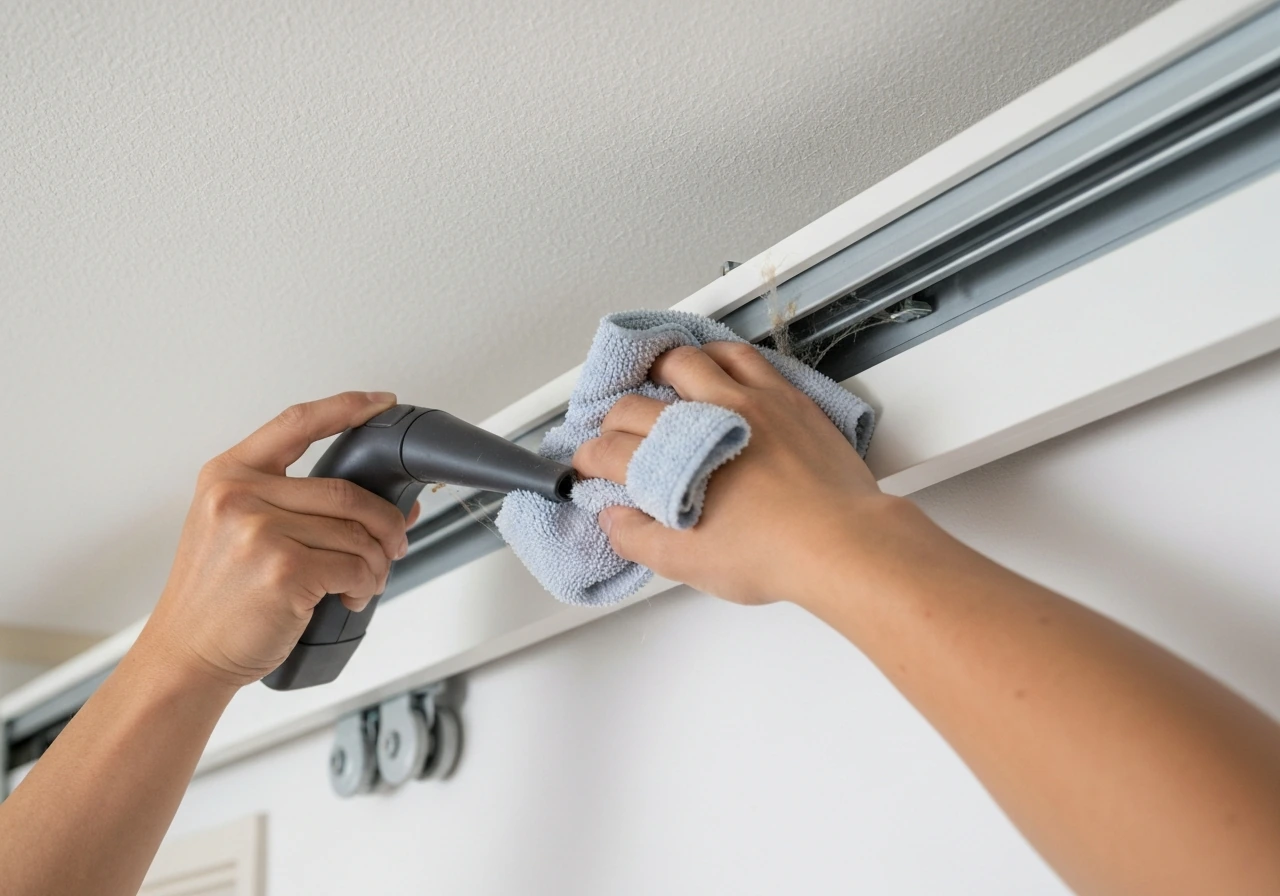
Start with the track. Even in top-hung systems, the overhead channel accumulates dust, cobwebs, and dried lubricant residue. Clean it with a dry cloth first. If the door still drags after cleaning, remove the door and inspect the roller wheels. Flat spots, cracks, or seized bearings are your answer. Replace the rollers. One more thing: do not reach for WD-40 or any oily lubricant. Pella's owner manual specifically warns against oily lubricants because they attract dust and grime that compound the problem over time. Use a dry silicone spray or a PTFE-based lubricant instead.
Door popping off track
If the door repeatedly pops out of the head track, roller height adjustment is almost always the cause. The rollers are sitting too low in the track, so they don't have enough engagement with the channel walls to stay seated under lateral load. Raise the roller height via the adjustment screws until the door hangs firmly in the track with minimal vertical play. Also check that the bottom guide is present and properly engaged. A missing or broken bottom guide lets the door kick outward, which levers the top rollers out of the channel.
Uneven gaps along the door frame
If you close the door and notice a larger gap at the top or bottom on one side, the door is hanging at an angle. Adjust the roller hangers independently: raise the low side or lower the high side until the door is plumb and the gap is even all the way around. This is a five-minute fix once you locate the adjustment screws on each hanger.
Screen sagging or mesh pulling away from the frame
Sagging mesh usually means the spline (the rubber cord that holds the mesh in the frame groove) has dried out and shrunk, letting the mesh go slack. Peel out the old spline and re-screen the frame with new mesh and fresh spline. If the whole screen frame is warping or bowing, the frame itself may need replacement, especially if it's an older aluminum frame that's been repeatedly forced in and out of the track.
Maintenance and seasonal care
A top-hung sliding door that's maintained twice a year will outlast one that's ignored by a decade. These steps take under 30 minutes each time.
- Clean the head track every spring and fall: use a dry brush or vacuum to clear debris from inside the upper channel. Follow with a damp cloth wipe, then let it dry completely before lubricating.
- Lubricate with a dry silicone or PTFE spray: apply a light coat to the inside of the upper track and the roller wheels. Never use oil-based products, which attract grit and eventually freeze the rollers.
- Check the bottom guide channel: this narrow groove at the threshold fills with dirt faster than the upper track. Clear it out so the guide pin or stay roller can travel freely.
- Inspect and replace worn pile seals: run your finger along the perimeter pile strips on the screen door. If the pile is compressed flat or missing sections, replace it. A roll of replacement pile seal is a few dollars at any hardware store.
- Check mesh integrity: hold the screen up to light and look for small holes or tears near corners, where mesh stress is highest. Patch small holes with mesh repair tape or re-screen the full frame if damage is extensive.
- Test lock and keeper alignment: latch the screen door and try to wiggle it. A properly aligned latch should feel solid with no lateral movement. If the keeper is off, loosen, reposition, and re-tighten.
- Before winter: in cold climates, remove the screen door entirely and store it indoors if your design allows. This prevents warping from freeze-thaw cycles and keeps the mesh from becoming brittle in extreme cold.
Your next step right now: slide your door slowly from one end of the track to the other and listen. Smooth and quiet means your system is in good shape. A grinding, skipping, or catching sound points directly to the rollers or track condition. If you're shopping for a replacement screen door, measure track-to-track height before you open a product page. If you want the closest match, look for perfect fit blinds for sliding patio doors reviews so the sizing and roller details line up with your setup replacement screen door. And if you're comparing full sliding patio door systems, check whether the screen door is top-hung or bottom-rolling as part of your evaluation, since that detail affects long-term maintenance costs and ease of use more than most buyers realize. If you’re trying to pick the best sliding patio doors for the money, this top-hung vs bottom-rolling difference is one of the biggest value factors to compare. If you want value without sacrificing smooth operation, compare options that fit this guidance when you're looking for the best sliding patio doors under $1000. If you want the smoothest glide and the best light control, compare options like the best blinds for sliding patio doors UK based on track clearance and how the doors are used day to day. Many of the best options also include built-in blinds, so you can control privacy and light without extra hardware.
FAQ
How can I tell if my patio screen door is top-hung or bottom-rolling before I order parts?
Open the door enough to look at where the main weight rides. In a top-hung setup, the rollers and hanger assemblies are attached to the top rail and roll inside an overhead track, while the bottom only has a guide pin or stay roller. In a bottom-rolling setup, you will see rollers riding in a floor or threshold track that carries the load, even if the top has only a light guide.
What if my measurements are non-standard because the head track is recessed or the bottom guide sits above the threshold?
Measure the actual roller insertion depth separately, then add it to the visible track-to-track opening height. This helps when the track geometry changes the usable height for the screen frame. If the numbers still feel unclear, confirm with the supplier using your raw measurements before ordering to avoid a frame that will not fully seat in the head track.
My replacement screen won’t engage the head track, what should I check first?
Re-check the height reference you used, specifically from the top of the upper track inside surface to the bottom of the lower guide channel. Also verify you ordered the correct roller size and track profile, since a wrong wheel profile can cause immediate jamming or prevent seating even if the frame height is correct.
What’s the best way to confirm the correct roller diameter and track profile?
If the old roller is still available, measure the wheel diameter and compare the roller shape to the head track’s internal profile (not just the overall outside diameter). If you do not have the old roller, use the door or screen model number to match the parts catalog entry, since many systems use the same general size range but different wheel profiles.
Can I use WD-40 or regular oil to fix a sticking top-hung sliding door?
Avoid oily lubricants. They tend to attract dust and grime, which turns into a sticky residue and worsens the drag over time. Use a dry silicone spray or a PTFE-based lubricant instead, and clean the head channel first so you are not trapping dirt under the lubricant.
My door pops out of the head track, could it be a roller problem or something else?
Most often it is roller height adjustment, with rollers sitting too low for proper engagement. Also verify the bottom guide is present and actually engaged in its channel. If the bottom guide is missing or broken, the door can kick outward and lever the top rollers out of the track.
The door hangs unevenly, one side has a bigger gap. What adjustment should I make?
Adjust the roller hangers independently. Raise the side with the smaller gap (or lower the opposite side) until the door is plumb and the gaps are even all the way around. This is usually a quick fix once you locate the adjustment screws on each hanger.
How do I diagnose grinding or skipping sounds when sliding a top-hung door?
Slide the door slowly from end to end and listen for where the sound happens. Grinding or catching usually indicates a roller wheel issue (flat spots, cracks, seized bearing) or debris buildup in the overhead channel. Start by cleaning the head track, then remove and inspect rollers before replacing the whole door component.
Why does my screen mesh sag even though the door tracks look clean?
Sagging mesh is commonly caused by the spline (rubber cord) drying out and shrinking, which releases tension. Replace the spline along with the mesh if needed, and if the frame is warped from repeated force or aging, the frame itself may need replacement rather than just re-splining.
How often should I clean and maintain a top-hung sliding patio door or screen door?
Plan for twice-yearly maintenance. In each session, clean the overhead channel first, then check roller condition if the door still drags. This routine typically takes under 30 minutes and prevents buildup that can cause sticking, uneven seating, and premature roller wear.
Is it safe to DIY a top-hung glazed patio door, or should I hire a pro?
DIY is generally reasonable for screen doors, but full top-hung glazed patio panels require precise track positioning and careful handling of heavy glass. If the glass is very heavy (for example, 150 pounds or more), mistakes can be costly and can affect warranty coverage. When in doubt, budget for professional installation to ensure correct track underside position and overall alignment.