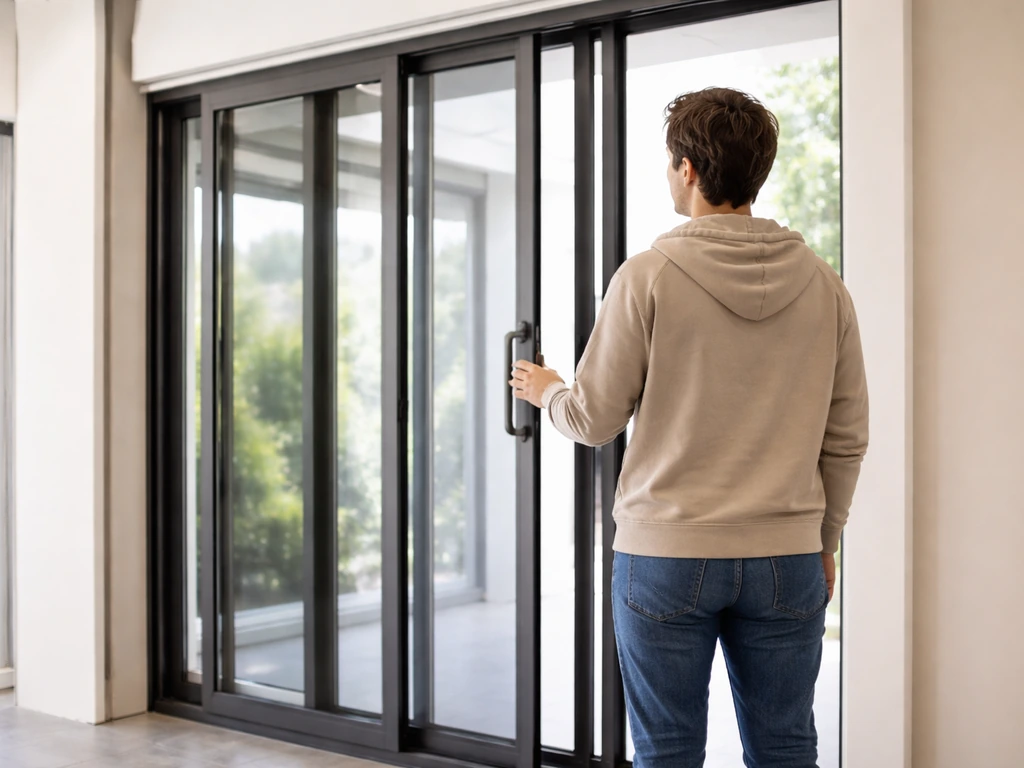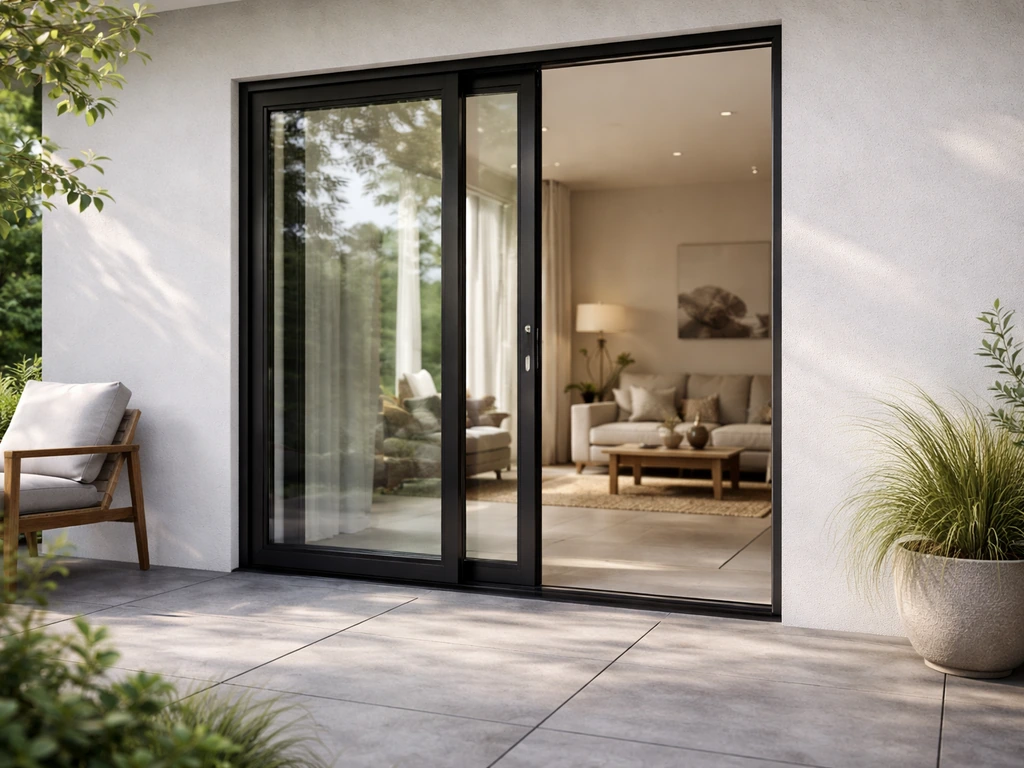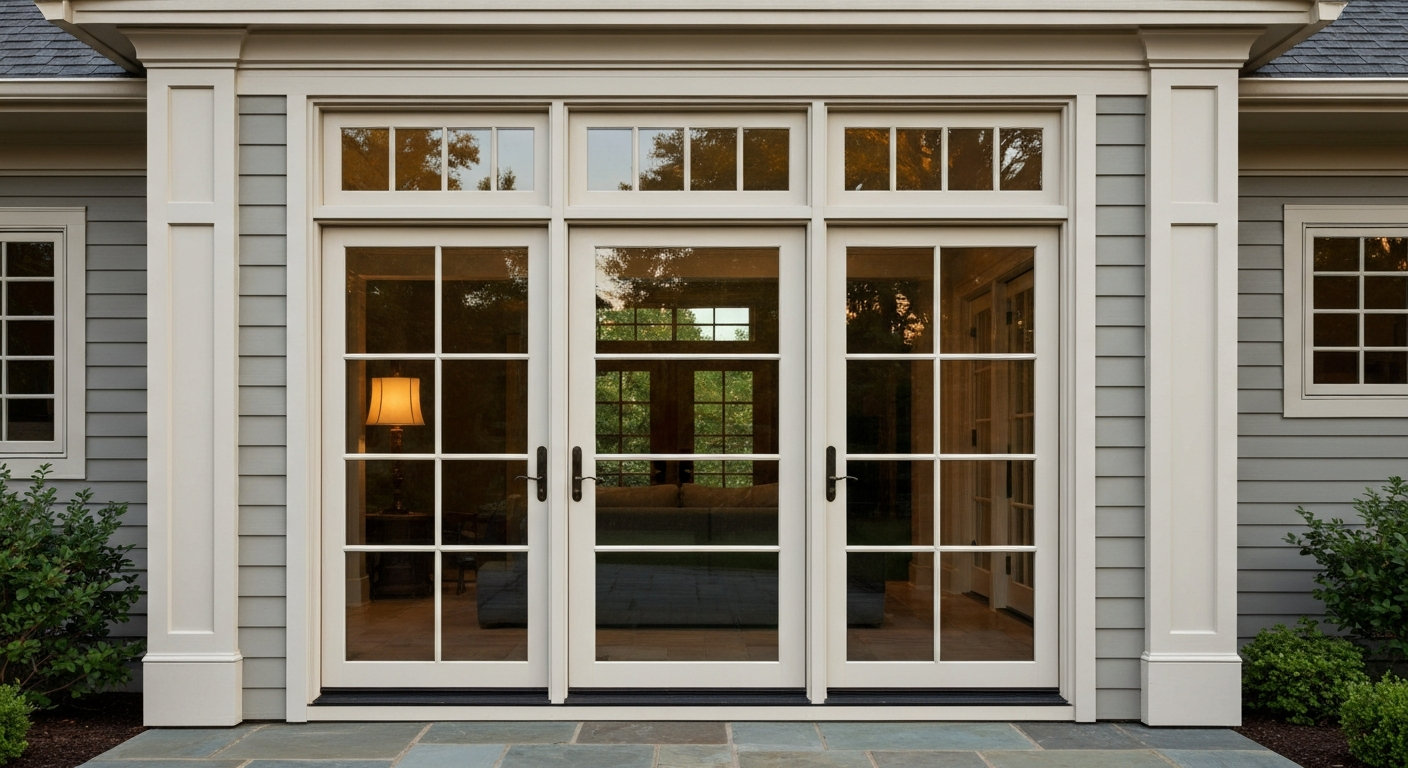
You can buy patio screen doors at big-box stores like Home Depot and Lowe's, specialty door and window suppliers, online retailers, or directly from manufacturers like Andersen, Larson, RITE SCREEN, or Apex Products. The right channel depends on whether you need a simple drop-in replacement panel, a full screen door system, or a custom-sized unit for a non-standard opening. Most standard sliding screen doors are stocked in-store; French door retractable screens and custom sizes usually require ordering ahead, with lead times ranging from 10 business days to 8 or more weeks.
Where to Buy Patio Screen Doors: Best Places to Shop

Owen Delaney
16 Jun 2026
Replacement screen panel vs. full screen door system: decide this first
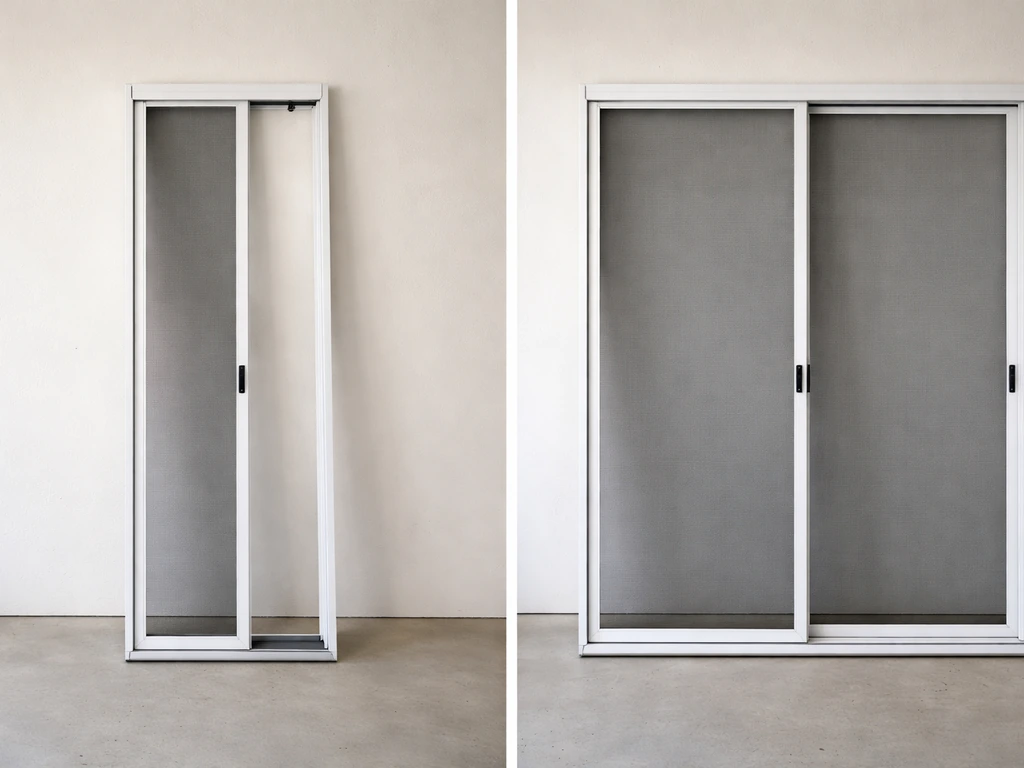
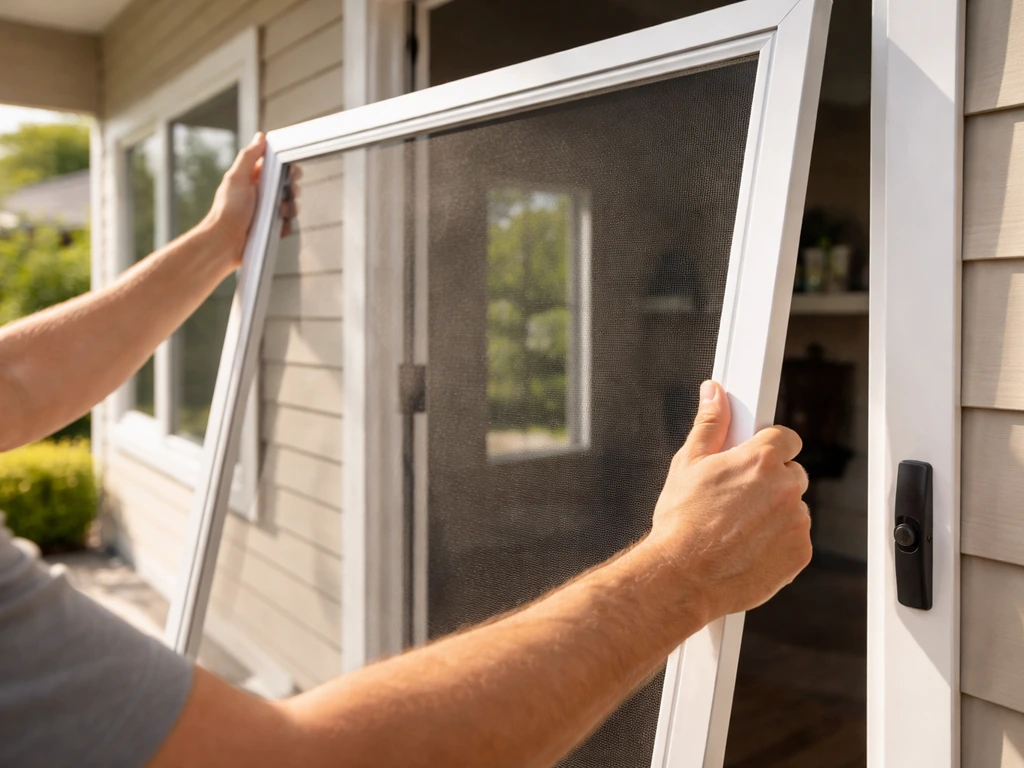
Before you search any store, you need to know whether you're replacing just the screen door (the sliding panel that rolls in an existing track) or whether you need an entirely new system including frame, track, rollers, and hardware. These are very different purchases, and confusing them is the most common and most frustrating mistake homeowners make.
A replacement screen door panel drops into your existing track. If your frame and track are in good shape and you just need a new door because the mesh tore, the frame bent, or a roller broke, a door-only replacement is the right call. Apex Products, RITE SCREEN, and Larson all sell replacement sliding screen doors this way. Apex even ships theirs unassembled so they're easier to get through doorways, and they clearly state the product does not include the track or frame.
A full patio screen system includes the frame, track, rollers, and door all together. You need this if your existing track is bent or corroded beyond repair, if you're working with a new opening, or if the previous screen system was a completely different style. Some retractable screen door systems like the Andersen LuminAire also come as a complete unit designed to mount to a specific door type (in that case, single inswing hinged doors).
If you're not sure which one you need, check whether your existing track still functions smoothly, whether the rollers are in decent shape, and whether the opening dimensions match standard sizes. Also check for replacement parts first. Larson has an official replacement parts area, and Phifer sells screen repair kits with mesh and spline tools for cases where you don't need a new door at all, just a re-screen. Sometimes the fix is a $15 repair kit, not a $200 screen door.
One practical tip from homeowners who've been through this: if a roller or handle broke, bring the old part to a hardware store or check for size markings stamped on the roller or track. Many times you can match a replacement part without buying a whole new door.
Measure before you shop (and measure it right)
Wrong measurements cause the most returns and reorders. A screen door that's even a quarter-inch too wide will bind in the track. One that's too narrow won't seal against insects. Here's how to do it correctly for the most common patio door types.
For sliding patio screen doors
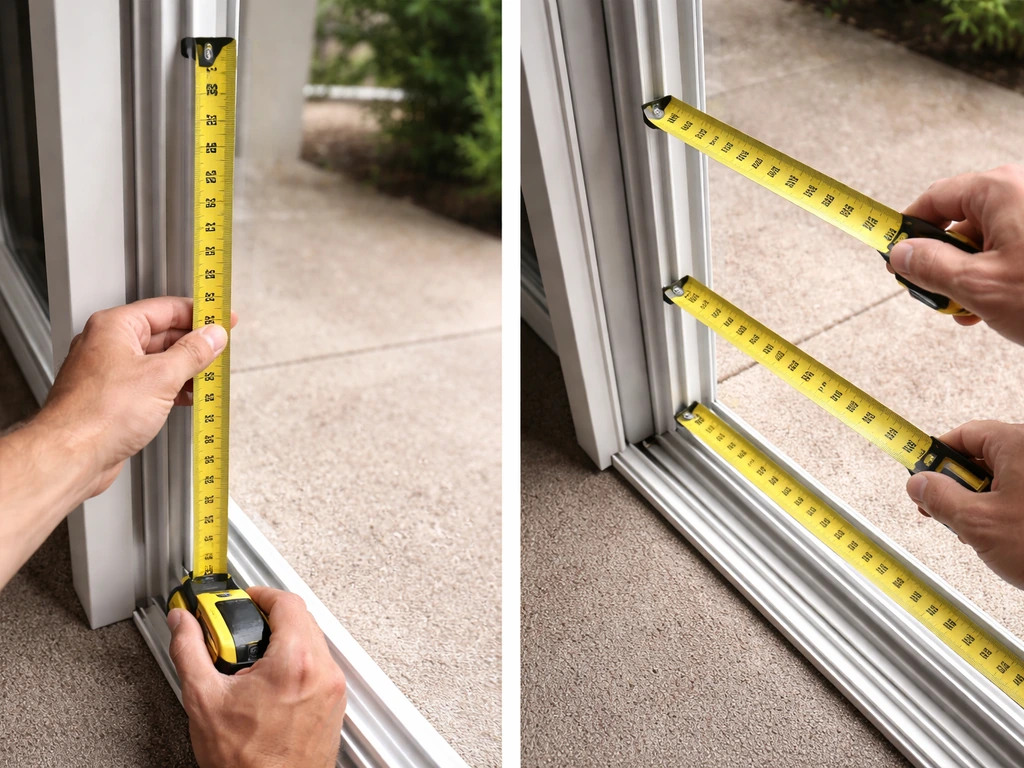
Measure the width and height of the track opening, not the existing screen door panel. Measure width at three points: top, middle, and bottom. Measure height at three points: left, center, and right. Use the smallest measurement in each direction. This prevents you from ordering a door that fits one part of the frame but binds in another. RiteScreen specifically recommends this approach and also asks you to verify the jamb depth and clearance for your specific door system's rollers.
Some suppliers, including several online custom screen door manufacturers, prefer you give them the rough opening or frame dimensions and let them calculate the required clearances based on their roller and track geometry. When you're ordering from a manufacturer directly, ask which dimension they want. Getting this wrong in either direction leads to a door that doesn't fit.
For French patio doors
French doors open outward or inward on hinges, so a sliding screen panel doesn't work here. You typically need a retractable screen door (which mounts to the door frame and retracts into a housing when not in use) or a hinged screen door. For Andersen E-series hinged patio doors, the [identification worksheet collects separate measurements for the overall frame, overall panel, and insect screen width and height](https://helpcenter. andersenwindows.
com/aw/articles/Knowledge/Identify-My-E-Series-Hinged-Patio-Door-Worksheet), reflecting multi-part systems rather than a single one-size replacement. For retractable screens, manufacturers like Andersen specify compatibility by door swing type, so you need to know whether your door is inswing or outswing before you order. Measure the door panel width and height, and also note how much clearance you have on the latch side for the retractable housing to mount.
For bifold patio doors
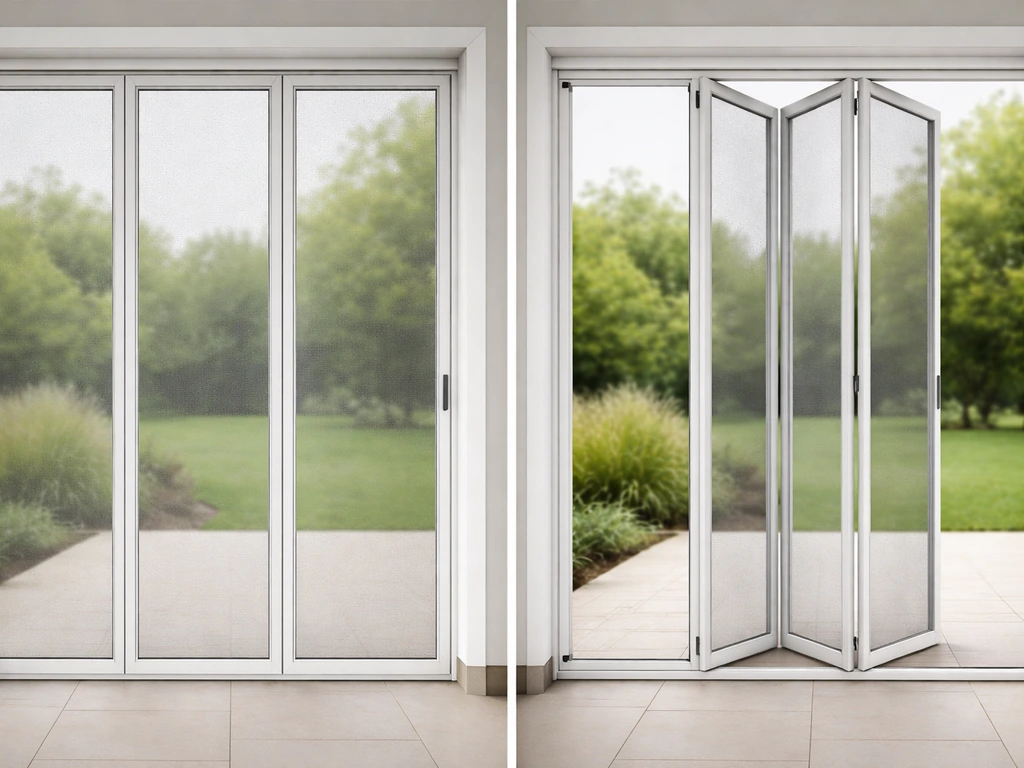
Bifold screen systems are more complex and are usually sold as complete systems rather than drop-in panels. Measure the full opening width and height, and check with the manufacturer or specialty supplier about compatibility with your specific bifold door brand. Standard big-box stores rarely carry bifold screen systems; you'll typically need a specialty supplier or a dealer who installs patio door systems. For French patio doors, you’ll usually need a specialty supplier or an online direct manufacturer that can supply a retractable or hinged screen system compatible with your door swing Standard big-box stores rarely carry bifold screen systems.
For any door type, if you're replacing an existing jamb-framed opening rather than starting fresh, measure from inside the installed jambs (the finished opening), not the rough framing behind them. If you're dealing with a new or reframed opening, measure the rough opening after exposing the framing. These two numbers are different and they lead to different product specs.
Where to actually buy a patio screen door
Home Depot and Lowe's
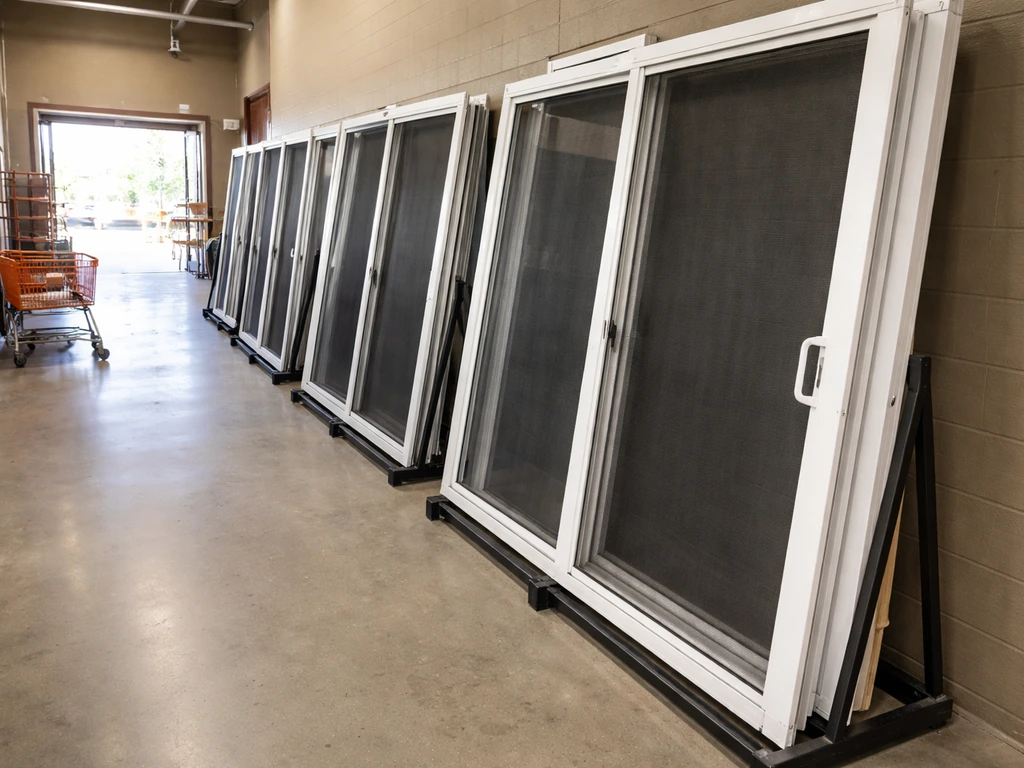
For standard-size sliding patio screen doors, the big-box stores are the easiest starting point. If you specifically mean patio doors, not just screen doors, check local showrooms and installers who can quote full patio door replacement options where to buy patio doors where to buy patio doors. Lowe's carries RITE SCREEN replacement patio screen doors, which use proprietary fit technology designed to install directly into existing roller tracks. Home Depot stocks Andersen products including the LuminAire retractable screen.
Both stores let you return items fairly easily if you haven't opened or cut anything, but once a screen door is assembled or installed it's usually not returnable. Neither store has the widest selection of non-standard sizes, but for 60-inch and 72-inch wide standard sliding door openings, you'll often find what you need on the shelf.
Ace Hardware and Menards
Ace Hardware carries a selection of screen doors and screen repair supplies, and their online store offers a 30-day return window for acehardware.com purchases. Menards is a strong option in the Midwest and stocks a range of screen door sizes. Keep in mind that Menards gives you only 7 calendar days from delivery to report concealed damage, so inspect everything immediately when it arrives. Unopened products can generally be returned under their regular return policy, but verify before you order custom or specialty items.
Specialty door and window suppliers
If your opening is a non-standard size, your patio door is a premium brand (like Marvin, Pella, or Anderson), or you need a screen system for a bifold or multi-panel door, a local specialty door and window dealer is usually your best bet. They can order manufacturer-specific replacement parts, measure on-site, and often handle installation. The tradeoff is price and lead time. Custom or specialty units can take 6 to 12 weeks from order to delivery. If you're shopping alongside a full patio door replacement or upgrade, your door supplier will often bundle the screen system into the quote.
Online retailers and direct manufacturers
Apex Products, RITE SCREEN, and similar direct manufacturers sell replacement screen doors online with the ability to specify custom sizes. Apex states you should allow up to 14 business days before shipment for their sliding screen door replacements. Custom window screen fabricators like Windowscreensnow quote 10 to 20 business days for custom screen mesh panels. Amazon and other marketplaces carry a wide selection of standard sizes, but return policies on screen doors from third-party sellers vary widely, and some manufacturers explicitly state their screen doors are not returnable. PCA Products (sold through US Building Products and others) is one example where returns are not accepted, so double-check before you order.
Professional installers
If you're uncomfortable measuring, don't want to deal with track alignment, or are buying a retractable or bifold screen system, hiring a patio door installer is worth considering. Installers typically source the product and handle delivery, which eliminates your exposure to wrong-size returns. The cost is higher, but you're also getting a warranty-backed installation in most cases. Some local window and door companies will sell and install screen doors as a standalone job, especially if they already know your door brand.
| Channel | Best for | Lead time | Return policy | Install included |
|---|---|---|---|---|
| Home Depot / Lowe's | Standard-size sliding and retractable screens | In-stock same day | Varies; check before opening | No (DIY) |
| Ace Hardware | Standard sizes, screen repair kits | In-stock or ship 3–7 days | 30 days online | No (DIY) |
| Menards | Standard sizes, Midwest availability | In-stock or ship | 7 days to report damage | No (DIY) |
| Specialty door/window dealers | Non-standard, bifold, premium brands | 6–12 weeks custom | Varies by supplier | Often yes |
| Direct online manufacturers | Custom sizes, door-only replacements | 10 days to 14 business days | Often non-returnable | No (DIY) |
| Professional installers | All types, especially complex systems | Depends on supplier | Covered by installer warranty | Yes |
Pricing, lead times, returns, and warranties: what to expect
Standard replacement sliding screen doors at big-box stores typically run from around $50 to $150 for common sizes. Retractable screen doors (like the Andersen LuminAire) sit higher, often in the $200 to $400 range. Full bifold or multi-panel screen systems from specialty suppliers can easily reach $500 to $1,500 or more depending on the opening size and material.
Warranty terms vary more than most people expect. The Andersen LuminAire retractable screen carries a 5-year limited warranty covering components like the screen housing, latch housing, and screen track, valid for the original purchaser. Lowe's branded products typically carry a limited warranty that excludes damage to the screen mesh itself, which is worth noting because mesh tears are the most common failure. ODL's Brisa retractable screen includes a limited warranty with a repair or refund remedy under specific conditions. The lesson here is that warranties rarely cover the mesh itself, so if the mesh tears but the frame is fine, you're likely looking at a re-screen rather than a warranty claim.
Returns are where buyers get burned. Some manufacturers (PCA Products is a documented example) have a strict no-return policy on screen doors. PCA Products' warranty terms describe the lifetime warranty concept along with exclusions and clarify warranty conditions and limitations, which can be important when deciding whether returns or warranty coverage apply PCA Products is a documented example) have a strict no-return policy. Once you've opened the packaging on most custom or made-to-order items, you're committed. If you order online from a marketplace seller, the platform return window may not apply if the seller opts out. Always read the return policy on the specific product page before ordering, and if you're spending over $200, call and confirm directly.
For lead times, plan around 10 to 14 business days for most direct-ship custom screen door manufacturers, and 6 to 12 weeks for specialty or fully custom systems. If you need the screen door for a specific date (a party, a pest season, a rental turnover), order earlier than feels necessary.
Pick the right materials and features for your situation
Frame material
Aluminum frames are the most common for sliding patio screen doors. They're lightweight, don't rust, and hold up well in most climates. Heavier-gauge aluminum (sometimes called heavy-duty) is worth the small price premium if you have kids or pets or a high-traffic patio door. Vinyl frames are lower cost but can warp in extreme heat. Steel frames are rare for screen doors but show up in security screen applications. For retractable systems, the housing is usually powder-coated aluminum.
Screen mesh type
Phifer is one of the best-known screen mesh manufacturers and their lineup covers most use cases. Standard fiberglass mesh is affordable and easy to replace. No-see-um mesh has a tighter weave to keep out tiny insects common in coastal or wooded areas. Phifer TuffScreen is a heavier-duty mesh designed to resist tears from pets or impacts. Phifer Glas-Shield is a specialty option for extra visibility. Pet-resistant screens are worth the upgrade if you have dogs or cats who push against the door. For pool and patio areas, there are also pool and patio screening options that resist UV and moisture better than standard mesh.
Hardware and rollers
Rollers are what make sliding screen doors actually slide. Cheap rollers wear out fast and cause the door to drag, jump the track, or stick. If you're buying a replacement door, check whether the roller style is compatible with your existing track. Some systems use tandem rollers (two rollers per corner), which run smoother and last longer. Handles and latches matter too. A door that doesn't latch securely is a pest control failure. Look for a positive-latching handle rather than a friction catch if you have pets or kids.
Security upgrades
Standard patio screen doors offer no meaningful security against forced entry. If security is a concern alongside ventilation, look at security screen doors, which use stainless steel mesh (usually 316 marine-grade) and reinforced aluminum or steel frames. These are sold by specialty suppliers rather than big-box stores and cost significantly more ($300 to $800 or higher), but they resist cutting and forced entry in a way standard insect screens cannot. For most homeowners, the bigger concern is preventing the screen door from being lifted off the track, which you can address with anti-lift devices or a security bar in the track.
Buying checklist: what to gather before you place the order
Before you add anything to a cart or walk into a store, gather this information. It takes 15 minutes and saves you from a wrong-size return or a week-long back-and-forth with a supplier.
- Identify your patio door type: sliding glass, French (inswing or outswing), bifold, or other. This determines whether you need a sliding screen panel, a retractable screen, or a full screen system.
- Decide whether you need a replacement screen door panel only or a complete system including track, frame, and hardware. Check your existing track and rollers before assuming you need a full replacement.
- Measure the track opening width and height at three points each. Record the smallest measurement in each direction. If you're measuring for a French door or retractable system, measure the finished door frame opening and note inswing vs. outswing.
- Note your patio door brand if known (Andersen, Pella, Marvin, etc.). Brand-specific replacement parts often fit better and may be required for warranty coverage.
- Choose your screen mesh type based on your biggest priority: standard mesh for general use, no-see-um for fine insects, pet screen for animals, or TuffScreen for high-traffic areas.
- Check the return policy on the specific product before ordering, especially for online purchases. If it says non-returnable or final sale, confirm your measurements are correct before completing the order.
- Ask about lead time. If you need the screen door within two weeks, confirm stock availability. Custom or specialty orders can take 6 to 12 weeks.
- Decide on DIY installation vs. professional install. If you're going the DIY route, make sure the product comes with instructions and that your tools include a rubber mallet, level, and screwdriver. If you're hiring an installer, get the install cost quoted separately from the product cost.
Once you have those details, you're ready to shop with confidence. For standard sliding screen doors in common sizes, start at Lowe's or Home Depot to check stock and avoid lead times. For custom sizes or premium door brands, go directly to the manufacturer's website or call a local specialty dealer. If you're replacing a full patio door system at the same time, bundling the screen into that purchase often gets you better compatibility and a single warranty to deal with. If you are also shopping for curtains for the patio door opening, check our guide on where to buy patio door curtains so you can match style and measurements.
FAQ
Should I buy a replacement patio screen door panel or a complete screen door system if my rollers still move but the frame looks bent?
If the frame or track is visibly warped or won’t hold alignment, plan on a full system (frame plus track plus rollers). A door-only panel can look correct out of the box, then bind once installed because rollers and track geometry won’t match the panel’s designed fit.
What’s the best way to measure if my track opening isn’t perfectly square or has wear on one side?
Use the smallest measurements you get, measure multiple points as described (top, middle, bottom for width, left, center, right for height), then recheck the width with a tape measure inside the track area. If you see bowing, take photos and confirm jamb depth and roller clearance with the supplier before ordering custom.
Do I measure the screen door height and width of the old door, or should I measure something else?
For replacement accuracy, measure the track opening dimensions (inside the installed jambs, finished opening) rather than the old screen panel. Old doors often don’t sit square anymore, so using the panel size can recreate the same fit issue and cause binding or poor sealing.
Can I replace just the spline and mesh (re-screen) instead of buying a new patio screen door?
Often yes, if only the mesh is torn and the frame, rollers, and track are intact. Screen repair kits typically include mesh and spline plus a roller tool, and they’re usually far cheaper than a full replacement door. If the door frame is bent or the handle fails, a re-screen won’t fix the underlying fit or operation.
If a store lists a “standard” size, how do I avoid getting the wrong one online or in-store?
Confirm the product specifies compatibility with your track style and gives the recommended measurement method. For sliding doors, a quarter inch can matter, so use the smallest width and height readings and verify jamb depth or clearance when the listing calls out roller fit requirements.
What should I do if I can’t find the exact roller style on my current door?
Bring one of the old rollers to a hardware store and compare the size markings and mounting features. If you can’t match it locally, check whether your manufacturer has replacement parts for your model, and ask the supplier if your system uses single rollers or tandem rollers (two per corner).
Are retractable screen doors compatible with both inswing and outswing patio doors?
Not automatically. Retractable systems are typically designed around door swing direction (inswing vs outswing) because the housing mounting and retraction path differ. Before ordering, confirm the door swing type, then measure the latch side clearance so the housing can mount without interference.
How can I tell whether my French patio door needs a retractable screen or a hinged screen?
If your French door operates with hinged panels that open outward or inward, you usually cannot use a sliding screen panel. Choose between retractable and hinged based on available space and how much clearance you have for the retractable housing, or opt for hinged screening if clearance for housing is limited.
Do big-box stores carry bifold or multi-panel screen systems in standard sizes?
Rarely. Bifold screen systems are usually sold as complete specialty systems rather than drop-in panels, so you’ll typically need a specialty dealer or manufacturer that can match your bifold door brand and opening dimensions.
What return-policy pitfalls should I watch for when buying online (especially from marketplaces)?
Many made-to-order or “custom sized” screen doors are effectively final sale once opened or assembled, and marketplace sellers can opt out of platform return windows. Before ordering, read the product’s return terms carefully and call the seller if the item is over $200 or described as non-returnable.
How soon should I order if I need the patio screen door for a specific date?
Plan early for custom or premium systems. Many direct-ship custom screen doors take around 10 to 14 business days, while fully custom or specialty systems often run 6 to 12 weeks. If the door is for a short window (rental turnover, pest season, event), order as if you will also need time for returns if sizing is off.
Is spending more on heavy-duty materials worth it for pets or kids?
Often yes. Heavy-gauge aluminum frames and reinforced, tear-resistant mesh options (such as pet-oriented mesh) reduce damage from impacts and pushing. This can prevent repeated replacements when the screen takes frequent contact.
What security features matter if I’m trying to improve safety without buying a security screen door?
Standard insect screens mainly protect from bugs, not forced entry. If your goal is keeping the screen in place, focus on preventing lift-off using anti-lift devices or a security bar in the track, and ensure the handle latch provides a positive, secure lock rather than a friction-style catch.