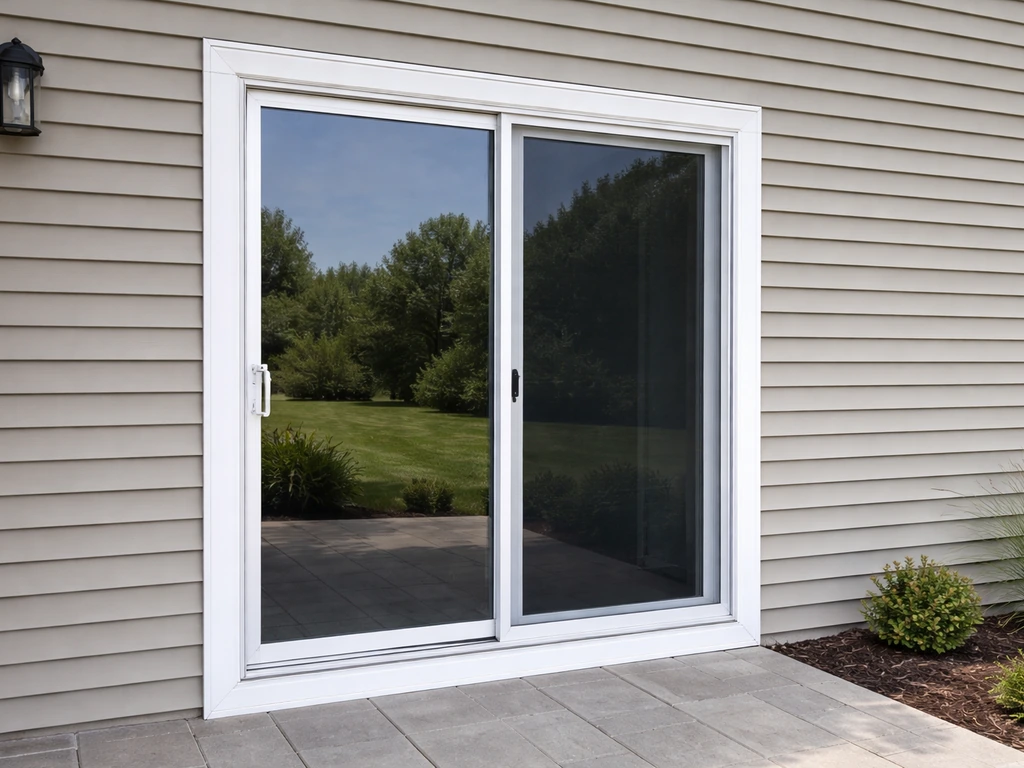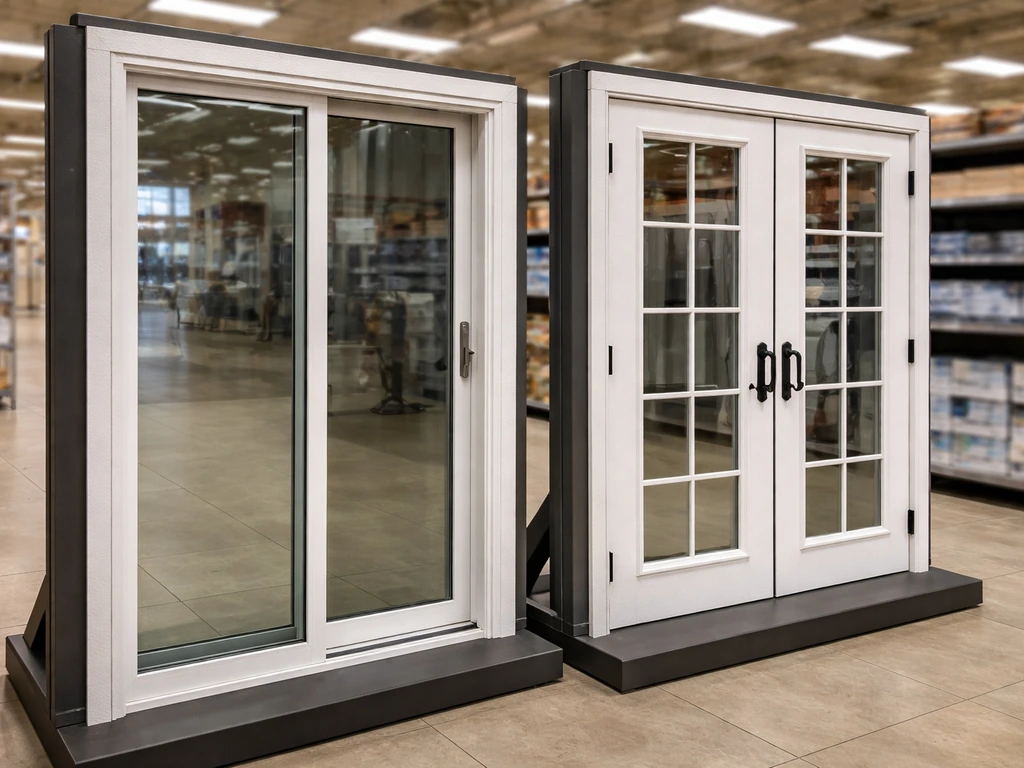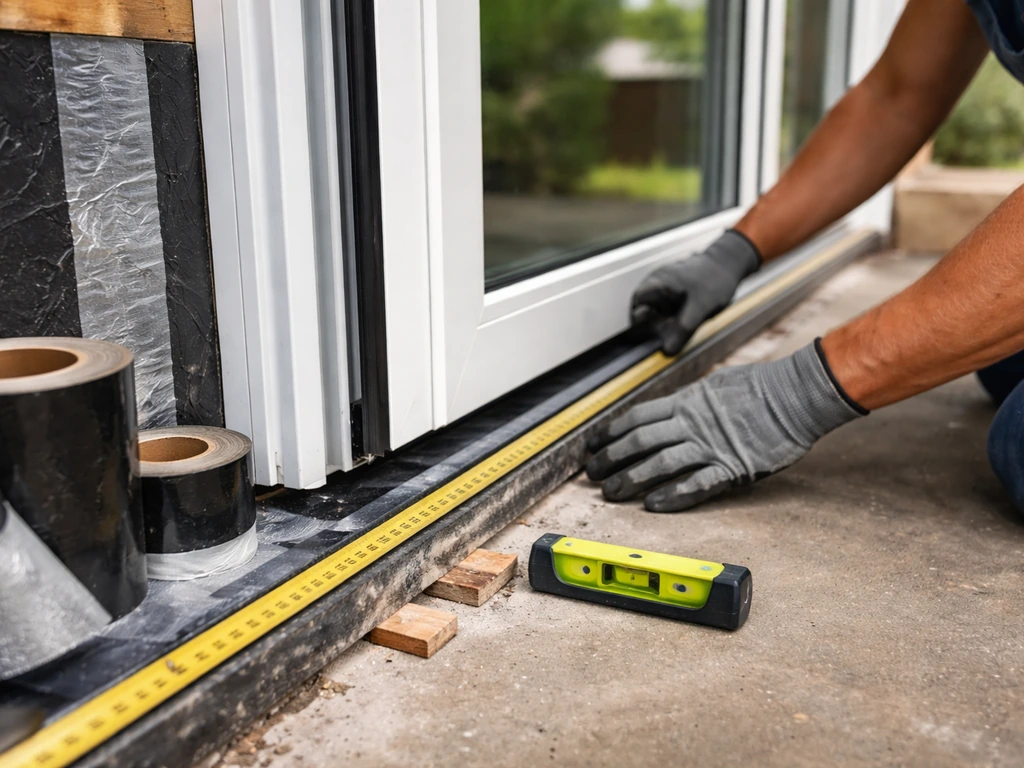
The right pro to call depends on what your door is actually doing wrong. For a sliding patio door that sticks, won't latch, or has a busted roller, a sliding glass door repair specialist or a door-and-window service company is your fastest fix. For a broken glass pane, a glass replacement company can usually get there quickest. For a warped or rotted frame, or a door that's genuinely past saving, you want a patio door installer or replacement contractor. An experienced patio door installer can also help you choose the right door style and ensure it’s properly fitted and sealed. Most homeowners searching right now are dealing with a sliding door, so that's the primary focus here, but the same logic applies to French and folding patio doors too.
Who Fixes Patio Doors Near Me? Sliding vs Patio Repair Guide
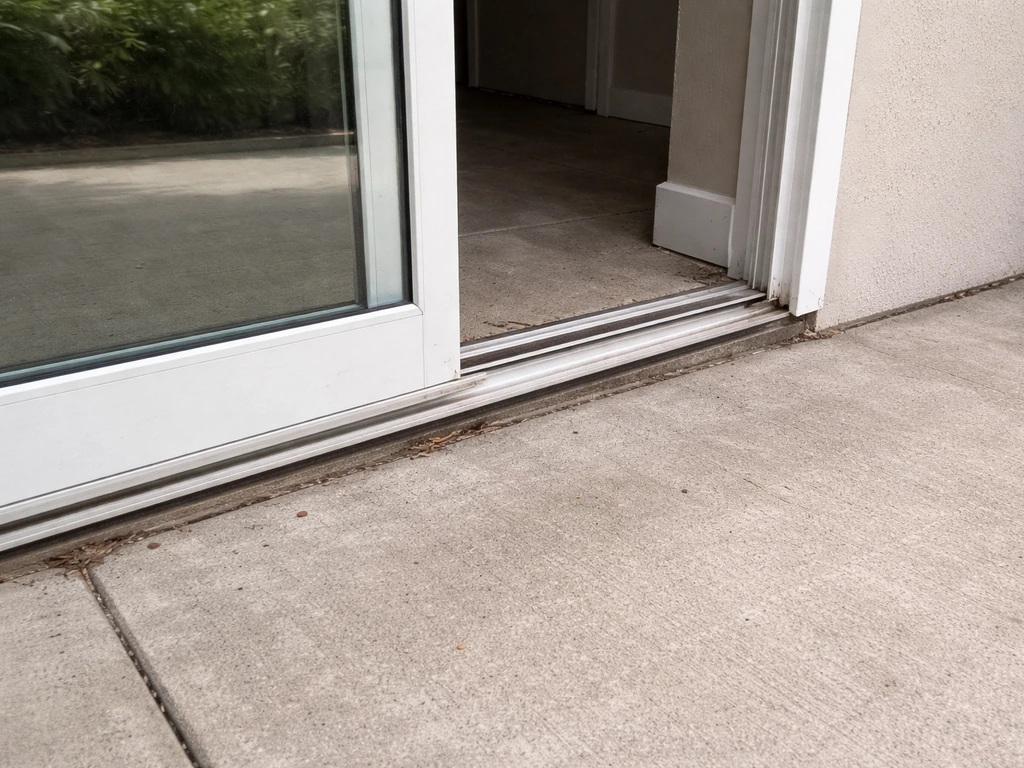
Who actually repairs, installs, or replaces patio doors
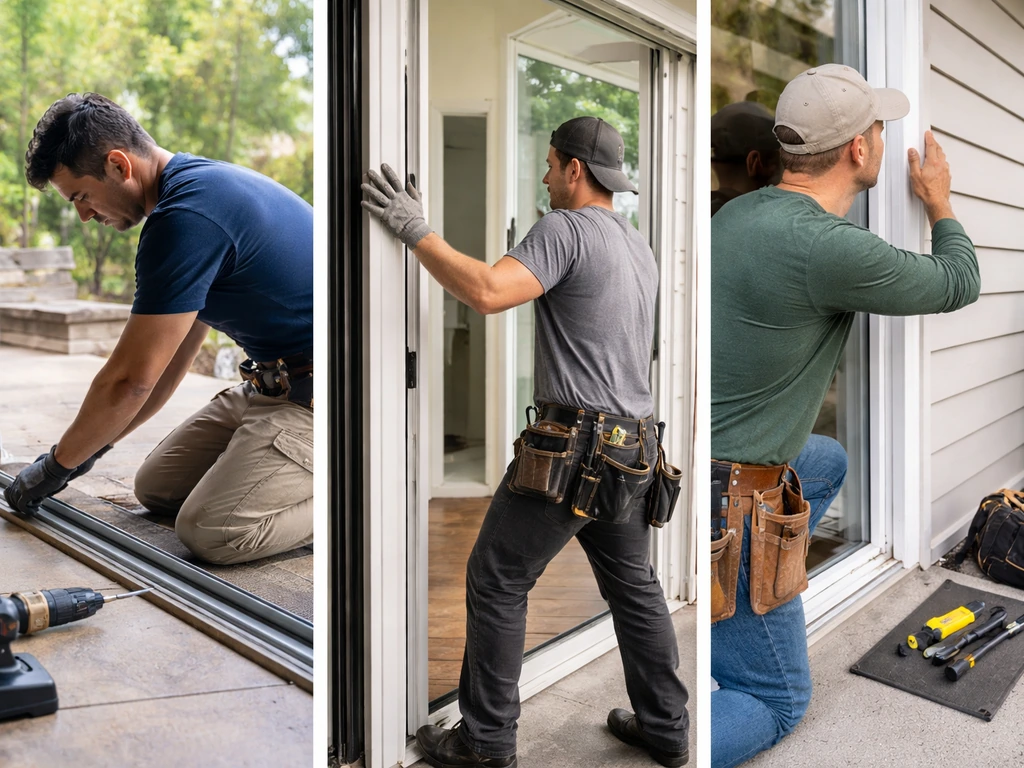
There are four main categories of pros who work on patio doors, and they each have a sweet spot. Knowing which one you need saves you from calling three wrong people before finding the right one.
| Pro Type | Best For | Typical Limitation |
|---|---|---|
| Sliding door specialist | Roller replacement, track repair, alignment, lock/handle, weatherstripping on sliding doors | May not handle French or folding door styles |
| Door-and-window service company | Most patio door styles, frame repairs, glass swaps, full replacements | Lead times can be longer; may push replacement over repair |
| Glass replacement company | Broken panes, fogged IGU (insulated glass unit) seal failures, screen replacement | Usually won't touch mechanical/hardware issues |
| General handyman or contractor | Minor adjustments, basic weatherstripping, simple hardware swaps | May lack parts sourcing or specialized tools for complex jobs |
A sliding door specialist is almost always the fastest and most cost-effective call for a sliding patio door with mechanical issues. Companies like these often show up on the BBB or Google as 'sliding glass door repair' and specifically advertise rollers, tracks, glass, and screens. For French patio doors with sagging hinges or alignment problems, a general door company or finish carpenter is usually the better fit. For any door where the insulated glass is fogged up between the panes, that's a sealed glass unit (IGU) failure, and a glass company can replace just the glass unit without touching the frame.
How to identify the right pro for your specific problem
Before you pick up the phone, spend two minutes diagnosing what your door is actually doing. The symptom narrows the category of pro you need almost immediately.
| Symptom | Likely Cause | Who to Call |
|---|---|---|
| Door hard to slide or sticks | Worn rollers, dirty/damaged track, misalignment | Sliding door specialist or door-and-window company |
| Door won't latch or lock properly | Lock mechanism failure, frame misalignment, worn strike plate | Sliding door specialist or locksmith familiar with patio doors |
| Visible gap, drafts, or air leaks | Worn weatherstripping, door out of alignment | Sliding door specialist or door-and-window company |
| Broken single pane or cracked glass | Impact damage | Glass replacement company or door-and-window company |
| Foggy condensation between glass panes | Failed IGU seal | Glass replacement company |
| Rotted, warped, or severely damaged frame | Age, moisture damage, impact | Door replacement contractor or door-and-window company |
| Screen torn or off track | Normal wear | Sliding door specialist or screen repair company |
One thing worth knowing: a gap of even about 1/8 inch around a sliding door can usually be corrected with a roller height adjustment before any parts are swapped. Most sliding doors have adjustment screws (usually accessible through small holes in the bottom of the door panel) that raise or lower the roller carriage. A good repair tech will check this first. If the tech immediately quotes you a full replacement without trying an adjustment, get a second opinion.
Fast ways to find service providers near you (and what to ask)
Google 'sliding glass door repair [your city]' or '[patio door repair [your city]](/where-to-buy-patio-doors-near-me)' and look at the map pack results first. Check for businesses that specifically mention sliding doors in their business name or description, not just general contractors who list patio doors as one of 30 services. Angi, Thumbtack, and the BBB are also useful for filtering by specialty and reading verified reviews. A sliding door specialist who's done 200 roller replacements will be faster and more accurate than a handyman who does one a month.
Before you call, take a few photos of the door from inside and outside, measure the door opening width and height (to the nearest 1/4 inch), and note the brand if it's visible on the frame or hardware. To find the best patio doors near me for your home, take a few measurements and ask local installers for comparable options. This lets any pro give you a much more accurate phone estimate and helps them know whether replacement parts are readily available for your specific door.
When you call, ask these questions directly: If you’re looking to fix patio doors near me, ask for availability and whether they handle both repair and replacement for sliding and French styles.
- Do you work on [sliding / French / folding] patio doors specifically, or primarily windows and entry doors?
- Do you handle repairs, or do you only do full replacements?
- Can you source replacement rollers, tracks, or glass for [brand name] doors, or will you need to special-order parts?
- What's your typical lead time for a repair like this?
- Are you licensed and insured for residential door work in this state?
- Do you offer a warranty on parts and labor?
- Will you give me a written estimate before starting work?
That last question matters more than most people realize. A written estimate protects you if the scope creeps once the tech is on-site. If a company won't give one, move on. If you’re in the market for the best patio door installers near me, getting a written estimate and a second opinion can help you choose the right installer for repairs or full replacements.
What a sliding patio door repair pro can actually fix
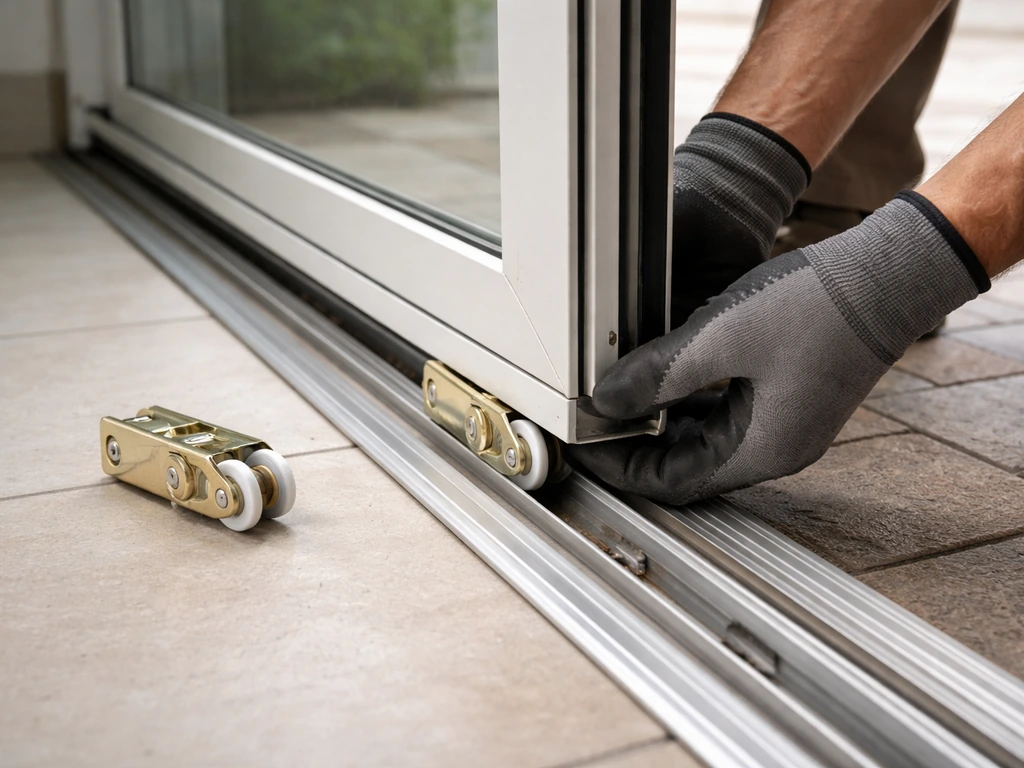
A good sliding glass door repair tech can handle almost every mechanical and glass issue short of a fully destroyed frame. Here's the practical rundown of what's fixable without replacing the whole door:
- Roller replacement: worn or broken rollers are the number-one reason sliding doors become hard to move; replacement is usually a repair-first option
- Track repair or replacement: bent or corroded tracks can often be replaced; if the frame itself is warped or distorted, that's a different conversation
- Alignment adjustment: roller height and frame position adjustments can close gaps and fix rubbing without any new parts
- Lock and handle replacement: most hardware is interchangeable if you match the brand and style
- Weatherstripping replacement: pile or foam weatherstripping wears out and is a straightforward swap
- Glass pane replacement: a single cracked pane can be cut and fitted by a glass company; fogged IGU panes need the full sealed unit replaced
- Screen repair or replacement: torn screens or screens off their track are a fast fix
- Weep hole cleaning: clogged weep holes cause water to pool in the track and eventually damage the frame; cleaning them out is a simple maintenance step that any tech should check
Frame distortion or severe corrosion is the dividing line between repair and replacement. If the track is damaged but the frame is square and solid, a track swap makes sense. If the frame itself is bent or the door opening has shifted due to settling, you're likely looking at replacement rather than repair.
What repairs and replacements actually cost
Repair costs vary a lot depending on what's broken and who you hire, but here are realistic ranges based on current data so you know whether an estimate is fair or inflated. Angi reports broad patio glass replacement cost ranges of $150 to $1,000 (including labor) and track part cost ranges of $75 to $250, with many homeowners paying about $150.
| Repair Type | Typical Cost Range | Notes |
|---|---|---|
| Roller replacement | $100–$250 | Parts plus labor; both rollers usually replaced together |
| Track repair or replacement | $75–$250 (parts); $150 common total | Higher end if track is aluminum and custom-ordered |
| Alignment adjustment only | $75–$150 | Often included with roller replacement |
| Weatherstripping replacement | $50–$150 | Material is cheap; labor is most of the cost |
| Single glass pane replacement | $150–$500 | Tempered glass costs more than standard |
| IGU (fogged glass) replacement | $200–$600 per unit | More for larger or low-e coated units |
| Full glass panel replacement (large sliding door) | $500–$1,000 including labor | At the high end for oversized or specialty glass |
| Lock or handle replacement | $75–$200 | More if matching discontinued hardware |
| Full patio door replacement | $1,500–$5,000+ installed | Depends heavily on door size, material, and brand |
The general rule: if total repair cost is going to exceed 50% of what a new comparable door would cost installed, it's worth getting a replacement quote at the same time. You might be surprised how close the numbers are, especially if the door is more than 15 to 20 years old. Key cost factors for replacement include door size, glass type (single, double, or triple pane), frame material (vinyl, aluminum, fiberglass, or wood), number of panels, and brand. Labor alone typically runs $300 to $700 for a standard sliding door swap.
Preventing the same problem from coming back
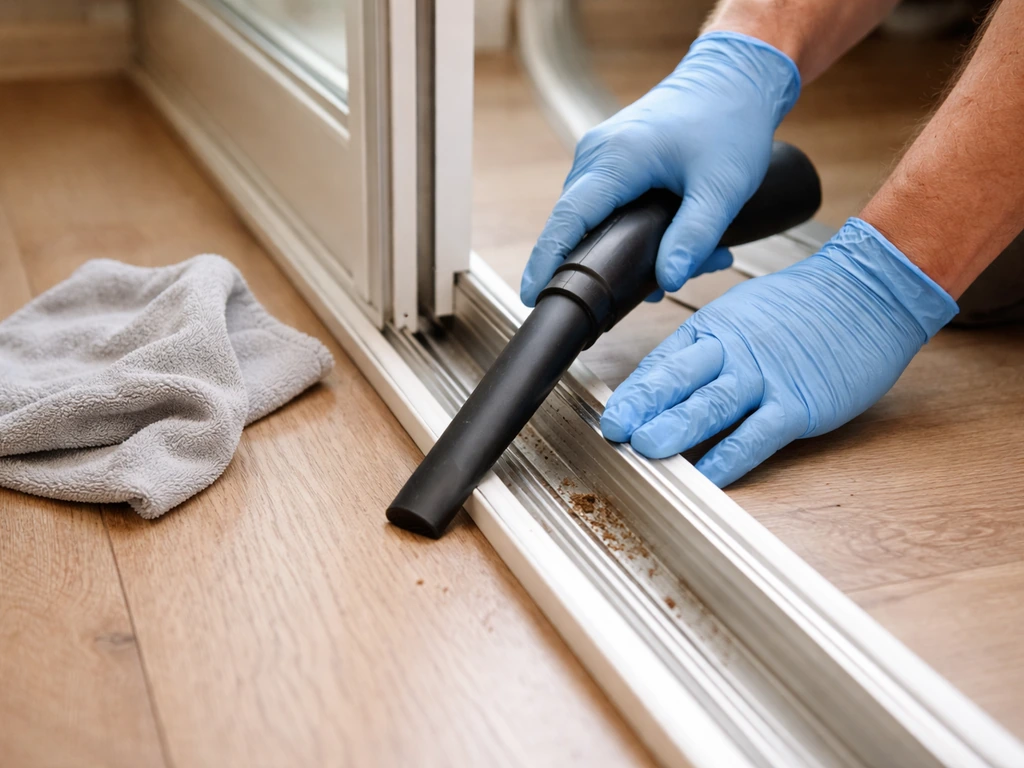
Most sliding patio door problems are maintenance failures, not manufacturing defects. A door that's cleaned and lubricated twice a year will outlast one that's ignored by a decade or more. Here's what actually matters:
Track and roller care
Vacuum the track channel first to pull out loose debris, then wipe it down with a damp cloth. Don't use oil-based lubricants on the track itself because they attract more dirt. Use a dry silicone spray or a purpose-made sliding door lubricant on the track and on the roller bearings. Do this every six months, and the rollers will last far longer. While you're at it, check the roller adjustment screws and make sure the door panel sits at the right height with even clearance top and bottom.
Weep holes
Weep holes are the small openings at the bottom of the door frame that let water drain out of the track. They get clogged with dirt, dead insects, and debris over time, and when they're blocked, water pools and eventually damages the frame and subfloor. Use a thin wire or compressed air to clear them once a year. Milgard, Pella, and Home Depot all flag this as a key maintenance task in their care documentation, and it's one of the most overlooked ones.
Weatherstripping
Check the pile weatherstripping along the edges of the door panel once a year. If it's compressed flat, crumbling, or has gaps, replace it. This is a $20 to $40 DIY fix and it makes a noticeable difference in drafts and energy bills. While you're checking the stripping, look at the door's alignment and make sure it's sealing evenly across the full height.
Security and hardware upgrades
Sliding doors are a common entry point for break-ins. If your door has only the standard latch lock, add a secondary security bar in the track channel (a cut-down broom handle works but a purpose-made aluminum bar is better), and consider a double-bolt or pin lock through the frame. Some homeowners also add a sliding door security alarm sensor as a cheap additional layer. These are easy upgrades to ask about when a tech is already on-site.
When repair isn't worth it and replacement makes more sense
There are clear signals that a repair is just buying time on a door that needs to go. If you're seeing more than one of these, get a replacement quote alongside the repair estimate:
- The frame is visibly warped, rotted, or corroded beyond the track area
- You've already repaired rollers or tracks in the past two years and the door is still problematic
- The glass is older single-pane that's costing you noticeably on heating and cooling
- The door is 20-plus years old and parts are hard or impossible to source
- Total repair estimate exceeds 40 to 50 percent of a new installed door cost
- There are persistent air leaks you can feel even after weatherstripping replacement
If you do go the replacement route, the choice of door style and material matters as much as the brand. Sliding doors work best for wide openings and tight spaces where swing clearance is a problem. French doors give you a more traditional look and full opening width but need swing clearance. Folding or bifold doors maximize the opening but cost significantly more and have more components to maintain. For frame material, vinyl is the lowest maintenance and most affordable, fiberglass is the most dimensionally stable in extreme climates, and wood requires the most upkeep but can look better in period homes.
On energy performance: when comparing replacement doors, look for the ENERGY STAR label and pay attention to the U-factor (lower is better for insulation) and SHGC (solar heat gain coefficient, which you want lower in hot climates and higher in cold ones). The DOE recommends matching these values to your specific climate zone, and the NFRC label on every certified door shows the standardized ratings so you can compare apples to apples across brands.
If you're already in the process of finding someone for repairs and you want to compare installation contractors or full replacement companies in your area, the process of vetting them is similar to what's covered here: check specialty, get written estimates, confirm licensing, and ask about warranty on both the product and the labor. A quick way to narrow your search is to compare the best patio door replacement company options in your area and ask for written estimates compare installation contractors or full replacement companies in your area. The distinction between a repair-focused provider and a replacement-focused installer is worth keeping in mind as you shop around.
Your next steps right now
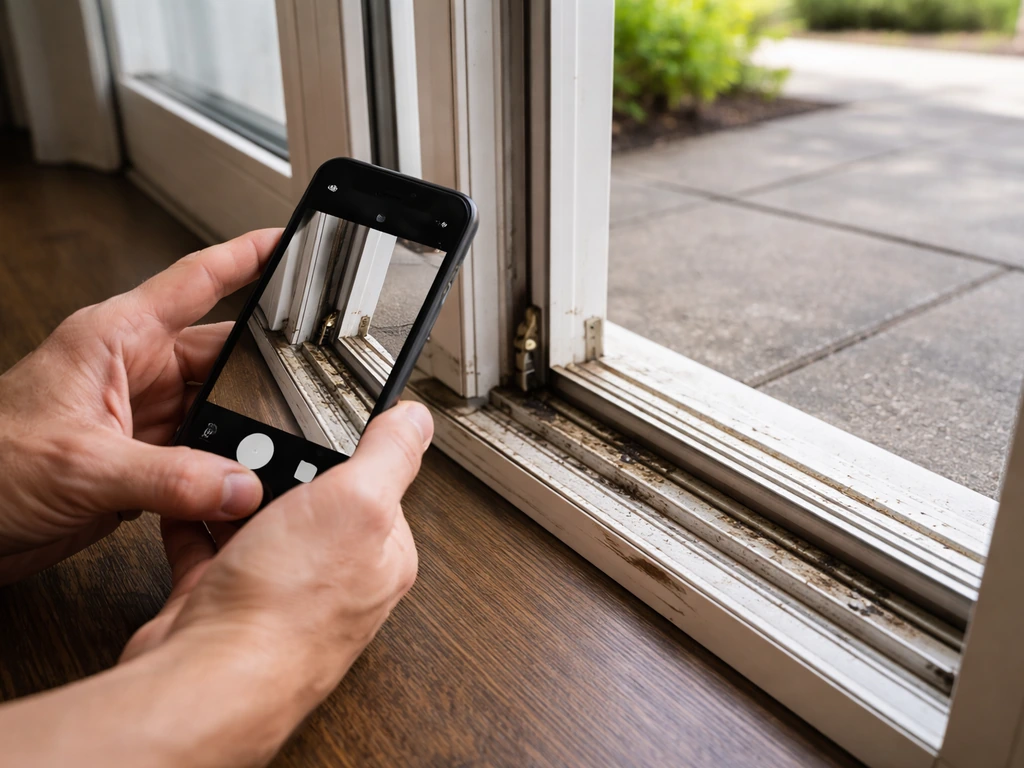
- Identify your specific symptom and match it to the pro category in the table above
- Take three to four photos of the door (inside, outside, track, and any visible damage) and measure the opening
- Search 'sliding glass door repair [your city]' and target specialists over generalists
- Call two or three providers, ask the seven questions listed above, and compare responses
- Get at least two written estimates before committing, especially if replacement is being suggested
- If repair is confirmed, ask the tech to also check weep holes, roller adjustment, and weatherstripping while on-site
- Schedule a maintenance pass (track cleaning, lubrication, weep hole clearing) every six months to prevent a repeat call
FAQ
If I search “who fixes patio doors near me” but my door is a French or bifold instead of sliding, who should I call?
Call a general door-and-hardware company or a finish carpenter for French/bifold alignment issues, sagging hinges, and off-track problems. If the issue is specifically sealed glass fogging between panes, contact a glass replacement company that can replace the IGU without removing or rebuilding the frame.
What if the door won’t latch after a rain, is that still a “repair” job?
It can be, but first check the weep holes and track drainage, since pooling water often warps rollers and tracks. If the gap is water-related and the frame feels solid, a repair tech may be able to correct hardware and drainage, but a warped frame usually pushes you toward replacement.
Should I call a handyman or always a sliding glass door repair specialist?
For sliding doors with mechanical problems (stuck rollers, poor latch, worn tracks), a specialist is usually faster and more accurate. If a handyman only adjusts once and doesn’t verify roller height, clearance, and track cleanliness, you may pay twice, so ask whether they do an adjustment first before parts replacement.
How can I tell if the problem is just rollers/track versus a need for frame replacement?
A simple test is whether the door sits evenly with consistent clearance top and bottom, and whether the track looks straight while the door is closed. If the frame is bent, the opening appears out of square, or corrosion is severe, repairs may only temporarily mask the issue, and replacement is typically the better path.
A company quoted a full replacement. What’s the fastest way to challenge that quote?
Ask them to perform and document basic checks first, roller height adjustment, track condition and debris removal, latch alignment, and whether they see frame distortion. If they will not quote repair options or won’t provide a written scope that distinguishes adjustment from replacement, get a second estimate from a specialist.
Do I need to buy parts before calling anyone, like rollers or weatherstripping?
No. Instead, take photos of the brand, model marks, and hardware style, then measure the opening. A pro can confirm compatibility, and you avoid ordering the wrong roller size or weatherstrip profile, which is a common reason repairs fail.
What information should I have ready when I call a patio door company?
Have inside and outside photos, opening width and height (nearest quarter inch), and the visible brand or hardware markings. Also note the symptom sequence (sticks first, won’t latch, drags on one side, grinding noise) because it helps them pick the right specialty quickly.
What should I ask about pricing so I do not get surprised on-site?
Ask whether they will provide a written estimate before work starts, whether they handle both repair and replacement, and what triggers an added charge (for example, discovering frame damage). Also request line items for labor, parts, glass, and any disposal or trim work.
Is there anything I can do to fix a “sticking” sliding door before the pro arrives?
Yes, try vacuuming the track channel and wiping it down, then confirm the door is aligned and that the rollers are not scraping debris. Avoid oil-based track lubricants since they attract dirt. If you have access to the adjustment screws, you can check clearance, but stop if the door still won’t move smoothly after cleaning.
How often should I clear weep holes, and can I damage anything doing it?
Clear weep holes about once per year. Use a thin wire or compressed air gently, the goal is to remove packed debris without gouging the surrounding track or draining surfaces.
If my glass is fogged between panes, what exactly should I ask a glass company to do?
Ask whether the sealed glass unit (IGU) can be replaced only, without replacing the whole frame or door panel. Also ask for the glass thickness and energy performance options so you get a unit that matches the existing door’s insulation characteristics.
What warranty questions matter when hiring a patio door installer or repair tech?
Ask for two warranties, the product warranty coverage and the labor warranty coverage (and how long each lasts). Also confirm whether the warranty applies if the underlying issue is moisture drainage or improper alignment, not just the installed parts.