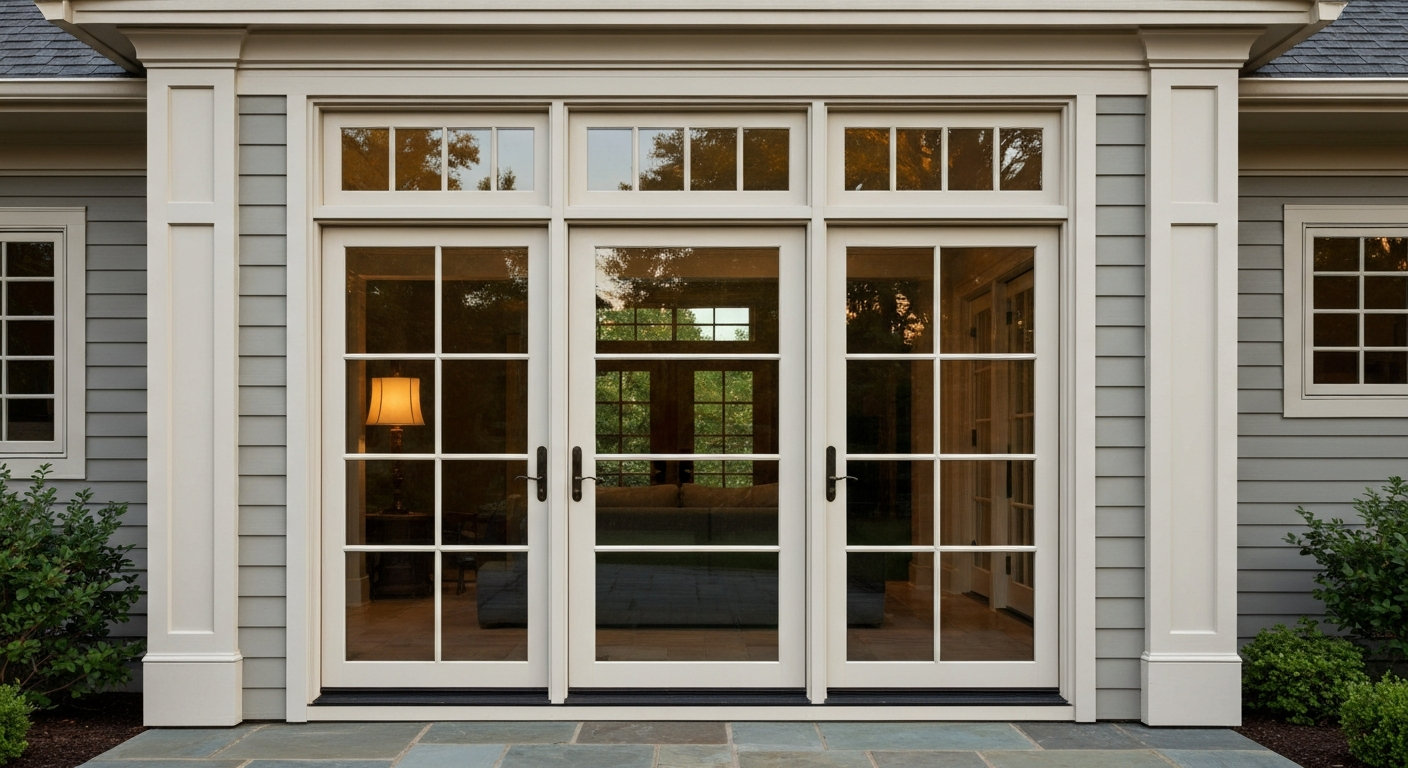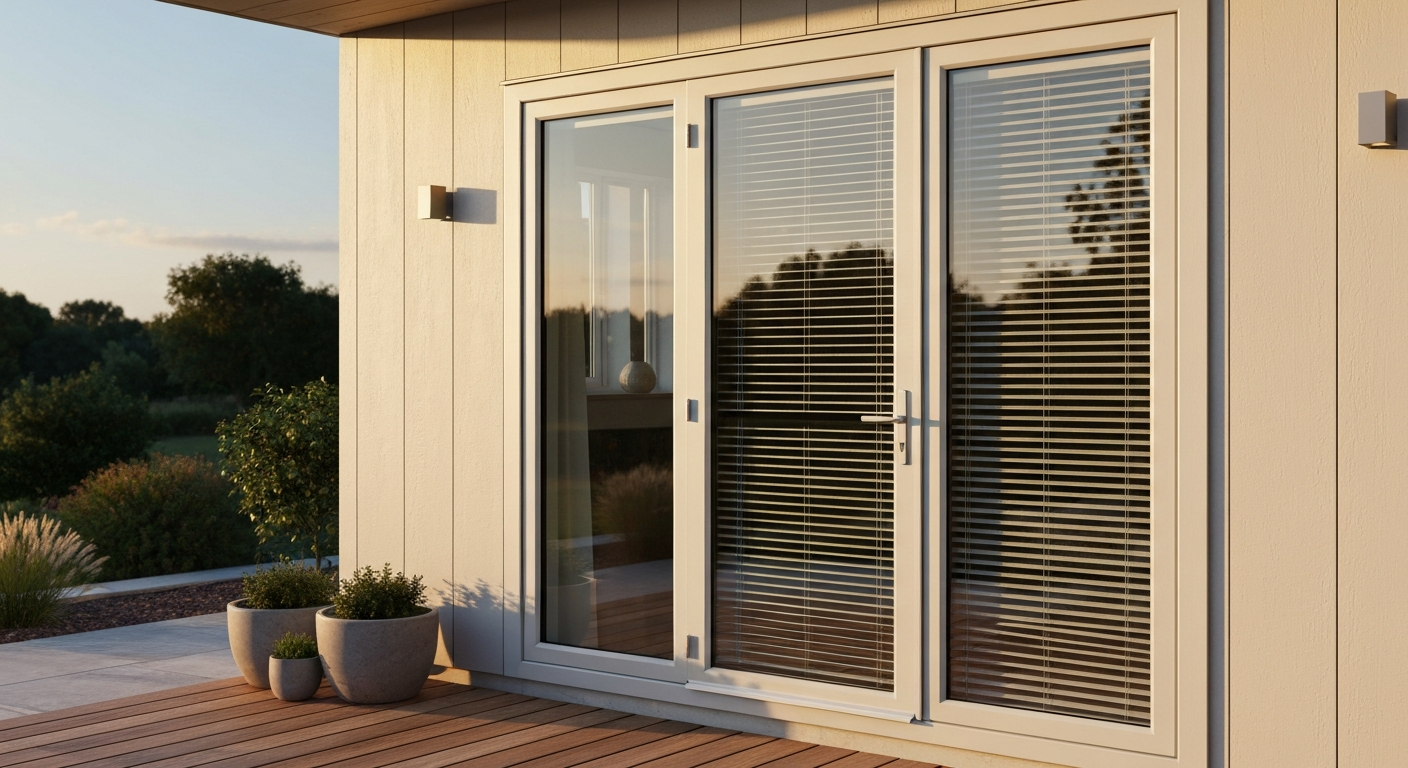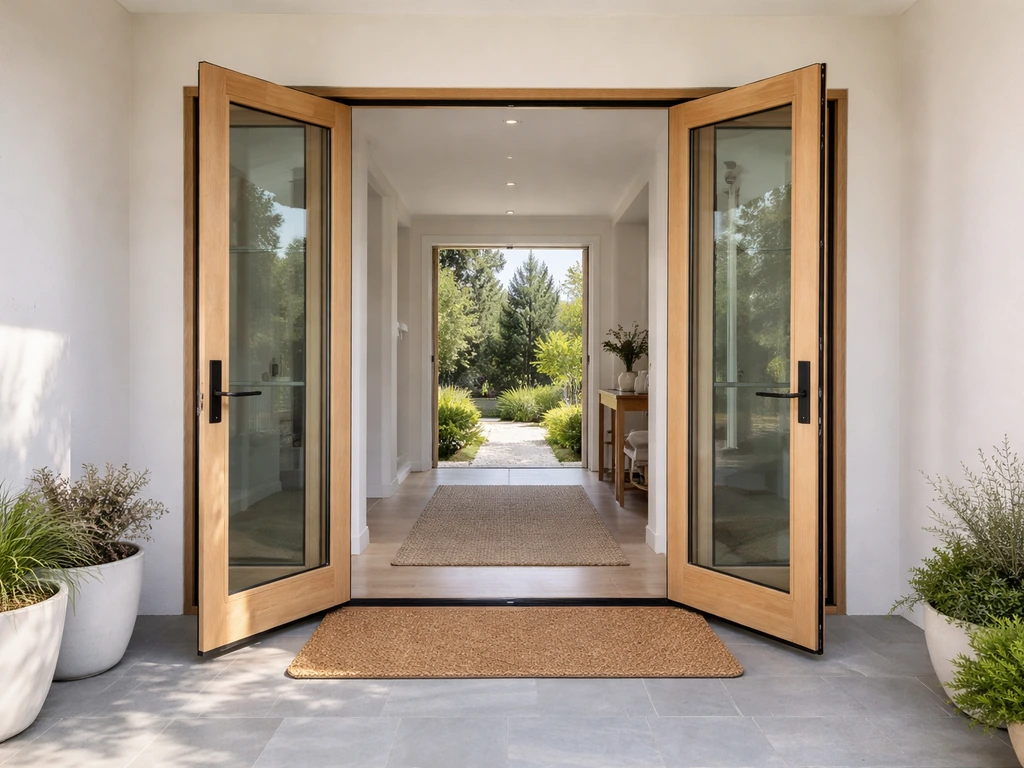
The best patio door installers near you are licensed, insured, experienced with your specific door style (French, sliding, or bifold), and willing to give you a detailed written estimate before a single screw is turned. Finding them takes about 30 to 60 minutes of real vetting work, not just a quick Google search, and that effort is the difference between a door that seals tight and operates smoothly for 20 years and one that leaks, sticks, or voids your product warranty inside of two.
Best Patio Door Installers Near Me: How to Hire

Owen Delaney
7 Jun 2026
How to find patio door installers in your area (and verify they're real)

Start with three sources: the manufacturer's installer locator for the door brand you're buying, the Better Business Bureau directory, and referrals from neighbors or local hardware stores. Manufacturer-recommended installers have usually completed brand-specific training, which matters more for complex bifold systems than for a standard 6-foot sliding door. BBB listings at least show you whether complaints have been filed and resolved, which tells you more than a star rating. If you want to narrow down the best patio doors near me options, focus on installer quality as much as the door brand.
Google reviews are a starting point but not a finish line. If you are still trying to figure out who fixes patio doors near me, use the verification steps above so you hire someone legitimate and qualified. Research from contractor verification platforms shows that contractors can self-report credentials on their Google Business profiles and may solicit reviews early in their company's history before any real track record exists. A five-star rating from 12 reviews three months after the business opened means very little. You want to see consistent reviews over two or more years and at least a handful that mention patio door or sliding door installation specifically.
Once you have three to five names, verify each one properly. That means two things: license status and insurance. For licensing, check your state's contractor licensing board directly (most have a free online lookup). Type in the company name and license number they give you and confirm they match.
For insurance, ask for a Certificate of Insurance (COI) showing general liability and workers' compensation coverage. Then call the insurance carrier listed on the COI and confirm the policy is currently active. When requesting a Certificate of Insurance, confirm the document reflects active policies that are not expired at the time you enter the contract, and review the COI evidence requirements [confirm the policy is currently active](https://www. kccd.
edu/business-services/documents/COI%20GuidelinesSAMPLE%20COI%2002262026. pdf). Do not just accept the PDF and move on; a COI document can show an expired or cancelled policy that looks fine at a glance. Make sure the names on the COI match the name on the license and the name on the contract you'll be signing.
- Check your state's contractor licensing board online, not just the contractor's word
- Ask for a COI with general liability and workers' comp listed separately
- Call the insurance carrier directly to confirm the policy is active
- Confirm that the insured name, license name, and contracting entity all match
- Look for BBB accreditation or at minimum check for any unresolved complaints
- Search for reviews that specifically mention patio door or sliding door work, not just general remodeling
Questions to ask before you hire anyone
A good installer will not flinch at direct questions. A bad one will get vague or defensive. When you call or email, ask these specifically and pay attention to how confidently and completely they answer.
Experience with your door type
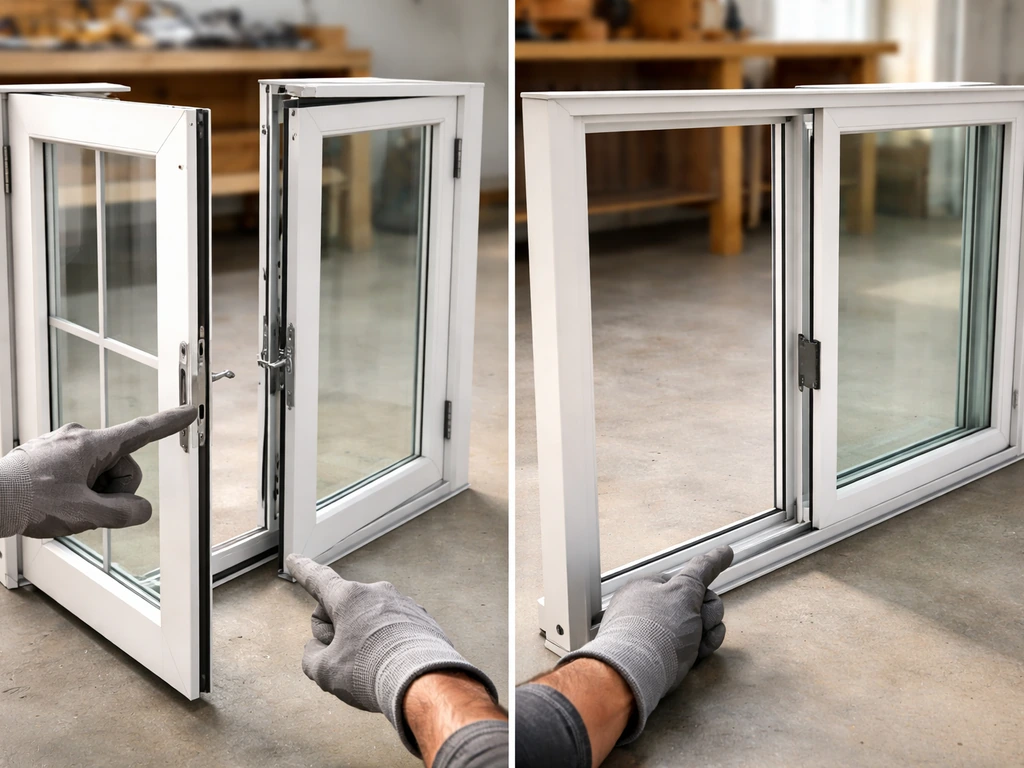
Ask how many French doors, sliding doors, or bifold doors they've installed in the last 12 months. These are genuinely different jobs. A bifold patio door with a 12-foot multi-panel system requires precise track alignment and structural header work that a simple single-panel sliding door replacement does not. If you're buying a premium brand like Andersen, Pella, or Marvin, ask if they are a certified installer for that brand. Some warranties only stay valid if the door is installed by a brand-certified contractor.
Warranty coverage
Ask for the labor warranty in writing, separate from the product warranty. A solid installer offers at least a one-year labor warranty, and better ones offer two to five years. Understand that the product warranty (covering the door, glass, hardware, and frame) comes from the manufacturer, not the installer. If installation is done improperly and causes a seal failure, the manufacturer may deny the claim. That is why labor warranty and product warranty need to work together, and you need both in writing before you sign anything.
References and photos

Ask for two or three references from patio door jobs in the last year and actually call them. Ask those homeowners whether the door operates smoothly, whether there were any water or air infiltration issues after installation, and whether the installer showed up on the promised timeline. Also ask for before-and-after photos or a portfolio. If an installer says they do a lot of patio door work but can't show you any, that's a problem.
Timeline and scheduling
Ask how far out they're booked and what the realistic completion timeline is from contract signing to finished installation. Custom-sized doors or special-order products from brands like Andersen 400 Series or Pella Impervia can have lead times of four to twelve weeks. A good installer will build that into the project timeline and stay in communication. If they tell you they can start next week on a custom door order, either they have leftover stock or they're not being straight with you.
Getting an accurate estimate
Vague estimates produce surprise invoices. Before any installer gives you a quote, you need to align on four things: the rough opening dimensions, the door type and material, the scope of removal and replacement, and any additional work the job requires.
Measure the rough opening first
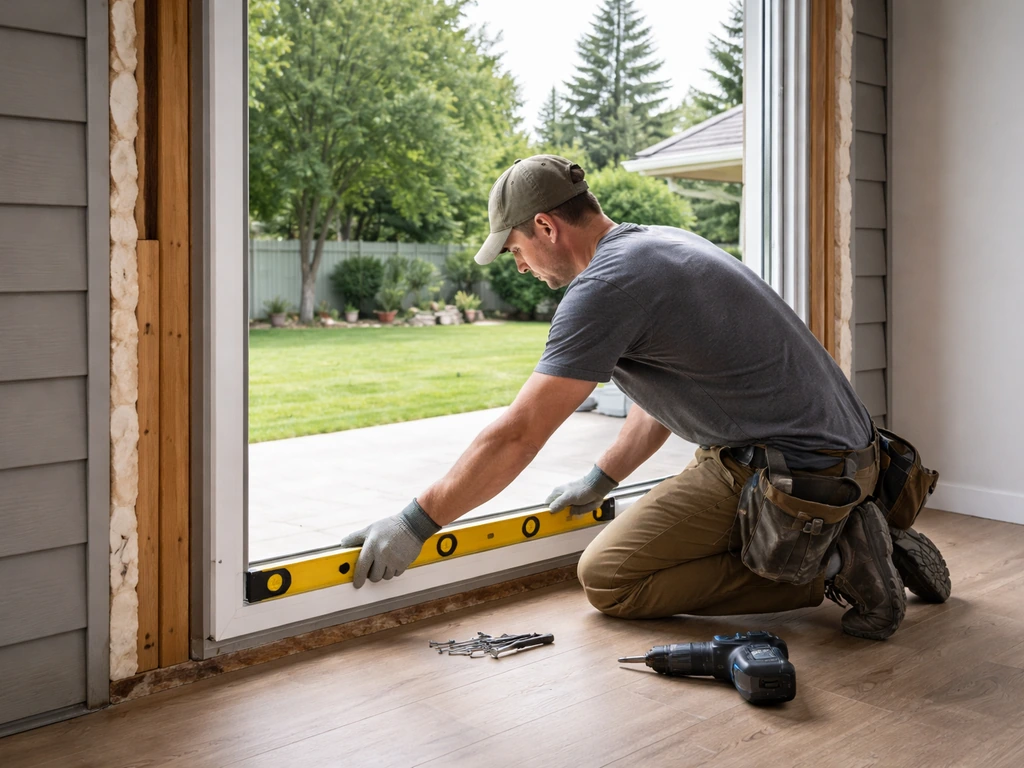
Standard sliding patio doors run 80 inches tall and come in widths of 60, 72, and 96 inches. French doors are typically 80 inches tall and range from 60 to 72 inches wide for double-door configurations. Bifold systems are more custom and can span 8 to 20-plus feet. Measure your rough opening width and height before any installer shows up, and note whether the existing frame is square (a torpedo level on the door frame gives you a quick read). Out-of-square openings mean more labor and potentially more cost, and a good installer will want to see or measure the opening themselves before quoting.
Door type and material affect the total cost significantly
Material choice drives both the door price and the installation complexity. Vinyl doors are lighter and more DIY-friendly but expand and contract with temperature more than wood or fiberglass. Wood doors are heavier, require more care during and after installation to avoid moisture damage, and need precise shimming. Fiberglass is dimensionally stable, lighter than wood, and typically the easiest to install with tight tolerances. If you're in a climate with extreme cold or heat, fiberglass or vinyl with a foam core tends to outperform wood for air sealing over time. Tell each installer exactly which door you've selected or are considering, because the material affects their labor quote.
Scope: removal, disposal, and extras
Removal and disposal of the old door is often not included in a base quote, and it can add $100 to $300 to the job. Ask specifically: does your quote include removing the old door and frame, hauling it away, patching the rough opening if needed, and reinstalling the interior and exterior trim? Also ask about flashing, weatherstripping, and any header reinforcement if you're widening an opening. These are the line items that turn a $500 installation quote into a $1,200 invoice if you don't nail them down upfront.
Comparing quotes the right way
Get at least three written estimates. Once you have them, don't just look at the bottom line. Compare them line by line so you're actually comparing the same scope of work.
| What to compare | What to look for | Red flag |
|---|---|---|
| Labor cost | $150–$400 for a standard sliding door; $300–$800 for bifold | Unusually low with no explanation |
| Materials included | Flashing, foam insulation, weatherstripping, shims | Vague line item labeled just 'materials' |
| Removal and disposal | Explicitly listed with a cost or stated as included | Not mentioned at all |
| Trim and finishing | Interior and exterior trim reinstallation spelled out | Assumed or excluded without notice |
| Labor warranty | 1–5 years in writing | Verbal only or 'industry standard' with no specifics |
| Payment schedule | Deposit (10–30%) upfront, balance on completion | 50% or more required before work starts |
| Permit handling | Stated who pulls the permit and who pays the fee | No mention of permits at all |
The biggest red flags: a quote with no line items (just one lump sum), a request for more than 30 to 33 percent upfront, pressure to sign before you've had time to compare, and no mention of permits. Any installer who tells you a patio door replacement doesn't need a permit in your area should be able to explain why, based on your local building code, not just their preference to skip the paperwork.
What good installation actually looks like
A properly installed patio door has four qualities you can check yourself: it opens and closes smoothly with no binding or grinding, it locks fully without forcing the handle, it shows no daylight around the frame when closed with the lights off inside, and it passes a simple tissue test on a windy day (hold a tissue near the edges; it shouldn't flutter). If any of those fail within the first 30 days, call the installer back before you do anything else.
Flashing and air sealing
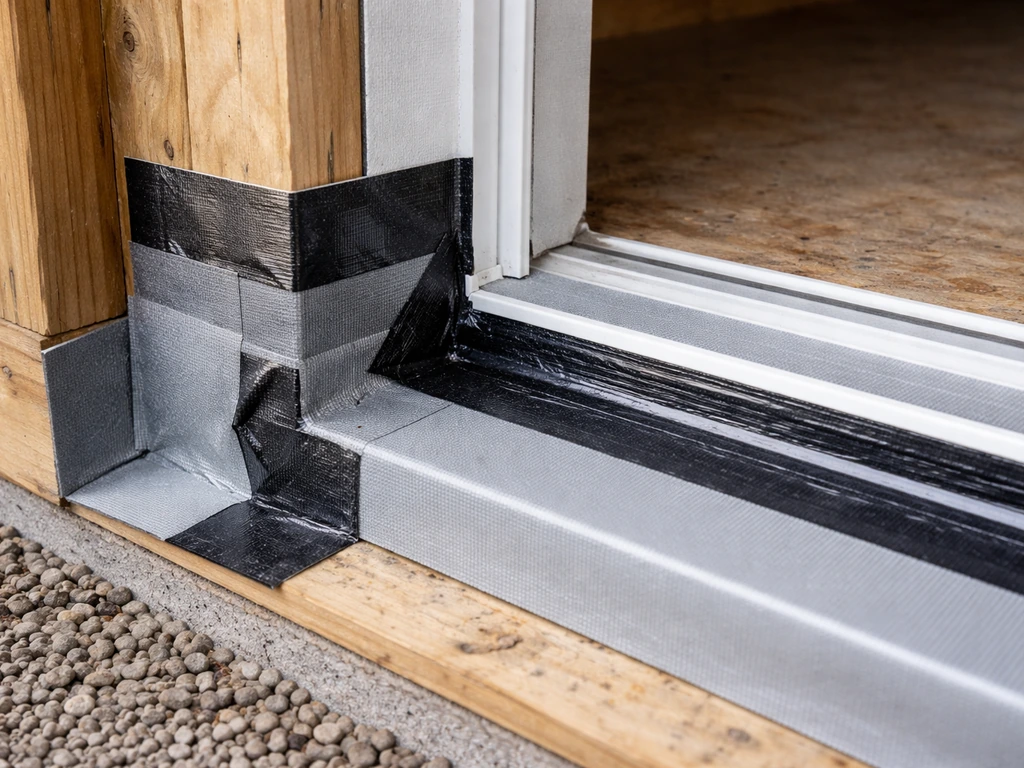
The most critical part of patio door installation is the flashing and air sealing around the rough opening. Water intrusion almost always happens at the sill or along the sides where flashing wasn't lapped correctly or caulk was used instead of proper flashing tape. A good installer uses self-adhesive flashing tape on the sill and sides before setting the door, fills the gap between the frame and rough opening with low-expansion foam (not standard expanding foam, which can bow vinyl frames), and uses a high-quality exterior sealant around the brick mold or exterior casing. Ask your installer specifically what flashing method they use. If they say just caulk, push back.
Levelness, plumb, and square
The door must be shimmed level, plumb, and square in the rough opening before it's fastened. If it's even slightly out of level, a sliding door will roll toward one side, a French door will swing open or closed on its own, and a bifold will rack in the track over time. A competent installer checks level, plumb, and square at multiple points during installation, not just once before they call it done. Ask to be present during installation if you want to watch this part. Any installer who objects to that is worth questioning.
Hardware and operation check
Before the installer leaves, they should adjust the roller height on sliding doors, test all locking points, verify that the screen door (if included) operates smoothly, and walk you through any adjustments you can make yourself. For French doors, they should adjust the hinges and verify the door latch lines up correctly. For bifolds, every panel should fold and unfold without resistance and lock flat when open. If they don't do a walkthrough, ask for one. It takes 10 minutes and saves a lot of headaches.
Permits, insurance, and warranties: what you're responsible for
Most jurisdictions require a permit for patio door replacement, especially if the opening size is changing or if it's part of a larger remodel. The contractor typically pulls the permit, but you as the homeowner are ultimately responsible for making sure permitted work was inspected and signed off. If you sell your home and the permit was never closed out, that becomes your problem at the title transfer stage. Before work begins, ask who pulls the permit, what the fee is, and whether the scope of work requires an inspection at any stage during installation.
On the insurance side, your homeowner's policy covers damage to your property during construction if the contractor's insurance doesn't. But if the contractor's workers' comp lapses and a worker is injured on your property, you could face liability. That's why calling to verify active workers' comp coverage isn't paranoia, it's basic protection. LegalClarity also advises verifying coverage types such as general liability and workers' compensation and matching the contractor's details across the documents, contract, license, and certificate of insurance verify active workers' compensation coverage. Make sure the contractor's policy covers the duration of the project, not just the date you signed the contract.
The product warranty and the labor warranty are separate documents. Read both. Most door manufacturers offer a limited lifetime warranty on the frame and 10 to 20 years on the insulated glass unit, but those warranties have conditions. Installation by a certified or approved contractor, no modifications to the door after installation, and prompt reporting of defects are all common requirements. If you buy a door from one place and hire a random installer who isn't certified by that brand, a manufacturer may have grounds to limit a claim. It doesn't always happen, but it can, especially on higher-end brands.
What to do after you pick an installer
Once you've chosen your installer and signed a contract, the project doesn't just happen on its own. Here's how to manage the next steps so everything goes smoothly from door delivery to long-term performance.
Scheduling around lead times
If you're ordering a custom or special-order door, confirm the lead time with the supplier before you schedule installation. Standard in-stock vinyl sliding doors might arrive in one to two weeks, but a custom-size Andersen E-Series French door or a large Nana Wall bifold system can take 8 to 14 weeks. Book your installer for a date that allows at least a one-week buffer after the expected delivery date in case of shipping delays. Do not schedule installation for the day after expected delivery.
Prep work before installation day
Clear a three-foot zone inside and outside the door opening. Move furniture, rugs, and anything breakable away from the work area. If there are blinds or interior window treatments over the existing door, take them down yourself beforehand. Ask the installer whether they need power access or a staging area for tools and materials, and make sure someone is home for the full installation day.
Accessories, screening, and security
Installation day is the right time to sort out accessories, not after the fact. If you want a retractable screen, a security bar, a keypad lock, or a door cover like a roller shade or exterior awning, decide before installation so the installer can account for any blocking or hardware in the frame. Adding a security bar or multi-point locking system to a sliding door is straightforward during installation and much more awkward afterward. Screening upgrades, especially for French doors where a traditional screen is awkward, are worth planning at this stage. A barn-style or retractable screen can be fitted to almost any door type but needs to be ordered at the same time as the door.
Long-term maintenance to protect your investment
Once installed, patio doors need regular but simple maintenance to keep operating well and holding their warranty. For sliding doors, clean the track every three to six months with a stiff brush and vacuum, then lubricate the rollers with a silicone-based spray (not WD-40, which attracts dirt). For French doors, check and tighten hinge screws annually and inspect the weatherstripping at the bottom for compression loss every two years.
For bifold systems, check the track alignment and clean the pivot points seasonally. Caulk the exterior perimeter once a year if you notice any cracking or separation, and inspect the flashing after heavy storms. None of this takes more than an hour a year, but skipping it for five years is how you end up with water damage and a denied warranty claim.
If you're still deciding on the right door style or where to buy before booking installation, the choices you make there directly shape what you'll need from your installer. If you are still shopping, start with the local options for where to buy patio doors near me, then book quotes from installers who handle your specific door type.
And if something goes wrong after installation, the contractor who fixes the issue might be different from the one who installs it, so it's worth knowing your options on that side too. If you need quick help, you can also search for fix patio doors near me to find a local repair contractor who can address the problem fast.
If something goes wrong after installation, you can also look for who fixes patio doors near me so repairs are handled quickly by a qualified pro. For now, the most important move is getting three verified quotes from licensed, insured installers this week while the project is fresh. When you compare options, prioritize the best patio door replacement company in your area based on licensing, workmanship, and warranty support.
The difference between a door that performs for 20 years and one you're already frustrated with at year two almost always comes down to who installed it.
FAQ
If I share my measurements online, can the installer still give a firm price?
Many installers require an on-site measurement before the final price, especially for out-of-square openings, custom sizes, or when you might need header reinforcement. If someone insists on pricing only from rough estimates, ask whether their quote assumes the opening dimensions you provide, and whether any deviation triggers a change order.
How can I tell during the walkthrough if my sliding patio door was adjusted correctly?
For sliding doors, tell the installer you want roller and track adjustments documented after installation. Ask whether they will center the door in the opening and confirm smooth travel at full open and full close, not just a quick test. This matters because minor roller height issues can lead to sticking within weeks.
What should be included in the removal and patching scope of work?
Yes, but clarify what “included” means. Ask for a written line item covering (1) removal and hauling, (2) patching drywall or stucco, (3) reinstalling interior trim and exterior casing, and (4) any repainting or sealant replacement. If a quote does not list these items separately, you are not truly comparing apples to apples.
Is it normal for installers to ask for a large upfront payment?
Do not pay the full amount before work is complete. Ask the installer for a payment schedule tied to milestones (for example, deposit for materials, rough-in inspection, completion walkthrough). If they request more than about a third upfront or won’t put the schedule in the contract, treat it as a red flag.
What if the installer says I do not need a permit for my patio door replacement?
Even if a permit is not required for your specific replacement, installers should still confirm local requirements and document it. Ask them to tell you whether permits apply to your scope, what code basis they use, and who would handle permit paperwork if required. If they refuse to discuss it, keep looking.
When does patio door replacement usually require structural work or engineering?
If the new door is bigger, different in type, or part of a larger opening change, it is more likely to require permit review and sometimes structural work like header reinforcement. Ask directly if their estimate includes any framing changes, engineering, or inspection points, because those items affect cost and warranty risk.
What exact insurance details should I confirm before the installer begins work?
A COI verifies general liability and workers’ comp status, but it may not guarantee the policy will remain active through project completion. Ask them to confirm coverage duration for the dates of the job, and verify the listed insured entity matches the name on the contract and license before anyone starts.
How should I confirm labor warranty coverage is real and usable?
Yes, and it is worth checking even if the manufacturer says a door is “warranted.” Ask for the labor warranty term length, what it covers (water leaks, operational issues, hardware adjustments), and how service is handled if a problem appears after the installer is done. Also ask whether there is a service fee after the warranty period ends.
If there’s a leak later, will the installer treat it as an installation issue or a product issue?
Some door problems are actually installation-related, such as seal failure from poor flashing, misalignment that stresses rollers, or inadequate shimming that causes racking. Ask the installer what specific causes they address, for example, flashing tape method, low-expansion foam type, and how they verify level, plumb, and square before fastening.
What should I verify about door delivery and storage before installation day?
Before scheduling delivery, confirm the delivery destination, whether delivery includes inside placement, and what happens if the door arrives damaged. Ask the installer how they will store the door (upright, covered, protected from weather) before install, because storage damage can become your problem if it is not documented.
What maintenance should I do that actually matters for warranty coverage?
Maintenance is a warranty-protection issue as much as performance. Ask for the specific cleaning products the manufacturer allows for tracks, glass, and weatherstripping, and whether silicone spray is the only approved lubricant for rollers. Then set a seasonal reminder for track cleaning and weatherstrip checks.
Should I expect trim, siding, or masonry repairs to be included in the quote?
If the install includes trim, siding, or masonry work, ask whether the installer will match or replace exterior materials and sealants around the casing. Also ask how they handle temperature-caused movement, for example, using correct sealant type and flashing integration, so you avoid future gaps.
What should I do immediately if my new patio door starts sticking or leaking?
If something fails in the first 30 days, document it with photos and a written note to the installer before scheduling fixes. Ask for a written service request number or timeline for return visits, since “we’ll look when we can” often leads to delays. Acting quickly helps prevent minor alignment issues from becoming permanent wear.