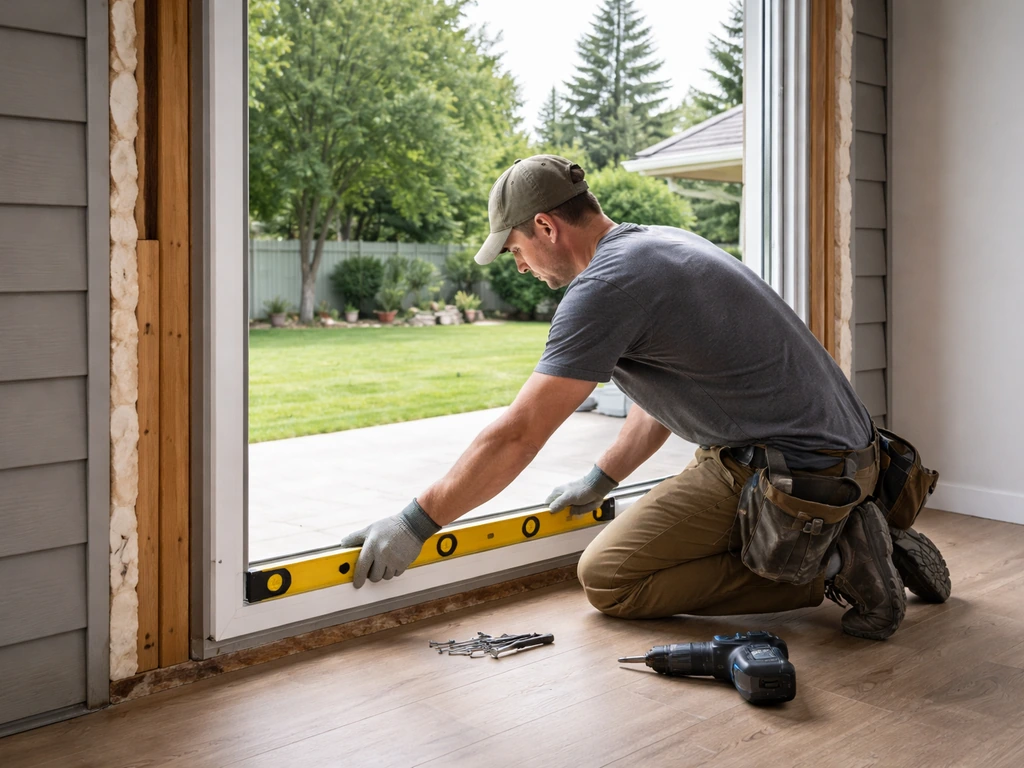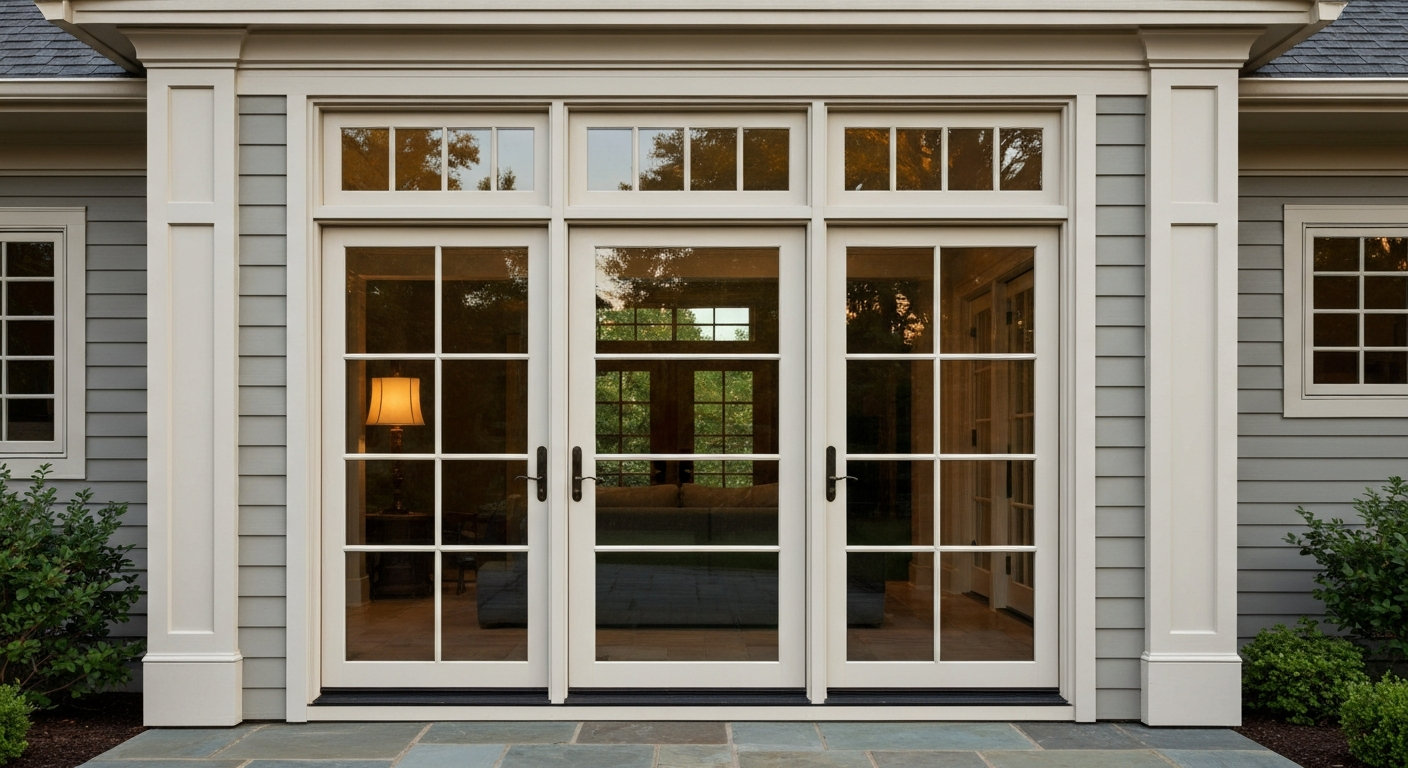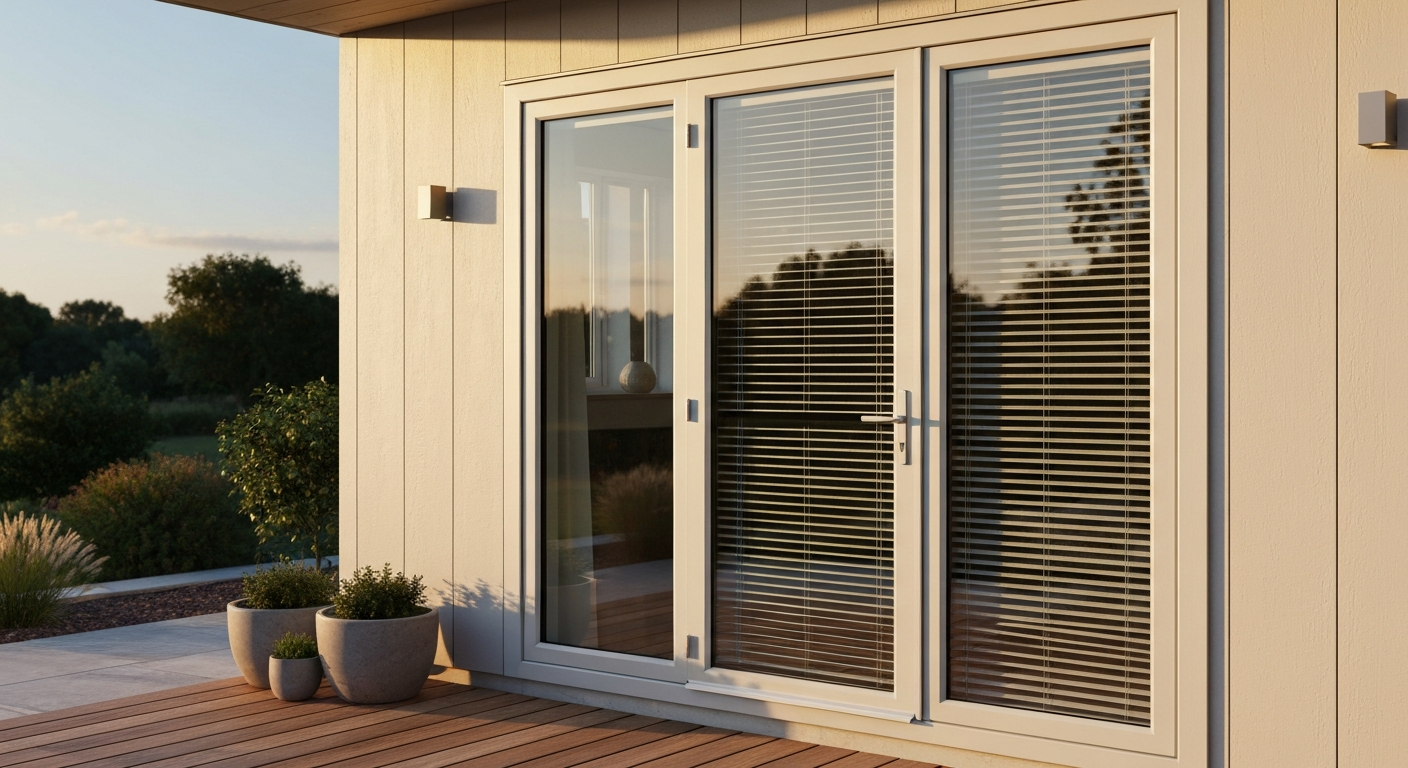
There is no single "best" patio door replacement company that works for every home. The right company for you depends on your door type, your rough opening size, your climate, and how well the installer's warranty terms line up with the manufacturer's coverage. What I can tell you is exactly how to build a shortlist, compare quotes properly, and avoid the installers who will cost you money after the job is done.
Best Patio Door Replacement Company: How to Choose

Owen Delaney
10 Jun 2026
Define your patio door replacement scope first
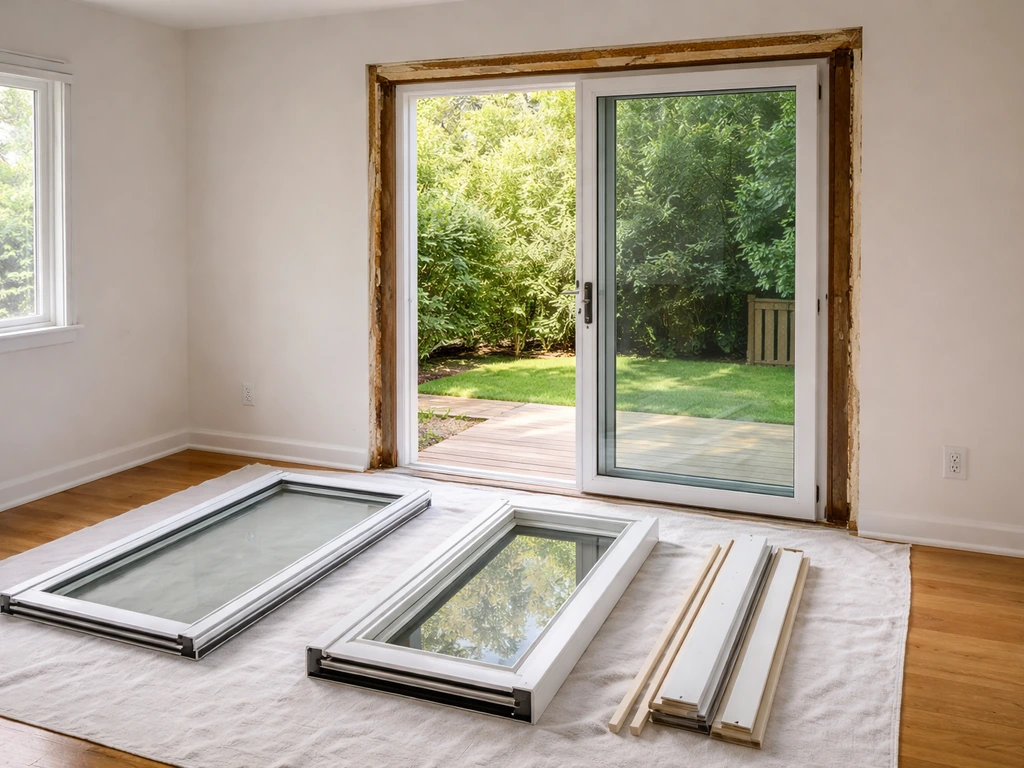
Before you call a single company, you need to know what kind of replacement you are actually doing. There are three distinct scopes, and they affect cost, lead time, and which companies can even handle the job.
- Insert replacement (door-only swap): The existing frame stays in place, and a new door unit is dropped into it. This is the fastest, least disruptive option and works well when the frame is structurally sound and square. Most window-and-door companies can do this.
- Full-frame replacement: The old frame, jamb, and sometimes the exterior trim are removed and replaced along with the door. This is necessary when the frame is rotted, out of square, or you are changing door size or type. It costs more and may require a building permit.
- New construction-style (rough opening work): The rough opening itself is modified, which means cutting into or reframing the wall. This is a structural job that requires a licensed contractor and almost always requires a permit. Not every door company offers this.
You also need to nail down your door style before shopping. Sliding patio doors are the most common and the easiest to swap like-for-like. French doors (hinged, usually a pair) require more framing clearance and different hardware. Bifold and multi-panel doors are a specialty install that most general window companies do not handle well. Get clear on which style you have and whether you are staying with it or switching, because switching styles almost always means full-frame or rough-opening work.
Material matters here too. Vinyl is the most affordable and lowest maintenance, and it dominates the replacement market. Fiberglass costs more but handles temperature swings better and holds paint. Aluminum is strong and slim but conducts cold poorly in northern climates unless it has a thermal break. Wood and wood-clad doors are beautiful but demand more upkeep. Also decide upfront whether you want built-in blinds, a screen system, multipoint locking, or specific glass packages (tempered, laminated, low-e coatings), because these add cost and lead time and not every installer sources them.
Know your measurements and what permits you might need
Getting measurements wrong is the most expensive mistake you can make. I have seen homeowners order a door based on the visible frame size and end up with a unit that is two inches too wide for the actual rough opening. Here is how to do it right.
How to measure the rough opening
The rough opening is the hole in the wall framing, measured stud-to-stud for width and subfloor-to-header for height. To get to it, you typically need to remove the interior casing or trim. Measure width at the top, middle, and bottom, and measure height on the left side, center, and right side. Always record the smallest number at each axis. That smallest number is your rough opening size. The door unit you order should be smaller than that number to leave room for shimming, typically about 1/4 to 1/2 inch of shim space per side. So if your smallest width measurement is 72 inches, you want a door unit around 71 to 71.5 inches wide.
Standard patio door rough openings run 60 inches wide by 80 inches tall (for a 5-foot door), 72 by 80 (for a 6-foot door), and 96 by 80 (for an 8-foot door). If your rough opening does not match standard sizes, you either need a custom-ordered unit or framing work. A good company will measure this themselves before ordering anything. If a company gives you a firm quote without ever taking their own measurements or sending someone out, that is a red flag.
Permits: when you need one and who pulls it
A straight like-for-like insert replacement in the same rough opening usually does not require a permit in most jurisdictions, but this varies by city and county. Full-frame replacements sometimes do, especially if you are in a climate zone with specific energy code requirements. Any work that modifies the rough opening or structural framing almost always requires a permit. Ask the company directly whether your specific project needs one and who is responsible for pulling it. A legitimate contractor pulls the permit themselves and includes it in the contract. If someone tells you permits are not needed when you are doing structural work, or suggests you skip the permit to save money, walk away.
Choose the right door type, material, and upgrades for your climate
The best door for your home is the one that fits your climate zone's energy requirements, your security needs, and your budget. Here is a practical comparison of the main material options.
| Material | Cost Range (door only) | Energy Performance | Maintenance | Best For |
|---|---|---|---|---|
| Vinyl | $400–$1,200 | Good (thermal break built in) | Very low | Most climates, budget-conscious buyers |
| Fiberglass | $800–$2,500 | Excellent (low expansion/contraction) | Low | Extreme cold or heat, high-humidity areas |
| Aluminum | $600–$1,800 | Poor without thermal break, good with | Very low | Mild climates, modern aesthetics |
| Wood/Wood-clad | $1,200–$4,000+ | Good (with proper weatherstripping) | High | Historic homes, premium finishes |
Glass packages and energy ratings
The glass is where energy performance is actually made or lost. Look for ENERGY STAR certified products, which the EPA qualifies using NFRC-certified U-Factor and Solar Heat Gain Coefficient (SHGC) ratings. ENERGY STAR qualifications are based on NFRC U-factor and SHGC ratings, according to U.S. Department of Energy guidance ENERGY STAR certified products. U-Factor measures how well the door insulates (lower is better, aim for 0.30 or below in cold climates). SHGC measures how much solar heat passes through (lower is better if you are in a hot climate trying to keep heat out, higher can help if you are in a cold climate and want solar gain). You can verify specific products using the ENERGY STAR Product Finder on the EPA's website before you commit. Low-e coatings, argon gas fill, and triple-pane glass all push U-Factor down and cost more, but in cold climates they pay back in heating bills.
Security and weatherproofing upgrades worth considering
Multipoint locking systems (where the door latches at three or more points along the frame, not just the center) are a meaningful security upgrade over standard single-point locks, especially on French doors. Reinforced glass options like laminated or impact-rated glass matter in hurricane zones. For sliding doors, look for anti-lift hardware and robust track and roller systems. These are not upsells to dismiss. A cheap sliding door with flimsy rollers will drag and leak air within a few years. Ask specifically what roller system the door uses and whether the tracks are replaceable.
How to compare patio door replacement companies
Price is not the main thing to compare. I know that sounds counterintuitive, but a $500 difference in quotes is irrelevant if one installer voids your manufacturer warranty or skips the weather seal. Here is what actually separates a good company from a bad one.
Licensing, insurance, and manufacturer certifications

Every installer working on your home should carry general liability insurance and, where required by your state, a contractor's license. Ask for both and verify them. Do not take a PDF they email you, look up the license number on your state's contractor licensing board website. Beyond the basics, manufacturer certification programs matter more than most homeowners realize. Andersen has a Certified Installer program with documented training standards, and Andersen's warranty documentation specifically addresses how using a non-certified installer can affect coverage. Pella Certified Contractors go through training and maintain installation standards tied to warranty eligibility. ProVia's consumer complaint process distinguishes between installation issues and product issues because the answer to your claim depends on which category applies. In short, using a manufacturer-certified installer is one of the most direct ways to protect your warranty.
Warranty terms: what they actually cover
Read the warranty before you sign anything. Simonton's Limited Lifetime Warranty, for example, excludes installation services not performed by Simonton from its product coverage, and requires warranty claims to be submitted within 60 days of the defect appearing. JELD-WEN explicitly states that improper installation not in conformance with their installation instructions can void coverage. Pella's warranty at Lowe's ties coverage to following Pella's installation instructions. The pattern is consistent: almost every major manufacturer links warranty protection to correct installation by a qualified or certified installer. A low-price installer who is not certified by the manufacturer you are buying from may actually cost you the warranty entirely.
Also look at the installer's own labor warranty. A good company offers at least a one-year labor warranty on the installation itself, separate from the manufacturer's product warranty. Some offer two years. Get it in writing and confirm it covers weatherproofing, alignment, and operational issues, not just visible defects.
What the installation process should look like
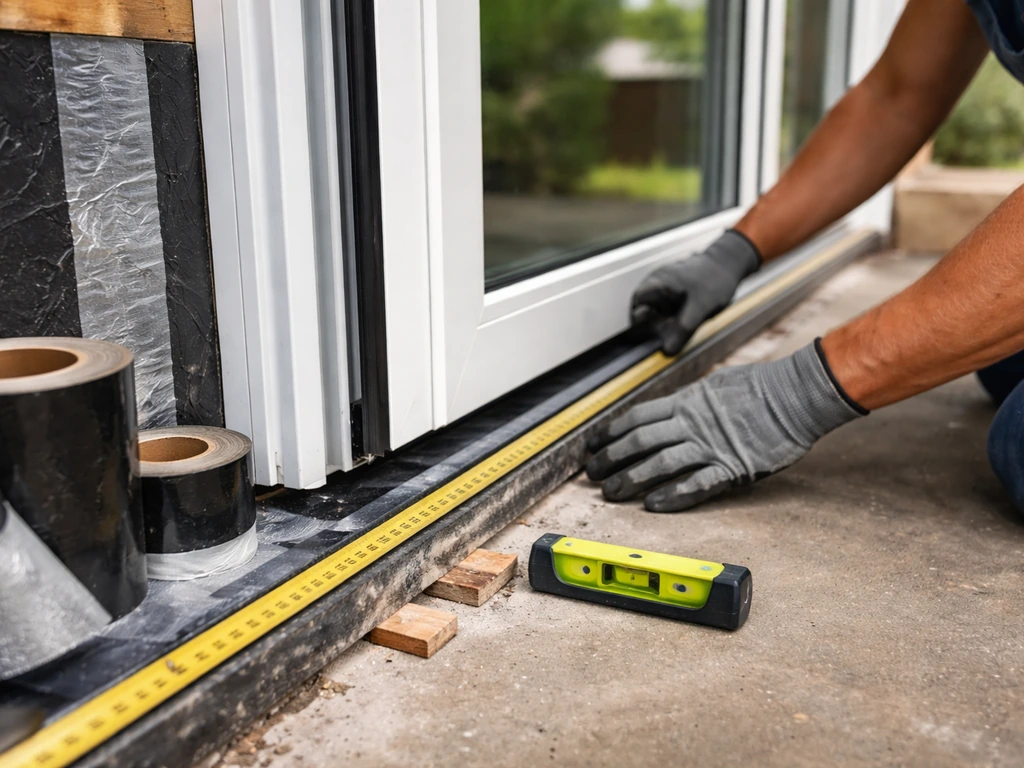
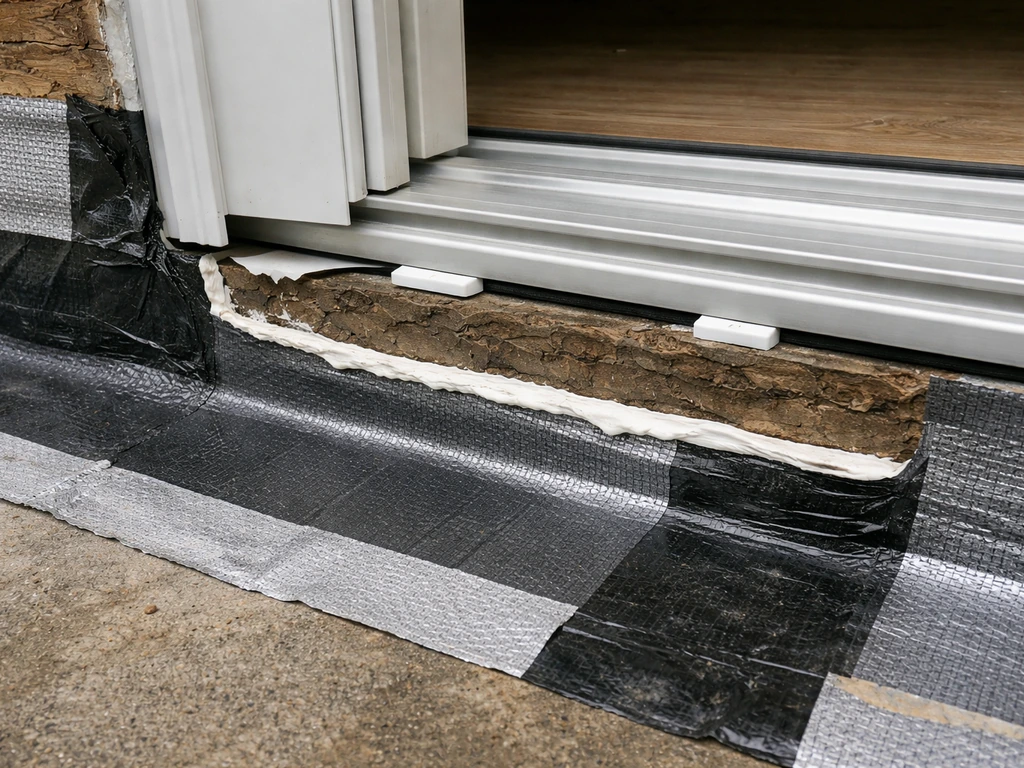
Ask the company to walk you through their installation process before you hire them. A good installer will describe how they handle shimming and leveling, what flashing material they use, how they seal between the frame and rough opening, how they handle interior and exterior trim, and what they do if the rough opening turns out to be out of square. If they give vague answers or say they just follow standard procedure, push for specifics. The quality of the flashing and weatherstripping is what determines whether your door leaks in five years.
What quotes actually include and what to expect to pay
When you get quotes, make sure every line item is spelled out. A quote that just says '$2,400 installed' tells you almost nothing.
What a complete quote should itemize
- Door unit cost (manufacturer, model, size, glass package, color/finish)
- Removal and disposal of the old door and frame
- Framing or rough opening work if needed
- Flashing and weatherproofing materials
- Interior and exterior trim: whether they are reusing existing, replacing, or patching
- Hardware: handles, locks, rollers, screens
- Permit fees if applicable
- Lead time for the door unit to arrive before scheduling install
- Labor warranty duration and what it covers
Realistic cost ranges by scope
| Replacement Scope | Typical Total Cost (materials + labor) | Notes |
|---|---|---|
| Insert replacement, standard vinyl slider, 6-ft | $1,200–$2,200 | Fastest, least disruption, no framing work |
| Full-frame replacement, vinyl or fiberglass, 6-ft | $2,000–$3,800 | Includes new frame and exterior flashing |
| Full-frame, fiberglass French door, 6-ft | $2,800–$5,500 | Higher door unit cost, more complex install |
| New construction/rough opening modification | $4,000–$8,000+ | Framing, permit, structural work included |
| Premium glass package upgrade (triple-pane, low-e) | Add $400–$1,200 | Per door unit, on top of any scope above |
These ranges assume a standard single-story installation with accessible framing. Costs go up if you are on a second story, if the existing frame has rot or water damage, if the rough opening needs modification, or if you are in a high cost-of-living metro area. Always get at least three itemized quotes and compare them line by line, not just by the final number.
Questions to ask, red flags to watch for, and how to verify past work
Questions to ask before you hire
- Are you licensed and insured in this state? Can I have your license number to verify?
- Are you a certified installer for the brand of door I am buying?
- Who pulls the permit if one is required?
- Will you take your own measurements before ordering the door?
- What flashing system do you use and what does the weather seal process look like?
- What is your labor warranty and what does it specifically cover?
- How do you handle problems found during install, like rot or an out-of-square opening?
- What is the lead time on this door unit and when can you schedule installation after it arrives?
- Can you give me two or three references from jobs similar to mine in the past six months?
Red flags that should make you walk away
- They give a firm price quote without measuring the rough opening themselves
- They cannot provide a license number or offer a certificate of insurance on request
- They suggest skipping the permit to save money or speed up the job
- The quote has no line-item breakdown, just a lump sum
- They push you to sign the same day with a 'today only' price
- They cannot name the specific door manufacturer or model they are installing
- They do not offer any written labor warranty
- They cannot explain what flashing material they use or how they seal the rough opening gap
How to actually verify references and past work
Do not just ask for references and skip calling them. Call two or three and ask specific questions: Did the crew show up on time? Did they handle the old door disposal themselves? Was there any air leakage or operational issue after install, and how did the company respond? Would you hire them again? Also check the company's Google reviews and look at how they respond to negative ones. A company that responds professionally to complaints is more trustworthy than one with all five-star reviews and no engagement. If they have a portfolio or photos of past work, look for jobs similar to yours in type and scope.
Installation day checklist and what to do after the job is done
What to inspect on installation day
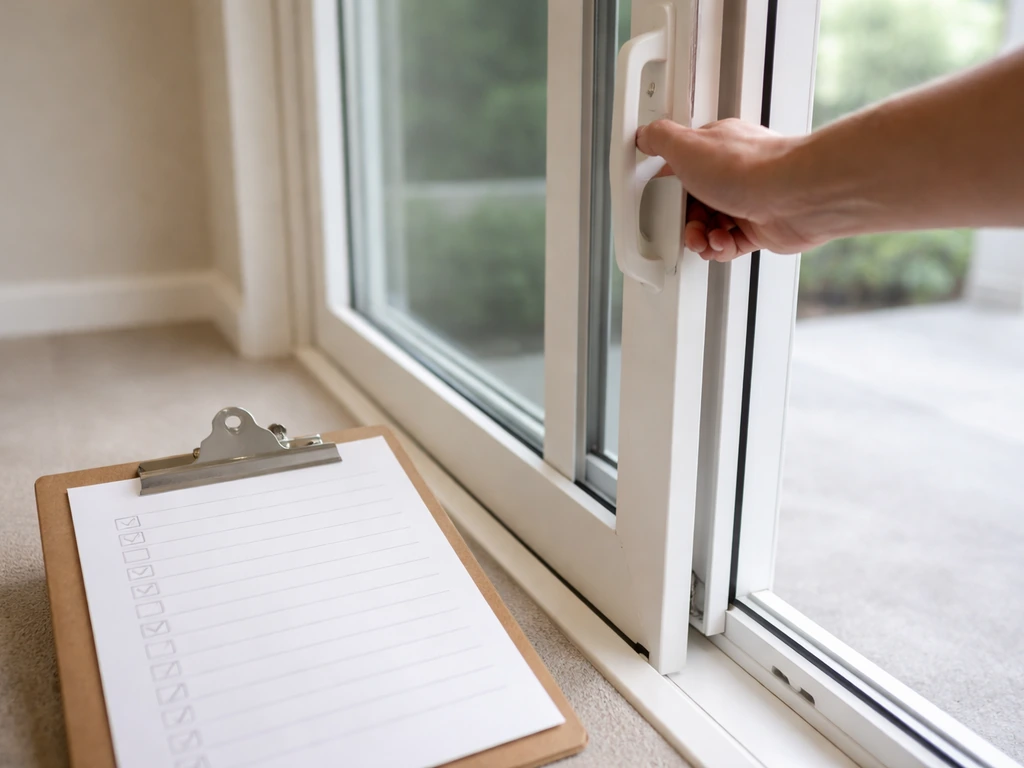
Be home on installation day and do a walkthrough before the crew leaves. You are not being difficult, you are protecting a significant investment. Here is what to check.
- Operation: Open and close the door fully several times. It should glide or swing smoothly with no binding, dragging, or resistance.
- Locking: Test every lock point. On multipoint systems, all points should engage cleanly with a single handle motion.
- Weather seal: Run your hand along the perimeter of the closed door. You should feel no air movement. On a bright day, there should be no visible light gaps.
- Exterior flashing and caulk: Step outside and look at where the frame meets the siding or brick. There should be a continuous, unbroken bead of exterior-grade caulk with no gaps.
- Interior trim: Check that any replaced or patched trim is flush, painted (or primed), and not cracked.
- Glass: Inspect both panes for chips, scratches, and any fogging between the panes (which would indicate a seal failure).
- Screen: If a screen was included, check that it slides and seats properly and that the mesh is undamaged.
- Documentation: Get the manufacturer warranty card, any registration information, and the installer's written labor warranty before the crew leaves.
Register your warranty right away
Most manufacturers require warranty registration, and some have claim deadlines that start from installation date. Simonton, for example, requires that warranty claims be made within 60 days of a defect appearing, and they have a dedicated warranty registration hub. ProVia provides a warranty information page specifically for vinyl patio doors with registration guidance. Register the product the same week as installation. Set a calendar reminder to inspect the door again at six months and one year, paying particular attention to weather seal integrity and roller condition on sliding doors.
Ongoing maintenance to protect your investment
- Clean sliding door tracks every three to six months and lubricate rollers with a silicone-based spray (not WD-40, which attracts dirt).
- Inspect exterior caulk annually and reapply anywhere it has cracked or pulled away from the frame.
- Check weatherstripping once a year and replace it if it is compressed, torn, or no longer making full contact.
- For hinged French doors, check hinge screws annually and tighten any that have worked loose, since loose hinges cause misalignment and weather seal failure.
- If your door has built-in blinds between the panes, follow the manufacturer's care guide, these systems are covered under product warranty but are sensitive to rough handling.
How to build your shortlist and make a decision today
Here is the practical framework. Start by defining your scope (insert, full-frame, or rough opening work) and your door type and material preference. If you are also trying to find who fixes patio doors near me, start by using the same scope and door type details so you can compare only qualified pros. Then search for companies that are manufacturer-certified for the brand you want, verify their license and insurance independently, and get three itemized quotes. Compare the quotes line by line, not by total price. Eliminate any quote that cannot account for permit handling, flashing materials, trim work, and disposal. Of the remaining quotes, weight the one that comes from a certified installer with a written labor warranty most heavily, even if it is not the cheapest.
If you are looking at local specialists versus big-box installation programs, both can be good. Independent local installers often have more flexibility on brands and custom sizes, so they can be a strong option when you are searching for best patio door installers near me. Big-box retailers like Lowe's offer installation programs tied to specific door brands, which can simplify the warranty chain but may limit your product choices. Independent local installers often have more flexibility on brands and custom sizes, but you need to vet them more carefully. If you are searching for fix patio doors near me services, the same shortlist approach applies: confirm certification, verify licensing and insurance, and get quotes that explain permit handling and installation details. If you are searching for the best patio doors near me, focus on local patio door installers with verified licenses, solid reviews, and experience with your exact door style. The sibling questions of where to buy patio doors near you and who installs patio doors in your area are worth thinking through together, because buying from the installer versus buying from a retailer and hiring separately affects warranty coverage and accountability when something goes wrong.
The fastest way to start today: pick two or three door manufacturers that match your material and energy needs, check their websites for certified installer directories (Andersen, Pella, and ProVia all have them), cross-reference with Google reviews, and call for quotes this week. Lead times on door units run anywhere from two to eight weeks depending on the manufacturer and whether you need custom sizing, so the sooner you start the process, the sooner you have a new door.
FAQ
How do I know whether I need an insert replacement or a full-frame replacement?
If you have a lot of water intrusion, sticking tracks, or visible rot around the frame, ask the installer to classify the job as either an insert (staying within the existing rough opening) or a full-frame/rough-opening replacement. Any plan that keeps the old flashing and only swaps the door can hide moisture problems and increase the chance the warranty gets denied later.
What should I ask about installation quality before the installer starts?
Request a written description of the shimming and leveling method, then ask who owns the outcome if the opening is out of square. A good installer will measure, adjust with shims, and verify operation after installation, and they will not hand you a door that binds or leaks without fixing it.
What line items should be included in a door replacement quote?
When comparing quotes, look for separate line items for removal and disposal, flashing and weatherproofing materials, interior and exterior trim, threshold work, and any permit fees. If a quote bundles everything into one price with no details, it is harder to prove what you paid for if there is an air leak or misalignment.
Can upgrades like low-e glass or built-in blinds affect my timeline?
Yes, it can. Built-in blinds, specific glass packages (like low-e, argon fill, or triple-pane), and specialty security hardware can add weeks and sometimes require the installer to source from the manufacturer. Ask for the exact model and glass spec number, and confirm the estimated lead time before signing.
How do I verify weatherproofing and draft performance after installation?
Ask the company to confirm whether they will reinstall or replace the threshold, weep system (for sliding doors), and any weather seals, not just the door slab. Also ask how they test for drafts after installation, because small sealing gaps can show up later even if the door looks fine.
What should my labor warranty include to be worth it?
Do not rely on a “one-year labor warranty” claim alone. Make sure it explicitly covers operational issues (like sticking, misalignment, roller performance) and weatherproofing-related failures, then confirm the process and timeframe for making a claim.
What happens if I miss the manufacturer warranty registration deadline?
If a warranty registration requirement is missed, some manufacturers still process product defects, but coverage can be reduced or delayed depending on the brand. Register the door the same week as install (as the article advises), keep copies of your invoice and installation paperwork, and ask the installer to provide the exact serial or model information.
Who should handle the permit, and how can I confirm it is actually being done?
Yes, especially with permits that are required due to energy code requirements or any rough-opening changes. Ask who is responsible for pulling the permit, whether the permit number will be documented in your contract, and whether the city inspection affects the timeline.
Can I replace only the door without replacing tracks, rollers, or the threshold?
Sometimes you can, but only if the measurements and mounting strategy match the new unit. Ask whether the new door requires a different track, rollers, threshold, or anchoring method, and whether the installer will replace worn components as part of the scope.
A contractor says permits are unnecessary. How should I challenge that?
Be cautious with any claim like “we do not need permits” when framing or the rough opening is being modified. A better decision aid is to ask the contractor to list exactly what changes they will make and then confirm permit responsibility for each change in writing.
How should I vet references beyond “Were you satisfied?”
Call two recent customers from similar projects and ask about the specific failure modes you fear (drafts, water, sticking, hardware noise). Also ask whether the installer responded quickly when something misaligned after the first few weeks, since settling or minor adjustments can happen.
What are the most important checks to do during the final walkthrough?
Do a final walkthrough focused on both operation and sealing: open and close the door multiple times, check for binding, confirm locks engage smoothly at each point (if multipoint is installed), and verify the gap consistency along the frame. If you notice air movement or uneven contact now, insist they correct it before they leave.
How should I organize records so warranty claims are easier later?
If you are planning to get an additional door later, ask whether the company can document installation steps and provide serial/model numbers and warranty registration details for each unit. Keeping these in a folder can prevent disputes later when the manufacturer needs proof of correct installation.