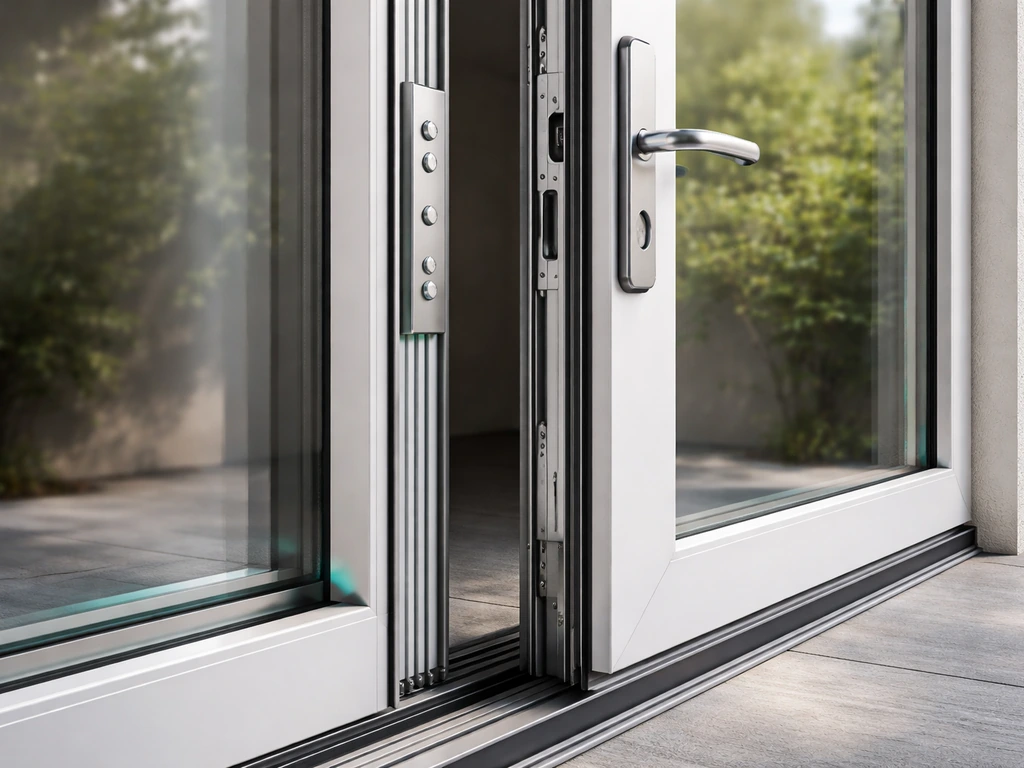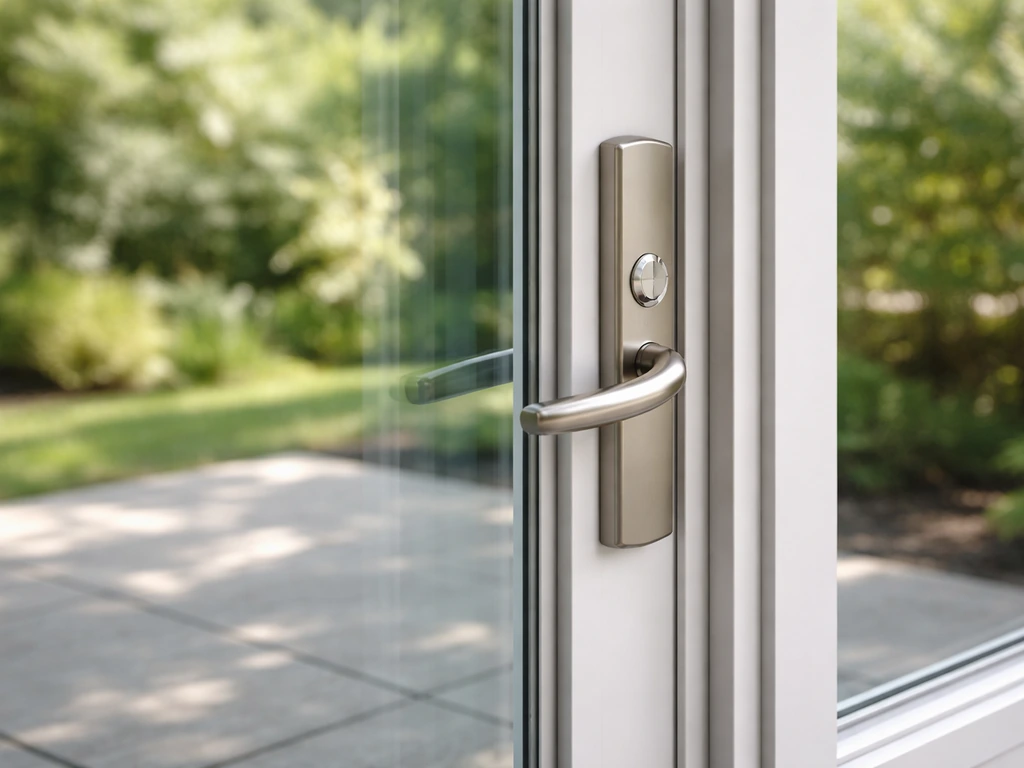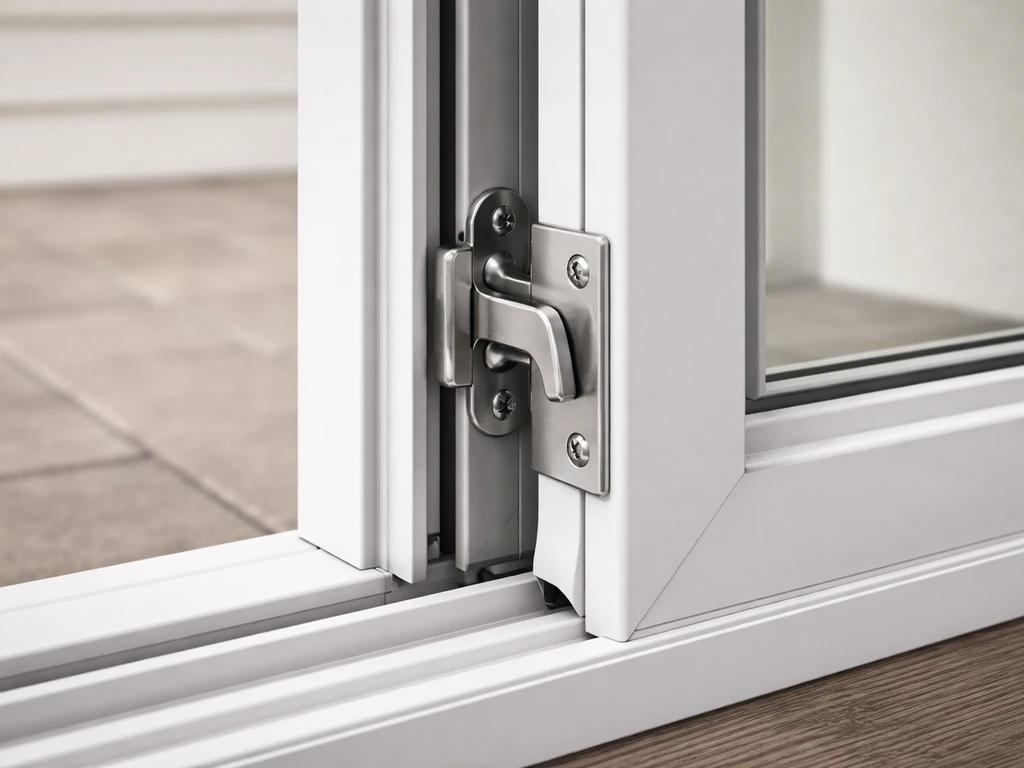
Yes, patio doors are among the easiest entry points in most homes to break into, and sliding patio doors are the worst offenders. Most ship from the factory with simple latch-style locks that can be defeated in seconds, and the track-and-roller design means a determined burglar can sometimes lift the entire panel out of the frame without touching the lock at all. That said, a few targeted fixes, most of which cost under $50 and take an afternoon, can turn a vulnerable sliding door into a genuinely hard target. If you want the best patio dog door, focus on how the insert secures the door panel, not just the flap itself patio door. For most homeowners, the best security patio doors combine strong anti-lift features, good locking, and reinforced glazing rather than relying on the basic latch alone. Here is exactly what you need to know and do.
Are Patio Doors Easy to Break Into? How to Secure Them

How sliding patio doors get broken into
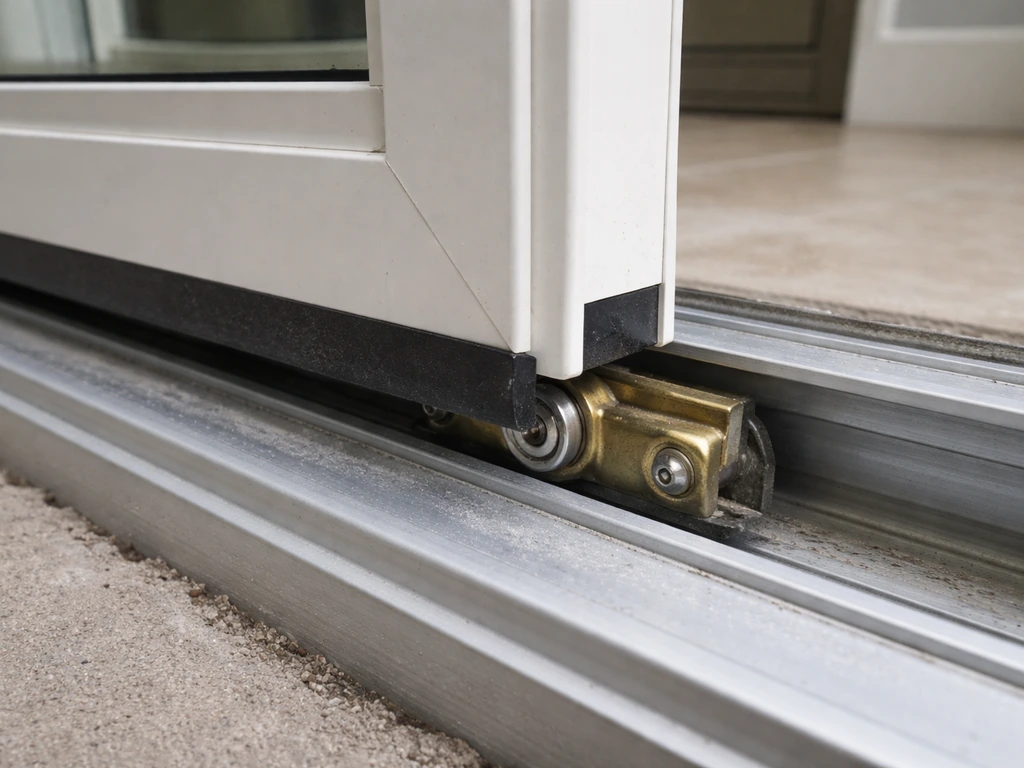
The lock is almost never the first thing a burglar goes for on a sliding door. The track is. Sliding panels ride on rollers inside a top and bottom track, and if the door is not properly secured against vertical movement, a thief can simply lift the panel upward and swing the bottom out, bypassing the latch completely. NIST has specifically called out sliding glass patio doors as particularly vulnerable for exactly this reason, and the NIJ's forced-entry standard for sliding glass doors (NIJ Standard-0318.00) actually includes a dedicated "door panel removal resistance" test category because lifting the panel is such a well-known attack method.
When lifting does not work quickly, burglars move to the latch itself. Most stock sliding door latches are hook-type or crescent-style hardware that was never designed to resist real force. NIST notes that many sliding doors have "rather weak latches" that fail if the latch is simply broken. A hard kick, a pry bar wedged into the frame gap, or even vigorous shaking can pop these latches. The Kansas City Police Department's burglary prevention guidance specifically singles out sliding patio doors and recommends blocking the upper track area as a basic countermeasure, which tells you all you need to know about how common this attack vector is.
The glass itself is the third attack path. Standard tempered glass in a patio door will break, and a broken panel gives full access even if the lock is intact. Thin gaps around the frame and a poorly seated door that rattles in the track also give burglars a mechanical advantage for prying. In short, there are three distinct weak points: the track and panel removal, the latch or lock, and the glass. A secure door needs to address all three.
What actually makes a patio door secure or vulnerable
Frame material matters more than most people realize. Aluminum frames are lightweight and can flex under lateral force, giving the panel more play in the track. Vinyl frames are stiffer but can crack under sustained prying. Fiberglass and solid wood frames with steel reinforcement in the stile are the most resistant to frame deformation during a forced entry attempt. Regardless of material, the quality of the meeting stile, which is the vertical edge where the active panel meets the fixed panel or doorjamb, is critical. A thin, hollow meeting stile gives a pry bar very little resistance.
Glass type is the next biggest variable. Standard tempered glass breaks into small pieces quickly. Laminated glass, which bonds glass layers to a resilient plastic interlayer, is a completely different story: it holds together even when cracked, so a burglar cannot simply punch through and reach the lock. Security glazing is tested under UL 972 using dynamic, multi-impact burglary simulation. The Stiles security glazing guide notes that even a standard 1/4-inch laminated glass does not meet UL 972 requirements, and certified security glass typically starts at 5/16-inch or thicker constructions. If your door has standard tempered glass, that is a real vulnerability worth knowing about.
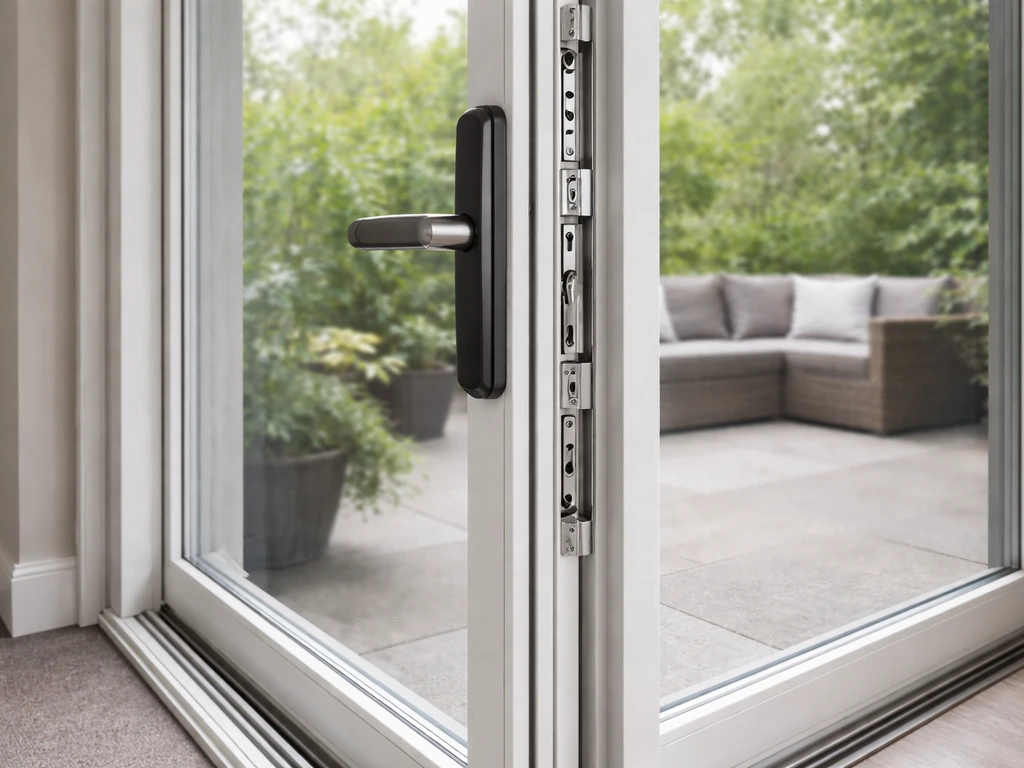
The lockset is the most obvious factor but often not the most important one. A multipoint locking system, which engages the frame at the top, middle, and bottom of the panel simultaneously, is dramatically more secure than a single-point latch. Brands like Pella and Andersen both offer multipoint systems on their sliding and gliding patio door lines. An exterior keyed lock, so the door cannot be opened from outside without a key even if the glass is broken, adds another layer. Single-point crescent latches are the minimum acceptable hardware and should be treated as a starting point, not a finished solution.
Installation quality ties everything together. Andersen's own performance documentation states that doors must be anchored properly according to installation instructions to meet their rated structural performance. A door that is not plumb and level, or that was installed with inadequate fastening into the rough opening, will have gaps, alignment problems, and compromised latch engagement no matter how good the hardware is. The Home Depot patio door care guide notes that a stiff or sluggish latch lever is a sign the latch is not fully engaging, which directly reduces security.
Security fixes you can do today
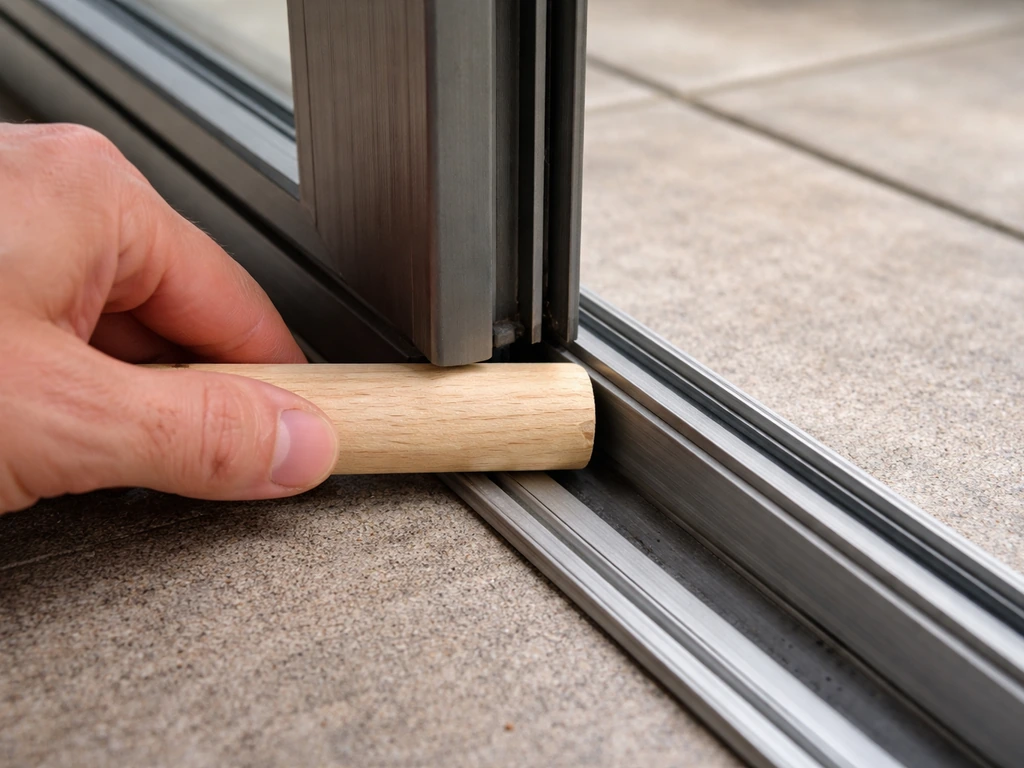
Start with the track, because it costs almost nothing to address. Cut a length of a solid wooden dowel or a purpose-made security bar to fit snugly in the bottom track behind the sliding panel. This physically prevents the door from being slid open even if the latch is defeated. For the top track, you can install anti-lift pins or screws into the upper track so the panel cannot be lifted out. Drill a downward-angled hole through the inside frame of the active panel into the fixed frame and drop in a hardened steel pin or a removable bolt. This is the fix the Kansas City Police Department recommends, and it takes about 15 minutes with a drill.
Next, check the alignment and roller height. Most sliding patio doors have adjustment screws at the bottom of the panel that raise or lower the rollers. If your door rattles, drags, or does not latch cleanly, the rollers need adjustment. Pella's owners manual describes this process: you access the adjustment screw, turn it to raise the door clear of the track binding, and test the latch engagement. A properly adjusted door that sits squarely in the frame and latches with a firm click is noticeably more resistant to being popped open than one that wobbles. Milgard publishes step-by-step guidance for adjusting patio door screens and lock hardware as part of its standard maintenance resources.
Clean the track while you are at it. Debris in the bottom track forces the door to ride unevenly, which creates gaps and reduces how deeply the latch hook engages the strike plate. Andersen's care instructions call for brushing, rinsing, and removing soap residue from the track and roller assembly. A clean, lubricated track means the door seats properly, the panel sits at the right height, and the latch engages at full depth.
Finally, check whether your latch actually locks. Try to slide the door open with moderate force immediately after latching it. If it moves even slightly, the latch is not engaging fully, either because the strike plate is misaligned or the latch mechanism is worn. A misaligned strike plate can sometimes be corrected by loosening its screws and shifting it a few millimeters, but a worn latch mechanism needs to be replaced.
The upgrade path: better hardware, reinforcements, and glass protection
Lock upgrades
The single most impactful hardware upgrade is replacing a single-point crescent latch with a multipoint locking system. These engage the frame at multiple points simultaneously, making it nearly impossible to pry or pop the door open. Pella offers multipoint locking systems and a secure vent lock on products like their 250 Series, which lets you lock the door in a partially open position for ventilation without creating a full security gap. Pella's vinyl patio door hardware page also lists a sliding door blank" rel="noopener noreferrer">secure vent lock option designed to allow ventilation while still improving forced-entry resistance. blank" rel="noopener noreferrer">Andersen's locksets are compatible with both single-point and multipoint configurations, and they offer exterior keyed lock options for their gliding patio door lines so the door stays locked from outside even if someone breaks the glass to reach the interior hardware. For smart home integration, Andersen has documented compatibility with the Yale Assure Lock on select door categories.
Security bars and stoppers
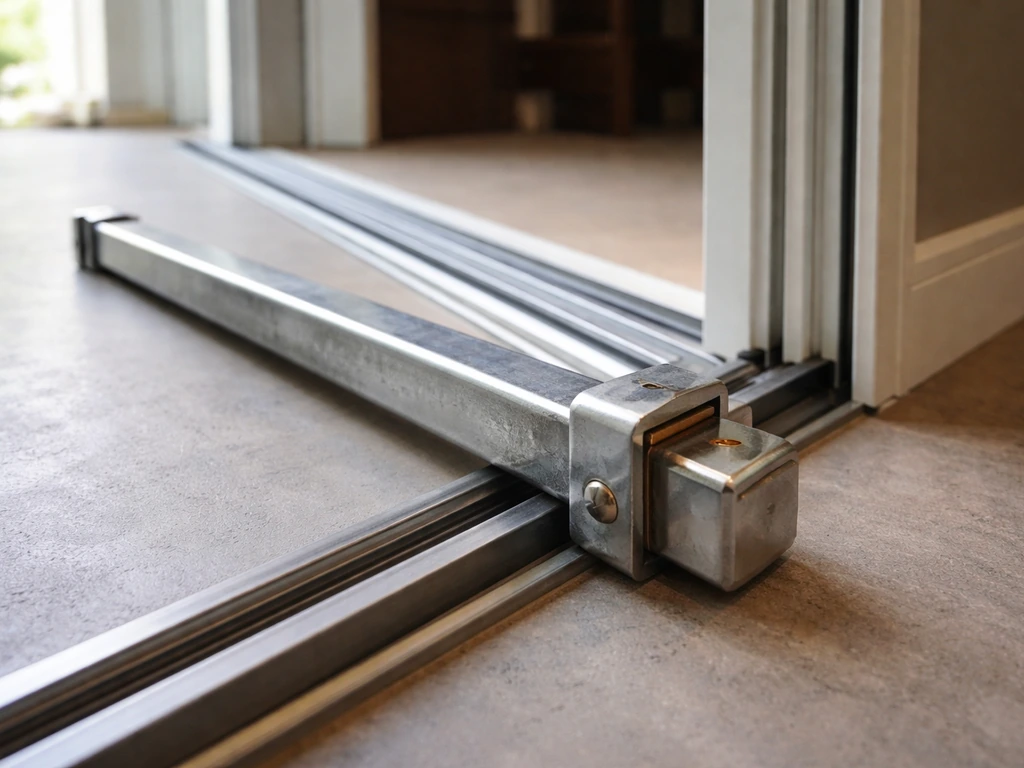
A purpose-made security bar (sometimes called a charley bar) is a significant step up from a cut dowel. Pella specifically recommends charley bars as a security feature for their sliding patio doors. Unlike a loose dowel, a charley bar is hinged to the door frame and drops into a bracket, so it cannot be dislodged by vibration or shimming. A good patio door security bar also lifts up out of the way easily when you want to open the door, making it practical for daily use. A patio door stopper accessory, installed at the base of the track, can serve a similar purpose as a secondary device. A good best patio door stopper can act as an extra barrier that helps prevent the door from sliding open, even if other security measures fail.
Glass protection
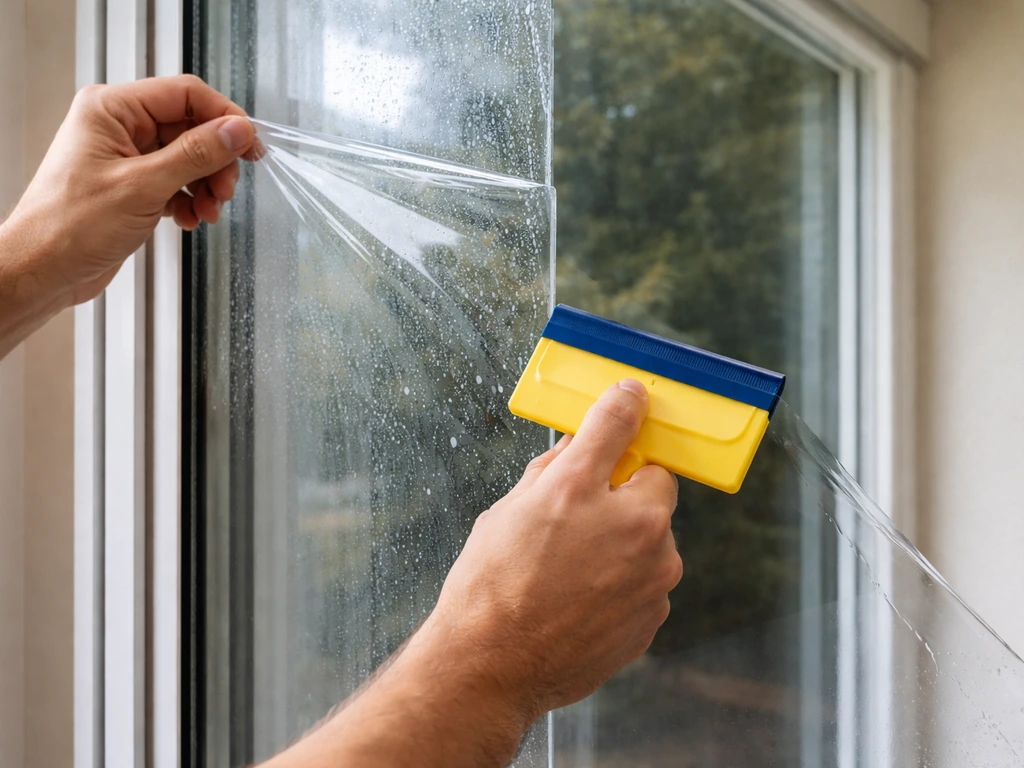
If your door has standard tempered glass and replacement is not in the budget right now, security window film is the fastest way to improve glass resistance. A quality security film bonds to the glass surface and holds shattered pieces together much the way laminated glass does, slowing entry significantly. For a permanent solution, ask your door manufacturer or a glazing contractor about laminated safety glass or UL 972-certified security glazing. Remember that not all laminated glass meets the burglar-resistant standard: according to the Stiles security glazing guide, standard 1/4-inch laminated glass does not qualify, and certified products typically require thicker constructions starting around 5/16 inch.
Frame and jamb reinforcement
If your door frame flexes noticeably when you push on it, consider adding a steel door jamb reinforcement kit to the meeting stile. These bolt through the frame and into the rough opening framing behind it, and they are the patio door equivalent of a door jamb armor kit for entry doors. For doors with significant frame gaps or older frames that have warped, a contractor can add blocking to the rough opening and re-anchor the frame, which is the most thorough fix and aligns with what Andersen recommends for meeting rated structural performance.
Choosing a more secure replacement patio door
If you are already thinking about replacement, security is a great lens to use when comparing door styles. Here is how the three main configurations compare on security-relevant factors:
| Door Style | Lock Options | Glass Attack Risk | Track/Lift Vulnerability | Frame Strength |
|---|---|---|---|---|
| Sliding (gliding) | Single-point standard; multipoint available as upgrade | Moderate to high with tempered glass; low with laminated | High without anti-lift pins; moderate with proper hardware | Varies by frame material; aluminum flexes more than fiberglass |
| French (hinged swing) | Deadbolt capable; multipoint available; no track vulnerability | Similar glass risk; frame is hinged so different attack geometry | None (no track) | Strong with proper jamb anchoring; vulnerable at hinges if exposed |
| Bifold | Typically lighter latch hardware; fewer multipoint options | Similar glass risk | Moderate; panels fold and can be pushed off track | Generally the weakest of the three for forced entry resistance |
If security is your top priority and you are choosing a replacement from scratch, a French door configuration with a deadbolt and multipoint locking system is the most naturally secure option because it eliminates the track vulnerability entirely. Sliding doors are perfectly secure when properly equipped with anti-lift hardware, a charley bar, and a multipoint lock, but they require more deliberate hardware selection than a hinged door. Bifold doors are the most beautiful option for wide openings but the hardest to make highly secure, so they are best reserved for spaces with good exterior lighting, visibility, or an alarm system.
When shopping for any replacement patio door, look specifically for: a multipoint locking system as a standard or available option, laminated or UL 972-certified security glass, an exterior keyed lock option, reinforced meeting stiles, and a manufacturer-tested security rating. Ask whether the door has been tested to NIJ Standard-0318.00 or equivalent forced-entry resistance criteria. Brands like Andersen and Pella publish hardware compatibility and lock specification details in their help centers, which makes it easier to confirm what security features are actually available for a given door series before you buy.
Ongoing maintenance to keep your security working
Security hardware degrades silently. A lock that worked perfectly when installed can have reduced engagement two years later because the rollers have worn down, the frame has shifted slightly, or the track has accumulated enough grit to force the door to ride at the wrong height. Build a simple twice-a-year inspection into your routine. Each inspection should cover the following:
- Test the latch: close and latch the door, then try to slide it open with firm pressure. It should not move at all.
- Inspect roller height: if the door drags at the bottom or has a visible gap at the top of the panel, adjust the roller height screws until the door sits evenly and latches fully.
- Clean the track: brush out debris, rinse with water, and remove all soap residue before it dries and creates a sticky film that collects more grit.
- Lubricate moving parts: use a manufacturer-approved lubricant on rollers, track surfaces, and the latch mechanism. Andersen's help center specifies appropriate lubricants for their gliding patio door hardware; follow your manufacturer's guidance to avoid damaging seals or finishes.
- Check anti-lift pins or security bar: confirm they are in place, not bent, and that the pin holes have not elongated from repeated use.
- Inspect the frame and glass: look for gaps between the frame and the rough opening, cracks in glass or glazing seals, and any signs of frame movement or warping.
- Confirm the habit: as Pella's owners manual emphasizes, close and lock the door any time it is not actively being used for ventilation, including during rain, wind, and when you are sleeping or away.
If you find that the latch no longer engages cleanly after roller adjustment, or that the frame has visibly shifted, those are signs that a professional assessment is worth scheduling. A locksmith or door contractor can re-align the frame, replace worn hardware, or confirm whether a full replacement makes more economic sense. The cost of a hardware upgrade or a service call is small compared to a break-in, and it is far smaller than a full door replacement that you did not plan for.
The bottom line: today, spend 20 minutes checking your latch engagement, cleaning the track, and installing an anti-lift pin or security bar if you do not already have one. Safety patio doors also benefit from regular maintenance so the latch engages fully and the track stays clean. Then plan which lock upgrade makes the most sense for your door and budget. For many homeowners, choosing the best lock for a patio door starts with upgrading to a multipoint locking system rather than relying on a single latch point lock upgrade. Those two steps alone move your patio door from the easy target column to the hard target column, which is exactly where you want it.
FAQ
If my patio door lock is strong, can it still be easy to break into?
For sliding doors, the biggest risk is usually not the lock itself, it is whether someone can lift the panel out of the track or create enough gaps to pry. That is why a simple dowel in the bottom track and anti-lift pins or screws in the top track often reduce break-in attempts more than replacing the latch by itself.
Is a cut dowel in the track as good as a purpose-made security bar?
A security bar or charley bar is designed to stay in place under vibration, so it is harder to bypass than a loose wedge or stick. If you use a DIY dowel, make sure it fits snugly and cannot rattle loose, because a loose blocker can be nudged out during a forced attempt.
Do anti-lift pins help on any patio door, or only on certain models?
Yes, but only if it is installed and maintained so the meeting stile cannot spread under pressure. Focus on the vertical edge alignment where the active panel meets the fixed jamb, and verify the bolt or pin actually throws into place when locked, not just that it looks aligned.
How can I tell whether my latch is truly engaging fully?
Test it while it is locked, by trying to move the door a few inches with moderate force and checking whether there is any lift, rattle, or visible gap at the strike side. If the door shifts or the latch appears to catch loosely, you likely need roller height adjustment and strike plate re-alignment, or the latch hardware needs replacement.
Will security window film make a sliding patio door secure on its own?
Security film can slow entry, but it does not stop panel removal or prevent prying at the frame gaps. If your door is vulnerable to lifting the panel, do the track and anti-lift steps first, then add film as a secondary layer for the glass.
If I replace the glass, will my patio door be hard to break into even without other changes?
Sometimes. If your door has standard tempered glass, switching to laminated glass can improve glass resistance, but security depends on the whole system, track, latch, meeting stile and installation. A door replacement that includes multipoint locking and reinforced meeting stiles usually gives a larger security jump than glass alone.
What is the best way to clean and lubricate the track without accidentally weakening the latch?
Use a lubricant that is compatible with rollers and avoid over-spraying, because excess residue can attract grit and make the door sit too low or too high. After cleaning, re-test latching engagement, because a roller height change can reduce how deeply the latch throws.
Can I improve security with hardware upgrades if my door is not installed perfectly?
No, because most DIY gaps happen when the door is not plumb and level, or when the fasteners used for installation are inadequate. If the door binds or the latch does not catch with a firm, consistent click, hardware upgrades will not fully compensate.
Are these security fixes applicable to gliding doors and other patio door styles?
Yes, depending on your door type and frame. The same principle applies, use the interior-side locking controls and restrict access paths, for example by adding anti-lift measures and reinforcing the meeting stile area. If you tell me your door style (sliding, gliding, hinged) and frame material, I can suggest the most relevant compatibility checks.
What should I upgrade first if I have limited budget, lock, anti-lift, or glass?
When you have to choose, multipoint locking plus anti-lift protection typically provides the strongest return because it addresses two common bypass paths. Upgrading the glass is valuable, but if the panel can still be lifted out or pried, the glass upgrade alone may not stop entry.
Does laminated glass guarantee my patio door is secure against forced entry?
Not always. Laminated glass can still be a vulnerability if the meeting stile is thin or if the latch does not throw properly due to misalignment or roller wear. Prioritize verified latch engagement and reduced panel movement, then confirm the glazing meets the tougher security requirements for the door.
What should I do if the door used to lock well but now the latch feels loose?
If the latch engagement is weakening, the strike plate may be misaligned, the latch mechanism may be worn, or roller height may be off. A quick next step is to adjust rollers and re-check lock pull test results, if it still fails, schedule a contractor or locksmith to re-align or replace worn components.
What additional steps make the biggest difference for homes with high break-in risk?
For higher-risk areas, consider redundancy: anti-lift hardware plus a charley bar, and a multipoint lock. Also check that the door has an exterior keyed lock option where applicable, so the lock can still be secured from outside even if someone breaks the glass and tries to manipulate interior hardware.