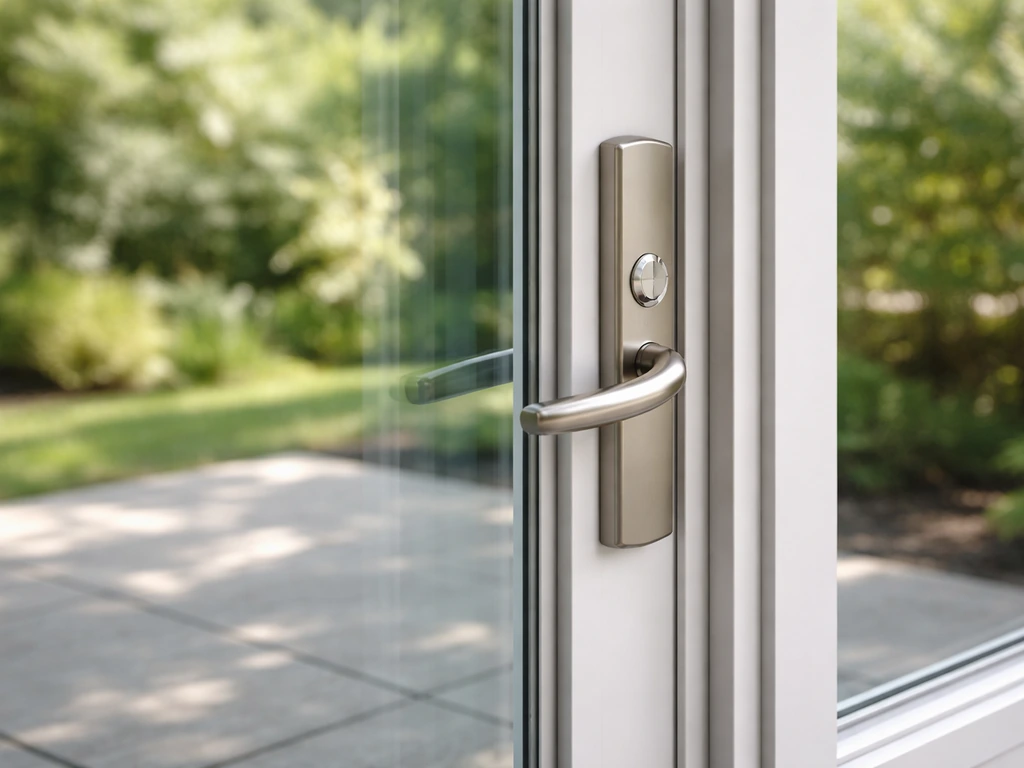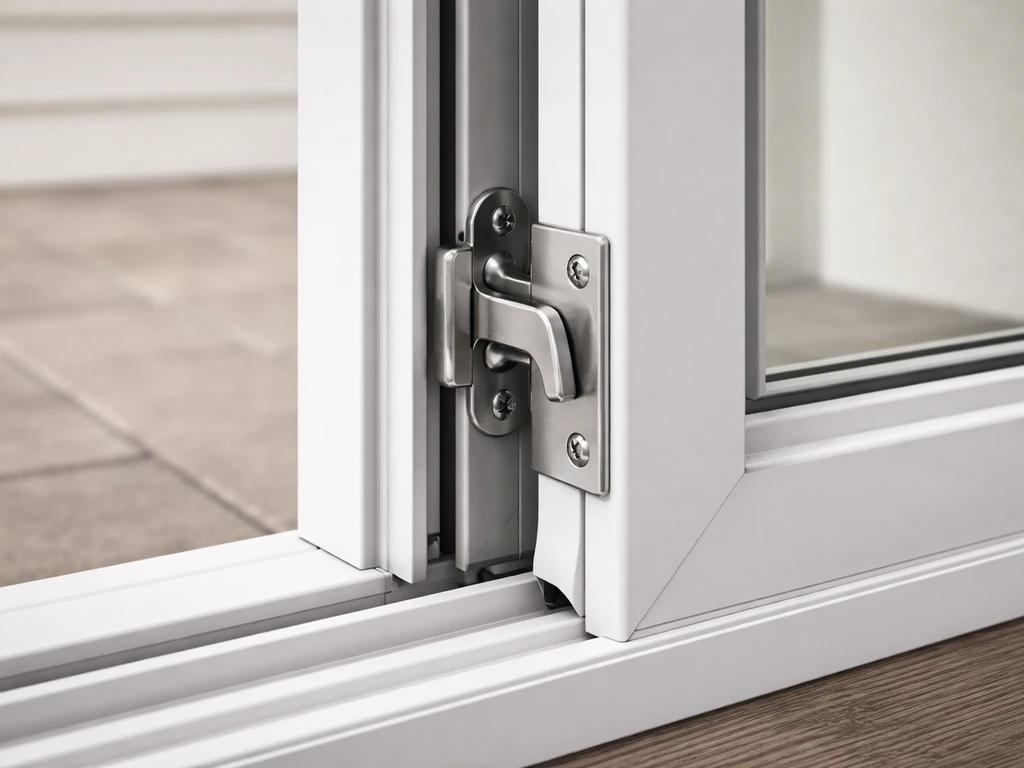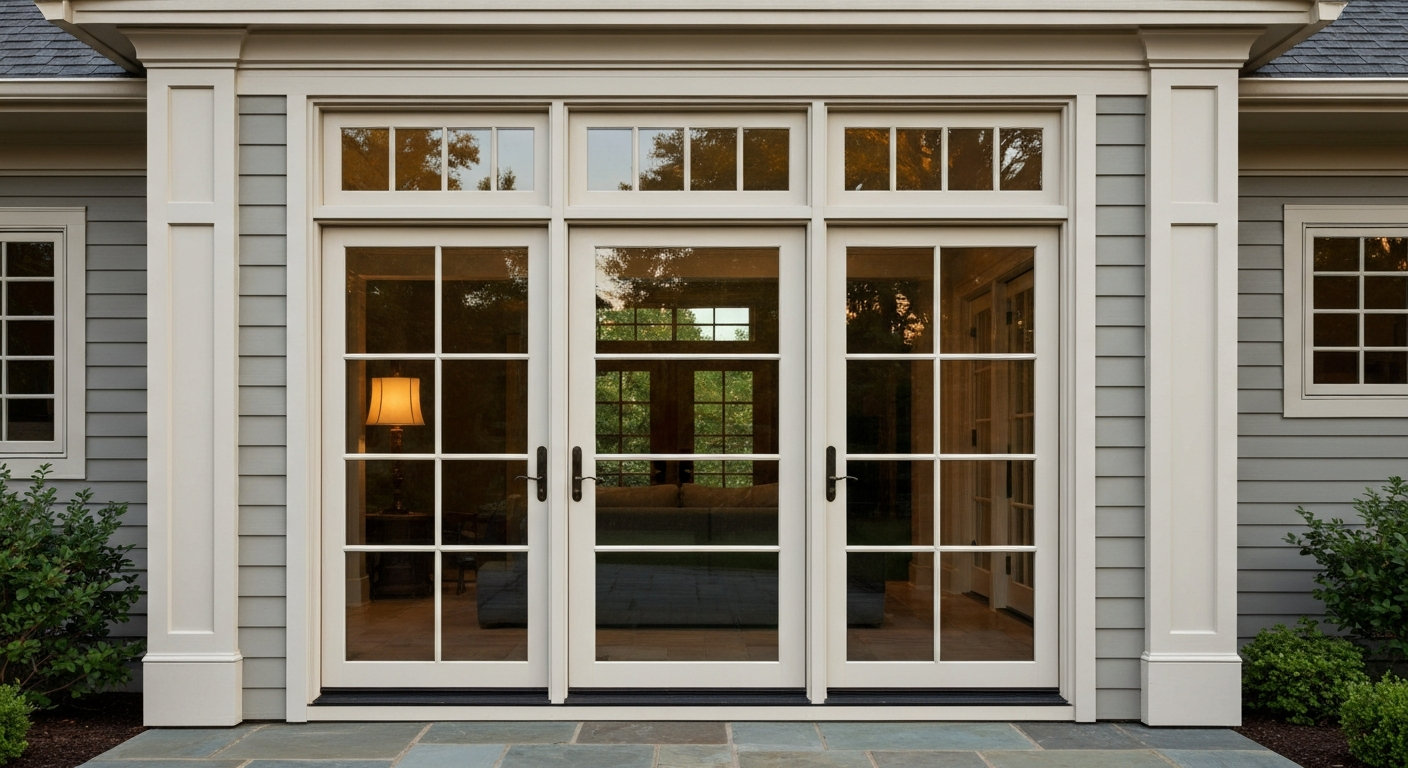
Patio doors are one of the weakest entry points in most homes, and if yours came standard from a builder, there is a real chance a determined intruder could get through it in under a minute. That said, the right door type, combined with the right hardware and a couple of targeted upgrades, can make your patio door genuinely difficult to breach. The most secure patio doors are outswing French doors with multipoint locking systems, reinforced steel or fiberglass frames, and laminated safety glass. But if you already have a sliding door or an inswing French door, you can close most of the gap with smart add-ons that cost under $100.
Best Security Patio Doors: Types, Features, Upgrades
Owen Delaney
22 May 2026
Are patio doors actually secure? (The honest answer)
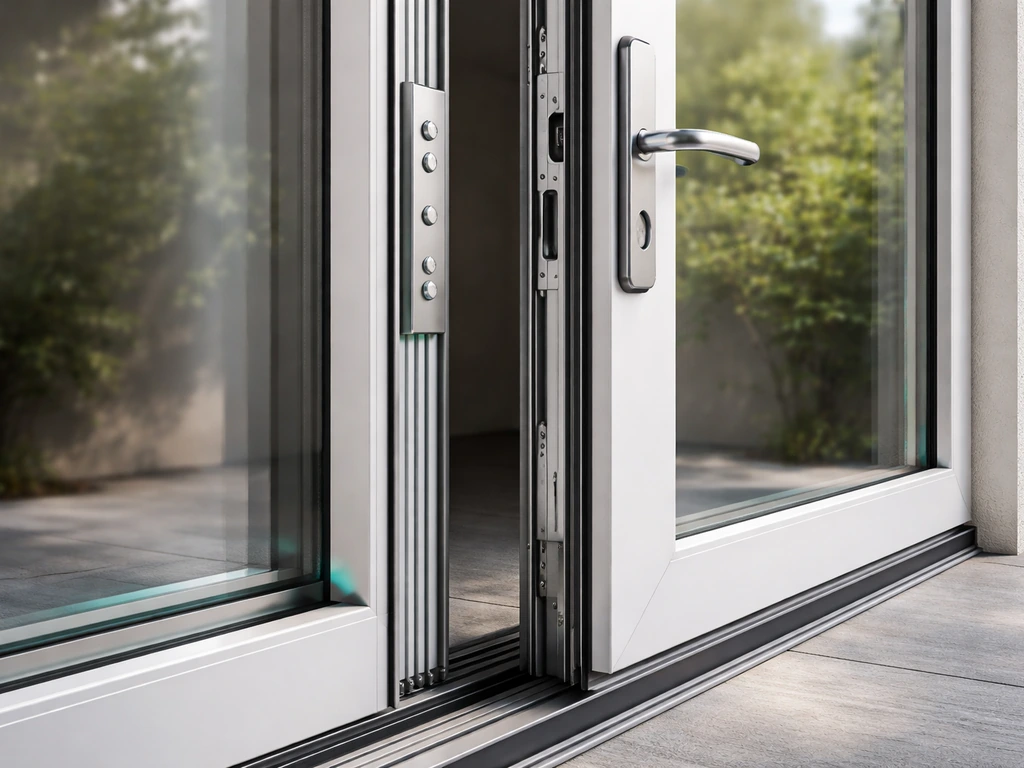
Out of the box, most patio doors are not particularly secure. The Department of Homeland Security's Institute for Home and Business Security specifically flags sliding glass patio doors as 'particularly vulnerable' to break-ins, pointing to weak latches, poor anchoring, and the ability to pry panels away from the frame. The DHS Institute for Home and Business Security notes that [sliding glass patio doors are “particularly vulnerable” to break-ins](https://www. govinfo.
gov/content/pkg/GOVPUB-C13-e8b8c2041770dbb59aaa1c5cc84260df/pdf/GOVPUB-C13-e8b8c2041770dbb59aaa1c5cc84260df. pdf), including prying the door away from the frame and problems with latch/lock and anchoring. Understanding what makes patio doors easy to break into helps you choose and upgrade the right door type for real protection break-ins. Consumer research groups like Twin Cities Consumers' Checkbook echo this, describing standard sliding door locks as 'notoriously flimsy.
' These aren't alarmist takes. They reflect a real design compromise: patio doors are engineered first for large glass panels, smooth operation, and aesthetics, with security treated almost as an afterthought in the base product.
The two most common attack methods are lifting and prying. With a standard sliding door, an attacker can sometimes just lift the panel slightly off the bottom track and tilt it out of the frame, bypassing the lock entirely without breaking anything.
A “How to Lock Out Crime: Home Security , Patio Doors” guide describes a similar sliding patio door lock/latching failure mode where lifting a corner of the panel can let the lock be defeated and the door unhooked lift the panel slightly off the bottom track and tilt it out of the frame, bypassing the lock entirely.
BobVila documents this exact sequence: try lifting first, and if that fails, break the glass near the latch. French doors face different vulnerabilities, mainly around the door meeting point (the astragal) and hinge exposure on inswing models. Bifold doors have the most complex hardware and tend to be the weakest of the three unless specifically reinforced.
The good news is that vulnerability is not destiny. Every single one of these weak points has a known, affordable fix. The key is knowing which door type you are starting with and which fixes actually matter.
How secure is each patio door type?
Security varies dramatically across sliding, French, and bifold doors. Here is a straight comparison across the factors that actually matter for break-in resistance.
| Door Type | Default Lock Strength | Main Vulnerabilities | Upgrade Potential | Overall Security Rating |
|---|---|---|---|---|
| Sliding (single-point latch) | Low | Lift-off track, pry attack, weak latch | High (bars, anti-lift pins, multipoint locks) | Low out-of-box / Medium with upgrades |
| French (inswing) | Medium | Hinge exposure, astragal kick-in, single deadbolt | High (multipoint lock, hinge bolts, door reinforcement) | Medium out-of-box / High with upgrades |
| French (outswing) | Medium-High | Hinge pin exposure if uncapped, astragal gap | High (security hinges, multipoint lock) | High out-of-box / Very High with upgrades |
| Bifold | Low | Panel flex, multiple hinge points, complex latching | Moderate (limited multipoint options) | Low to Medium even with upgrades |
Sliding patio doors
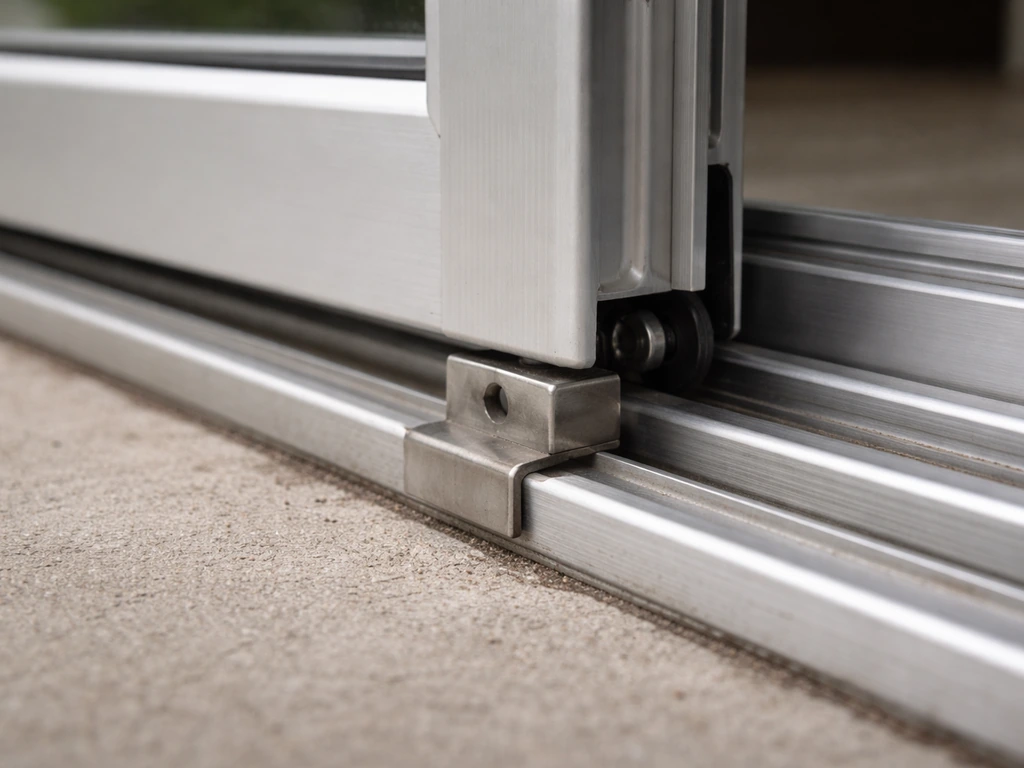
Standard sliding doors rely on a hook-style latch that is easy to defeat. The panel itself sits in a track system that, unless the door has anti-lift hardware built in, allows an attacker to raise it a few inches and pop it free from the outside. The fix, adding anti-lift pins through the top track channel plus a secondary foot lock or security bar along the bottom, costs less than $30 and takes twenty minutes. But a sliding door with only those upgrades is still less secure than a well-configured French door, because you cannot add a true deadbolt to a sliding panel without a custom setup.
French patio doors
French doors, when they swing outward, are the most secure standard patio door configuration you can buy. The door itself opens away from the house, which means a kick or shoulder charge pushes against the frame rather than with it, and the hinges are not accessible from outside. Add a multipoint locking system (which engages bolts at the top, bottom, and center of the door simultaneously) and a reinforced strike plate anchored with 3-inch screws into the framing, and you have a door that is genuinely hard to force. Inswing French doors are weaker because the hinges face outward, but hinge bolts and a door reinforcement kit address this.
Bifold patio doors
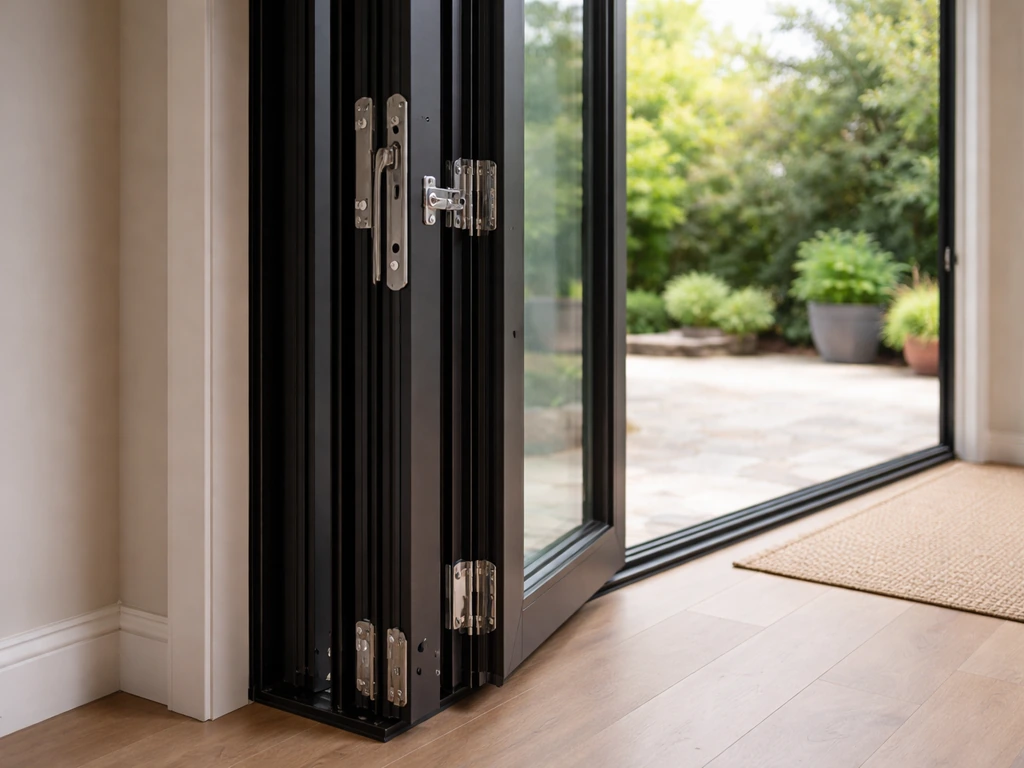
Bifold doors fold in panels and stack to one side when open, which creates a wide, wall-free opening. That flexibility is their appeal, but it is also why they are the hardest to make truly secure. There are typically four to eight panels, each with its own hinge point, and the folding mechanism creates flex in the frame under pressure.
Quality bifold systems from brands like NanaWall or Centor include multipoint top and bottom locking bolts, which help substantially, but they still lag behind a solid French door in raw break-in resistance. If security is your primary concern, bifolds are not the right choice. If you love the open-wall aesthetic and are willing to invest in a premium system with proper multipoint hardware, they can reach an acceptable security level.
What to look for in the best security patio doors
When you are shopping for a new door specifically for security, here are the features that make the biggest difference. Do not get distracted by marketing terms like 'advanced security' unless you can match them to these specifics. If you want the best patio dog door, make sure it still uses strong locking points and a frame built to resist prying.
Locking systems
Multipoint locking is the single most important upgrade in a patio door. A single-point lock engages at one spot, making it easy to lever the door open at the opposite corner. A multipoint system engages simultaneously at three or more points along the door edge, distributing force across the entire frame. Look for systems with a minimum of three locking points and a hook-bolt (rather than a straight deadbolt bolt) design, which resists jacking attempts.
Brands like Andersen, Pella, and Marvin offer multipoint locking as a standard or upgrade option on their premium French and sliding lines. On the French door side, look for a system that locks into the head of the frame and the threshold, not just into the astragal of the other door panel.
Frame materials
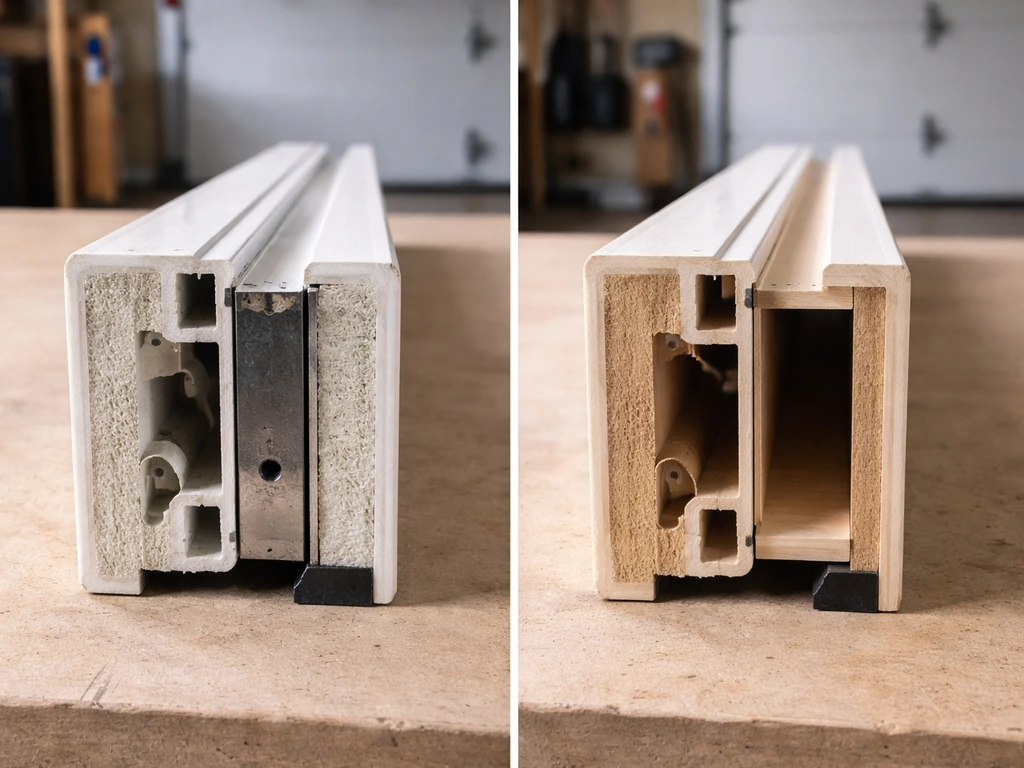
Frame material affects both the door's resistance to prying and its long-term durability. Fiberglass and steel frames are significantly stronger than standard wood or hollow-core aluminum when it comes to resisting forced entry. Fiberglass doors (like Therma-Tru's Smooth-Star and Benchmark lines) combine solid construction with low maintenance. Steel doors are the hardest to deform under a pry attack but can corrode in coastal or humid climates without proper coating. Wood frames look beautiful but require maintenance and are easier to pry than fiberglass or steel. If you live somewhere with significant weather exposure, fiberglass is typically the best overall balance of security and longevity.
Anti-lift and track security for sliding doors
Any quality sliding door for security purposes must have anti-lift protection built into the track or header system. This prevents the panel from being raised out of the bottom track. Look for upper track depth specifications of at least 1 inch and a header channel that physically prevents upward travel beyond the normal operating range. Some manufacturers, like PGT Innovations and CGI (both known for impact-rated products in hurricane zones), build anti-lift hardware directly into their sliding door systems as standard because wind uplift resistance and break-in resistance address the same structural problem.
Strike plates and anchoring
A reinforced strike plate is non-negotiable. Standard strike plates use 3/4-inch screws that anchor only into the door jamb, not the structural framing behind it. A quality security strike plate (like those from Door Armor or Strikemaster II) spans a longer section of the jamb and uses 3-inch screws that reach the structural stud or rough framing. This upgrade alone can increase kick resistance from a few hundred pounds of force to over 1,700 pounds. If you are having a new door installed, explicitly ask the installer to use 3-inch structural screws on all strike plates and hinge plates, not the hardware-included screws.
Glass and glazing: what actually stops someone from just smashing through
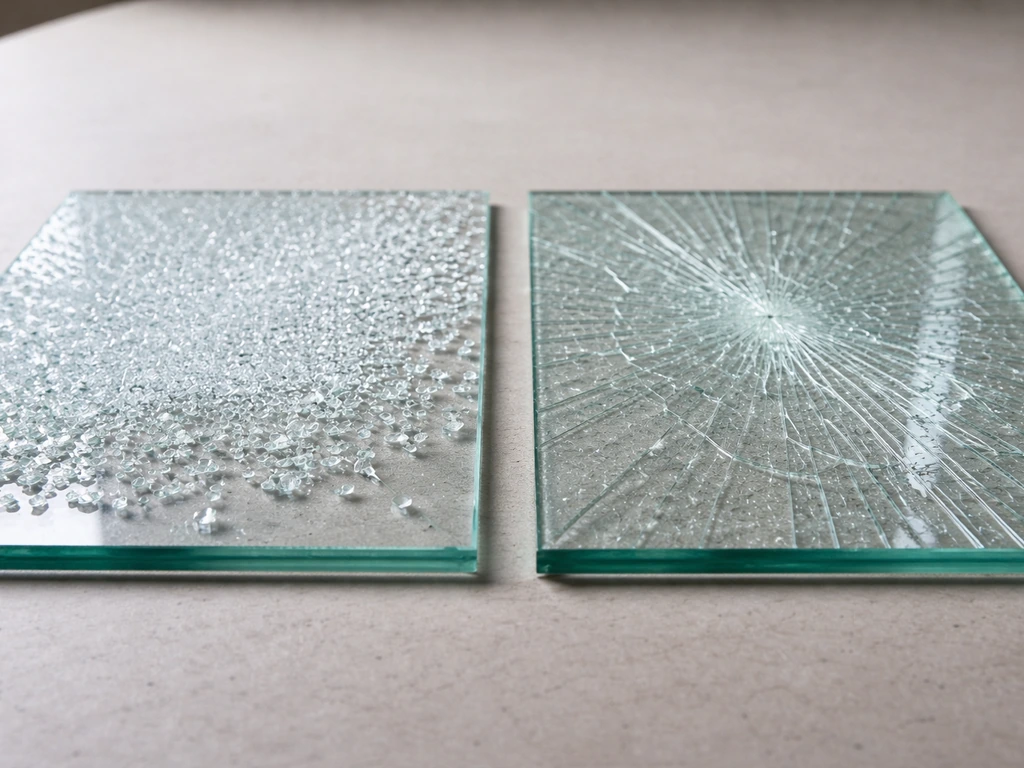
Standard double-pane tempered glass shatters cleanly when struck, which is why the BobVila break-in sequence ends with 'break the glass near the latch.' Tempered glass breaks into small, relatively safe pieces, but it breaks quickly. For genuine security, you want laminated glass or impact-rated glass, which behaves very differently under attack.
Laminated glass has a PVB (polyvinyl butyral) interlayer bonded between the panes. When struck, the glass may crack, but the interlayer holds the pieces together, creating a sticky, irregular surface that is very difficult to punch through quickly and quietly. A standard burglary attempt relies on speed and silence. Laminated glass can withstand repeated hammer strikes, which dramatically raises the time and noise cost of entry. Look for laminated glass rated to ASTM F3561 or the older ANSI/DASMA standards for burglar-resistant glazing.
Impact-rated glass, common in Florida and other hurricane states under codes like Miami-Dade NOA (Notice of Acceptance), is designed to resist high-velocity debris and also provides excellent burglar resistance. If you are in a hurricane-prone area, impact-rated sliding doors from brands like PGT, CGI, or WinGuard solve both problems simultaneously. Outside hurricane zones, asking for laminated glass as an upgrade on any new patio door is one of the most cost-effective security improvements available, typically adding $200 to $500 to the door cost.
If replacing the glass is not in the budget, window security film (rated to at least 8 mil thickness) applied to existing tempered glass significantly slows break-through time. It won't stop a determined attacker indefinitely, but it removes the 'quick smash and reach' option that makes standard glass doors so easy to defeat.
Security upgrades you can do right now on an existing door
You do not need a new door to get substantially better security today. These are the upgrades that make the biggest difference, roughly in order of impact.
- Add anti-lift pins or bolts to a sliding door's top track. Drill a hole at a downward angle through the inner frame channel into the outer channel and insert a bolt or pin. This prevents the panel from being lifted off the track. Cost: under $10.
- Install a secondary foot lock or security bar along the base of a sliding door. A sliding door stopper or adjustable steel bar in the track stops horizontal movement even if the latch fails. Adjustable versions like the Mace Brand Security Bar fit openings up to 59 inches. Cost: $15 to $40.
- Replace the standard strike plate on any French patio door with a heavy-duty security strike plate using 3-inch screws driven into the structural framing. This is the most impactful single upgrade for a French door. Cost: $20 to $50.
- Add a surface-mounted deadbolt or a door reinforcement kit (like the Door Armor Max) to strengthen the area around the existing lock on French doors. Cost: $50 to $150.
- Apply 8 mil security window film to the glass panels. This won't stop breaking, but it makes getting through the glass fast and quietly nearly impossible. Cost: $30 to $80 for a standard door panel.
- Install a door alarm sensor (magnetic contact type) that triggers if the door is opened or the glass is broken. This won't stop entry but eliminates the time advantage an intruder depends on. Most smart home sensors (Ring, SimpliSafe, Wyze) work on patio doors. Cost: $20 to $40 per sensor.
- Add a multipoint lock cylinder to a sliding door if the manufacturer's track allows it. Some aftermarket systems like the Fuhr or Hoppe multipoint locks retrofit onto existing sliding door frames.
If you want to go deeper on any of these, the patio door security bar and patio door stopper options are worth looking at as dedicated solutions for sliding door track security. Similarly, patio door lock upgrades (especially multipoint systems) are covered in detail as their own topic and are worth exploring if you are staying with your existing door for the next few years.
Buying checklist and installation do's and don'ts
If you are buying a new patio door for security, the door itself is only half the job. A high-security door installed poorly is still a vulnerable door. Here is what to verify before, during, and after installation.
Before you buy
- Confirm the door has a multipoint locking system, not just a single-point latch. Ask specifically: how many locking points, and where do they engage?
- Check the glass specification. Ask for laminated glass or impact-rated glass, not just tempered. If the base model is tempered-only, ask for the laminated upgrade cost.
- Verify the frame material. Fiberglass or steel frames are stronger than standard vinyl or wood for forced entry resistance.
- For sliding doors, ask about the upper track depth and whether the system has integrated anti-lift hardware.
- Confirm the door is AAMA 2101-compliant or better for air and water infiltration, as a well-sealed door is also a structurally tighter door.
- Check whether the hinge type (for French doors) includes non-removable hinge pins or security hinges, especially on inswing models.
- Get the rough opening measurement right: standard patio door widths run 60 inches (5 feet), 72 inches (6 feet), and 96 inches (8 feet), with a standard height of 80 inches. Confirm your rough opening with a tape measure before ordering.
During installation
- Verify the installer is anchoring the door frame into structural framing (studs and header), not just into the sheathing or drywall. Ask to see the fastener pattern before it is covered.
- Confirm that all strike plates are installed with screws that are at least 3 inches long and reach into the framing, not just the jamb.
- For sliding doors, check that the panel cannot be lifted more than about 1/8 inch before hitting the upper track stop after installation.
- For outswing French doors, confirm the hinge hardware is tamper-resistant (either non-removable pins or security stud hinges).
- Check door alignment before the installer leaves. Both the active and passive panels of a French door should close flush with even gaps top and bottom. Misalignment creates weak spots and draft gaps.
- Test the multipoint lock yourself. All locking points should engage smoothly with a single handle turn or key operation, with no sticking.
After installation
- Add a door alarm sensor immediately, even if you plan a full security system later.
- For sliding doors, add anti-lift pins and a track bar the same day if not integrated into the door system.
- Test the door from the outside: try lifting the panel, pushing on the frame corners, and applying lateral pressure to the lock side. You should not feel any flex or movement.
- Review the warranty: most reputable brands (Andersen, Pella, Marvin, Therma-Tru) offer limited lifetime warranties on the door system, but glass breakage and hardware are often on separate 10-year terms. Confirm what is covered.
- Schedule a follow-up alignment check in 6 to 12 months, especially in climates with significant temperature swings, as frames can shift slightly during the first heating or cooling season.
The bottom line is that no patio door is burglar-proof, but the gap between a stock builder-grade sliding door and a properly specified outswing French door with laminated glass and a multipoint lock is enormous. If you are replacing a door, spend the extra $300 to $600 on the security upgrades built into the door itself.
If you are staying with an existing door, a $60 to $100 combination of a security bar, anti-lift pins, upgraded strike plate, and a door sensor closes most of the vulnerability. If you want the best patio door stopper, look for a model designed to hold the door firmly and work with your door type. Either way, you are making a meaningful change, not just a cosmetic one.
FAQ
How can I tell if my sliding patio door has real anti-lift protection, not just a basic latch?
Check whether the top track/header includes hardware that physically blocks upward travel of the operating panel (anti-lift pins or a metal stop), and confirm the header/channel depth is at least about 1 inch. If the door can be lifted even slightly from the outside to relieve pressure on the bottom track, you likely need anti-lift hardware added.
Will laminated glass alone make a sliding patio door secure enough?
Laminated glass helps the “smash fast and reach the latch” problem, but it does not stop prying or bypassing weak latches. For meaningful security, pair laminated or impact-rated glass with a properly anchored strike plate and a lock system that resists levering (multipoint where possible).
What is the difference between a security strike plate upgrade and longer screws for the door frame?
A proper security strike plate is designed to span more jamb area and accept structural-length fasteners (commonly 3-inch screws that reach studs or rough framing). If you only use longer screws but keep a weak strike plate design, you may not get the full kick resistance the hardware is meant to provide.
I have an existing sliding door, can I add a deadbolt to the sliding panel?
Usually not in a simple way. Most deadbolts require a rigid, structural mounting location and a door slab that can support the bolt without compromising the track system. In most cases, you get better results by combining anti-lift protection, a security bar or foot lock, and strike plate upgrades rather than trying to retrofit a deadbolt.
Are multipoint locks worth it if my door is a newer model with a stronger single latch?
Multipoint locking is especially valuable because it engages bolts along multiple points, reducing the “lever one corner” advantage. If your door has only one primary locking point, multipoint systems still tend to improve resistance to jacking and twisting, even when the original latch feels solid.
What should I inspect on installation quality if I just paid for a premium French or sliding door?
Verify the door is shimmed solidly at the strike and hinge/reinforcement areas, and confirm structural screws were used where the strike plate and locking hardware attach. Also check that gaps around the meeting point (French astragal area) are tight and consistent, because uneven alignment can create an opening for prying.
Do sensors or alarms replace hardware upgrades for patio door security?
No, they are best as a supplement. Sensors can alert you after an attempt begins, but strong hardware, anti-lift features, and laminated or impact-rated glazing reduce how quickly someone can gain entry, which is what most limits break-in success.
Is a patio door security bar enough by itself for sliding doors?
A security bar can be helpful, especially when it locks into a solid mounting point and prevents track movement, but it typically does not address anti-lift from the outside unless it is paired with proper anti-lift protection. For sliding doors, the most complete “low-cost” approach is bar or foot lock plus anti-lift pins plus an upgraded structural strike plate.
Which is a better choice for security, outswing French doors or inswing French doors, and why?
Outswing French doors are generally stronger because the door moves away from the house when attacked, and hinges are not accessible from outside. Inswing models can be secured, but they need hinge bolts or a door reinforcement kit to address the exposed hinge side.
What should I look for in a door sensor for a patio door, so it does not false-alarm or fail to detect?
Choose one that clearly contacts the moving door leaf when it is fully closed, and test with the door aligned normally and after you engage the multipoint lock. If your frame has tight or shifting tolerances, consider sensors with adjustable placement so they still trigger when the door is locked and settled.
Is weather exposure a factor in choosing frame material for the best security patio doors?
Yes. Steel can corrode in coastal or high-humidity climates if coatings are insufficient, and wood needs ongoing maintenance to stay structurally rigid. Fiberglass often offers the best long-term balance of resistance to forced entry and durability where weathering is a concern.