The best patio dog door for most homeowners is a patio panel insert, specifically something like the PetSafe Freedom Aluminum Patio Panel. It slides into your existing sliding glass door track, requires zero cutting into your actual door, and comes in sizes that fit most standard patio door frames. If you have a French door or a bifold, you're looking at a through-the-door flap insert instead, which is a different install entirely. Getting that choice right upfront saves you a lot of headache, so let's walk through exactly how to match a pet door to your specific setup, measure correctly, seal it properly, and keep it working for years.
Best Patio Dog Door: Sizing, Fit, Security and Install Guide

Owen Delaney
4 Jul 2026
How to choose the right patio dog door type for your door setup
The single biggest mistake people make is buying a pet door before figuring out which installation method actually works with their patio door. There are three main patio door types covered on this site, and each one points you toward a different pet door approach.
Sliding glass patio doors
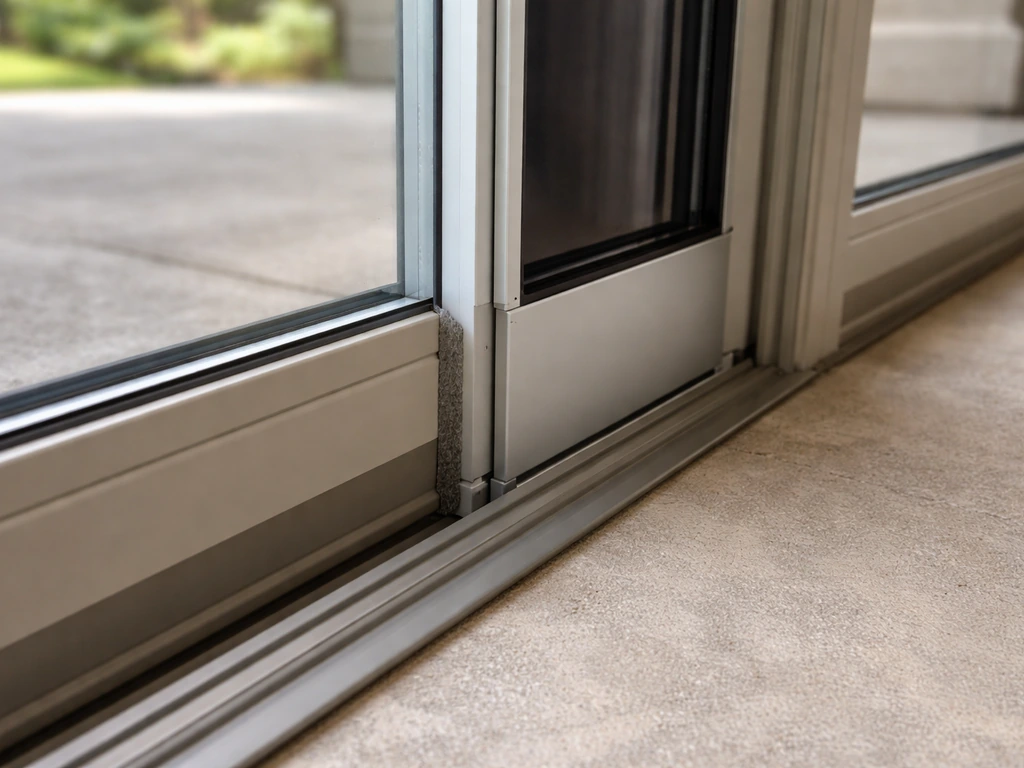
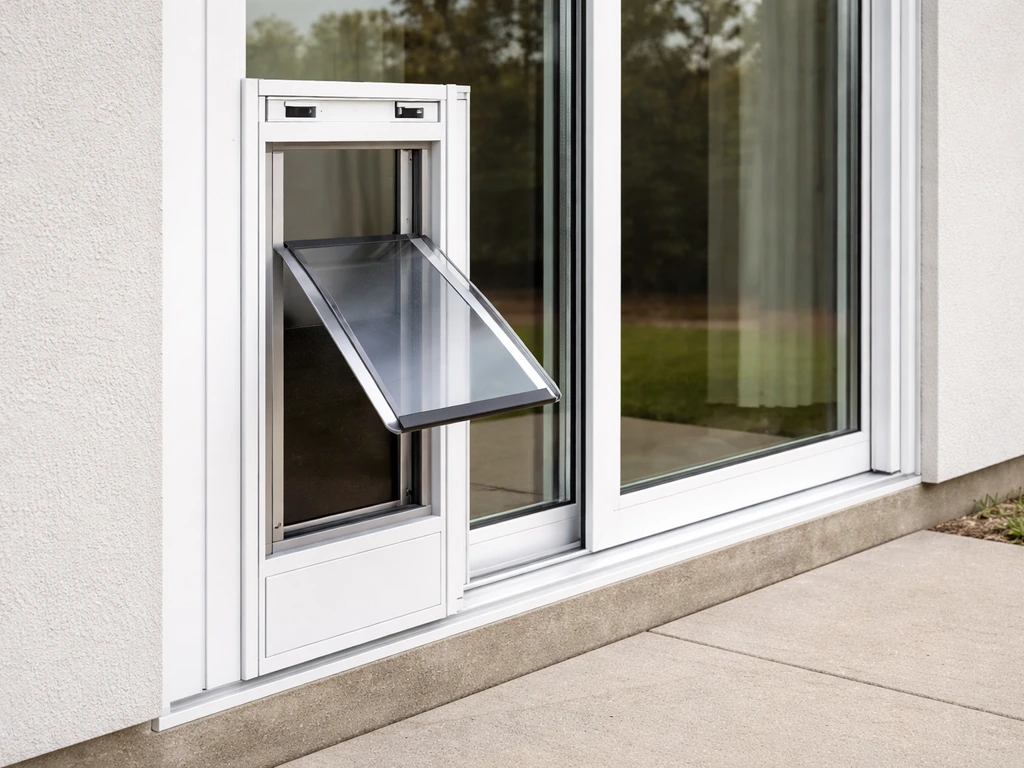
This is the easiest setup for a pet door. A patio panel insert, like the PetSafe Freedom Aluminum Patio Panel, replaces the stationary panel in your sliding door track. You're not cutting into glass or drilling through your door frame. The insert slides in, adjusts to your door height with a telescoping design, and the flap is built right into the panel. It's a retrofit approach, meaning your original sliding door stays completely intact. The trade-off: you lose one panel of glass view and the insert tends to be less thermally efficient than your original door. But for most people, the convenience more than compensates.
French patio doors
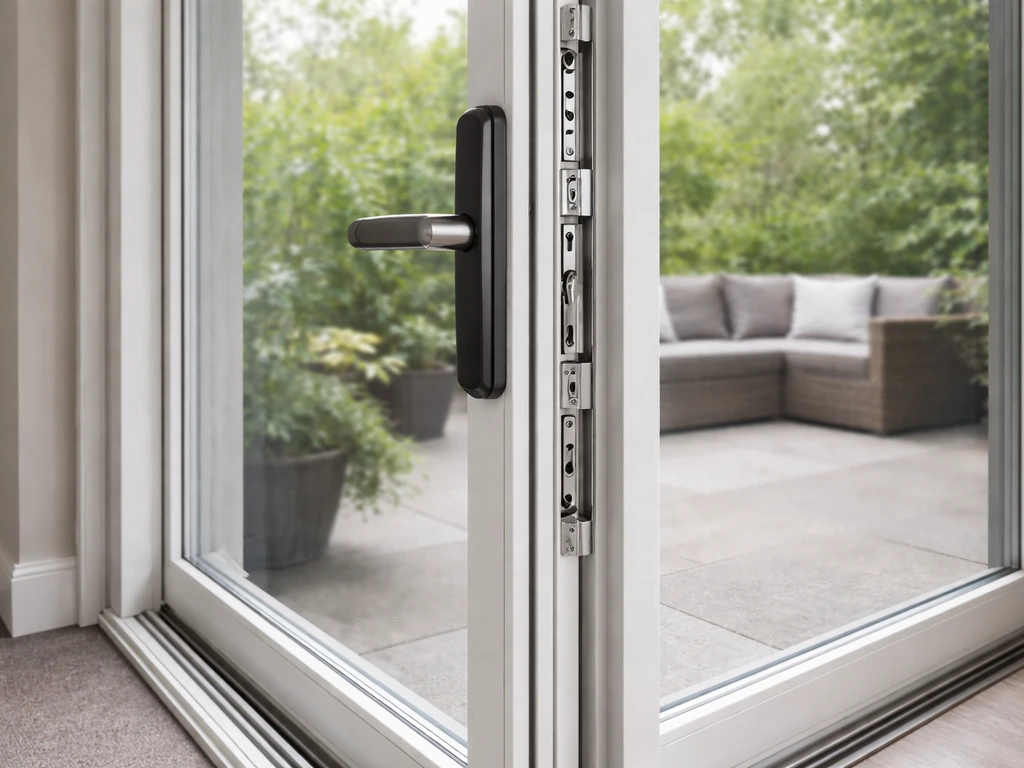
French doors are wood or fiberglass panels that swing open, so you can't use a sliding panel insert here. Your options are a through-the-door flap (cut directly into one of the door panels), or in some cases a replacement door panel with a built-in pet door from the manufacturer. The through-the-door cut is permanent. You're committing to a hole in the door, so measure twice and choose a door panel that's not load-bearing glass. Most French patio doors have a wood or fiberglass bottom rail section that's ideal for a flap cutout. If you're not comfortable cutting into a door you paid good money for, this is the job to hire out.
Bifold patio doors
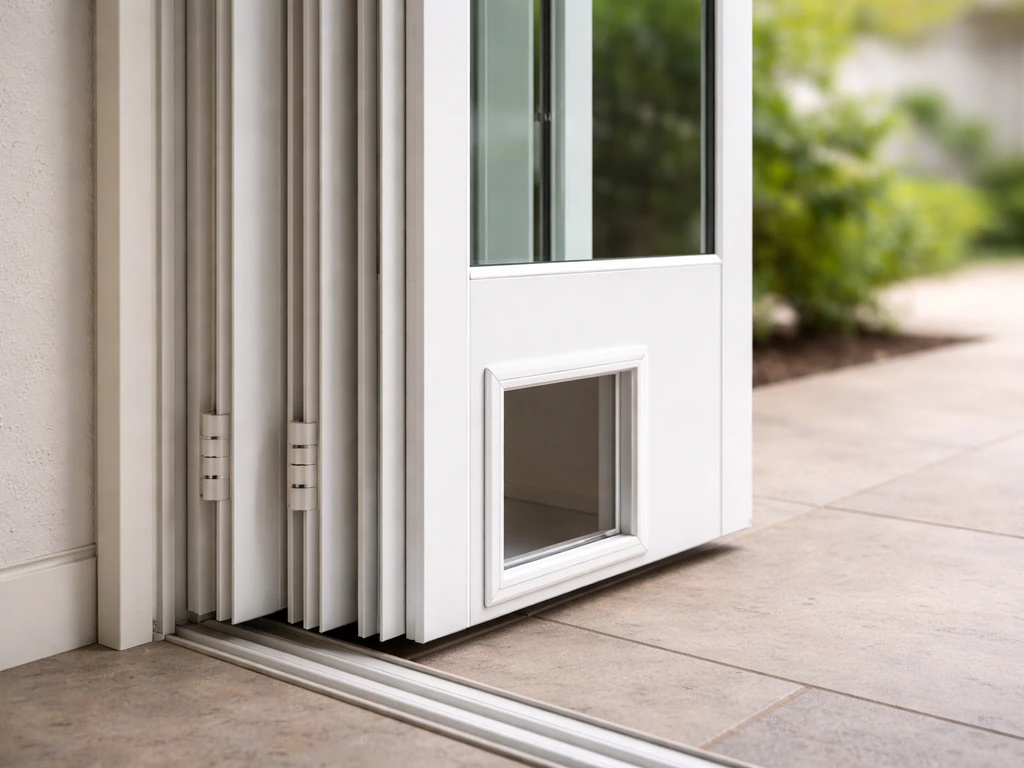
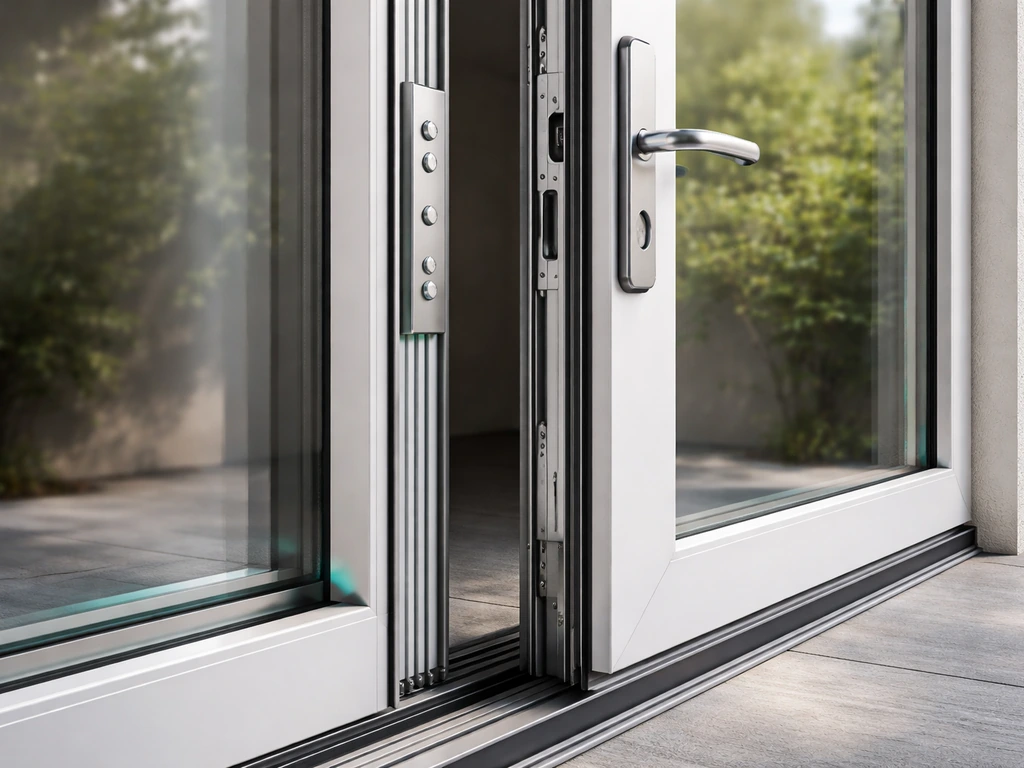
Bifold doors are the trickiest. The panels fold and stack, which means any pet door in the panel itself will be covered or blocked when the door folds open. Most people with bifolds end up mounting a pet door in an adjacent wall section or a sidelight, or they install a separate screen or storm door with a pet flap. True bifold-integrated pet doors are rare and usually custom. If you have a bifold, I'd honestly recommend planning for a nearby wall installation rather than fighting the door itself.
| Patio Door Type | Recommended Pet Door Method | Cutting Required? | Reversible? |
|---|---|---|---|
| Sliding glass | Patio panel insert (e.g., PetSafe Freedom) | No | Yes |
| French door | Through-door flap cutout or replacement panel | Yes | No |
| Bifold | Adjacent wall or screen/storm door insert | Usually yes | No |
Sizing and fitting basics
Sizing is where most DIYers go wrong, and it's almost always because they measured the dog, not the flap opening. The flap opening size is the usable clearance your pet actually walks through, not the outer frame dimensions of the product. These two numbers are meaningfully different, and confusing them leads to a dog that technically fits the box but physically can't get through the door comfortably.
How to measure your dog
- Measure shoulder height: stand your dog on flat ground and measure from the floor to the top of their shoulders (withers). This is your minimum flap height.
- Measure body width at the widest point, usually across the chest. This is your minimum flap width.
- If you have multiple dogs, always size up to fit the largest one.
- Add roughly 2 inches of clearance to both height and width measurements when selecting a flap size, so your dog isn't squeezing through.
The step-over height matters too. That's the distance from the floor to the bottom of the flap opening. A lower step-over is easier on older dogs, dogs with hip issues, and short-legged breeds. When you're mounting a flap in a French door, you control this by choosing where you position the cutout. For patio panel inserts, the step-over is set by the product design, so check the spec sheet before buying.
Measuring your patio door for a panel insert
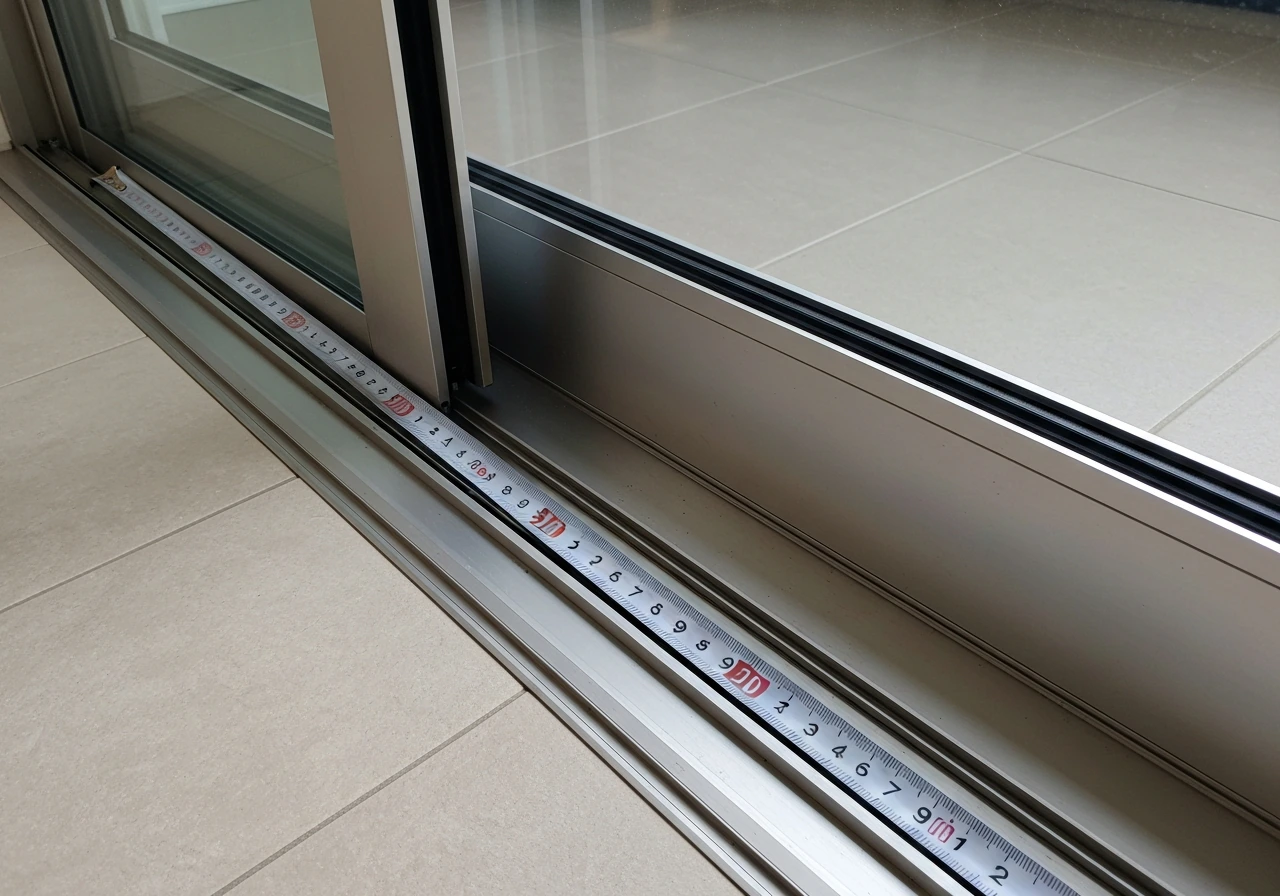
For a sliding-glass patio panel insert, you need two measurements: the height of the door opening from the highest point of the upper track to the lowest point of the lower track (floor of the track), and the width of the stationary panel space you're replacing. Most standard U.S. sliding doors are 80 inches tall, but measure yours specifically because older homes and custom doors vary. PetSafe's Freedom Patio Panel telescopes to fit heights roughly between 77.5 and 96 inches, so anything outside that range needs a different product or a custom solution. When in doubt, call the manufacturer with your exact measurement before ordering.
Cutout clearance for through-door installs
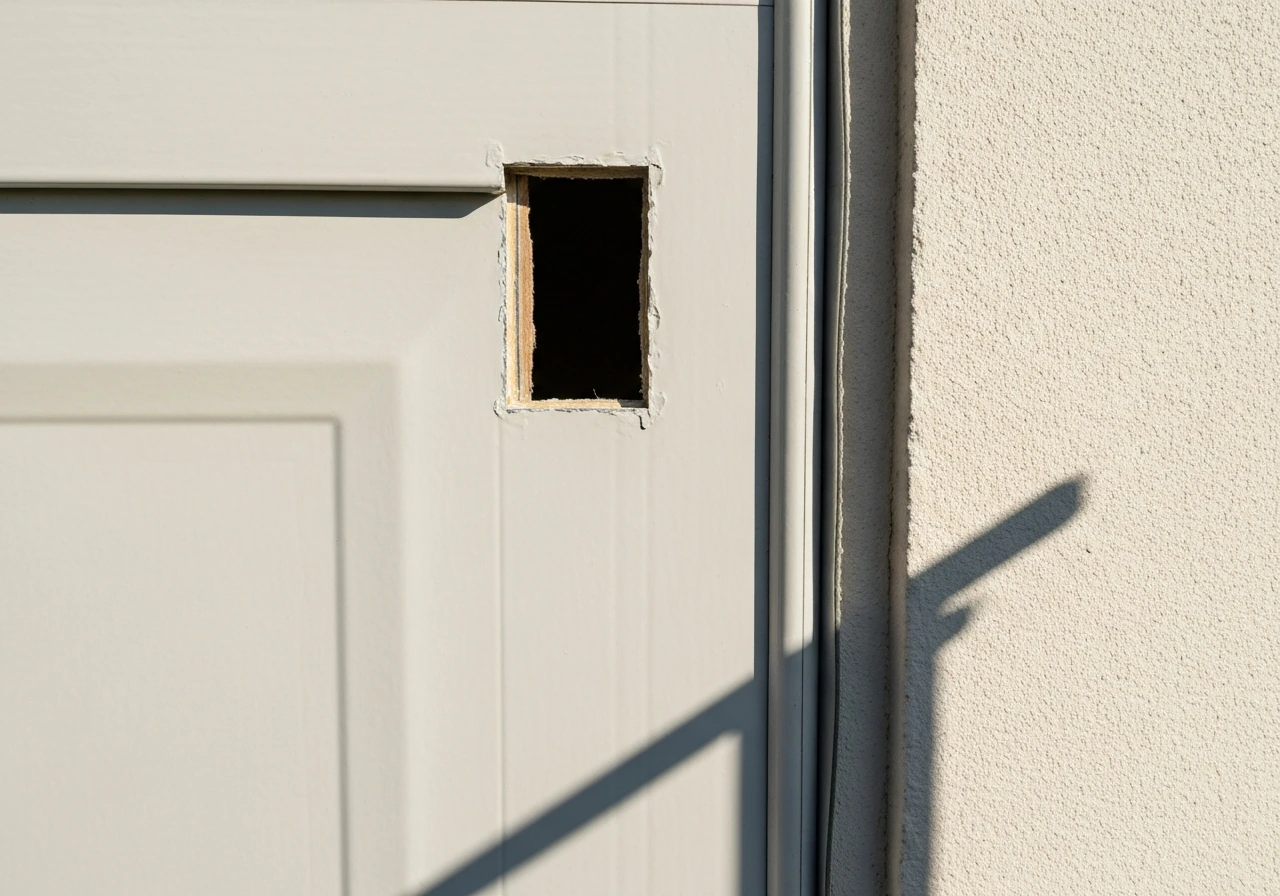
If you're cutting into a French door panel, the product's installation guide will give you a template. PetSafe recommends taping the template directly to the door surface and aligning it to your marked shoulder-height and center lines before you cut anything. The hole you cut needs to match the required opening dimensions, not the flap opening dimensions. These are different: the required opening accommodates the frame and mounting hardware, while the flap opening is the pet's usable space. Follow the template exactly and don't improvise the cutout size.
Material and weatherproofing features to prioritize
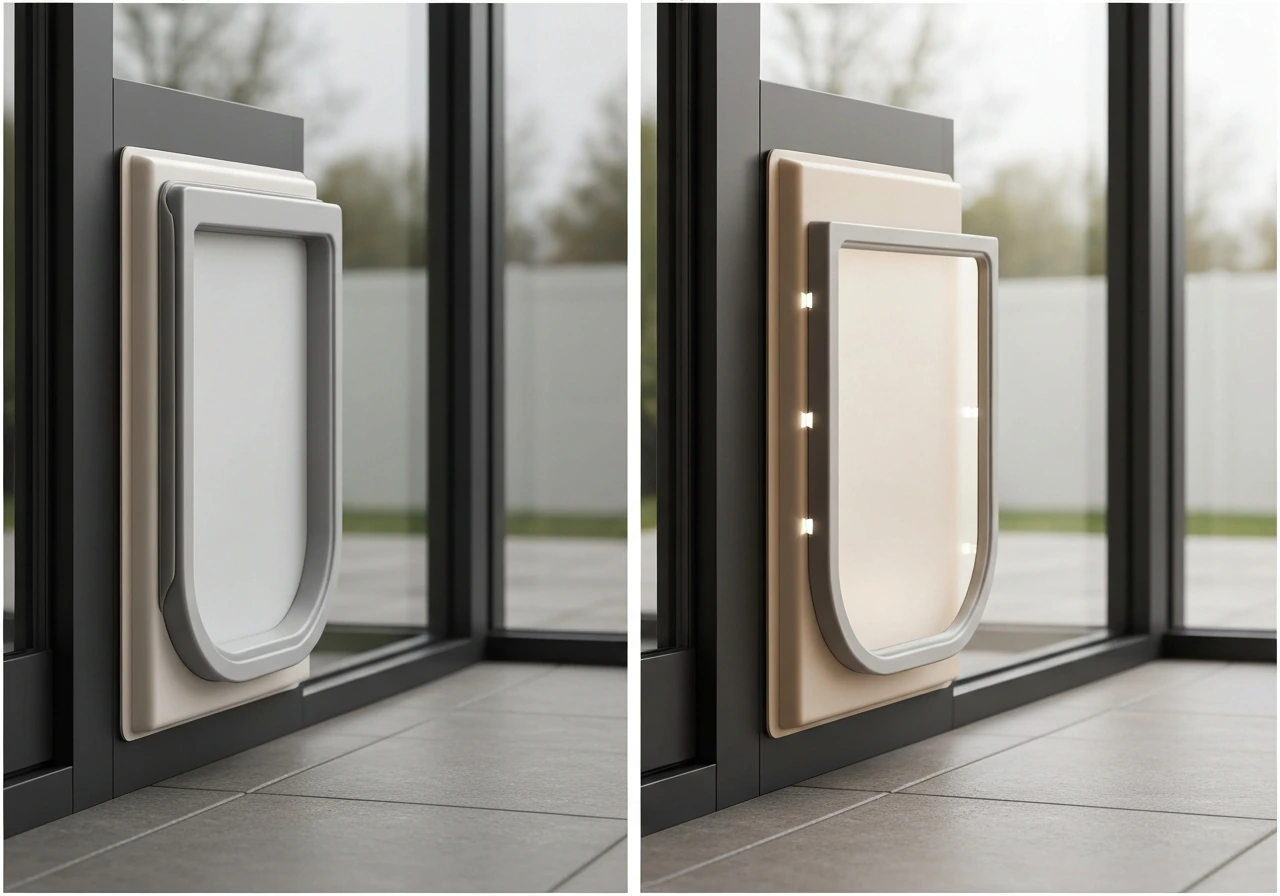
A poorly sealed pet door will turn your patio door into a draft machine. I've seen homes where the energy bill jumped noticeably after installing a cheap pet door with a thin single flap and no weather stripping. Here's what actually matters.
Flap material and construction
Look for a thick, flexible vinyl or composite flap with a magnetic seal at the bottom. The PetSafe Freedom uses a tinted magnetic flap, which snaps closed against the frame and reduces light intrusion and drafts better than a plain vinyl flap. Dual flaps (two flaps with an air gap between them) add meaningful insulation in cold climates. For hot climates, the tinted option also reduces solar heat gain slightly, which matters if your patio door faces south or west.
Weather stripping placement
For patio panel inserts, the biggest air leak point is usually not the flap itself but the junction between the insert panel and your sliding glass door's stationary frame. blank" rel="noopener noreferrer">PetSafe's own install guide addresses this specifically: you apply weather stripping to the front edge of the sliding glass door to create a seal where the insert meets the existing door. Don't skip this step. Users who skip it report noticeable gusts through the stationary-vs-sliding junction, especially in windy conditions.
Screen compatibility
Most patio panel inserts replace the stationary panel entirely, which means your screen door no longer covers that section. If you rely on a screen for ventilation or bug control, look for patio panel inserts that include a built-in screen section alongside the pet flap, or plan to add a magnetic screen to the frame. For many homes, the best patio door stopper choice is one that holds the door securely while still allowing smooth closure. For through-door French door installs, a flap with a built-in screen cover on the exterior side helps keep bugs out when the pet isn't actively using the door.
Closing panel and lockout
A slide-in or drop-in closing panel that covers the flap opening entirely is a must-have feature, not optional. When you go on vacation, travel for a few days, or have a contractor working at your home, you want to physically block the pet door opening. The PetSafe Freedom includes a slide-in closing panel for this purpose. This is separate from the locking flap mechanism, which handles day-to-day access control.
Security, access control, and tamper-proofing
Pet doors and patio door security are closely related concerns, and it's worth thinking about both together. A dog door large enough for a Labrador is technically large enough for a small adult to reach through and manipulate a door handle, or in worst cases, squeeze through. That's not fearmongering, it's just a real consideration worth planning for.
Flap locking options
Most mid-range pet doors include a simple snap-lock or slide-lock on the flap that restricts it to one-way or no-way operation. This is the baseline. If you want more control, electronic and microchip-based doors like the Sure Petcare SureFlap Microchip Pet Door use your pet's microchip (or a provided collar tag) to unlock the flap only for registered pets. This solves the neighbor's cat problem, the wildlife-entering problem, and gives you genuine access control. The trade-off is cost (microchip doors run $100 to $200+ for the unit alone) and a slightly more complex install.
Microchip doors and material compatibility
If you're installing a microchip door like the SureFlap into glass or an aluminum frame, be aware of interference issues. Sure Petcare's own support materials note that conductive aluminum mounting hardware can interfere with the microchip reader, and they recommend using a plastic mounting adapter instead. If you're going into a glass panel, follow the manufacturer's specific guidance for glass installations to avoid sensor malfunction.
Preventing unwanted animal access
Even microchip doors can have gaps if the flap isn't wide enough relative to the tunnel, leaving physical space at the edges where a determined animal can hook claws and force entry. When comparing products, check that the flap width spans the full tunnel opening with a snug magnetic seal around the perimeter, not just at the bottom. This is especially relevant for smaller flap sizes where the proportional gap is larger.
Patio door security beyond the pet flap
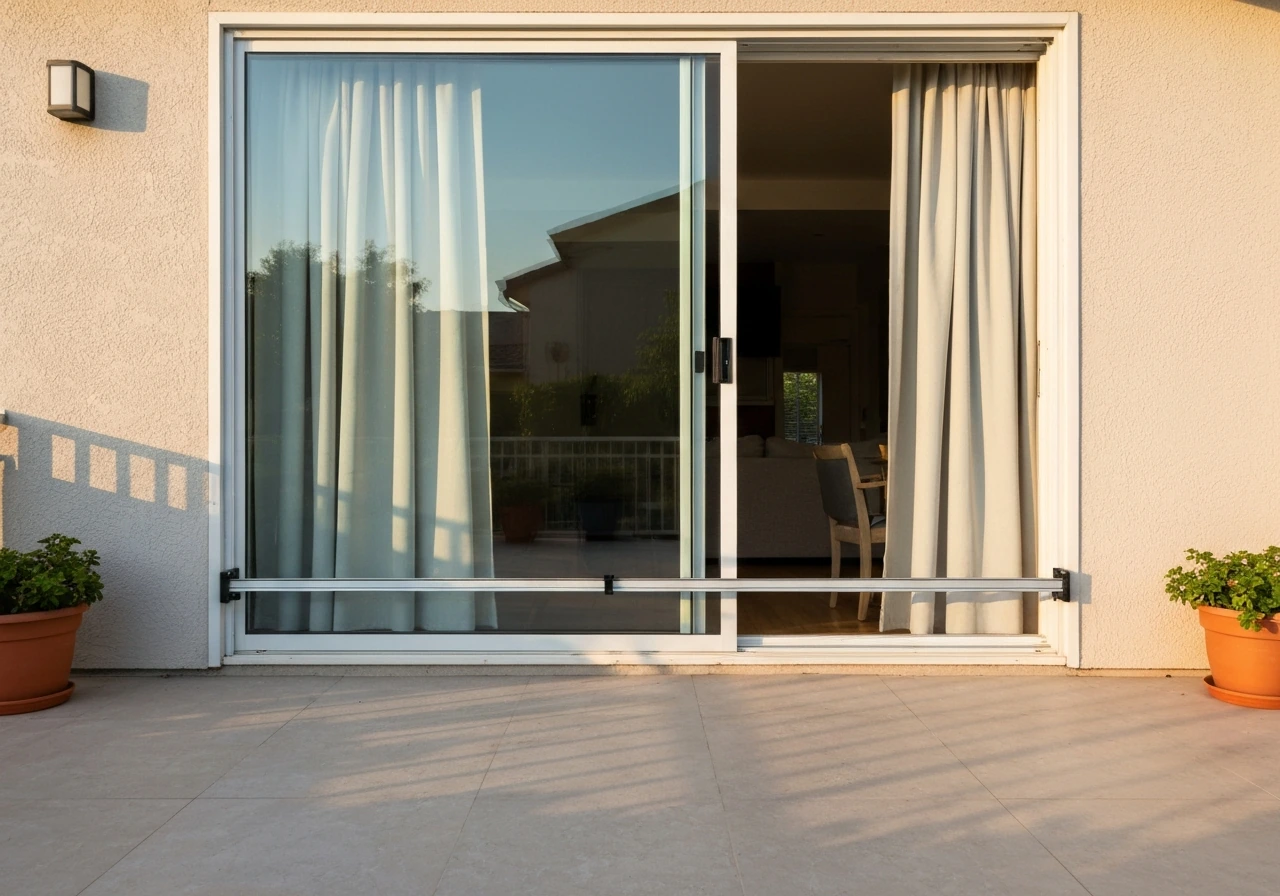
For sliding glass doors with a panel insert, the insert itself reduces the overall glass panel width, which can actually affect how your existing security bar or door stopper fits. If you use a patio door security bar or stopper in the track, re-verify that it still fits correctly after the insert is installed. The insert changes the effective track length, and a bar that used to wedge firmly may now fit too loosely.
This ties directly into broader patio door security, where having the right bar, lock, and stopper setup is what keeps the door secure at night regardless of the pet door. If you're comparing options for the best lock for patio door setups with a pet flap, focus on hardware that can still secure the door reliably even after the insert changes the track fit patio door security.
Installation options: DIY vs. hiring out, and the mistakes people make
A patio panel insert for a standard sliding door is genuinely DIY-friendly. The install is mostly a matter of measuring, sliding the panel into the track, adjusting the telescoping height, and applying weather stripping. Most people complete it in under two hours without special tools. A through-the-door flap for a French door is harder: you're cutting a precise hole in a door panel, which requires a jigsaw, a stable work surface, and confident measuring. If you've never cut into a door before, this is the job where a mistake costs you a door panel replacement, not just a second trip to the hardware store.
DIY feasibility by door type
| Install Type | DIY Difficulty | Tools Needed | Pro Install Recommended? |
|---|---|---|---|
| Sliding door panel insert | Easy | Tape measure, screwdriver, weather stripping | No, unless non-standard track |
| Through-door flap (wood/fiberglass) | Moderate | Jigsaw, drill, level, template | Optional, recommended for beginners |
| Through-glass flap | Hard | Specialty glass cutting tools | Yes, always |
| Wall-mounted (adjacent to bifold) | Moderate to hard | Drill, jigsaw, framing knowledge | Recommended |
Common installation mistakes
- Measuring the outer frame dimensions instead of the flap opening size, leading to a product that's too small for the dog.
- Skipping weather stripping at the panel-to-door junction, creating a persistent draft even with the flap sealed.
- Drilling through the sliding glass door panel by mistake during insert installation. PetSafe specifically warns against this: the drill should never pass through to the other side of the glass.
- Cutting the door opening too large for the product frame, leaving gaps around the mounting collar.
- Not testing the telescoping fit before finalizing installation, causing the panel to sit loose in the track.
- Installing the flap at a height that forces a large step-over, making the pet reluctant to use it.
If you're hiring a pro, a handyman with door experience is usually sufficient for panel inserts and through-wood-door flaps. For anything involving cutting through glass, hire a glazier or a door installation specialist. Expect to pay $75 to $150 in labor for a straightforward panel insert install, and $150 to $300+ for a through-glass or wall-mount job depending on your area.
What it actually costs: a realistic price guide
Pet door pricing has a wide range, and it's driven by four things: size, install method, locking/electronic features, and brand. Here's where the money actually goes.
Product cost by type and size
| Product Type | Size Range | Estimated Price Range | Notes |
|---|---|---|---|
| Basic flap insert (through-door) | Small to large | $30 to $80 | Minimal weather sealing, basic lock |
| PetSafe Freedom Aluminum (flap only) | Small to XL | $80 to $130 | Large listed at ~$105 on Chewy |
| PetSafe Freedom Patio Panel Insert | Standard to large | $120 to $200 | Includes full panel, telescoping frame |
| Microchip door (e.g., SureFlap) | Cat to medium dog | $100 to $220 | Electronic access control, higher install complexity |
| Smart/app-controlled pet door | Medium to XL | $200 to $400+ | Premium features, connectivity |
What pushes prices higher
- Larger flap sizes cost more across every brand, sometimes significantly (a large or XL adds $30 to $80 over a small).
- Electronic or microchip locking adds $60 to $150 over a basic mechanical lock.
- Dual-flap insulated designs for cold climates cost more than single-flap equivalents.
- Patio panel inserts cost more than through-door flaps because they include the full panel structure.
- Professional installation labor ranges from $75 to $300+ depending on complexity.
- Accessories like tunnel extenders (for thick walls), mounting adapters for glass, and replacement flaps add $15 to $60 each.
For most homeowners with a standard sliding glass patio door and a medium to large dog, a total budget of $150 to $250 covers a quality patio panel insert with weather stripping and a basic locking mechanism. If you want microchip access control or a smart door, budget $300 to $500 all-in including installation. That's a reasonable investment for a door feature you'll use multiple times a day for years.
Training your dog, keeping them comfortable, and maintaining the door
Buying and installing the right pet door is only half the job. Getting your dog to actually use it confidently, and keeping the door functioning properly over time, is what makes the investment worthwhile.
Training basics that actually work
The most effective first step is taping the flap all the way up so the opening is clear and unobstructed. This lets your dog walk through without any physical resistance from the flap, building a positive association with the opening itself. Once they're comfortable with that, gradually lower the flap in stages over several days, letting them push through a little more resistance each time. The AKC is clear on this: never push your dog through the door or scold them for hesitating. That creates anxiety and makes the whole process longer, not shorter. Work at the dog's pace, use high-value treats at every successful pass-through, and keep sessions short.
The step-over height plays a big role in adoption. If your dog is visibly hesitant even with the flap up, double-check that the bottom of the opening isn't too high for them to step over comfortably. Older dogs and dogs with joint issues are especially sensitive to this. A step-over that's too high is often the hidden reason a dog refuses a door that technically fits them.
Ongoing maintenance to prevent leaks and wear
- Check the magnetic flap seal every few months for debris, pet hair, and warping. A flap that doesn't close flush creates a consistent draft and lets rain in.
- Re-examine weather stripping at the panel-to-door junction each spring and fall. Cold winters and hot summers cause materials to compress and lose their seal.
- Clean the flap surface with mild soap and water. Avoid solvents that degrade vinyl or strip magnetic coatings.
- For electronic doors, check battery levels monthly and test the sensor response to your pet's microchip or collar tag quarterly.
- Inspect the telescoping frame (for panel inserts) for loosening screws or slight shifts in the track, especially after seasons with temperature extremes.
- Replace worn flaps as needed. Most brands sell replacement flaps individually, and swapping a flap is much cheaper than replacing the whole unit.
Access control habits for long-term use
Use the closing panel or lockout mechanism consistently when you're away for extended periods, overnight, or when you're not able to supervise your pet's outdoor access.
PetMD specifically recommends using a cat door with a locking feature to prevent your cat from going outside when you do not want her to and to help reduce the risk of other animals entering while you are not supervising Use the closing panel or lockout mechanism consistently when you're away for extended periods, overnight, or when you're not able to supervise your pet's outdoor access. .
A locked pet door also prevents neighborhood wildlife and other animals from entering. If you have cats as well as dogs, a microchip or collar-tag door lets you set independent access rules for each pet, which is worth considering if one animal is allowed outside and another isn't.
My top recommendations and your next steps
For most homeowners with a sliding glass patio door, the PetSafe Freedom Aluminum Patio Panel Insert is the best starting point. It's non-destructive, well-weatherproofed, available in sizes that fit most standard door tracks, and priced reasonably (around $120 to $200 depending on size). If you need microchip access control, add the SureFlap Microchip Pet Door to your shortlist, keeping in mind the plastic adapter requirement for glass or aluminum frame installs. For French door owners comfortable with cutting, the PetSafe Freedom Aluminum through-door flap is the matching product in the same line.
Here's what to actually do today. First, measure your dog's shoulder height and chest width, then add 2 inches to each. Second, measure your patio door opening height (track-to-track for sliding, door panel dimensions for French). Third, check whether your existing security bar or stopper will still fit after a panel insert changes your track dimensions. A good patio door security bar also helps with tamper resistance and adds peace of mind when you are home or away. Fourth, decide whether you want basic mechanical locking or microchip/electronic access. With those four things in hand, you can narrow to the right product, confirm sizing on the manufacturer's chart, and order with confidence.
FAQ
What exact measurements should I double-check if my dog fits the flap box size but hesitates at the door?
Recheck the step-over height and the usable flap opening width, not the outer frame dimensions. If your dog pauses with the flap up, the bottom of the opening may be too high or the flap may sway and brush their legs. Test with the flap taped fully open, then gradually lower it, watching for hesitation right as the flap touches their chest or shoulders.
Should I measure my dog in a standing position or while they are moving toward the door?
Measure in a standing, natural posture for shoulder height and chest width, then consider your dog’s typical approach. Some dogs stretch forward, so if you are between sizes, choose based on chest width clearance and prioritize a flap opening that leaves a little extra room rather than barely fitting their widest point.
Do I need weather stripping on top of what the pet door kit includes?
Often the kit handles the flap seal, but the critical leak point for sliding panel inserts is where the insert panel meets the stationary frame. Plan to add or correctly position the weather stripping at that junction exactly where the manufacturer specifies, because skipping it can create drafts even if the flap itself seals well.
How do I tell if my patio panel insert is sealed correctly after installation?
After installation, inspect the front edge where the insert meets the stationary frame and confirm the sealing surfaces are fully contacted with no gaps. On a breezy day or with a light source, look for visible light leaks around the junction, and feel for air movement near the seam. If you have a magnetic closing panel, verify it sits flush when fully engaged.
Can I reuse my existing screen, or will the patio panel insert block it permanently?
A panel insert that replaces the stationary glass panel typically removes that section of screen coverage, so your original screen may no longer cover the full opening. If bug control matters, look for a panel insert option with a built-in screen section or plan to add a magnetic screen to the remaining frame area.
What should I do about patio door stoppers or security bars that no longer fit after the insert?
Re-test fit after installing the insert, because the effective track length and panel position change. If your stopper bar now feels loose, readjust to a fresh contact point rather than forcing it, and ensure the bar can still fully secure the door with the closing panel in place when you want maximum tamper resistance.
Is a magnetic flap enough for security, or do I need a separate lockout panel and mechanical lock?
Magnetic closure mainly improves sealing and convenience, it does not replace a lockout feature when you are away. If your kit includes a slide-in or drop-in closing panel, use it consistently for nights, vacations, or unsupervised periods. Pair that with the product’s mechanical or electronic locking for day-to-day access control.
My dog is small, can I use a smaller flap size without risking gaps at the edges?
Smaller flaps can increase edge gaps if the tunnel opening is larger than the flap’s effective seal area. Compare how well the flap width and perimeter seal cover the tunnel opening, and prioritize models that seal snugly around the perimeter, not only at the bottom. If you see daylight at the sides when the flap is closed, that’s a sign to size up or choose a different seal design.
Will a microchip pet door work reliably if I install it in an aluminum frame or metal hardware area?
Microchip readers can be affected by conductive mounting materials. Use the manufacturer-recommended adapter or mounting method for aluminum, and avoid improvising with metal standoffs or hardware that the manufacturer does not specify. If your kit does not include the correct adapter, get it before installing.
What’s the safest way to position a through-the-door flap in a French patio door?
Follow the provided template and align to the indicated center lines and shoulder height marks, because the hole size is for the required opening and mounting hardware, not the pet’s usable flap opening. Also confirm the section you are cutting is appropriate for the door type, commonly near an ideal bottom rail area rather than any load-bearing or critical structural portion.
How much time and what tools should I plan for with a sliding patio panel insert?
Plan for under a couple of hours in most cases, but the time is driven by measuring accuracy and sealing. Typical needs are measuring tape, a level, and cleaning supplies for sealing surfaces. You should also budget time to test the flap travel and closing panel engagement after weather stripping is applied.
When is it better to hire someone rather than DIY, even for a sliding panel insert?
Hire a pro if your existing track is out of level, damaged, or has irregular wear that makes alignment difficult. Also consider help if you are uncomfortable verifying seal contact around the stationary junction, because that area is the common source of drafts and long-term leakage issues.
What should I do first if my dog refuses to use the door even after the flap is taped up?
Keep sessions short and reward successful movement through quickly. If the dog still refuses, reassess step-over height by comparing hesitation points, even if the dog technically fits the flap opening. You can also try placing high-value treats just inside the opening and gradually shifting them outward without lowering the flap yet, so the positive association forms with the tunnel first.
How do I manage access for multiple pets with different rules?
If you have dogs and cats, microchip or collar-tag electronic doors let you set independent access. Confirm that the electronics support multiple registered pets in the same unit, and keep the collar tags properly charged or the registration updated so cats do not bypass through gaps when you close the flap.