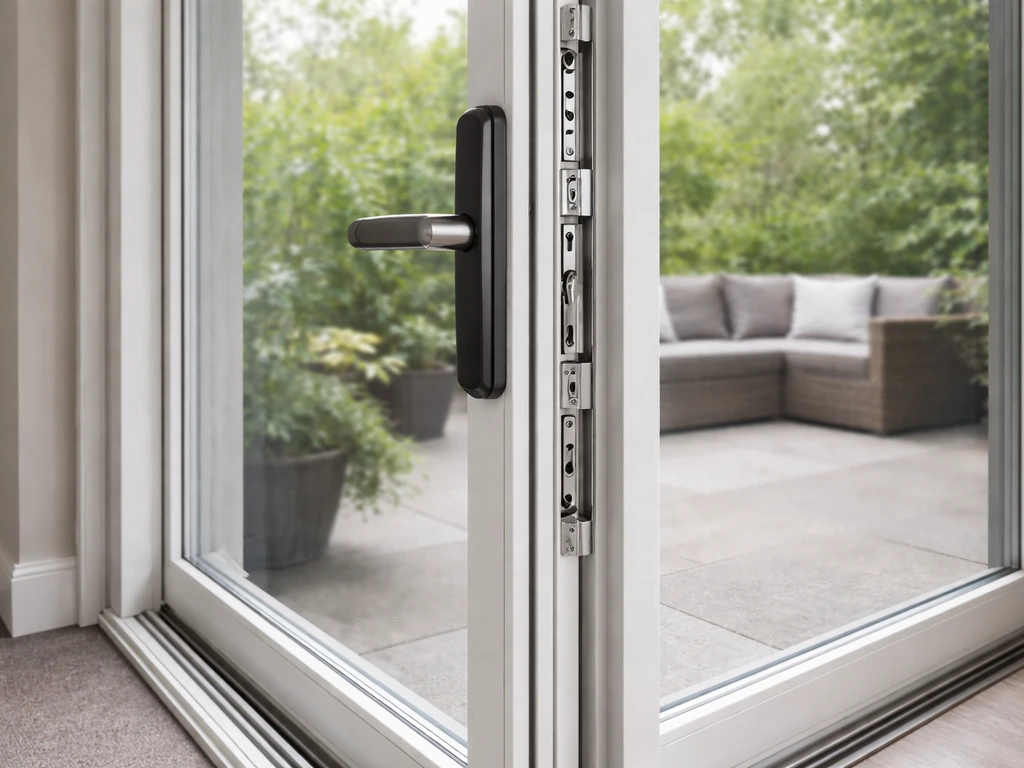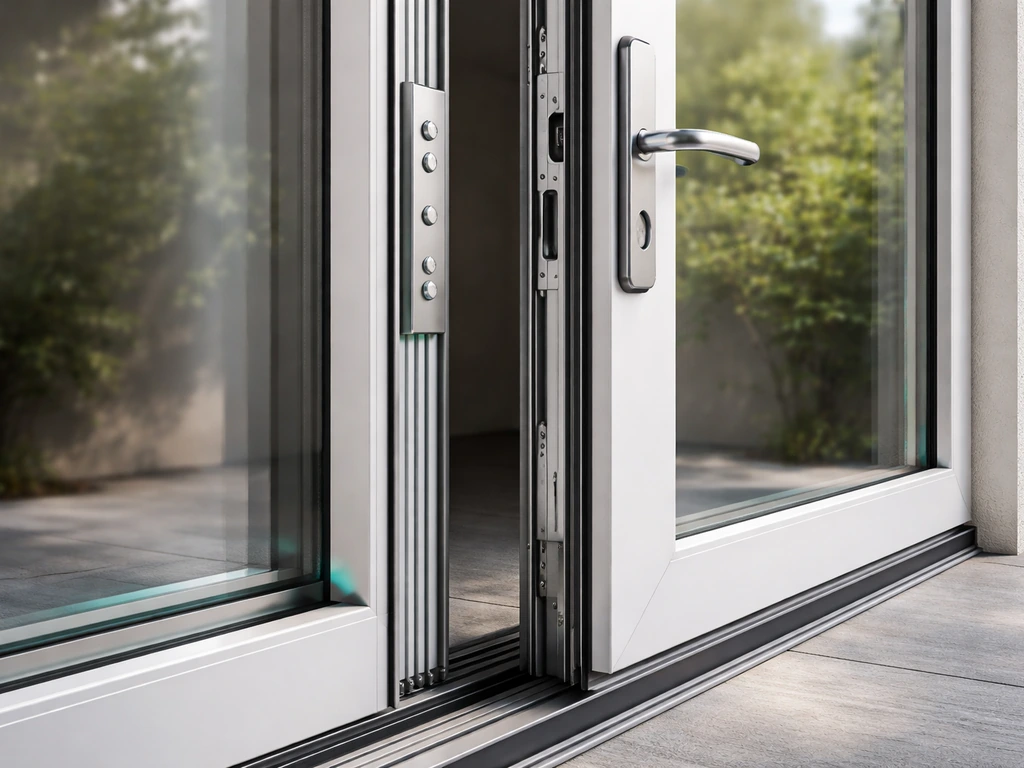
The best patio door security bar for most sliding door setups is the Ideal Security SK110, which adjusts from 25. 75 to 47. 5 inches, screws directly into the frame, and includes a built-in anti-lift lock so the door can't be pried up and out of its track. If your opening is wider or you want a budget-friendly option, the SecurityMan SECURITYBARPC covers 18.
Best Patio Door Security Bar: Top Picks and Install Guide

Owen Delaney
26 Jun 2026
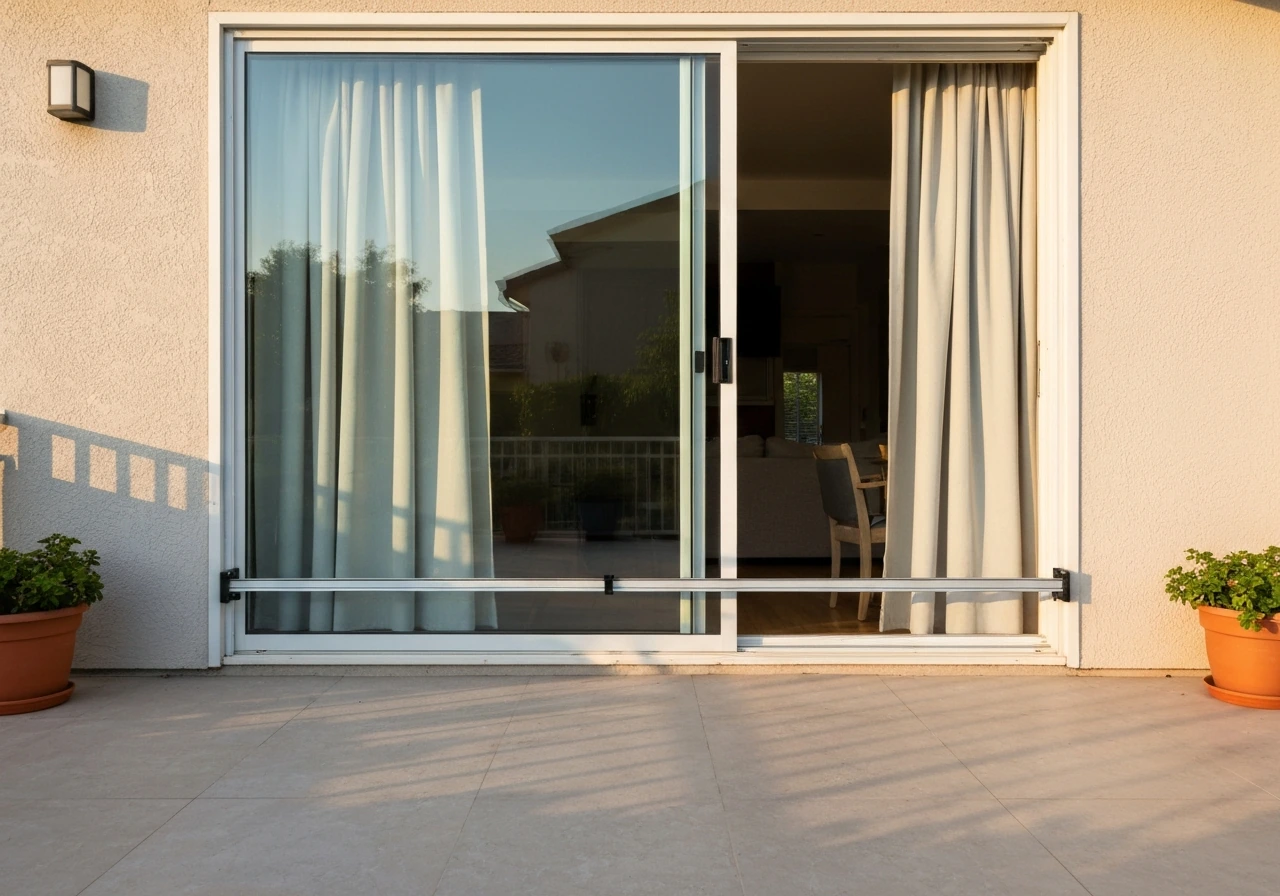
75 to 51. 1 inches and works similarly. But a bar alone isn't always enough: [police guidance from both ProtectUK and the NPSA recommends at least three locking points plus an anti-lift device on any sliding patio door. ](https://www.
protectuk. police. uk/print/pdf/node/656) That means pairing a track bar with a secondary lock (or multipoint hardware) gives you genuinely layered protection, not just a stick in a rail.
Security bar vs. security lock: which one do you actually need?
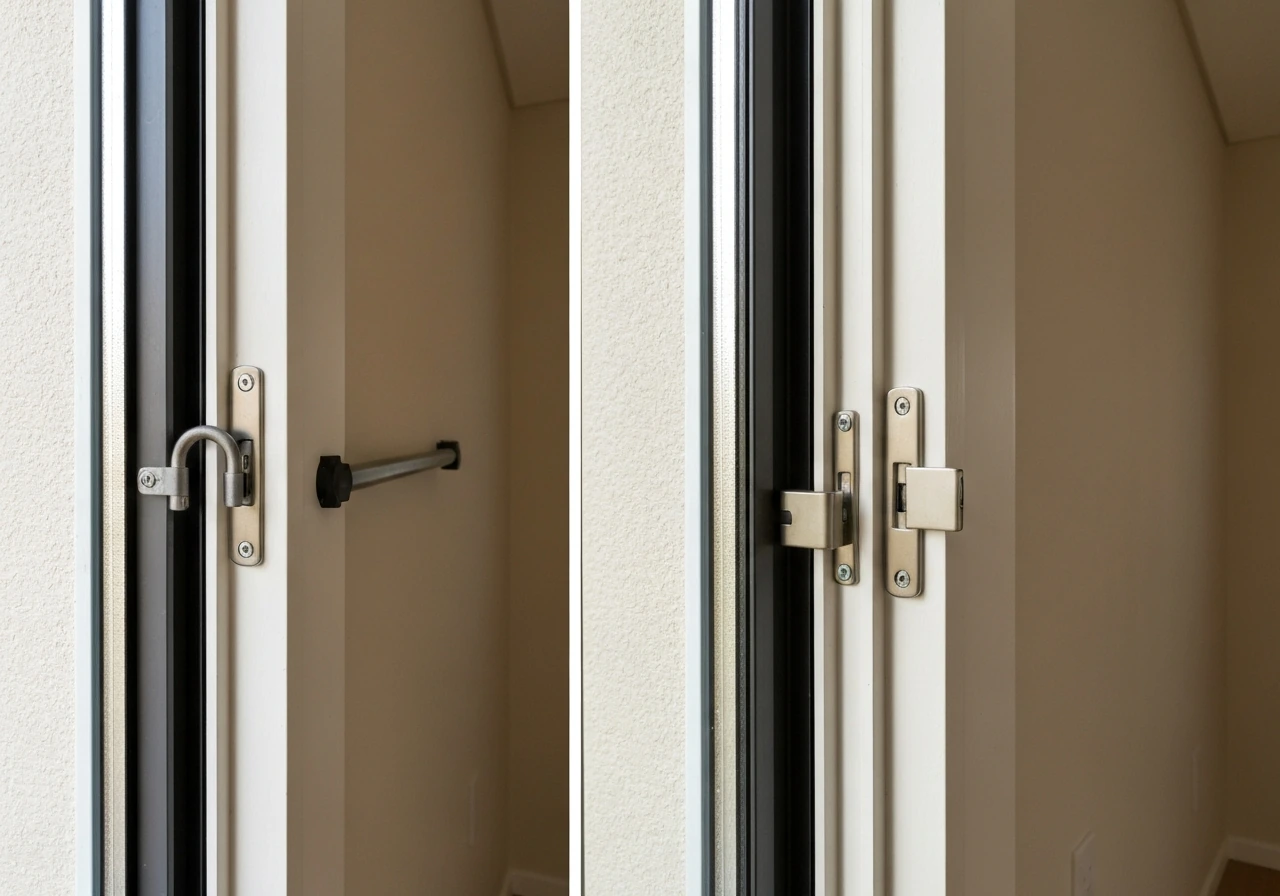
People search for both 'security bar' and 'security lock' for patio doors, and they're solving slightly different problems. A security bar physically blocks the door from sliding open, even if someone bypasses the latch entirely. A security lock (like a multipoint lock or an auxiliary deadbolt) reinforces the latch mechanism itself so the door can't be forced, pried, or picked. The honest answer is you need both, because sliding patio doors face two distinct attack vectors: latch bypass (someone jiggling or prying the handle side) and lift-out (lifting the door panel off its bottom track and pulling it free). A bar stops the slide. An anti-lift device or anti-lift bolt stops the lift-out. A quality lock stops the pry.
For French patio doors, the calculus shifts. You don't have a sliding track to bar, so you're relying on multipoint locking hardware like the Truth Hardware Sentry system, which secures the door at multiple points simultaneously as you turn the handle. Bifold doors are the trickiest: they fold rather than slide straight, so most standard bars don't fit, and you'll want hardware-level multipoint locks plus hinge reinforcement. If your door is a standard sliding glider (the most common residential type), a bar plus anti-lift covers your two biggest vulnerabilities.
Bottom line on the bar vs. lock question: if you have a sliding patio door, start with a bar that has an integrated anti-lift lock (like the Ideal Security SK110), then layer on a secondary pin lock or Charlie bar at the top of the frame. Next, consider pairing that bar with a dedicated patio door security lock to further reduce the chance of latch bypass or forced entry.
If you have French doors, skip the bar entirely and focus on multipoint lock hardware and a solid deadbolt. If your door already has decent lock hardware and you just want a quick, low-cost reinforcement, even a simple keyed patio door pin lock or a Patio Door Guardian insert adds real resistance.
Quick compatibility check before you buy anything
Before ordering, spend five minutes checking three things: your door type, your track width, and what hardware you already have. Get these wrong and you'll be making a return trip to the hardware store.
Door type
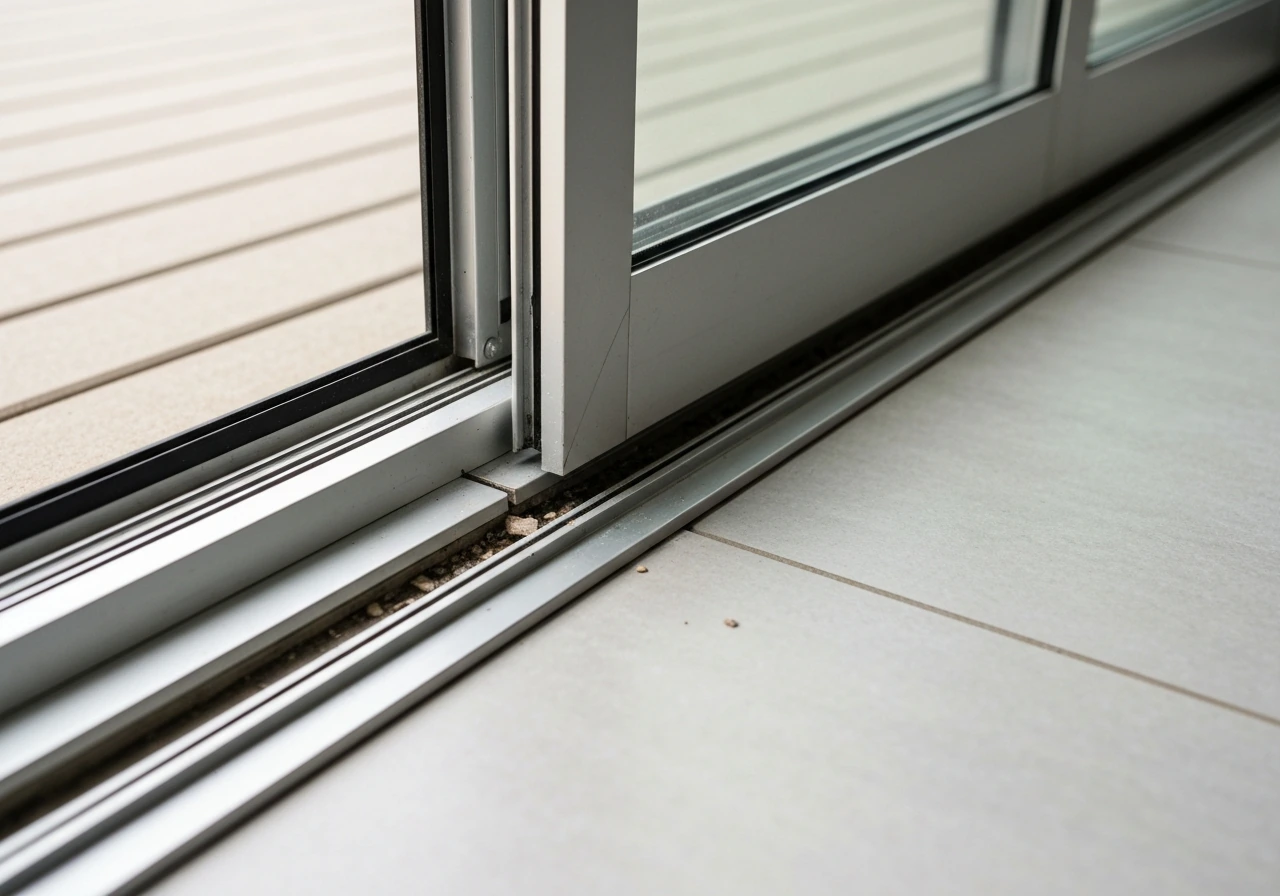
Sliding patio doors (sometimes called gliding doors) are by far the most common and are what most security bars are designed for. Pella’s patio door guide also identifies sliding patio doors as one of the common patio door styles homeowners encounter Sliding patio doors (sometimes called gliding doors) are by far the most common. French-style hinged patio doors swing on hinges and need lock-based solutions, not bars. Bifold and multi-slide doors have segmented panels and usually require hardware-specific solutions from the door manufacturer. If you're not sure what you have, look at how the door moves: does it slide horizontally in a track (sliding), swing open on a hinge like a regular door (French), or fold into accordion-style panels (bifold)?
Frame and track condition
Check your sliding door's bottom track for debris, warping, or gaps. If the track is damaged or the door wobbles when you lift it slightly, that's a sign anti-lift blocks may be missing or worn, which is exactly the condition that makes the lift-out attack easy. Also check the door material: vinyl and aluminum frames accept screws differently than wood frames, and some bars specify frame type compatibility. The Ideal Security SK110 and SecurityMan SECURITYBARPC both screw into the frame (not just pressure-mount), which matters because a bar that's only held in by friction can be defeated with enough lateral force.
Existing lock hardware
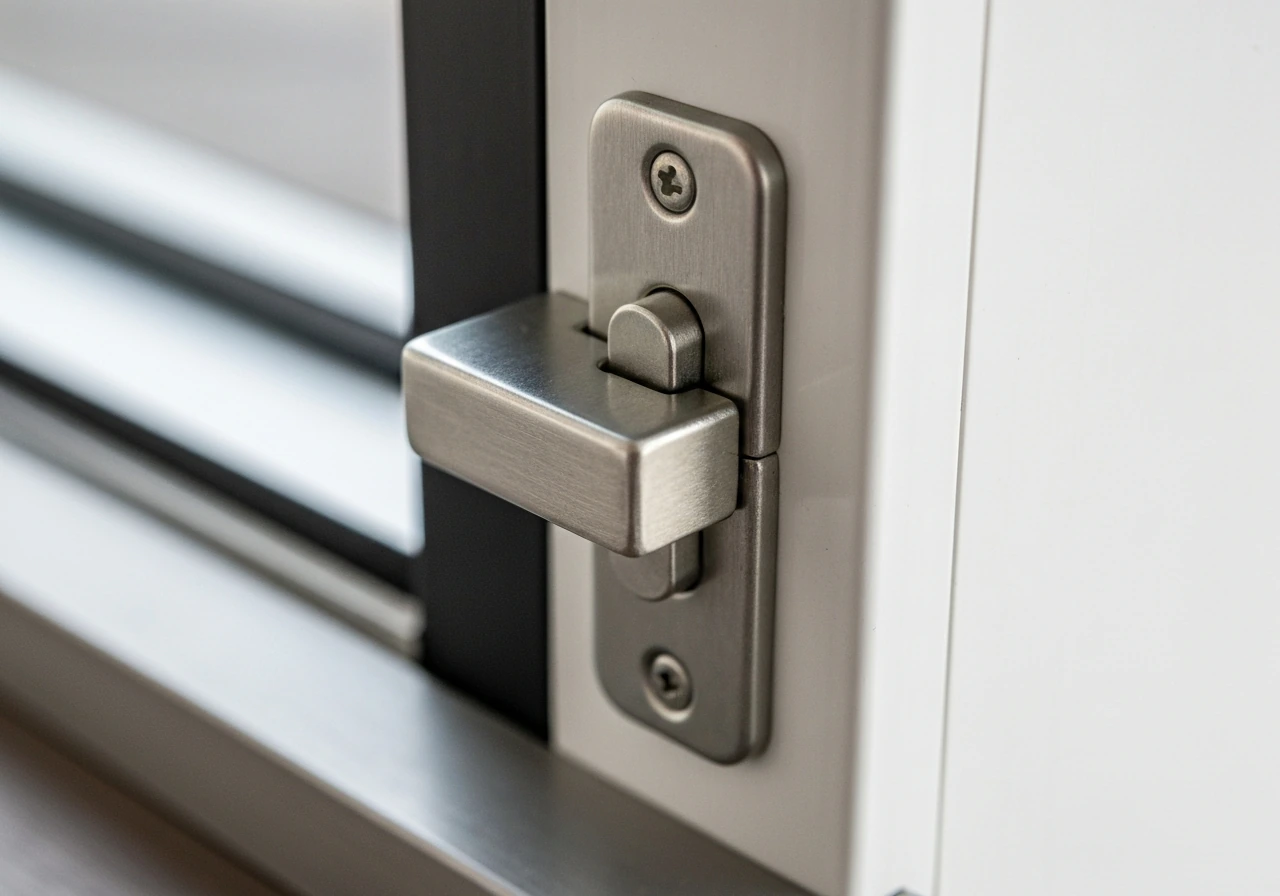
Look at your current latch. Is it a single-point lock (one latch, centered on the door edge)? Most original patio door hardware is. If so, you're relying on one engagement point, which is why police guidance recommends a minimum of three locking points on any sliding patio door. Note whether the latch throw is solid or feels flimsy when you try to wiggle it. A worn or loose latch is worth replacing alongside adding a bar, not instead of it.
Top patio door security bars and locks compared
Here's a straightforward breakdown of the main options, what they're best for, and where they fall short.
| Product | Type | Adjustable Range | Anti-Lift Included | Frame Mount | Best For |
|---|---|---|---|---|---|
| Ideal Security SK110 | Security bar with anti-lift lock | 25.75" to 47.5" | Yes | Screws into frame | Standard sliding doors, best all-around pick |
| SecurityMan SECURITYBARPC | Security bar with anti-lift lock | 18.75" to 51.1" | Yes | Screws into frame | Wide or oversized sliding doors |
| Patio Door Guardian | Pin-style insert lock | Fixed (model-specific) | Partial (blocks lift path) | Drills into upper track | Budget reinforcement, renters, second lock layer |
| AmesburyTruth Nexus | Multipoint sliding lock | Adjustable engagement points | No (latch-based) | Integrated replacement hardware | Wood or vinyl doors needing hardware upgrade |
| Truth Hardware Sentry | Multipoint hinged patio lock | Multi-point engagement | N/A (hinged door) | Integrated replacement hardware | French/hinged patio doors |
| Charlie bar / simple track rod | DIY track blocker | Cut to fit | No | None (rests in track) | Cheapest option, low security, not recommended alone |
Ideal Security SK110: the everyday pick
This is the bar I'd recommend to most homeowners with a standard 60- to 72-inch wide sliding door opening. The 25.75 to 47.5 inch range covers typical door panel widths (not the full opening, just the sliding panel's track span). It screws into the door frame rather than just pressure-fitting, so it holds under force. The anti-lift lock engages separately, meaning you get both lateral blocking and vertical protection in one unit. Installation is straightforward and there's a dedicated video from Ideal Security that walks through the full process. The saddle bracket mounts at the same height as your existing door latch, which keeps operation intuitive.
SecurityMan SECURITYBARPC: for wider openings
If your sliding door is on the wider end (large sliding glass walls, oversized patio doors), the SecurityMan extends up to 51.1 inches, which covers openings the Ideal Security bar can't reach. It also includes an anti-lift mechanism and mounts by screwing into the frame. The trade-off is that the operation involves a lift-and-pivot interaction that some users find slightly less intuitive than the SK110. Read the manual before install to understand how the lift-lock mechanism engages.
Patio Door Guardian: best secondary layer
The Patio Door Guardian installs into the upper track with a drilled hole roughly 3/4 inch deep, and it blocks the door from being slid open without requiring much real estate on the frame. It's a good secondary lock to pair with a bottom bar, or a solid option for renters who can't do major hardware modifications. If you want the best patio dog door setup for security, make sure your bottom-bar locking plan still gives your pet safe access bottom bar. The installation instructions specify about 1/16 inch clearance between the lock and keeper during test fit, so don't skip that check or it'll bind in cold weather when frames contract.
Multipoint locks for French and sliding doors
If your priority is upgrading the hardware itself rather than adding an external bar, the AmesburyTruth Nexus system replaces your existing sliding door lock with a multipoint setup that engages at several points along the door edge simultaneously. The Truth Hardware Sentry does the same for hinged French-style patio doors. These are more involved installs (you're replacing built-in hardware, not just adding a bar), but they bring your door closer to the three-plus locking point standard that police guidance recommends. These are worth considering if your existing latch is worn, original to an older door, or visibly flimsy.
How to measure so you actually buy the right size
This is where most people go wrong. A security bar's adjustable range refers to how long the bar extends, not the width of your door opening. What you're measuring is the distance from the fixed door frame (or stationary panel) to the inner edge of the sliding door panel when the door is fully closed. That's the span the bar needs to bridge while seated in the bottom track.
- Close your sliding door completely and make sure it's latched.
- Measure from the inside edge of the stationary door panel (or the door frame on the fixed side) across to where the bar would rest against the sliding panel. This is your track span measurement.
- Compare that number to the bar's adjustable range. You want your measurement to fall in the middle of the range, not at either extreme. A bar set to its maximum extension has less clamping force and can be more easily knocked loose.
- Measure the track width (depth of the channel) to confirm the bar's foot will seat properly without rocking. Most bars fit standard 1-inch track widths, but wider or specialty tracks may need a different saddle.
- Check the bar's height off the track: for in-track bars, the bar should sit level and engage the door panel squarely. If your door has a raised threshold or a recessed track, account for that in your fit.
- Do a dry fit before drilling anything. Extend the bar to your measured length, place it in position, and try to slide the door. If there's play or the bar shifts, adjust and recheck before committing to screw holes.
Common sizing mistake: people measure the full door opening width (both panels combined) instead of just the sliding panel's span. That gets you a bar that's way too long. The other frequent error is forgetting to account for the track depth when the bar has a saddle or foot bracket. If the saddle doesn't seat flush, the bar will tilt under pressure and lose effectiveness fast.
DIY installation: step by step and what to do when the frame fights back
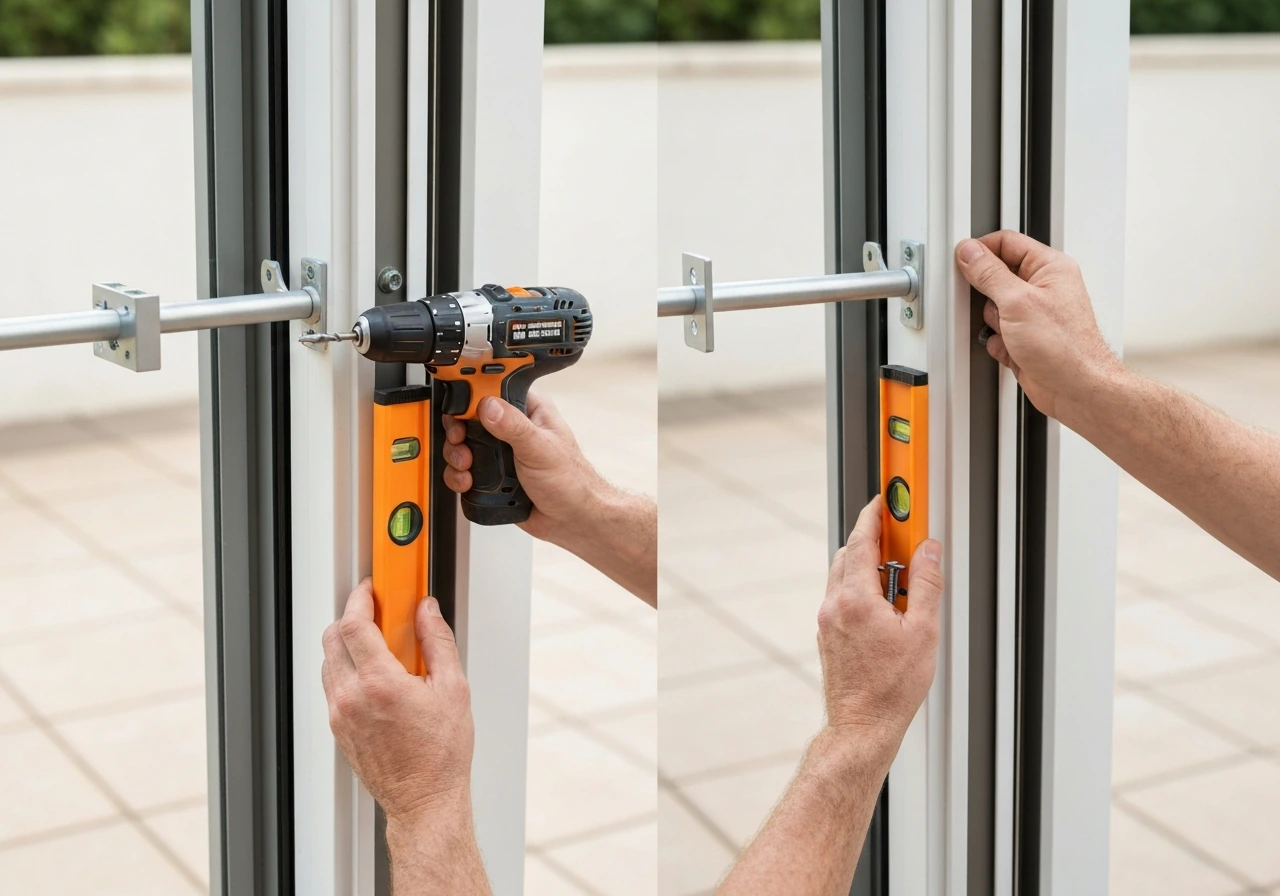
Most patio door security bars are genuinely DIY-friendly. You need a drill, the right bit for your frame material, a level, and about 30 to 45 minutes. Here's a practical run-through for a frame-mounted bar like the Ideal Security SK110 or SecurityMan SECURITYBARPC.
- Close and latch the door. Place the bar in the track at your measured position and hold the bracket against the door frame or door jamb at the same height as your existing latch (Home Depot Q&A recommends this alignment for intuitive operation).
- Mark your screw hole locations with a pencil. Double-check with a level if the bracket has multiple holes.
- Drill pilot holes at your marks. For vinyl frames, use a sharp bit and low speed to avoid cracking. For aluminum, use a bit rated for metal. For wood, standard wood bits work fine.
- Mount the bracket with the provided screws. Don't overtighten into vinyl, which can strip. Snug is enough.
- Extend the bar to your measured length and test the fit against the sliding panel. Adjust the anti-lift lock component per the manufacturer's instructions so it engages the upper track.
- Close the door, engage the bar and anti-lift, then push and lift the door firmly from outside (if you have access) or have someone else try while you watch for flex or movement. If the bar shifts, the bracket may need repositioning.
- For the Patio Door Guardian (upper track install): drill approximately 3/4 inch deep into the upper track at your marked location. Insert the lock and check for the recommended 1/16 inch clearance between the lock pin and keeper. Too tight and it'll bind; too loose and it won't engage reliably.
When the frame won't hold the screws
Hollow vinyl frames are the usual culprit here. If your screws spin or pull out, you have a few options. First, try longer screws that reach through the vinyl skin into the structural framing behind it. Second, use hollow wall anchors rated for the load. Third, apply a metal reinforcement plate behind the bracket to spread the load across a wider surface area. If the track itself is damaged or the frame is structurally soft from age or moisture damage, that's a bigger fix: you may need a door replacement or professional frame repair before a security bar will hold. A bar that's loosely mounted gives a false sense of security, which is worse than acknowledging the problem directly.
One more thing: if you're installing in a rental or you simply don't want to drill, pressure-fit bars exist but they're significantly easier to defeat. A firmly kicked or lifted door can dislodge a pressure-only bar. If drilling isn't an option, the Patio Door Guardian's upper-track drill method is a less invasive middle ground, and pairing it with a heavy-duty floor-mounted door stopper adds extra resistance without major frame modifications. A sturdy patio door stopper can complement your bar or anti-lift device by limiting how far the door can move during a forced attempt heavy-duty floor-mounted door stopper.
Keeping it working all year: maintenance and testing
A security bar that seizes up in January or fails to engage properly in August heat isn't doing its job. Patio door hardware lives outdoors (or at least in a threshold zone exposed to moisture, temperature swings, and dirt), so it needs periodic attention.
- Every three months: operate the bar through its full motion, engaging and disengaging the anti-lift lock. If it sticks, feels gritty, or doesn't snap into position cleanly, it needs cleaning and lubrication.
- Lubrication: use a silicone-based spray or dry PTFE lubricant on the bar's sliding mechanism and the anti-lift lock pin. Avoid WD-40 as a long-term lubricant; it displaces moisture initially but doesn't provide lasting protection and can attract dust.
- Check all screws and mounting fasteners at least twice a year (spring and fall are natural intervals). Screws in vinyl and aluminum frames can loosen from thermal expansion and contraction cycles. Snug any that have worked loose.
- Clean the track: debris and grit in the bottom track prevents the bar's foot from seating properly and can cause the bar to lift or tilt under pressure. Vacuum the track and wipe it down with a damp cloth.
- Test the clearance on upper-track locks (like the Patio Door Guardian) after winter. Cold weather contracts frames and can cause the lock to bind. If clearance has changed, adjust the lock position per the manufacturer's instructions.
- Inspect the anti-lift mechanism specifically: lift the door panel slightly by hand with the bar disengaged. If the panel lifts more than a few millimeters, your anti-lift blocks or the bar's anti-lift lock isn't engaging correctly. Re-read the install instructions and reposition.
- If the bar shows surface rust, corrosion, or cracking (especially on plastic components), replace it. A compromised bar may look functional but fail under real force.
Twice a year, do a full simulated test: engage every security device on the door (bar, anti-lift, secondary lock if you have one) and try to open the door using the same force a burglar might apply. Push laterally, try to lift the panel, try the latch. If anything gives more than it should, fix it before assuming you're covered.
The layered setup that actually works
For a sliding patio door, the setup I'd put on my own home today is: a frame-mounted security bar with integrated anti-lift (Ideal Security SK110 for most openings, SecurityMan SECURITYBARPC for wider ones), a secondary upper-track lock or pin lock like the Patio Door Guardian, and a check that the door's existing latch hardware is in good condition. Safety patio doors often combine a sliding-bar layer with an anti-lift device and a secondary lock for best results. That combination addresses latch bypass, lateral sliding, and the lift-out exploit that police guidance specifically flags as a common vulnerability. If your budget allows and your door is older, upgrading to a multipoint lock system like the AmesburyTruth Nexus for sliding doors or the Truth Hardware Sentry for French doors brings the hardware itself up to a standard where you're not just patching weak factory hardware.
For French patio doors, the bar route doesn't apply. Focus on multipoint lock hardware, confirm you have solid deadbolt engagement on both the active and passive panel, and add hinge-side security if the hinges are exposed. For bifold doors, check with your door manufacturer for compatible hardware upgrades, since standard aftermarket bars don't fit the folding panel geometry.
Security bars and locks for patio doors sit alongside other protection layers worth knowing about, including patio door stoppers that block the track at floor level, and the broader question of whether your door's glass itself is a weak point (hint: it often is, which is why glass break sensors and security film come up in layered security conversations). Starting with a solid bar and anti-lift combination gives you the physical blocking layer that most homes are missing, and it's the easiest win you can get in an afternoon with a drill and a tape measure. If you want the most reliable setup, focus on the best security patio doors use the right mix of bar, anti-lift protection, and locking points.
FAQ
Will a patio door security bar work if my door already has a good lock?
Often, yes. Even with a strong latch, a bar is still valuable because it blocks sliding motion and reduces the impact of a handle-side latch bypass. The best results come when the bar is mounted securely to the frame and your anti-lift device is also engaged, so the door cannot be both slid and lifted out.
How do I measure the “adjustable range” correctly for the best patio door security bar?
Use the distance the bar must bridge, measured from the fixed frame (or stationary panel) to the inner edge of the sliding panel when fully closed. Do not measure the total opening width of both panels, and account for any saddle or foot bracket thickness so the bar sits flush in its operating position.
Can I use a bar on a door that has a damaged or uneven bottom track?
You can try, but don’t assume it will function correctly. If the track has debris, warping, gaps, or the door wobbles when slightly lifted, the anti-lift feature may not seat, which leaves the lift-out vulnerability. Fix track issues first, or plan for pro assessment of frame or track replacement.
Are pressure-fit security bars safe to rely on long-term?
They’re usually the weakest option. Pressure-only bars can be dislodged with enough lateral force, especially in real-world conditions like cold snaps, dirt, or frame movement. If you cannot drill, consider a less invasive upper-track approach plus a heavy floor-mounted door stopper to add resistance.
What should I do if the bar binds or doesn’t engage in winter?
Check for clearance and alignment. Even small differences (for example, insufficient clearance between lock and keeper) can cause binding when frames contract in cold weather. Remove corrosion or grit from the track area, confirm the bar is level, and re-test engagement after temperature changes.
Do I need an anti-lift device if my bar is mounted securely?
Yes, ideally. A bar primarily prevents horizontal sliding, but lift-out is a separate attack path. Integrated anti-lift hardware or a dedicated anti-lift bolt provides vertical resistance that helps prevent the door panel from being lifted off the bottom track.
How many locking points do I really need on a sliding patio door?
Aim for at least three engagement points, especially on older doors with single-point latches. If your door currently locks at only one spot, upgrading to hardware that provides multipoint engagement (or pairing a secondary lock with the bar and anti-lift) helps reduce the chance of a partial force attack succeeding.
My patio door has a vinyl frame, can I still mount a frame-screwed security bar?
Yes, but you must match the mounting method to the frame structure. Vinyl often spins if screws only bite the thin skin. Use longer screws that reach structural framing when possible, consider rated hollow-wall anchors, and consider adding a reinforcement plate to spread load if the kit allows.
What’s the safest way to test my installation after mounting a bar?
Do a controlled “security rehearsal” twice per year. Engage every device (bar, anti-lift, any secondary lock), then test opening attempts using different forces: push laterally, try to lift the panel, and wiggle the latch side. If anything slips, binds, or disengages too easily, correct the alignment or hardware before assuming you’re protected.
Can pets still use the door if I install a security bar or secondary pin lock?
Yes, but you should plan the “safe access” position in advance. For example, some upper-track or keeper-based solutions may restrict how far the panel can move. Test operation with your pet’s routine in mind, and confirm the bar and secondary lock won’t accidentally trap the door when you need quick egress.
Are patio door security bars compatible with French or bifold patio doors?
Usually not. French doors generally require lock and deadbolt reinforcement, often with multipoint hardware, because there is no sliding rail to block. Bifold doors fold rather than slide, so standard sliding-door bars often won’t fit, and you should check the door manufacturer for compatible multipoint hardware.
What other hardware upgrades pair best with a best patio door security bar setup?
A heavy-duty floor-mounted door stopper is a common complement because it limits how far the door can move during an attempted break-in. Also consider ensuring the latch itself is tight and not worn, since weak latch hardware can reduce overall security even when a bar is installed.