The best bifold patio doors for most homeowners right now are thermally broken aluminum systems with double or triple glazing, multi-point locking, and a low-profile threshold. They last decades, look sharp, and handle serious weather far better than budget alternatives. If aluminum is out of your budget, a quality uPVC bifold is a legitimate runner-up, especially for smaller openings. Timber is beautiful but demands commitment to maintenance most owners underestimate. The rest of this guide walks you through every decision you need to make before you spend a dollar.
Best Bi Fold Patio Doors: Buying Guide, Costs, and Specs

Owen Delaney
11 Jun 2026
How to choose the right bifold patio doors for your home
Start with your opening size, not the door catalog. The number of panels you can fit depends entirely on the rough opening width. Bifold systems divide that total width across panels, so a 12-foot opening with 4 panels gives you 3-foot panels, while a 6-panel layout gives you 2-foot panels. Smaller panels fold more compactly but add more sightline-interrupting frames. Most manufacturers, including Pella's 250 Series documentation, publish call-size-to-frame-dimension tables that translate your rough opening into the exact configuration you need. When measuring, keep Kolbe's published guidance in mind: allow at least a 1/4-inch space between the door unit and the surrounding structure as a minimum tolerance. Lowe's installation specs get more specific, calling for 1/8-inch at the top and 1/4-inch on the sides after installation.
Climate matters enormously here. If you're in a northern climate with cold winters, you need a door with a U-factor of 0.30 or lower to meet ENERGY STAR's Northern Zone criteria. In mixed or southern climates, U-factor requirements loosen slightly but solar heat gain becomes more important, and you want a lower SHGC rating to reduce cooling loads. ENERGY STAR's v7 residential spec lays out climate-zone-specific U-factor and SHGC thresholds, and any door you're seriously considering should have an NFRC label so you can make an apples-to-apples comparison between certified products. An example like a U-Factor of 0.45 with SHGC values around 0.51 to 0.58 is roughly mid-range performance, fine for mild climates but not ideal for cold regions.
Replacement versus new build changes the scope of your project significantly. A new build gives you the freedom to frame the opening to the door's requirements. A replacement means you're working around an existing rough opening, and unless it's the right size, you may need framing work that adds cost and time. In many cases, that also means you can replace existing patio doors with a bifold setup if your rough opening and header can handle the door weight a replacement means. Before you shop, measure your existing rough opening carefully and note whether the header is rated to carry the door weight. Canaropa's hardware documentation, for example, explicitly calls out the need for a wood stud or header suitable for door weight, and that's not a detail to assume away.
Bifold patio door styles and specs: panels, stacking, and tracks
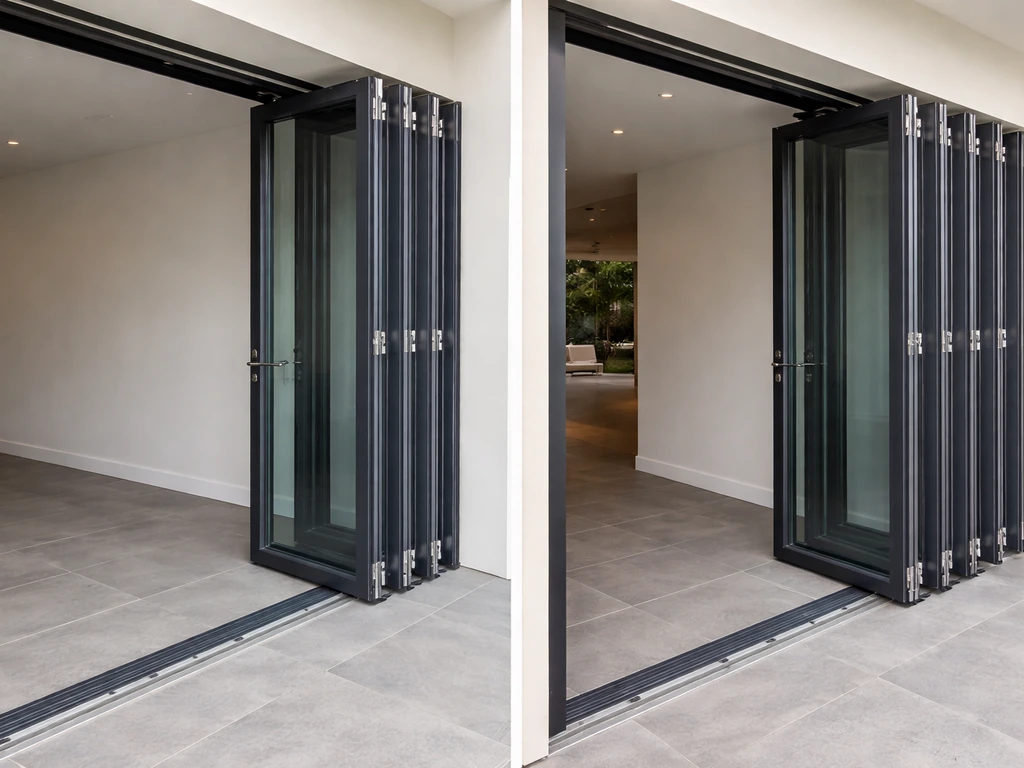
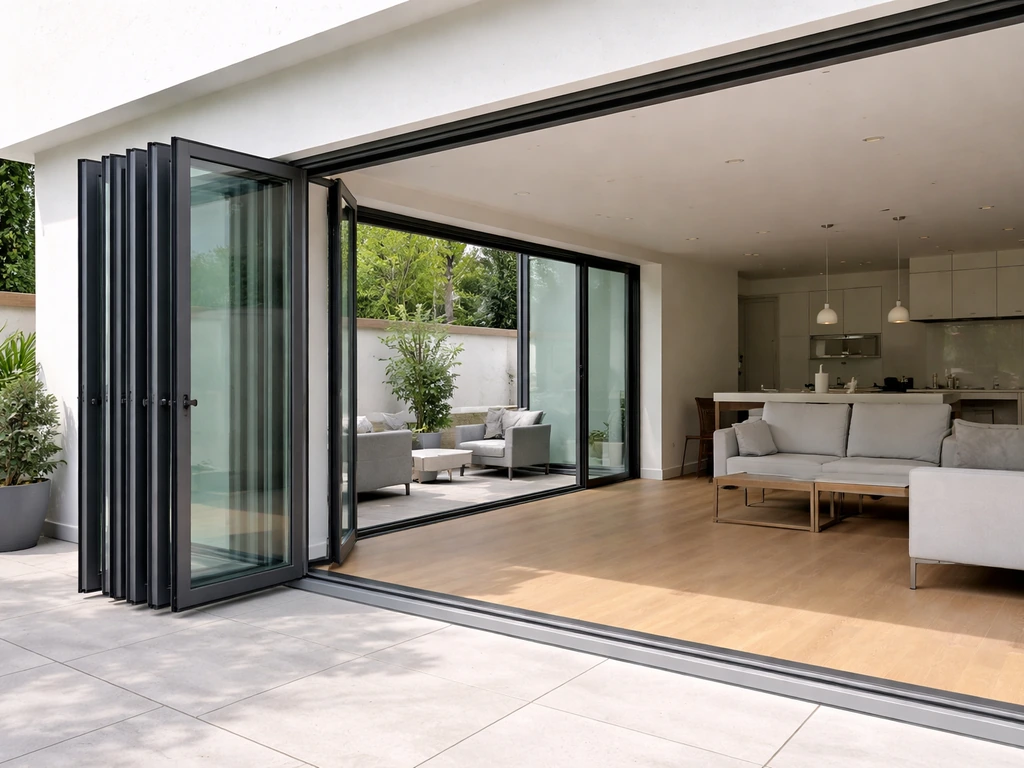
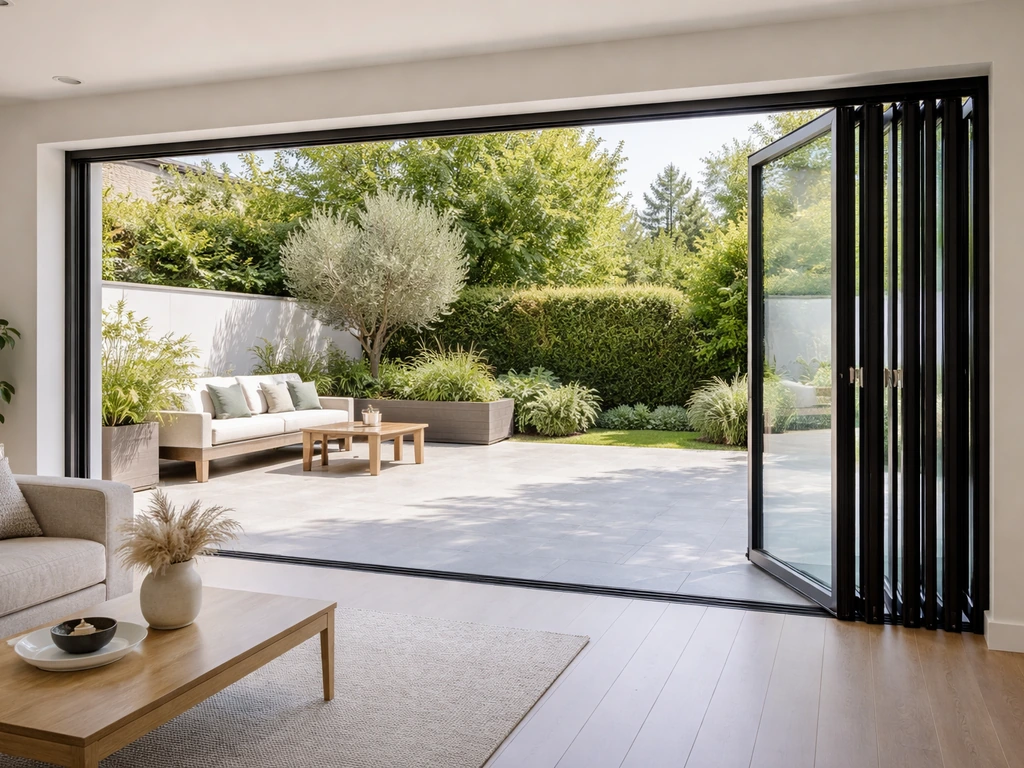
Bifold patio doors come in configurations ranging from 2 panels up to 8 or more for very wide openings. The most common residential setups are 3-panel, 4-panel, and 6-panel. A best 3 panel sliding patio door setup is all about choosing the right size, track quality, and weather seals for smooth daily operation 3-panel, 4-panel, and 6-panel. The key spec to understand before you order is stacking direction. Panels can stack to one side (all panels fold and rest against one jamb) or split to both sides (panels fold left and right from center). A one-direction stack keeps the opposite side completely clear, which is ideal if you want one unobstructed edge. A center split looks more symmetrical when open and is often preferred for wider openings over 16 feet.
Stack space is one of the most underestimated specs. When fully open, stacked panels consume roughly 10 to 20 percent of the total opening width depending on panel count and frame depth. Hotian's buyer documentation puts clear opening at 80 to 90 percent or more of total width when fully folded, but that means you still lose real estate on the stack side. Verify you have wall or sill space to accommodate the stacked panels without blocking a walkway, furniture, or wall switch.
For tracks, you have two main choices: top-hung and bottom-rolling. Top-hung systems hang panels from an overhead track and use a bottom guide rail mainly for stability. They create a cleaner, lower threshold and are easier to walk across, which matters a lot for accessibility and for blending indoor and outdoor flooring. Bottom-rolling systems carry the panel weight on floor-level rollers and are common on older or more budget-oriented installations. Top-hung systems generally operate more smoothly over time, but they require a structurally sound header. Passage-door configurations, where one panel within the bifold unit operates as a standard hinged door for everyday use without opening the whole system, are available from brands like Pella and are worth considering if you'll use the door daily.
The features that actually separate good bifold doors from mediocre ones
Weather sealing is where cheaper doors fail first. A well-made bifold uses compression seals at every panel join and at the threshold, not just a brush strip dragged across a gap. Look for doors tested to AAMA/WDMA/CSA 101/I.S.2/A440, the core U.S. fenestration standard that covers air leakage resistance and water penetration resistance under laboratory pressure testing. Solarlux's specification notes cite air permeability ratings as a comparison point, and that's the right instinct: ask the manufacturer or dealer for the air leakage and water penetration test results, not just a marketing claim about being weathertight.
Thermal performance starts with the frame construction. A thermally broken aluminum frame inserts a low-conductivity material (usually polyamide) between the inner and outer aluminum sections to interrupt heat transfer. Without a thermal break, aluminum frames become cold bridges that condense moisture and bleed heat. On the glass side, look for double glazing with low-e coating as the baseline. Triple glazing is worth the cost in climates with prolonged cold winters. NFRC-certified U-factor and SHGC ratings give you a standardized way to compare products, and ENERGY STAR certification means those ratings have been independently tested and verified.
Security hardware on a bifold door matters more than people expect because a door with four or six panels has four or six panel-to-panel join points, each of which could theoretically be levered. Quality bifold systems address this with multi-point locking that secures the door at multiple points along the height, anti-lift pins or brackets on each panel to prevent the panels from being lifted off the track, and shootbolt locks at the top and bottom of the lead panel. If a door spec sheet only mentions a handle lock, that's a red flag.
Hardware smoothness is also a long-term cost factor. Stainless steel rollers and pivot hardware on a top-hung system should glide with almost no effort. Ask whether rollers are adjustable after installation, because all doors settle and drift slightly over time, and adjustability means you can correct alignment without calling a technician. Hardware with a 304 or 316 stainless steel rating handles coastal environments without corroding.
Aluminum vs uPVC vs timber: which material is right for you
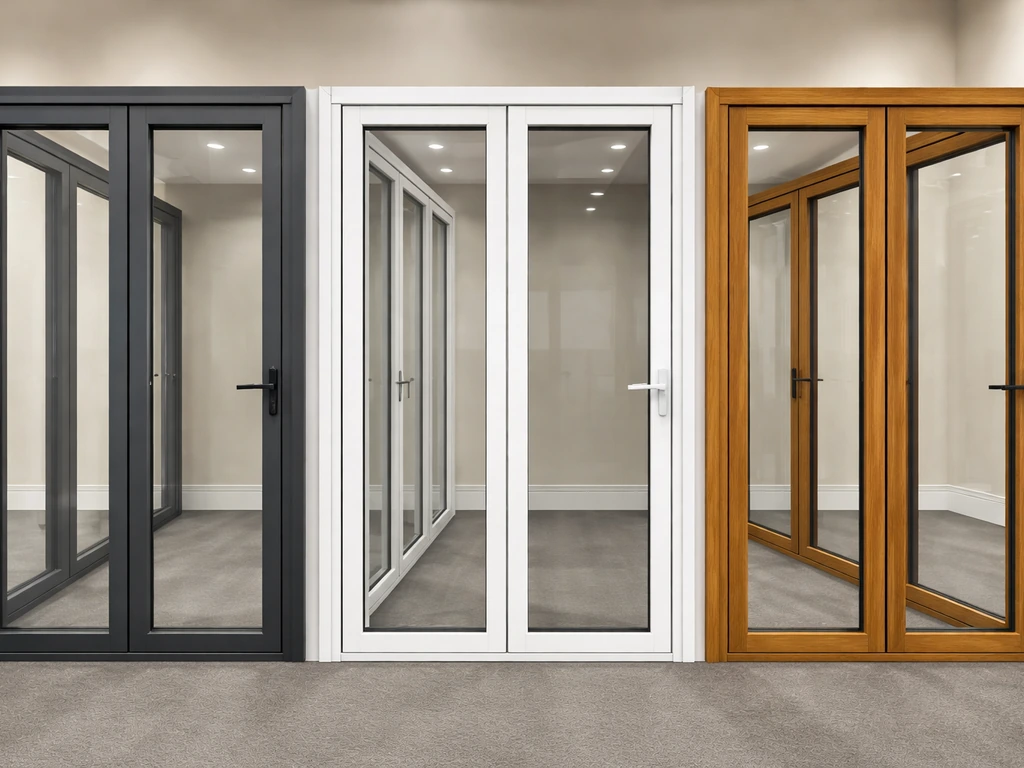
Each material has a real sweet spot. Here's how they compare across the dimensions that matter for a bifold patio door specifically.
| Material | Typical Cost (supply only) | Thermal Performance | Durability | Maintenance | Best For |
|---|---|---|---|---|---|
| Thermally broken aluminum | $4,000–$14,000+ | Excellent with thermal break and low-e glass | 30+ years with minimal degradation | Low: wipe down frames, lubricate hardware annually | Wide openings, coastal climates, modern aesthetics, long-term value |
| uPVC / PVC | $2,500–$7,000 | Good, naturally low conductivity | 20–25 years, may yellow/warp in extreme heat | Low: easy to clean, no painting needed | Moderate budgets, inland climates, smaller openings |
| Timber | $6,000–$20,000+ | Good naturally, varies by species/finish | Excellent if maintained, poor if neglected | High: repaint or re-stain every 2–5 years | Heritage/period homes, clients willing to commit to upkeep |
Aluminum is the go-to for most new installs right now. The slim sightlines it allows mean more glass and better views, which is usually the whole point of a bifold patio door. uPVC is a genuinely solid second choice if you're budget-conscious and have an opening under about 12 feet. Beyond that width, uPVC profiles can flex under their own weight and may not track as smoothly over time. Timber looks extraordinary but be honest with yourself: if you're not the type to refinish woodwork on a schedule, you'll end up with a warping, drafty door within 10 years. The beauty premium comes with a real maintenance obligation.
What bifold patio doors actually cost: a realistic budget breakdown
Current 2026 pricing for bifold patio door projects runs from roughly $3,000 on the low end to over $20,000 for premium systems with large panel counts, high-performance glazing, and complex installation, according to multiple cost guides. S&K Group’s 2026 homeowner guide also frames example costs as “supply, installation, double glazing and VAT,” reflecting a bundled way of presenting UK project pricing. HomeBuddy's 2026 data puts the installed bifold range at $5,000 to $20,000, with the lower end representing a basic uPVC or entry-level aluminum system in a straightforward opening and the upper end covering wide thermally broken aluminum systems with triple glazing or custom finishes.
The door price itself is only part of the story. Here's where the money actually goes on a typical replacement project.
- Door unit (supply only): $2,500 to $14,000 depending on material, panel count, glazing, and finish
- Professional installation labor: $800 to $3,000 depending on complexity and region
- Framing or header work if the existing opening needs modification: $500 to $2,500
- Threshold and flooring transition work: $200 to $800
- Permits (required in most jurisdictions for structural openings): $150 to $600
- Finishing, trim, and caulking/weatherproofing materials: $200 to $500
- Optional upgrades (integrated blinds, upgraded hardware, motorized operation): $500 to $2,000+
At the $5,000 to $8,000 total project range, you're looking at a solid uPVC system or an entry-level thermally broken aluminum door, basic double glazing, and a standard installation. From $10,000 to $15,000 you can get a quality mid-range aluminum system with low-e double or triple glazing, better hardware, and a clean installation with all the trim work included. Above $15,000 is where you're in premium territory: wide aluminum systems, triple glazing, custom RAL colors, integrated screens, and passage-door configurations. Always get at least three quotes and ask each contractor to itemize door supply, labor, framing, and permit costs separately so you can actually compare them.
Brands and models worth considering (and what makes each one good)
Rather than ranking these as absolute bests, here's an honest look at which systems suit which buyers, based on what each brand does particularly well.
Pella 250 Series Premium Bifold
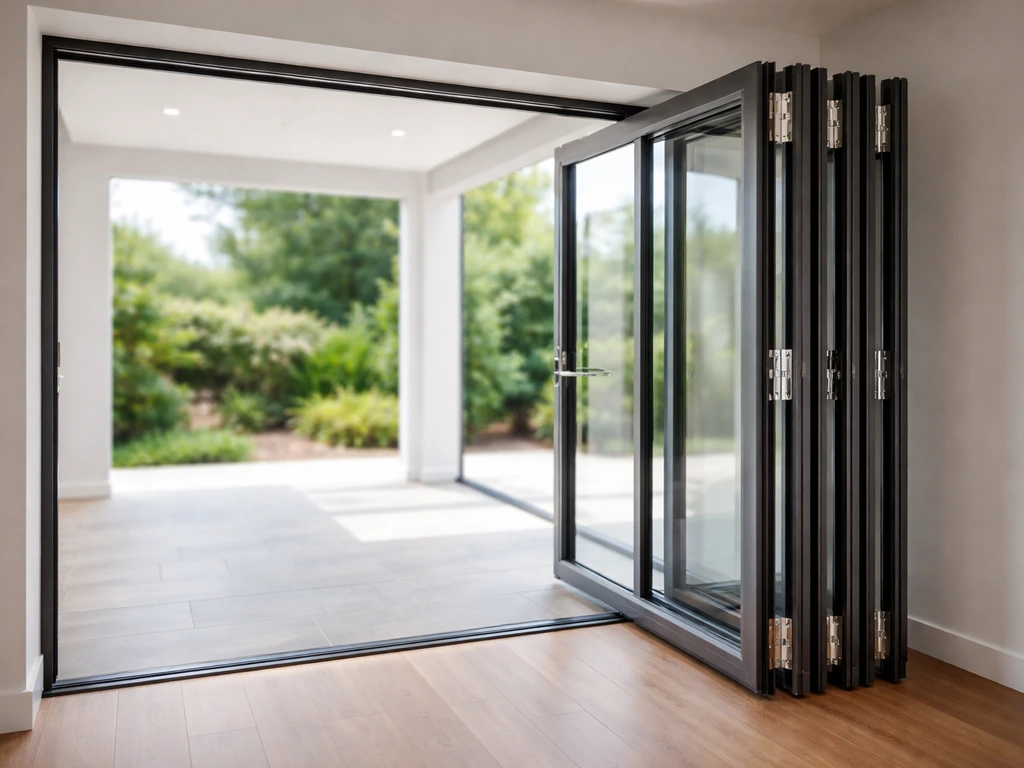
Pella's 250 Series is one of the more thoroughly documented bifold systems available in the U.S. market, with a published architectural design manual covering stacking panel configurations, call-size-to-frame-dimension tables, passage door handing options, and configuration callouts for multiple panel counts. That level of documentation matters because it means your installer and window supplier are working from the same spec sheet, reducing errors. It's a strong choice if you want a U.S.-manufactured system with detailed sizing guidance and multiple stacking configurations available. Look for NFRC-certified performance ratings on the specific configuration you order, since U-factor and SHGC vary by glass package.
Solarlux (aluminum, high-performance)
Solarlux is a German-engineered system that consistently shows up in high-end residential projects where performance specs are non-negotiable. They publish air permeability, water tightness, and wind resistance ratings for their bifold systems, which is the kind of transparency that tells you the engineering team actually thought about weather performance rather than just aesthetics. The price reflects the quality, but for cold-climate installs or homes with significant wind/rain exposure, the premium is defensible.
Weather Shield
Weather Shield stands out for its installation documentation, which includes detailed weatherproofing requirements like water barrier tape application, caulking detailing, and air-barrier integration around the frame and building sheathing. That's significant because the door itself is only as weathertight as the installation around it, and Weather Shield clearly builds that into their recommended install process. Worth considering if you're in a wet or wind-exposed climate and want a system whose manufacturer has clearly thought about the full assembly, not just the door unit.
What to check in any brand's warranty
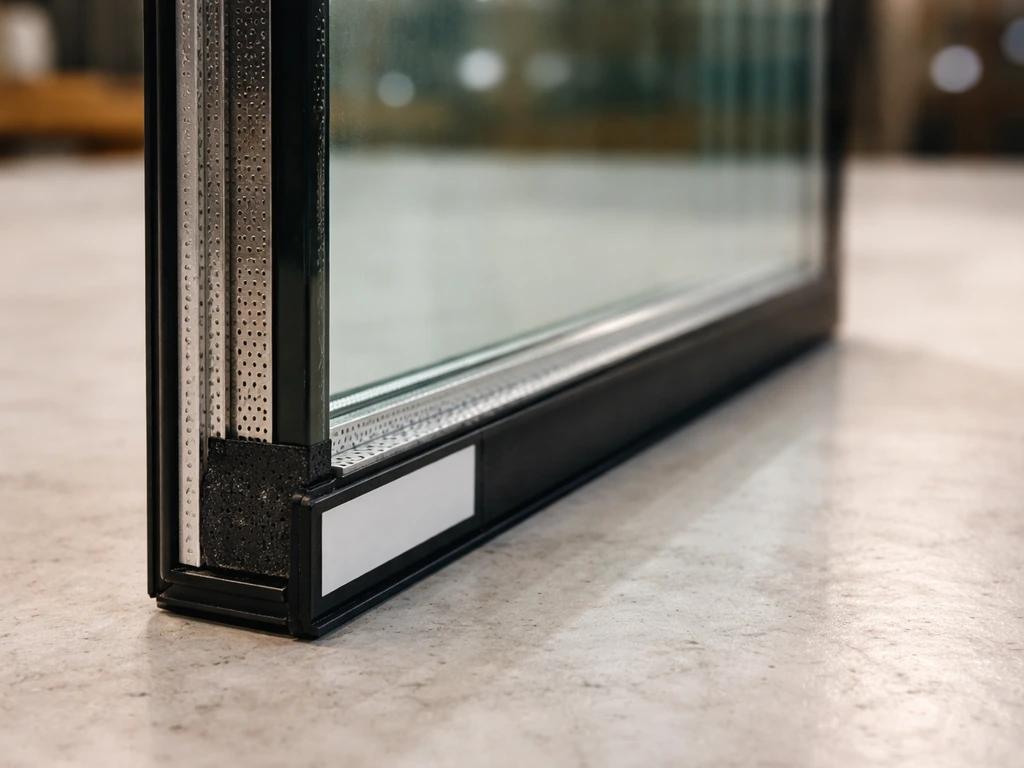
Regardless of brand, evaluate the warranty along these lines: Does it cover the glass seal (not just the frame)? Sealed unit failures showing as fogging between panes are one of the most common bifold complaints. Does it cover hardware and rollers, or only the frame? Is the warranty transferable if you sell the house? What's the claims process, and does the brand have dealer support in your region or will you be shipping panels back to a warehouse? A 10-year warranty with local dealer support is more useful than a 25-year warranty from a brand with no regional service network.
Installation, maintenance, and keeping your bifold doors running well for years
Before installation: what to check
The rough opening must be square, plumb, and level before the door goes in. Even a 1/4-inch twist in a large frame will cause a bifold to bind or mistrack immediately. If you're replacing an existing door, check the header for any signs of sagging or rot. Bifold systems, especially top-hung ones, put real load on the header, and installing into a compromised structure is a problem that will show up as alignment failure within months. This Old House's installation guidance notes clearance details like approximately 1/4-inch at the jamb and about 1-7/8 inches at the top to accommodate the track, so confirm those tolerances with your specific door's manufacturer before framing is finalized.
Routine maintenance schedule
BM Bi-Folding Doors' maintenance documentation recommends a yearly maintenance interval for normal inland conditions, stepping up to every 3 to 6 months for dusty environments. Coastal's care guide for bifold systems calls for guide roller spindle lubrication every six months specifically. That's a reasonable framework: do a full inspection and clean once a year, and lubricate rollers and pivot hardware every six months. Use a silicone-based lubricant on the track and rollers, not WD-40, which attracts dirt and breaks down quickly.
Track cleaning and panel alignment
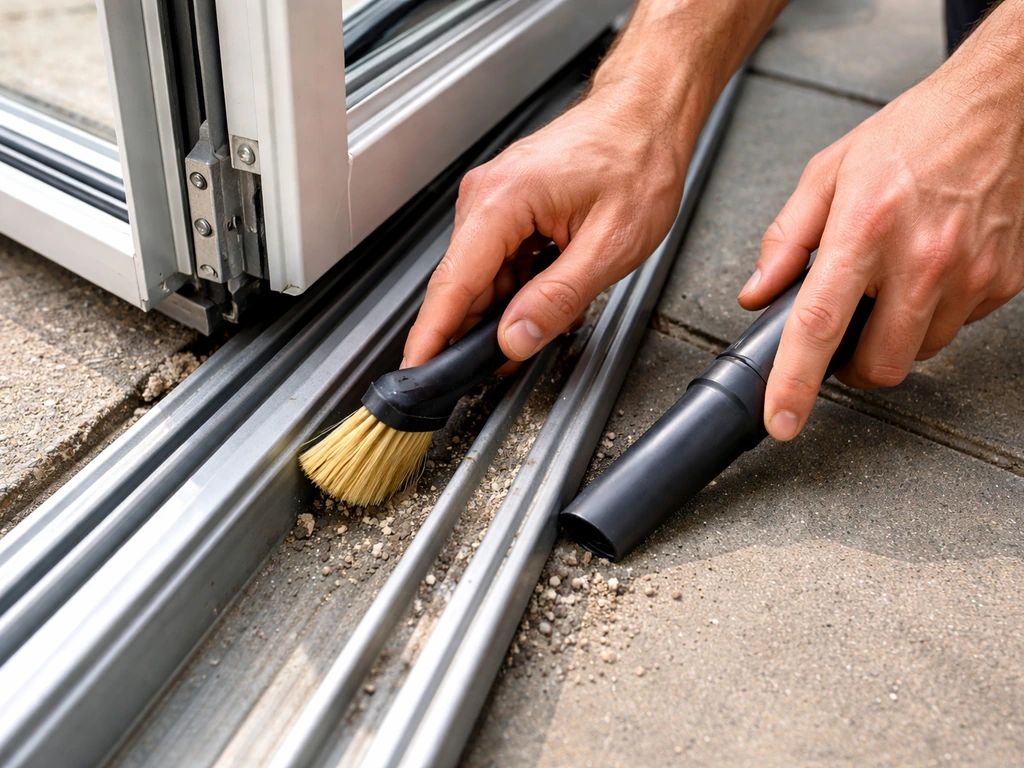
The track is the most neglected part of a bifold door. Grit and debris accumulate in the track channel and accelerate roller wear. Clean it every few months with a stiff brush and a damp cloth, and dry it thoroughly before re-lubricating. Bifold Shop's guidance on track maintenance specifically flags drying the track after cleaning to prevent rust on steel components and mould growth in the channel. If panels start sticking or dragging, check the track first before assuming the rollers or hinges have failed.
Panel alignment drift is normal over time, especially in the first year as the structure settles. Most quality bifold systems include adjustment screws at the pivot points and roller carriages. A small Allen key adjustment of 1 to 2 mm can resolve most sticking, binding, or draft issues. If panels are consistently misaligning, check whether the header is deflecting under load, which is a structural issue that no amount of door adjustment will fix permanently.
Preventing drafts, water ingress, and seal failures
Drafts from a bifold door almost always trace back to either seal compression failure (the perimeter seals have hardened or been damaged) or panel misalignment causing gaps at joins. Inspect the compression seals annually and replace them if they've lost elasticity. Water ingress is more serious and usually means either the threshold drainage is blocked or the installation flashing around the frame was done incorrectly. Weather Shield's installation instructions specifically address water barrier tape and caulking detailing as integral parts of the install, not optional finishing steps. If water is getting in at the frame perimeter on an older door, the fix is often re-caulking the exterior flashing detail, not a door replacement.
Your next steps for buying bifold patio doors
Here's a clear action sequence to move from research to a door that's actually installed and working well.
- Measure your rough opening (width, height, and depth) and note whether the header is adequate for a top-hung system.
- Decide on panel count and stacking direction based on your opening width and how you want the door to function daily.
- Choose your material: thermally broken aluminum for most homes, uPVC if budget is tight and the opening is under 12 feet, timber only if you're genuinely committed to maintenance.
- Check ENERGY STAR and NFRC ratings for any door you're seriously considering. Match U-factor and SHGC to your climate zone using the ENERGY STAR v7 zone requirements.
- Get three itemized quotes covering door supply, labor, framing, permits, and finishing separately so you can actually compare them.
- Verify the warranty covers glass seals and hardware, not just the frame, and confirm there's local dealer support.
- Before installation day, have your installer confirm the rough opening is square, plumb, level, and that the header is structurally rated for the door weight.
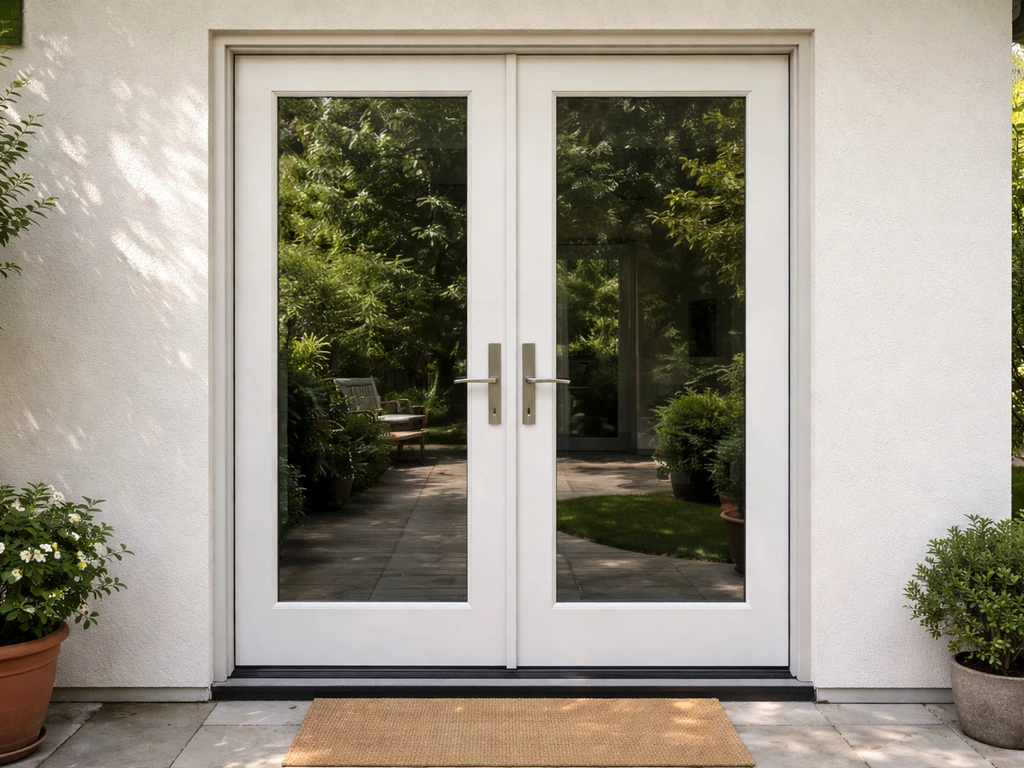
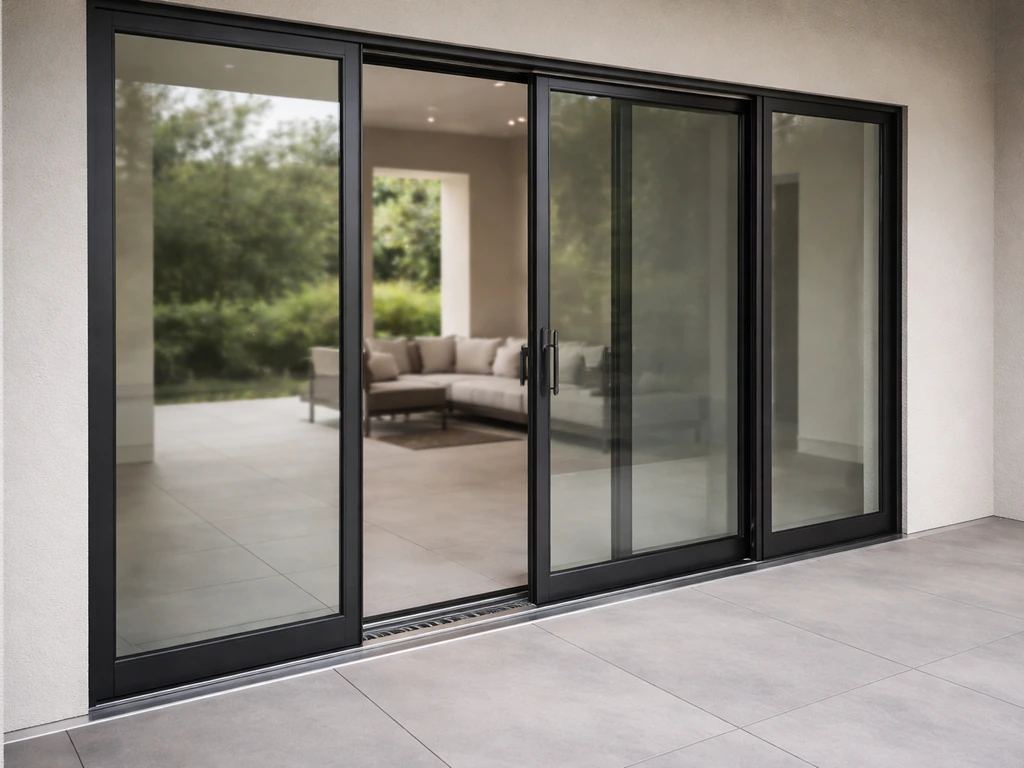
If you're also comparing bifold doors to other wide-opening options, it's worth weighing how bifolds stack up against large multi-panel sliding systems or folding patio doors more broadly. Bifolds offer the most dramatic full-open feel of any patio door type, but sliding systems are generally simpler to maintain and less demanding on the rough opening structure. For smaller openings or tighter budgets, center-hinged patio doors can deliver a similar aesthetic impact without the panel complexity. A center hinged patio door can be a good option when you want a single, pivoting active panel for everyday ventilation without opening a full folding system. If you are exploring center hinged patio doors, focus on the frame material, hardware quality, and weather sealing so the door holds up in real weather center-hinged patio doors. The best door is the one that fits your opening, your climate, and your realistic maintenance commitment. The best folding patio doors often balance thermally broken frames, strong weather sealing, and smooth hardware for long-term reliability.
FAQ
Can I replace my existing sliding patio doors with the best bi fold patio doors without modifying the structure?
Yes, but the key is matching the door to your specific header condition. For top-hung bifolds, you should verify the header is rated for the system load and check for any sagging or rot before ordering. If the opening is tight or the header is questionable, ask installers whether a bottom-rolling layout or a different track design is feasible for your rough opening and ceiling/soffit clearance.
Will a wider bi fold patio door always give me a wider clear opening when it is fully open?
Not necessarily. In many homes, the “panel count” is the selling point, but the real usable area changes because stacked panels take width when fully open. Confirm the clear opening and the stack side location relative to walls, switches, and walkways so you do not lose the benefit of a wide opening.
Are bi fold patio doors wheelchair or mobility friendly, and what should I measure for step-free access?
For accessibility, ask whether the system meets your need for step-free entry and how high the threshold sits in the final installed condition. Even with low-profile thresholds, check if your track location and weather seals create a noticeable lip and whether the door’s speed and hardware still allow easy operation with reduced strength.
How do I compare energy ratings between two brands if they offer different glass packages and configurations?
Door performance can vary by glass package, even within the same model. Before you compare products, confirm the NFRC U-factor and SHGC are listed for the exact configuration you plan to order (panel layout, glass option, frame finish), not for a generic or default setup.
What does it mean if a bi fold door is marketed as “weatherproof,” but they do not provide test results?
You should treat that as an installer and warranty red flag. Ask for air leakage test data and water penetration test results for the specific system, and confirm the seals are compression-type at joins and threshold, not just brush-style gaps. If the dealer cannot provide test documentation tied to your chosen configuration, negotiate pricing or switch models.
How do stacking direction (one side vs center split) affect daily usability?
Yes, and it often surprises people. Confirm whether your chosen “stack to one side” or “center split” setup will interfere with exterior patio furniture, railing posts, or interior wall switches when the doors are fully folded back.
How much does a small measuring error matter, and what checks should the installer perform on site?
There is a common mismatch between design specs and installation reality. Even if the unit is sized correctly, a slightly out-of-square rough opening can cause binding, mistracking, and fast seal wear. Ask the installer how they will confirm plumb, level, and squareness during install, and what tolerance they target before anchoring.
What hardware details should I look for to avoid the “sticky door” problem a few years later?
Ask whether rollers and hardware are adjustable after installation, and whether replacement parts are available locally. Adjustable rollers can fix early drift from settling. Also ask what stainless steel grade is used and whether the door’s hardware is intended for coastal conditions if you live near salt air.
Is a long warranty period enough, or what warranty terms actually protect me if the glass fails?
Look closely at warranty coverage for sealed glass units and the specific components that fail. Fogging between panes typically points to a sealed-unit issue, so confirm the warranty covers the insulated glass unit, not only the frame. Also check whether the warranty is transferable if you sell the home.
If I get drafts or minor leaks after installation, how do I troubleshoot before replacing the door?
Not all bifold systems behave the same on airflow and drafts. If you feel drafts, first test whether the issue is seal compression loss or misalignment at panel joins. Then inspect the threshold drainage and exterior flashing details, because many water and draft complaints are install-related rather than a door replacement need.
How often should I clean and lubricate the track and rollers, and what products should I avoid?
Yes, but you need to plan maintenance around your environment. For example, dusty areas usually require more frequent cleaning and lubrication than inland conditions, and coastal environments often need tighter schedules due to corrosion risk. Confirm what lubricant type is recommended and avoid products like WD-40 that can attract grit and degrade over time.
What line items usually add cost to a best bi fold patio doors project that people miss in the initial quote?
Beyond door aesthetics, ask about installation-driven costs that can change the total budget: shimming and re-framing, header reinforcement, weatherproofing materials (like water barrier tape and flashing details), and permit fees. Require itemized quotes so you can see what you are paying for, not just the door package price.