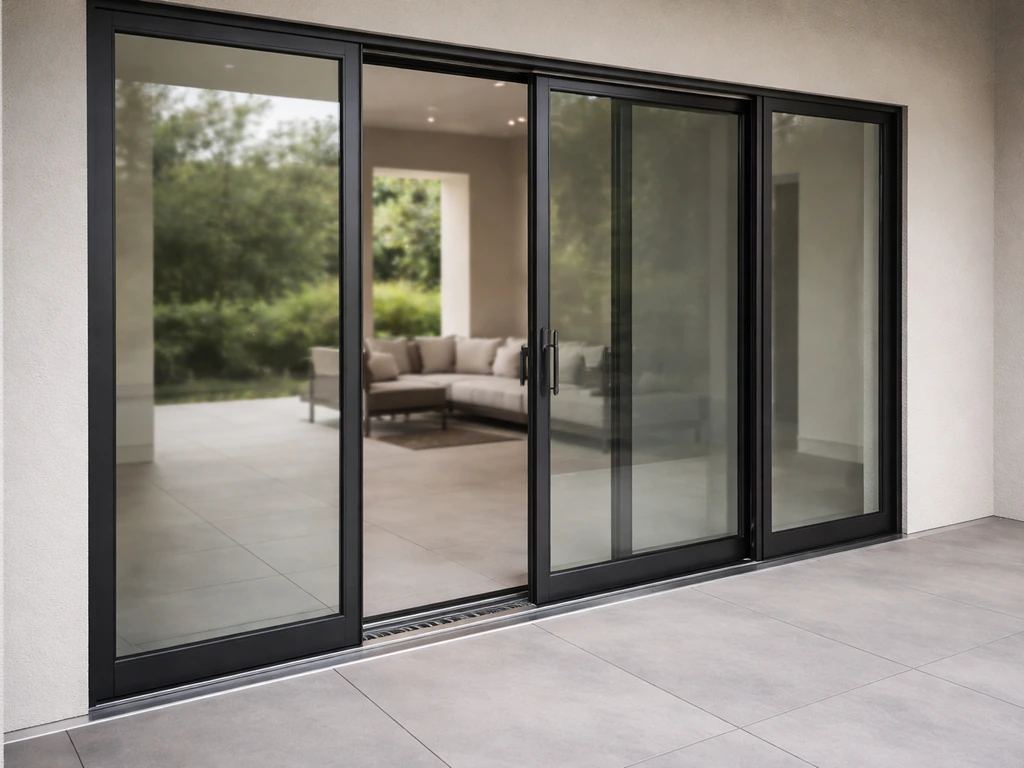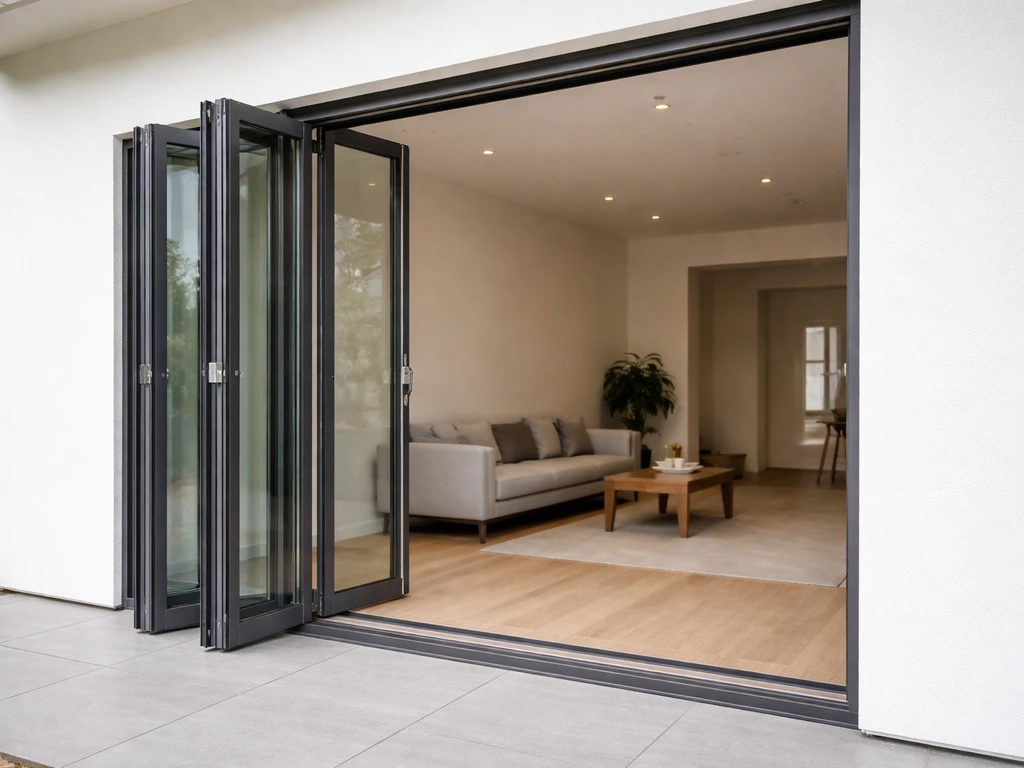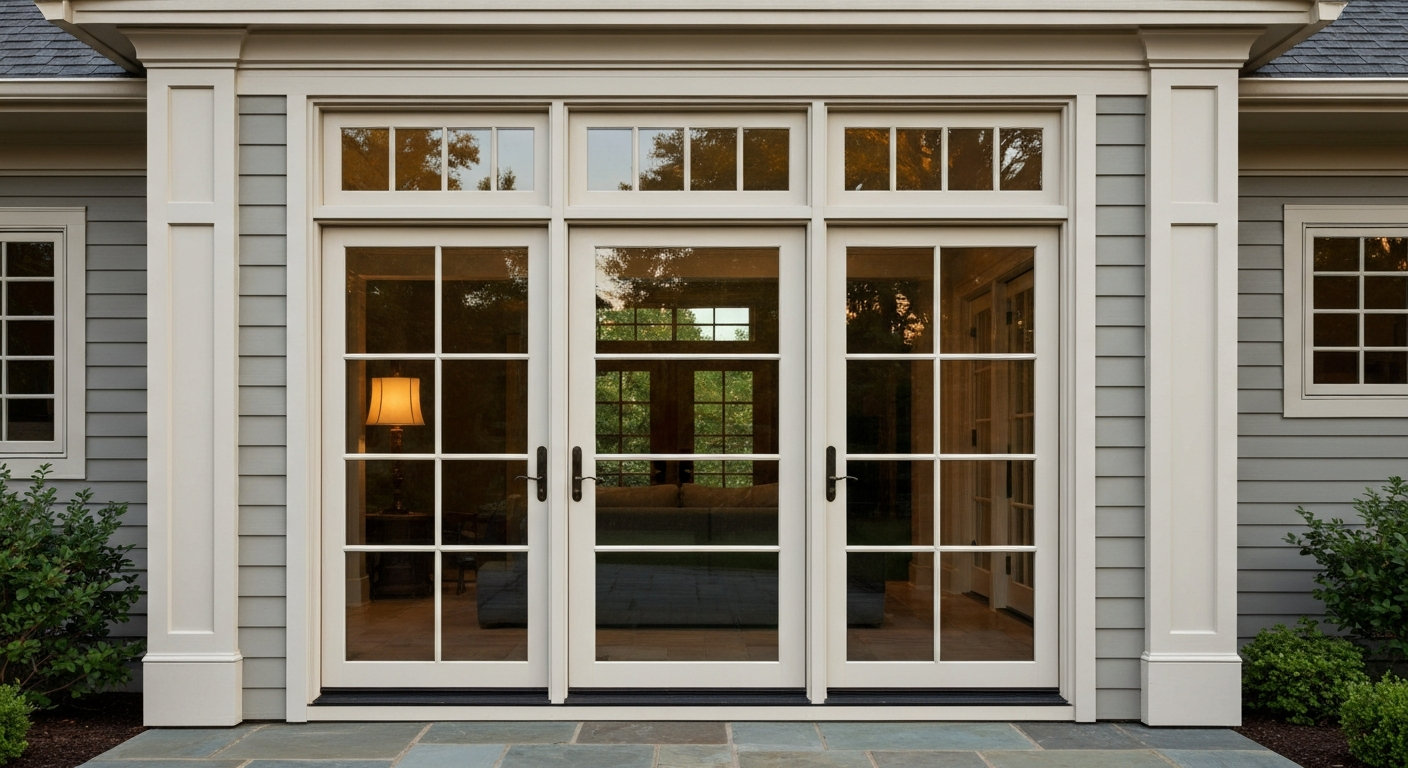
The best bifold patio doors right now come from a short list of manufacturers who get the details right: Pella's 250 Series vinyl bifold, Marvin's Ultimate Bi-Fold, and Centor's Integrated Bi-folding Door are the three names worth putting on your shortlist. Each excels in a different area. Pella is your go-to if budget and ease of installation matter most. Marvin is the premium aluminum play with smart-lock features.
Best Bifold Patio Doors: Reviews, Buying Guide, Costs

Owen Delaney
6 Jun 2026
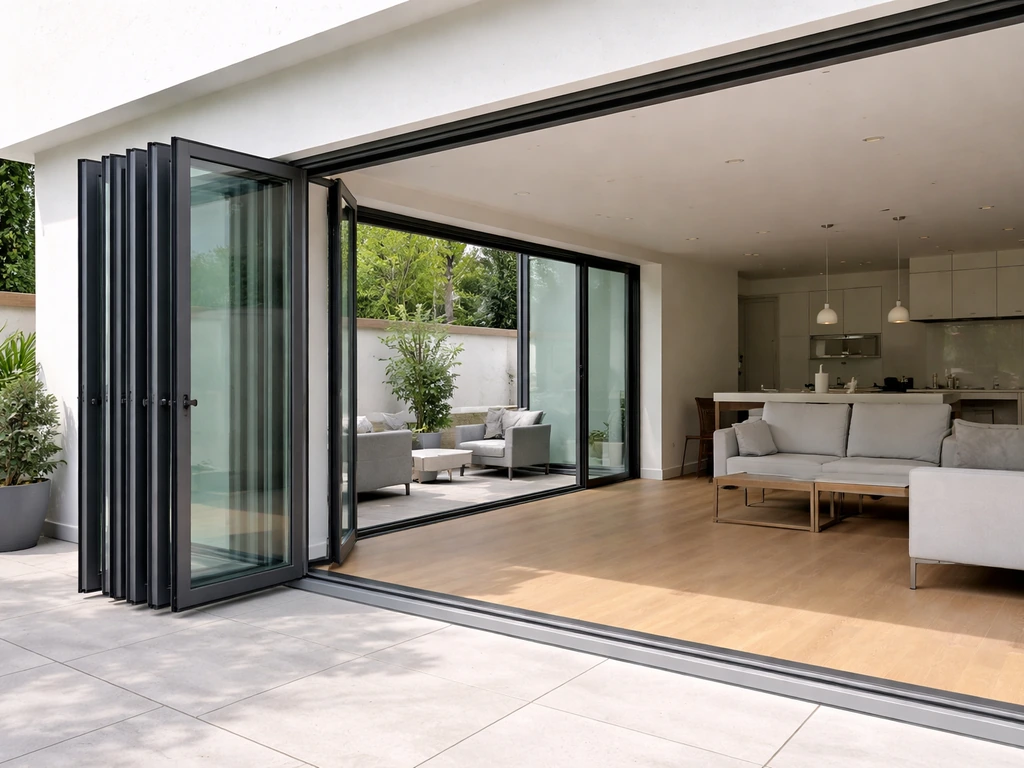
Centor stands out if you want an integrated insect screen and hurricane-rated performance baked in from the factory. The rest of this guide walks you through exactly how to choose between them and what to watch for so you don't end up with a beautiful door that leaks, binds, or gets broken into.
First, let's clear up the terminology
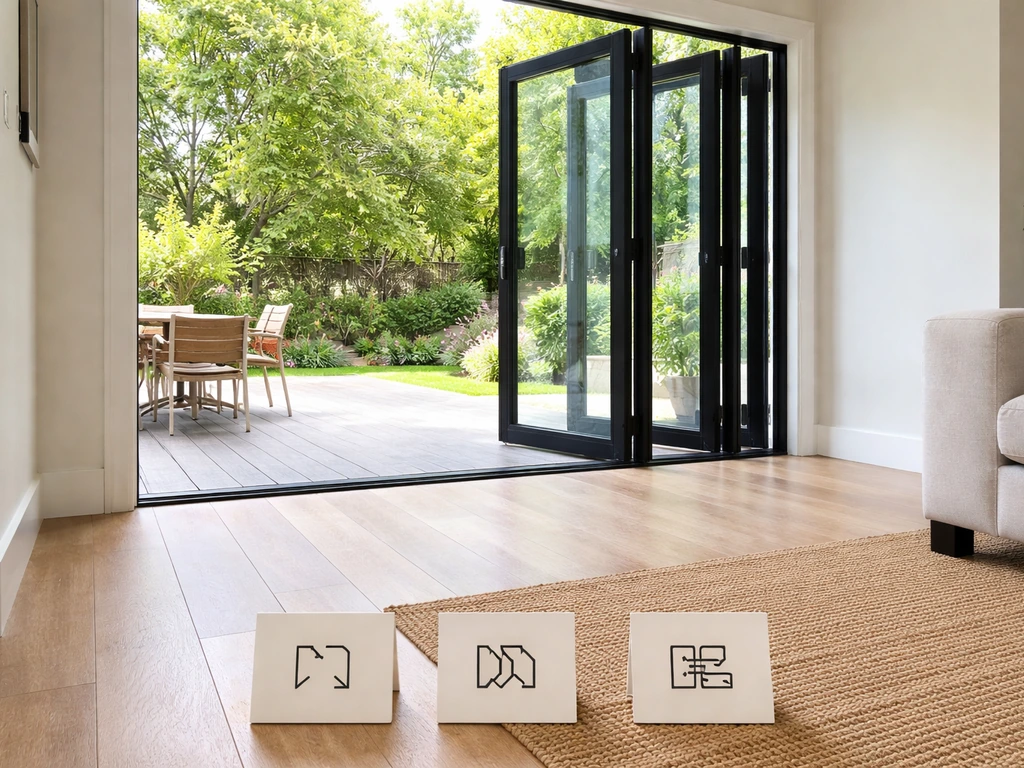
Bifold, bi-fold, bi-folding, folding patio doors, these all mean the same thing, and you'll see every variation used interchangeably by manufacturers, retailers, and installers. The core definition is simple: multiple glazed panels connected by hinges that fold and stack to one or both sides when you open them. Pella uses "Bifold Patio Door" on their product pages. Centor's U.S. branding calls theirs an "Integrated Bi-folding Door." Marvin says "Ultimate Bi-Fold Door." Same basic product, different house style.
What bifold patio doors are NOT: they're not French doors (which hinge at opposite sides and meet in the middle), not sliding doors, and not center-hinged patio doors (which place a single hinge in the middle of the frame). Center-hinged patio doors are a different configuration where a hinge sits in the middle of the frame, so the opening works unlike bifold folding systems.
If you're looking for the best center hinged patio doors, focus on smooth operation, tight weather seals, and sturdy locking hardware designed for the center hinge layout center-hinged patio doors. If you've been researching those styles too, they solve a different problem. Bifold doors are specifically about creating a wide, nearly unobstructed opening, usually 8 to 20-plus feet, by folding the panels flat against each other. That's the whole point of them.
What actually makes a bifold patio door "the best"
Reviews for bifold patio doors are all over the place online, and most of them conflate looks with performance. Here's what actually matters when you're evaluating one of these doors for a real home. Bifold patio doors can feel like a premium upgrade, but choosing the best folding patio doors for your opening, climate, and security needs makes a bigger difference than brand name alone evaluating one of these doors for a real home.
Thermal and glass performance
Look for NFRC-certified ratings: U-Factor (lower is better for insulation), Solar Heat Gain Coefficient or SHGC (lower blocks more heat), and Visible Light Transmittance or VLT (higher means more natural light). Pella publishes these numbers and also tests for air infiltration and water penetration. Their 250 Series, for example, reports an air infiltration figure of 1.57 for the SP-PG30 configuration. That number only matters in context, but the fact that they publish it is a good sign. If a manufacturer won't share NFRC data or performance test results, move on.
Weatherstripping and sealing
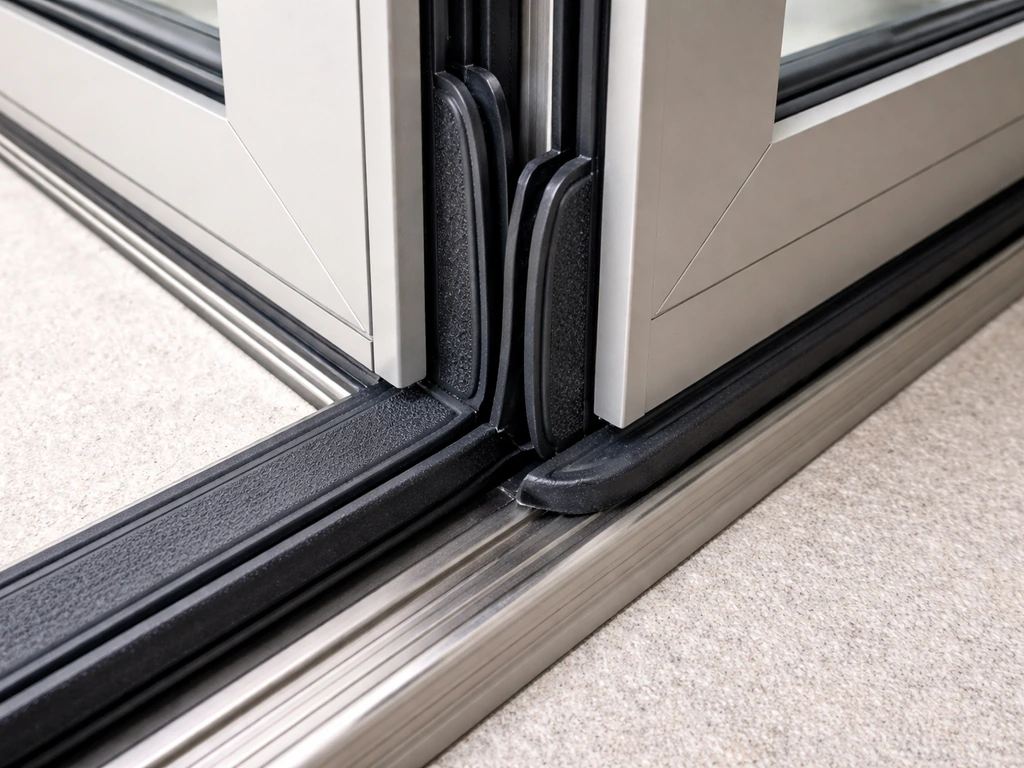
This is where cheap doors fall apart, sometimes literally. Pella's 250 Series uses dual interlocking weatherstripping on the panels, which creates a better air and thermal barrier at each panel joint. Single-layer seals are fine for mild climates, but if you're in the Midwest, the Northeast, or anywhere with real winters, dual interlocking is the minimum you should accept.
Security hardware
Multi-point locking is non-negotiable on a bifold patio door. A single-point lock on a large glass panel is an invitation. Origin's aluminum bi-fold system uses an 8-point multi-point locking system and has passed PAS23/24 security testing, which is a rigorous forced-entry resistance standard. Marvin's Ultimate Bi-Fold includes multi-point locking and adds a Lock Status Sensor so you can actually confirm the door is locked without walking up to check it, which is a genuinely useful feature for a large opening.
Track, wheel, and hardware quality
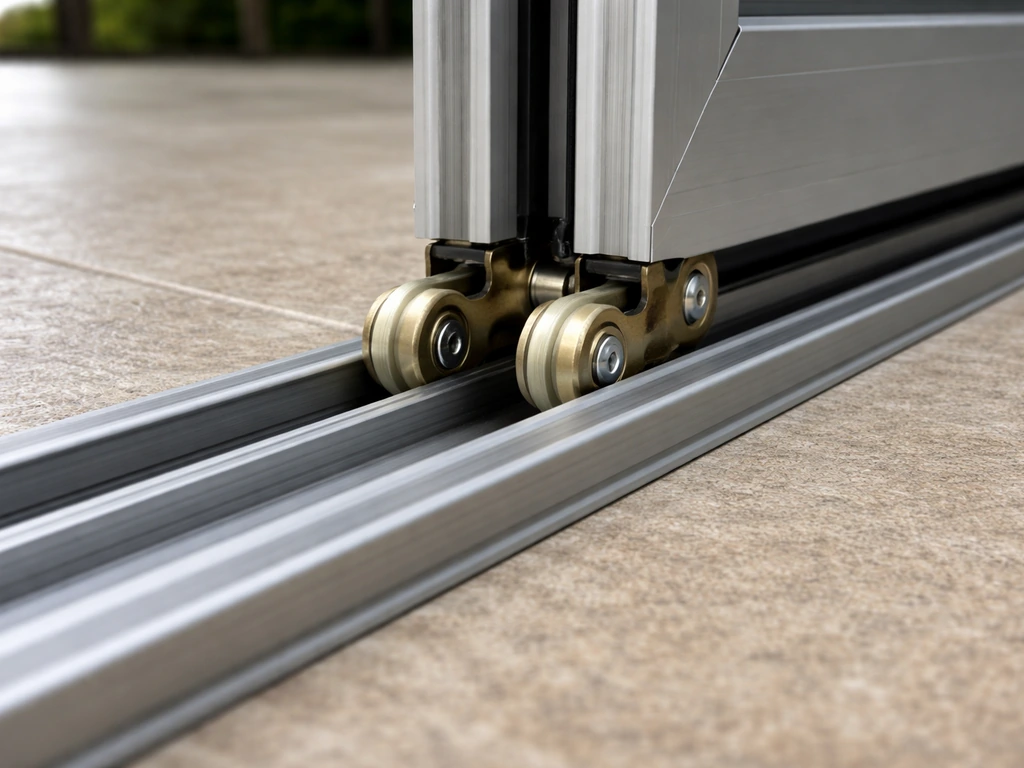
The track and wheel system is what you'll interact with every single day. A bifold door that's smooth to operate in year one but grinds and sticks in year five is a failure. Look for stainless steel or heavy-duty aluminum rollers, sealed bearings, and a track profile that handles debris without jamming. Ask the manufacturer what the operating force rating is, Pella includes this in performance testing. If the spec sheet doesn't mention it, ask the dealer to demonstrate the door with a full panel stack before you commit.
Configuration and opening width
Bifold patio doors come in 2-panel, 3-panel, 4-panel, and wider configurations. Best 3 panel sliding patio door options are often a good alternative when you want wider access without the full stacking and folding swing of a bifold system 3-panel. Pella categorizes their installs by "stacking" and "bi-parting" options: stacking means all panels fold to one side, bi-parting means they fold to both sides from the center.
Pella’s installation instructions categorize their bifold patio doors by configuration, including staking and bi-parting options. A 2-panel door works well for openings around 5 to 6 feet.
Once you get to 8 feet and beyond, 3 or 4 panels give you better balance and smoother operation. For openings over 12 feet, bi-parting is usually the right call because it keeps the panel stack from getting too wide and heavy on one side.
Best options by material and configuration
Material is where most people get stuck, so here's a direct breakdown of the three main choices for bifold patio doors and which buyers each one actually suits.
| Material | Best Pick | Strengths | Weaknesses | Rough Door-Only Price Range |
|---|---|---|---|---|
| Vinyl (uPVC) | Pella 250 Series Bifold | Lower cost, good thermal performance, low maintenance, dual weatherstripping | Narrower sightlines than aluminum, fewer color/finish options | $1,500–$4,000 for standard widths |
| Aluminum | Marvin Ultimate Bi-Fold or Origin Bi-Fold | Slim sightlines, high strength, premium hardware, long lifespan | Higher cost, needs thermal break for cold climates | $4,000–$12,000+ depending on size |
| Aluminum with integrated features | Centor Integrated Bi-folding Door | Built-in insect screen, AutoLatch on hurricane-rated versions, clean aesthetics | Higher price, limited dealer network in some regions | $5,000–$15,000+ for larger openings |
| Wood or wood-clad | Custom or specialty brands | Classic look, good insulation naturally | High maintenance, heavier, can warp in humid climates | $6,000–$20,000+ custom |
For most homeowners replacing an existing sliding or French door with a bifold, the Pella 250 Series vinyl is the practical starting point. It ships with real performance data, the weatherstripping is solid, and the price is reasonable. If your opening is over 10 feet, or you want the thinnest possible frame to maximize the view, step up to an aluminum system like Marvin's Ultimate Bi-Fold. If you're in a hurricane zone or want the screen situation solved from day one without retrofitting, Centor's system is worth the premium.
2-panel vs. 3-panel vs. multi-panel: which do you need
A 2-panel bifold is really a glorified hinged door with a fold, best for openings up to about 6 feet. It's simple and low-cost, but it doesn't deliver the dramatic open-wall effect most people buy bifolds for. Three panels (roughly 7 to 10 feet wide) hit the sweet spot for most residential projects, offering a real sense of openness without requiring structural work beyond what a standard door replacement involves. Four to six panels (10 to 20 feet) are where bifold doors get genuinely impressive, but also where installation complexity and cost jump significantly. At that scale, bi-parting configuration is almost always the better choice for daily usability.
Installation, sizing, and avoiding expensive mistakes
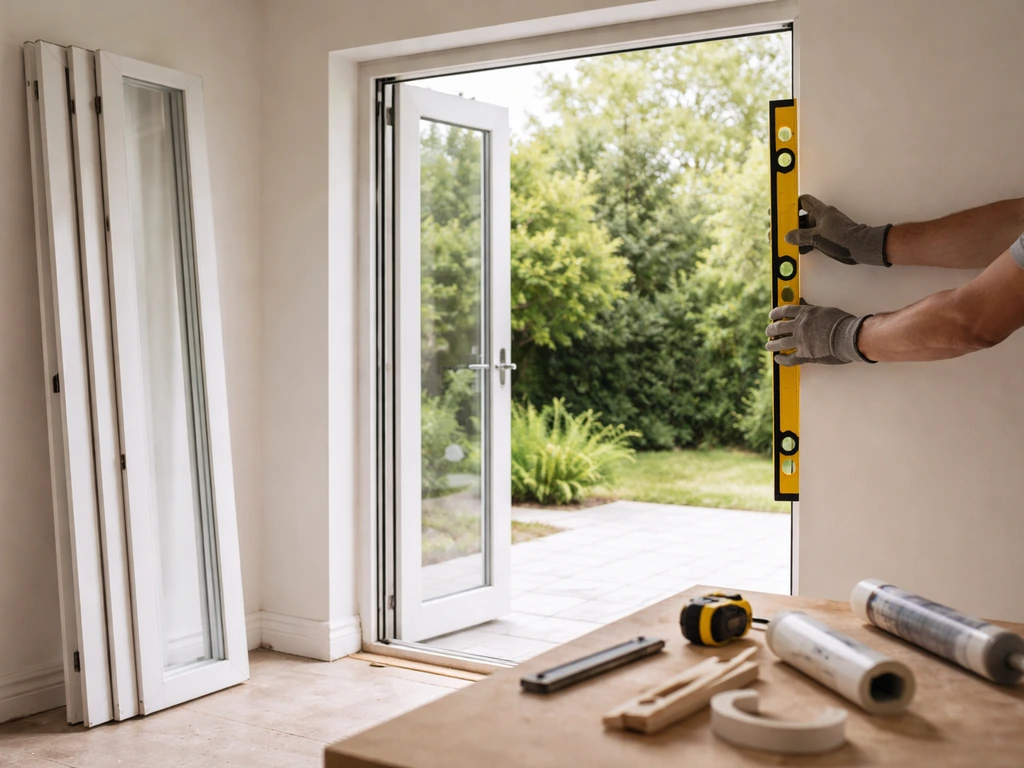
This is the section that can save or cost you thousands. Bifold patio door installation is not a strong DIY project unless you have real framing and finish carpentry experience. The margin for error is small, and the consequences of getting it wrong are expensive.
The bottom track is everything
Origin's technical installation guidance is explicit about this: the bottom track must be level and properly supported across its full length. If it's not, you'll get binding panels, drainage problems, and eventually water infiltration. On a 12-foot wide door, even a 1/8-inch drop across the span can cause the panels to bunch at the low end. Before installation day, confirm your rough opening subfloor or threshold is level with a long level, not just a 2-foot one. If the slab or subfloor isn't level, the installer needs to address it before the track goes down, not after.
Rough opening sizing and clearances
Bifold patio doors require a rough opening that matches the unit size with standard framing tolerances, typically 1/2 inch to 3/4 inch extra on each side for shim space. Always measure your rough opening at the top, middle, and bottom of both height and width because walls and floors are almost never perfectly square. Order based on the smallest measurement, not the largest. Pella categorizes their installations by configuration type (stacking vs. bi-parting), and the header load requirements differ, so your framing needs to be checked before you order. For openings over 8 feet wide, a structural engineer review of the header is worth the $200 to $400 it costs.
New construction vs. replacement fit-up
Replacing an existing patio door with a bifold is almost always more complex than it sounds in showroom conversations. If you're specifically wondering whether you can replace patio doors with bifold doors, the main variables are your rough opening, the header, and how much wall work you're prepared to do.
You're likely going from a 6-foot sliding door to an 8 or 10-foot bifold, which means opening up the wall, installing a new and larger header, and potentially touching the exterior finish, interior trim, and flooring threshold. Budget for this work separately from the door itself. It's not unusual for the carpentry and framing labor on a replacement project to cost $1,500 to $3,500 on top of the door price and basic installation.
Security, weatherproofing, and privacy add-ons
Locks and multi-point security
Every bifold patio door you consider should include multi-point locking as standard, not an upgrade. Pella's 250 Series lists multipoint locking hardware as an option on their bifold products. Origin's system has 8-point locking and PAS23/24 certification. Marvin's Ultimate Bi-Fold includes multi-point locking plus the Lock Status Sensor mentioned earlier. If a door you're looking at only offers a single-point or keyed-only lock, that's a red flag. For bifold doors specifically, the panel joints are a secondary vulnerability, so look for systems where the locking hardware engages at the track (top and bottom) as well as the jamb.
Screens
Screens are the most common afterthought on bifold patio doors, and retrofitting them is expensive and often awkward. Centor's integrated system solves this by building a retractable insect screen into the door frame itself. If you're not going with Centor, ask about screen compatibility before you order, not after. Pleated or folding screens are the standard retrofit option and typically add $300 to $800 per opening depending on size. Retractable single-panel screens work on smaller openings but struggle with wider configurations because the screen material has to travel a long distance.
Weatherproofing upgrades by climate
- Cold climates (Zone 5 and colder): Prioritize aluminum frames with thermal breaks, triple-pane glass options, and a low U-Factor (aim for 0.30 or below). Verify the bottom track has a drainage channel to handle condensation.
- Hot and sunny climates (South, Southwest): Low SHGC glazing (0.25 or lower) will make a real difference in cooling costs. Look for low-e coating options on the glass.
- Coastal and hurricane zones: Centor's hurricane-rated version with Access AutoLatch is purpose-built for this. Alternatively, look for impact-rated glazing and PGT or CGI certifications on the glass package.
- Wet and rainy climates (Pacific Northwest, Southeast): Water penetration test results matter here. Ask for the door's DP (Design Pressure) rating and water infiltration test results from AAMA or NFRC documentation.
Privacy options
Privacy glass (frosted, textured, or switchable electrochromic) is available as a factory option from most major bifold manufacturers. It adds cost, typically $500 to $2,000 depending on the number of panels, but it eliminates the need for curtains or blinds on a door that's hard to hang window treatments on anyway. If standard clear glass is what you want, exterior privacy can also be addressed with landscaping or a pergola structure, which is a worthwhile design conversation to have before the door goes in.
What things actually cost: door-only vs. supply-and-install
Bifold patio door pricing has two very different numbers: the door-only cost (what you pay for the product) and the total installed cost (what you actually spend to have it working in your home). These can differ by 50 to 150 percent, and most online reviews only talk about the first number.
| Scenario | Door-Only Cost | Installation Labor | Framing/Structural Extras | Estimated Total Installed |
|---|---|---|---|---|
| Vinyl bifold, 3-panel, ~9 ft, like-for-like replacement | $2,000–$4,500 | $800–$1,500 | $500–$1,500 | $3,300–$7,500 |
| Aluminum bifold, 4-panel, ~12 ft, new opening in existing wall | $6,000–$10,000 | $1,500–$3,000 | $1,500–$4,000 | $9,000–$17,000 |
| Premium aluminum or Centor, 5-6 panel, ~16 ft, new opening | $10,000–$18,000 | $2,500–$5,000 | $2,000–$5,000 | $14,500–$28,000 |
| Custom wood or wood-clad, any size | $8,000–$20,000+ | $2,000–$5,000 | $1,500–$4,000 | $11,500–$29,000+ |
Supply-and-install packages from dealers or window-and-door specialists can offer savings on labor relative to sourcing independently, but always confirm what's included. Ask specifically: Does install include flashing and weather barrier integration? Does it include interior and exterior trim? Does it include the threshold? Getting a full scope in writing prevents surprise invoices at the end of a project.
For upgrade budgeting, plan for screens ($300 to $800), hardware upgrades like premium handles or flush pulls ($150 to $500), and any smart-lock integration ($200 to $600) on top of base door pricing. These add up but are much cheaper to specify upfront than to retrofit later.
Keeping your bifold doors running smoothly for years
A bifold patio door that's well maintained should operate as smoothly in year 15 as it did in year one. The ones that don't usually suffer from the same small list of neglected issues.
Track cleaning and lubrication
Clean the bottom track every three to six months depending on your environment. Sand, grit, and debris grind down the rollers and wear the track surface. Use a stiff brush and a vacuum, then wipe down with a damp cloth. Lubricate the track with a silicone-based spray, not WD-40, which attracts dirt and degrades rubber components. Do the same for the top track if your system has one. This takes about 15 minutes and extends the life of the rollers by years.
Seal and weatherstrip inspection
Inspect the weatherstripping at the panel joints and at the threshold seal annually, ideally in fall before winter. Press the seal gently along its length and look for sections that have hardened, cracked, or compressed flat. Replacement weatherstrip is inexpensive (usually $20 to $60 per door) and almost always available from the manufacturer. Ignoring a failed seal costs you in energy bills and risks water damage to the subfloor or threshold.
Drainage channel maintenance
Most bifold door bottom tracks have drainage holes or channels to route water out. Check these every spring. A blocked drain can cause water to back up and enter the interior, which is exactly the kind of damage that voids warranties and causes expensive repairs. A thin wire or compressed air clears most blockages in seconds.
Hardware adjustment and alignment
Rollers and top pivot hardware on most modern bifold systems are adjustable. If you notice a door panel that's dragging, not latching cleanly, or sitting slightly crooked, the fix is usually a small adjustment screw on the roller or pivot, not a major repair. Refer to the manufacturer's installation manual (most are available as PDFs online) for the specific adjustment procedure for your model. Marvin and Pella both publish detailed service documentation. Catching an alignment issue early, when it's a minor adjustment, prevents it from becoming a worn-out roller, which is a more involved fix.
When to call a pro vs. handle it yourself
Track cleaning, lubrication, seal inspection, and minor hardware adjustments are all homeowner-level maintenance. If you're seeing water infiltration around the frame, significant panel misalignment that adjustment screws won't fix, or hardware that's corroded or broken, call a door service specialist. Most manufacturers have dealer service networks, and using one keeps warranty coverage intact. On a door system you've spent $5,000 to $15,000 on, a $150 to $300 service call is a reasonable investment.
How to make your final decision
Here's the practical shortlist process. Start with your opening width and decide on panel count based on the guidance above. Then pick your material based on climate, budget, and how much maintenance you're willing to do. Get quotes from at least three sources: the manufacturer direct (if they sell direct), a local dealer, and a supply-and-install contractor. Compare total installed costs, not just door prices. Confirm that multi-point locking is standard, ask for NFRC performance data, and decide on screens before you order so you're not retrofitting later.
If you're still comparing bifold doors to other folding or multi-panel configurations, it's worth understanding the full range of options including 3-panel sliding doors and the various folding door formats before finalizing your choice, since the right solution depends heavily on your opening dimensions and how you actually plan to use the space. But if you've already decided bifold is the direction, the three names at the top of this guide, Pella 250 Series, Marvin Ultimate Bi-Fold, and Centor Integrated Bi-folding Door, are where to spend your evaluation time.
FAQ
How do I know if my patio opening is sized correctly for a bifold door?
Measure the rough opening at multiple points (top, middle, bottom) for both width and height, then order based on the smallest dimensions. Also confirm the door’s required panel configuration for your width, because a 3-panel and a 4-panel unit can have different frame and header demands even when the “finished opening” looks similar.
Do bifold patio doors work well for snowy or freeze-thaw climates?
They can, but you need the right weather-seal design and drainage management. Prioritize doors with dual or multi-stage weatherstripping at panel joints and ensure the bottom track has clear drainage channels. Avoid systems that rely on minimal seals or that do not publish air infiltration and water penetration test details.
What should I ask about the header and structural support before ordering?
Ask for the header load requirements for your exact opening width and chosen configuration (stacking vs bi-parting). If the opening is over about 8 feet, request a framing review and consider an engineer consultation, since the header solution can differ based on panel count and how the stack is supported.
Can I retrofit a bifold door into an existing sliding-door frame?
Often no, at least not without major framing changes. The new unit typically needs a larger header, different track support, and revised rough opening tolerances. Plan for threshold and finish work, and budget separately for carpentry, trim, and any exterior siding or interior flooring adjustments.
Why do bifold doors sometimes bind or feel “out of alignment” later?
Most issues come from an unlevel bottom track, debris buildup in the track, or minor misalignment that was never adjusted. Even small installation variations can magnify on wide doors, so confirm the track is level across its full length and commit to periodic cleaning and alignment checks.
What’s the practical difference between stacking and bi-parting on daily use?
Stacking folds to one side, which can create a heavier, wider panel stack that may feel slightly harder to operate on very large openings. Bi-parting splits the stack toward both sides, usually improving balance, reducing how bulky the folded mass feels near one corner, and improving day-to-day usability on wider spans.
How important is multi-point locking on bifold patio doors?
For bifolds, it matters a lot because panel joints and the top and bottom engagement areas are common security weak points. Make sure the locking engages at multiple points, ideally including the track or top and bottom, not just a single latch on one side.
Do I need smart lock features for a bifold, or are they just a convenience add-on?
They’re mainly convenience, but they can be more valuable on large openings where it’s hard to visually confirm latch engagement. If you choose smart locking, confirm compatibility with your door’s installed hardware and whether the system reports locked status for all locking points, not just one latch.
What screen options are best, and when should I decide on them?
Decide before you order. Retractable or integrated insect screen solutions are easier and cleaner when built for the specific frame. If you retrofit later, you can run into fit and travel-length problems on wider doors, and retrofit cost can be much higher than adding the screen to the purchase.
Are privacy glass options worth it, and what should I consider?
Privacy glass can reduce glare and eliminate the need for curtains in rooms where window treatments are difficult to hang. Before choosing, consider how it affects visible light transmission for your specific orientation, since “privacy” often comes with a trade-off in brightness compared with clear glass.
What maintenance is actually worth doing as a homeowner?
Track cleaning every 3 to 6 months (more often in dusty or pollen-heavy areas), silicone-based lubrication of the track, annual weatherstrip inspection at panel joints and the threshold seal, and checking drainage channels in spring. If you catch early seal compression or a minor alignment shift, you can avoid roller wear and bigger repair costs.
What are common “wrong” maintenance choices that cause damage?
Don’t use lubricants like WD-40 on the track because they can attract dirt and degrade rubber components over time. Also avoid ignoring blocked drain channels, since backing water into the interior can lead to warranty-relevant damage.
How do I compare quotes fairly between door-only and total installed pricing?
Compare scope, not just the door price. Confirm whether flashing and weather barrier integration are included, whether interior and exterior trim are covered, and whether the threshold is part of the package. Get everything in writing so the labor scope and materials do not expand after installation starts.
What questions should I ask during a dealer demonstration?
Ask to see a full panel stack demonstration at normal operating speed, confirm smoothness without binding, and inquire about operating force ratings if available. Also request the manufacturer’s documentation for alignment adjustments and verify that rollers and pivots are adjustable on your model.
When should I call a pro instead of doing adjustments myself?
Call a specialist if you see water infiltration around the frame, corrosion or broken hardware, or misalignment that cannot be corrected with the manufacturer’s adjustment procedure. If the door is expensive and still under warranty, using the authorized service network can protect coverage and ensure proper repair parts and procedures.
Can I use bifold doors as a primary entry, or are they mostly for patios?
They can be used frequently, but you should treat them like a main traffic door. That means prioritizing smooth, low operating force hardware, robust rollers, and high-quality multi-point locking. If you expect heavy use, ask about long-term serviceability and replacement availability for rollers, weatherstrips, and track components.