The best 3-panel sliding patio door for most homeowners in 2026 is a vinyl-framed unit with a multipoint lock, low-E double-pane glass rated for your climate zone, and a smooth stainless-steel or composite roller system. Pella's 250 Series and Andersen's A-Series multi-slide are the two names that come up most often for good reason: both offer solid energy performance, integrated screen options, and a security package that goes beyond a basic latch. That said, the 'best' door genuinely depends on your climate, your opening size, your budget, and whether you're doing a simple swap or a full structural replacement. This guide walks you through every decision point so you can make a confident call.
Best 3-Panel Sliding Patio Door: How to Choose and Measure

Owen Delaney
1 Jun 2026
What a 3-Panel Sliding Patio Door Actually Means
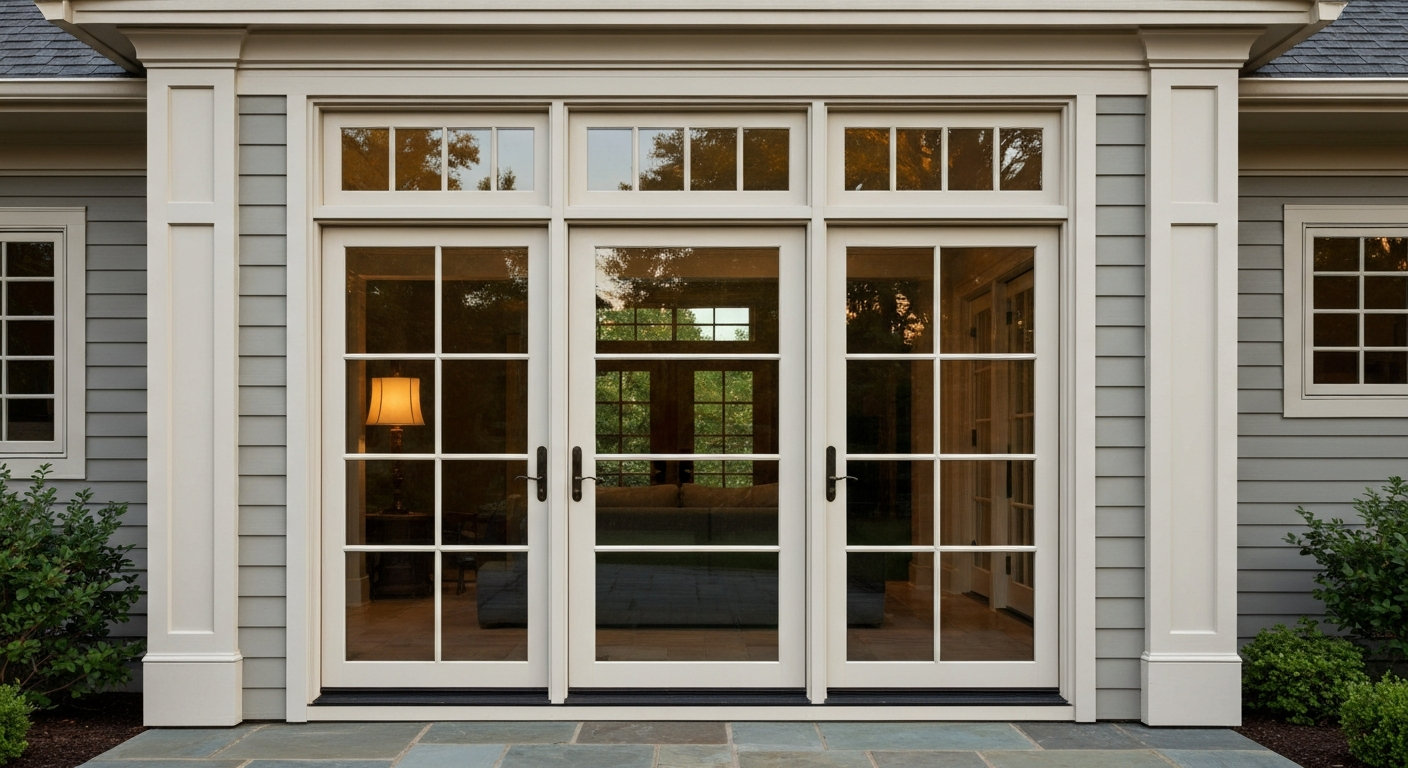
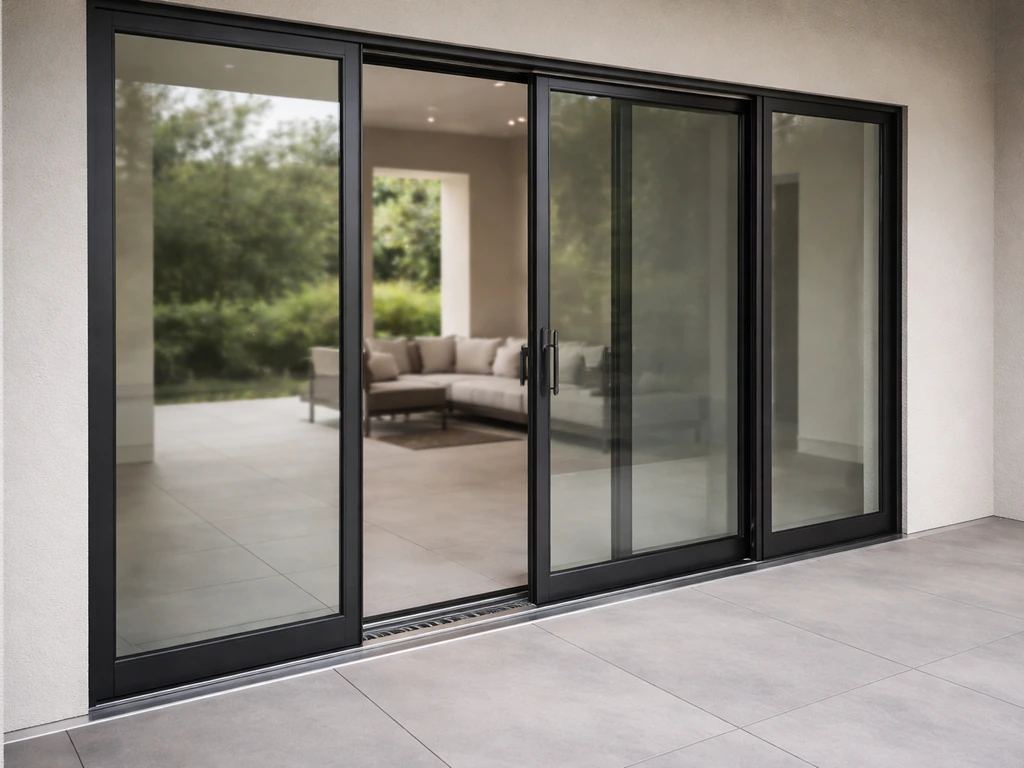
The term '3-panel' gets used loosely, so it helps to be specific. In the most common configuration, you have two fixed panels flanking one operable sliding panel. If you are comparing layouts beyond sliding options, a center hinged patio door is another adjacent configuration worth evaluating for how it opens and how much clearance you need. When you open the door, the operable panel slides along a track and overlaps one of the fixed panels, creating an opening roughly equal to one panel width. This is different from a standard 2-panel slider where the whole right half opens, and it's also different from a stacking or pocket system where multiple panels disappear into a wall cavity.
A less common but available configuration is a 3-panel system where two panels slide and stack behind a single fixed panel, giving you a much wider clear opening. This is sometimes called a multi-slide or stacking system. It works beautifully for wide openings (think 12 feet or more) but costs significantly more and requires a thicker wall pocket or a dedicated stacking zone beside the opening.
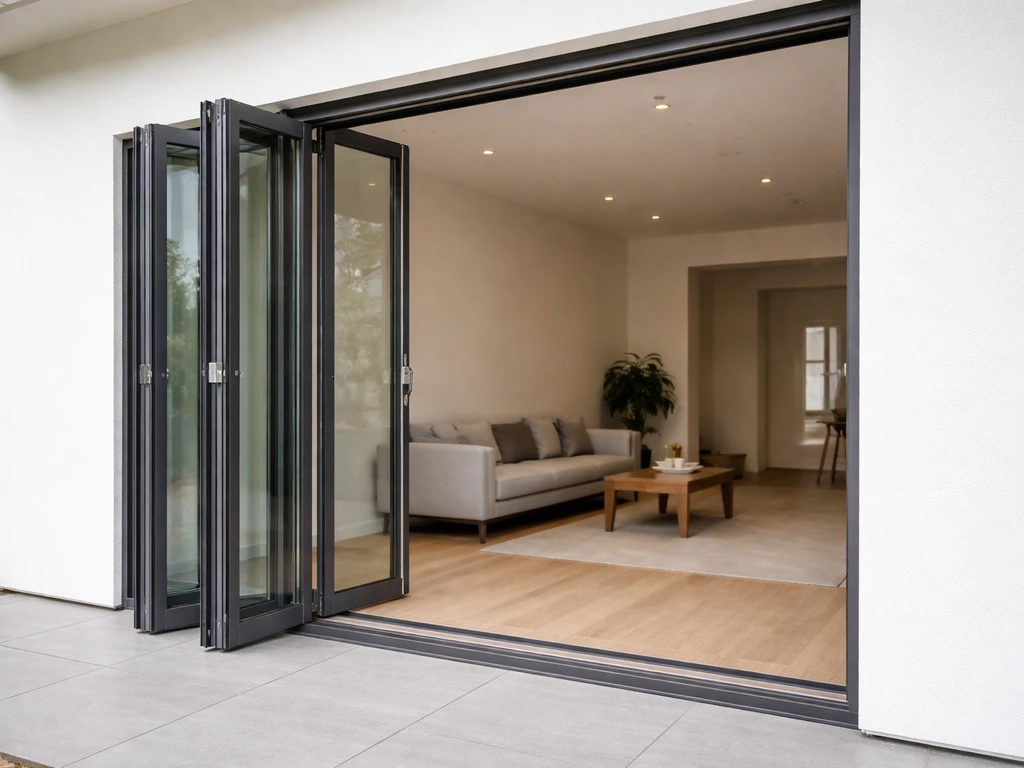
For replacement projects in standard 8- to 12-foot openings, the fixed-fixed-operable (or operable-fixed-fixed) layout is the practical choice for most homes. Before you shop, decide which side you want the door to open from and which direction the panel slides, because this affects the rough opening requirements and how the interior layout works with your furniture. A high-quality bifold patio door can also be an excellent space-saving option if you want wide, open feel without the stacking wall-pocket requirements of a multi-slide slider bifold patio doors.
If you're also considering bifold or folding door systems for a wide opening, those operate quite differently and tend to cost more. If a bi fold setup fits your opening and lifestyle, that can be the best route for maximizing access and views best bi fold patio doors. For help choosing the best bifold patio doors for a wide opening, review how their accordion-style panels affect clearance, weather sealing, and hardware maintenance bifold or folding door systems. Bifold and folding patio doors fold accordion-style rather than slide, which gives you a nearly unobstructed opening but involves more moving parts, more maintenance, and typically higher installation complexity.
How to Measure for a Replacement 3-Panel Slider
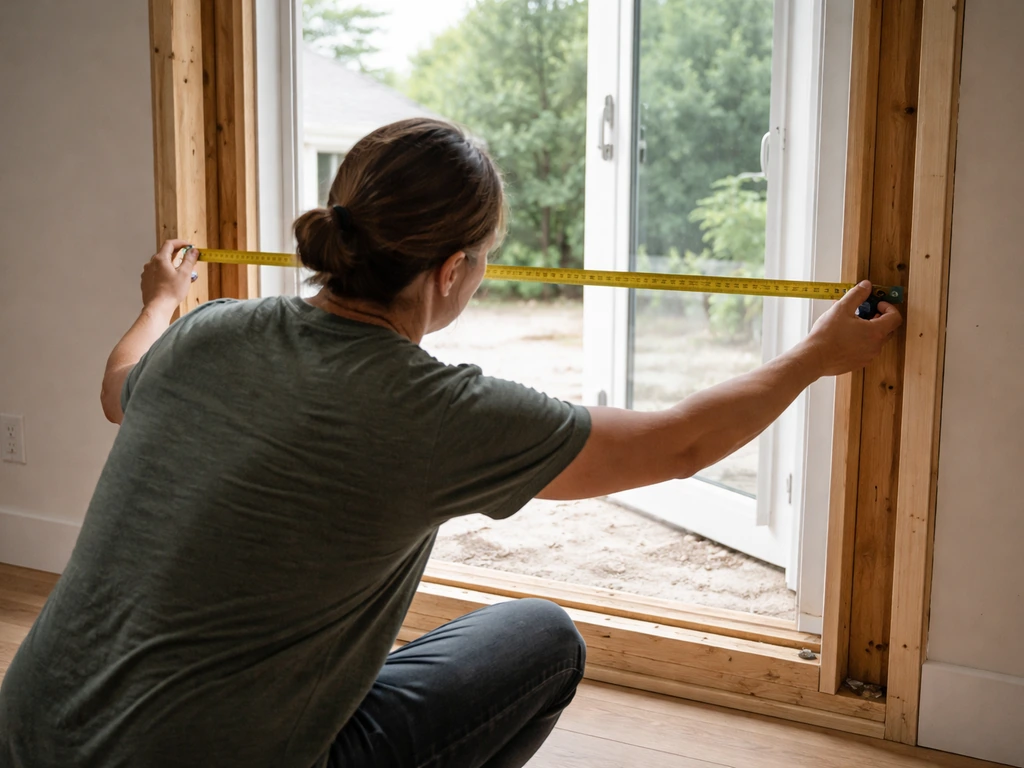
Getting the measurement wrong is probably the single most expensive mistake you can make on a patio door project. The number you need is the rough opening (RO), not the size of your old door. When you order a replacement unit, the door is manufactured slightly smaller than the rough opening so the installer has room to shim, level, and square the unit before nailing it in place.
Here's how to measure properly. Remove the interior trim (or at least pull it back far enough to see the framing). Then measure the width of the rough opening at three heights: near the top, at the middle, and near the bottom. Do the same for height: measure at the left, center, and right. Use the smallest number in each direction. That gives you the true usable RO. Most door manufacturers want the door unit to be about 1/2 inch to 3/4 inch smaller than the RO in each dimension to allow for shimming.
Also check the floor level at the threshold. A floor that's out of level by even 1/4 inch across a 9- or 12-foot opening will cause the sliding panel to drift open or closed on its own and will accelerate wear on the rollers. If the slab or subfloor isn't level, factor in the cost of a leveling compound or sill adjustment before you order anything.
Panel dimensions for 3-panel systems typically run from about 32 inches to 60 inches wide per panel, with standard height options at 7 feet, 8 feet, 9 feet, and sometimes taller for custom orders. So a typical 9-foot-wide 3-panel slider would have three panels each roughly 36 inches wide. When you're shopping, confirm whether the listed door size is the unit size (frame to frame) or the rough opening size, because manufacturers are not always consistent about this.
Performance Features Worth Comparing Side by Side
Energy Efficiency: U-Factor, SHGC, and Air Leakage
Every sliding patio door sold today should have an NFRC label that shows two key numbers: the U-factor (lower is better, measures how much heat passes through the unit) and the SHGC or Solar Heat Gain Coefficient (lower blocks more solar heat, higher lets more solar heat in). Which values you want depends on your climate zone.
If you live in a cold climate (think the northern US or Canada), you want a low U-factor, typically 0.30 or below, to minimize heat loss. In a hot climate like the southwest or southeast, you want a low SHGC, often 0.25 or below, to keep solar heat out. Mixed climates need a balance. The ENERGY STAR program publishes specific U-factor and SHGC thresholds by climate zone, so look up your zone before you shop. ENERGY STAR Version 6.0 also sets an air leakage cap of 0.3 cfm/ft² for sliding doors, which is a useful baseline to check on any unit you're considering.
Glass Package Options
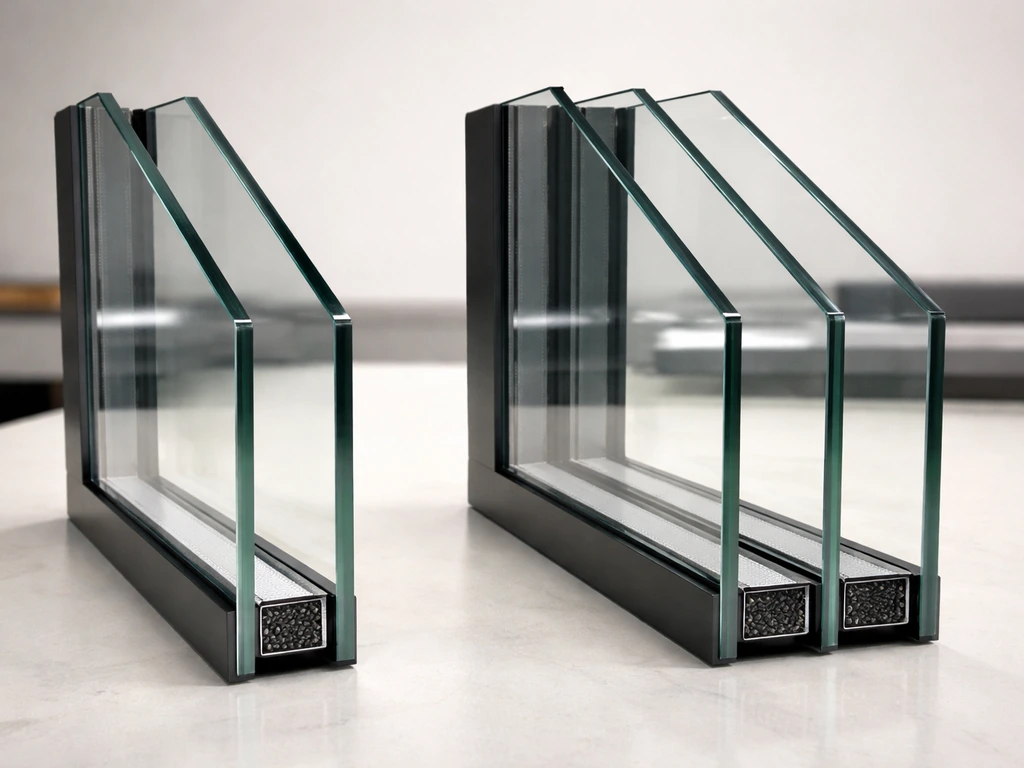
Double-pane with a low-E coating is the standard and is adequate for most climates. Triple-pane is worth considering if you're in a very cold climate or the door faces a north or northwest exposure with brutal winter wind. The difference in U-factor between a quality double-pane and a triple-pane can be significant (roughly 0.28 vs. 0.18 in many cases), but triple-pane adds weight to the panels, which puts more load on the rollers and track over time. Most 3-panel sliders are not designed for triple-pane glass unless the manufacturer specifically offers it.
Weather Sealing and Track Design
Look for multi-point weatherstripping on the sliding panel (both the meeting stile and the outer edges) and a sill with an integrated drainage channel. Water infiltration on sliding doors almost always comes from the sill area during wind-driven rain. A well-designed sill has weep holes or a drain channel that directs water out rather than letting it pool under the door. This is easy to overlook when you're comparing spec sheets, but it matters enormously in wet climates.
Hardware and Roller Quality
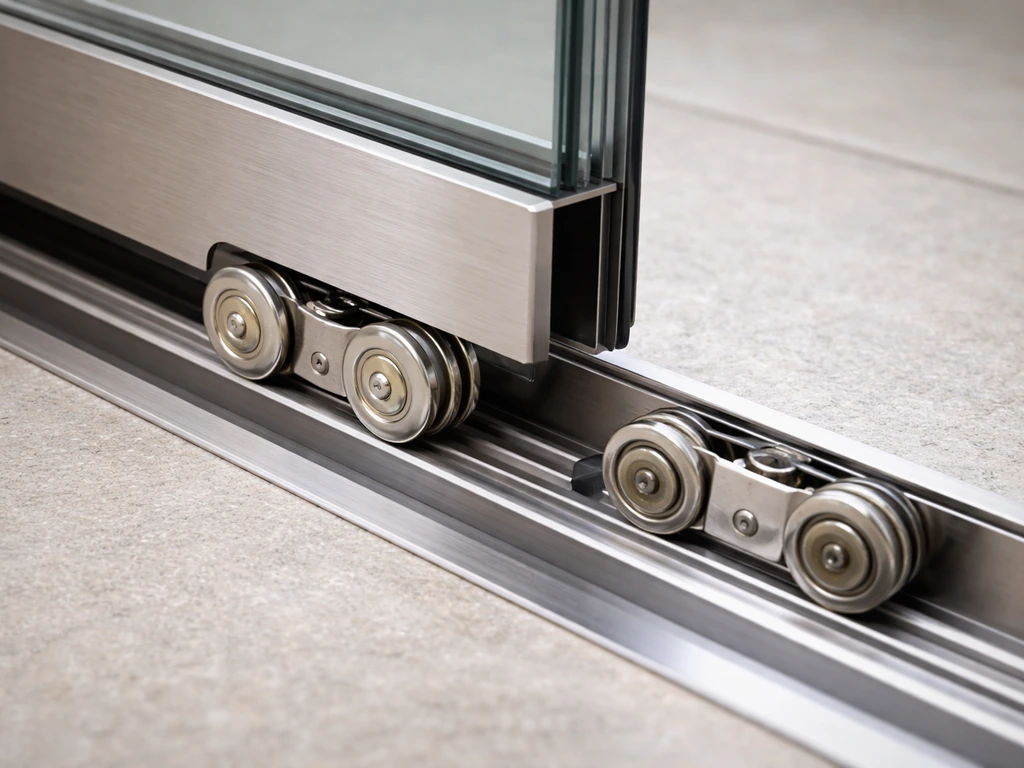
The roller system is what makes a heavy glass panel feel effortless or frustrating to operate. Stainless steel or nylon-encased tandem rollers are standard on mid-range and premium units. Avoid bottom-track systems where the rollers sit directly in the track channel without any adjustment mechanism; those become difficult to operate as the door settles. Top-hung systems (where the panel hangs from a top track rather than rolling along a bottom track) are used in some high-end multi-slide configurations and eliminate the bottom track trip hazard, which is a real accessibility plus.
Security and Accessibility
Basic patio door locks (a single hook latch or thumb-turn) are not enough for exterior-facing doors. At a minimum, look for a multipoint lock system that engages at two or three points along the door height when you turn the handle. Pella's 250 Series, for example, includes a multipoint lock plus a secure vent lock position, which lets you lock the door in a slightly open position for ventilation without creating a security gap. Marvin's multi-slide system uses a multipoint lock that also helps create a tighter weatherseal, so security and energy performance work together.
Add a secondary security bar (often called a charley bar) in the track for when the door is closed and you're home or away. This is cheap insurance. A charley bar sits in the bottom track and physically prevents the panel from being forced open even if the lock is compromised. It takes two seconds to use and costs under $30 at any hardware store.
For accessibility, the key factors are the track height (lower sill threshold is better for wheelchair or walker access), the handle height and style, and the force required to slide the panel. Top-hung systems or systems with a low-profile threshold (1/2 inch or less) are the gold standard for accessibility. If you have household members with mobility concerns, confirm the threshold height in the spec sheet before ordering.
Smart lock integration is increasingly practical. Andersen offers compatibility with the Yale Assure Lock for certain patio door models, which allows keyless entry, remote locking and unlocking via a smartphone app, and integration with smart home systems. If that's on your wish list, confirm compatibility before you select the door, not after.
Materials: Vinyl vs. Aluminum vs. Wood-Finish
This is the decision that affects your maintenance schedule, your energy bill, and your budget more than almost anything else. Here's an honest breakdown:
| Material | Energy Performance | Maintenance | Aesthetics | Typical Cost (Unit Only) | Best For |
|---|---|---|---|---|---|
| Vinyl | Excellent (naturally insulating) | Very low, no painting or refinishing needed | Good, limited color options on budget lines; dual-color available on premium | $800 – $3,500+ | Cold/mixed climates, budget-conscious buyers, low-maintenance priority |
| Aluminum (thermally broken) | Good (thermal break required for cold climates) | Low, but may show scratches over time | Slim, modern profiles; wide color range via powder coat | $1,500 – $5,000+ | Mild/warm climates, modern architecture, large openings needing structural strength |
| Wood-finish / clad wood | Good to excellent depending on core | Moderate, exterior cladding reduces upkeep vs. bare wood | Premium, warmest interior look | $2,500 – $8,000+ | Traditional or craftsman homes, buyers who prioritize interior aesthetics |
Vinyl is the practical winner for most homeowners. It doesn't rot, warp, or corrode, doesn't need painting, and handles moisture well in wet climates. The knock on vinyl is that it can look a little plastic on budget lines, but premium vinyl doors (like Pella's 250 Series multi-slide) offer dual-color frames with a cleaner look.
Aluminum is great for modern homes and large openings because of its strength-to-weight ratio, but you must confirm it has a thermal break (a layer of insulating material inside the frame profile) if you're in any climate that sees freezing temperatures. Without a thermal break, aluminum frames conduct cold straight into your home and can cause condensation problems. Wood-finish or clad-wood interiors are beautiful but expect more maintenance on the interior surfaces and a higher price point.
What It Costs and How to Decide on Installation
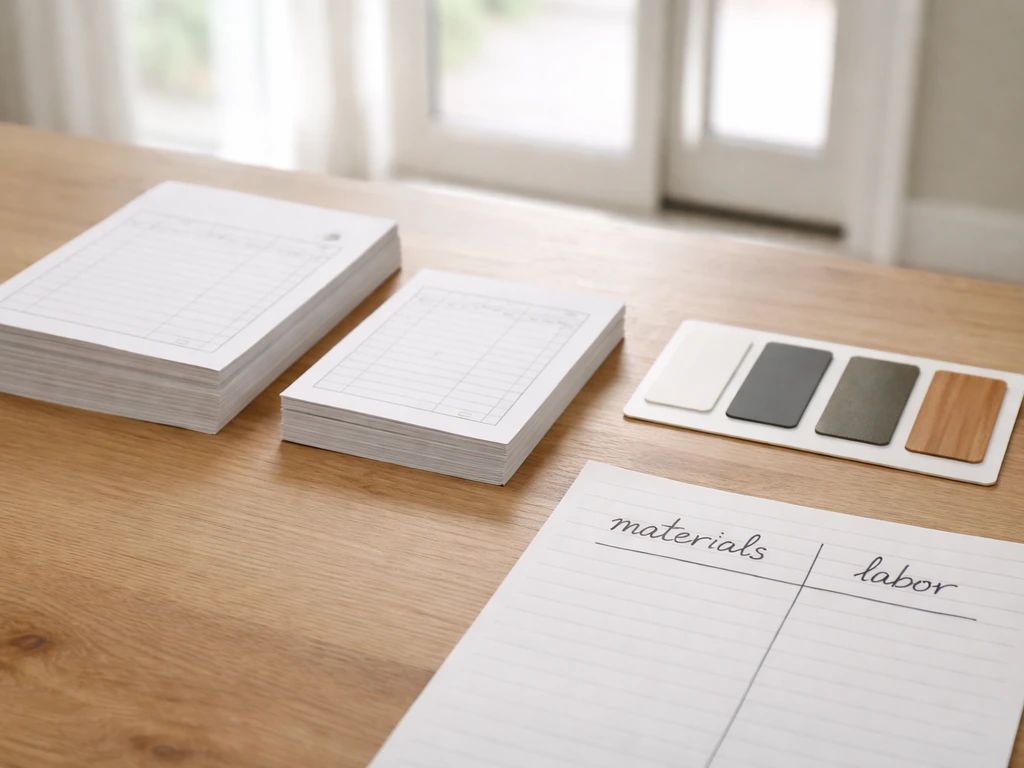
In 2026, installed costs for a 3-panel sliding patio door replacement vary widely based on size, material, glass package, and how complicated the rough opening situation is. For a mid-range vinyl unit in a standard opening with a straightforward swap, total installed cost (door unit plus labor, removal, disposal, and basic flashing/sealing) typically runs from about $2,500 to $5,000. Premium aluminum or clad-wood systems in larger openings with high-end glass packages can push $8,000 to $15,000 or more installed.
Labor alone for a patio door installation generally runs $500 to $1,500 for a standard replacement in an existing opening with no structural changes. If the rough opening needs to be modified, if there's a header to add or resize, or if there's significant demo work and water damage to address, add substantially to that number. Always get an itemized quote that separates the door unit cost, removal and disposal, labor, permits (required in many jurisdictions for exterior door replacement), and any flashing, caulking, or trim work.
DIY vs. Professional Installation
A 3-panel sliding door is not a beginner DIY project. The panels are heavy (a single tempered glass panel in a 36-by-96-inch frame can weigh 100 pounds or more), the shimming and leveling process is unforgiving, and improper installation voids most manufacturer warranties. That said, if you have solid carpentry experience, have done window or door replacements before, and your rough opening is square and level, a like-for-like replacement is doable. Just be honest with yourself about skill level. The cost of getting it wrong (a door that leaks, a track that's misaligned, or a warranty claim denied because of improper install) outweighs the labor savings.
If you go professional, look for an installer who has done sliding patio door work specifically (not just general carpentry), get at least two quotes, and ask each contractor to walk you through their flashing and drainage approach for the sill. That's where most long-term water problems start, and a good installer will have a clear answer.
Accessories and Upgrades Worth Adding
Screen Systems
Standard bug screens that clip onto a 3-panel slider are fine, but for a door you use frequently, a retractable screen system is a much better experience. Retractable accordion-style screens integrate into the jamb or a dedicated housing beside the opening and pull across only when needed, so they're out of the way the rest of the time. Brands like Centor and Brio offer systems designed for large multi-slide and stacking openings. Budget $400 to $1,200 for a good retractable screen system installed, depending on the width of the opening.
Privacy and Light Control
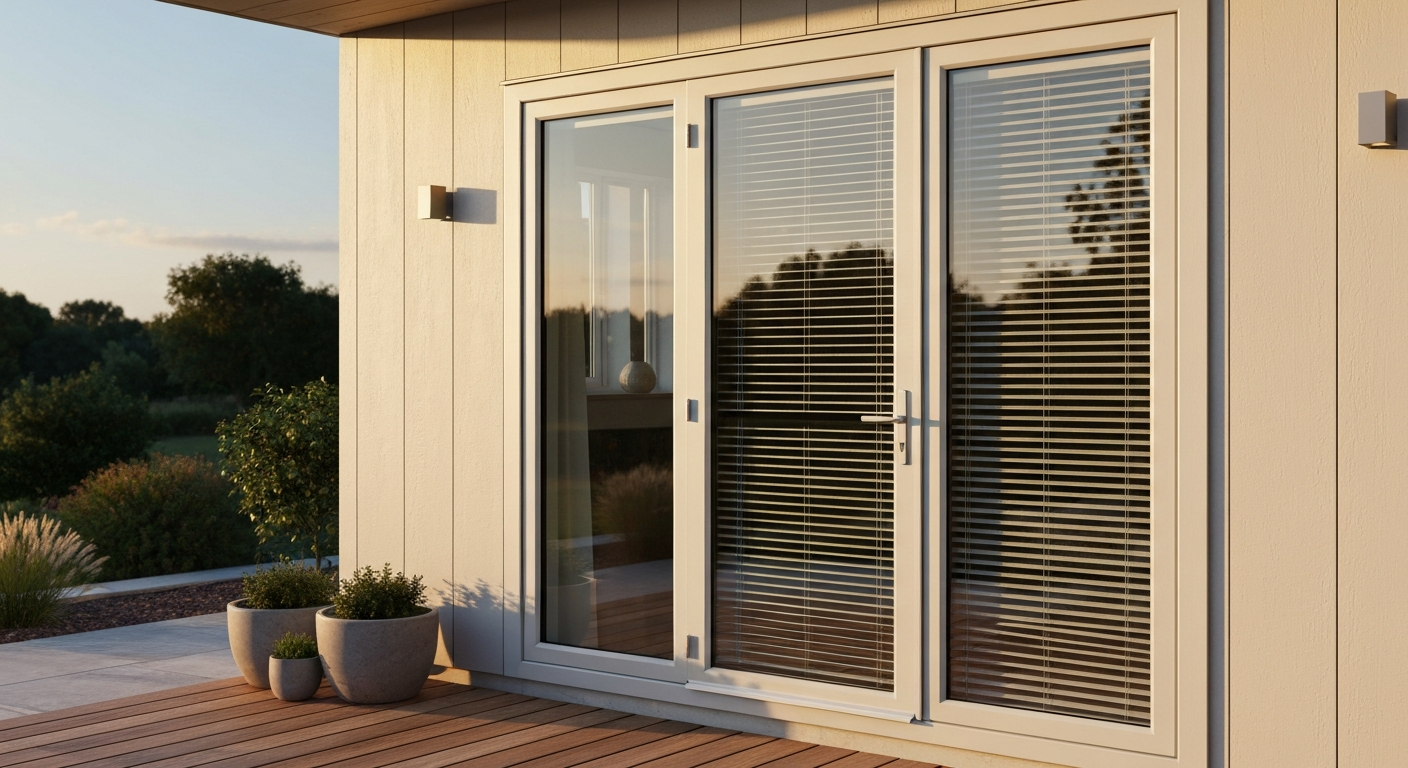
Between-the-glass blinds (sometimes called integral blinds) are an option worth considering if you want privacy without the hassle of curtain rods or blind cords near a high-traffic door. Pella offers this as a factory option on several of their patio door lines. The blinds sit inside the insulated glass unit and are operated by a small magnetic slider on the frame, so there's nothing to collect dust or get tangled. The trade-off is that the glass unit as a whole is more expensive to replace if the seal ever fails.
If you prefer exterior shading, consider a motorized exterior solar shade or a retractable awning above the door. These reduce solar heat gain before it ever reaches the glass, which is more effective than interior window treatments from an energy standpoint. For interior options, panel curtains (vertical fabric panels on a track) work well with wide sliding doors because they follow the same sliding motion.
Security Add-Ons
Beyond the charley bar mentioned earlier, consider a door alarm sensor (a simple magnetic contact sensor on the frame that triggers an alert if the door is opened) and a smart lock if your door is compatible. For homes where the patio door is a primary entry point, a door reinforcement kit (a metal strike plate and frame reinforcement) adds meaningful resistance to forced entry. Glass-break sensors and window film (which holds shattered glass together) are inexpensive additions that round out a solid security setup.
Keeping Your Door Running Smoothly for Years
The most common reason a sliding patio door becomes hard to operate is a dirty or damaged track. Milgard also recommends cleaning the sliding door tracks as part of routine troubleshooting to help keep the door operating smoothly dirty or damaged track. Make track cleaning a regular part of your home maintenance routine, not something you wait to do until the door sticks. Use a stiff brush or vacuum to remove debris from the track channel, then wipe it down with a damp cloth. Do this two to four times a year depending on how much traffic and outdoor debris the door sees.
After cleaning, apply a silicone-based lubricant to the track and to the rollers if accessible. Avoid WD-40 or petroleum-based products on plastic components, as these can degrade the material over time. Silicone spray is cheap and works on both the track and the weatherstripping to keep the seal pliable.
Check the weep holes in the sill every spring. These small openings at the bottom of the frame drain water that gets into the sill channel during rain. If they're clogged with dirt or insect debris, water backs up and eventually works its way under the threshold or into the wall framing. A toothpick or compressed air clears them in seconds.
If the door starts drifting open or closed on its own, or feels heavier to slide, the rollers likely need adjustment. Regular track cleaning and periodic roller and weatherstripping adjustments are recommended by This Old House to help sliding doors operate smoothly.
Most roller systems have an adjustment screw accessible through a hole in the bottom of the panel face or the bottom rail. Turning it raises or lowers the roller, which changes the panel height in the track. Refer to your door's manual for the exact location, but this is usually a 5-minute fix with a screwdriver.
If adjusting the rollers doesn't help, the roller itself may be worn and need replacement, which is a reasonably affordable repair compared to replacing the door.
Inspect weatherstripping annually and replace it if it's compressed flat, cracked, or pulling away from the frame. Most weatherstripping on patio doors is a pile or foam gasket that can be purchased by the foot at a hardware store and replaced without tools. Fresh weatherstripping improves both energy performance and noise reduction noticeably.
How to Make Your Final Decision
Here's the practical shortcut. Start with your climate zone and confirm the ENERGY STAR requirements for your zone before you look at any brand. That filters out a lot of poor performers immediately. Then set your budget realistically including installation, and decide on material (vinyl for most people, aluminum if you have a large opening and a modern home, clad wood if budget isn't a constraint and aesthetics matter most to you).
After that, compare NFRC labels on specific units rather than marketing language, confirm the lock system meets a multipoint standard, and check whether integrated screens are available for the model you're considering. Center hinged patio doors are a different style, so match the hardware and weather sealing to that door type when you compare options best center hinged patio doors.
Get at least two professional installation quotes, ask each about their flashing approach, and don't skip the permit if your jurisdiction requires one.
The best 3-panel sliding patio door is the one that fits your rough opening correctly, performs in your climate, can be secured properly, and will still be operating smoothly a decade from now without demanding constant attention. Take the measurement steps seriously, don't skip the NFRC label comparison, and invest in professional installation unless you have genuine experience with exterior door work. Do those things and you'll end up with a door that earns the 'best' label every time you slide it open.
FAQ
I measured my opening, but the numbers vary at different heights. What’s the right way to decide which size to order?
Use the smallest number in each direction you measured (width and height) as your rough opening target, then subtract 1/2 to 3/4 inch per dimension from the manufacturer’s listed RO requirement when you confirm fit. If you already know your opening is out of square, ask the installer whether they plan to correct the opening first or shim the unit, because the “best” door choice changes if the framing is not true.
Manufacturers show different sizes for the same 3-panel slider. How do I make sure I’m comparing the same measurement?
Not always. Some specs list “unit size” (frame to frame) while others reference “door size” (glass visible area) or a rough opening target. Before ordering, request the exact dimensions the manufacturer uses for that model, and confirm what clearances the installer needs for shimming, especially at the head (top) and sill (bottom).
My floor might be slightly out of level. Will a good door handle that, or should I correct the floor first?
If the track has bottom rollers and the slab slopes even slightly, the sliding panel can drift. Fix the subfloor leveling before you install the door if the threshold will be hard-set, or ask about a sill adjustment system if you must compensate during install. Avoid trying to “solve” drift with lubrication or minor roller tweaks, because those only mask the underlying grade problem.
Can I upgrade a 3-panel sliding patio door to triple-pane glass after purchase?
Confirm whether your model supports a true multi-slide weight rating and, if you want triple-pane, whether triple-pane is offered as a certified option for that specific frame and roller system. Even if the glass dimensions fit, heavier glass can require stronger hardware, different roller assemblies, and revised weatherstrip compression.
What security details should I verify beyond “multipoint lock” marketing claims?
Multipoint locks help, but look for additional resistance features if the door is a primary entry point. Ask whether the frame includes reinforced strike plates, whether the meeting stile has anti-lift features, and whether the lock engages into the right anchor points for your model’s frame design. A charley bar is useful, but it should be paired with a lock and frame that can’t be easily pried apart.
Which NFRC and climate factors matter most for comfort, not just heating costs?
Low-E double-pane is often adequate, but you should also check air leakage (ENERGY STAR-style caps, not just U-factor and SHGC). If you have drafts around the jamb or sill, performance will be worse than the label suggests. In wet climates, prioritize sill drainage design and weatherstripping continuity, because leaks can undermine energy savings.
How do I evaluate whether the installer’s water-management plan is actually strong, especially at the sill?
Ask the installer how they plan to flash and seal the sill and whether they use a sill pan or equivalent water-management method. Two doors can both have “good weep holes,” but if water is not directed out correctly, it can still enter the wall framing. For wide openings, confirm their approach to preventing water paths at the panel overlaps and at any trim joints.
Are retractable screens worth it for a frequently used 3-panel slider, and what could limit compatibility?
Retractable screens often cost more upfront but reduce cleaning and door-with-screen friction, which matters for frequently used doors. Before buying, confirm screen size compatibility with the specific panel layout and track system, and confirm whether the screen housing affects the opening clear width.
If I want a smart lock, what should I verify before selecting the door to avoid a mismatch?
Smart lock compatibility depends on the door’s lock prep and interior hardware layout, not just brand names. Before you choose a door, ask for the exact model and whether it supports add-on modules or requires a specific factory lock configuration. Also confirm whether you still have a physical key cylinder option in case of power or app issues.
When replacing an existing door, when is it better to avoid assuming the old door size is the correct RO reference?
For a “like-for-like” replacement, the old door’s size might tempt you to match it, but the real target is rough opening plus required clearance for shimming. If the jamb is damaged or the wall framing is out of tolerance, you may need a different tolerance plan or a different door type, even if it’s the same material and style.