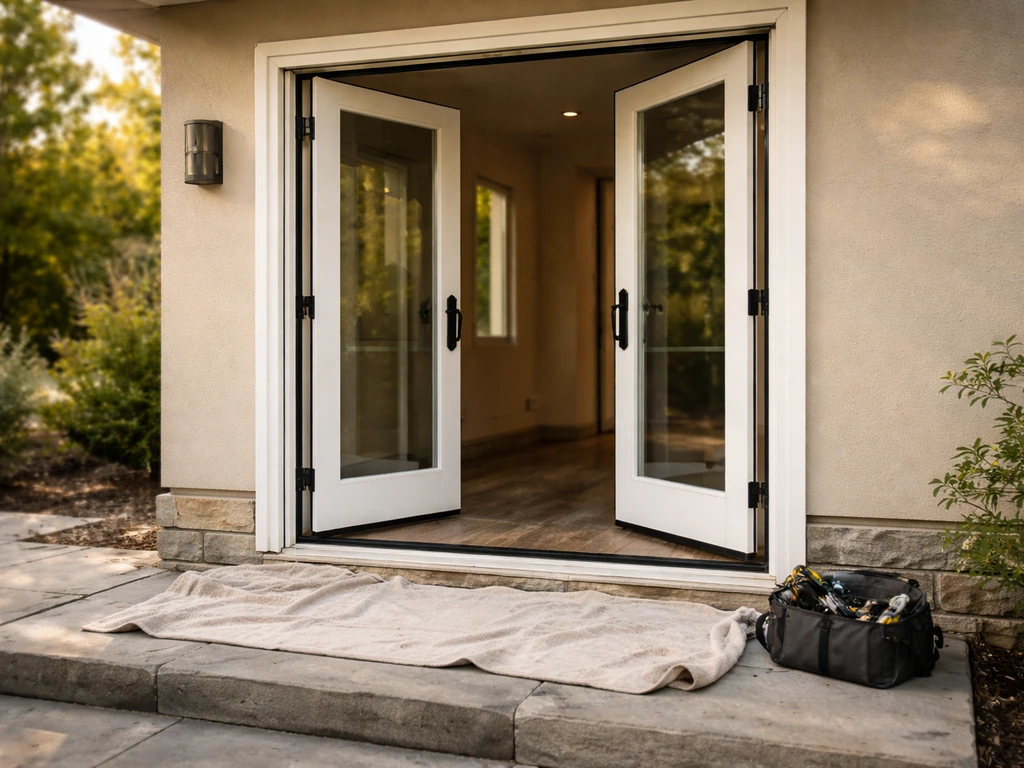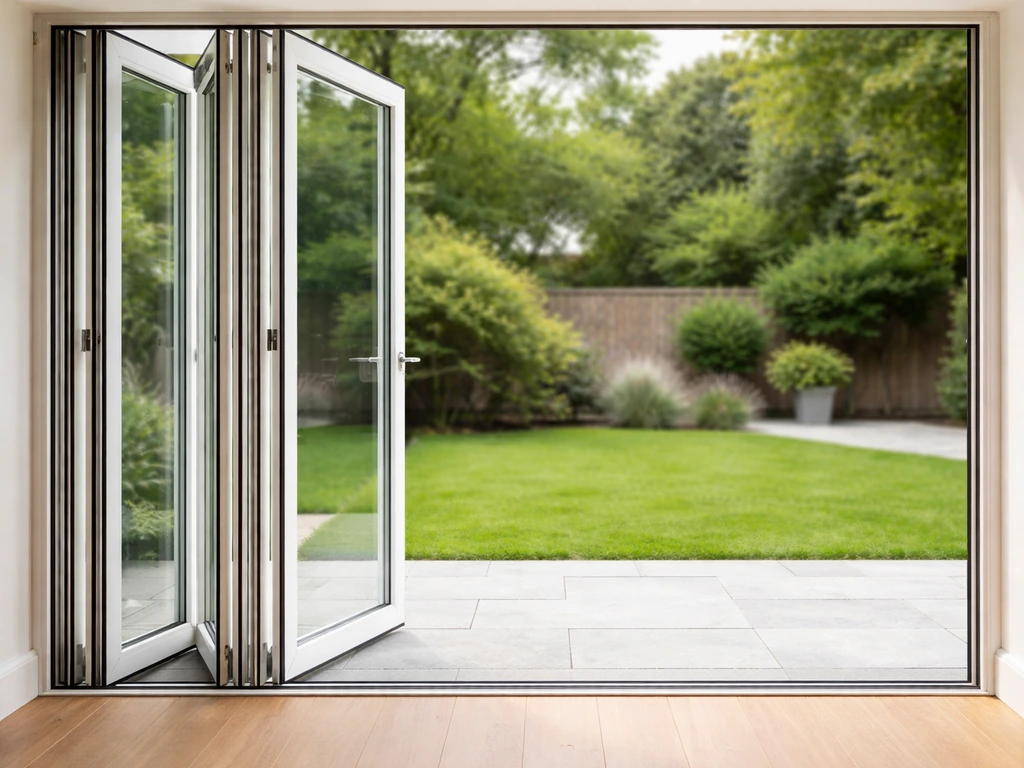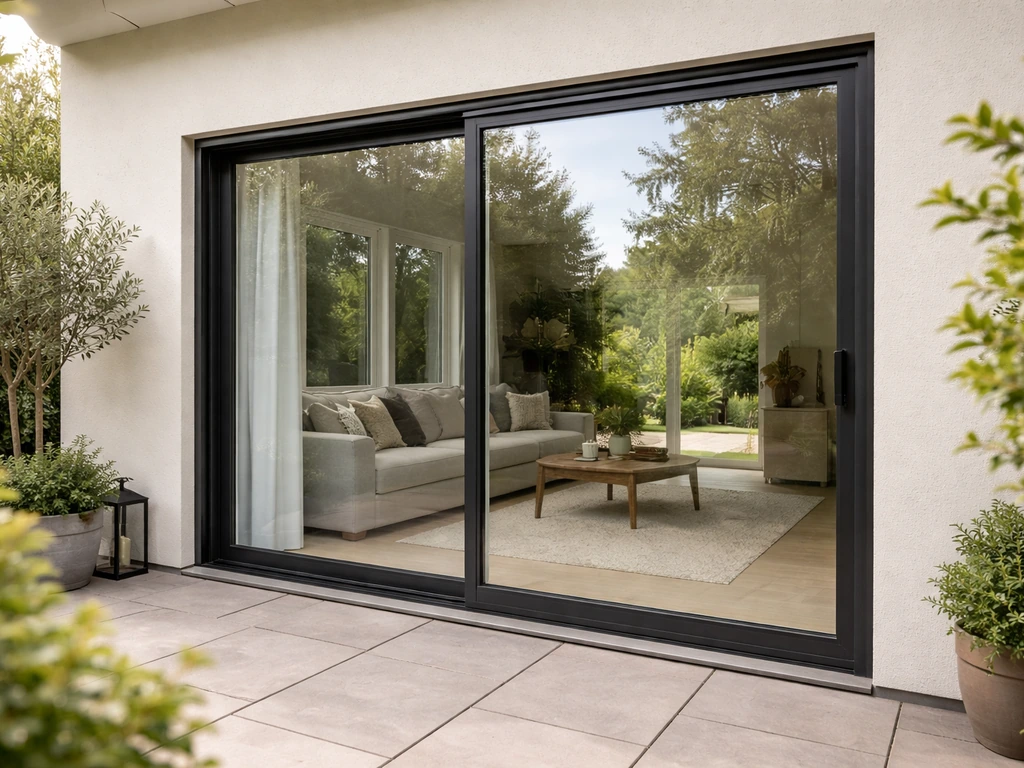
Bifold patio doors typically cost between £2,500 and £15,000+ fitted in the UK, depending on how many panels you need, what material you choose, and how much structural work the opening requires. For a standard 3-panel aluminium bifold covering a roughly 2.4m opening, most homeowners pay somewhere between £3,000 and £6,000 all-in. Scale up to a 5-panel set spanning 4m or more, and you're looking at £4,500 to £7,500 or higher once installation is included. Those ranges sound wide, but a handful of variables account for almost all of it, and once you understand them, getting an accurate quote becomes much easier.
How Much Do Bi-Fold Patio Doors Cost? 2026 Prices Guide
Owen Delaney
29 Jun 2026
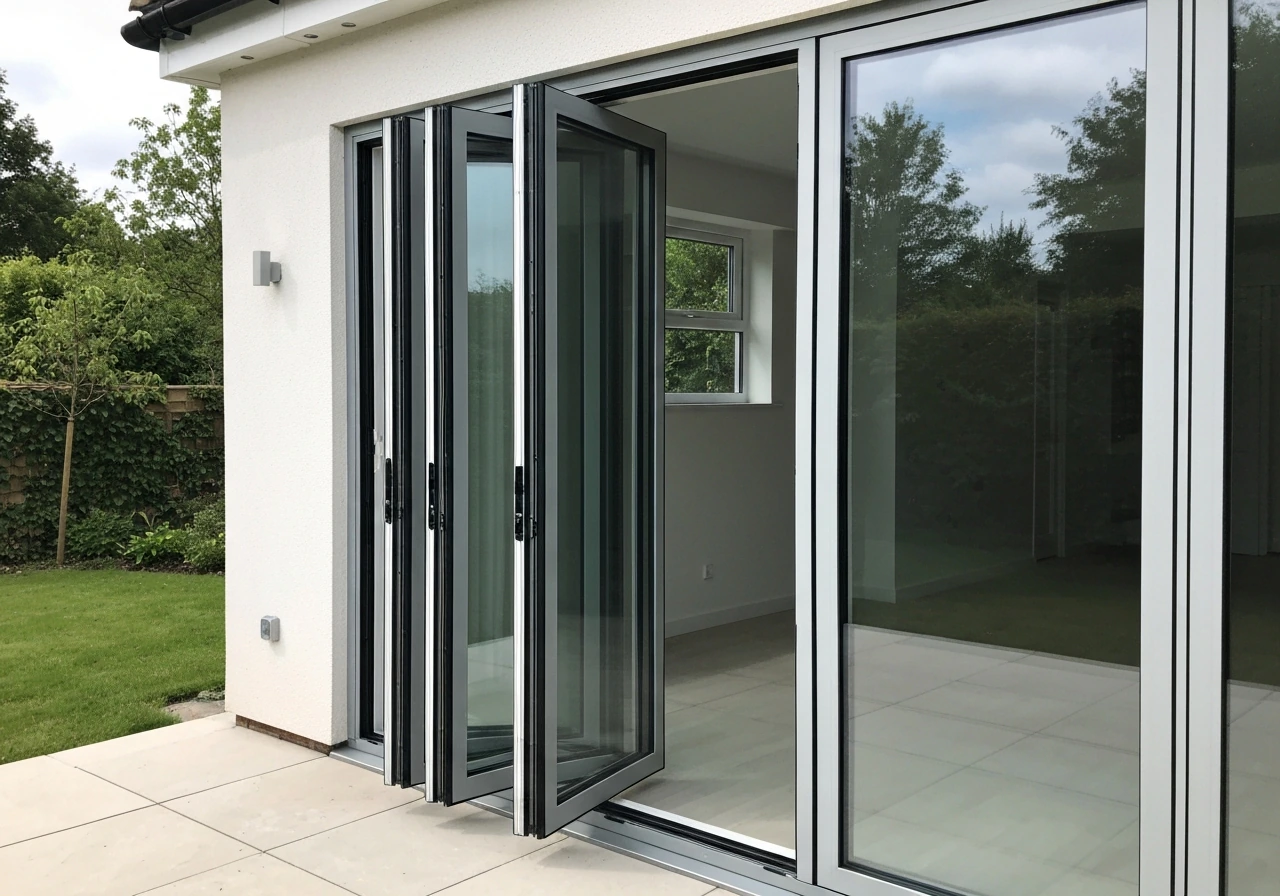
Typical bifold patio door price ranges by material and size
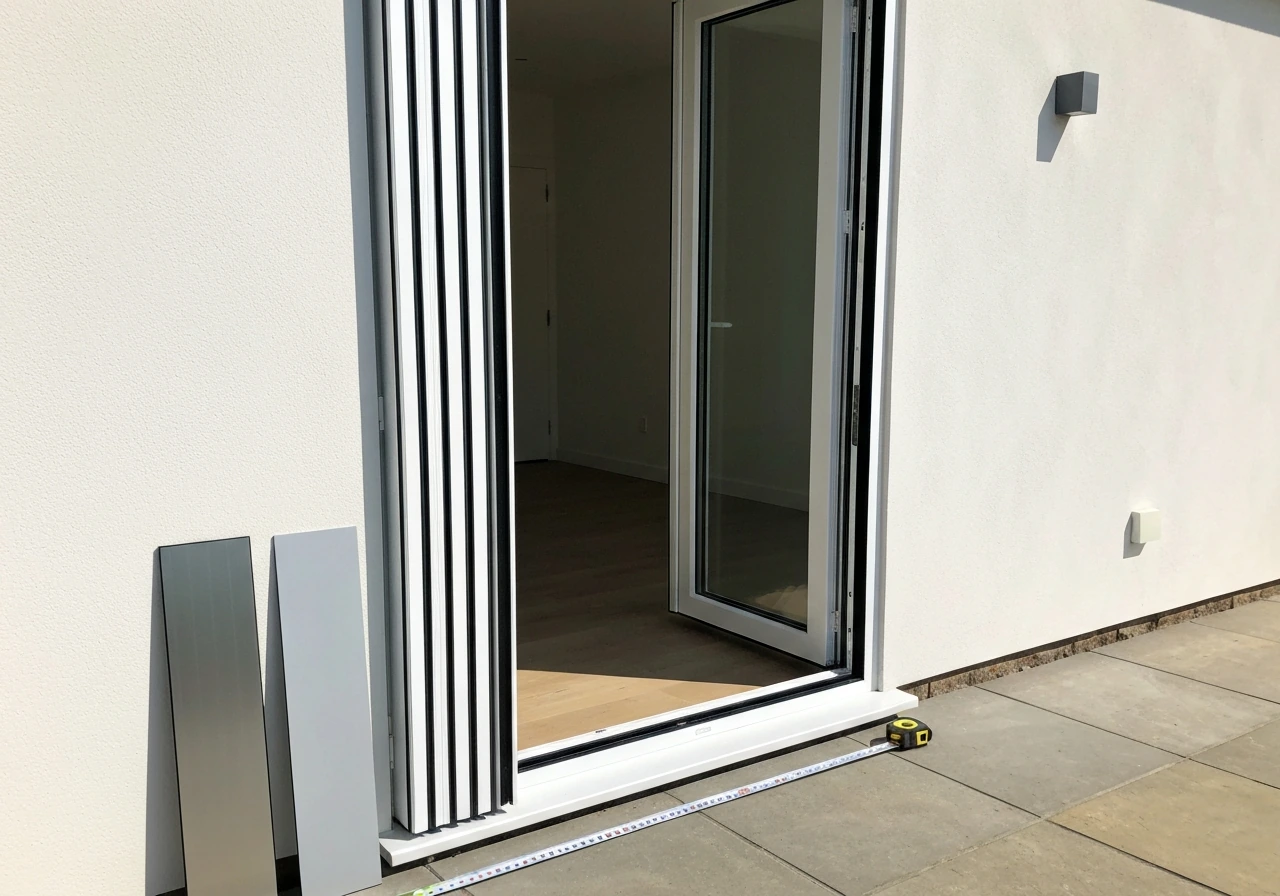
The biggest lever on price is material, followed closely by panel count. Aluminium is by far the most popular choice right now: slim sightlines, low maintenance, and it handles large spans well. uPVC bifolds cost less upfront but the frames are bulkier, which matters aesthetically. Timber bifolds look beautiful but carry a premium and need regular maintenance. Here's how those shake out by panel count at a fitted (supply plus installation) level in 2026:
| Configuration | Opening Width (approx.) | uPVC (fitted) | Aluminium (fitted) | Timber (fitted) |
|---|---|---|---|---|
| 2 panels | ~1.5–1.8m | £2,000–£3,500 | £3,000–£5,000 | £3,500–£5,500 |
| 3 panels | ~2.1–2.7m | £2,500–£4,500 | £3,000–£6,000 | £4,000–£6,500 |
| 4 panels | ~3.2–3.6m | £3,500–£6,000 | £4,000–£7,000 | £5,500–£9,000 |
| 5 panels | ~3.8–4.2m | £4,500–£7,000 | £4,500–£7,500 | £7,000–£11,000 |
| 6+ panels | 4.5m+ | £6,000–£9,000+ | £6,000–£12,000+ | £9,000–£15,000+ |
Supply-only prices are naturally lower. As a benchmark, a 3-panel aluminium bifold at around 2,400mm wide can be sourced for as little as £1,745 supply-only (including VAT) from standard range manufacturers. A 4-panel set at 4,000mm wide starts around £2,190 supply-only. Add professional installation on top and you're typically adding another £600 to £1,500 for labour alone on a straightforward job, more if structural work is involved. The Checkatrade average for a fully fitted bifold door (labour and materials combined) sits around £5,000 as of 2026, which aligns well with that mid-spec aluminium 3-panel reality.
What actually drives the cost up (or keeps it down)
Once you know the base ranges, it helps to understand exactly which decisions push the needle. From talking to installers and going through the process myself, these are the five factors that matter most:
Panel count and opening width
Each additional panel adds glass, hardware, a track roller, and labour time. A 2-panel setup is essentially a simple bifold. By the time you get to 6 panels, you've got a lot of moving parts, literally. More panels also mean a heavier top track and more precise levelling, which increases both installation time and the risk of alignment problems down the line.
Glazing specification
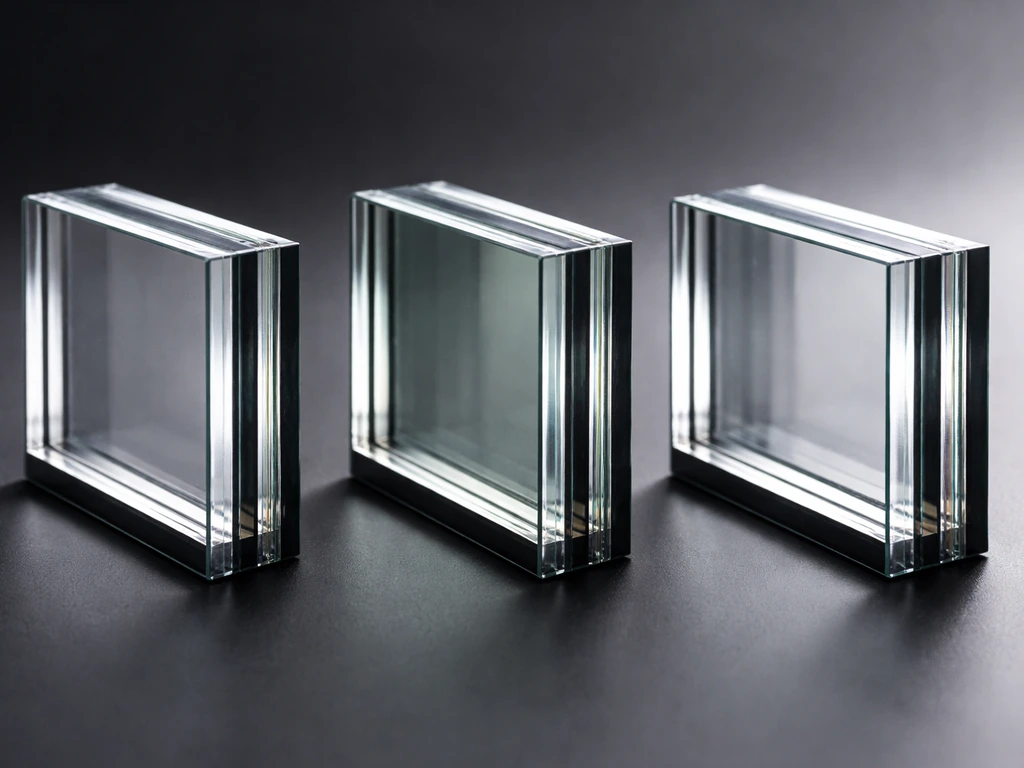
Double glazing with a low-E coating and argon fill is now the baseline for most bifold systems. It delivers a U-value in the range of 1.2–1.6 W/m²K depending on the system. Triple glazing improves this further but adds cost: upgrading from double to triple typically runs around £100 per panel for aluminium systems (some timber systems start even lower, around £75 per panel). On a 4-panel door that's a £400 upgrade, often worth it in colder regions or exposed north-facing elevations, but not always necessary elsewhere. Always ask for the declared U-value for the whole door unit, not just the glass.
Track quality and hardware
Budget bifold systems use basic stainless rollers and a simple bottom-run track. Mid and premium systems use top-hung configurations (which look cleaner and place less stress on the floor track), soft-close mechanisms, and multipoint locking. These aren't cosmetic upgrades: top-hung systems tend to stay aligned longer, and multipoint locks are a security and Part Q compliance requirement on new builds and some extensions. Adding a traffic door (a single leaf that opens independently without folding the whole system) costs around £400–£800 extra but is genuinely useful for everyday use.
Threshold style
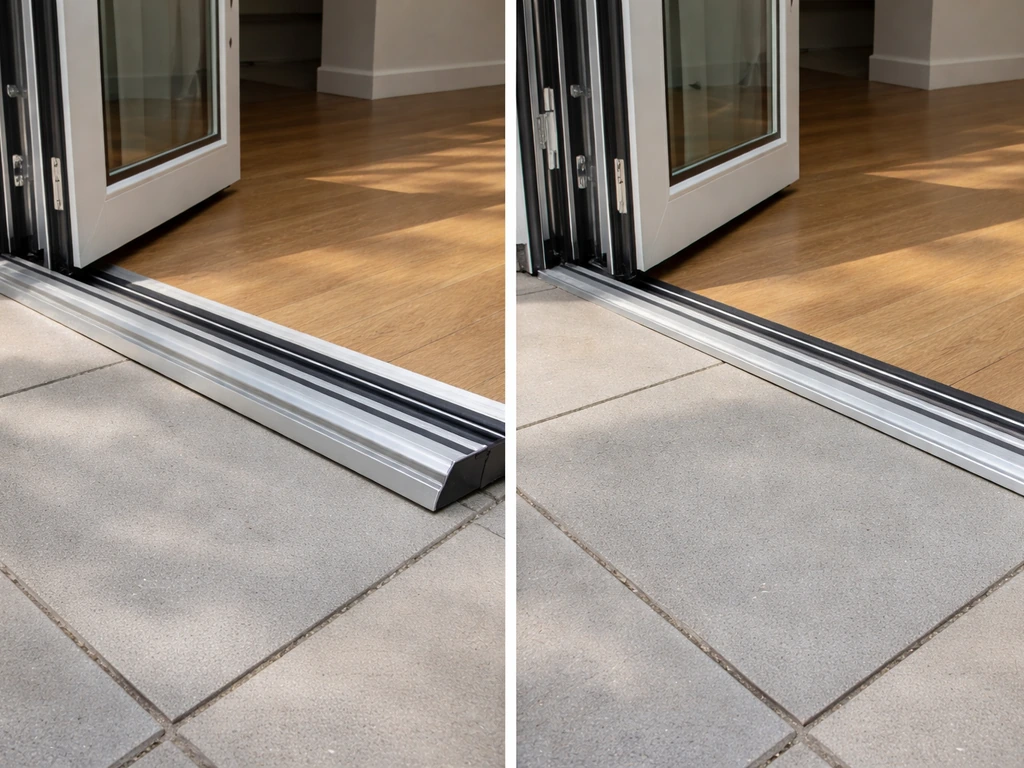
A raised threshold is standard and cheaper to fit. A low-profile or flush threshold looks better, improves accessibility, and is code-compliant for mobility requirements, but it adds roughly £350–£600 to the cost and requires more careful weatherproofing work. If you're creating a seamless indoor-outdoor flow, it's worth it. If this is a back-garden utility door, probably not.
Frame colour and finish
Standard white or mill-finish aluminium is the cheapest. RAL powder-coat colours (anthracite grey being the most popular right now) add a modest premium, usually £150–£400 depending on the system. Dual-colour frames (one colour inside, another outside) cost more again. These are largely aesthetic choices, so match your budget and the look you're going for.
What installation actually includes (and what it doesn't)
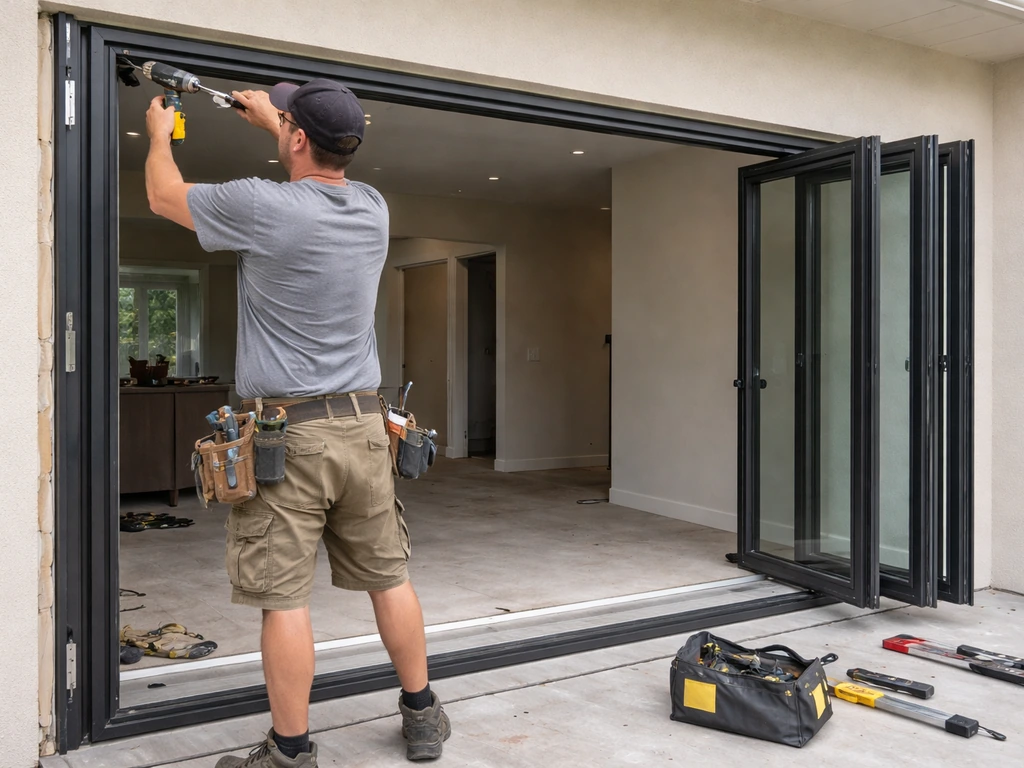
This is where a lot of homeowners get caught out. A quoted 'fitted price' should include the door unit, delivery, removal of your existing door or patio opening cover, installation of the new frame and threshold, weatherstripping and sealing, and basic internal trim. If you are trying to work out how much Marvin patio doors cost, ask the supplier for a detailed fitted price breakdown (including installation, thresholds, and any required structural work). In practice, not every quote includes all of these, so always ask explicitly.
Labour alone for bifold installation typically runs £600–£1,500 for a standard domestic fit. Fitters generally charge £200–£400 per day, and most 3-panel installs take one day. A 5-panel system or anything involving structural work usually runs into day two. Structural work is the biggest wildcard: if you're enlarging an existing opening or creating a new one, you'll likely need a new lintel. That alone adds £500–£1,500 depending on span and load, and may also require building control sign-off (more on that below).
- Door unit and hardware (included in most quotes)
- Removal and disposal of existing door (sometimes extra — confirm upfront)
- New threshold and weatherproofing (should be included)
- Internal and external trim/render making good (sometimes charged separately)
- Structural lintel work if enlarging the opening (always extra, £500–£1,500+)
- Scaffolding if needed for high openings (additional cost)
- Building control / planning fees if applicable (your responsibility to budget)
Bifold vs sliding vs French doors: which is actually worth the money
Bifolds sit at the premium end of the patio door market. Sliding patio doors covering the same opening typically cost £1,500–£4,000 fitted for a standard 2-panel or 3-panel configuration, meaningfully less than bifolds for comparable glass area. French doors for a standard double opening run even less, often £1,500–£3,500 fitted. So the honest answer is: bifolds cost more, and you're paying for the fold-away, wide-open access they provide.
| Door Type | Typical Fitted Cost (UK 2026) | Opening Style | Best For | Key Trade-off |
|---|---|---|---|---|
| Bifold | £2,500–£15,000+ | Panels fold to one or both sides | Maximum opening, indoor-outdoor living | Higher cost, more moving parts to maintain |
| Sliding patio door | £1,500–£4,000 | Panels slide on a track | Sleek look, lower cost, easy operation | Never fully clears the opening |
| French doors | £1,500–£3,500 | Two panels swing outward/inward | Classic style, simpler installation | Needs clearance space for swing |
If you want to create a truly open connection between your living space and garden, where the entire wall effectively disappears on a summer day, bifolds deliver that in a way sliding doors simply can't. Sliding doors always leave at least one fixed panel in place. But if your priority is budget, energy efficiency for a modest opening, or a clean low-maintenance setup, sliding doors (or even French doors for narrower openings) are perfectly sensible choices at a lower price point. French patio doors are often a lower-cost alternative to bifolds for smaller openings, but prices still depend on size, materials, and glazing. It's worth comparing door type costs across all three before committing.
Add-on costs to budget for
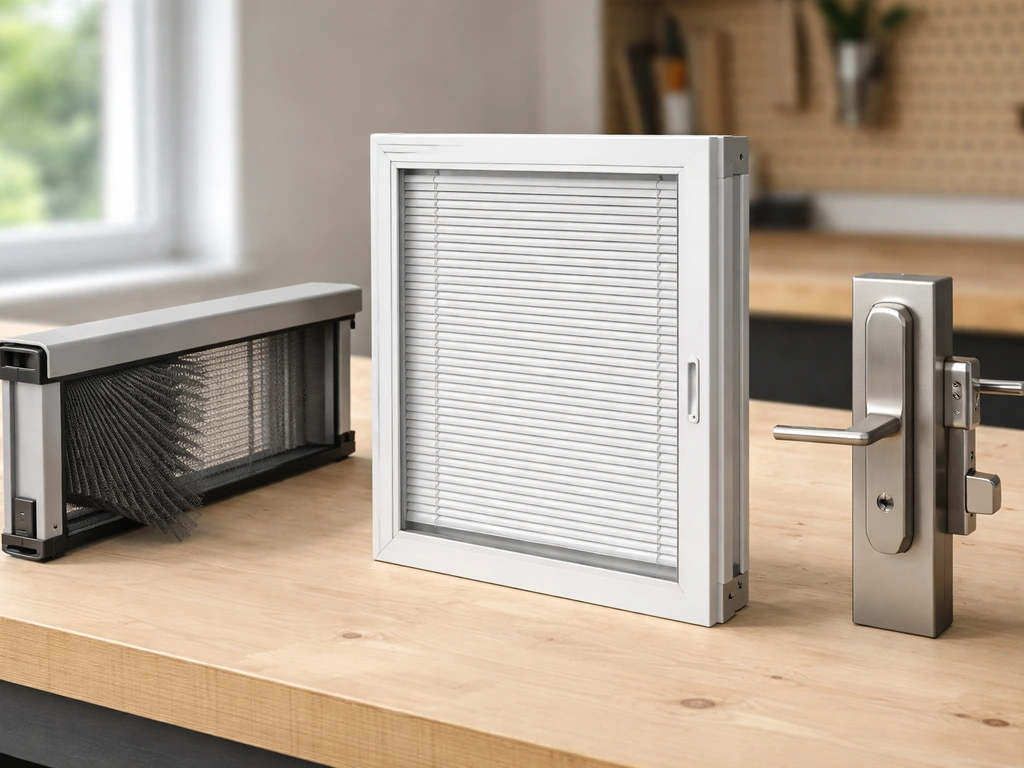
The door and installation are just the starting point. Here are the extras that commonly appear on final invoices:
Screens and insect screens
Bifold doors don't come with built-in insect screens, they're a separate add-on, and they're not cheap. Retractable pleated screens or sliding screen panels for a 3–4m bifold typically cost £500–£1,500 fitted, depending on the system. If you're in an area with significant insect pressure or you plan to leave the doors open frequently in summer, budget for this from the start.
Blinds and integral blinds
Integral blinds, built between the panes of glass, are a popular choice for bifolds because they don't interfere with the folding mechanism. Per unit, they typically cost £250–£550 per glazed panel. On a 4-panel door that's £1,000–£2,200 extra. If you want electrically operated blinds for a full 4m bifold opening, expect to pay £3,000–£5,000 for a professionally installed motorised system. That's a significant add-on, so factor it into your overall project budget rather than treating it as an afterthought.
Security upgrades
For new builds and extensions, Approved Document Q requires doors to meet PAS 24:2022 security standards, which covers attack resistance, locking hardware, and, where relevant, laminated glass on the attack face. Even if your project isn't a new build, it's worth specifying PAS 24-compliant hardware and laminated inner panes for ground-floor bifolds. Ask your supplier explicitly whether the system meets PAS 24 and what the hardware spec is on the multipoint lock. Upgrading from a basic single-point lock to a full multipoint system typically adds £150–£400 per door leaf.
Permits and building control
Like-for-like replacement (same size, same position) generally doesn't require planning permission in the UK, but it does require the work to comply with Building Regulations for energy performance and structural integrity. If you're enlarging an opening, creating a new structural opening, or working on a listed building or in a conservation area, a formal building control application is needed. Fees vary by local authority but are typically in the range of £200–£600 for a domestic project of this scale. In the US context, egress requirements under IRC Section R310 are worth checking if the bifold replaces a door or opening in or near a sleeping room, your contractor should flag this, but confirm it yourself.
Corner bifold systems
If you want a corner bifold, where two runs of panels meet at a structural corner, that's a premium product. Expect to add £2,500–£4,500 on top of the standard bifold cost for the corner post (or corner-less) hardware and the additional engineering involved. It's a stunning feature when done well, but it's a specialist installation.
How to get accurate quotes today
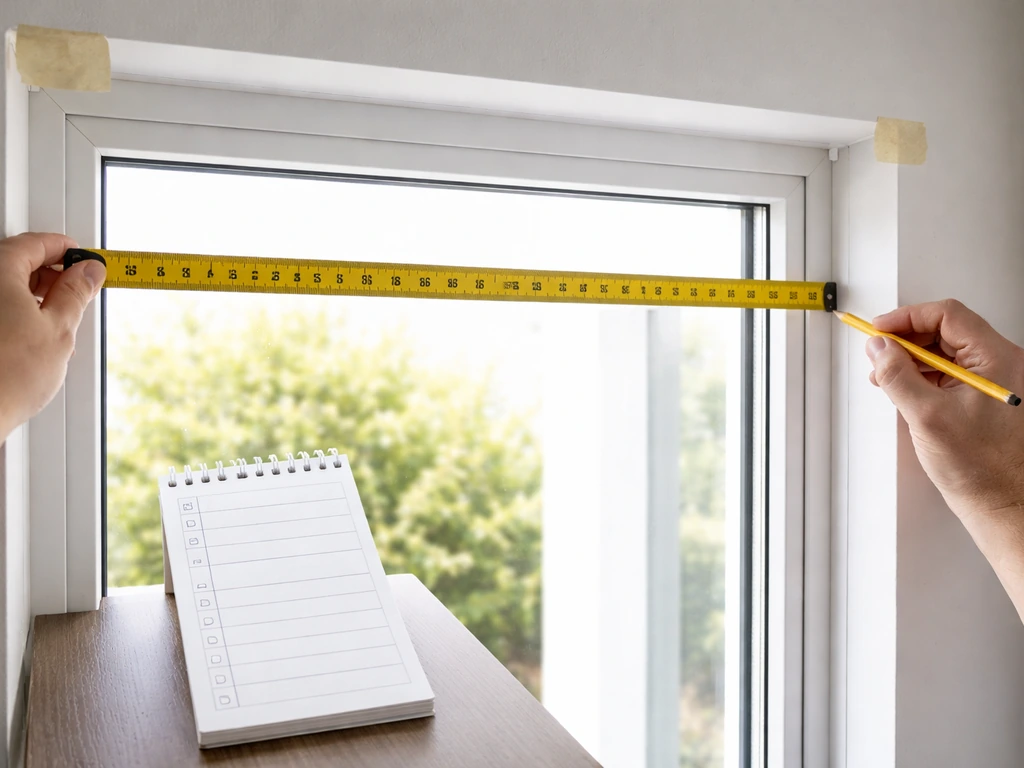
The biggest mistake homeowners make is approaching suppliers without the right information, then comparing quotes that aren't actually comparing the same thing. Here's how to get quotes you can actually use:
- Measure your rough opening width and height accurately (width x height in mm). If you don't have an existing opening, measure the wall space you want to use and note the ceiling height.
- Decide on your preferred panel count and fold direction (all panels folding to one side, or split configuration folding to both).
- Note whether you need structural work (new lintel, enlarged opening) — if unsure, ask each contractor to assess and quote for it separately.
- Specify the material (aluminium, uPVC, or timber) and any colour preferences upfront.
- Ask for an itemised quote that separates: door unit supply, delivery, installation labour, structural work (if any), threshold type, disposal of old door, and any add-ons.
- Request the door system's energy performance data — minimum ask for the U-value of the whole door unit, not just the centre-pane glass figure.
- Ask whether the system meets PAS 24: 2022 (UK) and what the locking hardware specification is.
- Get at least three quotes. Ask each installer about their lead time (currently 6–12 weeks is common for bespoke aluminium bifolds) and what's included in the warranty (most reputable systems offer 10 years on the frame, less on hardware).
- Ask specifically whether building control is included in their service or whether you need to arrange it separately.
Where to save money, and where not to
Not all spending on a bifold door project is equal. Some things are worth paying a premium for; others are easy places to trim without compromising the end result.
Safe places to save
- Colour and finish: white or standard mill finish aluminium is fine functionally. The premium for anthracite grey or dual-colour is aesthetic, not structural.
- Handle style: standard lever handles are perfectly good. Designer hardware adds cost with no performance benefit.
- Triple glazing in mild climates: double glazing with low-E and argon is well-specified for most UK locations. Triple glazing pays back more slowly unless you're in a cold or exposed area.
- Electric blinds: manual integral blinds are a fraction of the cost and work just as well for most households.
- Choosing a standard-width opening over a bespoke size: standard-range bifold sizes are cheaper and faster to supply than fully bespoke units.
Where you shouldn't cut corners
- Installation quality: bifold doors are precision-engineered items that need to be fitted level, plumb, and square. Cheap or inexperienced installation is the most common cause of doors that drop, bind, or let in draughts within a year. Pay for an experienced, specialist installer with verifiable reviews.
- Structural work: if a new lintel is needed, get it done properly with building control sign-off. Skimping here is a safety and resale issue.
- Glazing performance: the U-value of the door unit directly affects your heating bills and comfort. Don't go below double-glazed low-E as a minimum.
- Frame and system brand: a well-known brand with a 10-year frame warranty costs more than a no-name system, but the warranty and quality control matter. Bifold doors that develop alignment problems are expensive to fix.
- Security hardware: PAS 24-compliant multipoint locking is non-negotiable for a ground-floor bifold. It affects your home insurance as much as your security.
- Weatherproofing and threshold sealing: done badly, this leads to water ingress. Make sure your installer details exactly how the threshold will be sealed and what sill drainage provision is made.
The bottom line: bifold patio doors are a significant investment, and the installed cost can genuinely vary by £5,000 or more for the same opening size depending on specification and who fits them. If you want a quick ballpark before you compare quotes, this guide explains how much are bifold patio doors in the UK for different panel counts and materials. Get your measurements right, know what you want before you approach suppliers, ask for itemised quotes from at least three contractors, and don't let cost pressure push you into compromising on installation quality or glazing performance. If you're still working out whether bifolds are right for your project versus a sliding or French door setup, it's worth running a direct cost comparison across all three types before committing, the price difference is substantial and may change what you decide.
FAQ
What’s the cheapest realistic way to get bifold patio doors fitted in the UK?
To hit the low end, choose a basic aluminium system with a 2 or 3-panel configuration, double glazing only (low-E where available), standard frame colour, and a straightforward replacement with no opening enlargement. The moment you add structural work, a flush threshold, or integral blinds, the fitted total usually climbs quickly. Also confirm the quote includes track, rollers, weather seals, and removal of the existing frame, otherwise “cheap” bids can turn expensive at the end.
How can I tell if two quotes are truly comparable?
Ask for an itemised breakdown that lists door type, panel count, glazing spec (including declared U-value for the whole unit), hardware level (top-hung versus standard, soft close, multipoint lock), threshold type, and what structural or lintel work is included. If one quote only states “double glazed” without the system U-value or glass orientation performance, treat it as not comparable.
Is the price usually higher for a 4m wide opening than for a 3-panel door system?
Yes, because you typically move to a larger panel count and more glass and hardware, and installation time increases due to alignment demands. Even if the material stays the same, a 4-panel set spanning about 4m or more often adds cost beyond the basic “bigger opening” expectation due to heavier track requirements and more precise levelling.
Do I need building control approval for bifold patio doors?
For like-for-like replacement, planning permission is usually not the issue, but Building Regulations compliance still applies. If you enlarge the opening, add a new lintel, or open an internal wall in a way that changes structure, you should expect building control involvement and potentially sign-off before installation. If your contractor dismisses this, ask what authority they used to confirm compliance.
What hidden costs should I watch for on the final invoice?
Common add-ons include insect screening, integral blinds, upgraded security hardware, glazing upgrades, and any additional labour for floor levelling or making good surrounding finishes. Another frequent issue is missing parts like internal trims, weatherproof sealing, or removal and disposal of the old door and any patio opening cover, so ensure these are explicitly listed.
How much more does a flush or low-profile threshold usually cost, and is it worth it?
A flush or low-profile option is typically a meaningful premium versus a raised threshold, and it also requires more careful weatherproofing to avoid drafts and water ingress. It tends to be worth it for accessibility, mobility use, or if you’re aiming for a near seamless indoor-outdoor surface. For a less-used utility-facing opening, a standard raised threshold is often the better value.
Will triple glazing always be better value than double glazing?
Not always. Triple glazing generally costs more and the “worth it” depends on exposure and heat loss impact. If you live on a colder or windy north-facing side, triple can make sense, but you should compare the overall door unit U-value and not just the glass claim. If the opening is rarely used or you have good cavity and wall insulation, double may be the better cost-performance choice.
Do bi-fold doors meet security requirements, and what should I ask for?
For ground-floor installations, ask specifically whether the system meets PAS 24 and what the locking hardware is on each leaf (for example, multipoint versus basic single-point). If you’re fitting on a new build or extension, ensure the supplier confirms the security spec and whether laminated glass is used on the attack face where required. This avoids paying later to retrofit higher-spec hardware or glass.
Are corner bifold patio doors cheaper than standard bifolds?
No, corner bifolds usually cost significantly more because they require specialist engineering and corner hardware. If you’re trying to control budget, a straight run is generally far more cost-effective. If the architecture forces a corner design, plan an additional budget on top of the standard opening cost rather than treating it as a minor variation.
Can I install bifold patio doors myself to save money?
In many cases it’s not a straightforward DIY job because correct alignment affects how smoothly panels fold and lock. More importantly, a mis-installed frame or track can cause drafts, water leaks, and premature wear on rollers and multipoint locking. Even if you reduce labour, you may end up paying more for remedial work, and warranties can be affected if installation isn’t compliant with the manufacturer’s requirements.
What’s a sensible way to budget if my doorway needs a new lintel?
If you’re enlarging an existing opening or creating a new structural opening, ask early whether a new lintel is required and get the span, load assumptions, and whether structural calculations or building control approval are included. Lintel work can add a noticeable chunk to the overall price, so treat it as a major budget line item, not an afterthought discovered late in the process.